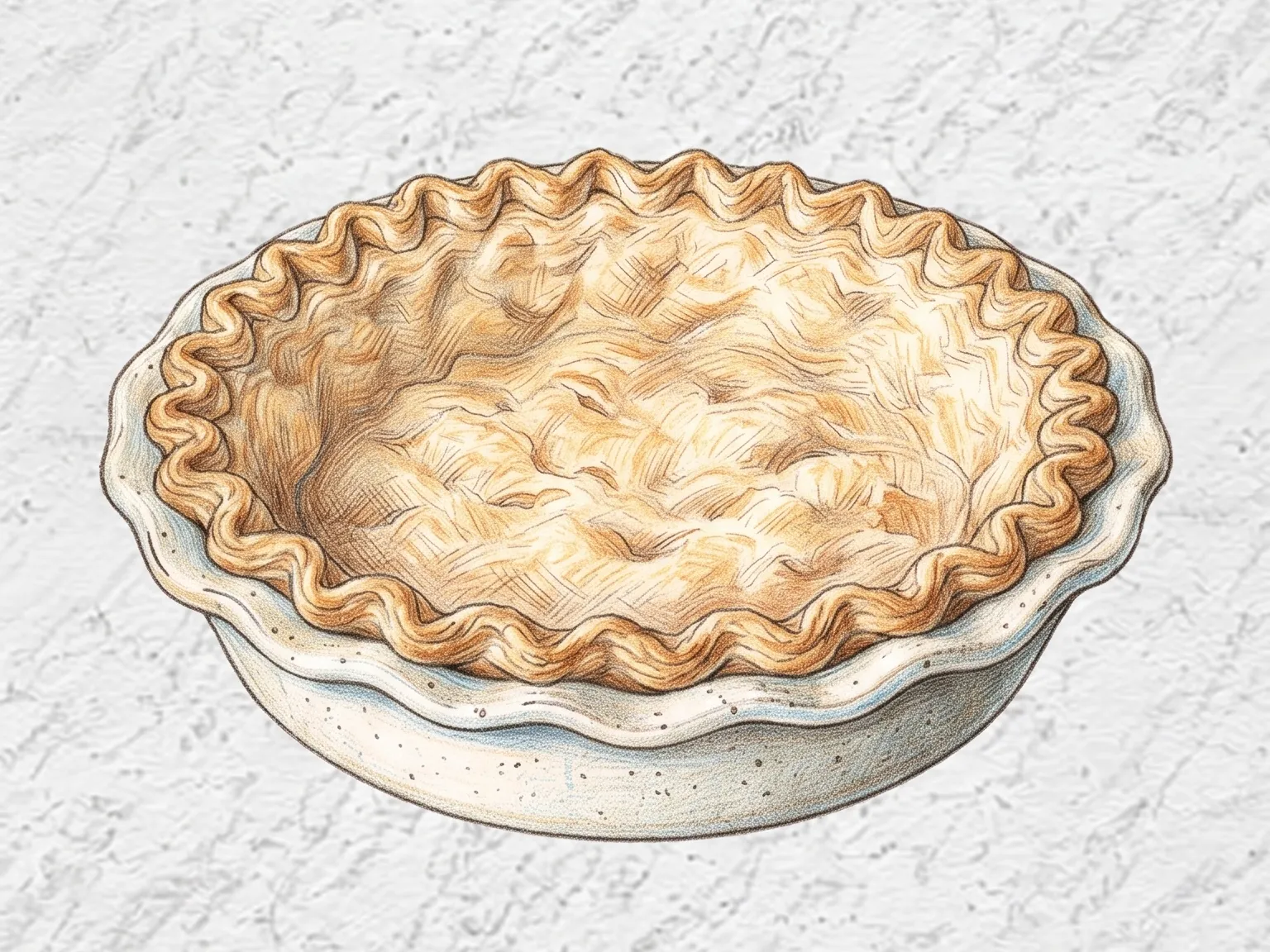
Pie Crust
Quick answer
- Total time
- At least 2 hr 40 min
- Level
- Medium
- Servings
- 2 servings
- Ingredients
- 4
About this dish
Pea-size bits of butter should still be visible when you stop cutting it into the flour.
Read more
In the oven those bits melt into flaky layers; work the mixture down to fine crumbs and the crust bakes up mealy. How much water the dough takes varies, so add it a spoonful at a time and stop as soon as a squeezed handful holds together.
Ingredients
Instructions
Stops the screen from turning off while you cook.
- 1
Cut 227 g cold butter into 1.3 cm (1/2-inch) cubes, spread them on a plate and freeze for 15 minutes.
Fill a large glass with ice and water.
- 2
Whisk 300 g flour and 1 teaspoon salt in a large bowl.
Add the butter and cut it in with a pastry blender, or pulse everything in a food processor, until the butter is spread through the flour but pea-size pieces are still scattered throughout. Avoid rubbing it in with your fingers, which warm and melt the butter.
- 3
Drizzle 85 ml (6 tablespoons) ice water, measured without the ice, over the mixture and toss with a fork.
Keep adding ice water 1 tablespoon at a time, up to 85 ml more, until the dough starts to come together. It is ready when a squeezed handful holds without crumbling or showing dry spots. Do not knead it.
- 4
Gather the dough, divide it in half and pat each half into a flat disk.
Wrap and refrigerate for at least 1 hour. If the dough has been chilled so long that it is too firm to roll, leave it at room temperature for 10 to 15 minutes first.
- 5
Lightly flour the counter and rolling pin.
Roll one disk from the center outward, giving it a quarter turn after each pass, into a 28 to 30 cm (11 to 12 inch) round about 3 mm (1/8 inch) thick. Drape it over the rolling pin, move it to a 23 cm (9-inch) pie plate and let it settle into the bottom and sides without stretching before you ease it into the corners.
- 6
For a single-crust pie, trim the overhang to 1.3 cm (1/2 inch) past the rim, fold it under and crimp or flute the edge.
Refrigerate the crust in its plate for at least 30 minutes before filling or baking it.
- 7
For a double-crust pie, fill the bottom crust, roll the second disk the same way and lay it over the filling.
Trim, press the edges to seal and crimp them, cut a few steam vents in the top and bake as your pie recipe directs.
- 8
To bake the crust before filling it, heat the oven to 200°C (400°F).
Line the chilled crust with parchment and fill it right to the top with pie weights, dried beans, uncooked rice or granulated sugar. Bake for 15 to 20 minutes, until the edges are lightly golden.
- 9
Lift out the parchment with the weights.
For a fully baked shell, the kind used for cream pies and other fillings that are not baked, return it to the oven for 5 to 10 minutes, until deep and evenly browned. For a partly baked shell that will go back in the oven with its filling, bake only 3 to 5 minutes more. Either way, let the crust cool completely before filling it.
References checked
These references were consulted when this page was prepared or corrected. A source check does not mean the recipe was independently kitchen-tested.
- All-Butter Pie Crust
King Arthur Baking · Checked: 2026-11-08
- Classic Double Pie Crust
King Arthur Baking · Checked: 2026-11-08
- Classic Butter Pie Crust
Taste of Home · Checked: 2026-11-08
- How to Blind Bake Pie Crust
Taste of Home · Checked: 2026-11-08
- Butter Pie Crust
Food Network Kitchen · Checked: 2026-11-08
Use-up ingredient planner
Turn these ingredients into two more meals
The overlap excludes basic seasonings. Open the next recipe and your selected dishes will stay with you.
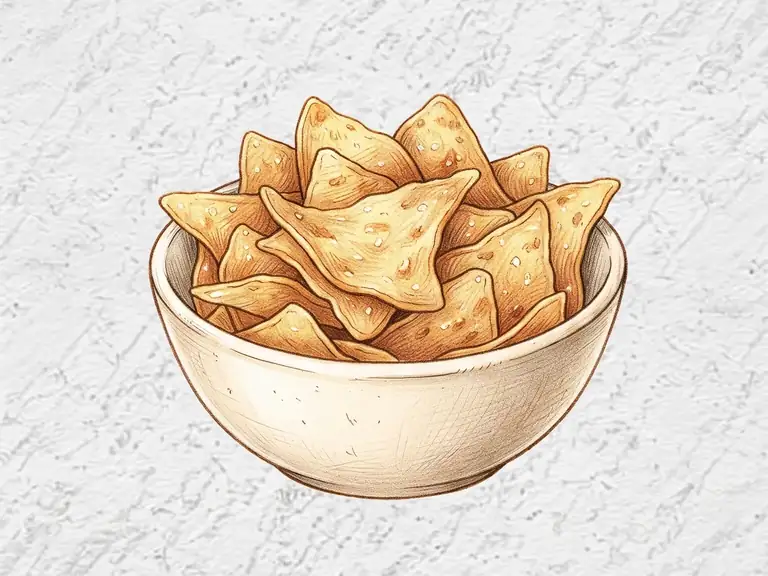
Tortilla Chips
table salt
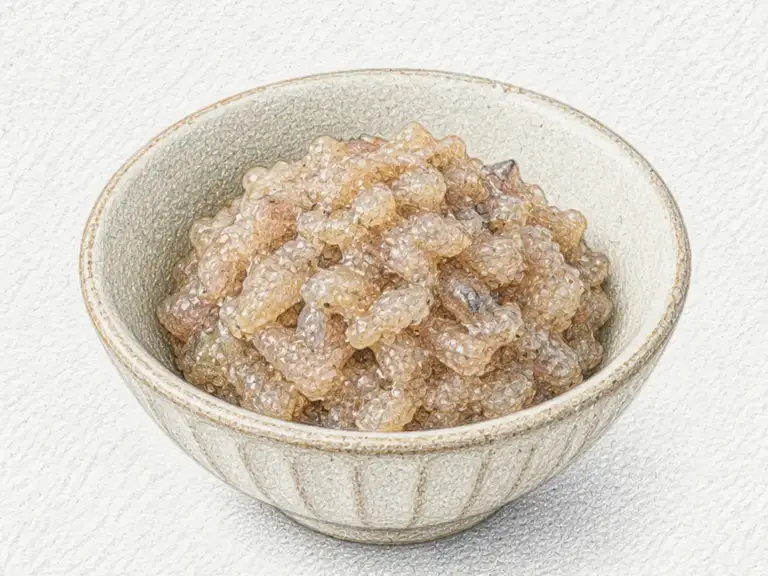
Ayu Uruka (Salt-Cured Sweetfish Paste)
table salt
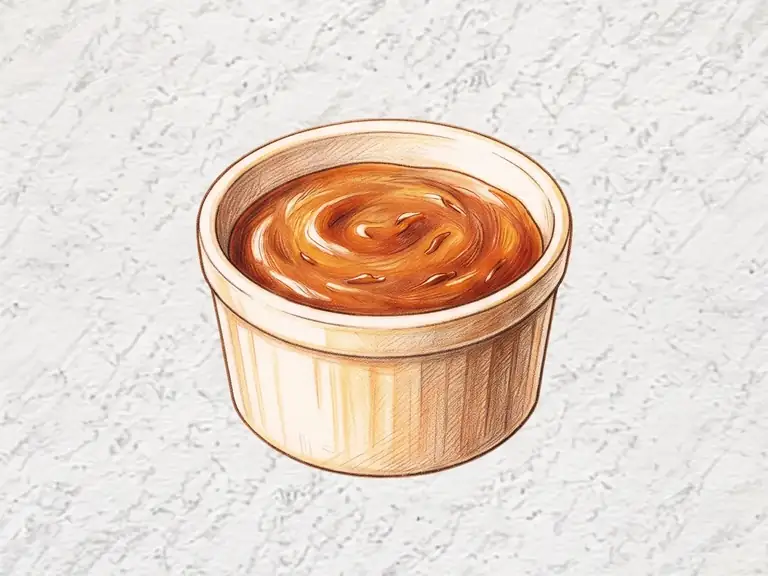
Caramel Sauce
table salt