2741 Korean & World Recipes

Pick Tonight's Dinner

3 picks for now

All Recipes

Neatly organized recipe collection

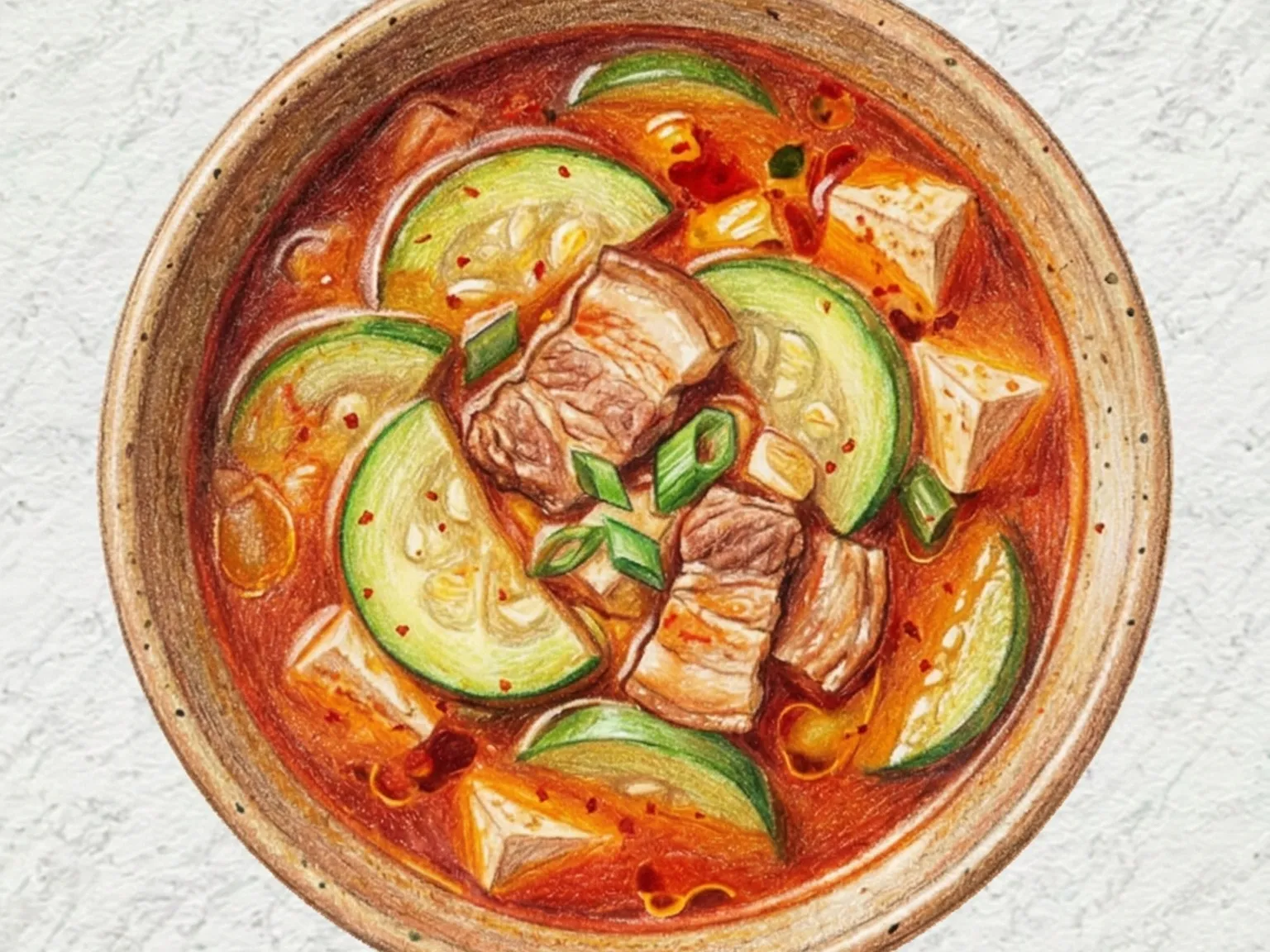
Korean Pork Kimchi Stew (Fermented Kimchi & Pork Shoulder)
StewsEasy

Korean Pork Kimchi Stew (Fermented Kimchi & Pork Shoulder)

Pork kimchi jjigae is one of the most beloved home-cooked Korean stews, built on aged kimchi and pork shoulder. The marbled fat from the pork shoulder melts into the broth, balancing the kimchi's sharp acidity with richness. Tofu and onion bulk up the pot, while soup soy sauce and chili flakes season the liquid. The riper and more sour the kimchi, the better this stew tastes - it is the ideal use for old kimchi.

🏠 Everyday
Prep 12minCook 25min2 servings
Classic Bagel
BakingMedium

Classic Bagel

Classic bagels are defined by a two-stage cooking process that no other mainstream bread undergoes: the shaped rings are boiled before they are baked, and it is that boiling step that creates everything distinctive about the finished product. The dough is made with high-gluten bread flour and deliberately low hydration, then kneaded extensively to build a dense gluten network strong enough to resist expansion in the oven. After shaping into rings and a brief second proof, the bagels are lowered into boiling water -- often sweetened with honey or malt syrup -- and held there for about a minute per side. The heat gelatinizes the starch on the outer surface, forming a thin, tight skin that acts as a physical barrier against the gas trying to expand inside. When the boiled rings go into a hot oven, that skin constrains the rise so the interior stays compressed and dense rather than open and airy. The result is a crust that is firm, slightly shiny, and resilient under pressure, surrounding an interior with a chewiness measured in seconds of resistance rather than the instant softness of most bread. Adding honey or malt to the boiling water contributes a faint sweetness and a deeper color to the finished crust. In New York tradition the bagel is split, toasted, and loaded with cream cheese and smoked salmon, but sliced in half and toasted with butter alone, the structure of a well-made bagel carries the eating experience entirely on its own.

🧒 Kid-Friendly
Prep 30minCook 20min6 servings
Korean Short Rib and Octopus Soup
SoupsHard

Korean Short Rib and Octopus Soup

Galnak-tang is a Korean restorative soup that combines beef short ribs and fresh octopus in the same pot, producing a broth that carries two distinct umami registers simultaneously. The ribs are simmered first until tender and the initial cooking water is discarded along with the rendered fat, leaving a cleaner base for the second round of simmering. Radish goes in early alongside the ribs, gently sweetening the broth while absorbing some of the beefy richness so that the seafood flavor added later can come through more clearly. Octopus is added only at the end and needs no more than two to three minutes in the hot broth. Any longer and the texture turns rubbery, losing the springy bite that makes octopus worth eating. As the octopus cooks, its juices release into the soup and merge with the beef stock, blending the fatty depth of braised meat with the clean, mineral brightness of the sea. A small amount of gochugaru added near the end gives the broth a mild heat that cuts through the richness without overwhelming either protein. In Korean food culture, this soup belongs to the category of stamina dishes called boyangsik, traditionally sought out during the three hottest days of summer, after illness, or the morning following a night of drinking.

🏠 Everyday🎉 Special Occasion
Prep 30minCook 80min4 servings
Korean Abalone & Garlic Stem Stir-fry
Stir-fryMedium

Korean Abalone & Garlic Stem Stir-fry

The preparation of Jeonbok-maneuljong-butter-bokkeum involves a high heat stir-fry technique using thinly sliced abalone and garlic scapes cooked in butter. The primary goal of using high heat is to release the aromatic properties of the butter and seafood while maintaining a specific texture. Before cooking, the abalone must be cleaned and the internal organs removed so that only the flesh is used. Slicing the abalone thinly is a requirement because the high temperature of the pan cooks the pieces almost instantly. This rapid cooking ensures the flesh remains springy rather than contracting into a tough or rubbery texture. Because the protein in the abalone begins to seize if cooked for longer than one minute, the speed of the stir-fry is the most critical variable in the process. Garlic scapes are used to provide a firm and snappy bite to the dish. These are cut into uniform lengths and placed in the pan before the abalone. This specific order gives the scapes a brief head start in the cooking process so that both the vegetables and the seafood finish at the same time. The ingredients should be added to the pan only after the butter has melted and started to foam. This foaming indicates the start of the Maillard reaction, which is responsible for browning the surface of the pieces and increasing the overall scent of the dish. A spoonful of soy sauce is then poured specifically along the heated edges of the pan. This technique allows the sauce to caramelize on contact with the hot surface, which adds a layer of savory and slightly sweet flavors to the mixture. The process concludes with the addition of ground black pepper, which provides a mild spice that supports the scent of the butter. Provided that the ingredients are prepped in advance, the entire stir-fry takes less than ten minutes to complete.

🏠 Everyday🍱 Lunchbox
Prep 15minCook 10min2 servings
Chicken and Waffles
WesternMedium

Chicken and Waffles

Chicken and waffles is a Southern American soul food dish that places crispy fried chicken thighs on freshly made waffles and finishes everything with a pour of maple syrup. Soaking the chicken in buttermilk for at least an hour before dredging tenderizes the meat and gives the finished crust a more pronounced crunch; without this step the coating is drier and less flavorful. The double-dredge technique -- flour first, then beaten egg, then flour again -- builds a thick, irregular crust that shatters at the bite after eight to ten minutes in 170-degree oil, while the interior stays moist and fully cooked. The waffle batter includes melted butter, which is what creates waffles that are genuinely crisp on the patterned exterior while staying soft and airy on the inside; waffles made without fat in the batter tend to turn limp quickly. Waffles are cooked first and kept warm in a low oven so they are ready the moment the chicken is lifted from the oil. The appeal of the dish lies entirely in contrast: the hot, salty, fatty crunch of the fried chicken meets the sweet yielding softness of the waffle and the maple syrup, and the interplay of those opposing sensations is what turns a straightforward combination of ingredients into something that stays in memory.

🎉 Special Occasion🧒 Kid-Friendly
Prep 25minCook 25min2 servings
Korean Dried Radish Greens Pork Soup
SoupsMedium

Korean Dried Radish Greens Pork Soup

Siraegi-dwaejigogi-guk is a hearty Korean soup that marries dried radish greens with pork in a broth deepened by doenjang and warmed with a moderate dose of gochugaru. The dried greens are first boiled until pliable, then dressed with soybean paste so the fermented flavor works its way into every fiber. Pork shoulder or neck, cut into bite-sized pieces, simmers alongside, releasing rendered fat that enriches the broth and adds a full-bodied mouthfeel. The chili flakes turn the liquid a dark reddish-brown and introduce a gentle heat that prevents the pork fat from feeling heavy. Garlic and green onion build the aromatic base, and some cooks add a splash of perilla oil at the end for an extra layer of nuttiness. The greens keep a pleasant chew even after long cooking, providing textural contrast to the tender pork. Served over rice with plenty of broth ladled on top, each spoonful delivers doenjang, pork, and radish greens in a single, satisfying combination. This soup is at its best during winter, when dried radish greens from the autumn harvest are at peak flavor and the cold weather demands something hot and substantial.

🏠 Everyday
Prep 20minCook 45min4 servings
Chili Paneer (Spicy Fried Cheese Stir-Fry)
AsianEasy

Chili Paneer (Spicy Fried Cheese Stir-Fry)

Chili paneer belongs to Indo-Chinese cuisine, a fusion genre that emerged in the late nineteenth century when Hakka Chinese immigrants settled in Kolkata and began cooking with Indian ingredients and techniques. Cubes of paneer, India's firm fresh cheese that holds its shape under high heat without melting, are coated in cornstarch and deep-fried until a crisp shell forms, then tossed in a blazing-hot wok with diced garlic, green chilies, bell peppers, and onions, all brought together in a sauce built from soy sauce, chili sauce, tomato ketchup, and vinegar. The starchy crust absorbs the punchy sauce while shielding the soft, milky interior of the paneer, and the contrast between the crunchy shell and the yielding cheese inside is the defining pleasure of the dish. Two distinct styles exist: dry, where the sauce barely coats each cube and the dish is eaten as a starter or with drinks, and gravy, where a thicker, glossier sauce pools generously around the paneer for scooping with naan or ladling over fried rice. The flavor profile, salty soy meeting sour vinegar, sweet ketchup cutting through hot chili, is neither Chinese nor Indian but something entirely its own, a product of a specific immigrant community adapting to a new place while keeping familiar techniques alive.

🍺 Bar Snacks🎉 Special Occasion
Prep 15minCook 12min2 servings
Korean Flying Fish Roe Gimbap
Street foodEasy

Korean Flying Fish Roe Gimbap

Nalchial gimbap is made by spreading sesame-oil-and-salt-seasoned rice across a sheet of nori, piping a thin line of mayonnaise down the center, then laying refrigerated flying fish roe and julienned cucumber in parallel before rolling everything tightly. The roe must come straight from the refrigerator at the moment of assembly - as the tiny eggs warm up, their skins soften and lose the signature pop that defines this roll. Biting through releases a simultaneous burst of briny, savory roe juice and creamy mayonnaise, while crisp cucumber strips cut through the richness with their cool crunch. Once sliced, a small spoonful of extra roe placed on each cut piece makes the rolls visually striking and amplifies the popping sensation per bite. Salmon roe or spicy pollack roe can substitute for flying fish roe using the exact same method.

🌙 Late Night Quick
Prep 15minCook 5min2 servings
Korean Octopus Hot Pot (Spicy Gochujang Broth with Herbs)
StewsMedium

Korean Octopus Hot Pot (Spicy Gochujang Broth with Herbs)

Nakji jeongol is a spicy Korean hot pot built around small octopus simmered in anchovy stock seasoned with gochujang and gochugaru, together with napa cabbage, water parsley, onion, and tofu. Anchovy stock works particularly well here because it has a clean, salty depth that amplifies rather than competes with the oceanic flavor of the octopus. The gochujang contributes a fermented sweetness to the broth while the gochugaru layer on top provides the sharp, direct heat, producing a multi-dimensional spicy broth that is more complex than either ingredient alone. Octopus is highly sensitive to overcooking. Cooked within two minutes, it stays springy and pleasantly chewy. Beyond that, the protein fibers contract and the texture becomes tough and rubbery. Water parsley loses its fresh herbal fragrance quickly under heat, so it is best added about one minute before serving to keep that clean, slightly grassy brightness intact. Cooking the hot pot at the table allows diners to add octopus in small batches at their own pace, which is the most reliable way to keep every piece at the ideal doneness.

🍺 Bar Snacks🎉 Special Occasion
Prep 25minCook 18min2 servings
Korean Soft Tofu Stew (Silken Tofu in Spicy Clam Broth)
StewsEasy

Korean Soft Tofu Stew (Silken Tofu in Spicy Clam Broth)

Sundubu-jjigae is one of Korea's most recognizable stews, built around silken soft tofu simmered in a fiery broth with clams, ground pork, and gochugaru. The process starts by frying sesame oil, chili flakes, and garlic together until the fat turns red and fragrant, which becomes the flavor foundation of the entire pot. Stock is poured in and brought to a hard boil, then two eggs are cracked directly onto the surface of the stew and left to set into a soft, barely-cooked yolk. Clams bring a clean oceanic salinity to the broth while the pork provides a meatier, rounder depth, and the two work together to create a layered complexity that neither delivers alone. The stew is served still boiling in an earthenware pot because the clay retains heat far longer than metal, keeping every spoonful scalding from first to last. A scoop of rice stirred into the leftover broth absorbs the spicy, savory liquid completely.

🏠 Everyday Quick
Prep 10minCook 20min2 servings
Korean Soy Braised Chicken with Glass Noodles
Stir-fryMedium

Korean Soy Braised Chicken with Glass Noodles

Jjimdak is a Korean braised chicken dish originating from the Andong region of North Gyeongsang Province, where competing chicken stalls in the Andong Old Market during the 1980s each developed their own version, eventually producing the dish now associated with the city. Bone-in chicken pieces, potatoes, and glass noodles are simmered together in a soy sauce glaze built from soy sauce, sugar, garlic, and corn syrup. The sauce penetrates the chicken and potatoes fully during the braise, delivering salty-sweet depth in every piece. Glass noodles swell as they absorb the reducing liquid, turning chewy and deeply flavored by the end of cooking, while the potatoes soften to a floury, starchy texture that holds sauce on every surface. As the liquid reduces further, the glaze thickens and turns glossy, coating each ingredient in a lacquered layer. Served over rice with the sauce poured across, it is easy to finish the bowl without noticing. Cheongyang chilies are often added for a spicier version, and sliced rice cakes folded in at the end are a popular addition.

🍺 Bar Snacks🏠 Everyday
Prep 20minCook 40min4 servings
Korean Perilla Beef Jeon (Perilla-Wrapped Beef Tofu Pancake)
GrilledMedium

Korean Perilla Beef Jeon (Perilla-Wrapped Beef Tofu Pancake)

A thin layer of seasoned ground beef mixed with pressed tofu is spread on the underside of each perilla leaf, which is then folded in half, coated in flour, dipped in beaten egg, and pan-fried over medium heat. Keeping the filling thin is essential so the herbal fragrance of the perilla comes through clearly. Squeezing moisture from the tofu beforehand ensures the jeon holds its shape during frying. The result layers the grassy aroma of perilla with soy-seasoned beef in every bite.

🍺 Bar Snacks🎉 Special Occasion
Prep 18minCook 12min2 servings
Korean Seasoned Green Seaweed
Side dishesEasy

Korean Seasoned Green Seaweed

Cheonggak is a branching green seaweed harvested from the tidal flats of Korea's southern coast, recognizable by its dense, tree-like fronds and a sharp, concentrated oceanic smell. Blanching it in boiling water for exactly ten seconds brightens the color to a vivid green and preserves the cartilage-like crunch that defines the texture. Even a few seconds beyond that and the seaweed begins to collapse, so a timer is worth setting. After blanching, it is rinsed in cold water, squeezed firmly to remove moisture, and cut to finger lengths. The dressing uses vinegar as its leading ingredient alongside soy sauce, gochugaru, minced garlic, and sugar - the acidity of the vinegar dispels the sharp brininess of the seaweed and gives the finished dish a clean, refreshing quality. The seasoned cheonggak must be served immediately; within a few hours the seaweed releases liquid and the texture deteriorates beyond recovery. It appears in coastal markets across Jeollanam-do from midwinter through early spring and is absent from shelves the rest of the year.

🥗 Light & Healthy🏠 Everyday
Prep 10minCook 2min2 servings
Thai Drunken Noodles
NoodlesMedium

Thai Drunken Noodles

Pad kee mao, or drunken noodles, is a Thai stir-fried noodle dish where wide rice noodles are wok-tossed with chicken, garlic, fresh chili, and Thai basil over very high heat. The noodles are soaked briefly in lukewarm water until pliable but not soft. Garlic and chili go into the smoking-hot wok first to release their aroma, followed by sliced chicken thigh. Onion and bell pepper are added next and stir-fried quickly to keep them crisp. Fish sauce delivers briny umami while dark soy sauce darkens the noodles and adds a subtle sweetness. Thai basil is folded in only after the heat is turned off, so its anise-like fragrance stays intact rather than cooking away. Maintaining intense wok heat throughout is critical - too low and the noodles steam instead of sear.

🎉 Special Occasion🌙 Late Night
Prep 15minCook 12min2 servings
Korean Salt-Fermented Tiny Shrimp
KimchiMedium

Korean Salt-Fermented Tiny Shrimp

Saeujeot is a Korean salt-fermented tiny shrimp condiment made by mixing small shrimp evenly with sea salt, packing the mixture tightly into a sterilized jar, and fermenting under refrigeration for a minimum of two weeks. Salt draws moisture from the shrimp and initiates enzymatic breakdown of the proteins, gradually transforming the raw fishiness into concentrated amino acids and the deep, savory umami that forms the backbone of kimchi seasoning and Korean stew bases. Rice wine and ginger juice are added to suppress the off-flavors that develop during the early, volatile stages of fermentation before the lactic acid bacteria have established dominance. A small amount of chili flakes contributes a faint background warmth. The most critical step before salting is removing as much surface moisture as possible after rinsing the shrimp, since excess water dilutes the brine concentration and creates conditions for spoilage bacteria. The salt ratio should fall between 20 and 25 percent of the shrimp's weight: too high and the result is harsh and one-dimensional, too low and safety becomes a concern during the long cure. Only clean, dry utensils should ever touch the jar to prevent contamination that would undermine months of careful fermentation. Saeujeot fermented for six months or longer develops a rounded complexity absent in younger batches. In Korea, the harvest season determines the name and character of the product: ojot from May, yukjeot from June, and chujeot from autumn each carry a distinct flavor profile suited to different culinary uses.

🍱 Lunchbox Quick
Prep 20min4 servings
Soy Butter Steak Garlic Spaghetti
PastaMedium

Soy Butter Steak Garlic Spaghetti

Thick-cut sirloin seared at high heat, then glazed in soy sauce and butter, forms the base of this steak pasta. The fond left in the pan gets deglazed with soy sauce and butter, then emulsified with pasta water into a thin, shiny coating that clings to each strand without turning greasy. Generous garlic browned in olive oil beforehand builds a deep, roasted-garlic base that runs through the entire sauce, and tsuyu -- a Japanese seasoning concentrate made from kombu and bonito -- adds the round umami depth of dashi without any extra steps. The steak is best cooked to medium-rare and sliced against the grain before laying over the pasta; resting the meat first keeps the juices from running out when cut. Black pepper and sliced scallions cut through the richness at the end. The full cook time is about 20 minutes, and pasta water volume controls the final sauce consistency.

🍺 Bar Snacks🎉 Special Occasion
Prep 15minCook 20min2 servings
Caprese Salad
SaladsEasy

Caprese Salad

Caprese salad alternates slices of ripe tomato, fresh mozzarella, and basil leaves of equal thickness, dressing them with nothing more than extra virgin olive oil and salt. The recipe excludes cooking entirely, so the tomato's ripeness and the mozzarella's fresh, milky quality carry the entire flavor of the dish - substituting underripe tomatoes or low-moisture mozzarella changes the result significantly. A thin drizzle of balsamic glaze over the top introduces a concentrated grape-vinegar sweetness that contrasts directly with the cheese's fat, while basil's volatile aromatic compounds release on contact with the oil rather than surviving any heat. Dressing the salad at the last possible moment prevents the salt from drawing moisture out of the tomatoes ahead of time, which dilutes the oil on the plate. The dish originates from the island of Capri and is recognized by the green, white, and red color arrangement that mirrors the Italian flag.

🥗 Light & Healthy Quick
Prep 10min2 servings
Korean-Style Sirloin Steak
GrilledMedium

Korean-Style Sirloin Steak

Deungsim steak-gui is a Korean-style sirloin steak marinated in soy sauce, sesame oil, sugar, minced garlic, and Korean pear juice, then seared on a hot pan or grill until done. Pear juice contains enzymes that break down surface proteins to tenderize the meat, though marinating beyond thirty minutes risks turning the texture mushy, so timing matters. The flavor base departs from Western steak fundamentals - soy sauce and sesame oil define the savory character here, and the sugar caramelizes at high heat into a sweet-salty crust on the exterior. Coarsely cracked black pepper goes on last, adding heat and sharpness that pushes the result toward a midpoint between bulgogi and a conventional grilled steak.

🍺 Bar Snacks🎉 Special Occasion
Prep 30minCook 10min2 servings
Sinigang na Baboy (Filipino Tamarind Sour Pork Rib Soup)
AsianMedium

Sinigang na Baboy (Filipino Tamarind Sour Pork Rib Soup)

Sinigang na baboy is a Filipino sour soup that appears on family tables across the Philippines with the comforting regularity of a weekly ritual. Pork ribs are simmered until the meat loosens from the bone, then the broth is sharpened with tamarind - either fresh pods pounded and strained, or a spoonful of tamarind paste for convenience. Tomatoes, onions, and daikon radish go in early and soften into the broth, while eggplant, long green beans, finger chilies, and leafy greens like water spinach are added toward the end so they keep their color and bite. The resulting broth is clear, tart, and savory all at once, with the pork fat adding a subtle richness beneath the acidity. Filipinos ladle the soup generously over steamed rice, and the sourness is said to sharpen the appetite rather than satisfy it, which explains why second helpings are almost mandatory.

🎉 Special Occasion
Prep 20minCook 50min4 servings
Korean Street Stall Udon (Dashi Broth Fish Cake Noodle Soup)
Street foodMedium

Korean Street Stall Udon (Dashi Broth Fish Cake Noodle Soup)

This street stall-style udon starts with kombu cold-steeped in water that is then brought to a gentle boil and simmered for eight minutes to extract its clean, mineral sweetness. The heat is turned off before bonito flakes are added, left to steep for two minutes until the broth turns golden and faintly smoky, then strained clear. Soup soy sauce and regular soy sauce are used together so the broth achieves both the right color and a balanced savory depth, and a small amount of sugar smooths the sharp edge of the soy without making the broth sweet. Fish cake slices are added directly to the hot broth and simmered for roughly five minutes, releasing their own mild umami into the liquid while absorbing the dashi flavor in return. Cooking them much longer causes the texture to deteriorate. Udon noodles are blanched separately in a second pot to wash off surface starch, then transferred to serving bowls while the broth is brought back to a rolling boil. Pouring the hot broth over the noodles at the last moment rather than simmering the noodles in the broth keeps them springy and prevents the soup from turning cloudy. Sliced scallion and dried seaweed flakes go on top as the final garnish.

🧒 Kid-Friendly🌙 Late Night
Prep 15minCook 20min2 servings
Thai Boat Noodles (Intense Thai Canal Beef Noodle Soup)
AsianMedium

Thai Boat Noodles (Intense Thai Canal Beef Noodle Soup)

Thai boat noodles are an intensely flavored street noodle soup that originated on the small boats plying Bangkok's canals, where vendors would hand bowls across the water to customers on the banks. The broth is built by simmering beef stock with star anise and a cinnamon stick for fifteen minutes or more, extracting warm, aromatic notes that form the backbone of the dish. Fish sauce, dark soy sauce, and palm sugar are added to season the liquid into a deeply savory, slightly sweet, and mahogany-dark broth. Thinly sliced beef is poached in the simmering liquid for just a minute or two so it stays supple, then ladled over cooked rice noodles in a bowl. Fresh bean sprouts provide crunch and cilantro adds a bright herbaceous lift that counterbalances the concentrated broth. Boat noodle portions are traditionally small-designed to be eaten quickly and in multiples-so every spoonful delivers maximum impact.

🎉 Special Occasion🌙 Late Night
Prep 20minCook 35min2 servings
Moules-Frites (Belgian Steamed Mussels with Fries)
WesternMedium

Moules-Frites (Belgian Steamed Mussels with Fries)

Moules-frites steams mussels with shallots, garlic, white wine, and butter, then serves them alongside twice-fried potatoes for a Belgian classic. The mussels are scrubbed clean, debearded, and steamed covered on high heat for just three to four minutes - long enough for the shells to open while the flesh stays plump and tender. Any mussels that remain closed after cooking must be discarded. The fries are cut into thick sticks, soaked in cold water to remove surface starch, dried thoroughly, then fried first at 170 degrees Celsius to cook the interior and again at 190 degrees to crisp the exterior. Removing all moisture from the potatoes before frying reduces splatter and improves crunch. The mussel broth, rich with wine and butter, is traditionally sopped up with bread or poured over the fries.

🍺 Bar Snacks🎉 Special Occasion
Prep 20minCook 25min2 servings
Cá Kho Tộ (Vietnamese Caramelized Braised Fish in Clay Pot)
SteamedMedium

Cá Kho Tộ (Vietnamese Caramelized Braised Fish in Clay Pot)

Ca kho to is a southern Vietnamese home-style braised fish dish made with catfish or white fish simmered in a sauce of caramelized sugar, fish sauce, and coconut water. The process begins by cooking sugar until it reaches a deep amber caramel, which coats the fish in a rich, dark glaze and forms the flavor backbone of the whole dish. Fish sauce adds a sharp, concentrated saltiness and umami that defines the sauce's character. Shallots and garlic build the aromatic base, while black pepper leaves a warm, spicy finish that cuts through the richness of the caramel. Coconut water lightens and perfumes the braising liquid with a mild tropical sweetness distinct from plain sugar. Covering the pot and simmering over low heat allows the fish to absorb the seasoning deeply and the sauce to reduce to a glossy, lacquer-like coating. Unlike Korean braised fish, which often centers on chili heat, this dish balances caramel and black pepper as its primary flavors and is traditionally served over plain steamed rice.

🎉 Special Occasion🍱 Lunchbox
Prep 15minCook 35min4 servings
English Trifle (Layered Cake, Custard & Cream Dessert)
BakingEasy

English Trifle (Layered Cake, Custard & Cream Dessert)

English trifle is a layered dessert assembled in a glass bowl, where each stratum contributes a different texture and flavor. Slices of sponge cake are soaked in sherry or fruit juice until they soften into a pudding-like consistency, then covered with a thick vanilla custard that sets gently as it chills. Fresh strawberries and blueberries are scattered between layers, introducing bright acidity and color. Whipped cream crowns the top, providing a light, airy finish. The glass bowl displays the distinct bands of cake, custard, fruit, and cream from the side. Each serving should dig deep enough to capture all layers in a single spoonful, ensuring that the wine-soaked sponge, the smooth custard, and the cream's lightness arrive together.

🎉 Special Occasion🧒 Kid-Friendly
Prep 25minCook 10min4 servings