Doenjang Mushroom Butter Linguine
Quick answer
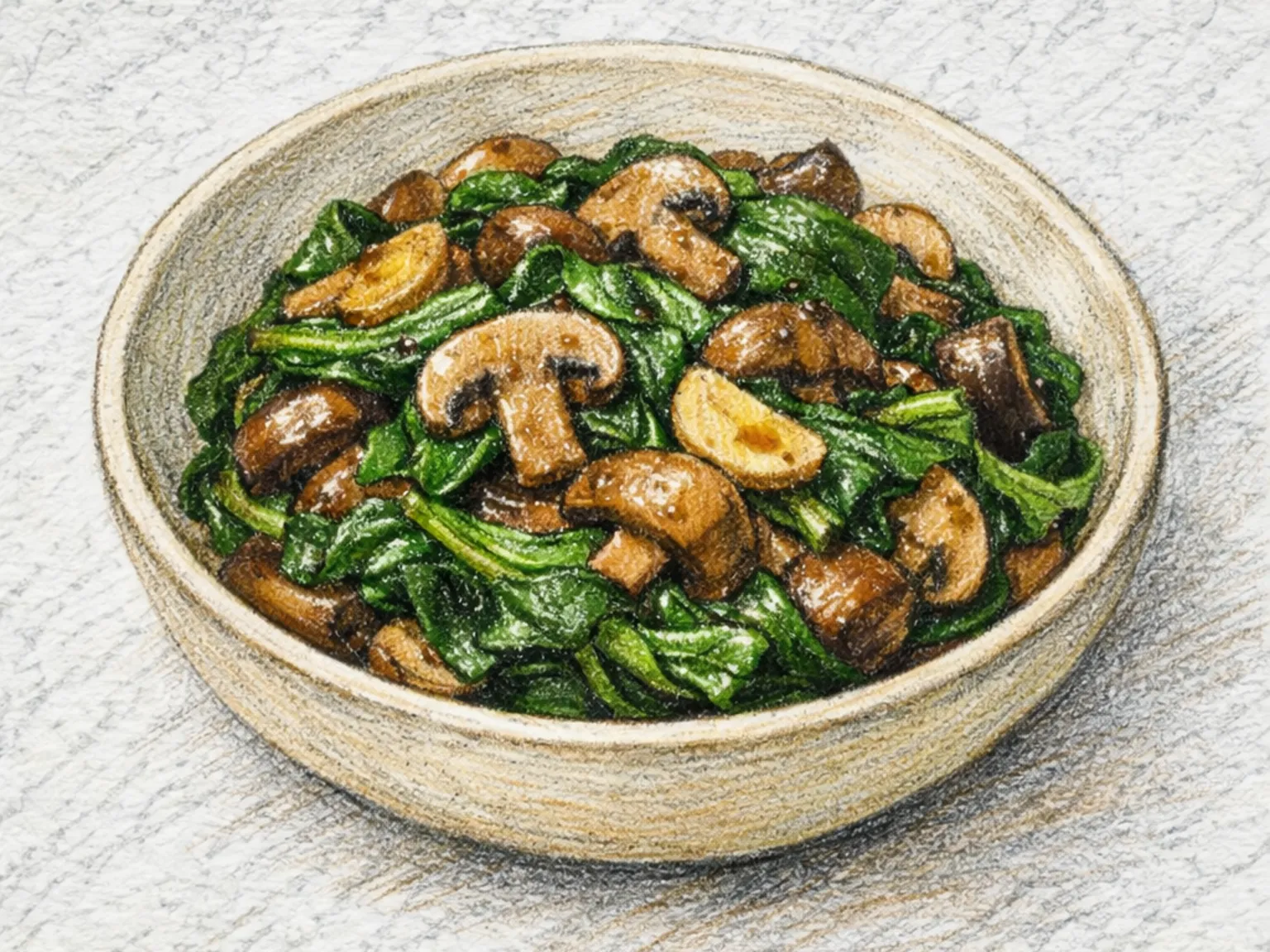
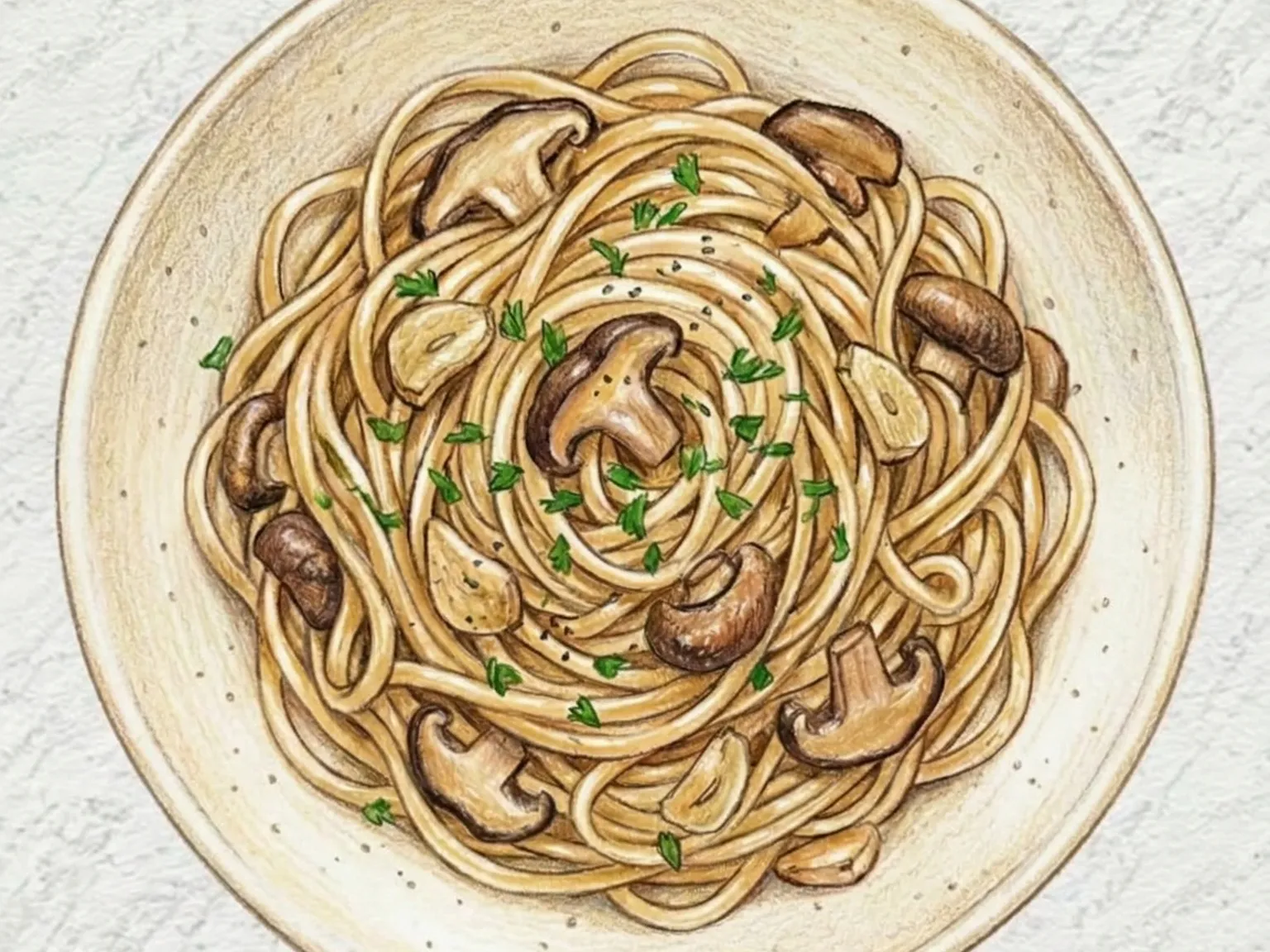
Doenjang mushroom butter linguine starts with garlic sauteed in butter and olive oil, followed by button mushrooms cooked undisturbed on high heat until moisture fully ev...
What makes this special
- Button mushrooms seared on high heat combine with fermented doenjang butter and linguine.
- Mushrooms pressed undisturbed on high heat for chewy texture, not steamed
- Doenjang pre-dissolved in pasta water integrates smoothly without clumping
Key ingredients
Core cooking flow
- 1 Slice 180g cremini mushrooms to 5mm thickness and thinly slice half a stalk of green onion.
- 2 Cook 180g linguine in salted boiling water for 1 minute less than the package time.
- 3 Melt 1 tablespoon olive oil and 25g butter together in a pan.
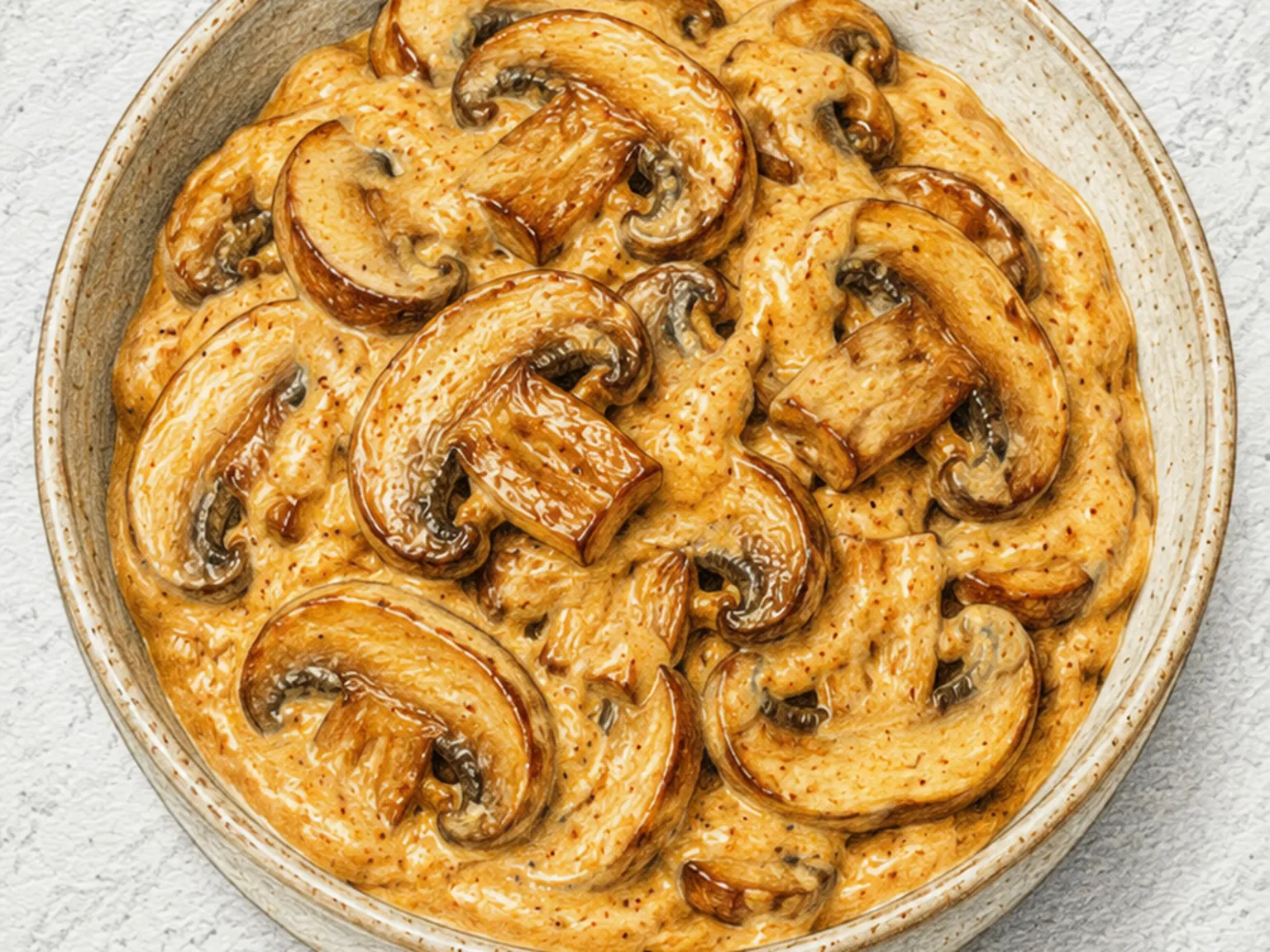
Doenjang mushroom butter linguine starts with garlic sauteed in butter and olive oil, followed by button mushrooms cooked undisturbed on high heat until moisture fully evaporates and the edges brown. Stirring the mushrooms too frequently steams rather than sears them, producing a soft, wet texture instead of the firm, chewy bite that makes this dish work. Doenjang is dissolved in reserved pasta water before being added to the pan, ensuring even distribution of fermented savoriness across every strand without clumping. The butter's fat emulsifies with the starchy pasta water to form a glossy sauce that clings to the noodles rather than pooling at the bottom of the bowl. Sliced green onion added at the finish brings a sharp, grassy note, and grated Parmesan layers additional salt and umami depth into the final dish. One to two minutes of tossing with pasta water adjustment tightens the sauce around each noodle.
Instructions
Read the steps as a cooking flow: prep, heat, seasoning, doneness control, and finish.
- 1Prep
Slice 180g cremini mushrooms to 5mm thickness and thinly slice half a stalk of green onion.
Set aside.
- 2Finish
Cook 180g linguine in salted boiling water for 1 minute less than the package time.
Drain al dente and reserve 1 cup pasta water.
- 3Control
Melt 1 tablespoon olive oil and 25g butter together in a pan.
Add 1 tablespoon minced garlic and cook over low heat for 30 seconds until fragrant.
- 4Control
Add the mushrooms and cook over medium-high heat for 5-6 minutes without stirring until the moisture evaporates and the edges turn golden brown.
- 5Season
Dissolve 1 tablespoon doenjang in 3 tablespoons pasta water and stir into the pan until the sauce is smooth and uniform.
- 6Season
Add the drained linguine to the pan and toss for 1-2 minutes, adding pasta water as needed until the sauce clings evenly to every strand.
- 7Finish
Finish with 0.5 teaspoon pepper and the sliced green onion.
Grate 20g Parmesan over the top and serve.
After the steps
Pick a recipe that fits this dish.
Continue with shared ingredients, meal pairings, or a similar method.
Recipes That Go Well With This
More Pasta →Based on shared ingredients and meal pairing
Kkaennip Mushroom Cream Farfalle
Kkaennip mushroom cream farfalle combines sliced button mushrooms and fresh perilla leaves in a cream sauce over bow-tie pasta. The mushrooms are sauteed in olive oil until their moisture cooks off and their flavor concentrates, with onion and garlic building the aromatic base. Heavy cream is then added to form the sauce, and shredded perilla goes in at the end so the leaves wilt just enough to release their fragrance without losing it to the heat. Parmesan contributes salt and a nutty underpinning, while farfalle's ridged and folded surface holds the sauce across every piece. The defining quality of the dish is the perilla itself, whose scent belongs to the sesame family and sits in entirely different territory from basil or mint - grassy, faintly resinous, and unmistakably Korean. Few other herbs could give a cream pasta this specific character.
Doenjang Clam Spinach Orzo
Doenjang clam spinach orzo is a one-bowl pasta built by cooking orzo in doenjang-seasoned vegetable stock alongside clams in a method borrowed directly from risotto technique. The clams are first purged in salt water to remove sand, then steamed open in white wine so they release their briny cooking liquid into the pan. That liquid merges with the already-present fermented depth of doenjang to form a layered savory base that carries the pasta from the very first minute of cooking. Toasting the orzo in butter or oil before adding any liquid coats the starch on each grain, a step that slows its release and produces a consistently creamy sauce by the end rather than a gluey mass or a watery broth. The stock goes in two or three additions rather than all at once, each addition added only once the previous one has been absorbed, and the pasta is stirred throughout so the released starch works into the liquid rather than sinking to the bottom. Spinach added in the final thirty to sixty seconds of cooking wilts just enough to turn tender without losing its bright green color or dissolving into the sauce. A knob of cold butter stirred in off heat as the finishing touch emulsifies into the sauce, adding a glossy sheen and a rounded, buttery richness that ties all the flavors together.
Crown Daisy & Tofu Yuzu Salad
Crown daisy and tofu yuzu salad presses firm tofu dry, sears it in a pan for six to eight minutes until the surface develops a golden crust, and pairs it with crown daisy, half-moon cucumber slices, and thinly sliced red onion in a yuzu marmalade dressing. The yuzu's bright citrus fragrance and subtle bitterness meet crown daisy's bold herbal aroma, and the two botanical notes amplify each other rather than compete. Soy sauce and sesame oil anchor the dressing with fermented depth and nuttiness, preventing the floral top notes from floating untethered. The tofu's soft, creamy interior contrasts with the fibrous crown daisy stems, and cucumber's cool moisture keeps the overall impression light. Avoiding frequent flipping during searing lets a proper crust form on the tofu's surface.
Kongguksu-Style Cold Linguine
Kongguksu-style cold linguine reinterprets Korea's chilled soy noodle soup using Italian linguine in place of traditional wheat noodles. Unsweetened soy milk is blended with toasted sesame seeds and peanut butter into a thick, nutty cold broth poured directly over the pasta at serving. The linguine is cooked al dente and immediately shocked in ice water to firm up the texture and chill it completely before the broth goes on. Julienned cucumber and halved cherry tomatoes scatter on top for fresh crunch and color. Salt and sugar are adjusted at the end to balance the broth's natural bean flavor against the richness from the peanut butter. The full preparation takes about ten minutes, with stovetop time limited strictly to boiling the pasta, which makes it one of the more practical cold dishes to assemble in summer heat. Adding more peanut butter thickens the broth further, while extra sesame seeds push the nuttiness higher.
Serve with this
Korean Schisandra Berry Tea
Omijacha is a traditional Korean cold-steeped tea made by soaking dried schisandra berries in cold water for at least eight hours to draw out their vivid crimson color and layered flavor. Hot water amplifies the astringent notes, making cold steeping in the refrigerator overnight the only correct method. By morning the liquid holds the interplay of sourness, sweetness, and subtle bitterness that gives schisandra its Korean name meaning five flavors, a reference to the full five tastes said to exist within a single berry. Traditional Korean medicine has long used the berry to replenish energy and support lung function, and the tea carries that heritage alongside its visual appeal. Once strained, honey and sugar are dissolved into the clear ruby liquid to soften the acidity without masking it. Thin pear slices and pine nuts floated in each cup add crisp fruit fragrance and a nutty counterpoint that complements the tartness. The tea is best consumed the same day it finishes steeping, when both the deep red color and the fragrance are at their peak. Oxidation clouds the color and dulls the aroma within a day.
Dasik (Korean Honey-Pressed Roasted Grain Confection)
Dasik is a traditional Korean pressed confection made by kneading roasted grain or nut powders with honey and pressing the mixture into carved wooden molds. Unlike baked goods, dasik holds its shape entirely through the binding power of honey, with no heat applied during preparation. This technique produces a texture that is slightly resistant at first contact, then dissolves gently at body temperature in a way that releases the full aroma of the main ingredient. Roasted soybean powder yields a nutty version, black sesame produces a deeply aromatic one, and additions of pine nut powder or cinnamon develop the flavor in different directions. The wooden molds carve decorative patterns into the surface of each piece, giving dasik a visual refinement that matches its restrained sweetness. For centuries, dasik has been a standard offering at Korean tea gatherings, and its subtle flavor remains a natural match for the gentle bitterness of green tea.
Spaghetti Aglio e Olio (Garlic and Olive Oil Pasta)
Spaghetti aglio e olio appears in Italian cookbooks as far back as the 19th century, making it one of the oldest documented pasta preparations in the canon. The restraint is the point: five ingredients, no sauce made separately, and the whole dish done in under twenty minutes. Thinly sliced garlic goes into extra virgin olive oil over low heat, slowly transferring its flavor into the fat - the temperature must stay low enough that the garlic turns golden but never brown, since browning brings bitterness. Dried chili flakes follow, infusing a second layer of heat into the oil. The technical turning point is adding starchy pasta water and tossing the pan hard over high heat: the starch links the oil and water into an emulsion that clings to every strand rather than pooling at the bottom. Skip this step and the dish separates on the plate. Parmigiano is not traditional but has become near-universal; shaved over the top, it adds a salty, crystalline crunch. The finished pasta should look barely coated, each strand glistening rather than swimming in sauce. Getting that result consistently is what separates people who understand the dish from people who have simply followed the ingredient list.
Similar recipes
Korean Doenjang Mushroom Udon
Doenjang mushroom udon is a Korean noodle soup where thick-cut shiitake mushrooms simmer in an anchovy-kelp broth with dissolved soybean paste, building layered depth from two distinct fermented and dried umami sources. The shiitake's aromatic depth stacks on top of the doenjang's fermented, mellow character, while onion adds a quiet sweetness that prevents the broth from tasting one-dimensionally salty. Passing the doenjang through a fine sieve before stirring it into the broth ensures no lumps remain and the paste disperses evenly. Parboiling the udon noodles separately in plain water and rinsing briefly strips away surface starch, keeping the broth clear and clean to the last spoonful. A pinch of gochugaru added during the seasoning stage introduces a faint warmth at the finish that sharpens the overall flavor, and a few thin slices of cheongyang chili on top add color and a sharper bite. Adding silken tofu or sliced zucchini makes the bowl substantial enough to serve as a full meal.
Deulkkae Mushroom Lasagna Bianca
Deulkkae mushroom lasagna bianca layers sauteed button and oyster mushrooms coated in perilla seed powder between lasagna sheets, baking without traditional bechamel into a white lasagna with a distinctly Korean character. The mushrooms must be cooked in small batches over high heat - loading too many at once causes them to steam in their own liquid instead of browning, which loses both color and chew. Ground perilla seeds replace cream as the source of richness: they contribute a dense, nutty weight that fills the layers without dairy fat, and their flavor sits closer to toasted sesame and walnut than to any herb. That nuttiness locks onto the earthy quality of mushrooms in a way that differs noticeably from a standard bechamel-based lasagna. Mozzarella and Parmigiano bind the layers together and develop a golden crust across the top during baking. The lasagna needs to rest for at least ten minutes after it comes out of the oven so the layers compress and each slice cuts cleanly without falling apart.
Korean Bulgogi Mushroom Rice Bowl
Soy-and-pear-juice-marinated beef is stir-fried together with torn oyster mushrooms and served over rice for a deeply savory bowl. Cooking the mushrooms first in the hot pan allows their excess moisture to evaporate, keeping the sauce thick and glossy once the marinated beef goes in rather than pooling at the bottom. Pear juice contains natural tenderizing enzymes that soften the beef fibers noticeably even after a short marinating time, and its understated sweetness bridges the saltiness of the soy sauce without adding a fruity flavor. A drizzle of sesame oil at the end of stir-frying lays a toasted, nutty fragrance over the sweet-salty glaze that rounds out the whole bowl. When pear juice is not available, one teaspoon of sugar dissolved in one tablespoon of water provides a workable substitute that approximates the sweetness without the tenderizing effect.