Blue Crab Lemon Garlic Pasta
Pasta Medium

Blue Crab Lemon Garlic Pasta

Quick answer

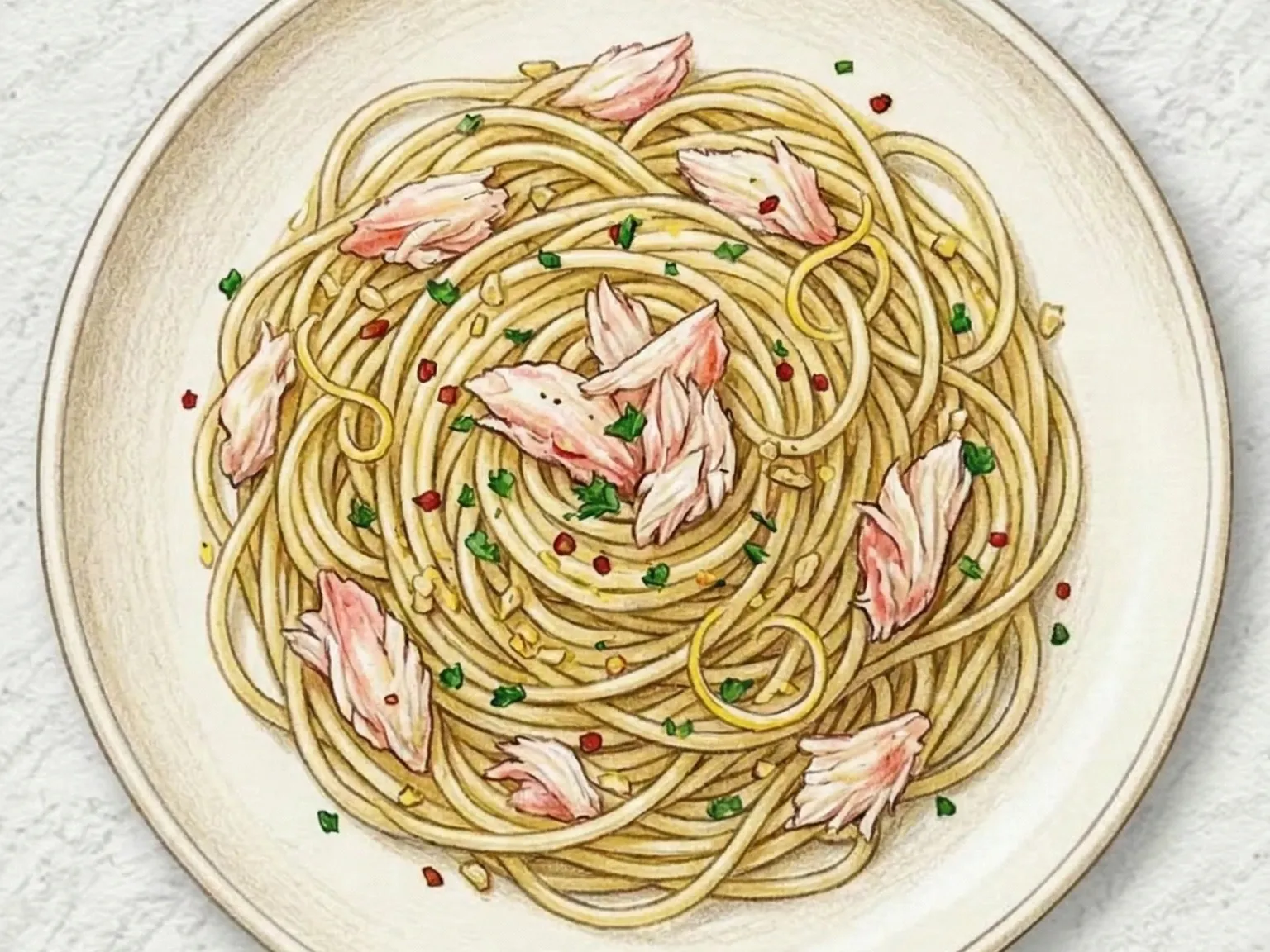
Blue crab lemon garlic spaghetti starts by slowly warming thinly sliced garlic in olive oil over low heat until fragrant - pale gold, not browned.

What makes this special

  • Thinly sliced garlic bloomed in oil pairs with blue crab meat and a bright lemon finish.
  • Sliced garlic bloomed slowly in oil extracts fragrance without bitterness
  • Sake deglazes crab then butter binds the sauce into a smooth coating
Total time
33 min
Level
Medium
Servings
2 servings
Ingredients
10
Calories
620 kcal
Protein
30 g

Key ingredients

spaghettiblue crab meatgarliclemonolive oil

Core cooking flow

  1. 1 Zest the lemon coarsely to get about 1 teaspoon of zest, then squeeze half for 2 tablespoons of juice.
  2. 2 Boil 2L of water with 1 tablespoon salt.
  3. 3 Add 4 tablespoons olive oil and sliced garlic to a cold pan, then heat over...

Blue crab lemon garlic spaghetti starts by slowly warming thinly sliced garlic in olive oil over low heat until fragrant - pale gold, not browned. Crab meat and a splash of rice wine go in next to cook off any raw marine smell before butter is added and stirred until it melts into the oil. Starchy pasta water emulsifies the fat into a thin, glossy sauce that coats each strand of spaghetti evenly without heaviness, carrying a clean, oceanic flavor throughout. Lemon zest and juice are added only after the heat is turned off - adding them while the pan is still hot drives off the volatile citrus aroma before it reaches the plate. Keeping the garlic just short of golden, pale and softened rather than browned, is what separates a clean, nutty depth from an acrid bitterness that would overpower the crab. Fresh crab meat, picked directly from a live blue crab, delivers a noticeably sweeter flavor than thawed frozen product and is worth the extra effort when in season.

Prep 15min Cook 18min 2 servings

Instructions

Read the steps as a cooking flow: prep, heat, seasoning, doneness control, and finish.

6 steps
  1. 1
    Prep

    Zest the lemon coarsely to get about 1 teaspoon of zest, then squeeze half for 2 tablespoons of juice.

    Slice 5 garlic cloves thinly.

  2. 2
    Finish

    Boil 2L of water with 1 tablespoon salt.

    Cook 180g spaghetti for 1 minute less than the package time and reserve 1 cup pasta water.

  3. 3
    Control

    Add 4 tablespoons olive oil and sliced garlic to a cold pan, then heat over low heat for 1-2 minutes until the garlic turns pale golden and fragrant. Do not brown.

  4. 4
    Control

    Add 140g crab meat and 1 tablespoon rice wine, raise to medium heat and stir-fry for 1 minute to cook off any fishiness.

    Add 15g butter and let it melt.

  5. 5
    Control

    Add the drained spaghetti and 4-5 tablespoons pasta water to the pan.

    Toss vigorously over high heat for 1 minute until the starch emulsifies the sauce. Season with 1 teaspoon salt and 0.5 teaspoon pepper.

  6. 6
    Finish

    Turn off the heat and add 2 tablespoons lemon juice, lemon zest, and 1 tablespoon chopped parsley.

    Toss lightly and plate immediately.

After the steps

Pick a recipe that fits this dish.

Continue with shared ingredients, meal pairings, or a similar method.

Recipes That Go Well With This

More Pasta →

Based on shared ingredients and meal pairing

Gamtae Butter Scallop Spaghetti
Shared ingredient: spaghetti Pasta

Gamtae Butter Scallop Spaghetti

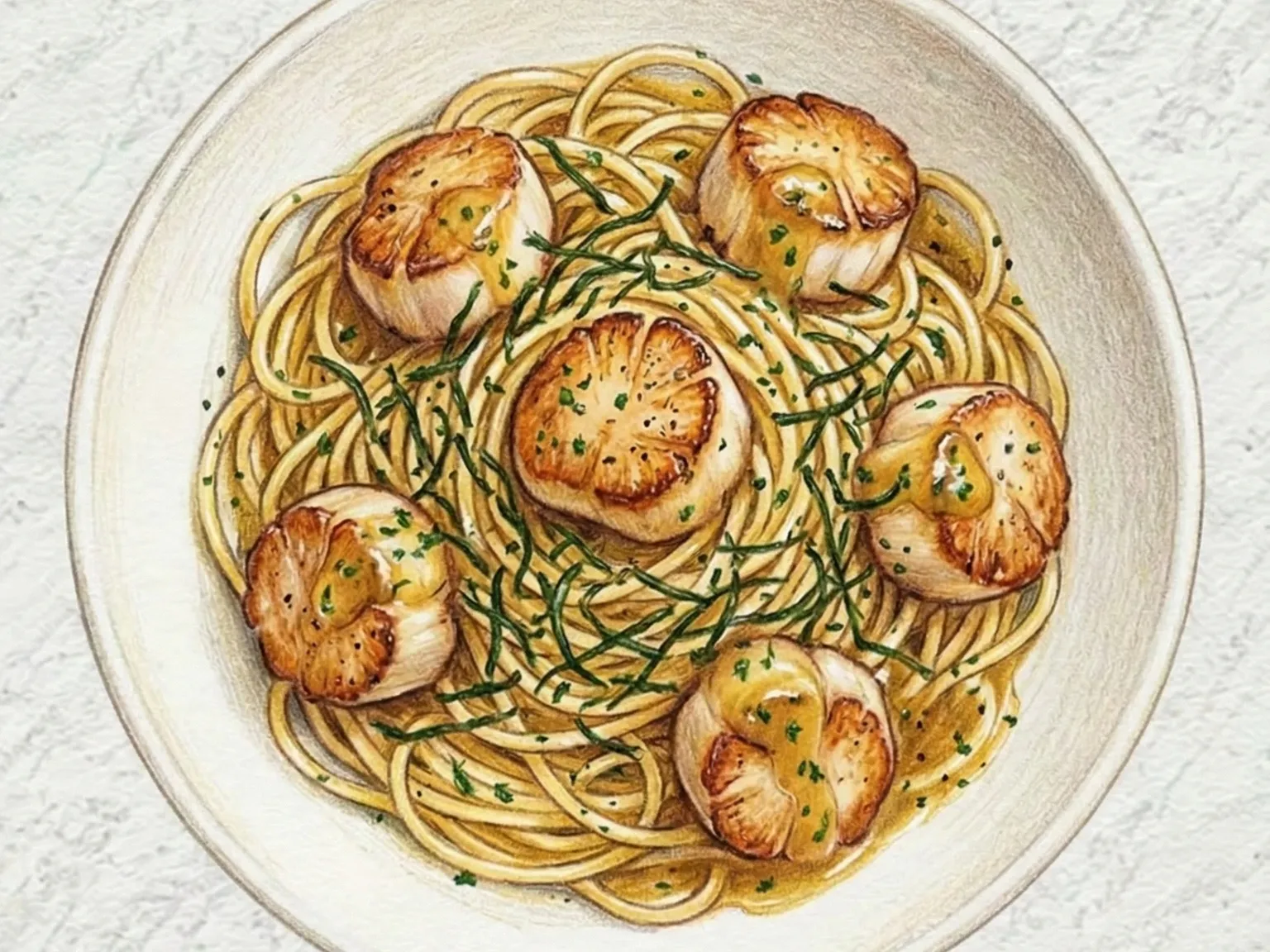
Preparing gamtae butter scallop spaghetti requires high heat to develop a properly caramelized exterior on the scallops. This process involves searing the scallops for ninety seconds on each side to create a deep brown crust. Before the scallops ever touch the pan, it is essential to ensure they are completely dry by patting them down thoroughly with paper towels. Removing all surface moisture prevents the scallops from steaming in the pan. If the scallops remain damp, they will turn out soft and pale instead of achieving the intended texture and color. After the scallops have been removed from the heat, the remaining browned bits, known as the fond, serve as the primary flavor foundation for the sauce. Garlic and butter are added to the same pan, followed by white wine which is used to deglaze the surface. As the liquid simmers, the alcohol evaporates, leaving behind a clean acidity that balances the richness of the other ingredients. The sauce is finished by swirling in cold butter at the final stage, which creates a smooth and stable emulsion that coats each spaghetti strand evenly. The final component is gamtae seaweed, which has a flavor profile that is notably more delicate and milder than standard nori. By crumbling this seaweed over the pasta immediately before it is served, you introduce a subtle oceanic quality that bridges the gap between the richness of the butter and the natural sweetness of the scallop meat. To complete the preparation, a measured amount of fresh lemon juice is squeezed over the dish. This acidity sharpens the various flavor components and reduces the perceived heaviness of the fats, ensuring that the pasta remains balanced throughout the meal.

Soy Butter Steak Garlic Spaghetti
Shared ingredient: olive oil Pasta

Soy Butter Steak Garlic Spaghetti

Thick-cut sirloin seared at high heat, then glazed in soy sauce and butter, forms the base of this steak pasta. The fond left in the pan gets deglazed with soy sauce and butter, then emulsified with pasta water into a thin, shiny coating that clings to each strand without turning greasy. Generous garlic browned in olive oil beforehand builds a deep, roasted-garlic base that runs through the entire sauce, and tsuyu -- a Japanese seasoning concentrate made from kombu and bonito -- adds the round umami depth of dashi without any extra steps. The steak is best cooked to medium-rare and sliced against the grain before laying over the pasta; resting the meat first keeps the juices from running out when cut. Black pepper and sliced scallions cut through the richness at the end. The full cook time is about 20 minutes, and pasta water volume controls the final sauce consistency.

Korean Crispy Potato Pancake
Serve together Drinks

Korean Crispy Potato Pancake

Gamja-jeon is a Korean potato pancake made by finely grating raw potatoes, letting the starch settle out of the liquid for at least ten minutes, discarding the water, and folding the settled starch back into the pulp to improve binding. Waiting long enough for full starch separation is what gives the batter enough cohesion to hold together when the pancake hits the hot pan. Spreading the batter as thinly as possible produces glass-crisp edges while the center retains a chewy, starchy bite characteristic of potato starch. The first side must cook all the way through and the underside must firm up completely before any attempt to flip, and using two spatulas simultaneously makes the turn fast enough to keep the pancake intact. Frying both sides over medium heat until evenly golden delivers a crust that is crisp on the outside while the center stays moist. A dipping sauce of soy sauce, vinegar, and minced cheongyang green chili cuts through the oily richness with sharpness and heat.

Soy-Garlic Chicken Parmesan Spaghetti
Similar recipe Pasta

Soy-Garlic Chicken Parmesan Spaghetti

Soy garlic chicken Parmesan spaghetti represents a fusion of culinary traditions, integrating a marinade rooted in Korean flavors with the structural framework of a classic Italian pasta dish. For the protein component, chicken thigh pieces undergo a marination process involving a mixture of soy sauce, finely minced garlic, and honey. During the subsequent cooking phase, these ingredients are pan seared at a high temperature. This heat causes the natural sugars found in both the honey and the soy sauce to undergo caramelization, resulting in the formation of a dark and sticky glaze that coats the exterior of the meat. Garlic serves as a recurring element in the preparation, being used first within the initial marinade and then again when it is sauteed directly into the tomato sauce base. This repetition ensures that a consistent aromatic quality is maintained throughout the various layers of the meal from the start of cooking to the final assembly. The acidity inherent in the tomato sauce introduces a bright fruit character to the profile. This sharpness functions to balance the density of the sweet and salty glaze on the chicken, preventing the richness of the marinade from becoming overwhelming. A generous amount of grated Parmesan cheese is applied over the dish to introduce a nutty and salty depth. This cheese layer acts as a bridge between the Korean seasoning applied to the chicken and the Italian pasta that serves as the foundation of the plate. The choice of chicken thigh is intentional because this specific cut retains its internal moisture even during a hard sear. It remains succulent in a way that chicken breast meat often does not when subjected to similar levels of heat. The final preparation is completed with a garnish of thinly sliced scallions, which provides a clean green finish to the presentation.

Serve with this

Squid Naengi Chojang Salad
Salads Medium

Squid Naengi Chojang Salad

Preparing squid for a seasonal salad involves a quick blanching process in boiling water for less than thirty seconds. This precise timing keeps the seafood tender and prevents it from turning rubbery or tough. Shepherd's purse, or naengi, contributes an earthy aroma characteristic of early spring that complements the oceanic profile of the squid. Crisp lettuce and fresh cucumber provide a crunchy texture that contrasts with the soft seafood pieces. The dressing relies on a combination of gochujang, rice vinegar, and oligosaccharide syrup to create a spicy, tangy, and mildly sweet foundation for the ingredients. To finish the sauce, sesame oil contributes a nutty scent while minced garlic adds a sharp, aromatic quality that integrates the different components. Careful cleaning of the naengi to remove soil and fine roots is necessary before briefly blanching it in salted water to eliminate bitterness and preserve its fragrance. Serving this dish cold during the early spring months highlights the specific seasonal qualities of the ingredients. For variations, scallops or shrimp can replace the squid, as they both pair well with the spicy dressing. Similarly, spring cabbage or wild chives can substitute for the shepherd's purse to maintain the seasonal character of the salad.

🥗 Light & Healthy 🏠 Everyday
Prep 20min Cook 4min 2 servings
Black Sesame Pound Cake (Dense Roasted Sesame Grey-Crumb Cake)
Baking Medium

Black Sesame Pound Cake (Dense Roasted Sesame Grey-Crumb Cake)

Black sesame pound cake is built on the classic equal-ratio formula of butter, eggs, sugar, and flour, with a generous addition of black sesame paste worked into the batter. The paste shifts the color to a deep grey-brown and fills the kitchen with a roasted, nutty fragrance as the loaf bakes. Only a small amount of baking powder is used, keeping the rise modest and the crumb tight - the result is a dense loaf that still yields softly when bitten, with a texture that holds together cleanly on the fork rather than crumbling apart. Milk regulates the moisture balance, preventing the dense structure from turning stiff or dry at the edges. When sliced, every cross-section shows finely ground sesame particles distributed evenly throughout, visible as tiny dark flecks against the grey crumb. The loaf pairs best with green tea or black coffee, beverages whose bitterness echoes and sharpens the sesame flavor without overwhelming it. Stored in an airtight container at room temperature, it holds its moisture for two to three days and often tastes better on the second day once the sesame has had time to settle fully into the crumb structure.

🧒 Kid-Friendly 🎉 Special Occasion
Prep 20min Cook 45min 4 servings
Chicken Pot Pie
Western Medium

Chicken Pot Pie

Chicken pot pie fills a butter pie crust with a mixture of cooked chicken, carrots, potatoes, and peas bound in a thick, creamy roux-based sauce, then bakes until the top crust turns golden and the filling visibly bubbles at the edges. The roux begins with butter and flour cooked together over medium heat until the raw flour smell disappears, at which point chicken broth and heavy cream are whisked in gradually to form a smooth, rich sauce that coats every piece of filling without clumping. Pre-boiling the carrots and potatoes is important because the oven time alone is not sufficient to cook dense root vegetables through, while peas are stirred in at the final moment to keep their bright green color and slight resistance when bitten. Brushing the top crust with beaten egg before it goes into the oven produces the characteristic glossy, deeply golden surface that distinguishes a well-made pot pie. After 35 minutes at 200 degrees Celsius, the filling should be audibly bubbling and the crust should be firm enough to hold its shape when the pie is cut. Breaking through the flaky top layer with a spoon releases the thick cream sauce and a cloud of steam carrying the aroma of braised chicken and cooked vegetables.

🎉 Special Occasion 🍺 Bar Snacks
Prep 30min Cook 50min 4 servings

Similar recipes

Myeongran Lemon Cream Fettuccine
Pasta Medium

Myeongran Lemon Cream Fettuccine

Myeongran lemon cream fettuccine wraps wide pasta ribbons in a sauce made from salted pollock roe, heavy cream, butter, and lemon zest. The small eggs of the roe are left intact and stirred into the sauce off the heat so they stay soft and burst with briny flavor when bitten rather than turning granular or hard. Garlic bloomed in butter forms the aromatic base, and a mixture of heavy cream with milk tempers the roe's saltiness into a smooth, balanced coating. Using lemon zest rather than juice adds a bright citrus fragrance without diluting the sauce or introducing acidity that would curdle the cream. Parmigiano-Reggiano deepens the savory foundation, and fettuccine's broad, flat surface holds the thick cream more effectively than thinner pasta shapes. The entire dish takes about twenty minutes from start to plate, making it a practical weeknight option that does not sacrifice depth of flavor for speed. The critical technique -- incorporating the roe off the heat -- keeps the texture creamy throughout and prevents the eggs from cooking into tough, unpleasant morsels.

🍺 Bar Snacks 🎉 Special Occasion
Prep 15min Cook 20min 2 servings
Korean Spicy Blue Crab Seafood Stew
Stews Medium

Korean Spicy Blue Crab Seafood Stew

Kkotge haemul jjigae is a Korean seafood stew that combines blue crab, Manila clams, and shrimp in 1.2 liters of anchovy-kelp stock to build the most layered possible ocean flavor. Each shellfish contributes a distinct profile to the broth: blue crab adds a sweet, nutty richness from the body and roe, clams release a clean briny depth, and shrimp fold in their characteristic sweetness and concentrated umami. Together they create a broth with complexity that no single ingredient could produce on its own. Radish and zucchini absorb the seafood-infused liquid as they cook, becoming tender and carrying the flavor deep into their flesh. Doenjang and gochugaru form the seasoning backbone, layering fermented savoriness and spice into what would otherwise be a straightforward clear broth. Cheongyang chili and sliced green onion go on last, brightening the surface and extending the clean, cool finish that is the hallmark of well-made Korean seafood stew. Adding the crab first and letting it simmer before introducing the other shellfish is the key step -- it gives the stock time to take on the crab's full flavor before everything else goes in.

🎉 Special Occasion
Prep 25min Cook 30min 4 servings
Korean Blue Crab Porridge
Rice Medium

Korean Blue Crab Porridge

Kkotge-juk is a rice porridge built on a deeply flavored blue crab stock that forms the base of everything. The crab is placed in cold water and boiled for twelve minutes, during which the proteins and natural sugars from the shell and body dissolve into the liquid and create a broth that is naturally rich and faintly sweet without any additional seasoning. The cooked crab is lifted out and the meat is carefully picked from the legs and body and set aside. In the same pot, sesame oil is added and the soaked rice is toasted in it for two to three minutes, which coats the grains in a thin layer of oil that prevents them from sticking to the bottom during the long simmer and adds a gentle nutty aroma to the finished porridge. The crab stock is poured back in and the porridge cooks over medium-low heat for fifteen to twenty minutes, stirred regularly, until the grains soften and break down into the smooth, thick consistency that characterizes well-made juk. Once the porridge thickens, diced onion, zucchini, carrot, and minced garlic go in for ten more minutes, and the reserved crab meat is added only at the end so it cooks through the residual heat and stays tender rather than turning rubbery. Seasoned simply with soup soy sauce and salt, the finished bowl delivers clean, gentle ocean flavor with nothing overpowering the natural sweetness of the crab.

🎉 Special Occasion
Prep 20min Cook 35min 4 servings

Tips

Cook garlic only until pale golden to avoid bitterness.
Add lemon juice at the end to keep the citrus aroma bright.

Nutrition (per serving)

Calories
620
kcal
Protein
30
g
Carbs
72
g
Fat
22
g