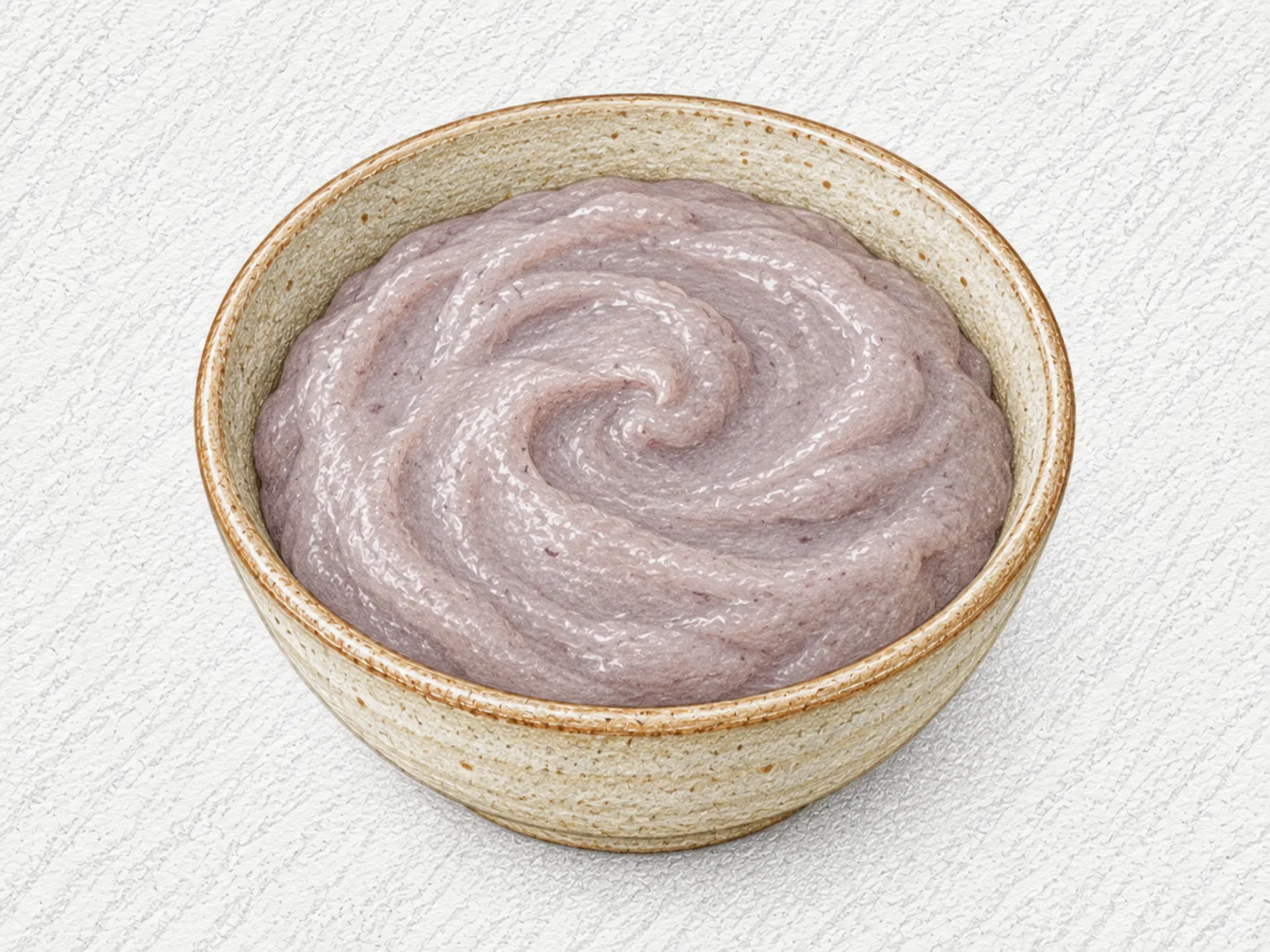
Fresh Poi
Quick answer
- Total time
- 150 min
- Level
- Medium
- Servings
- 4 servings
- Ingredients
- 3
About this dish
Taro corm, boiled until soft to the core and pounded with small additions of water, turns into a smooth paste that falls slowly from a spoon.
Read more
Poi is a Hawaiian staple, and this version is eaten fresh, with no fermenting or resting at room temperature. Smaller taro will mash too, but it does not give the color or stretch of the varieties grown for poi.
Ingredients
Instructions
- 1
Wear gloves and scrub the dirt from the taro.
Put the unpeeled corm in a pot and add boiling water to reach at least halfway up it, adjusting the water for the pot size.
- 2
Cover and maintain a steady boil.
Start checking the center with a skewer after about 90 minutes; corms may take 1 to 3 hours depending on size. Add hot water as needed and cook until very soft throughout. Do not taste raw or undercooked taro.
- 3
Lift out the taro and cool for about 15 minutes, until safe to handle.
Peel, remove tough fibrous parts and break the flesh into small pieces.
- 4
Pound in a sturdy bowl with a damp potato masher.
Scrape the taro back from the sides and continue until it forms a smooth, thick mass.
- 5
Work in the drinking water a tablespoon at a time.
Stop when the poi falls slowly from a spoon; not all the water may be needed. Portion and serve fresh.
References checked
These references were consulted when this page was prepared or corrected. A source check does not mean the recipe was independently kitchen-tested.
- Making Poi, page 88
University of Hawaii CTAHR · Checked: 2026-09-26
- Hawaiian Taro, Boiled or Steamed Taro, page 83
University of Hawaii · Checked: 2026-09-26
- Taro
University of Hawaii Pacific Food Guide · Checked: 2026-09-26
- Four Steps to Food Safety
FoodSafety.gov · Checked: 2026-09-26
Use-up ingredient planner
Turn these ingredients into two more meals
The overlap excludes basic seasonings. Open the next recipe and your selected dishes will stay with you.
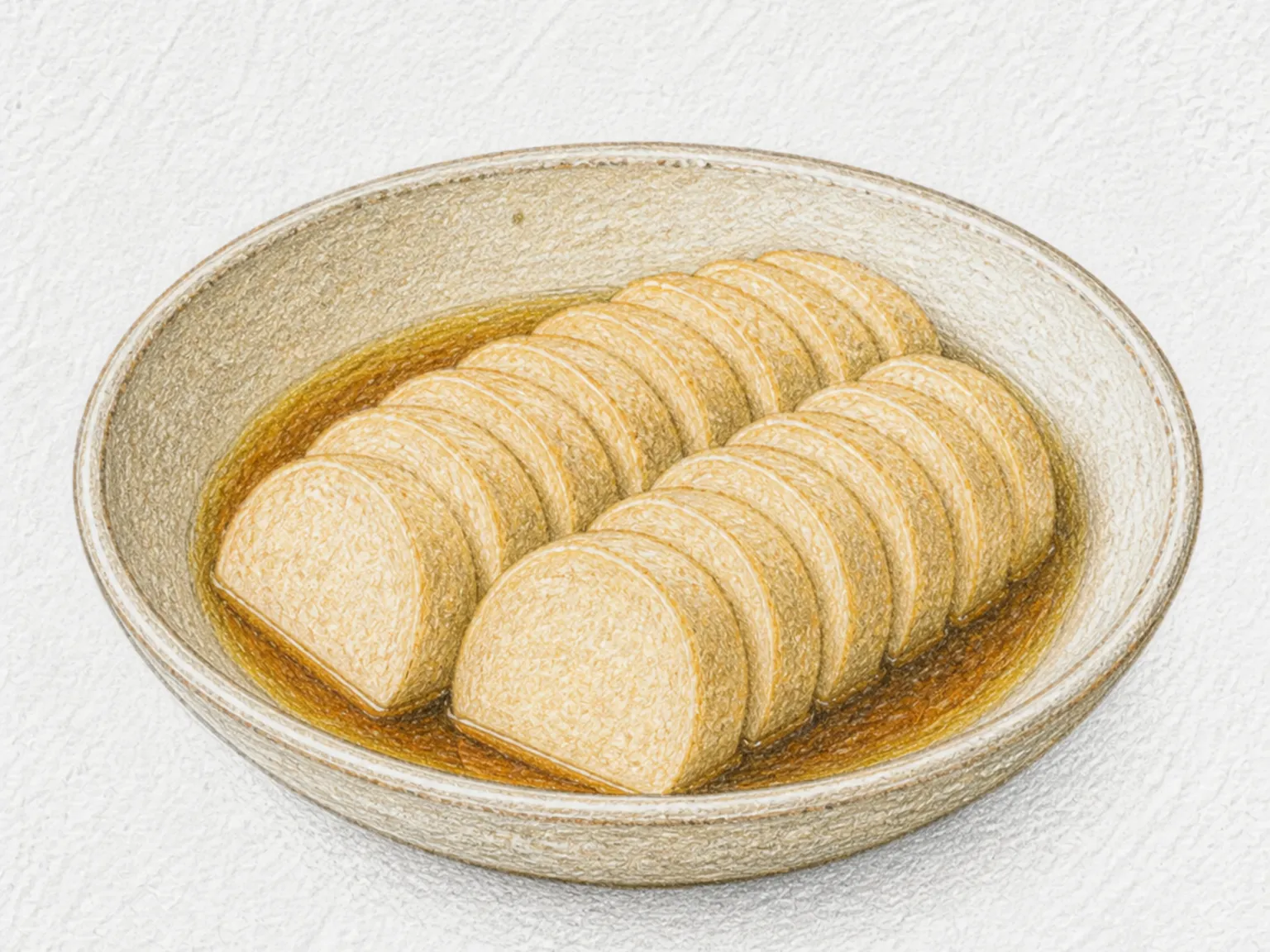
Shime-dofu (Pressed and Simmered Tofu)
Water for boiling
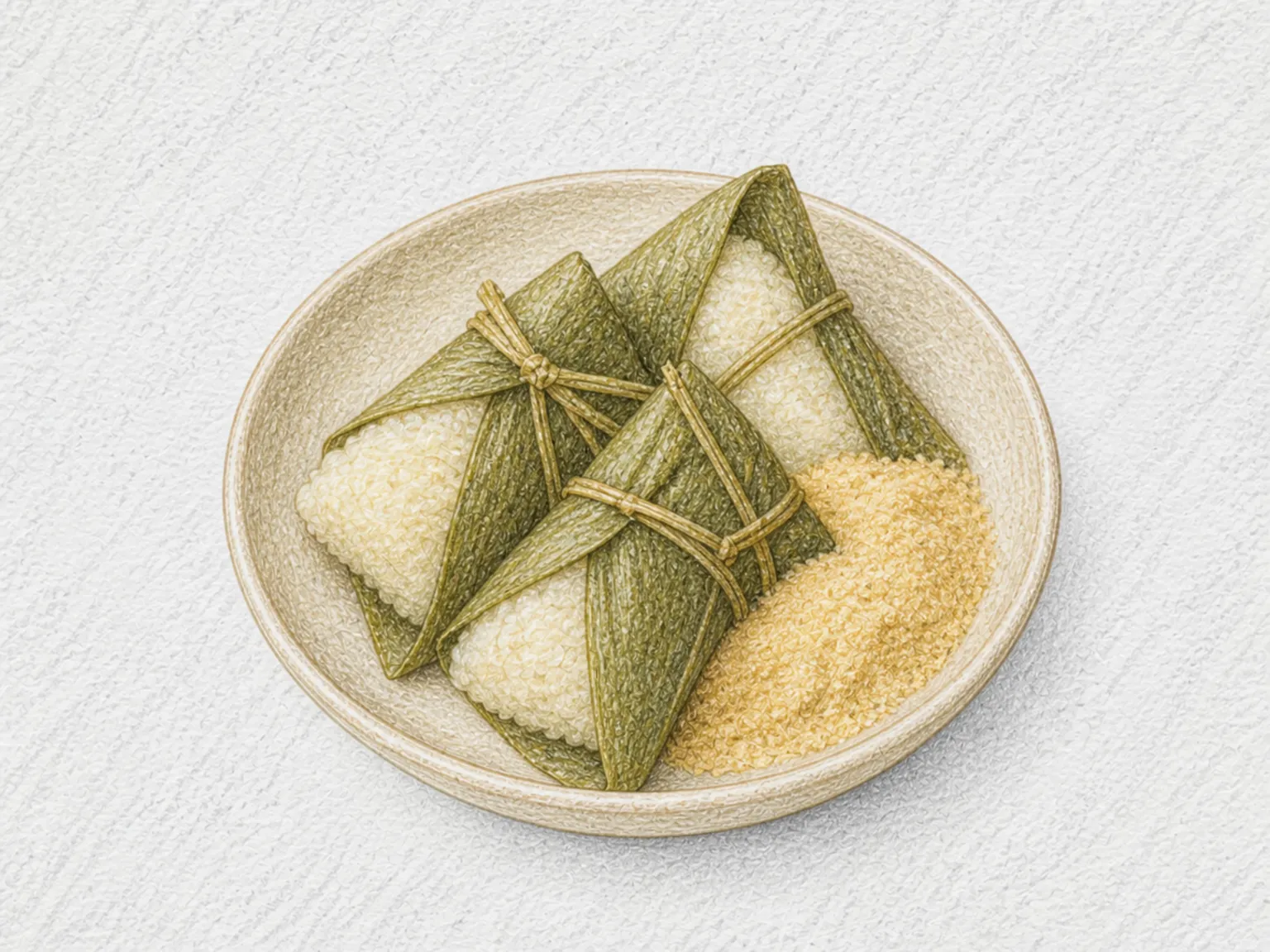
Sankaku Chimaki (Plain Glutinous Rice in Bamboo Leaves)
Water for boiling
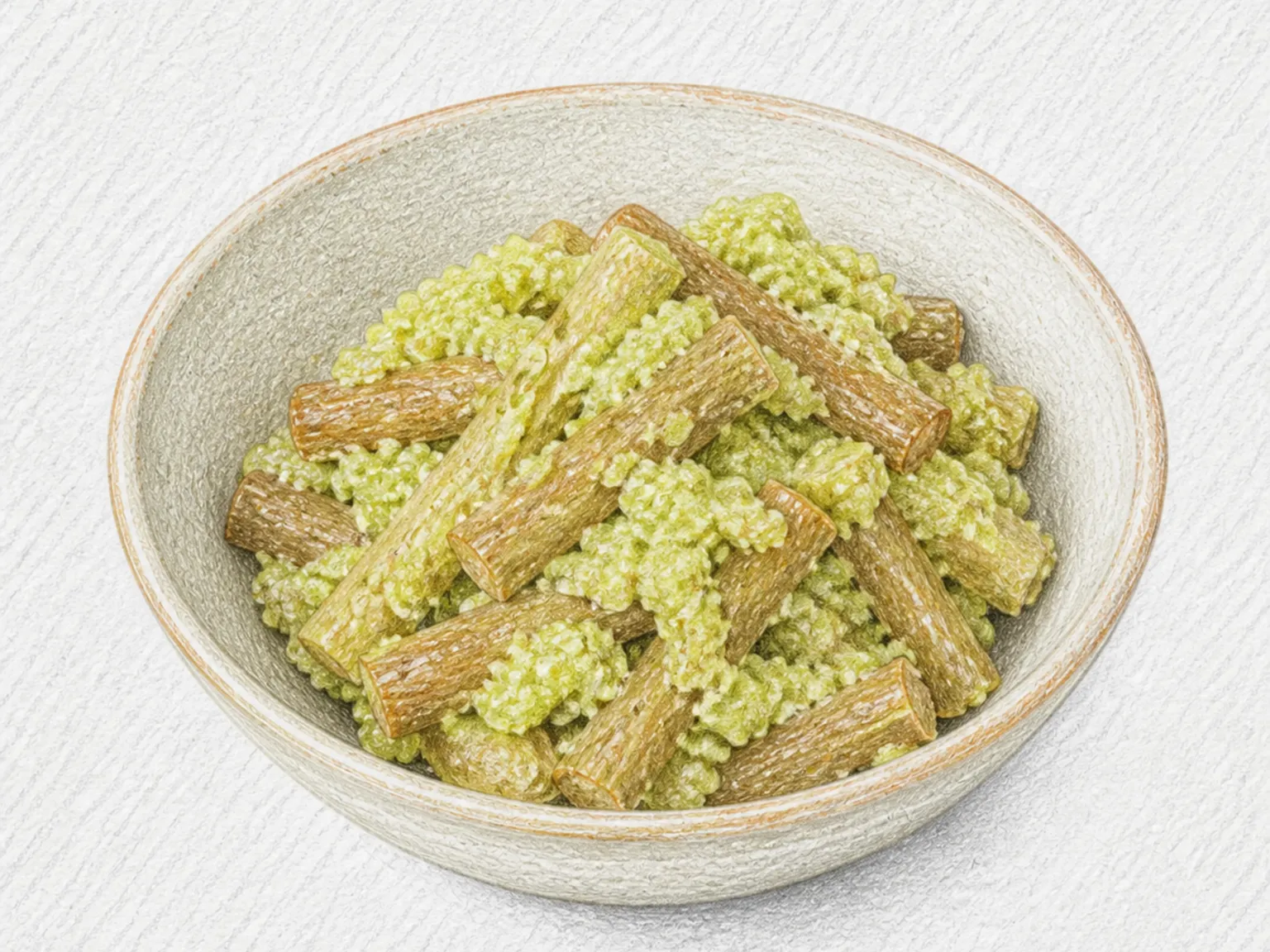
Kurumi Gobo with Edamame Paste
Water for boiling