Charim

2686 Korean & World Recipes

2686+ Korean recipes, clean and organized. Ingredients to instructions, all at a glance.

Side dishes
Side dishes

Side dishes Recipes

181 recipes

Side dishes (banchan) are the heart of Korean dining culture. A typical meal features multiple small plates — seasoned vegetables (namul), braised dishes (jorim), pickled items, and salted seafood. Classics like spinach namul, bean sprout salad, and stir-fried anchovies can be prepared in advance and enjoyed over several days.

Great banchan balances seasoning with the natural flavor of each ingredient. Sesame oil, perilla oil, soy sauce, and fermented pastes work together to pack deep flavor into every small serving.

Korean Napa Cabbage Perilla Stir-fry
Side dishesEasy

Korean Napa Cabbage Perilla Stir-fry

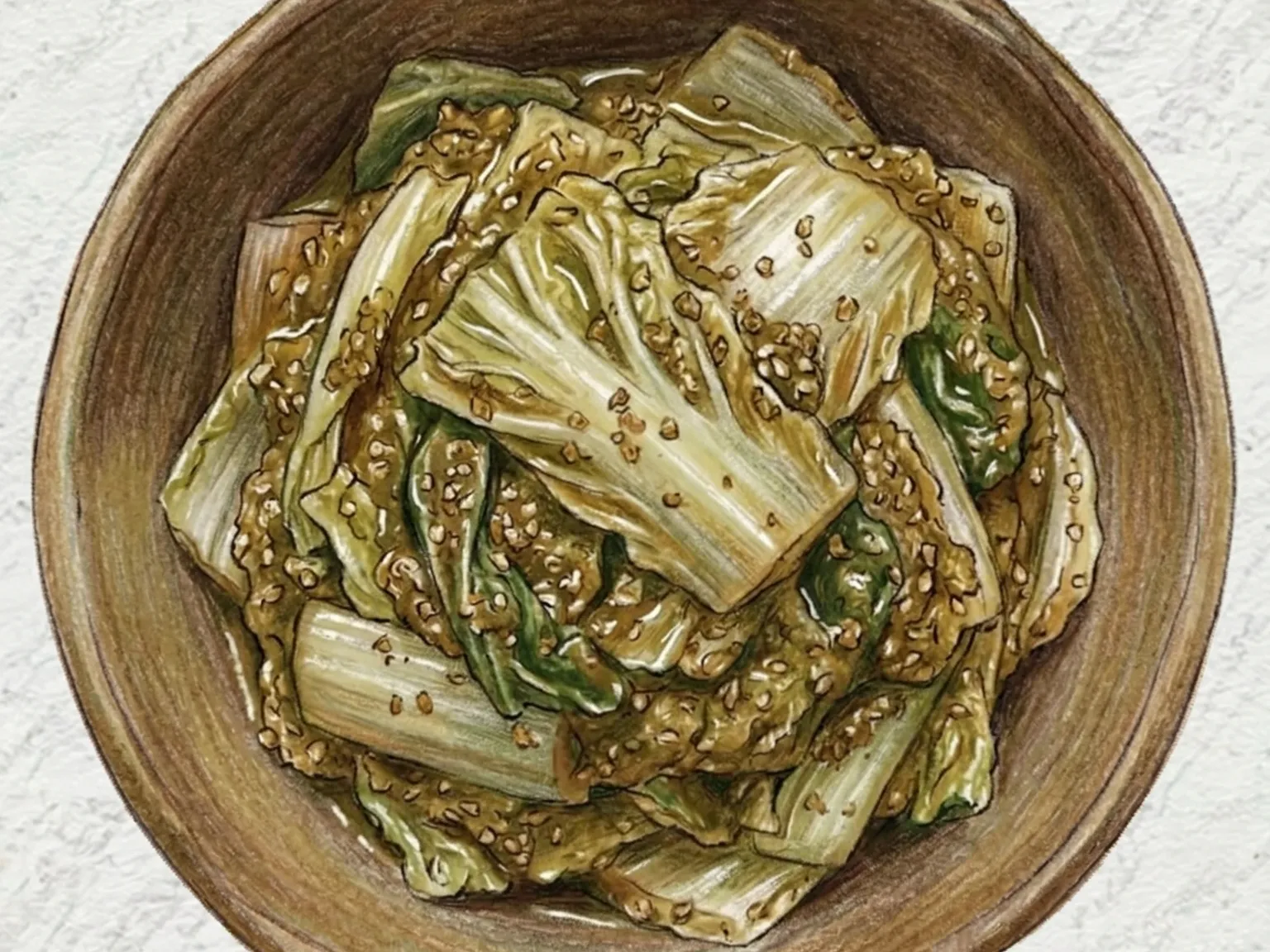
A Korean home-cooking staple found on family dinner tables far more often than in restaurants. Napa cabbage is tossed in perilla oil over high heat until wilted, then braised briefly with soup soy sauce until the leaves turn silky while stems keep a slight bite. Ground perilla seeds dissolve into the liquid at the end, forming a creamy, pale-tan coating with an earthy, seed-forward taste. Saucy enough to soak into steamed rice, it also travels well cold in lunchboxes.

🏠 Everyday🍱 Lunchbox
Prep 10minCook 10min4 servings
Korean Seasoned Mallow Greens
Side dishesEasy

Korean Seasoned Mallow Greens

Mallow greens have appeared in Korean cooking since the Joseon era, typically in doenjang-guk. For this namul, they are blanched just 40 seconds - supple but not collapsed. After squeezing dry, they are rubbed gently with doenjang, soup soy sauce, and garlic so the fermented paste penetrates the porous leaves. A finish of sesame oil adds a glossy coating. The distinctive mucilaginous quality - slightly slippery on the tongue - sets this apart from other Korean greens.

🏠 Everyday🍱 Lunchbox
Prep 9minCook 3min4 servings
Korean Seasoned Napa Cabbage Namul
Side dishesEasy

Korean Seasoned Napa Cabbage Namul

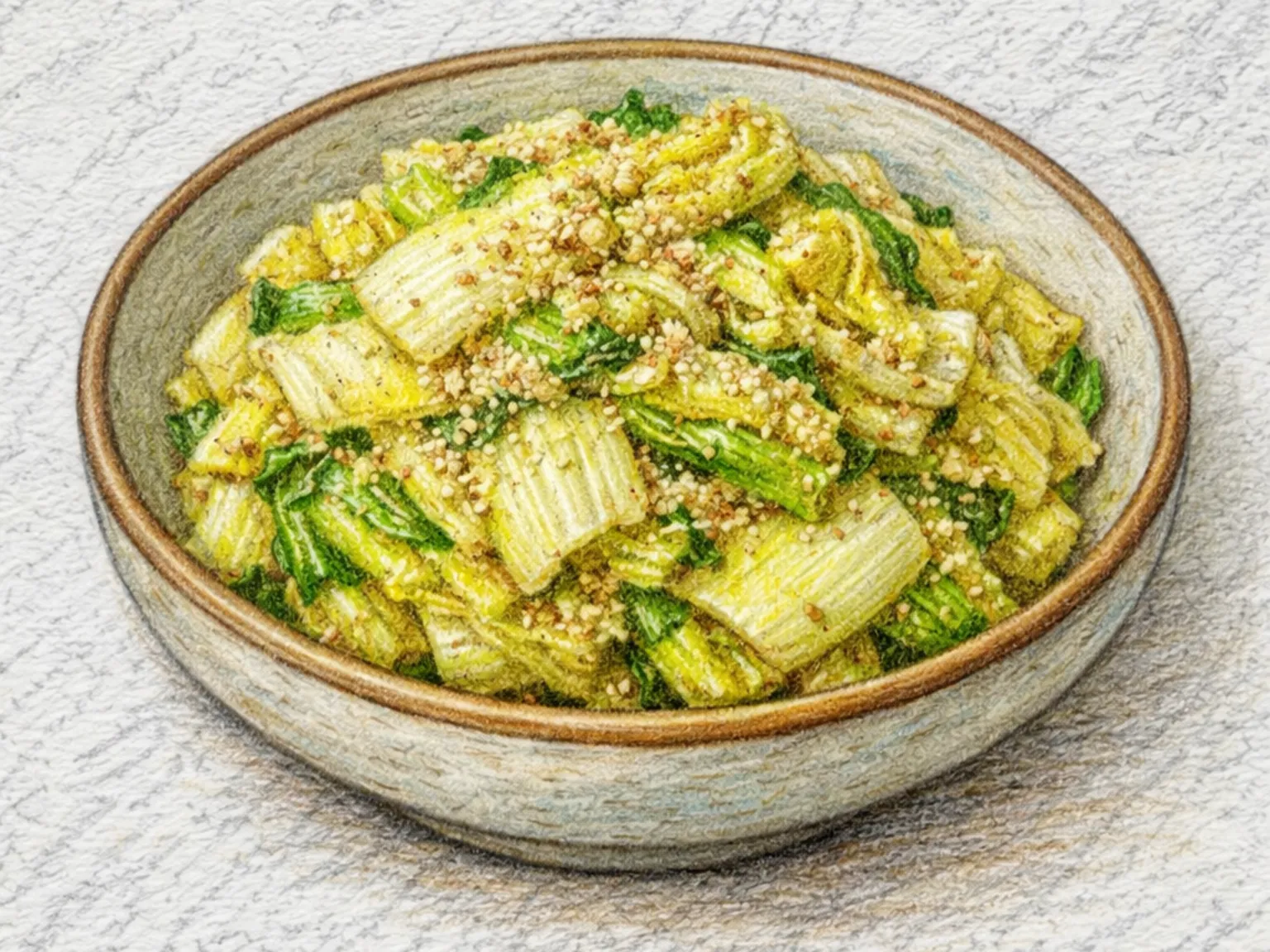
Boiled napa cabbage dressed with doenjang and perilla, passed down through generations of Korean home cooks. The cabbage boils two minutes - leaves collapse while white stems stay slightly firm - then is rinsed, squeezed, and cut. Perilla oil gives a distinctly herbal quality, and perilla powder thickens the dressing into a paste clinging to each piece. This quiet, understated banchan pairs well with clear soups and plain rice.

🏠 Everyday🍱 Lunchbox
Prep 10minCook 5min4 servings
Korean Stir-fried Dried Whitebait Sheet
Side dishesEasy

Korean Stir-fried Dried Whitebait Sheet

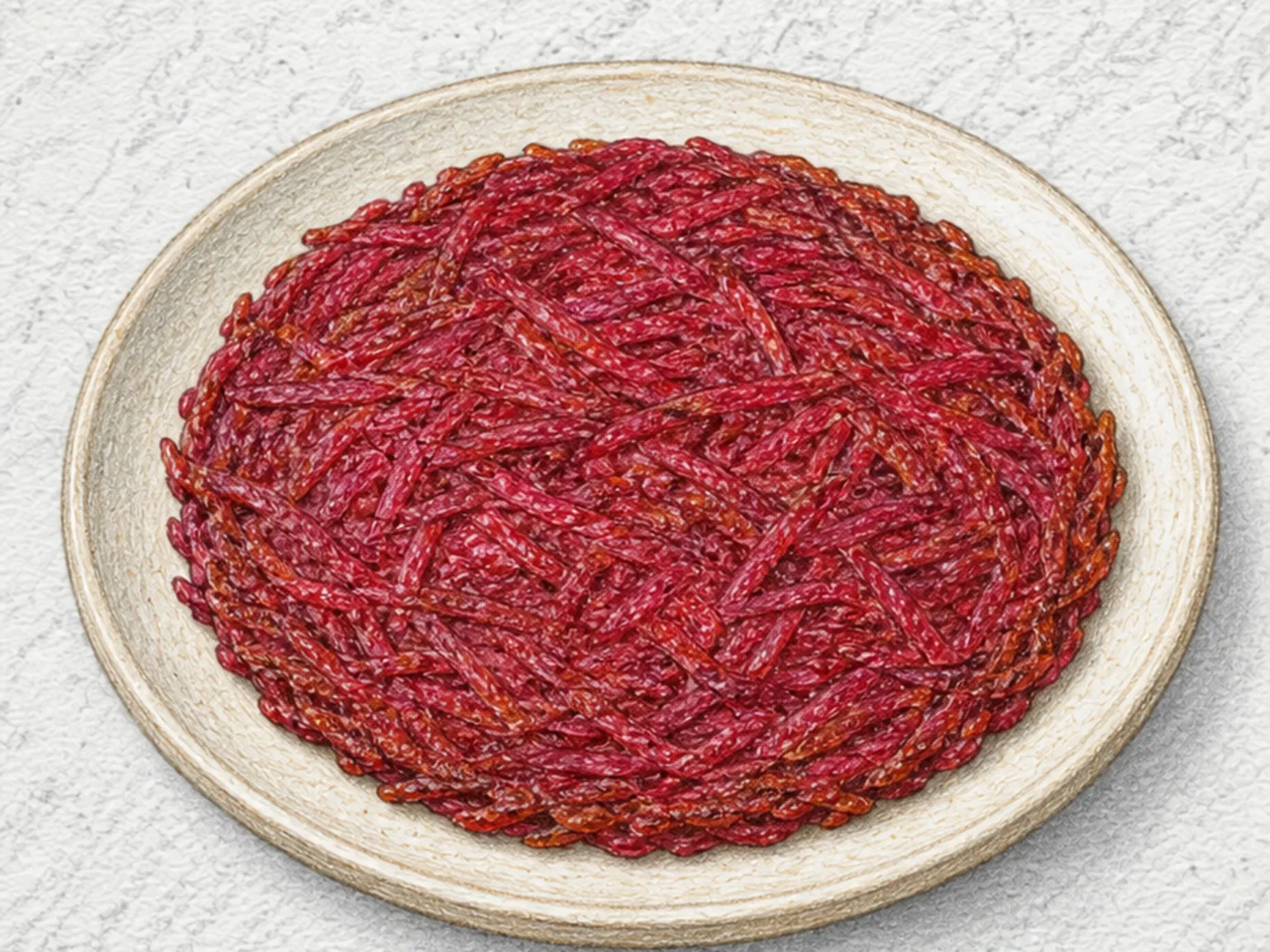
Dried whitebait sheets - paper-thin and lightly fishy - are a Korean pantry staple for quick banchan. The sheets are torn and dry-toasted to drive off moisture, giving the final dish a brittle, chip-like crunch. A glaze of gochujang, soy sauce, and oligosaccharide syrup coats both sides in the pan. The taste is salty-sweet with a fermented chili kick, and the texture stiffens as it cools - one of the rare banchan that improves at room temperature.

🏠 Everyday🍱 Lunchbox
Prep 5minCook 8min4 servings
Korean Seasoned Coastal Hogfennel Greens
Side dishesEasy

Korean Seasoned Coastal Hogfennel Greens

Coastal hogfennel - bangpung - is a wild herb from Korea's seaside cliffs, prized for its pungent, celery-like aroma. Blanched one minute in salted water to tame bitterness while preserving herbal fragrance, the greens are dressed simply with doenjang, garlic, and sesame oil. Minimal seasoning lets the herb's character lead. A seasonal specialty from spring markets in coastal regions like Gangwon-do and Jeju.

🏠 Everyday🍱 Lunchbox
Prep 12minCook 3min4 servings
Korean Beef & Shiitake Japchae
Side dishesMedium

Korean Beef & Shiitake Japchae

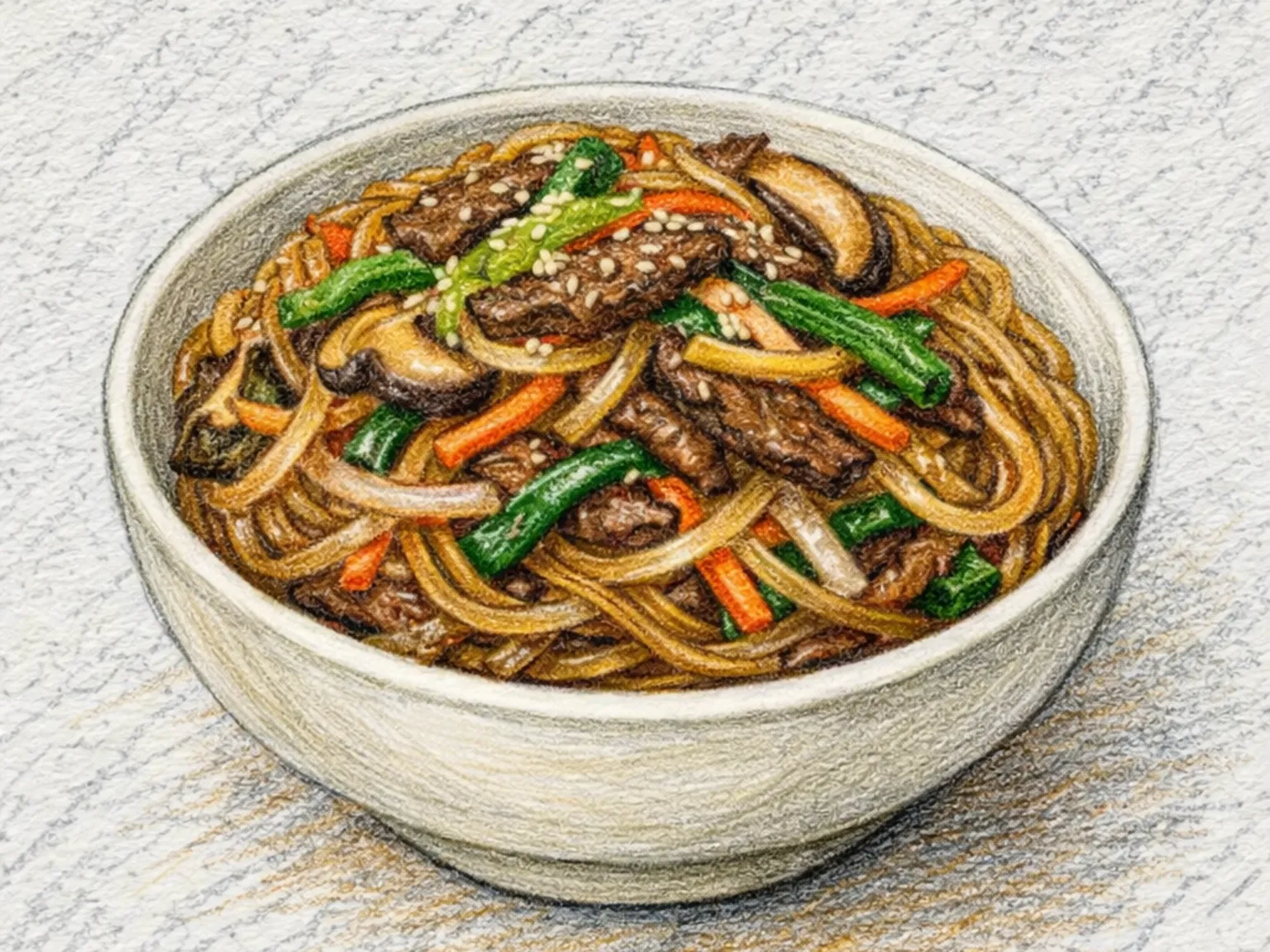
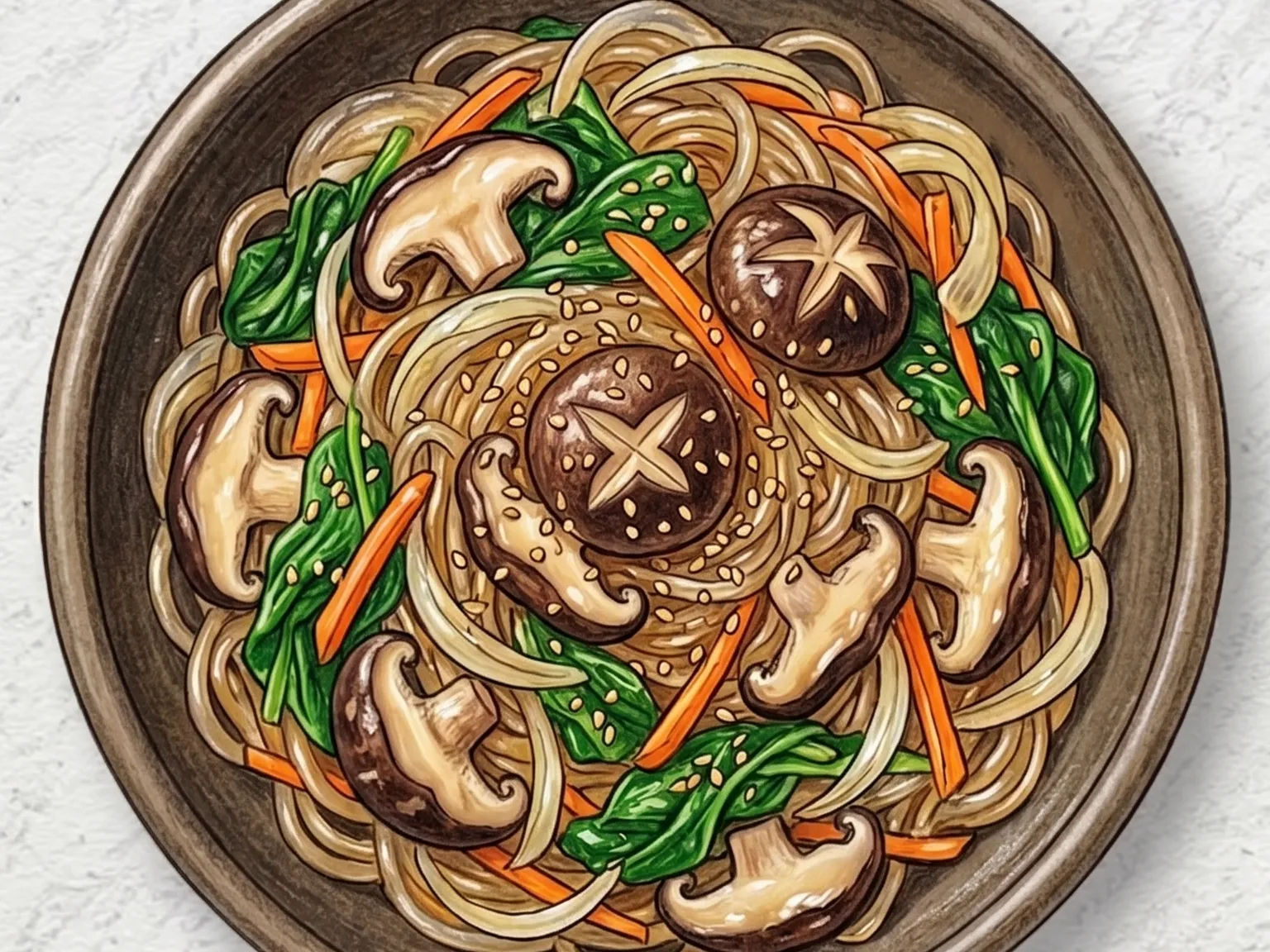
Japchae originated as a Joseon royal court dish of stir-fried vegetables - sweet potato noodles came later. This version pairs glass noodles with soy-marinated beef and sliced shiitake. Each component cooks separately: beef and mushrooms stir-fried with garlic, spinach blanched, carrots and onions sautéed. A final toss with sesame oil unifies everything. The noodles should be translucent and springy, carrying a sweet-salty glaze. A fixture on every Korean holiday table.

🏠 Everyday🎉 Special Occasion
Prep 20minCook 18min4 servings
Crispy Mushroom Tangsu (Sweet & Sour)
Side dishesMedium

Crispy Mushroom Tangsu (Sweet & Sour)

Double-fried oyster mushrooms with a shattering crust, drizzled in tangy sweet-and-sour sauce - a crowd-pleasing Korean tangsu that rivals the meat version. Coated in potato starch batter, they fry at 170°C, rest, then refry at 180°C for maximum crunch. A separate sauce of soy, vinegar, and sugar simmers with onion, bell pepper, and carrot, thickened with starch slurry. Poured over just before serving - or kept aside to preserve crunch.

🏠 Everyday🎉 Special Occasion
Prep 20minCook 18min4 servings
Korean Broccoli Doenjang Salad
Side dishesEasy

Korean Broccoli Doenjang Salad

Blanched broccoli in doenjang dressing - a modern Korean banchan bridging Western ingredients with traditional seasoning logic. Florets and thinly sliced stems blanch ninety seconds, then are shocked in cold water for vivid green and a firm bite. The dressing combines doenjang with vinegar and oligosaccharide syrup - fermented salt, acidity, and gentle sweetness that lifts mild bitterness. Ready in under ten minutes and keeps refrigerated for days.

🥗 Light & Healthy🏠 Everyday
Prep 10minCook 5min4 servings
Korean Seasoned Garlic Chives
Side dishesEasy

Korean Seasoned Garlic Chives

Unlike buchu kimchi, this raw chive muchim uses soy sauce and vinegar rather than fish sauce, producing a brighter, acidic result. The chives stay raw, tossed by hand under twenty seconds - longer and they bruise, releasing liquid. Gochugaru adds color and heat, while vinegar and sugar create a sweet-tart dressing contrasting with natural pungency. Must be eaten the same day before the chives wilt. A sharp, punchy side that cuts through oily main dishes.

🏠 Everyday🍱 Lunchbox
Prep 12minCook 3min2 servings
Korean Braised Dried Pollack
Side dishesEasy

Korean Braised Dried Pollack

Dried pollack - bugeo - is traditionally hung on racks in Gangwon-do's frigid mountain air through freeze-thaw cycles. The strips rehydrate in cold water, then braise in soy sauce, gochujang, sugar, and garlic. As liquid reduces, the pollack absorbs the sweet-salty-spicy sauce, becoming deeply stained with a spongy texture that holds moisture. Finished with sesame oil, bugeo jorim tastes better after a day and keeps nearly a week - a classic fridge banchan.

🏠 Everyday🍱 Lunchbox
Prep 30minCook 20min4 servings
Korean Busan-Style Soy Fish Cake Stir-Fry
Side dishesEasy

Korean Busan-Style Soy Fish Cake Stir-Fry

Busan - Korea's largest port city - is synonymous with eomuk, pressed fish cake sold at Gukje-sijang market. This version stir-fries sliced fish cake with onion and cheongyang chili in soy sauce, sugar, and cooking wine. Onion cooks first to release its sugars before the fish cake absorbs the glaze. Cheongyang chili adds sharp, lingering heat distinguishing this from milder Seoul versions. Cools well and holds up for hours in lunchboxes.

🏠 Everyday🍱 Lunchbox
Prep 10minCook 12min4 servings
Korean Stir-Fried Leafy Greens
Side dishesEasy

Korean Stir-Fried Leafy Greens

Baby bok choy stir-fried with garlic - five minutes from board to table. Removing all surface water before the greens hit the pan is essential; residual moisture turns stir-frying into steaming. Garlic sautés low for twenty seconds, then greens go in over high heat. Soup soy sauce and salt season without adding liquid, and sesame oil off-heat gives a glossy finish. This mild, clean-tasting side works alongside virtually any Korean main course.

🏠 Everyday🍱 Lunchbox
Prep 8minCook 5min2 servings
Korean Seasoned Cedrela Shoots
Side dishesEasy

Korean Seasoned Cedrela Shoots

Cedrela shoots appear for barely two weeks each April, making chamjuk one of Korea's most fleeting spring ingredients. The young tips carry a resinous, walnut-like scent found in no other wild green. A 40-second blanch in salted water softens fibrous stems while locking in that fragrance. Dressed with just soy sauce, garlic, and sesame oil, the dish lets the shoots' natural perfume lead. Gathered from mountainside groves, it appears on spring holiday tables beside other foraged greens.

🏠 Everyday🍱 Lunchbox
Prep 12minCook 2min4 servings
Korean Seasoned Chamnamul Greens
Side dishesEasy

Korean Seasoned Chamnamul Greens

Chamnamul - Korean pimpinella - grows wild in central Korea's mountain valleys and has been foraged since the Goryeo period. Its leaves carry a celery-like fragrance with a faint peppery finish. Blanched under a minute to preserve crispness, the greens are cut to 5 cm lengths and tossed with soy sauce, sesame oil, and garlic. Stems stay slightly firm while thinner leaves wilt just enough to absorb the dressing. A spring-only banchan, sometimes served raw when leaves are very young.

🏠 Everyday🍱 Lunchbox
Prep 10minCook 3min4 servings
Korean Seasoned Salted Pollock Stomach
Side dishesEasy

Korean Seasoned Salted Pollock Stomach

Changnanjeot - salt-fermented pollock stomach - belongs to Korea's jeotgal tradition, where seafood organs are brined for months until they develop intense umami. The stomach lining has a firm, slightly rubbery chew distinct from softer jeotgal like salted shrimp. Drained of excess brine and dressed with gochugaru, garlic, scallion, and sugar, it becomes a high-impact condiment banchan. A thumbnail-sized piece on rice delivers a concentrated burst of fermented marine salt and chili heat.

🏠 Everyday🍱 Lunchbox
Prep 8min2 servings
Korean Stir-Fried Bok Choy with Oyster Sauce
Side dishesEasy

Korean Stir-Fried Bok Choy with Oyster Sauce

A Chinese-Korean crossover banchan that became a weeknight staple in the 1990s. The technique demands a scorching-hot pan: oil and garlic sizzle first, then halved bok choy hits the wok for barely a minute. Oyster sauce and a splash of water create a quick glaze clinging to the stems. Leaf edges char slightly while white stalks stay juicy and snapping-crisp. A finishing drizzle of sesame oil adds a toasted note. The entire cook takes under five minutes.

🏠 Everyday🍱 Lunchbox
Prep 8minCook 5min2 servings
Korean Seasoned Bok Choy Namul
Side dishesEasy

Korean Seasoned Bok Choy Namul

Unlike the high-heat stir-fried version, this bok choy namul uses a gentler blanch-and-dress method from Korea's traditional namul vocabulary. One minute in boiling water wilts the leaves while keeping pale stalks firm. Squeezed dry and cut short, the greens are rubbed with doenjang, soup soy sauce, and garlic. The fermented paste's funky, earthy depth transforms the mild vegetable into something more layered. Sesame seeds scattered on top add a final crunch against the soft leaves.

🏠 Everyday🍱 Lunchbox
Prep 8minCook 4min2 servings
Korean Spicy Ponytail Radish Salad
Side dishesMedium

Korean Spicy Ponytail Radish Salad

Chonggak - small ponytail radishes with green tops attached - are a fixture of Korean autumn markets. Unlike long-fermented chonggak kimchi, this fresh muchim salts sliced radishes for just 15 minutes to draw out water and concentrate crunch. Gochugaru, fish sauce, garlic, sugar, and vinegar coat the slices in a spicy-sour glaze. The radish bites back with a sharp, peppery heat typical of young Korean radishes. Best eaten the same day, before salt continues softening the texture.

🏠 Everyday🍱 Lunchbox
Prep 20min4 servings
Korean Aster Herb Namul (Blanched Mountain Greens Seasoned)
Side dishesEasy

Korean Aster Herb Namul (Blanched Mountain Greens Seasoned)

Chwinamul - aster scaber - is among Korea's most beloved mountain herbs, foraged from hillsides every spring. Its broad leaves carry a bitter, herbaceous edge that sets it apart from milder greens. A one-to-two minute blanch tames rawness while preserving the woodland scent. Dressed with garlic, salt, and perilla oil instead of sesame, the herb's wild character stays front and center. Sauteing in perilla oil deepens the fragrance. A staple of bibimbap and temple cuisine.

🏠 Everyday🍱 Lunchbox
Prep 10minCook 5min2 servings
Korean Chwinamul with Doenjang
Side dishesEasy

Korean Chwinamul with Doenjang

This variation pairs blanched chwinamul with doenjang - Korea's fermented soybean paste - creating a banchan where two strong flavors meet. Greens are boiled two minutes, squeezed, and cut before dressing with doenjang, soup soy sauce, garlic, sesame oil, and perilla powder. The paste's funky, salty depth clings to porous leaves, amplifying natural bitterness into something complex. Five minutes of resting lets seasoning penetrate fully. Often made with dried chwinamul reconstituted in winter.

🏠 Everyday🍱 Lunchbox
Prep 18minCook 7min4 servings
Korean Chwinamul with Perilla Powder
Side dishesMedium

Korean Chwinamul with Perilla Powder

Where the doenjang version leans on fermented funk, this preparation wraps chwinamul in perilla's nutty, seed-forward coating. After blanching and first seasoning with soup soy sauce, garlic, and green onion, the greens are sauteed briefly in perilla oil. Water is added for a light braise. Stirring in perilla powder off the heat transforms the liquid into a thick, pale paste coating every strand. Adding the powder after lowering heat prevents grittiness and releases the seed's full fragrance.

🏠 Everyday🍱 Lunchbox
Prep 18minCook 7min4 servings
Korean Seasoned Carrot Namul
Side dishesEasy

Korean Seasoned Carrot Namul

Carrot namul is one of the five-color banchan Koreans prepare for ancestral rites, where orange represents fire. Julienned thin, the carrots are salted briefly to shed water, then stir-fried with garlic for two to three minutes - just enough to soften the raw edge while keeping an audible crunch. No soy sauce or chili enters the pan; seasoning stays minimal to preserve natural sweetness. A final toss with sesame oil and seeds rounds out this clean, single-ingredient side.

🏠 Everyday🍱 Lunchbox
Prep 8minCook 6min2 servings
Korean Seasoned Kelp Strips
Side dishesEasy

Korean Seasoned Kelp Strips

Kelp strips are soaked to soften their salt, then blanched 20 seconds - enough to turn them pliable without losing their snap. Dressed in gochugaru, vinegar, soy sauce, sugar, and garlic, with julienned cucumber adding freshness, the dish balances mineral-dense ocean taste against a bright, acidic dressing. The strips have a satisfying resistance between the teeth, distinct from softer Korean seaweed dishes. Best served cold; holds up well in packed lunches.

🥗 Light & Healthy🏠 Everyday
Prep 12minCook 3min2 servings
Korean Braised Kelp Strips
Side dishesMedium

Korean Braised Kelp Strips

Dasima jorim transforms dried kelp - a stock ingredient - into a glossy, chewy banchan through slow braising. Soaked until pliable, cut into strips, then simmered in soy sauce, rice syrup, cooking wine, and garlic for 15 minutes. As liquid reduces, it thickens into a lacquer-like glaze coating each strip. The texture falls between gummy and al dente - springy with a clean chew. This banchan keeps well for days, improving as seasoning penetrates the dense seaweed fibers.

🥗 Light & Healthy🏠 Everyday
Prep 15minCook 20min4 servings