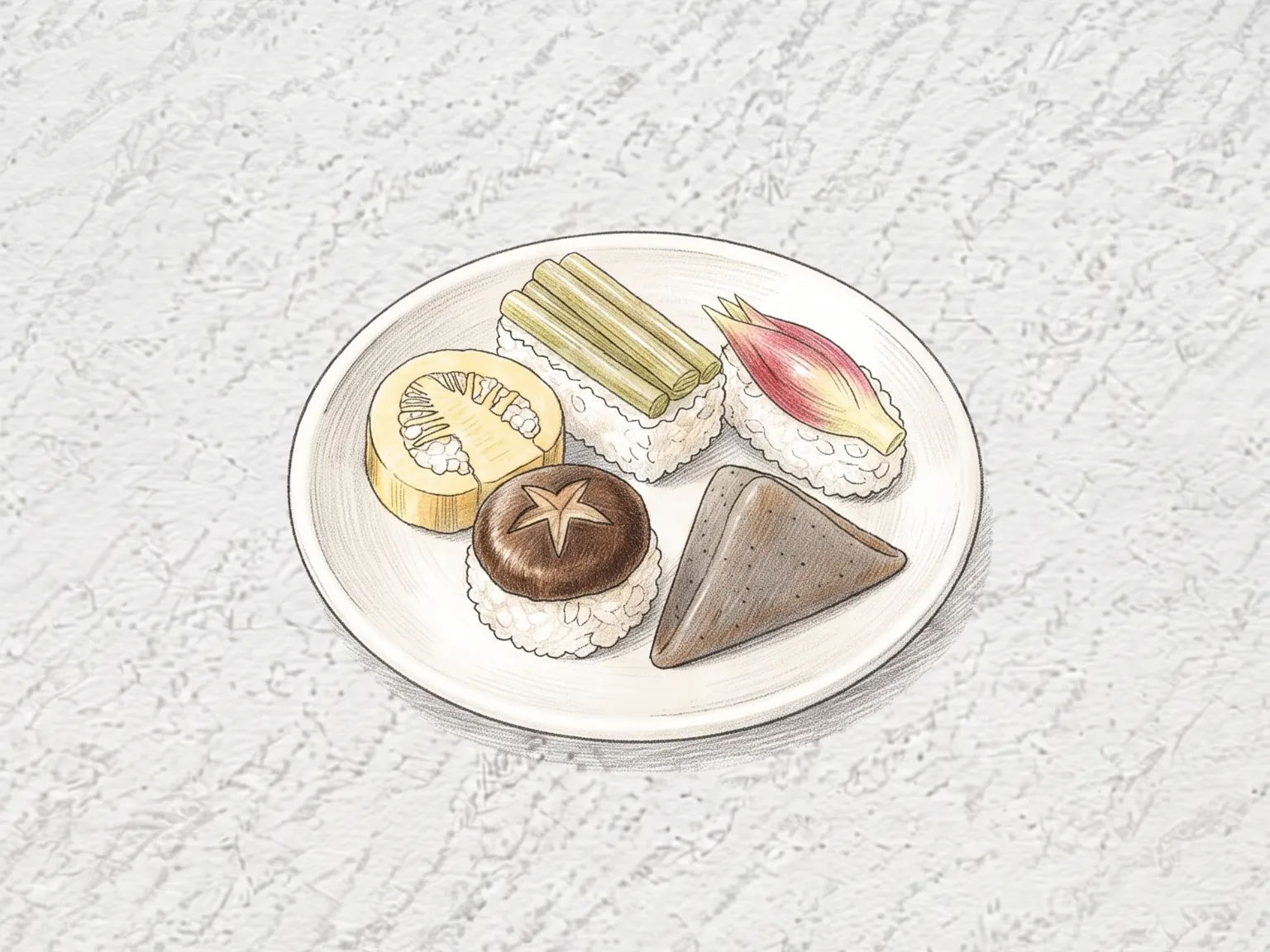
Inaka Zushi (Kochi Vegetable Sushi)
Quick answer
- Total time
- At least 10 hr
- Level
- Hard
- Servings
- 5 servings
- Ingredients
- 18
About this dish
Bamboo shoots get stuffed with rice, ryukyu (hasuimo taro stalk) is pressed into shape in a bamboo mat, myoga and shiitake sit on hand-formed rice, and konnyaku is filled like inari pockets.
Read more
The dish is said to have started in the mountains of Kochi, when kombu and nori were hard to come by, as sushi made from what grew on the slopes.
Ingredients
As an Amazon Associate, we may earn from qualifying purchases.
Instructions
Stops the screen from turning off while you cook.
- 1
The day before, halve the bamboo shoots lengthwise and simmer them over low heat with 300 ml of the dashi, 3 tablespoons of the sugar, 6 teaspoons of the soy sauce, a pinch of the salt and 3 teaspoons of the mirin until the liquid has reduced by about half. Turn off the heat and leave them in the liquid overnight to absorb the flavor.
- 2
Peel the ryukyu, cut it to the width of the bamboo mat and halve the thick root end lengthwise.
Make one or two lengthwise cuts on the inner side, salt it, and once it goes limp, roll a wooden pestle over it to press out the water. Soak in water to draw out the salt, then put it in a sweet vinegar of the 3 tablespoons vinegar, 2 tablespoons of the sugar, 2 teaspoons of the mirin and a pinch of the salt.
- 3
Halve the myoga lengthwise and make a cut at the base; for large ones, remove the center to thin them.
Pass them quickly through boiling water, drain, salt them, and once they soften, squeeze hard and soak in 2 tablespoons of the sugar with 2 tablespoons of the yuzu vinegar.
- 4
Slice the konnyaku thinly into pieces about 3 by 6 to 7 cm, start them in cold water and boil, then while they are warm cut a slit into one side of each to form a pocket. Simmer with 100 ml of the dashi, 2 tablespoons of the sugar, 6 teaspoons of the soy sauce and 3 teaspoons of the mirin until sweet, salty and nearly dry.
- 5
Cut the shiitake stems off cleanly where they meet the caps and score a cross on top of each cap.
Simmer them sweet with 10 ml of the dashi, 1 tablespoon of the sugar and 2 teaspoons of the soy sauce.
- 6
Cook the rice with slightly less water than usual.
Mince the ginger and mix it with the 75 ml vinegar, 25 ml of the yuzu vinegar, 85 g sugar and 15 g salt. Mix this quickly and evenly into the freshly cooked rice, add the sesame seeds, and fan the rice to cool it fast and give the grains a gloss.
- 7
Drain the bamboo shoots, pack sushi rice firmly into their hollows and cut into bite-size pieces.
Lift the ryukyu from its vinegar, lay it on the bamboo mat, add sushi rice and press into a rectangular bar, then slice once it has cooled.
- 8
Squeeze the myoga lightly, set it on sushi rice and shape by hand; set each shiitake cap on a round ball of rice.
Fill the konnyaku pockets with sushi rice as you would inari. Arrange all five kinds together on a platter.
References checked
These references were consulted when this page was prepared or corrected. A source check does not mean the recipe was independently kitchen-tested.
- 田舎ずし 高知県
農林水産省 うちの郷土料理 · Checked: 2026-11-18
Use-up ingredient planner
Turn these ingredients into two more meals
The overlap excludes basic seasonings. Open the next recipe and your selected dishes will stay with you.
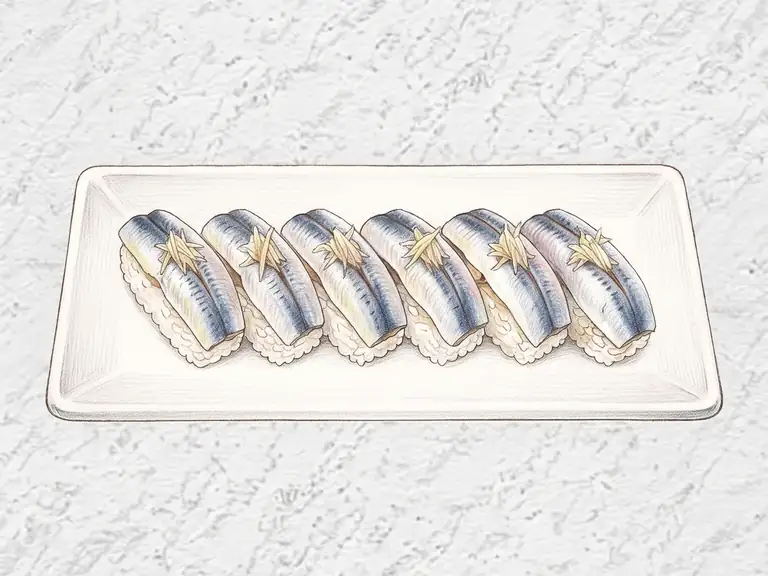
Mamakari Zushi (Okayama Vinegared Sardinella Sushi)
short-grain rice, rice vinegar for the sushi rice
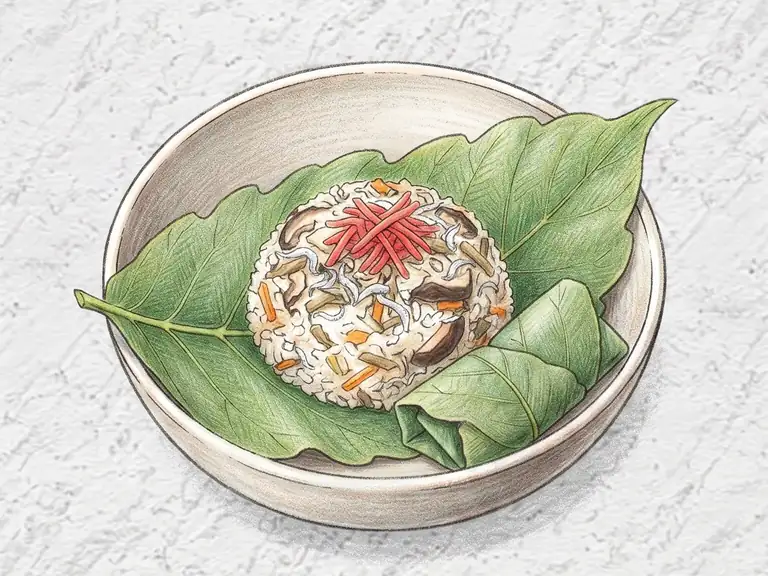
Hoba Zushi (Gifu Magnolia Leaf Sushi)
short-grain rice, rice vinegar for the sushi rice
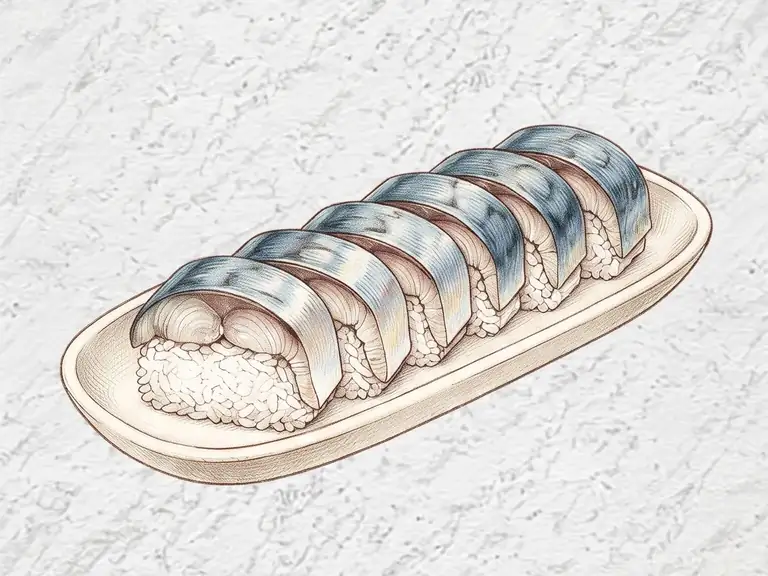
Saba no Bozushi (Shiga Mackerel Bar Sushi)
short-grain rice, rice vinegar for the sushi rice