Rice Recipes
172 recipes
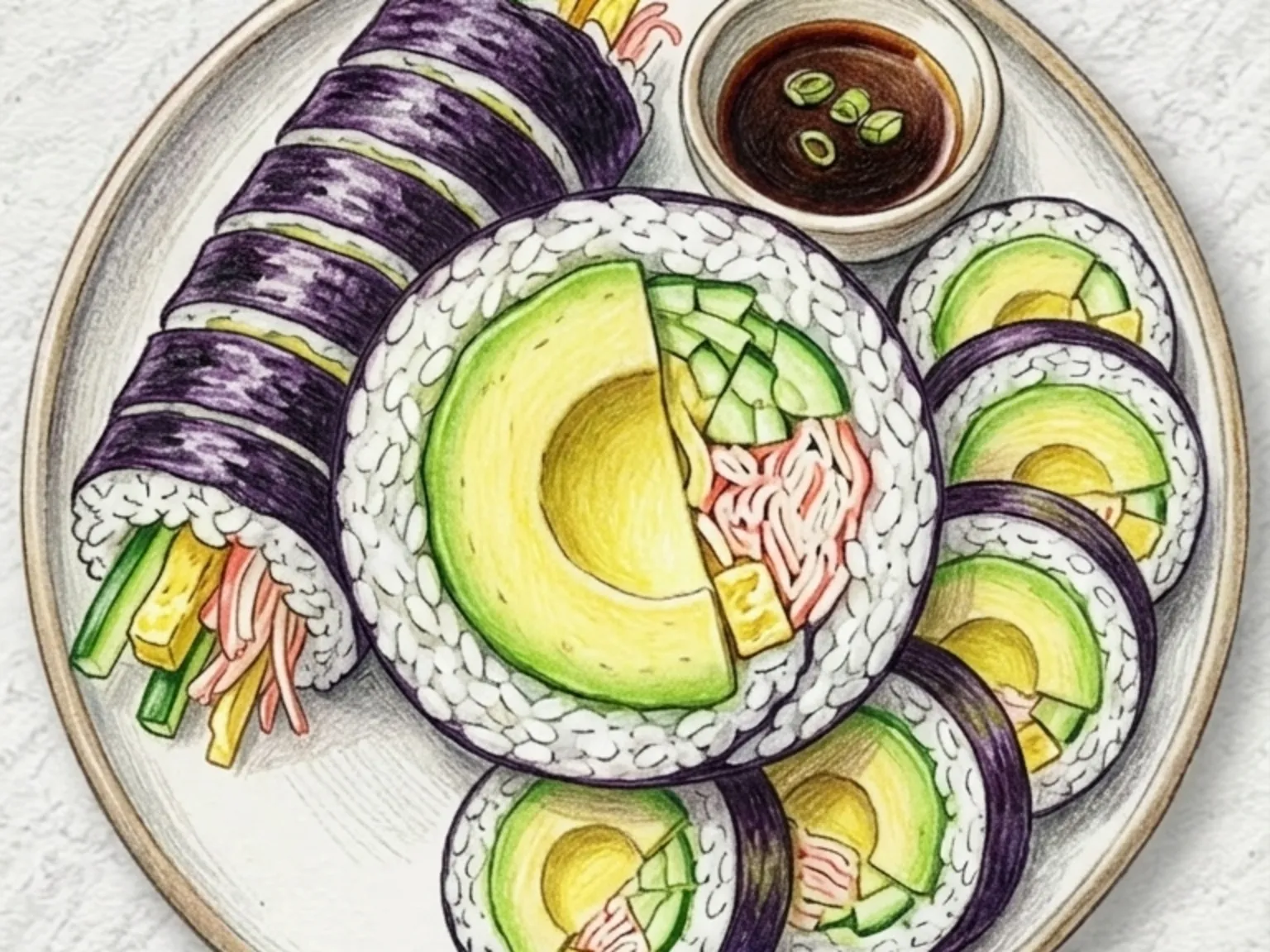
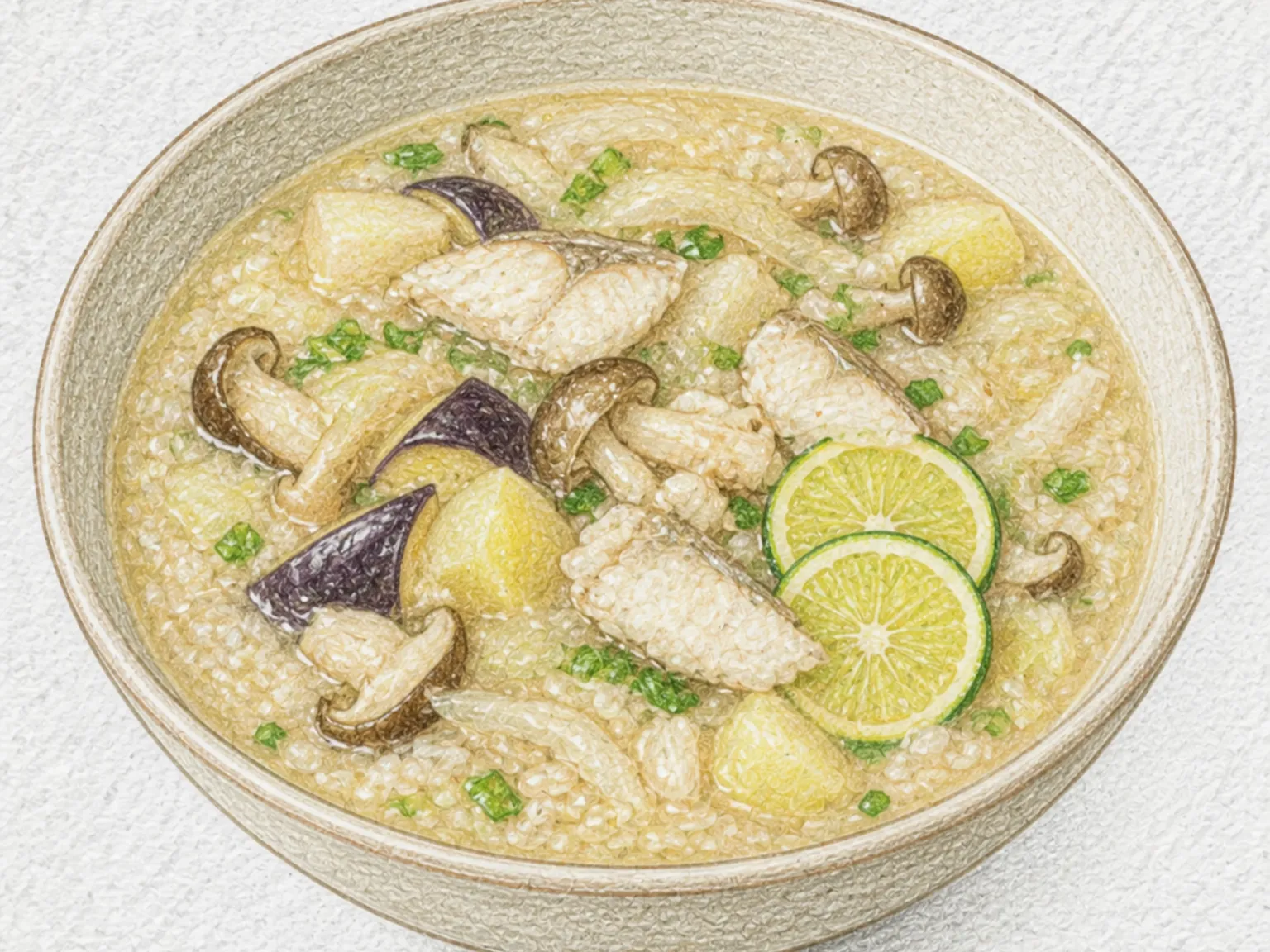
Rice is the foundation of Korean cuisine, appearing not only as steamed white rice but also as fried rice, bibimbap, clay-pot rice (sotbap), and gimbap rolls. Porridge (juk) — made by slow-cooking rice into a silky consistency — is comfort food for cold days or when you need something gentle on the stomach. Abalone porridge, pumpkin porridge, and chicken porridge are all classics.
A bowl of freshly steamed rice with a drizzle of sesame oil and a fried egg makes a satisfying meal on its own. Leftover rice transforms into fried rice or crispy nurungji (scorched rice), both beloved staples.

Korean Napa Cabbage Doenjang Porridge
Baechu doenjang juk is a Korean porridge where soaked rice is first toasted in sesame oil to build a nutty base, then simmered slowly in anchovy stock with dissolved doenjang, napa cabbage, and onion. Toasting the rice grains in oil before adding liquid gives the finished porridge a roasted depth that plain boiled rice cannot achieve. The doenjang is strained through a sieve into the stock so the porridge remains smooth without grainy bits. Finely chopped onion melts into the broth as it cooks, contributing a quiet sweetness, while the napa cabbage softens until it nearly dissolves into the texture of the porridge. Stirring frequently over medium-low heat for at least twenty minutes ensures the rice breaks down evenly. A drop of sesame oil and a seasoning adjustment with guk-ganjang finishes the dish. The result is a bowl that feels gentle on the stomach while carrying the full fermented complexity of doenjang.

Korean Napa Cabbage Tofu Porridge
A gentle, warming Korean porridge of napa cabbage and soft tofu - light enough for a recovering stomach yet satisfying for any morning. The rice is first sauteed in sesame oil, forming a thin oily coat on each grain that releases a nutty fragrance as the porridge cooks. Vegetable stock and finely chopped cabbage are added, and the pot simmers at medium heat until the rice grains break down completely, during which the cabbage releases its moisture and sweetens the broth naturally. The tofu is crumbled by hand and stirred in during the last five minutes, dispersing evenly to create a smooth protein layer within the porridge. Minced garlic goes in early so its raw edge cooks out fully. Seasoning is kept to a minimum with just guk-ganjang and salt, letting the ingredients speak for themselves. Without heavy oils or strong spices, the porridge draws its flavor entirely from the cabbage sweetness and the quiet richness of tofu.

Plain Korean Rice Porridge
Baekjuk is the most fundamental Korean porridge, made with nothing more than soaked rice and water. Toasting the rice in sesame oil before adding liquid coats the grains in a thin layer of fat that moderates starch release, preventing the porridge from becoming overly gluey while building a nutty aroma into the base. Water is added at six to seven times the volume of rice, brought to a boil, then reduced to low heat and stirred for at least thirty minutes until the grains dissolve into a smooth, flowing consistency. Regular stirring with a wooden spatula is essential to prevent the bottom from scorching. Seasoning stays minimal with just salt to highlight the clean taste of rice itself, while shredded seaweed and chives provide small bursts of flavor on top. A final drop of sesame oil adds fragrance. The porridge serves as both a recovery food for unsettled stomachs and a versatile base meal that pairs with almost any Korean side dish.

Korean Chestnut Rice (Nutty Sweet Autumn Pot Rice)
Bam bap is a Korean seasonal rice dish that pairs freshly harvested chestnuts with white rice, cooked together in the same pot. Peeled chestnuts are placed on top of soaked rice and steamed, allowing their starch to dissolve slightly into the cooking water and infuse each grain with a subtle sweetness. Black sesame seeds sprinkled over the finished bowl add a nutty contrast. The dish requires only salt for seasoning, letting the natural flavor of the chestnuts come through. A small bowl of soy-based dipping sauce is typically served alongside to add depth as needed. Cutting the chestnuts into halves or quarters before cooking distributes their flavor more evenly throughout the rice. The dish is most commonly prepared in autumn when fresh chestnuts are in season.

Korean Mushroom Soft Tofu Porridge
Shiitake mushrooms and onion are sauteed in perilla oil, then simmered with soaked rice in kelp stock until the grains soften into porridge. Spoonfuls of silken tofu are folded in at the end, creating pillowy clusters throughout the bowl that contrast with the smooth rice base. The kelp stock provides gentle umami without heaviness, while perilla oil adds a slightly bitter, herbal edge distinct from sesame oil. Finished with soup soy sauce and chopped scallion, the porridge is light enough for a recovering appetite yet substantial enough to serve as a full meal.

Korean Mixed Rice Bowl (Colorful Vegetables & Gochujang)
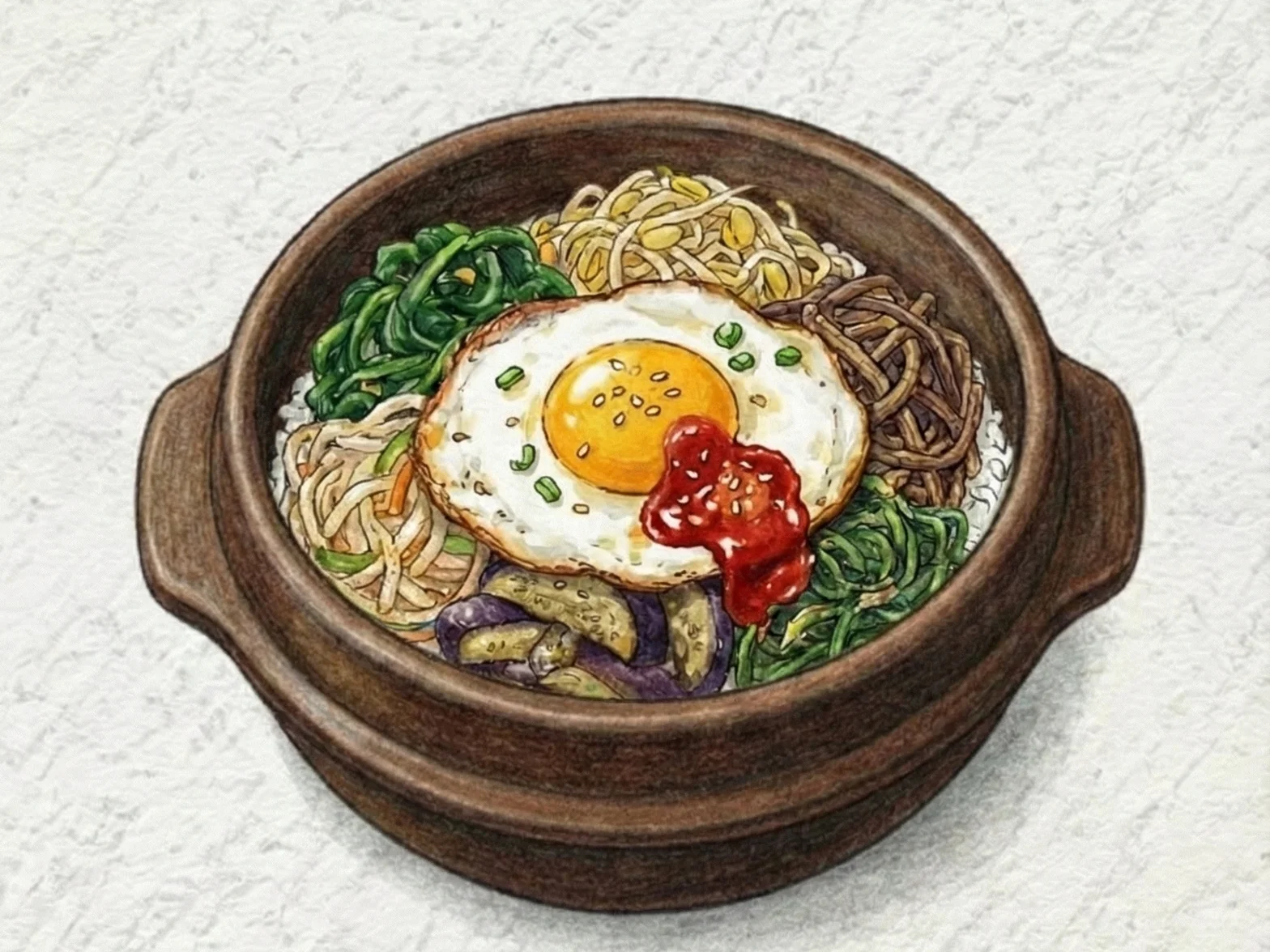
Bibimbap is one of Korea's most iconic one-bowl meals, built by arranging individually seasoned vegetables - spinach, bean sprouts, zucchini, and carrots - alongside marinated beef and a fried egg over steamed rice, then mixing everything together with gochujang. Each component keeps its own texture and flavor until the moment you stir, creating a lively medley of crisp, soft, and spicy in every spoonful. It works well as a weeknight dinner using whatever leftover namul you have on hand, and when prepared in a hot stone pot, the rice forms a golden, crunchy crust at the bottom that adds another layer of enjoyment.

Korean Bossam Kimchi Rice Bowl
Bossam kimchi deopbap is a Korean rice bowl that repurposes leftover bossam - tender boiled pork and well-fermented bossam kimchi - by stir-frying them with onion in a sweet-spicy gochujang sauce and serving it all over hot rice. The tangy crunch of the kimchi plays off the moist, savory pork, while the sauce ties every element together with warmth and depth. It is a practical and satisfying meal that needs no side dishes, making it an efficient way to transform bossam leftovers into an entirely new dish. The contrast between the soft, slow-cooked pork and the sharp acidity of fermented kimchi keeps each bite lively, and the gochujang glaze adds just enough heat to make you want more.

Korean Beef Brisket Rice Bowl
Chadol deopbap is a Korean rice bowl featuring paper-thin beef brisket slices seared in a hot pan until the edges turn crisp, then drizzled with a soy-based sauce and served over steamed rice. The marbled fat in the brisket renders out during cooking, creating a rich, buttery flavor that pairs naturally with the salty-sweet soy glaze. Garlic and sesame oil add aromatic depth without overcomplicating the dish. A raw or soft-cooked egg yolk on top is a common addition, breaking into a golden sauce that coats the rice when mixed. Despite its simplicity - just a handful of pantry staples and a few minutes at the stove - it delivers a deeply satisfying meal that works well for both lunch and dinner.

Korean Tuna Fried Rice (Quick Canned Tuna Stir-Fried Rice)
Chamchi bokkeumbap is a staple Korean home-style fried rice made by stir-frying canned tuna - oil and all - with diced onion, carrot, and green onion, then tossing in rice and seasoning with soy sauce and sesame oil. The tuna oil coats each grain, delivering a savory richness that needs little else to taste complete. It is the kind of dish that comes together from whatever is already in the pantry and fridge, requiring no special shopping trip. When you need a quick, filling meal with minimal effort, this is often the first recipe that comes to mind in Korean households.

Korean Bok Choy Crab Porridge
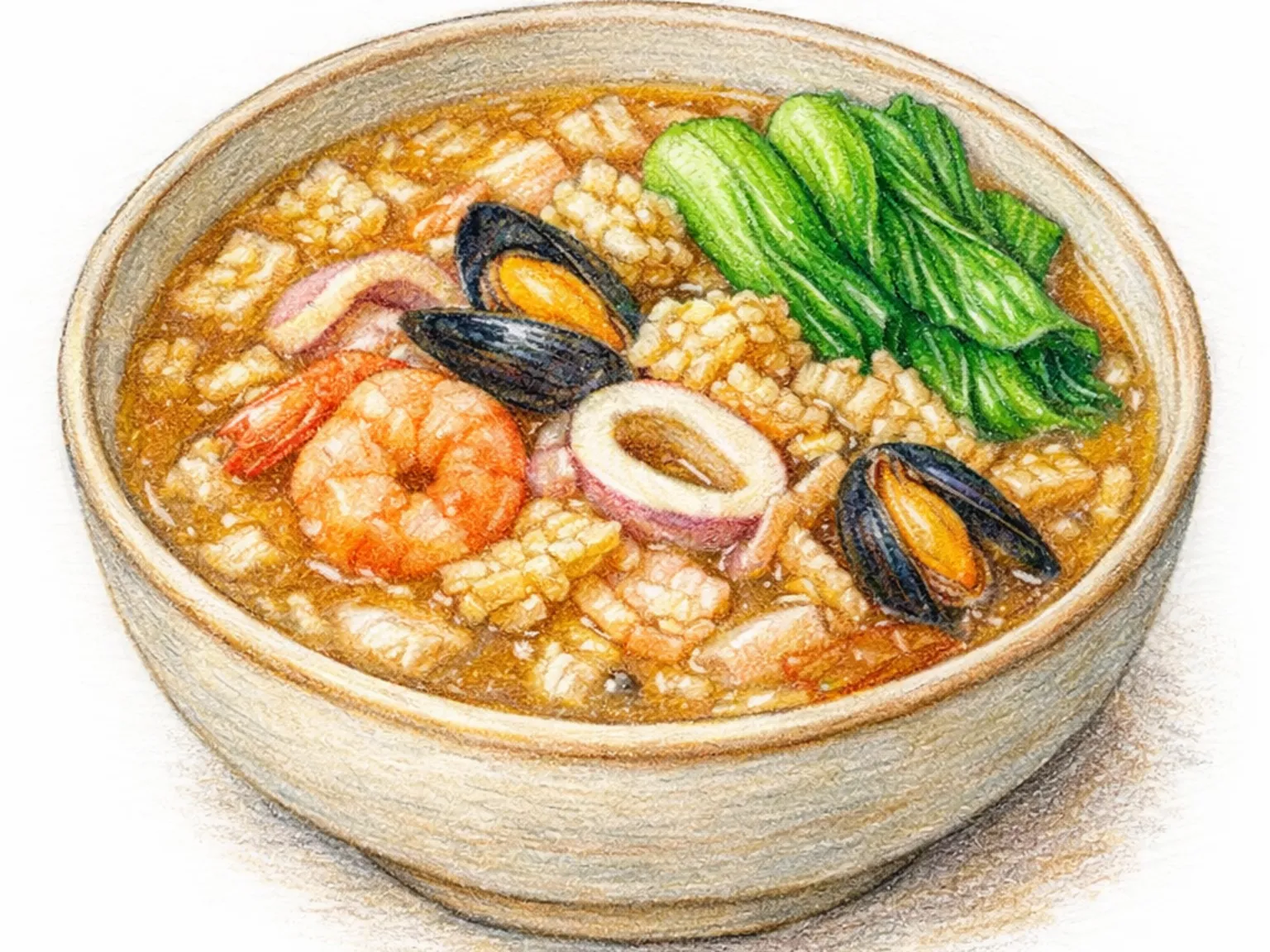
Cheonggyeongchae gesal juk is a Korean porridge that begins by sauteing onion and ginger in sesame oil to build an aromatic base, then simmering soaked rice with crab meat until the grains soften into a smooth, flowing consistency. Bok choy is stirred in near the end, keeping its vibrant green color and gentle crunch intact. The crab imparts a subtle sweetness that elevates the porridge beyond ordinary, while ginger keeps the flavor clean and free of any fishiness. Light on the stomach and warming from the inside, it serves well as a morning meal or a soothing bowl during seasonal transitions.

Korean Hemp Seed Rice (Nutty Protein-Rich Grain Rice)
Cheongsam bap is a Korean nutritional rice made by cooking toasted hemp seeds together with short-grain rice. The hemp seeds bring a nutty flavor and a pleasant pop of texture that transforms plain white rice into something more interesting, while also adding a meaningful boost of plant protein and healthy fats. The preparation is as simple as regular rice cooking - just add the seeds and a pinch of salt before starting the cooker. The mild, toasty flavor of the hemp seeds pairs well with virtually any side dish, or the rice can stand on its own as a wholesome, understated bowl.

Chicken Curry Rice
Chicken curry rice is a Japanese-style curry where bite-sized chicken thigh, potato, carrot, and onion simmer together until the curry roux melts into a thick, glossy sauce. The spice blend is gentle rather than fiery, with a mellow sweetness drawn from the slowly cooked vegetables. Chicken thigh stays moist and succulent even after prolonged simmering, absorbing the curry flavor throughout. The potatoes break down slightly at the edges, thickening the sauce further and giving it a starchy body that clings to each spoonful of rice. It is a one-pot dish that scales easily - make a large batch and it tastes even better the next day as the flavors meld further, making it ideal for family dinners or weekly meal prep.

Korean Chicken Mayo Rice Bowl
Chikin mayo deopbap is a Korean rice bowl topped with pan-fried chicken breast glazed in a sweet-salty soy sauce and finished with a generous drizzle of mayonnaise. The chicken is cooked until golden on the outside while staying moist inside, and the soy-sugar glaze caramelizes slightly to create a sticky coating that clings to each piece. The mayonnaise adds creaminess that balances the saltiness of the glaze, and when it hits the warm chicken, it softens into a silky sauce that seeps down into the rice below. With only a few common ingredients and about fifteen minutes of total cooking time, it rivals any convenience store lunch box in speed while delivering noticeably better flavor and texture.

Korean Chwinamul Pot Rice
Chwinamul sotbap is a Korean pot rice made by layering lightly seasoned wild chwinamul greens over soaked rice and cooking everything in kelp stock. The greens release their distinctively herbal, faintly bitter fragrance directly into the rice as it steams, filling the kitchen with an earthy mountain scent when the lid comes off. Mixed with a soy-sesame dipping sauce, the bitterness softens into a pleasant backdrop that makes each spoonful complex and grounding. It is best prepared in spring when chwinamul is in season, offering peak aroma and the most tender stems. Dried chwinamul can be rehydrated for year-round cooking, though the fresh version carries a brightness that the dried form cannot fully replicate.

Korean Chicken Breast Perilla Porridge
Dakgaesal deulkkae juk is a Korean porridge enriched with perilla seed powder, built on a base of shredded chicken breast, onion, and carrot stir-fried before simmering with soaked rice and chicken stock. The perilla powder dissolves into the porridge as it cooks, creating a thick, creamy consistency and a deeply nutty aroma that defines every spoonful. The chicken adds lean protein without heaviness, making the bowl nourishing and easy to digest. Unlike sesame, which has a sharper roasted quality, perilla carries a rounder, more herbaceous nuttiness that makes the porridge feel distinctly Korean. It works well as a recovery meal after exercise or as a warming, restorative dish when energy runs low and the body needs gentle replenishment.

Korean Dakgalbi Fried Rice
Dakgalbi bokkeumbap is a Korean fried rice born from the tradition of stir-frying leftover dakgalbi sauce and ingredients with rice at the end of a Chuncheon-style chicken meal. Boneless chicken thigh marinated in gochujang is cooked with cabbage and onion before day-old rice is added and tossed over high heat until every grain absorbs the sweet-spicy marinade. Cabbage and perilla leaves cut through the richness, keeping the finish clean despite the bold seasoning. The high heat creates slightly charred bits of rice at the bottom of the pan, adding a smoky crunch that contrasts with the saucy grains above. It captures the full intensity of dakgalbi flavor in rice bowl form, delivering the same satisfaction with the convenience of a single dish.

Korean Cheesy Dakgalbi Rice Bowl
Cheese dakgalbi deopbap takes the beloved Chuncheon-style spicy chicken stir-fry and transforms it into a rice bowl crowned with melted mozzarella. Chicken thigh, marinated in gochujang, chili flakes, soy sauce, and sugar, is stir-fried with rough-cut cabbage and onion until the sauce caramelizes and clings to each piece. The cheese goes on while the pan is still hot, stretching into long, gooey strands that temper the chili heat with each pull. Cabbage retains enough crunch to offset the richness of the cheese and sauce, while the chicken thigh stays moist throughout cooking. The entire dish comes together in about fifteen minutes with ingredients found in most Korean kitchens, making it a reliable option for a solo dinner or late-night meal.

Korean Spicy Dakgalbi Rice Bowl
Dakgalbi deopbap brings the flavors of Chuncheon's famous spicy chicken to a single rice bowl. Boneless chicken thigh is stir-fried with cabbage, onion, and green onion in a gochujang-based marinade that balances heat with a touch of sweetness. High heat ensures the sauce caramelizes onto the chicken while the vegetables keep a slight crunch. A finishing drizzle of sesame oil adds a toasty fragrance that rounds out the bold seasoning. The dish captures the essence of a dakgalbi restaurant meal - the moment just before the leftover sauce gets turned into fried rice - and serves it as a complete, self-contained bowl that needs no side dishes.

Korean Chicken Rice Porridge
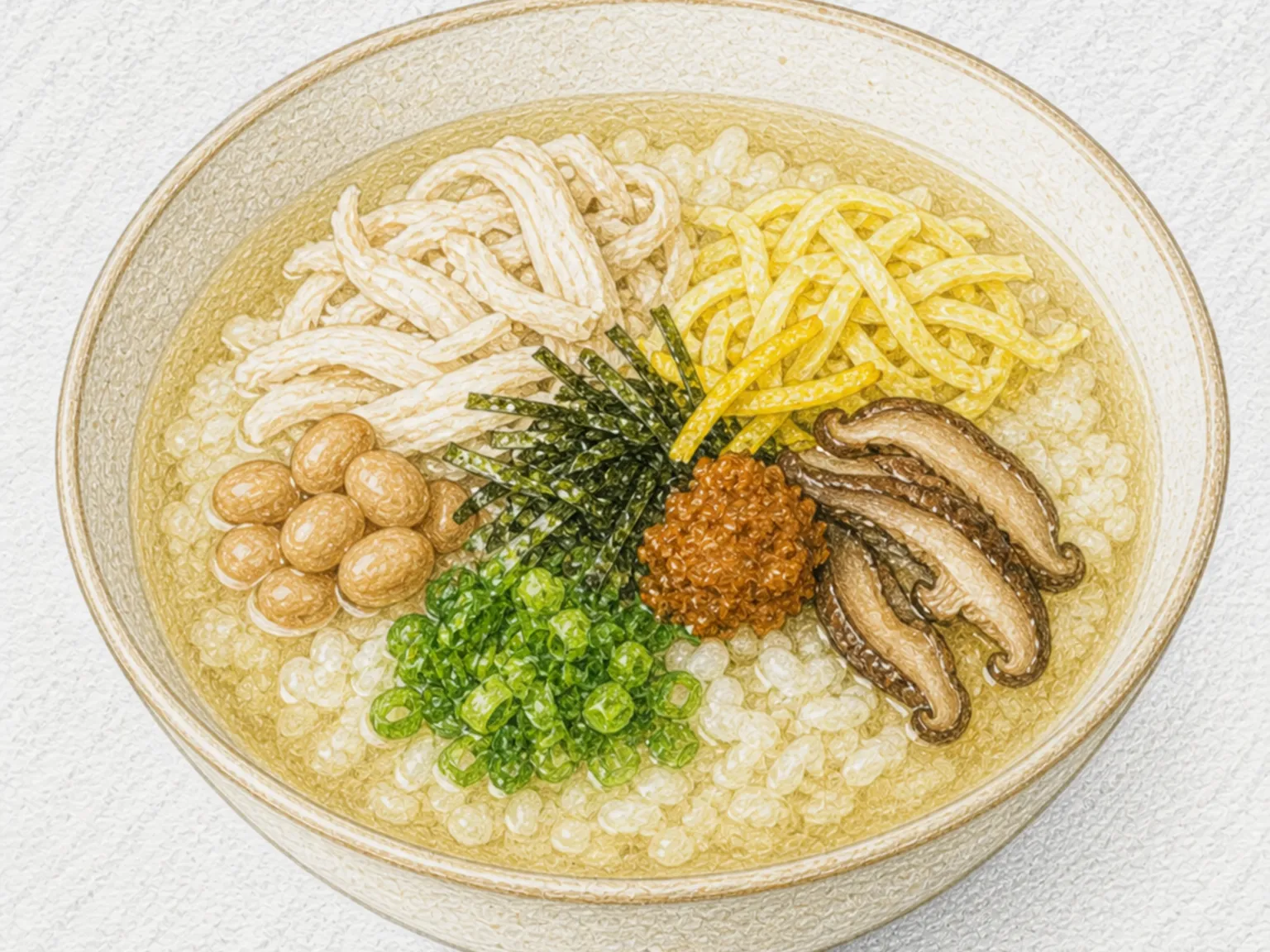
Dakjuk is a Korean chicken rice porridge built from a simple foundation: a whole chicken breast poached in water until tender, then shredded along the grain and returned to the broth with soaked rice. The rice is first sauteed briefly in sesame oil with minced garlic to coat each grain before the stock goes in, which adds a subtle nuttiness to the finished porridge. As the rice simmers and breaks down over twenty-five minutes of patient stirring, it releases starch that thickens the liquid into a smooth, flowing consistency. The chicken contributes lean protein without heaviness, and the garlic mellows into a gentle warmth rather than a sharp bite. Sliced green onion scattered on top provides a fresh contrast. Dakjuk has been a go-to restorative meal in Korean households for generations - eaten when the body is recovering, when the stomach needs rest, or simply when a warm, undemanding breakfast is what the morning calls for.

Korean Wild Chive Soy Butter Rice
Dallae ganjang butter bap is a Korean one-bowl meal that comes together in under ten minutes by folding melted butter, soy sauce, and wild chives into warm rice. The butter coats each grain with richness, soy sauce provides a salty backbone, and the wild chives - called dallae - introduce a sharp, garlicky bite that lifts the dish out of plainness. A raw egg yolk placed on top breaks into a golden sauce when stirred in, binding the ingredients into a cohesive, velvety mixture. The chives are best in spring when their pungency peaks, and they need only twenty seconds in the buttered pan to release their aroma without losing it to overcooking. With just a handful of pantry staples, this dish fills the gap on evenings when the refrigerator offers little else.

Korean Hot Stone Pot Rice
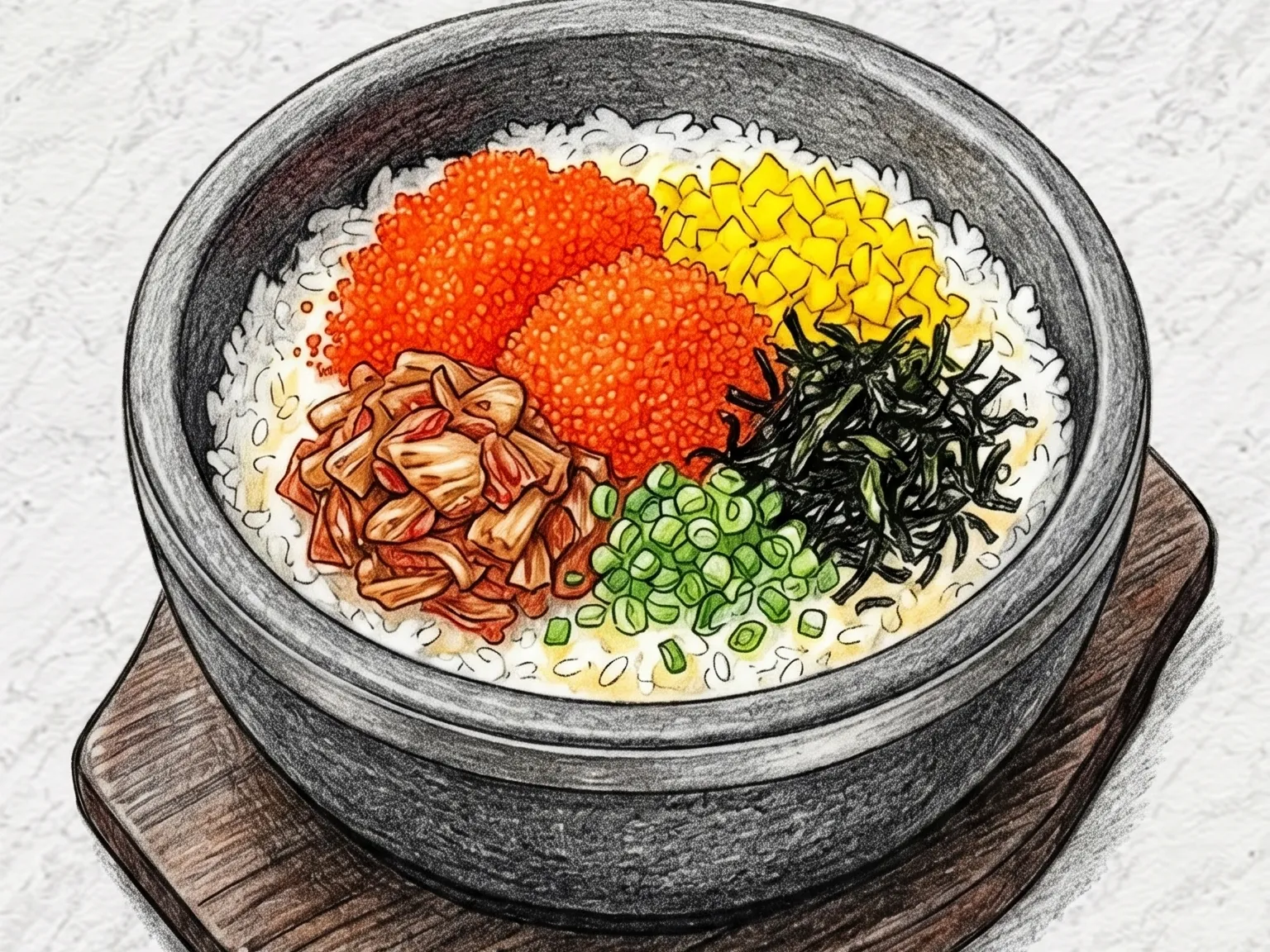
Dolsot bap is a Korean pot rice cooked slowly in a heated stone bowl with soaked rice, jujubes, chestnuts, and ginkgo nuts. The thick walls of the stone pot distribute heat evenly, producing grains that are glossy, plump, and slightly sticky. Jujubes lend a subtle sweetness, chestnuts contribute a starchy, nutty richness, and ginkgo nuts add a faintly bitter note that keeps the flavor interesting. Brushing the inside of the pot with sesame oil before cooking creates a golden, crackling crust of scorched rice at the bottom - the nurungji - which is the most prized part of the dish. The rice rests for ten minutes after cooking so the steam redistributes moisture through every layer. Served with a soy-sesame dipping sauce, dolsot bap is a complete meal on its own, with each spoonful offering the contrast between the soft, fragrant grains and the crunchy crust beneath.

Korean Dolsot Bulgogi Bibimbap
Dolsot bulgogi bibimbap is served in a scorching stone bowl where the residual heat continues to toast the rice against the pot's surface, building a layer of crispy nurungji that grows crunchier as you eat. Thin-sliced beef marinated in soy sauce, sugar, and sesame oil is seared quickly to keep it moist, then arranged alongside separately sauteed zucchini, shiitake mushroom, and carrot over the rice. A raw egg yolk sits at the center, waiting to be broken and stirred through with a generous spoonful of gochujang. As the bibimbap is mixed, the yolk becomes a silky binder that coats every grain and vegetable strand, while the gochujang distributes its heat evenly throughout. The sizzling sound of the stone bowl and the aroma of charring rice at the bottom are as much a part of the experience as the taste itself. Scraping up the nurungji at the end delivers a final, satisfying crunch that contrasts the soft toppings above.

Korean Braised Tofu Rice Bowl
Dubu jorim deopbap places soy-braised tofu over a bowl of steamed rice, letting the glaze soak down into the grains. Firm tofu is sliced, patted dry, and pan-fried until a golden crust forms on both sides, then simmered in a sauce of soy sauce, sugar, minced garlic, and water until the liquid reduces to a sticky, mahogany-colored glaze. Sliced onion cooks alongside the tofu, softening into the sauce and contributing natural sweetness. A cheongyang chili cut on the bias adds a sharp kick, and green onion goes in at the end for fragrance. The braising sauce pools around the rice and seeps into each grain, ensuring that flavor carries through from the first bite to the last. Despite its simplicity, the dish provides a satisfying amount of plant protein and stands well on its own without additional side dishes.

Korean Bulgogi Deopbap (Pork Rice Bowl)
Spicy-sweet pork bulgogi piled over rice with aromatic crown daisy greens - a one-bowl Korean dinner ready in 30 minutes. Gochujang-marinated pork shoulder is stir-fried with onion over high heat and finished with a handful of crown daisy greens. The marinade layers gochujang, chili flakes, soy sauce, sugar, and garlic into a sauce that is simultaneously spicy, sweet, and deeply savory. Pork shoulder renders enough fat during cooking to carry the sauce into the rice below, creating a rich base. Crown daisy goes in during the final thirty seconds - just long enough to wilt slightly and release its herbal, almost chrysanthemum-like fragrance, which cuts through the heaviness of the pork and sauce with a green, aromatic brightness. The timing of the ssukgat addition is critical: too early and it turns limp and bitter, too late and the aroma stays locked inside the leaves. The finished bowl needs no accompaniment to feel complete.