Korean Fish Roe Rice Bowl
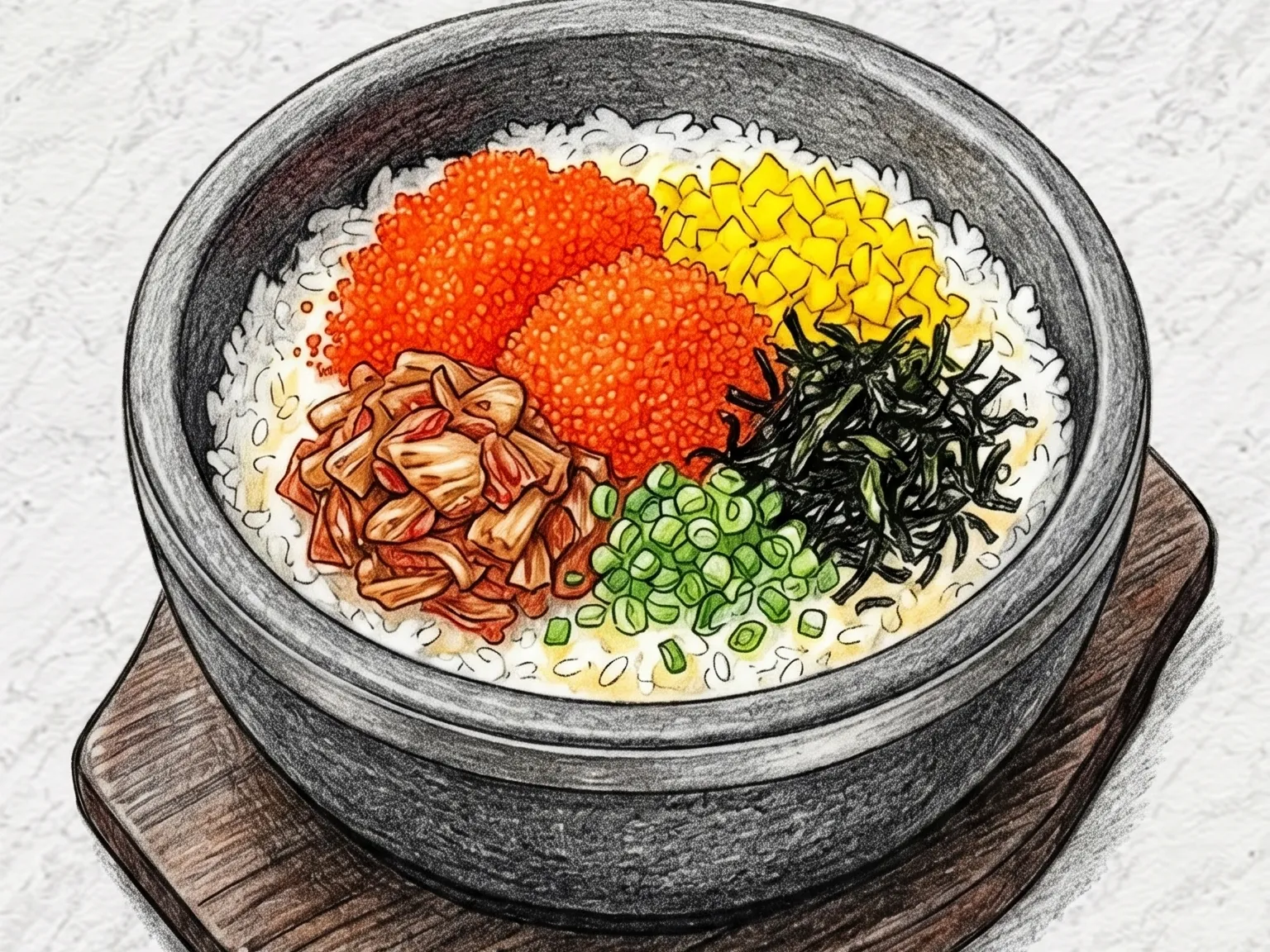
Albap - fish roe rice bowl - is a casual Korean dish that likely evolved from sushi-bar culture, where tobiko (flying fish roe) was always on hand and cooks needed a quick staff meal. Warm rice is first tossed with sesame oil and a knob of butter, which gives each grain a glossy, slightly nutty coating. The toppings are arranged in sections on top: bright orange flying fish roe that pops between the teeth, stir-fried kimchi with its fermented tang, diced pickled radish for crunch and sweetness, and a shower of shredded seaweed. Everything gets mixed together at the table, and the warmth of the rice slightly softens the roe, releasing its briny juice into the buttered grains. Scallion scattered on top adds a fresh bite. It is a ten-minute lunch that delivers a surprising range of textures and flavors from simple ingredients.
Adjust Servings
Instructions
- 1
Finely chop pickled radish and kimchi, then slice the scallion.
- 2
Stir-fry kimchi in a hot pan for 1 minute to reduce moisture.
- 3
Mix warm rice with sesame oil and butter evenly.
- 4
Place rice in bowls and top with kimchi, radish, and roe.
- 5
Sprinkle seaweed flakes and scallion, then mix and serve immediately.
As an Amazon Associate, we may earn from qualifying purchases.
Tips
Nutrition (per serving)
More Recipes

Korean Pollock Roe Butter Rice Bowl
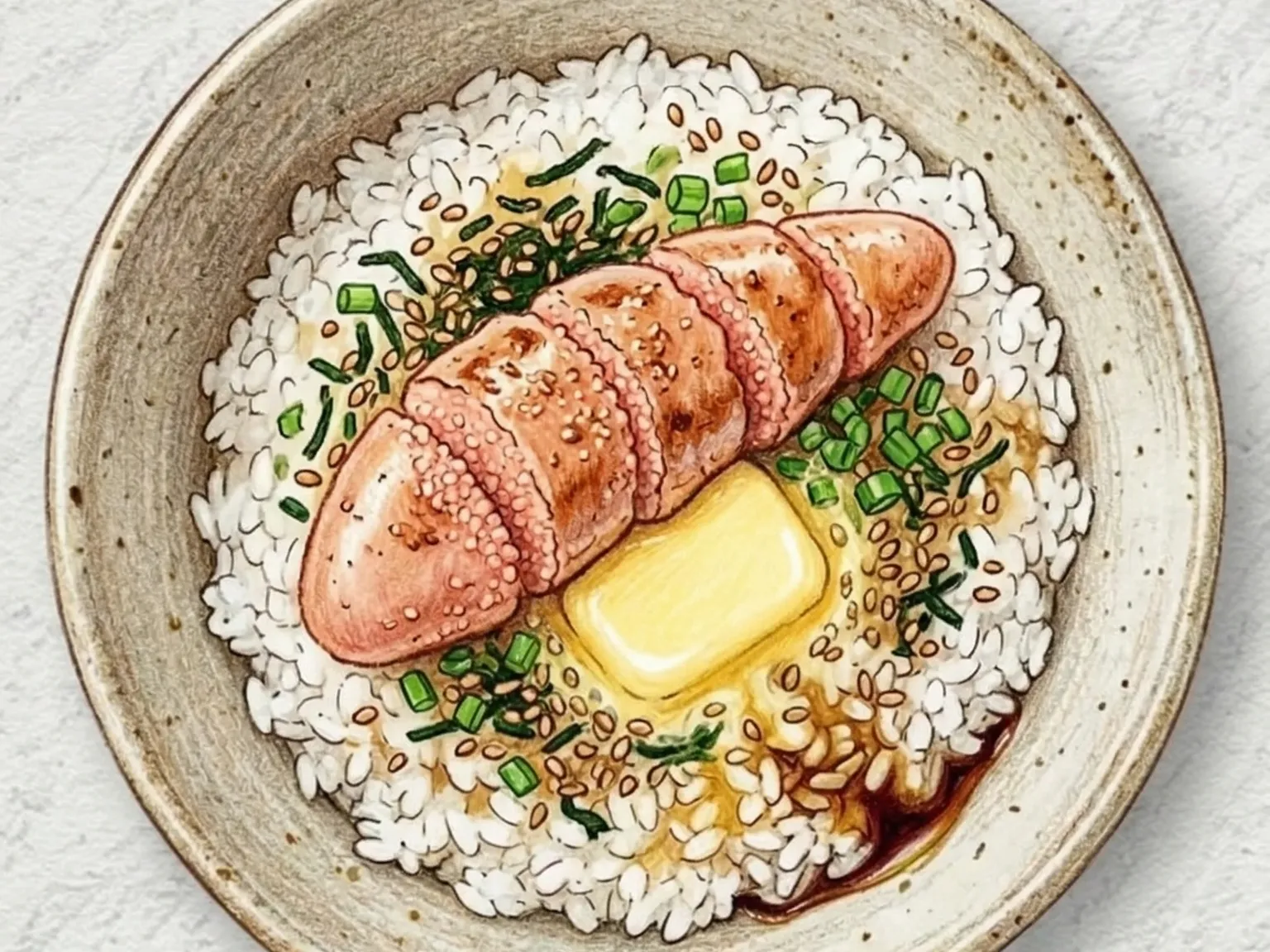
Lightly seared pollock roe and a knob of butter are placed on steaming rice and mixed together just before eating. The salty intensity of the roe meets the creamy richness of melted butter, creating a concentrated umami flavor that coats every grain. Cooking the roe for only about a minute in butter keeps its texture from turning dry and crumbly. A garnish of seaweed flakes, chopped chives, and sesame seeds rounds out the bowl with nutty fragrance and a touch of crunch.

Korean Tuna Fried Rice (Quick Canned Tuna Stir-Fried Rice)
Chamchi bokkeumbap is a staple Korean home-style fried rice made by stir-frying canned tuna - oil and all - with diced onion, carrot, and green onion, then tossing in rice and seasoning with soy sauce and sesame oil. The tuna oil coats each grain, delivering a savory richness that needs little else to taste complete. It is the kind of dish that comes together from whatever is already in the pantry and fridge, requiring no special shopping trip. When you need a quick, filling meal with minimal effort, this is often the first recipe that comes to mind in Korean households.

Korean Salmon Pot Rice (Salmon Fillet Steamed Directly on Rice)
A whole salmon fillet is placed directly on top of rice in a heavy pot before cooking begins. As the rice steams, the salmon's oils melt downward and seep between the grains, lending a natural richness and sheen without any added fat. During the resting stage the fish finishes cooking gently, turning tender enough to flake apart with chopsticks and mix evenly through the rice. A soy-wasabi sauce drizzled over the bowl and stirred in adds a sharp, salty kick that carries through to the last spoonful.

Korean Spicy Dakgalbi Rice Bowl
Dakgalbi deopbap brings the flavors of Chuncheon's famous spicy chicken to a single rice bowl. Boneless chicken thigh is stir-fried with cabbage, onion, and green onion in a gochujang-based marinade that balances heat with a touch of sweetness. High heat ensures the sauce caramelizes onto the chicken while the vegetables keep a slight crunch. A finishing drizzle of sesame oil adds a toasty fragrance that rounds out the bold seasoning. The dish captures the essence of a dakgalbi restaurant meal - the moment just before the leftover sauce gets turned into fried rice - and serves it as a complete, self-contained bowl that needs no side dishes.

Tuna Mayo Rice Bowl (Chamchi Mayo Cupbap) — Easy Korean Bunsik Recipe
Creamy tuna and mayo over hot rice in just 18 minutes - Korea's favorite grab-and-go bunsik cup meal. Drain the canned tuna well to keep the rice from going soggy, stir-fry onion and scallion until sweet, then fold in mayo off the heat for a silky finish. A shower of crushed seaweed on top adds oceanic crunch. Mix everything together so the savory tuna-mayo sauce coats every grain.

Korean Spicy Pork Rice Cup
Jeyuk cupbap is a Korean street-style rice cup topped with pork shoulder stir-fried in a sauce of gochujang, soy sauce, sugar, and garlic, along with onion and cabbage. The gochujang-sugar combination creates a spicy-sweet glaze on the pork, which picks up smoky notes from high-heat cooking. Cabbage is added late to keep its crunch, and the onion's natural sweetness offsets the chili heat. Slightly cooled rice is used in the cup to prevent the dish from turning soggy.