Plain Korean Rice Porridge
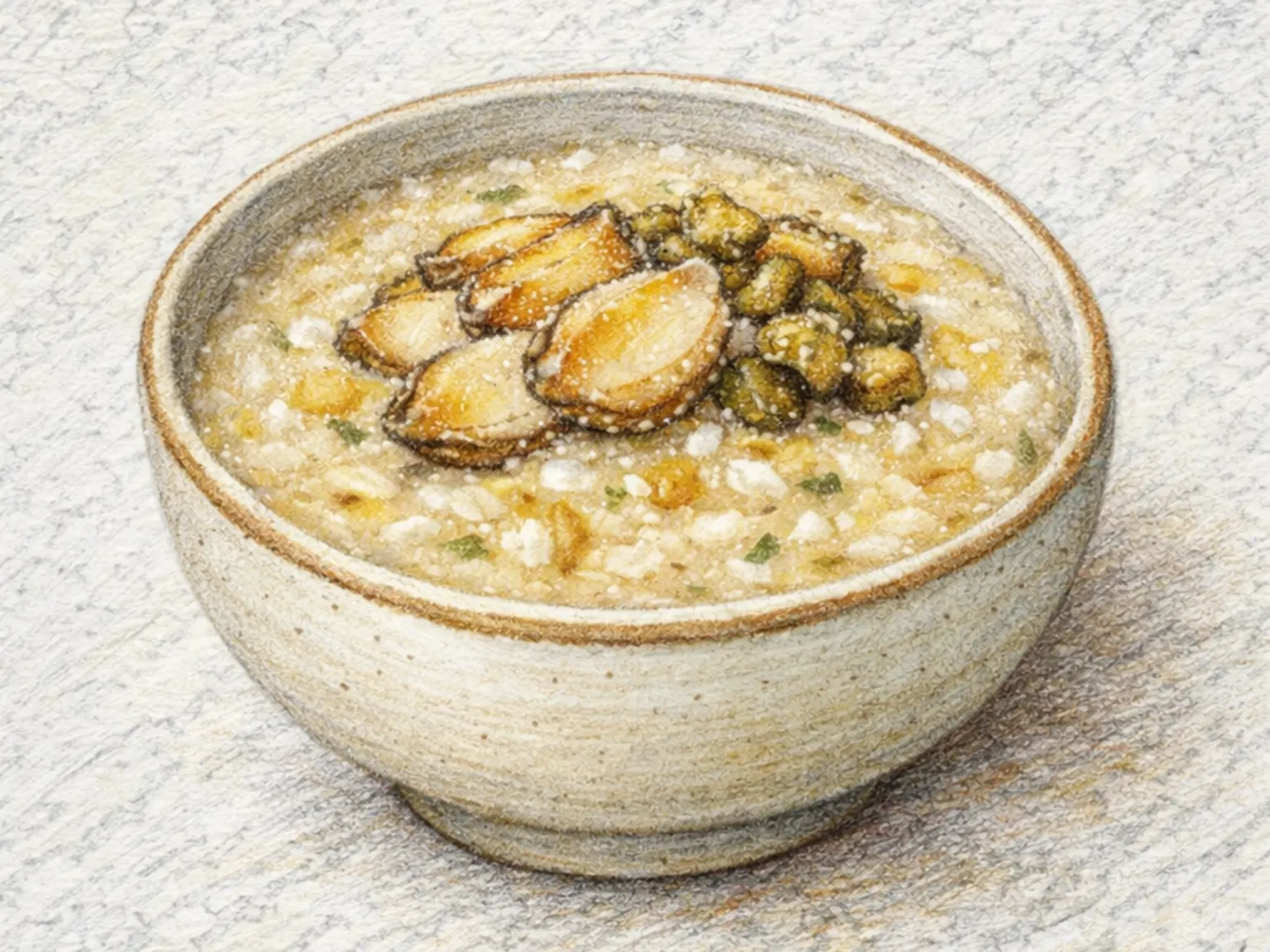
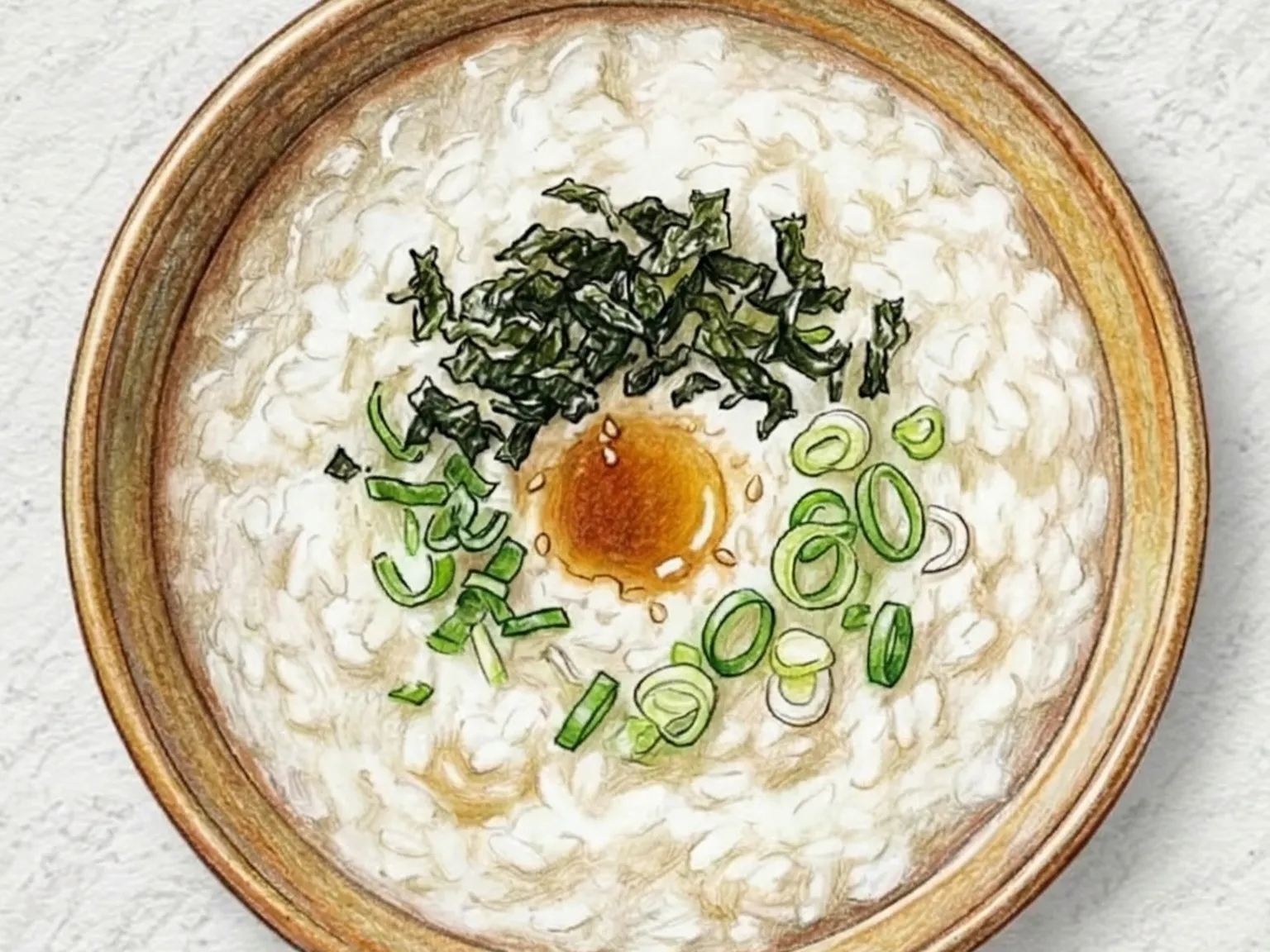
Baekjuk is the most fundamental Korean porridge, made with nothing more than soaked rice and water. Toasting the rice in sesame oil before adding liquid coats the grains in a thin layer of fat that moderates starch release, preventing the porridge from becoming overly gluey while building a nutty aroma into the base. Water is added at six to seven times the volume of rice, brought to a boil, then reduced to low heat and stirred for at least thirty minutes until the grains dissolve into a smooth, flowing consistency. Regular stirring with a wooden spatula is essential to prevent the bottom from scorching. Seasoning stays minimal with just salt to highlight the clean taste of rice itself, while shredded seaweed and chives provide small bursts of flavor on top. A final drop of sesame oil adds fragrance. The porridge serves as both a recovery food for unsettled stomachs and a versatile base meal that pairs with almost any Korean side dish.
Adjust Servings
Instructions
- 1
Drain soaked rice and place it in a pot.
- 2
Add water and bring to a boil, then reduce to low heat.
- 3
Simmer for 30 minutes, stirring often until rice breaks down.
- 4
Season lightly with salt.
- 5
Drizzle sesame oil and transfer to bowls.
- 6
Top with chives and seaweed flakes if desired.
As an Amazon Associate, we may earn from qualifying purchases.
Tips
Nutrition (per serving)
More Recipes

Korean Egg Porridge (Silky Sesame-Scented Rice Porridge)
Soaked rice is first stir-fried in sesame oil to release its starch aroma, then simmered in water on low heat for 20 minutes with frequent stirring until the grains dissolve into a smooth base. Beaten eggs are drizzled in at the very end and gently folded for just one minute, creating soft ribbons of egg throughout the porridge without overcooking. Soup soy sauce and salt provide restrained seasoning that lets the sesame fragrance carry the flavor, while chopped green onion on top adds a mild sharpness. The result is a clean, mild bowl that sits easy on the stomach.

Korean Bok Choy Crab Porridge
Cheonggyeongchae gesal juk is a Korean porridge that begins by sauteing onion and ginger in sesame oil to build an aromatic base, then simmering soaked rice with crab meat until the grains soften into a smooth, flowing consistency. Bok choy is stirred in near the end, keeping its vibrant green color and gentle crunch intact. The crab imparts a subtle sweetness that elevates the porridge beyond ordinary, while ginger keeps the flavor clean and free of any fishiness. Light on the stomach and warming from the inside, it serves well as a morning meal or a soothing bowl during seasonal transitions.

Korean Vegetable Porridge (Yachae Juk)
Finely diced carrots, zucchini, potato, and onion are simmered with soaked rice over low heat until the porridge turns creamy and the vegetables soften completely. The long, gentle cooking draws out the natural sweetness of each vegetable, so the porridge tastes mild and comforting without heavy seasoning. A thin drizzle of sesame oil stirred in at the end adds a quiet nuttiness that deepens the otherwise plain flavor. Easy to digest and gentle on the stomach, it works well as a morning meal or a restorative bowl when energy is low.

Korean Shrimp Porridge (Creamy Rice Porridge with Shrimp Broth)
Saeu-juk is a Korean shrimp porridge that simmers rice with shell-on shrimp to draw out a gentle oceanic broth. The heads and shells are cooked down to build a flavorful stock, while the shrimp meat is minced and stirred in separately so each spoonful carries bursts of umami. Diced zucchini and carrot add mild sweetness that balances the seafood character. Soaked rice is first toasted in sesame oil before the liquid goes in, which gives the finished porridge a nuttier base and slightly thicker consistency. The result is a light, nourishing bowl with a clean finish - commonly served as a gentle breakfast or a recovery meal, where the warmth and mild flavor are as important as the nutrition.

Sweet Pumpkin Porridge (Korean Kabocha Glutinous Rice Porridge)
Hobakjuk is a Korean sweet pumpkin porridge made by steaming kabocha squash, blending it smooth with water, and simmering the puree with a glutinous rice flour slurry over medium-low heat until thick. Steaming the squash with the skin on concentrates its natural sugars, and blending with 300 ml of water creates a uniform base. The rice flour slurry gelatinizes as it heats, giving the porridge its characteristic viscosity, while a pour of milk rounds out the texture with a creamy richness. Pine nuts scattered on top contribute a fatty, resinous aroma that pairs well with the squash, and sweetness is best adjusted at the very end to account for natural variation in the pumpkin.

Chwinamul Apple Doenjang Salad
Chwinamul (aster scaber) is blanched briefly to preserve its herbal, slightly bitter character, then combined with thin-sliced apple and cucumber for crisp sweetness. The dressing is built on doenjang - Korean fermented soybean paste - which adds a deep umami layer uncommon in typical salad dressings. Perilla oil rounds out the nuttiness, while red onion contributes a sharp edge that keeps the bowl from feeling heavy. The salad is best in spring when chwinamul is freshly harvested and most aromatic.