Steamed White Rice Cake (Soft Crumbly Korean Traditional Rice Dessert)
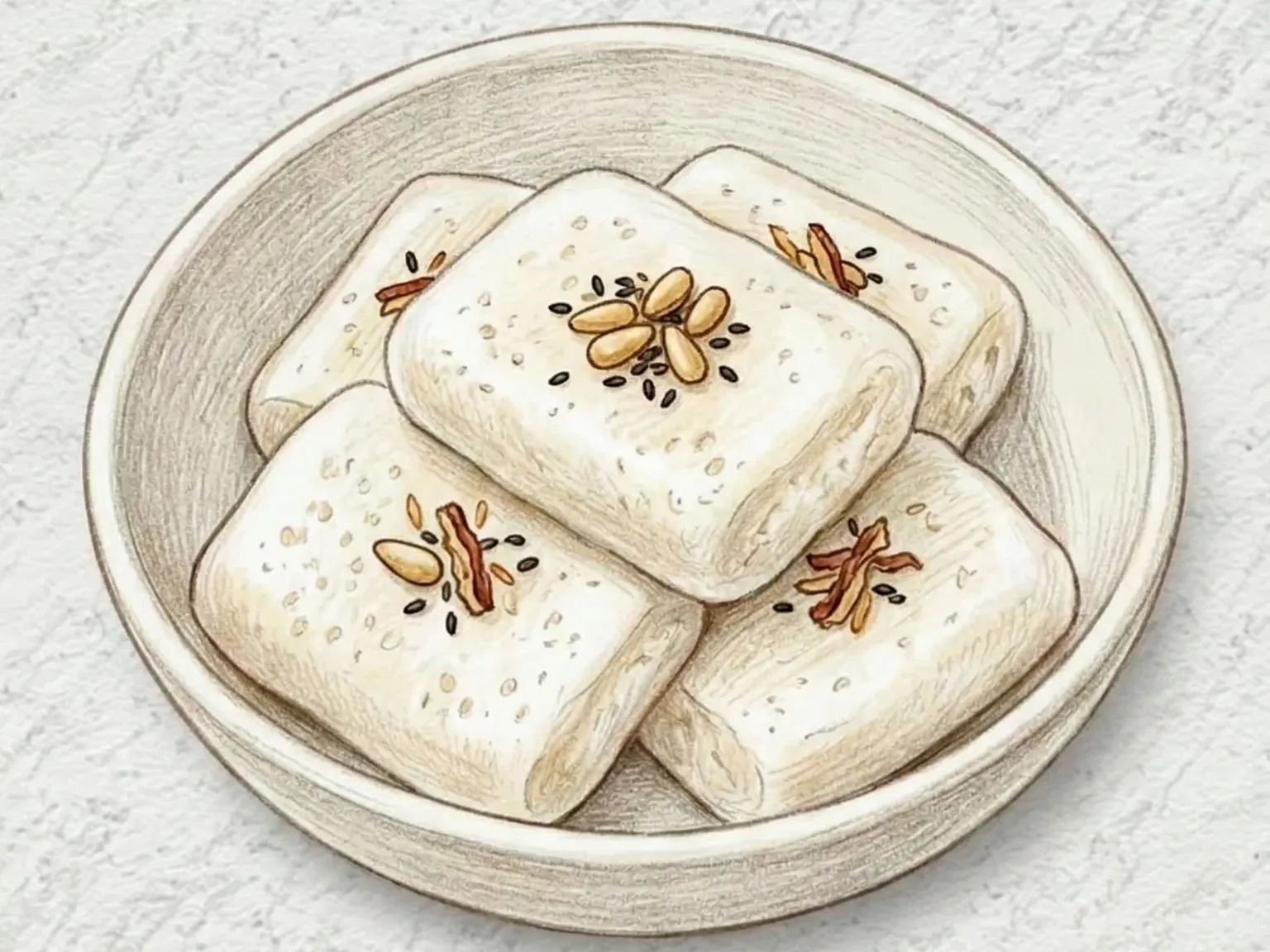
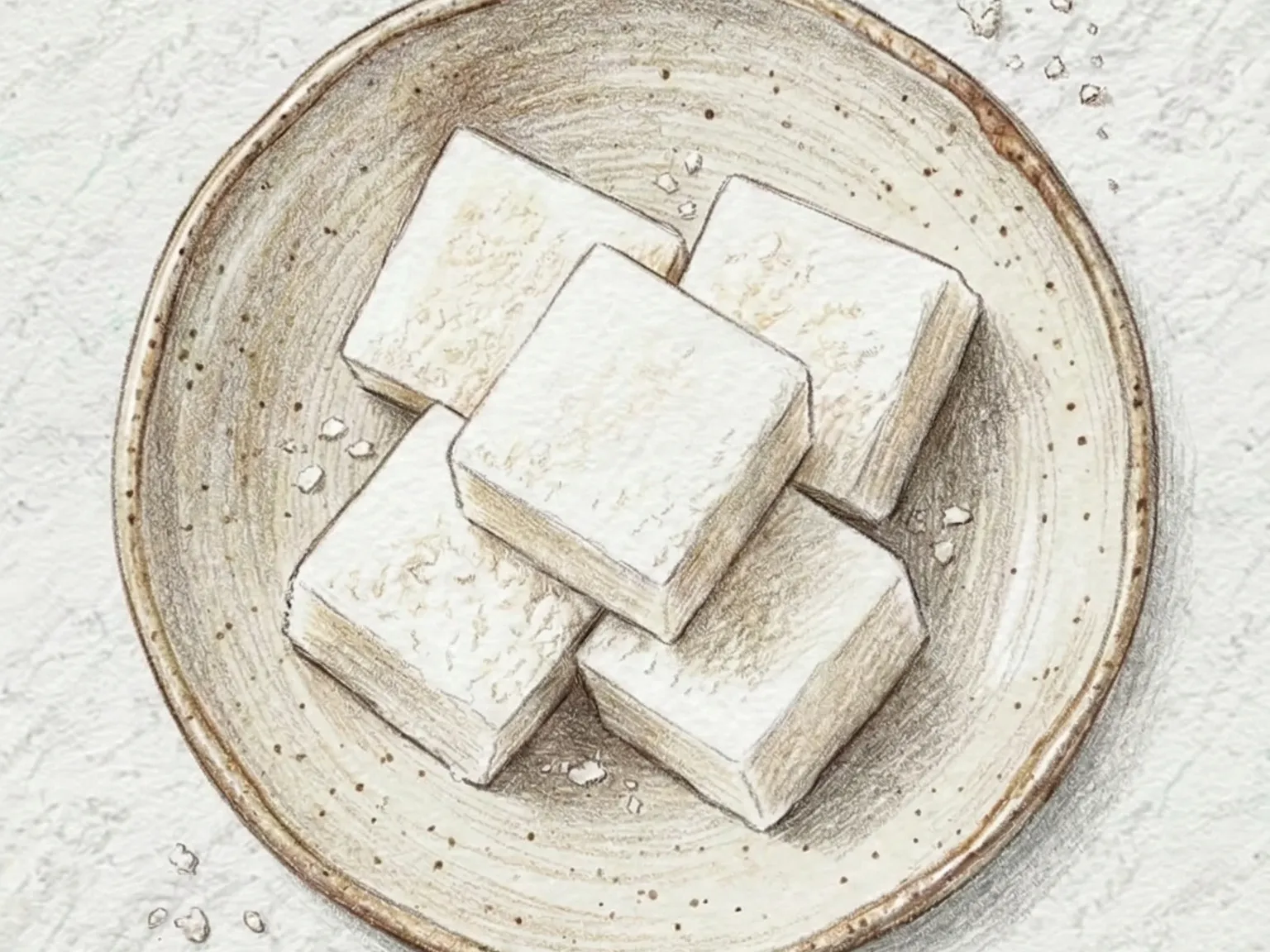
Baekseolgi is a traditional Korean steamed rice cake made from non-glutinous rice flour mixed with sugar and salt, then sifted and steamed. The sifting step, repeated two to three times, determines the final texture: thorough sifting incorporates air into the flour so the cake steams into a soft, crumbly structure that breaks apart in fine layers. Skipping or rushing this step produces a dense, coarse cake that lacks the defining quality of good baekseolgi. Moisture content requires precision as well; the flour should clump when squeezed but crumble when lightly pressed. Steaming over high heat for twenty to twenty-five minutes cooks the cake through, and a cloth under the lid prevents condensation droplets from falling onto the surface and creating wet patches. Dried jujube slices and pumpkin seeds placed on top before steaming add color contrast to the pure white surface. The sugar content is modest, allowing the clean, mild flavor of rice to lead, and the cake is best eaten warm since it firms up as it cools.
Adjust Servings
Instructions
- 1
Mix rice flour with salt and sugar, then sprinkle water evenly until moist.
- 2
Rub out lumps by hand, then sift once for fine texture.
- 3
Line the steamer with cloth and add the flour mixture without pressing it down.
- 4
Top with sliced jujube and pumpkin seeds, then steam over high heat for 20-25 minutes.
- 5
Turn off heat, rest for 3 minutes, then cool slightly and slice.
As an Amazon Associate, we may earn from qualifying purchases.
Tips
Nutrition (per serving)
More Recipes

Cinnamon Rice Cake (Layered Korean Steamed Rice Cake)
Gyepi-tteok is a layered Korean steamed rice cake made by mixing non-glutinous and glutinous rice flours, then moistening the blend by hand until it reaches a fine, damp-sand consistency. Half the mixture is tinted with cinnamon powder, and the plain and cinnamon portions are layered alternately in a steamer tray before being steamed on high heat for twenty minutes. Julienned jujubes and whole pine nuts placed on top add color contrast, a mild date-like sweetness, and a fatty, resinous aroma. Sieving the flour twice before steaming ensures even moisture distribution, which prevents a coarse grain and produces a cake that is soft yet has a gentle chew from the glutinous rice component.

Jeungpyeon (Fermented Makgeolli Rice Cake)
Jeungpyeon is a traditional Korean fermented rice cake made by mixing rice flour with makgeolli, fermenting the batter in a warm spot for one hour until bubbly, then steaming for eighteen to twenty minutes. The yeast and lactic acid bacteria in the makgeolli break down the rice starch while generating small air pockets, and a supplementary addition of baking powder ensures the cake rises into a soft, sponge-like crumb. Raisins and pumpkin seeds placed on top just before steaming soften slightly in the heat, contributing fruit sweetness and seed richness to the surface. Wrapping the steamer lid with cloth prevents condensation from dripping onto the cakes, which keeps the top smooth, and the lingering makgeolli fermentation aroma sets jeungpyeon apart from other steamed rice cakes.

Mugwort Crumble Rice Cake
Ssuk beomuri is a traditional Korean spring rice cake made by tossing chopped fresh mugwort into a dry mixture of rice flour, glutinous rice flour, and sugar, then steaming the loose crumble in a cloth-lined steamer. Water is worked in gradually by hand rather than poured all at once, which produces a texture that is moist yet crumbly rather than dense, with glutinous rice flour making up about a quarter of the blend for added stickiness. Using raw mugwort without blanching intensifies the herbal, grassy fragrance, and steaming on high heat for 15 minutes followed by a 3-minute rest ensures even cooking throughout. A topping of sweet red bean crumble adds a thick, earthy sweetness that pairs naturally with the vegetal mugwort aroma.

Glutinous Rice Cake with Soybean Powder
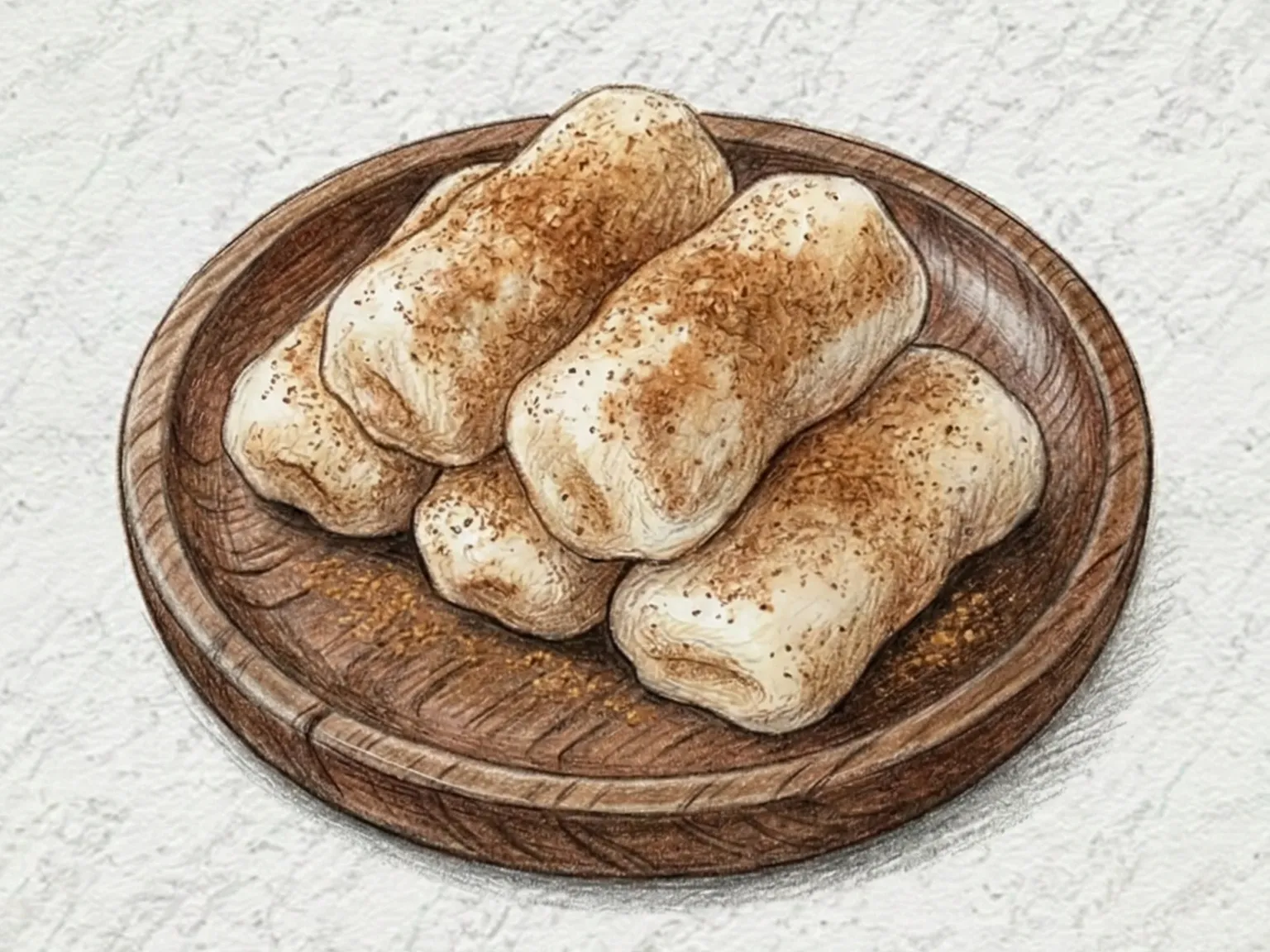
Injeolmi is a Korean glutinous rice cake made by kneading rice flour dough with hot water, steaming it for fifteen minutes, then pounding or beating it vigorously for at least five minutes to develop maximum elasticity. The pounding step is critical: insufficient working produces a weak dough that cracks, while thorough pounding yields the signature stretchy, chewy pull. The finished dough is stretched out, cut into bite-sized pieces, and rolled in a mixture of roasted soybean powder and sugar, which coats each piece in a fragrant, toasted-bean aroma. Applying a thin layer of sesame oil to hands and knife prevents sticking during cutting, and the soybean powder coating is best applied right before serving to keep it dry and powdery.

Korean Mugwort Rice Cake Latte
Ssuk-tteok latte is a Korean dessert drink that tops a warm mugwort milk base with chewy bite-size rice cakes. Dark brown sugar dissolves into the milk to provide a deep, almost caramel-like sweetness, layered further with a spoonful of condensed milk. The sweet rice cake pieces are briefly microwaved to soften before being placed on top, so they remain pleasantly chewy even as they sit in the hot latte. Each sip and bite brings together the grassy fragrance of mugwort, the molasses-like richness of brown sugar, and the sticky, satisfying pull of glutinous rice cake.

Korean Rice Cake Soup (New Year Sliced Rice Cake Beef Broth)
Tteokguk is the soup that marks the Korean New Year - eating a bowl is said to add one year to your age, and no Lunar New Year table is complete without it. Thinly sliced oval rice cakes made from garaetteok, a long cylindrical rice cake, are dropped into a clear beef broth that has been carefully skimmed of fat until it gleams. In the hot liquid, the rice cake surfaces soften just enough to release a faint starch that gives the broth the barest hint of body, while the interiors hold a dense, satisfying chew. The broth itself is kept deliberately simple - brisket simmered low and slow, seasoned only with soup soy sauce and salt - so that the rice cakes and their subtle sweetness remain the focus. Beaten egg swirled into the boiling soup forms wispy threads that add a delicate texture, and strips of egg garnish, crushed seaweed, and sometimes sliced scallion complete the bowl. Despite its apparent simplicity, tteokguk carries deep cultural weight: the white color of the rice cakes symbolizes purity and a fresh start, and the round shape of the slices represents coins and wishes for prosperity.