Jeungpyeon (Fermented Makgeolli Rice Cake)
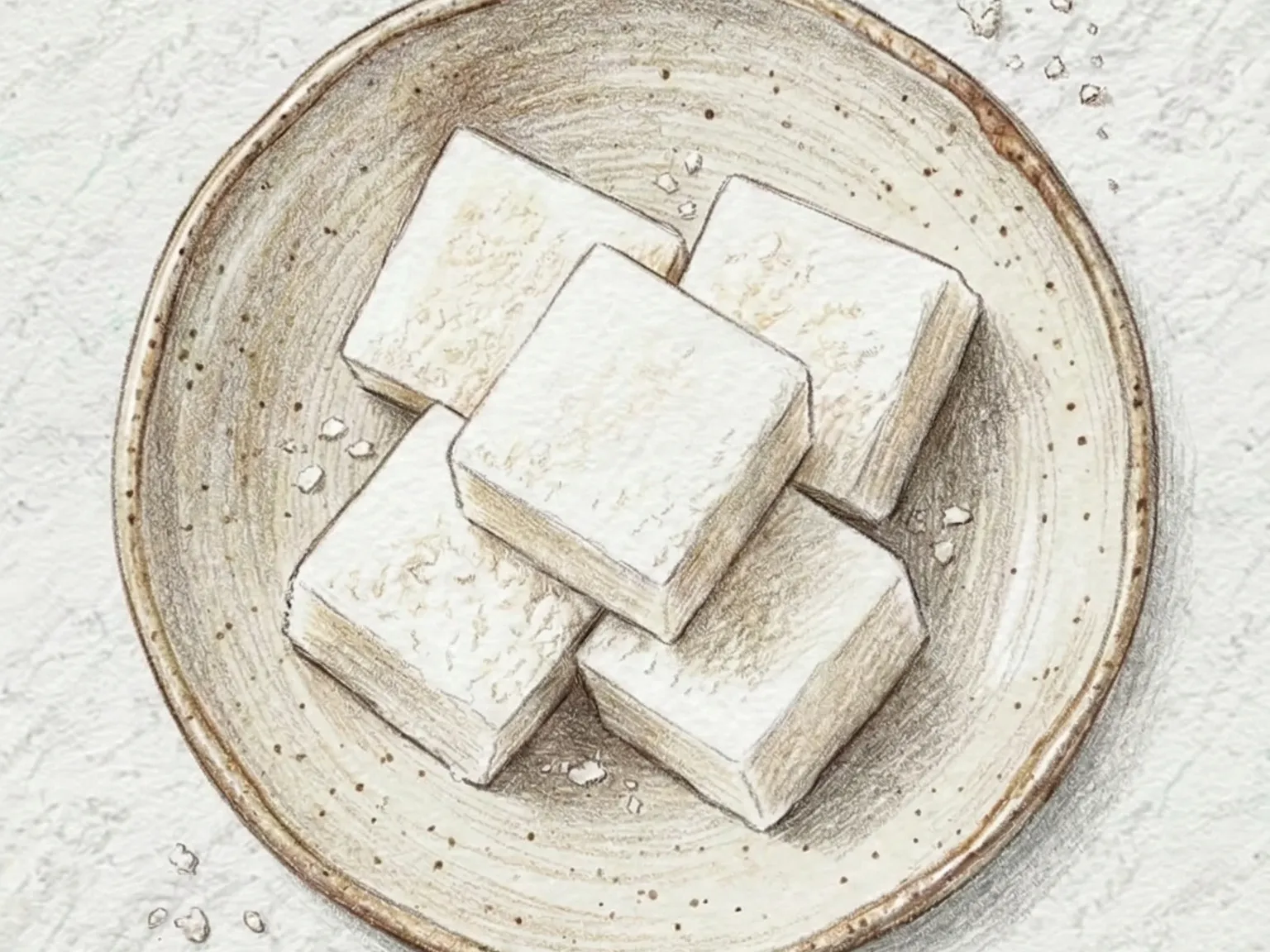
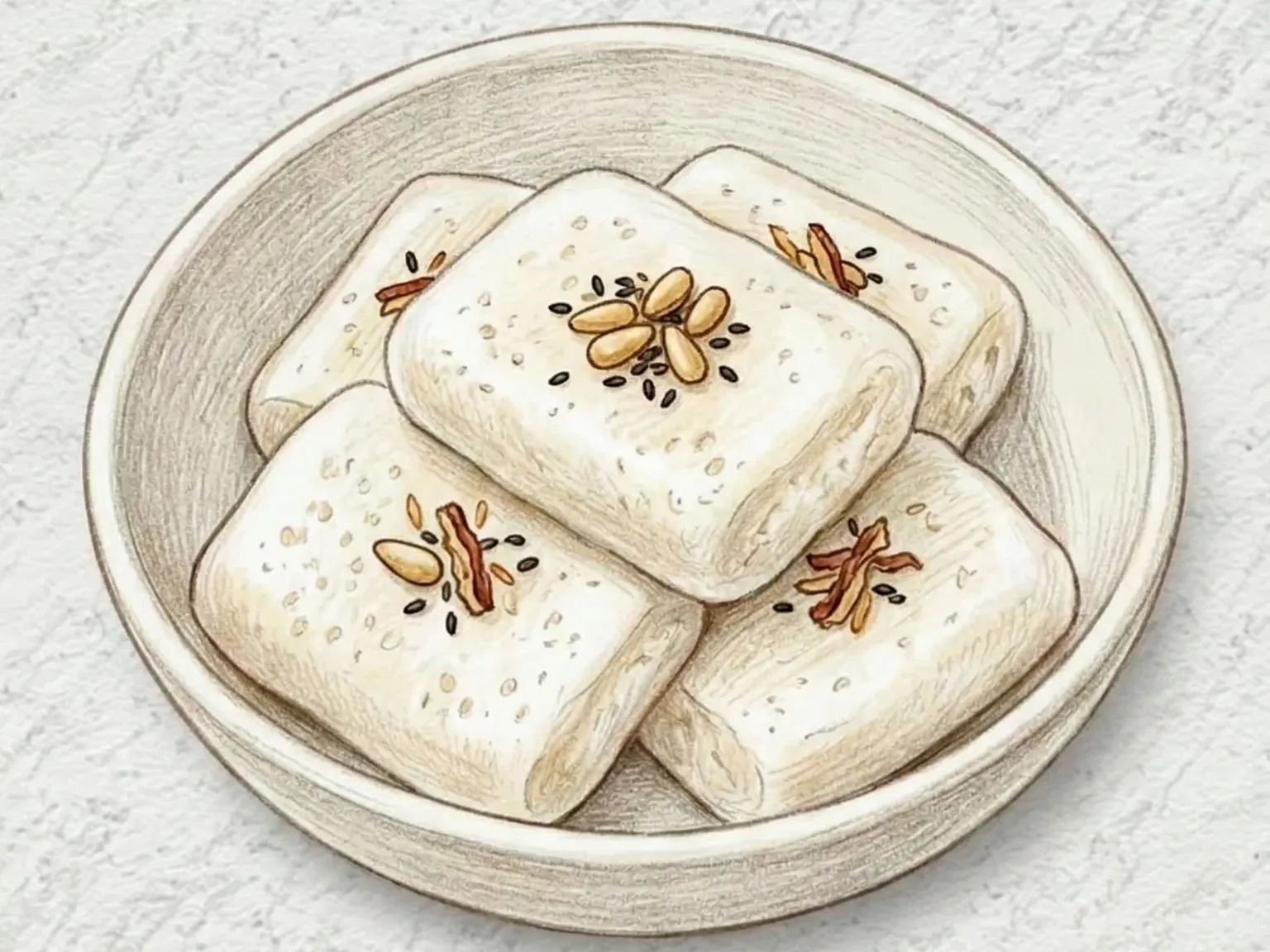
Jeungpyeon is a traditional Korean fermented rice cake made by mixing rice flour with makgeolli, fermenting the batter in a warm spot for one hour until bubbly, then steaming for eighteen to twenty minutes. The yeast and lactic acid bacteria in the makgeolli break down the rice starch while generating small air pockets, and a supplementary addition of baking powder ensures the cake rises into a soft, sponge-like crumb. Raisins and pumpkin seeds placed on top just before steaming soften slightly in the heat, contributing fruit sweetness and seed richness to the surface. Wrapping the steamer lid with cloth prevents condensation from dripping onto the cakes, which keeps the top smooth, and the lingering makgeolli fermentation aroma sets jeungpyeon apart from other steamed rice cakes.
Adjust Servings
Instructions
- 1
In a bowl, mix makgeolli, sugar, and salt until the sugar dissolves.
- 2
Sift in rice flour and baking powder, then fold until evenly combined.
- 3
Cover the batter and ferment in a warm place for 1 hour until bubbly.
- 4
Line steamer molds with parchment and fill each about 80% full.
- 5
Top with raisins and pumpkin seeds, then steam for 18-20 minutes.
- 6
Turn off heat, rest for 3 minutes, then cool slightly and serve.
As an Amazon Associate, we may earn from qualifying purchases.
Tips
Nutrition (per serving)
More Recipes

Steamed White Rice Cake (Soft Crumbly Korean Traditional Rice Dessert)
Baekseolgi is a traditional Korean steamed rice cake made from non-glutinous rice flour mixed with sugar and salt, then sifted and steamed. The sifting step, repeated two to three times, determines the final texture: thorough sifting incorporates air into the flour so the cake steams into a soft, crumbly structure that breaks apart in fine layers. Skipping or rushing this step produces a dense, coarse cake that lacks the defining quality of good baekseolgi. Moisture content requires precision as well; the flour should clump when squeezed but crumble when lightly pressed. Steaming over high heat for twenty to twenty-five minutes cooks the cake through, and a cloth under the lid prevents condensation droplets from falling onto the surface and creating wet patches. Dried jujube slices and pumpkin seeds placed on top before steaming add color contrast to the pure white surface. The sugar content is modest, allowing the clean, mild flavor of rice to lead, and the cake is best eaten warm since it firms up as it cools.

Mugwort Crumble Rice Cake
Ssuk beomuri is a traditional Korean spring rice cake made by tossing chopped fresh mugwort into a dry mixture of rice flour, glutinous rice flour, and sugar, then steaming the loose crumble in a cloth-lined steamer. Water is worked in gradually by hand rather than poured all at once, which produces a texture that is moist yet crumbly rather than dense, with glutinous rice flour making up about a quarter of the blend for added stickiness. Using raw mugwort without blanching intensifies the herbal, grassy fragrance, and steaming on high heat for 15 minutes followed by a 3-minute rest ensures even cooking throughout. A topping of sweet red bean crumble adds a thick, earthy sweetness that pairs naturally with the vegetal mugwort aroma.

Cinnamon Rice Cake (Layered Korean Steamed Rice Cake)
Gyepi-tteok is a layered Korean steamed rice cake made by mixing non-glutinous and glutinous rice flours, then moistening the blend by hand until it reaches a fine, damp-sand consistency. Half the mixture is tinted with cinnamon powder, and the plain and cinnamon portions are layered alternately in a steamer tray before being steamed on high heat for twenty minutes. Julienned jujubes and whole pine nuts placed on top add color contrast, a mild date-like sweetness, and a fatty, resinous aroma. Sieving the flour twice before steaming ensures even moisture distribution, which prevents a coarse grain and produces a cake that is soft yet has a gentle chew from the glutinous rice component.

Pan-Fried Sweet Rice Cake
Bukkumi is a traditional Korean pan-fried rice cake made from glutinous rice flour dough filled with sweet red bean paste seasoned with cinnamon and sugar. Using hot water to form the dough partially gelatinizes the starch, creating a pliable skin that stretches without cracking, though it must stay covered with a damp cloth during assembly to prevent surface drying. Folding the dough into half-moon shapes around the cinnamon-laced bean paste adds a warm spice note that lifts the dense sweetness of the red bean. Pan-frying on low heat builds a golden crust on each side while keeping the filling warm and molten inside.

Korean Sweet Glutinous Rice
Glutinous rice is soaked, steamed, and dressed with a mixture of soy sauce, sesame oil, and honey, then studded with jujubes, chestnuts, and pine nuts before a second steaming. The double-steaming process gives the rice a dense, chewy stickiness while the soy sauce penetrates each grain and tints it a deep amber. Jujubes lend a natural caramel-like sweetness, chestnuts add a crumbly, starchy contrast, and pine nuts contribute a subtle oiliness that enriches the overall taste. Traditionally prepared for the first full moon festival, yakbap is equally enjoyable as an everyday snack or packed lunch.

Korean Cream Tteokbokki (Chewy Rice Cake in Cream Butter Sauce)
Cream tteokbokki simmers chewy rice cake sticks in a sauce built from heavy cream, milk, and butter. Onions are sauteed in butter first to develop sweetness, then cream and milk go in to form a thick, coating sauce before the rice cakes are added and stirred for seven to eight minutes over medium-low heat. A finishing dusting of parmesan cheese adds a salty, savory edge that balances the richness of the cream. With no gochujang or chili in sight, the dish leans closer to a cream pasta in flavor profile, making it the go-to tteokbokki variation for those who prefer no heat at all.