Korean Honeycomb Candy (Caramel Sugar Disc with Baking Soda Puff)
Quick answer
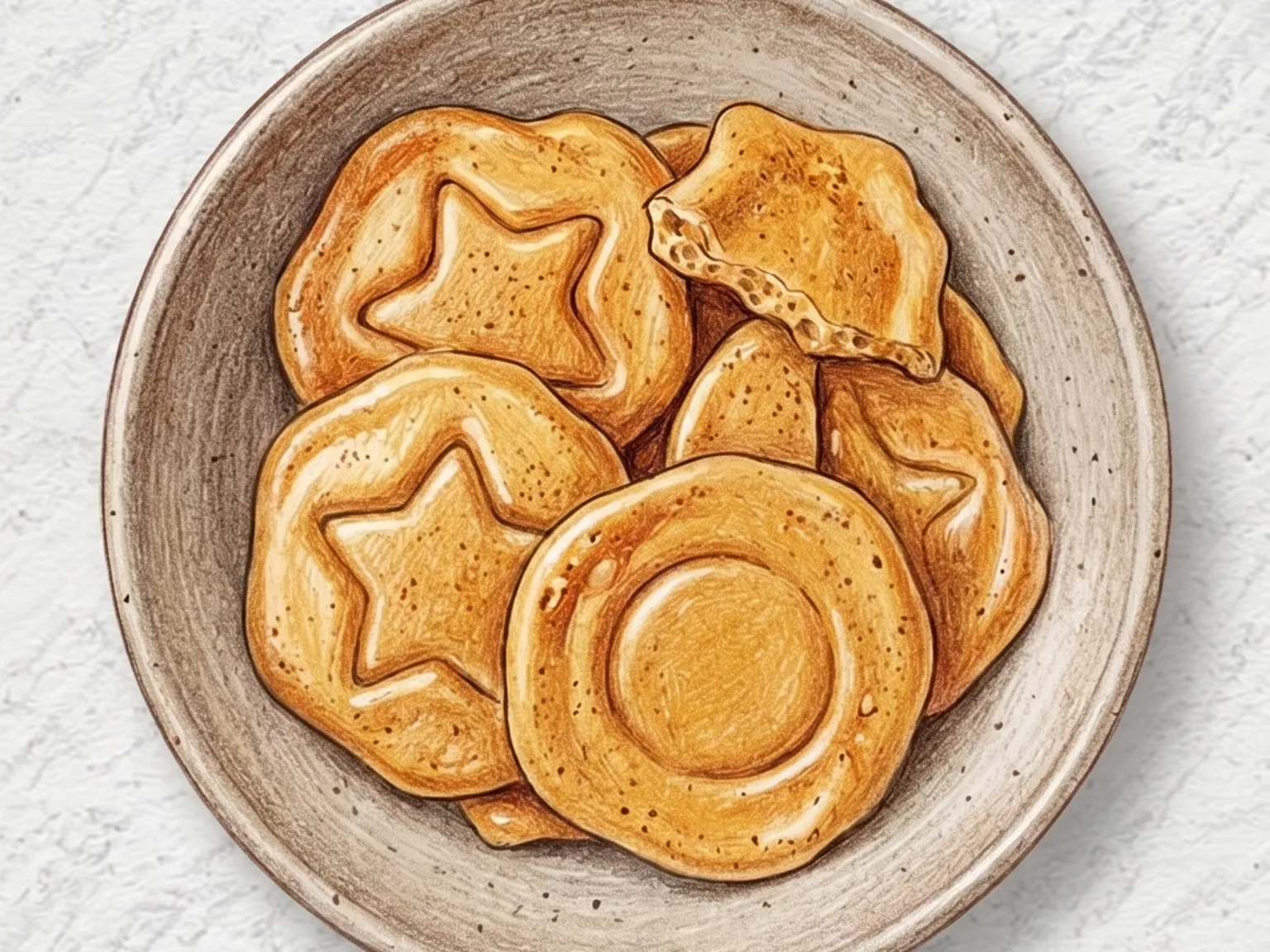
Ppopgi dalgona is a Korean street candy made by melting white sugar in a small ladle over low heat, then stirring in baking soda to trigger a rapid foaming expansion.
What makes this special
- Ppopgi dalgona candy relies on precision timing at the pale amber stage to prevent sugar bitterness.
- Heat off at pale amber exactly; darker color brings bitterness
- Baking soda triggers immediate CO2 expansion to 2-3 times volume
Key ingredients
Core cooking flow
- 1 Lay out 2 sheets of parchment and coat the press and shape cutter very lightly with 2 ml neutral oil.
- 2 Put 60 g white sugar and 5 ml water in a small ladle or small pan over low heat.
- 3 Once most of the sugar has melted, slowly tilt and swirl the ladle to even out the color.
Ppopgi dalgona is a Korean street candy made by melting white sugar in a small ladle over low heat, then stirring in baking soda to trigger a rapid foaming expansion. When the sugar reaches a pale amber stage, the heat is cut and baking soda with a pinch of salt is mixed in quickly: carbon dioxide releases immediately, puffing the molten sugar to two or three times its original volume within seconds. The expanded mixture is poured onto parchment and pressed flat to roughly 5 mm with an oiled plate or press, then stamped with a shape cutter before it sets. Once fully cool and rigid, the candy snaps crisply when tapped - the hallmark texture. The caramel's color at the moment the heat is removed determines the final flavor: pull it too early and the candy stays flat-sweet; let it darken a shade too far and bitterness overtakes the sweetness. The narrow window of pale amber is where the sweet-bitter balance lands correctly.
Instructions
Read the steps as a cooking flow: prep, heat, seasoning, doneness control, and finish.
- 1Season
Lay out 2 sheets of parchment and coat the press and shape cutter very lightly with 2 ml neutral oil.
Measure 1 g baking soda and 0.2 g salt in advance, because the caramel must be mixed and shaped within seconds.
- 2Control
Put 60 g white sugar and 5 ml water in a small ladle or small pan over low heat.
Do not stir at first; let the edges melt and turn clear so crystals are less likely to form.
- 3Finish
Once most of the sugar has melted, slowly tilt and swirl the ladle to even out the color.
Stop when the syrup reaches pale amber; if it darkens further, the finished candy will taste bitter.
- 4Season
With the heat off, add the baking soda and salt all at once and stir rapidly with a spatula or chopstick for about 5 seconds.
Stop as soon as the foam expands to two or three times its volume.
- 5Prep
Immediately pour the puffed mixture onto the oiled parchment and let it sit only 5 to 10 seconds so it stops flowing.
Press with the oiled flat surface until it is evenly about 5 mm thick.
- 6Prep
After about 30 seconds, press the shape cutter lightly to mark the surface without cutting through.
Leave the candy untouched until fully cool and firm, then store it airtight right away on humid days to keep it crisp.
After the steps
Pick a recipe that fits this dish.
Continue with shared ingredients, meal pairings, or a similar method.
Recipes That Go Well With This
More Desserts →Based on shared ingredients and meal pairing
Korean Dalgona Candy (Caramel Honeycomb Baking Soda Sugar Candy)
Dalgona is a Korean street candy made by melting sugar slowly over low heat until it reaches a light amber caramel, then removing the pan from heat and adding salt and milk powder before stirring in baking soda. The baking soda must be incorporated within five seconds of adding it -- any longer and the carbon dioxide escapes unevenly, producing large irregular bubbles instead of the fine, honeycomb-like structure the candy needs. Once the mixture is dropped onto lightly oiled parchment and pressed flat with a mold or spatula, it cools into a thin, brittle disc that shatters cleanly with a sharp bite. The flavor sits in the range of gentle caramel sweetness layered with the milky richness of the powder, and the salt added before the baking soda gives the sweetness a grounded quality that keeps the taste from going flat. Timing the removal from heat before the caramel darkens too far is the single most critical step -- over-cooked sugar turns bitter, and no amount of adjustment recovers the flavor after that point.
Korean Grilled Garaetteok
Garaetteok-gui cuts cylindrical rice cakes into eight-centimeter sticks, skewers them, and pan-grills while rotating for even browning before applying a glaze. The glaze combines soy sauce, gochujang, honey, minced garlic, and sesame oil, brushed on once the surface turns golden, then cooked one more minute on low heat so it sets into a thin, sticky coat rather than burning. Grilling drives moisture from the outer layer of the rice cake, forming a slightly firm shell, while the interior softens further from the retained heat -- the contrast between crisp outside and chewy inside is the defining quality of the preparation. Rice cakes that start out stiff benefit from a twenty-second microwave burst before grilling to ensure the center softens evenly throughout. Applying the glaze in two thin layers instead of one thick coat prevents it from running off the surface and gives a more even finish. Keep the heat low during the final stage to avoid scorching the sugars in the gochujang and honey.
Korean Banana Milk
Banana milk is a homemade version of one of Korea's most consistently popular packaged beverages, sold in its distinctive small barrel-shaped bottle since 1974. Fresh ripe bananas are blended with cold milk, a spoonful of condensed milk, and a drizzle of honey to hit the characteristic level of sweetness. A small amount of vanilla extract bridges the fruit flavor and the dairy base, smoothing out any sharpness. Blending with ice produces a thick, smoothie-like consistency, while leaving out the ice gives a thinner, pourable drink closer to the original product. Unlike the commercial version, the homemade result contains no artificial flavoring or coloring, so the color stays a natural pale yellow rather than the vivid shade of the packaged drink. The sweetness varies with banana ripeness, and honey can be adjusted accordingly. Using frozen bananas in place of fresh ones plus ice delivers a cold, creamy texture without dilution. The whole preparation takes under five minutes, making it a practical option for a quick snack or light breakfast.
Korean Street Egg Bread (Sweet Batter Muffin with Whole Egg)
Winter streets in Seoul feature this warm handheld snack prepared by baking a whole egg atop a sweet batter. The base consists of cake flour, baking powder, milk, and melted butter poured into muffin molds. Adding a layer of finely diced ham beneath the egg creates a salty contrast against the sweetness of the dough. When baked at 180 degrees Celsius, sixteen minutes results in a soft and runny yolk, while eighteen minutes produces a firm center. Vanilla extract mixed into the batter helps neutralize the natural scent of the egg for a clean finish. A light dusting of dried parsley on the domed surface adds a subtle herbal scent as the bread turns golden in the oven. Small amounts of shredded cheese can be added to the batter to balance the sweetness. Serving the bread while it remains warm ensures the interior stays moist. This egg bread functions well as a quick breakfast option and can be made in paper muffin cups if metal molds are unavailable.
Serve with this
Dasik (Korean Honey-Pressed Roasted Grain Confection)
Dasik is a traditional Korean pressed confection made by kneading roasted grain or nut powders with honey and pressing the mixture into carved wooden molds. Unlike baked goods, dasik holds its shape entirely through the binding power of honey, with no heat applied during preparation. This technique produces a texture that is slightly resistant at first contact, then dissolves gently at body temperature in a way that releases the full aroma of the main ingredient. Roasted soybean powder yields a nutty version, black sesame produces a deeply aromatic one, and additions of pine nut powder or cinnamon develop the flavor in different directions. The wooden molds carve decorative patterns into the surface of each piece, giving dasik a visual refinement that matches its restrained sweetness. For centuries, dasik has been a standard offering at Korean tea gatherings, and its subtle flavor remains a natural match for the gentle bitterness of green tea.
Warm Melting Cheese (Whole Oven-Baked Camembert with Garlic and Honey)
Baked Camembert is a French warm appetizer in which an entire wheel of Camembert is oven-roasted until the interior liquefies into a pooling, spoonable cream while the white-mold rind holds firm and serves as a natural bowl. Scoring the top of the rind in a crosshatch pattern and tucking in thin slices of garlic and sprigs of rosemary allows those aromatics to infuse the melting cheese throughout the approximately fifteen minutes it spends at 180 degrees Celsius. The result, straight from the oven, is a cheese that flows when touched but stays contained within its rind, making it ideal for sharing directly from the box or the baking dish it sat in. Torn baguette slices and lightly toasted walnuts are the most natural accompaniments for dipping, and a drizzle of honey over the top before serving adds a sweetness that bridges the funky, salty character of the cheese and creates a sweet-savory contrast. The entire preparation requires less than five minutes of active work before it goes into the oven, which makes it one of the most efficient warm appetizers to produce when hosting guests or pairing with wine. Unlike richer double-cream styles, Camembert has enough flavor depth to hold its own with both dry white wines and lighter reds, and the roasted garlic left in the scored grooves becomes soft and sweet as it heats, adding a mellow backdrop that complements rather than competes with the cheese.
Similar recipes
Korean Sausage Skewers
Sosiji kkochi are Korean sausage skewers made by scoring Vienna sausages deeply along their length and threading two or three onto wooden sticks, then pan-frying them until golden brown all over. The score marks serve a functional purpose: as the sausages heat, the cuts open up, allowing heat to penetrate to the center more evenly and creating edges that caramelize slightly and turn crisp. A thin film of oil in a medium-heat pan and steady rotation ensures even color across the entire surface, producing a skin that snaps on the outside while the inside stays juicy and springy. Ketchup and mustard are the classic accompaniments, with the tomato sweetness and the sharp, pungent bite of the mustard complementing the salt and fat of the sausage. Threading rice cakes between the sausage pieces transforms the skewer into a sotteok-sotteok style, a widely popular Korean street food variation. The dish comes together in under fifteen minutes and requires no special equipment beyond a pan and wooden skewers, making it a practical choice for a quick snack, a children's side dish, or a lunchbox item that holds up well at room temperature.
Korean Street Waffle (Crispy Folded Waffle with Jam and Cream)
Gilgeori waffle is a Korean street stall dessert made from a thin batter of cake flour, egg, milk, and melted butter, cooked in a waffle iron and folded around a filling of strawberry jam and whipped cream. Using cake flour and mixing the batter only until just combined keeps gluten development minimal, which is what produces the characteristic contrast between a crisply patterned exterior and a soft, airy interior. Overmixing develops gluten strands that result in a tough, chewy texture after baking. The waffle iron must be fully preheated before the batter is poured to ensure sharp grid definition and even browning, and a generous coating of oil or butter on the plates prevents sticking. Immediately after cooking, the waffle holds trapped steam inside its pockets, so a brief rest on a cooling rack is important -- skipping this step causes condensation to collect underneath, making the bottom layer soggy before the filling even goes in. Because the batter itself carries only a light butter fragrance rather than heavy richness, the gentle dairy sweetness of the cream and the tangy brightness of the strawberry jam come through with clarity. Folded in half and held in one hand, the waffle is designed for eating while walking -- a functional form that is central to its identity as street food.
Korean Jjajang Tteokbokki
Jjajang tteokbokki simmers chewy rice cake sticks in a sauce of black bean paste (chunjang) stir-fried with ground pork, onion, and cabbage. The critical first step is pre-frying the chunjang in a generous amount of oil before adding any other ingredients: raw black bean paste carries a flat, slightly bitter taste, but several minutes of stirring in hot oil transforms it, removing the harsh edge and developing the characteristic deep, roasted sweetness that defines the dish. As the sauce reduces and thickens, it clings heavily to each rice cake, delivering an intense hit of savory black bean flavor with every bite. Unlike gochujang-based tteokbokki, there is no chili heat present at all, making this a version accessible to those who find standard tteokbokki too spicy. The ground pork renders fat into the sauce as it cooks, adding richness and making the sauce glossier and heavier in body. Julienned cucumber scattered on top at serving provides a fresh, crunchy contrast that cuts through the richness of the black bean sauce and brightens the overall flavor of the bowl.
Korean Popcorn Chicken
Popcorn chicken is a Korean fried snack made by cutting chicken breast into 2cm cubes, coating them in egg wash and cornstarch, then double-frying at 170 degrees Celsius. The first fry sets the crust; the second fry drives out residual moisture, producing an exceptionally crunchy shell. Because the pieces are small, the crust-to-meat ratio is high, so every bite delivers maximum crunch. A glaze reduced from soy sauce, sugar, and oligosaccharide syrup coats each piece in a sweet-salty finish. Garlic powder mixed into the initial seasoning carries a mild garlic note through the oil.