Desserts Recipes
50 recipes
Desserts are the sweet finish to a meal or a delightful snack any time of day. This collection spans Korean traditional sweets — yakgwa (honey cookies), hotteok (sweet pancakes), injeolmi (rice cakes) — as well as puddings, parfaits, and frozen treats.
Sweet treats brighten the day and add a little joy to the routine. From no-oven quick desserts to traditional confections that take patience and care, find the right recipe for any occasion.

Steamed White Rice Cake (Soft Crumbly Korean Traditional Rice Dessert)
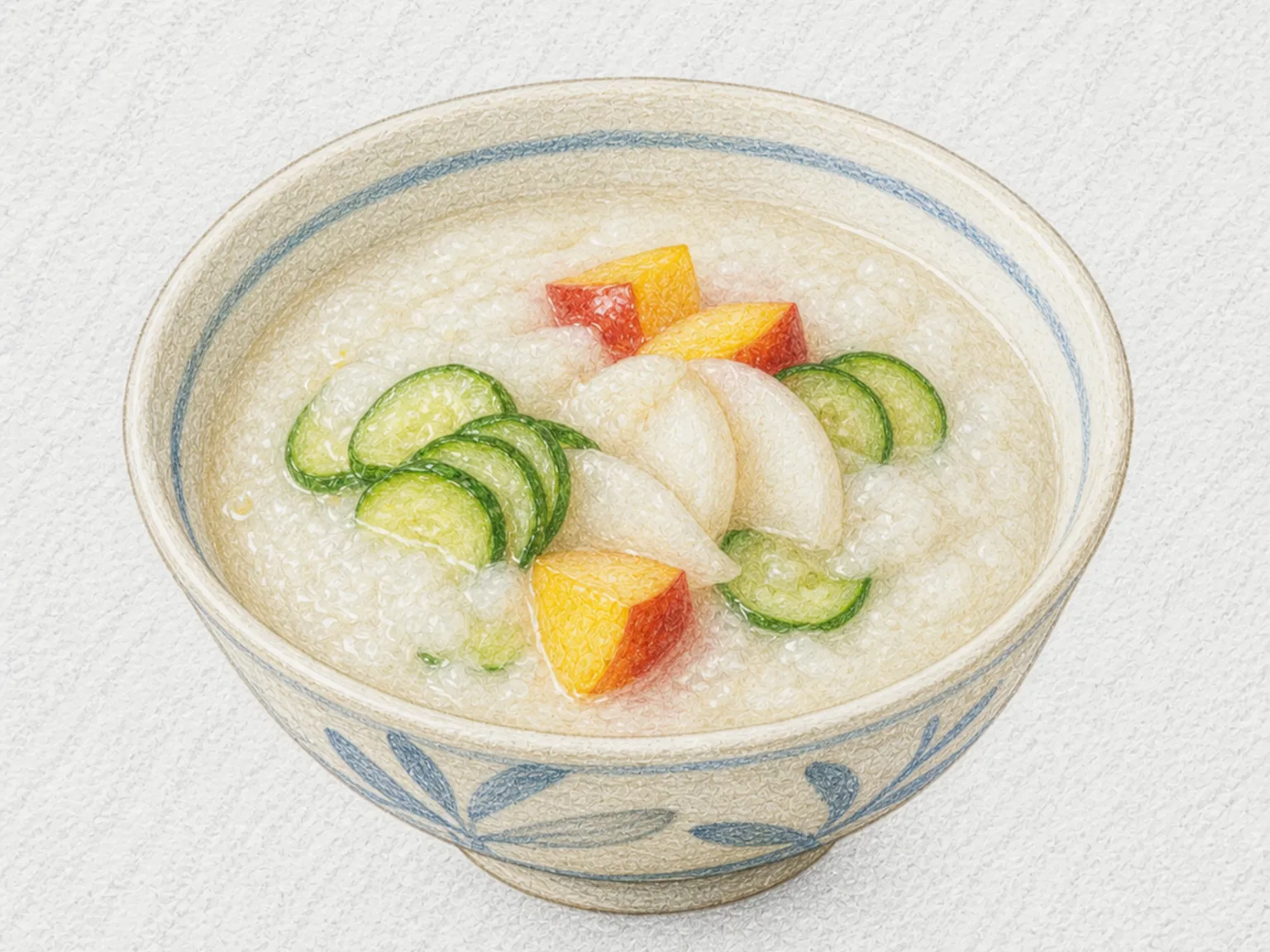
Baekseolgi is a traditional Korean steamed rice cake made from non-glutinous rice flour mixed with sugar and salt, then sifted and steamed. The sifting step, repeated two to three times, determines the final texture: thorough sifting incorporates air into the flour so the cake steams into a soft, crumbly structure that breaks apart in fine layers. Skipping or rushing this step produces a dense, coarse cake that lacks the defining quality of good baekseolgi. Moisture content requires precision as well; the flour should clump when squeezed but crumble when lightly pressed. Steaming over high heat for twenty to twenty-five minutes cooks the cake through, and a cloth under the lid prevents condensation droplets from falling onto the surface and creating wet patches. Dried jujube slices and pumpkin seeds placed on top before steaming add color contrast to the pure white surface. The sugar content is modest, allowing the clean, mild flavor of rice to lead, and the cake is best eaten warm since it firms up as it cools.

Baesuk (Korean Poached Pear Punch)
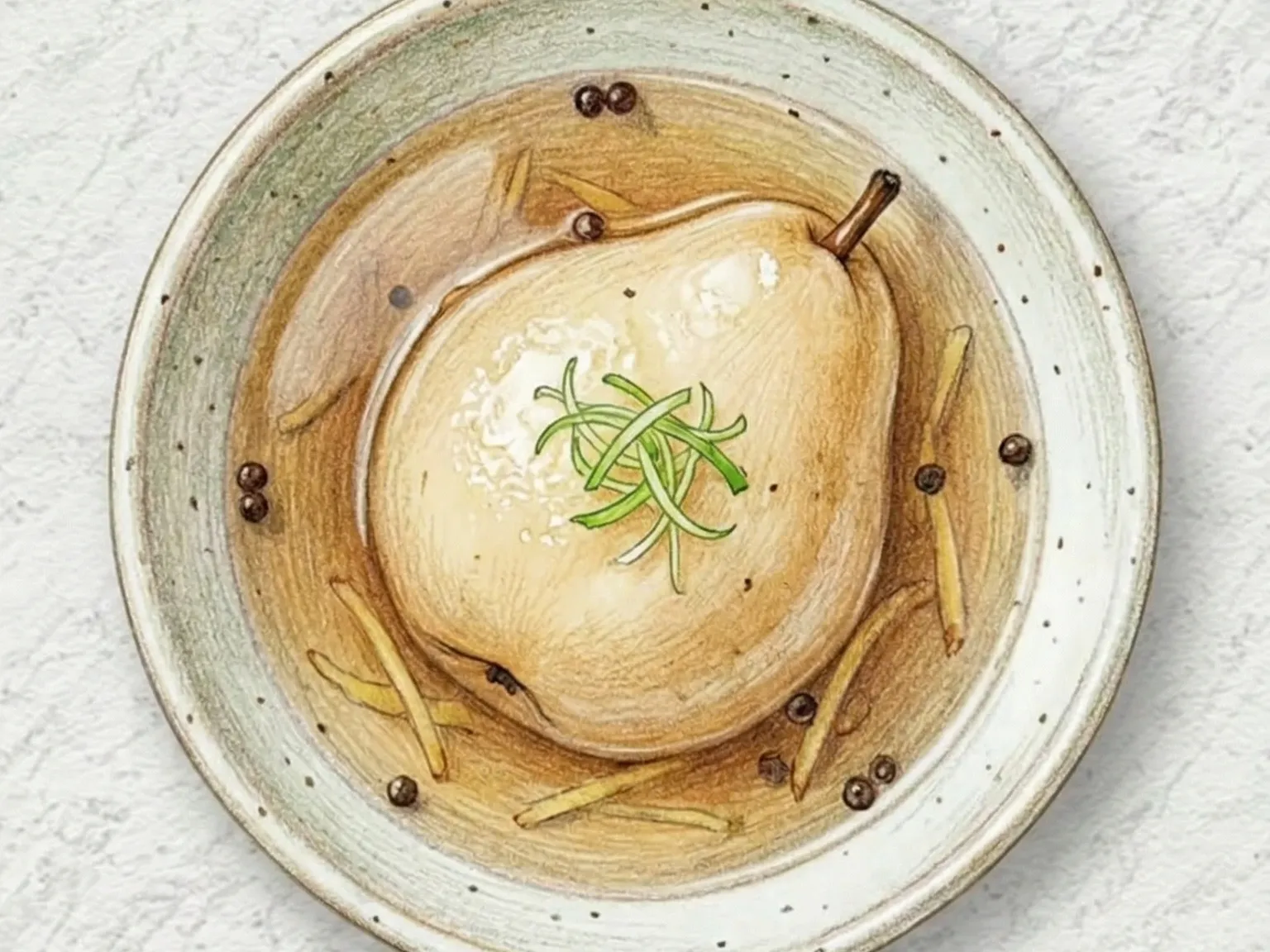
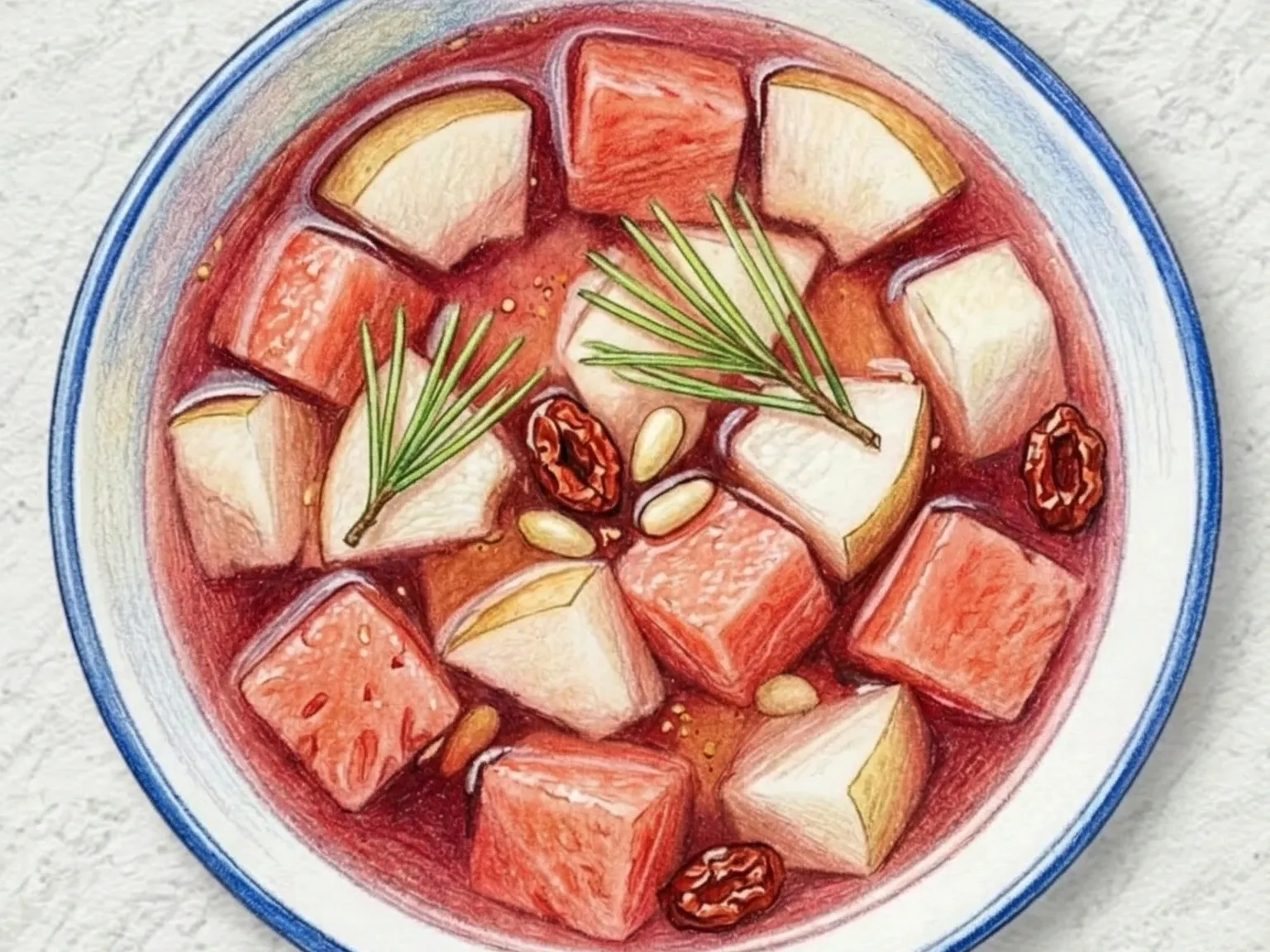
Baesuk is a traditional Korean punch made by slowly simmering whole or large-cut Korean pear with ginger, whole black peppercorns, and dried jujubes. As the pear cooks over low heat, its juice gradually dissolves into the liquid, building a natural sweetness that forms the drink's backbone. Ginger contributes a warm, peppery sharpness that interlocks with the pear's sweetness, producing a flavor that is comforting yet clean. Whole peppercorns are used sparingly; they provide a subtle spice aroma in the background rather than actual heat. Jujubes add a faint reddish tint and a mild fruity undertone to the liquid. Honey is stirred in after the heat is turned off and the temperature has dropped slightly, preserving its fragrance; because the pear already contributes significant sweetness, the honey amount should start small and be adjusted by taste. Overnight refrigeration allows the ginger and pear flavors to meld more fully, rounding out the drink. Pine nuts floated on the surface before serving add a subtle oily richness to the finish of each sip.

Bam Tiramisu (Chestnut Tiramisu)
Bam tiramisu layers espresso-soaked ladyfingers with a chestnut-enriched mascarpone cream, merging the classic Italian dessert format with a Korean autumn ingredient. Boiled chestnuts are pureed until smooth and folded into whipped mascarpone and heavy cream to form the filling. The ladyfinger biscuits, briefly dipped in espresso, soften as they absorb moisture during refrigeration. A dusting of cocoa powder on top bridges the coffee and chestnut flavors. The dessert requires no baking and sets entirely in the refrigerator over four or more hours. Assembling it in individual cups rather than a large dish makes portioning straightforward and adds a layered visual when served.

Chestnut Sweet Jelly (Korean Agar-Set Chestnut White Bean Confection)
Bam yanggaeng is a Korean jelly confection that combines chestnut puree with white bean paste, set firm using agar powder. Boiled chestnuts are mashed until fine and mixed with the bean paste base, then dissolved agar, sugar, and honey are stirred in before the mixture is brought to a brief boil. Once poured into a mold and left to cool at room temperature, the agar solidifies the mixture into a sliceable block with a clean, firm bite distinct from gelatin-based desserts. The starchy quality of chestnuts gives the jelly a smoother, denser grain than plain bean-paste yanggaeng. A tiny amount of salt sharpens the overall sweetness. The finished confection stores well in the refrigerator for about a week and is often prepared as a holiday gift.

Korean Black Raspberry Jelly
Bokbunja jelly cups are a chilled Korean dessert made by setting bokbunja (black raspberry) juice with gelatin sheets and a touch of lemon juice for balanced acidity. The gelatin must be dissolved off the heat after sugar water has fully cooled from a boil; adding it to boiling liquid breaks down its setting power. Straining the mixture once removes air bubbles and sediment, producing a glass-smooth surface that shows off the deep purple color of the bokbunja. Topping each cup with fresh blueberries and a mint leaf reinforces the berry flavor while creating a vivid visual contrast against the dark jelly.

Barley Puff Brittle (Korean Puffed Barley Walnut Sesame Candy)
Bori-gangjeong is a Korean barley puff brittle made by tossing puffed barley with roughly chopped walnuts and toasted sesame seeds in a syrup of rice malt, sugar, and honey heated to precisely 118 degrees Celsius. Temperature control is the deciding factor: too cool and the brittle stays soft and sticky, too hot and it hardens into something tooth-breakingly rigid. Sesame oil stirred into the syrup at the end adds a subtle nutty fragrance that ties together the toasty barley and the honey sweetness. Scoring the slab while still warm and cutting once fully set yields clean, bite-sized pieces with a satisfying snap.

Pan-Fried Sweet Rice Cake
Bukkumi is a traditional Korean pan-fried rice cake made from glutinous rice flour dough filled with sweet red bean paste seasoned with cinnamon and sugar. Using hot water to form the dough partially gelatinizes the starch, creating a pliable skin that stretches without cracking, though it must stay covered with a damp cloth during assembly to prevent surface drying. Folding the dough into half-moon shapes around the cinnamon-laced bean paste adds a warm spice note that lifts the dense sweetness of the red bean. Pan-frying on low heat builds a golden crust on each side while keeping the filling warm and molten inside.

Fish-shaped Red Bean Pastry
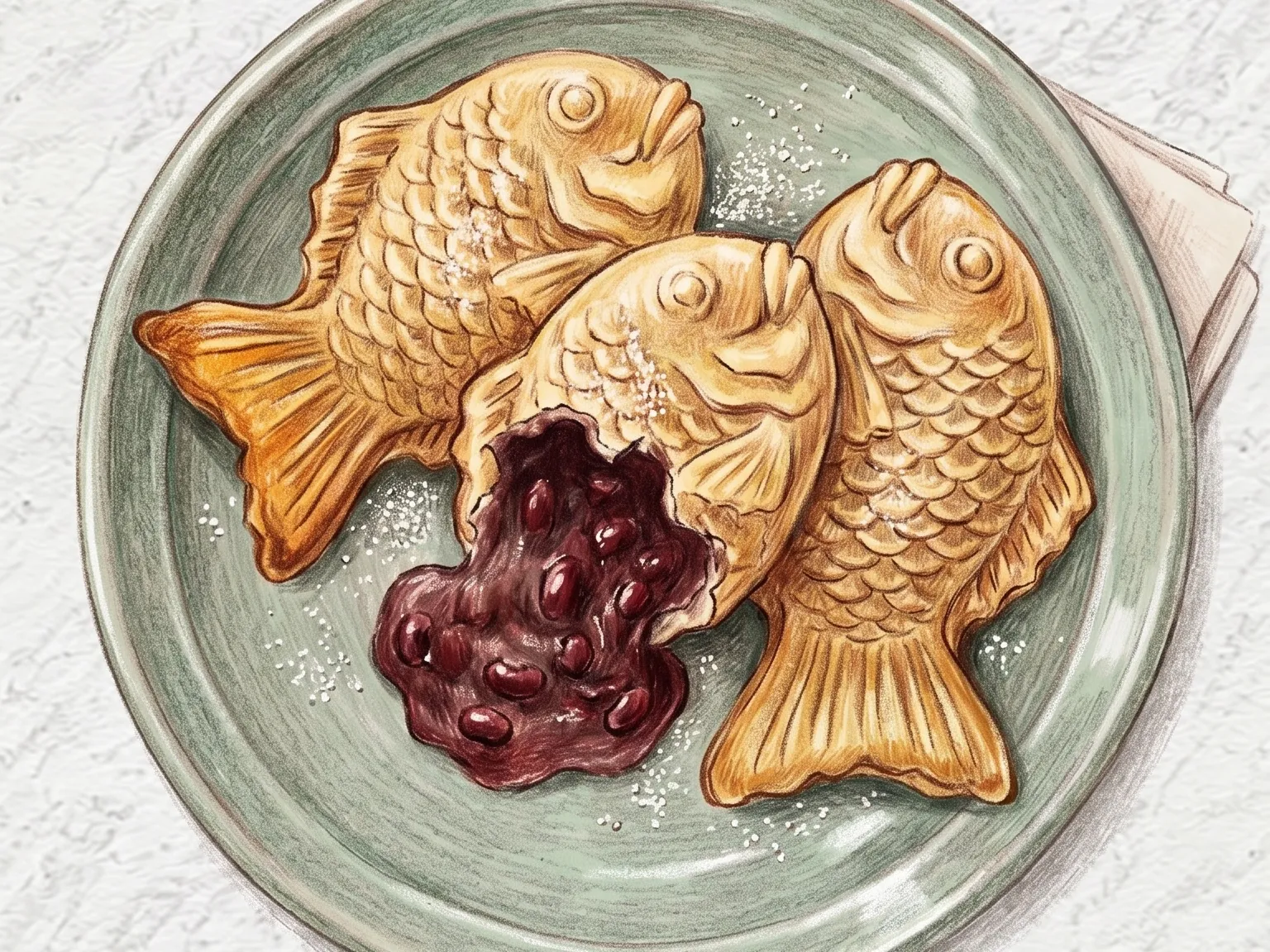
Pat bungeoppang is a Korean fish-shaped pastry filled with sweet red bean paste, baked in a cast-iron mold from a batter of cake flour, baking powder, milk, egg, and melted butter. Resting the batter for ten minutes relaxes the gluten so it rises into an even, fluffy crumb, and fully preheating the mold ensures the fish-scale pattern stamps sharply onto the surface. Placing the red bean paste in a long, centered strip guarantees filling in every cross-section; off-center placement leaves hollow, bread-only bites that throw off the balance. Cooking two to three minutes per side produces a crisp, golden shell that gives way to a soft interior with hot bean paste running through the middle.

Glutinous Rice Cake Balls
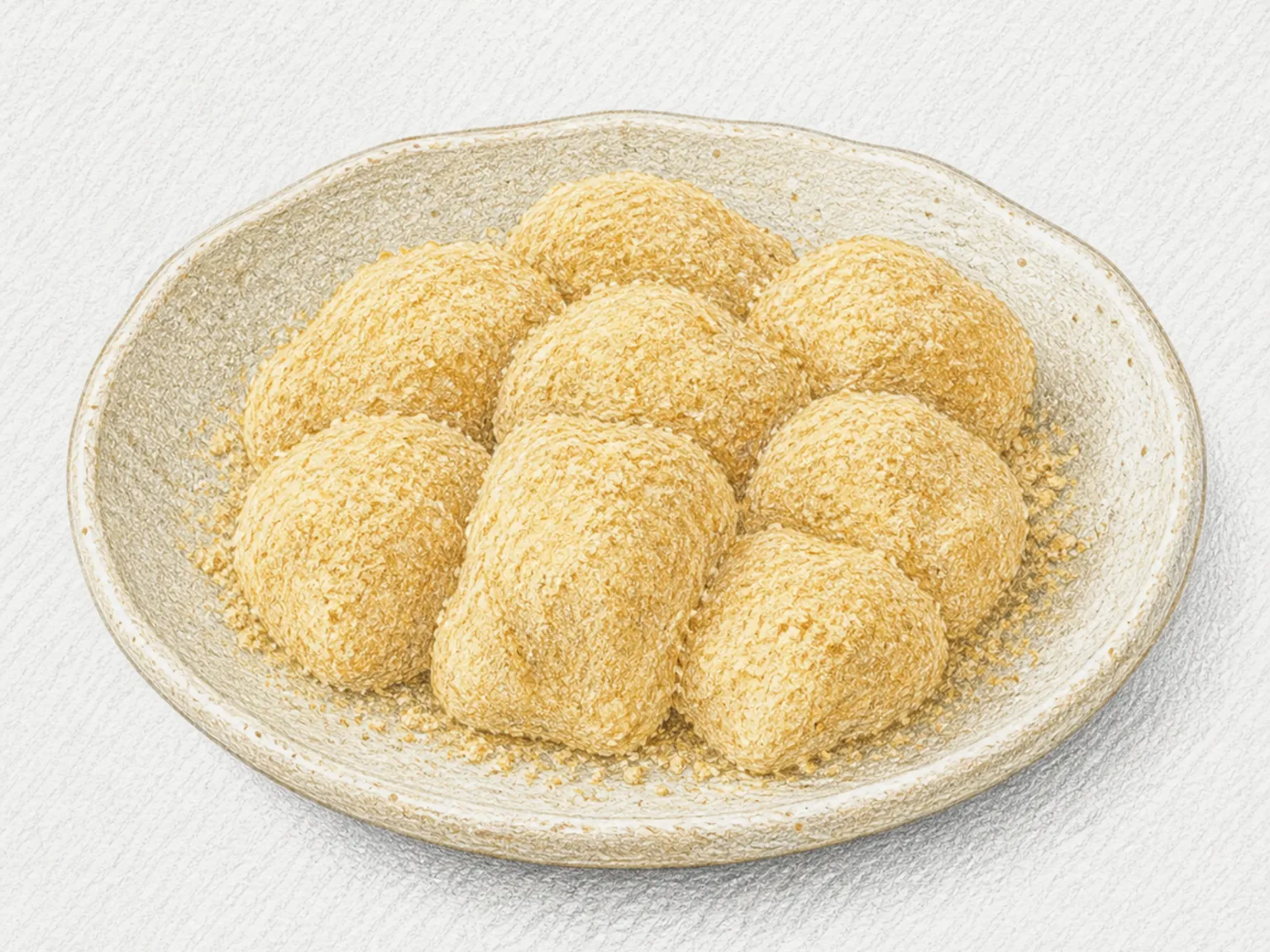
Chapssal-danja are Korean glutinous rice cake balls filled with sweet red bean paste, boiled until they float, and rolled in a mixture of roasted soybean powder and sugar. The dough is flattened, wrapped around the filling, and sealed tightly into a sphere so the paste stays contained during boiling, with an extra minute of cooking after the balls surface to ensure the center is fully set. A very thin brush of honey applied immediately after draining acts as an adhesive for the soybean powder coating and adds a delicate floral sweetness to the exterior. Sifting the soybean powder before rolling produces a fine, even layer that gives each ball a powdery, melt-on-the-tongue finish over the chewy rice cake underneath.

Chapssal Kkwabaegi (Glutinous Rice Twist Donuts)
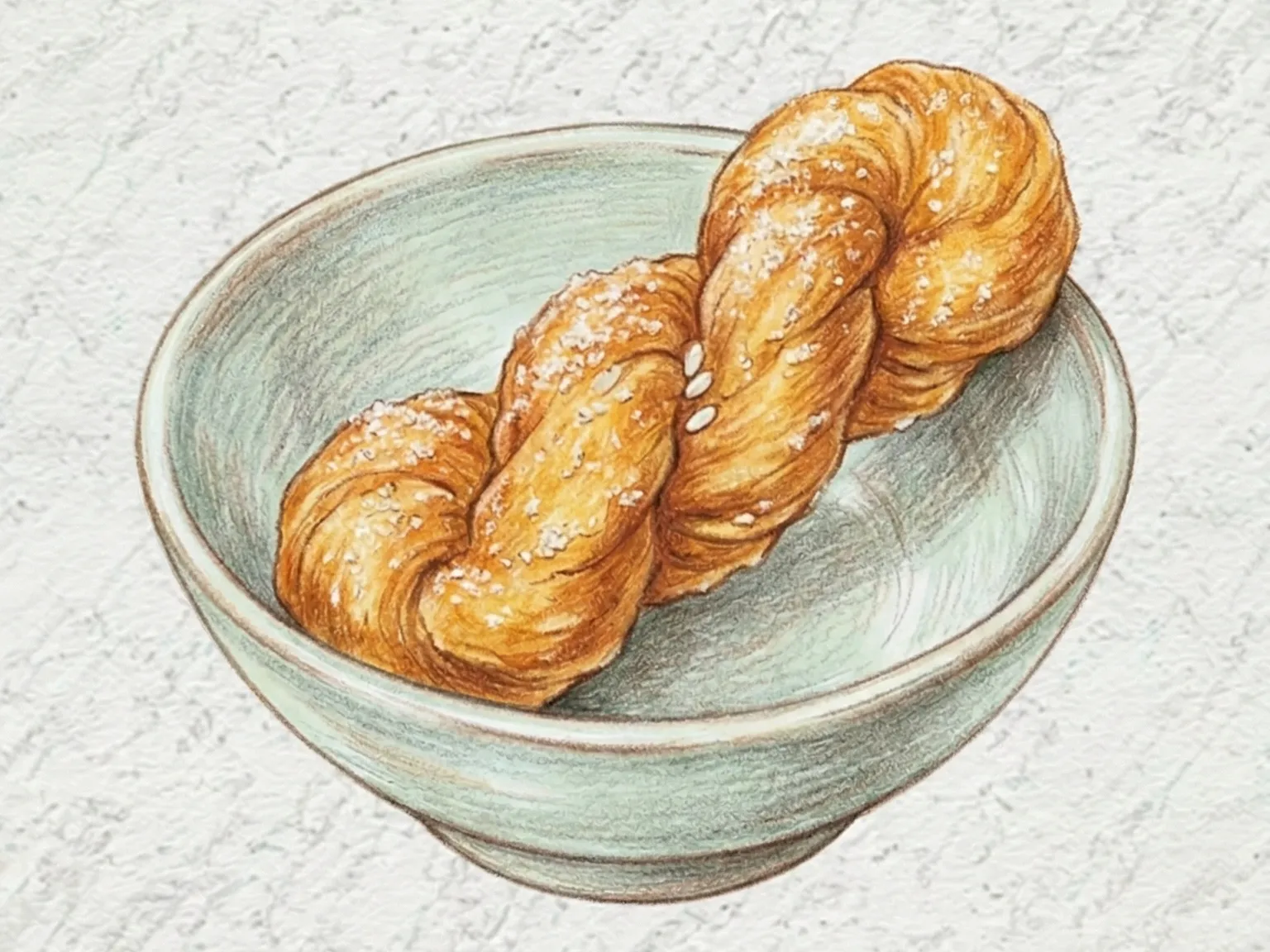
Chapssal-kkwabaegi are Korean twisted donuts made from a yeasted dough of glutinous rice flour and bread flour, proofed until nearly doubled, shaped by twisting pairs of ropes together, and fried at 170 degrees Celsius. The high ratio of glutinous rice flour gives the interior a notably chewy pull that sets these apart from standard wheat donuts, though over-proofing turns that chew tough rather than springy. Maintaining oil temperature at 170 degrees keeps the shell golden and crisp while minimizing grease absorption, so the finished donut stays light in hand. Tossing them in cinnamon sugar immediately after draining lets the residual heat partially melt the crystals into a thin, clinging sweet crust.

Sweet Pumpkin Rice Punch (Korean Kabocha Malt Drink)
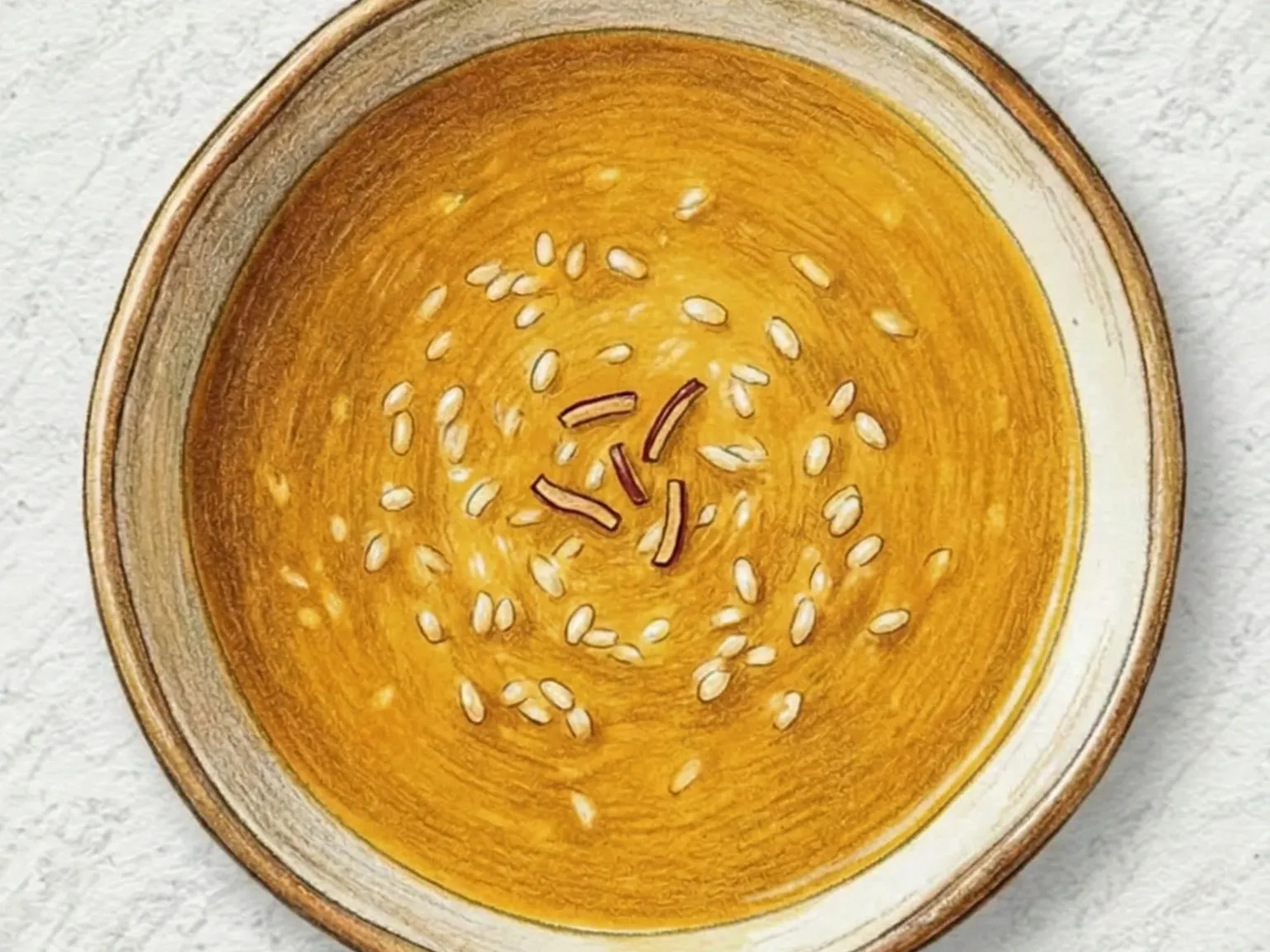
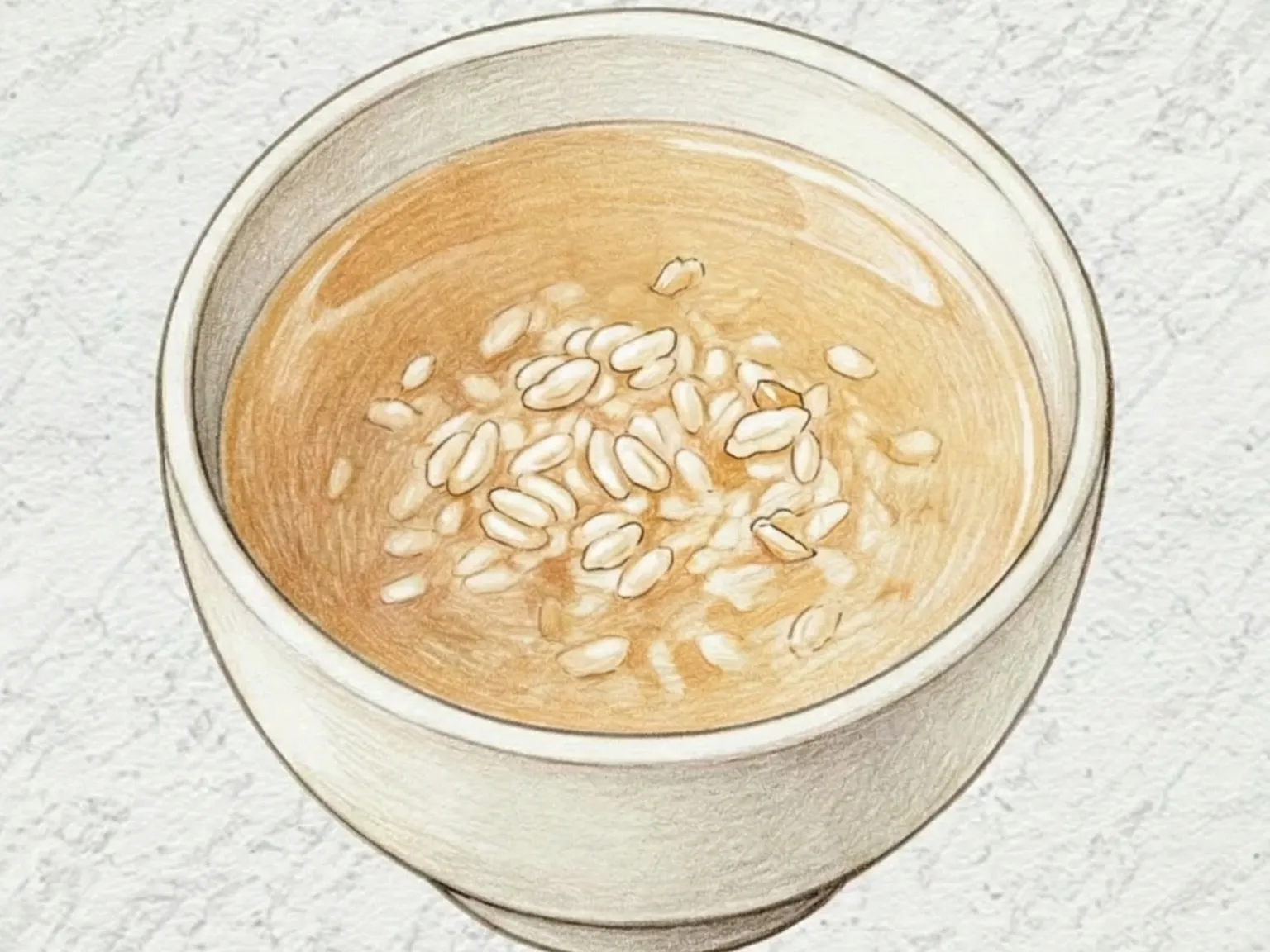
Danhobak sikhye is a Korean rice punch made by fermenting cooked rice in malt extract water, then blending in steamed kabocha pumpkin puree. The malt enzymes break down the rice starch into gentle sweetness, and the pumpkin adds a thick, velvety body that sets it apart from plain sikhye. Sliced fresh ginger steeps alongside the rice during the warm fermentation hold, leaving a mild spicy undertone that keeps the sweetness balanced. Served well chilled with a few floating rice grains, it bridges the gap between a cold beverage and a light dessert.

Sweet Red Bean Porridge (Korean Adzuki Rice Dessert Soup)
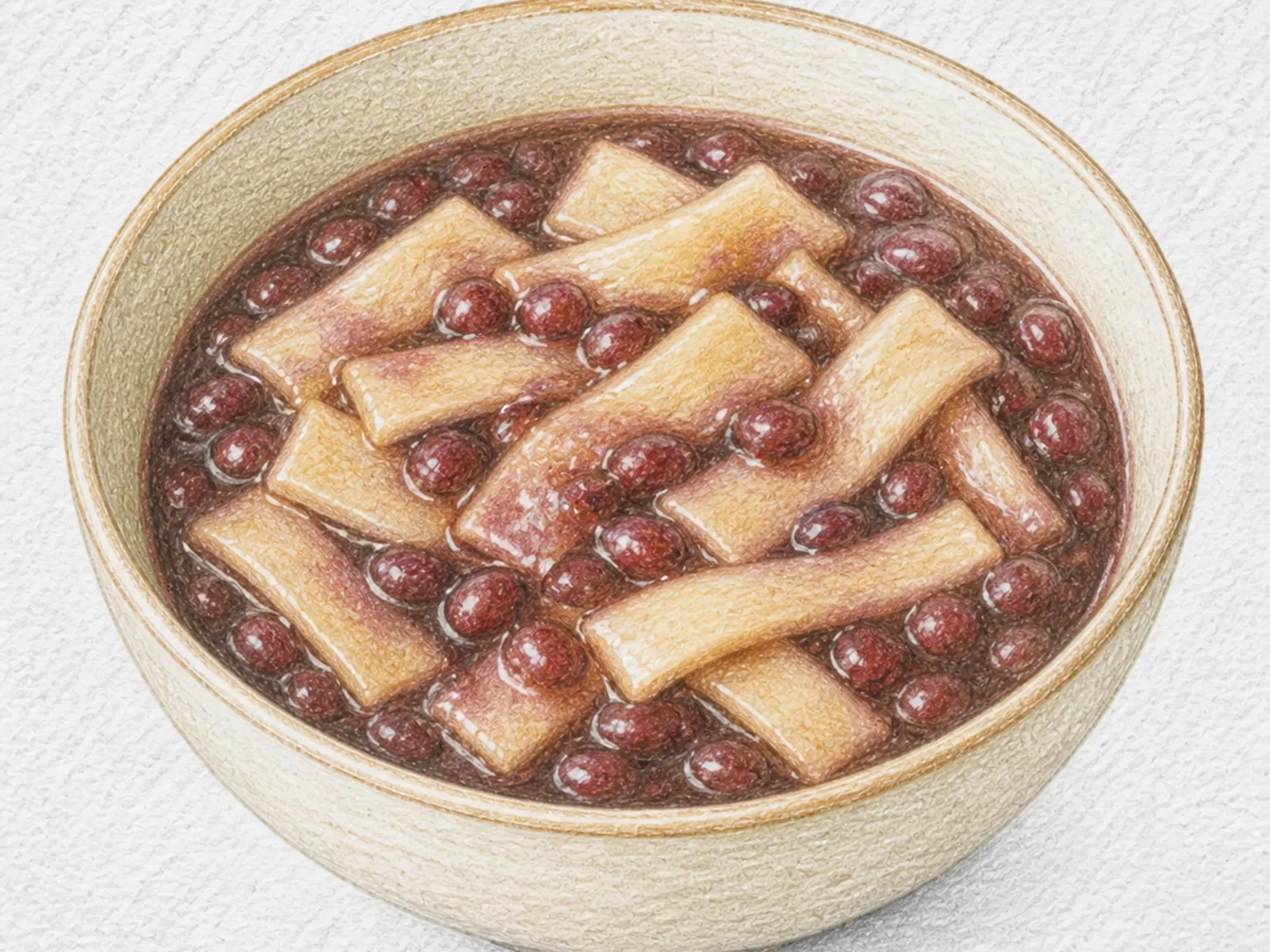
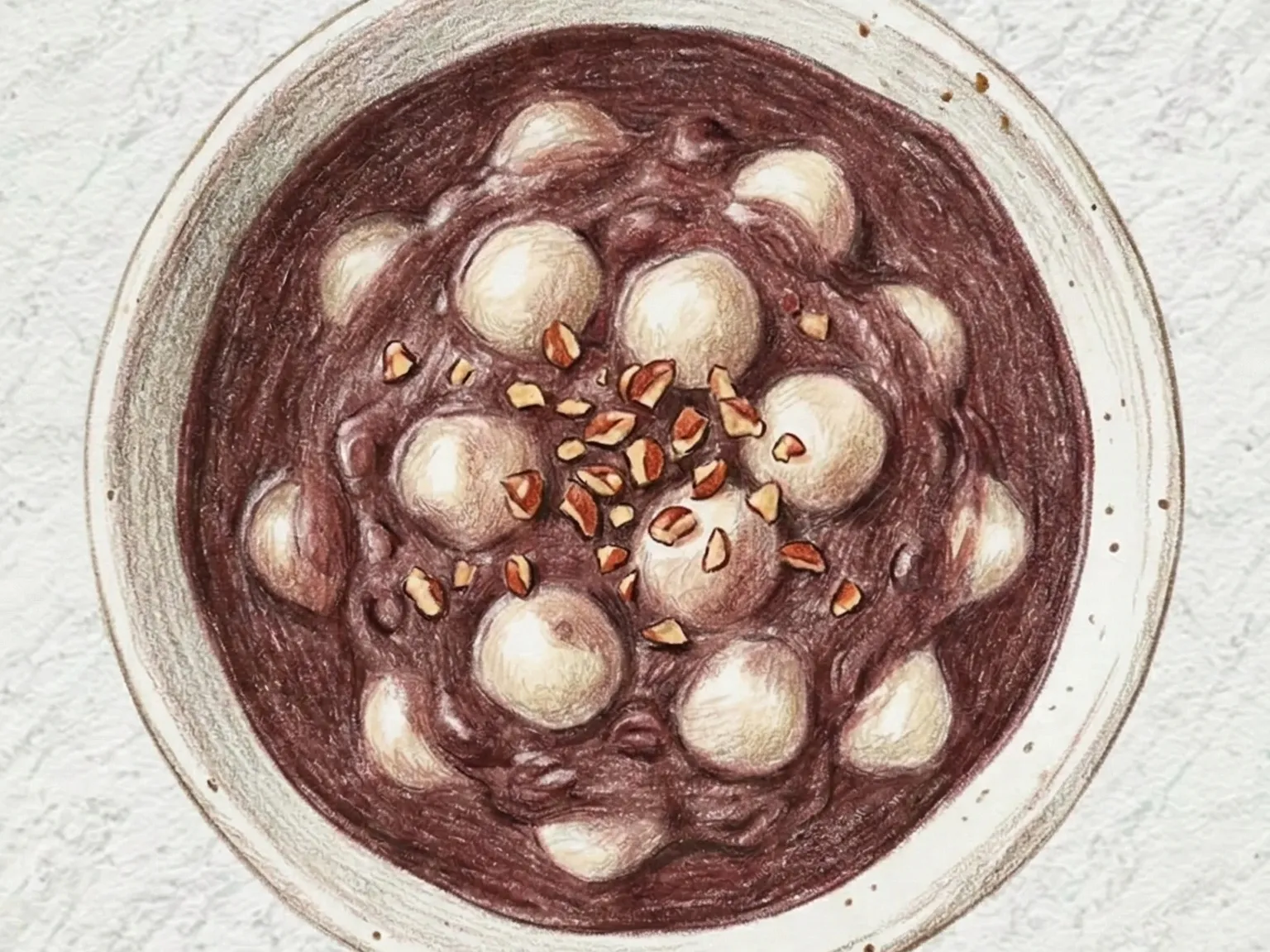
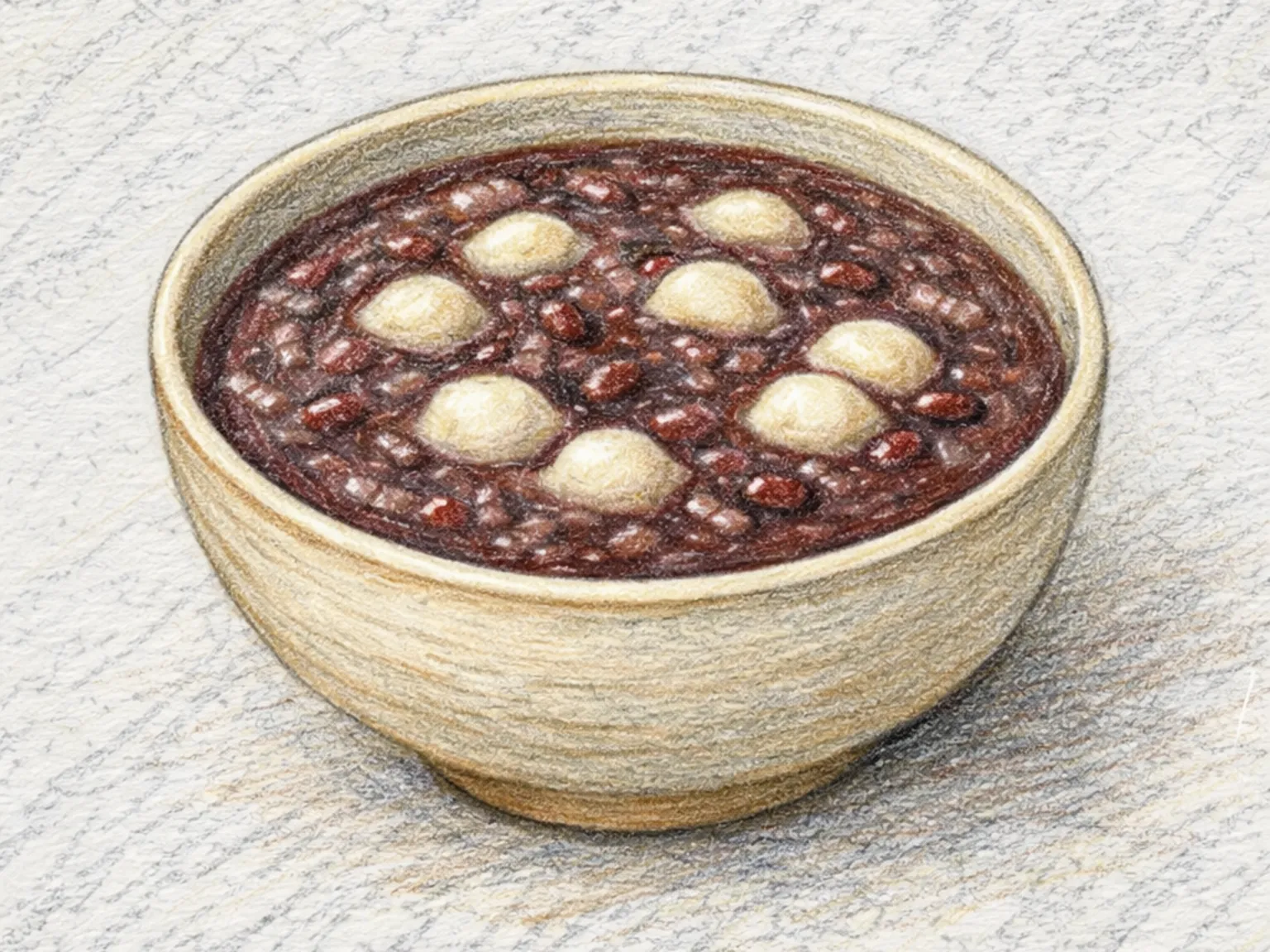
Danpat-juk is a Korean sweet red bean porridge made by boiling dried red beans until soft, then straining two-thirds into a smooth puree while keeping the remaining third whole for textural contrast. The first boiling water is discarded to remove the raw, astringent taste of the beans, and the final porridge is seasoned with sugar, salt, and a touch of cinnamon for warmth. Small glutinous rice dumplings called saealsim are shaped by hand and dropped into the simmering bean liquid, where they float to the surface once cooked through, adding chewy bites throughout. Because the porridge thickens considerably as it cools, it should be finished slightly thinner than the desired final consistency.

Gaeseong Juak (Honey Fried Rice Cake)
Crispy outside, chewy inside, and glazed in warm honey syrup with cinnamon and pine nuts, this Goryeo-dynasty confection is Korea's answer to a fried doughnut. The two-stage frying method starts at 150 degrees Celsius to set the interior, then finishes at 170 degrees to develop a light golden crust, yielding a thin crisp shell around a chewy core. After frying, each piece is rolled in a warm glaze of honey and rice syrup, which coats the surface in a glossy, fragrant sweetness. A final dusting of ground cinnamon and chopped pine nuts adds aromatic spice and crunch, completing a confection that traces its origins to the Gaeseong region and the Goryeo dynasty.

Candied Sweet Potato
Goguma mattang is a Korean candied sweet potato dish made by cutting peeled sweet potatoes into chunky pieces and deep-frying them at 170 degrees Celsius until the inside turns fluffy. A syrup of sugar, corn syrup, water, and a small splash of soy sauce is cooked separately until it forms large, foamy bubbles, at which point the fried sweet potatoes are tossed in quickly to coat within thirty seconds. This rapid coating creates a thin, glass-like caramel shell that crisps as it cools. Black sesame seeds are scattered on top for visual contrast and a toasted fragrance, and the pieces are spread on parchment to cool individually so they do not stick together.

Gotgam Cream Cheese Roll (Dried Persimmon Rolls)
Gotgam cream cheese roll is a no-cook Korean dessert made by splitting dried persimmons open, spreading a seasoned cream cheese filling inside, rolling them tightly, and slicing after chilling. The cream cheese is mixed with honey and lemon juice to balance its richness with subtle acidity, and finely chopped walnuts are folded in for a crunchy element in every bite. The chewy, caramel-like sweetness of the dried persimmon, the tangy smoothness of the cream cheese, and the fatty crunch of the walnuts create clearly defined layers of flavor and texture in each cross-section slice. Wrapping tightly in plastic and refrigerating for twenty minutes firms the roll enough for clean cuts.

Red Bean Pastry (Korean Gyeongju Soft Bun with Anko)
Gyeongju-ppang is a baked Korean pastry made from a yeast-leavened dough enriched with milk and butter, wrapped around a generous filling of sweet red bean paste. The dough is rolled thin, sealed around the paste with the seam facing down, and baked at 180 degrees Celsius until the top puffs up with a smooth, light golden surface. Because the filling-to-dough ratio is high, the first flavor in each bite is the dense, sweet red bean, followed by the mild dairy aroma of the thin bread shell. Rooted in the baking traditions of Gyeongju and its famous hwangnam-ppang, this pastry stays moist even after cooling, making it suitable as a packaged gift or an everyday snack.

Cinnamon Rice Cake (Layered Korean Steamed Rice Cake)
Gyepi-tteok is a layered Korean steamed rice cake made by mixing non-glutinous and glutinous rice flours, then moistening the blend by hand until it reaches a fine, damp-sand consistency. Half the mixture is tinted with cinnamon powder, and the plain and cinnamon portions are layered alternately in a steamer tray before being steamed on high heat for twenty minutes. Julienned jujubes and whole pine nuts placed on top add color contrast, a mild date-like sweetness, and a fatty, resinous aroma. Sieving the flour twice before steaming ensures even moisture distribution, which prevents a coarse grain and produces a cake that is soft yet has a gentle chew from the glutinous rice component.

Korean Street Egg Bread (Sweet Batter Muffin with Whole Egg)
Gyeran-ppang is a Korean street-style egg bread made by pouring a sweet batter of cake flour, baking powder, milk, and melted butter into a muffin mold, then cracking a whole egg on top before baking. A small amount of diced ham sits beneath the egg, adding a salty counterpoint to the sweet dough. Baking at 180 degrees Celsius for sixteen minutes yields a jammy yolk, while eighteen minutes produces a firmer set, letting the baker control doneness to taste. Vanilla extract in the batter tempers any eggy notes, and a sprinkle of parsley before the oven adds a faint herbal fragrance to the golden, puffy surface.

Candied Tangerine Peel (Korean Citrus Honey Confection)
Gyul jeonggwa is a traditional Korean candied confection made by slicing tangerine peels into 0.8 cm strips, blanching them twice in salted water to draw out bitterness, then simmering in a syrup of sugar, honey, and cinnamon for thirty-five to forty minutes on low heat. Leaving a moderate amount of white pith intact preserves the essential citrus oils that give the finished candy its bright, aromatic character. As the peels cook, they turn translucent and absorb the syrup, developing a dense, chewy texture similar to a fruit jelly. A splash of lemon juice at the end prevents the syrup from crystallizing and rounds out the sweetness with a clean acidic note, and drying the pieces on a rack for an hour after cooking yields a non-sticky surface.

Black Sesame Brownies
Ultra-fudgy dark chocolate brownies with a nutty roasted black sesame twist that adds earthy depth to every bite. The bitter edge of the chocolate meets the toasted, grain-like aroma of the sesame, producing a depth of flavor absent from standard brownies. The recipe keeps the cake flour ratio low so the center stays fudgy and dense after baking at 175 degrees Celsius for twenty to twenty-five minutes. Because black sesame powder is naturally oily and prone to clumping, it must be sifted together with the flour and salt before folding into the batter to ensure even distribution throughout the crumb.

Black Sesame Tea Cookies (No-Bake Korean Pressed Cookies)
Heukimja dasik is a traditional Korean pressed tea cookie made by binding roasted black sesame powder and almond flour with honey and rice syrup, then pressing the mixture into a decorative wooden mold. It requires no heat at all: the rich, toasty flavor of the sesame and the fatty depth of the almond combine within the sticky honey base to create a crumbly, melt-in-the-mouth texture. A small amount of sesame oil improves the binding, and dusting the mold with pine nut powder before pressing yields a sharply defined surface pattern. After shaping, the cookies are rested in an airtight container for thirty minutes to firm up, resulting in bite-sized confections traditionally served alongside tea.

Black Sesame Pudding
Heukimja pudding is a chilled dessert made by warming milk and heavy cream on low heat with black sesame powder to extract its flavor, then setting the mixture with gelatin. The key to a silky consistency is stopping the heat when tiny bubbles appear at the edge of the pan, well before a full boil, which would cause the fat to separate. After seasoning with sugar and salt and straining once to remove any gritty particles, the liquid is divided into cups and refrigerated for at least two hours until set. A light dusting of black sesame powder on top before serving adds a visual accent and an extra layer of roasted, nutty fragrance.

Sweet Pumpkin Porridge (Korean Kabocha Glutinous Rice Porridge)
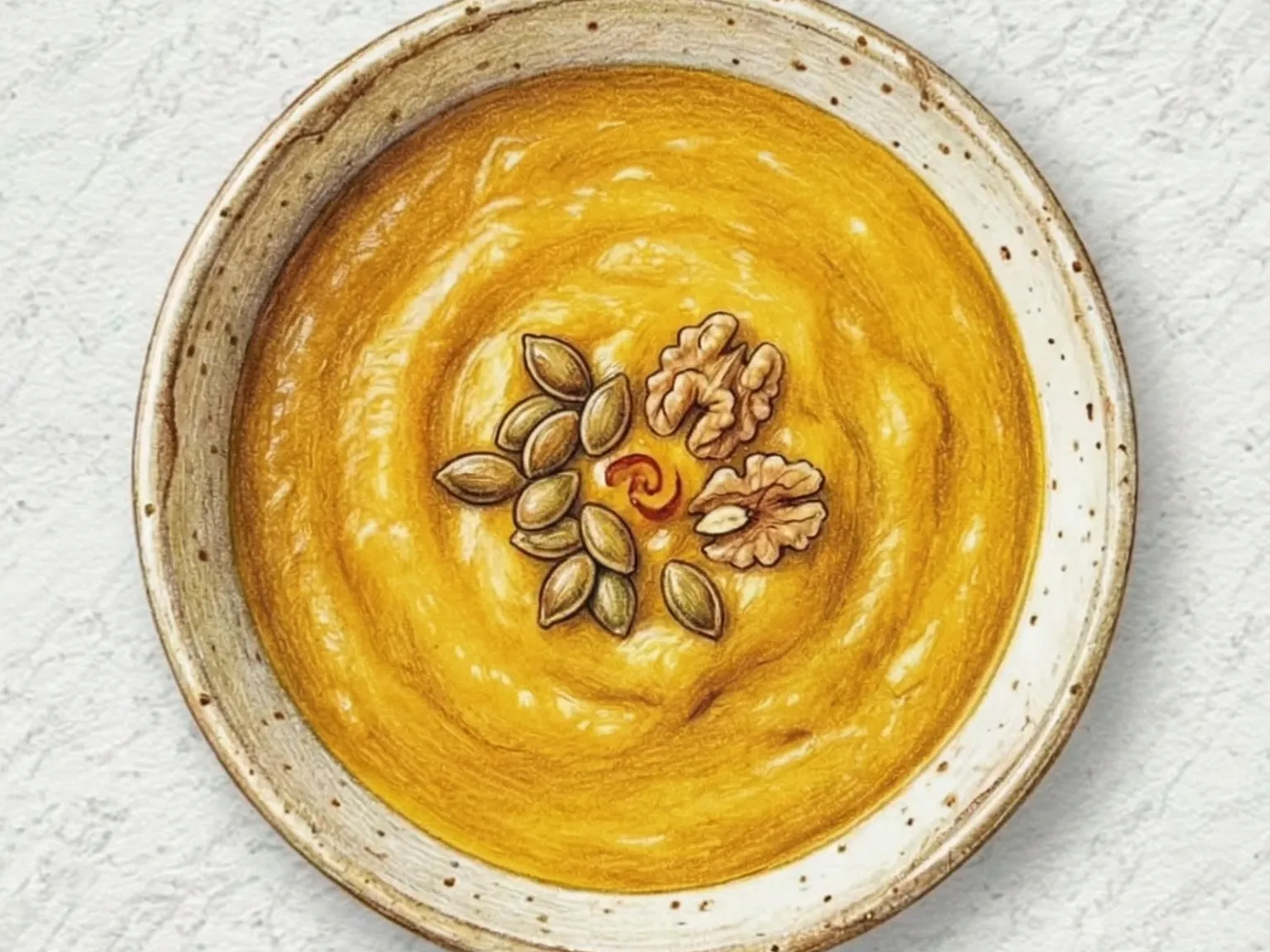
Hobakjuk is a Korean sweet pumpkin porridge made by steaming kabocha squash, blending it smooth with water, and simmering the puree with a glutinous rice flour slurry over medium-low heat until thick. Steaming the squash with the skin on concentrates its natural sugars, and blending with 300 ml of water creates a uniform base. The rice flour slurry gelatinizes as it heats, giving the porridge its characteristic viscosity, while a pour of milk rounds out the texture with a creamy richness. Pine nuts scattered on top contribute a fatty, resinous aroma that pairs well with the squash, and sweetness is best adjusted at the very end to account for natural variation in the pumpkin.

Walnut Cakes (Korean Bite-Sized Red Bean Walnut Pastries)
Hodu-gwaja are bite-sized Korean walnut cakes made from a batter of cake flour, baking powder, eggs, milk, and melted butter, cooked in a dedicated walnut-shaped iron mold. Each cavity is half-filled with batter, topped with sweet red bean paste and a toasted walnut half, then sealed with more batter and cooked over medium-low heat for six to eight minutes per side. Toasting the walnut halves at 160 degrees Celsius for five minutes beforehand deepens their fragrance noticeably in the finished cake. Resting the batter for ten minutes before pouring relaxes the gluten, reducing air pockets and yielding a smoother exterior crust.