Korean Clam Pot Rice (Savory Clam Broth Cooked Rice Bowl)
Rice Medium

Korean Clam Pot Rice (Savory Clam Broth Cooked Rice Bowl)

Quick answer

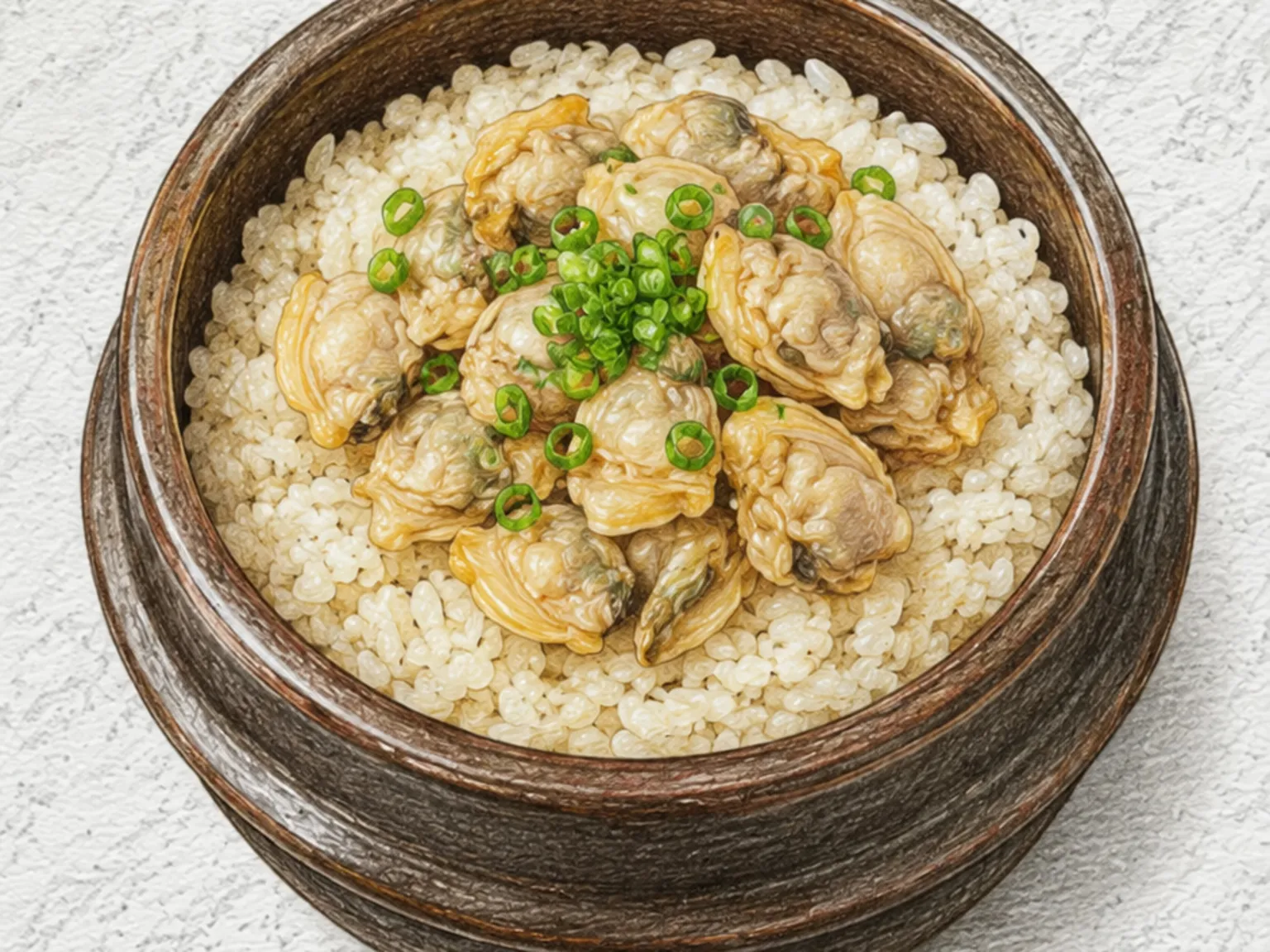
Bajirak sotbap is a Korean pot rice where every grain is cooked in clam broth and topped with shucked clam meat just before serving.

What makes this special

  • Strained clam liquid replaces plain water so every grain of Bajirak Sotbap absorbs sea flavor.
  • Strained clam cooking liquid used as rice water so each grain absorbs sea flavor
  • Kombu adds glutamates that deepen the clam broth's umami
Total time
45 min
Level
Medium
Servings
2 servings
Ingredients
5
Calories
390 kcal
Protein
20 g

Key ingredients

RiceManila clamsSoy sauceSesame oilDried kelp

Core cooking flow

  1. 1 Rinse 200 g rice until the water runs mostly clear, then soak it for at least 30 minutes.
  2. 2 Put 300 g purged Manila clams and 10 g dried kelp in a pot and bring them to a simmer over medium heat.
  3. 3 Lift out the clams and remove the meat from the shells, keeping it separate for the resting stage.

Bajirak sotbap is a Korean pot rice where every grain is cooked in clam broth and topped with shucked clam meat just before serving. Purged clams are simmered with a piece of dried kelp until they open, then removed and shucked while the broth is strained through a fine sieve. The kelp contributes glutamic acid that reinforces the clam's natural umami, producing a cooking liquid with a depth that plain water cannot provide. This clam stock infuses every grain of rice as it cooks, embedding a marine character throughout. The rice, soaked for at least thirty minutes to ensure even absorption, goes into the pot with the measured clam broth and cooks over a sequence of high, medium, and low heat. Holding on low heat for an extra five minutes forms a thin nurungji - a lightly caramelized crust at the bottom - whose toasted aroma rises through the lid. During the resting phase, the shucked clam meat is placed on top of the rice so residual heat warms it through without further cooking; since the clams were already cooked once, additional heat would toughen them. A soy sauce and sesame oil dipping sauce is mixed into the rice at the table. The most memorable moment of the dish is lifting the lid, when the concentrated clam fragrance escapes in a sudden rush. After the rice is eaten, adding hot water to the pot dissolves the nurungji layer into a light, smoky scorched-rice tea that serves as a natural closer to the meal.

Prep 20min Cook 25min 2 servings

Instructions

Read the steps as a cooking flow: prep, heat, seasoning, doneness control, and finish.

6 steps
  1. 1
    Heat

    Rinse 200 g rice until the water runs mostly clear, then soak it for at least 30 minutes.

    Drain it well before cooking so the clam broth can absorb evenly instead of becoming watery.

  2. 2
    Control

    Put 300 g purged Manila clams and 10 g dried kelp in a pot and bring them to a simmer over medium heat.

    As soon as the shells open, turn off the heat to prevent tough clam meat.

  3. 3
    Step

    Lift out the clams and remove the meat from the shells, keeping it separate for the resting stage.

    Strain the broth through a fine sieve to remove grit and shell fragments before using it for the rice.

  4. 4
    Control

    Place the soaked rice in the cooking pot and pour in the strained clam broth.

    Heat over high heat until it boils strongly, then reduce to medium immediately if the broth rises toward the lid.

  5. 5
    Control

    Cook over medium heat for about 10 minutes so the grains take in the broth.

    Avoid opening the lid often; when the bubbling sound becomes quieter and steadier, lower the heat to low.

  6. 6
    Finish

    Keep the pot on low heat for 5 more minutes to form a thin toasted crust on the bottom.

    Turn off the heat, place the clam meat on the rice, let residual steam warm it, and serve with soy sauce and sesame oil.

After the steps

Pick a recipe that fits this dish.

Continue with shared ingredients, meal pairings, or a similar method.

Recipes That Go Well With This

More Rice →

Based on shared ingredients and meal pairing

Korean Octopus Pot Rice (Chewy Octopus Ocean-Scented Grain Pot)
Shared ingredient: short grain rice Rice

Korean Octopus Pot Rice (Chewy Octopus Ocean-Scented Grain Pot)

Muneo sotbap is a seafood pot rice dish in which chewy octopus tentacles are placed on top of uncooked rice and steamed together in a heavy pot so that the briny, oceanic aroma penetrates every grain as it cooks. Thin radish slices lining the bottom of the pot serve two purposes: they prevent the rice from sticking and transfer their natural sweetness into the grains during cooking. Simmering the octopus alongside radish also helps tenderize the meat. The pot starts over high heat to bring it to a boil, then the flame drops to low for a slow, gentle cook that keeps the octopus from turning rubbery. Resting the pot undisturbed after cooking allows the heat to distribute evenly throughout the rice. A dipping sauce of soy sauce, sesame oil, cheongyang chili, and sliced green onion is mixed in at the table, adding a spicy, clean finish. Scraping the crisp nurungji crust from the bottom of the pot is one of the distinct pleasures of this dish.

Korean Seafood Rice Bowl (Shrimp Squid Clam Starchy Sauce Bowl)
Shared ingredient: clams Rice

Korean Seafood Rice Bowl (Shrimp Squid Clam Starchy Sauce Bowl)

Haemul deopbap is a Korean seafood rice bowl built on a thick, glossy sauce that starts with garlic stir-fried over high heat before shrimp, squid, and clams are added and tossed together. Oyster sauce and soy sauce form the seasoning base - the oyster sauce brings a rounded, caramel-like sweetness and body, while the soy adds depth and color. A cornstarch slurry stirred in at the end transforms the thin pan juices into a glossy, clingy sauce that coats every piece of seafood and, when ladled over rice, seeps downward slowly rather than running off. The key to keeping the seafood tender is to add it last and remove the pan from heat before it overcooks - squid turns rubbery within seconds of going past done, and shrimp loses its snap if left even a moment too long. Clams contribute their natural briny-sweet liquor to the sauce, adding a layer of umami that oyster sauce alone cannot replicate. Browning the garlic first in oil before anything else goes into the pan reduces any raw edge in the flavor and lays a savory, aromatic foundation for the entire dish. The whole process takes about 25 minutes from start to finish, making this one of the more practical weeknight meals in the Korean home kitchen.

Korean Ox Bone Broth (Milky Collagen-Rich Marrow Soup)
Serve together Stews

Korean Ox Bone Broth (Milky Collagen-Rich Marrow Soup)

Sagol-guk is a Korean bone broth soup made by simmering beef marrow bones for six hours or longer until the dissolved collagen and marrow turn the liquid a dense, opaque white that looks closer to milk than water. The seasoning is intentionally minimal, limited to green onion, garlic, and salt, because the entire point of the dish is the bone itself and what slow heat extracts from it over time. Before the long simmer begins, the bones are soaked in cold water to draw out the blood and then briefly blanched to remove any remaining impurities that would cloud or bitter the broth. The same bones can be reboiled three or four times, with each successive batch yielding a progressively lighter and cleaner-tasting liquid. The soup is served piping hot alongside rice, with salt and white pepper passed at the table so each person can season according to preference. Alongside seolleongtang and gomtang, sagol-guk forms one of the three pillars of Korea's long bone broth tradition, and its restorative reputation makes it a natural choice on cold days or when the body needs warmth and something uncomplicated.

Korean Seafood Bibimbap (Mixed Rice with Shrimp and Squid)
Similar recipe Rice

Korean Seafood Bibimbap (Mixed Rice with Shrimp and Squid)

Haemul bibimbap features shrimp and squid seared quickly on high heat to preserve their springy texture, arranged over a bowl of rice alongside seasoned spinach and other namul vegetables, then mixed together with gochujang at the table. The critical technique is brevity at high heat: seafood that cooks too long turns tough and rubbery, while a brief, fierce sear keeps each piece tender and allows the natural juices to release and seep into the rice below, enriching the base flavor of every bite. A fried egg is customary - breaking the yolk and mixing it through coats each grain in a rich, golden film that rounds out the sharpness of the chili paste and ties all the components together. Because shrimp and squid carry their own natural salinity, less gochujang is needed here than in a standard bibimbap, and the seasoning balance tips slightly toward the savory and briny rather than the fiery. The combination of contrasting textures - slippery seafood, tender greens, and yielding rice - makes each mixed spoonful different from the last.

Serve with this

Korean Green Onion Salad (Doenjang-Dressed Grilled Meat Side)
Side dishes Easy

Korean Green Onion Salad (Doenjang-Dressed Grilled Meat Side)

Jjokpa-muchim dresses thin, tender Korean chives in doenjang and gochujang, functioning as a supporting banchan that almost invariably accompanies grilled samgyeopsal or pan-roasted fish. Jjokpa is milder and naturally sweeter than regular green onion, which is what makes it suitable for eating raw: the gentle sharpness cuts through the fat of grilled pork without overwhelming the palate. The fermented, earthy depth of doenjang and the spicy kick of gochujang layer over the chive's natural pungency, building complex flavor from three uncomplicated ingredients. The essential rule is to dress the chives immediately before serving, because the salt in both pastes begins drawing moisture from the jjokpa within minutes, collapsing the crisp snap that defines the dish. Cut to four-centimeter lengths and gently tumbled in the sauce, the preparation takes under five minutes. Spring jjokpa is the most tender and sweet of the year, making it the best season to make this banchan. A few drops of sesame oil folded in at the end add a toasty fragrance, and a pinch of minced garlic sharpens the overall aroma. Perilla oil can substitute for sesame oil and delivers a deeper, more distinctive nuttiness.

🏠 Everyday 🍱 Lunchbox
Prep 10min 2 servings
Korean Mugwort Soup (Spring Mugwort in Savory Doenjang Broth)
Soups Easy

Korean Mugwort Soup (Spring Mugwort in Savory Doenjang Broth)

Ssuk-guk is a seasonal doenjang soup that appears on Korean tables during early spring, when young mugwort shoots are tender enough to eat. The base is an anchovy-kelp stock into which soybean paste is strained, creating a mellow, savory foundation. Fresh mugwort is added only at the very end of cooking - just long enough for the leaves to wilt - because extended heat dulls their vivid green color and drives off the fragrance that makes this soup worth making. When timed correctly, each spoonful delivers the herb's distinctive bittersweet aroma, somewhere between sage and chrysanthemum, layered over the fermented depth of the doenjang. Cubed tofu softens in the hot broth and provides a neutral, creamy texture that balances the herbal intensity. A scattering of sliced scallion on top adds a mild sharpness. The soup is deliberately simple, designed to let mugwort take center stage as a reminder that the long winter is finally over.

🏠 Everyday 🥗 Light & Healthy
Prep 10min Cook 15min 2 servings
Korean Aralia Shoot Soy Pickle
Kimchi Easy

Korean Aralia Shoot Soy Pickle

Durup jangajji is a soy-pickled preparation that extends the brief spring season of aralia shoots into a long-lasting banchan. Fresh shoots go into the brine raw - without blanching - so the woody, bittersweet fragrance and the crisp snap of the stems survive the curing process intact. The brine is brought to a boil with soy sauce, vinegar, and sugar, then cooled completely before being poured over the shoots; hot liquid would soften them immediately. Brine ratios matter: too much vinegar buries the aralia's distinctive aroma under acid. Garlic and cheongyang chili go in with the shoots and slowly mellow into the liquid over the first few days, leaving a trailing heat at the finish. Refrigerated, the jangajji keeps well over two weeks, which means a single batch prepared at peak spring season carries through until early summer. Beyond rice pairings, a few strips work well tucked inside grilled-meat wraps, where the pickled bitterness cuts through fat.

🍱 Lunchbox 🏠 Everyday
Prep 20min Cook 15min 4 servings

Similar recipes

Korean Clam and Radish Pot Rice
Rice Medium

Korean Clam and Radish Pot Rice

Baekhap mu sotbap is a Korean pot rice dish where soaked rice is cooked with radish, shiitake mushrooms, and hard clam meat using kelp-infused water. The kelp water establishes a deeper umami base than plain water, and the glutamic acid released by shiitake mushrooms compounds with the clams' briny character to build layered savory depth. Radish sits on top of the rice and steams as the pot cooks, losing moisture while concentrating its natural sweetness into the surrounding grains. The clam meat must be added just before the resting phase rather than at the start, because prolonged heat toughens shellfish; residual steam finishes the cooking gently while keeping the clams firm. The resting period is critical - ten minutes with the lid sealed after the flame is turned off allows steam to redistribute evenly through the rice and all the toppings. A seasoning sauce of soy sauce, sesame oil, and chopped scallion is mixed in at the table, adding a salty richness that ties the seafood and vegetable components together. Hard clams require thorough purging before use; soaking in salted water for at least two hours removes sand, and any clam that does not open during this process should be discarded.

🎉 Special Occasion 🏠 Everyday
Prep 18min Cook 22min 2 servings
Korean Clam Doenjang Soup
Soups Easy

Korean Clam Doenjang Soup

Bajirak doenjang guk is a Korean home-style soup that brings together manila clams and doenjang to layer oceanic umami with fermented soybean depth in a single, clean broth. Starting the clams in cold water and bringing everything slowly to a boil draws flavor from the shells gradually rather than shocking them, building a stock base that grows richer as the temperature rises. The doenjang must be dissolved through a strainer rather than stirred in directly, because undissolved paste left in the soup creates a grainy texture and uneven seasoning. Since clams carry their own salt, the quantity of doenjang should be noticeably less than usual to prevent the finished soup from becoming over-salted; seasoning should always be adjusted at the end after tasting. Soft tofu cut into cubes adds a gentle, yielding protein bite, and Korean zucchini releases a quiet sweetness into the broth as it cooks through, softening the overall profile. Minced garlic introduced mid-cooking harmonizes with the fermented aroma of the doenjang without overpowering it. Scallion added in the final minute preserves its fresh, sharp note rather than turning limp and faded. No anchovy stock, no dried kelp, and no dashi of any kind is needed here, because the clams alone provide enough umami to build genuine depth. That restraint is what defines the soup: when the ingredients are kept simple, the natural sweetness and marine character of good clams come through cleanly, producing a broth that tastes more substantial than its short ingredient list suggests.

🏠 Everyday 🥗 Light & Healthy
Prep 20min Cook 15min 2 servings
Korean Tteokbokki Noodles
Noodles Easy

Korean Tteokbokki Noodles

Tteok-bokkeum-myeon stir-fries udon noodles and cylindrical rice cakes together in a gochujang-based sauce that is both spicy and slightly sweet. The two main components offer contrasting textures - stretchy rice cakes and springy noodles - coated in the same thick, red sauce. Fish cake and boiled eggs are common additions. The dish takes about 25 minutes from start to plate, with most of the work being chopping ingredients and stirring everything in a single pan. It is a staple of Korean street-food culture.

🏠 Everyday 🌙 Late Night
Prep 10min Cook 15min 2 servings

Tips

Remove from heat as soon as the clams open - overcooked clams become tough.

Nutrition (per serving)

Calories
390
kcal
Protein
20
g
Carbs
62
g
Fat
5
g