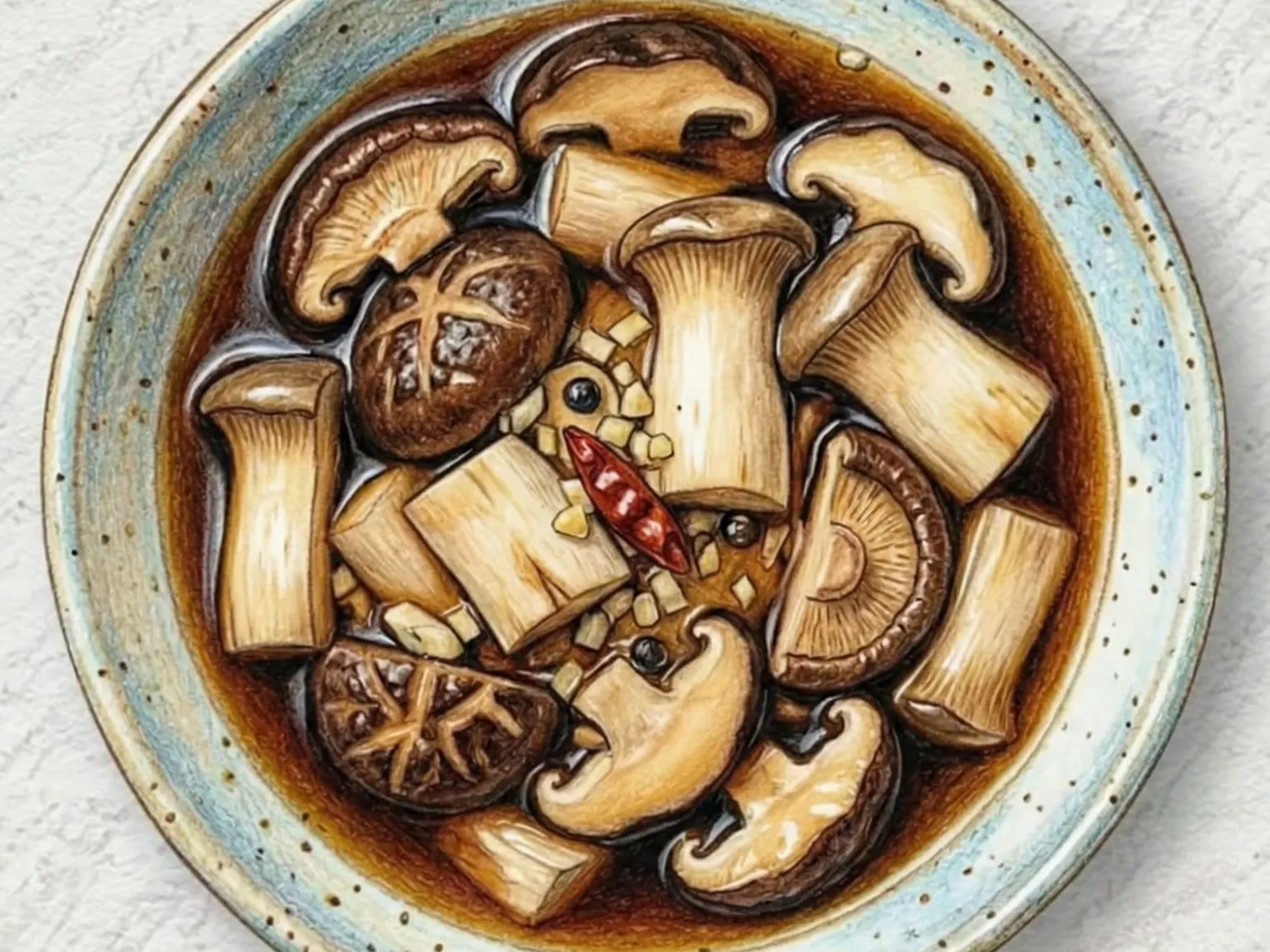
Korean Mushroom Jangajji (Shiitake Oyster Soy Pickle)
Mushrooms that hold water dilute the brine, so blanch them for just 1 minute, rinse in cold water, and squeeze them firmly by hand. Bring 170 ml soy sauce, 220 ml water, 90 ml vinegar, and 55 g sugar to a full boil with 5 sliced garlic cloves and 1 dried red chili, then pour the hot brine slowly over the mushrooms in shallow heatproof containers until they are submerged. Refrigerate promptly and give the seasoning 1 day before serving cold.
Quick answer
- Total time
- At least 1 day 1 min
- Level
- Easy
- Servings
- 4 servings
- Ingredients
- 8
About this dish
Chewy shiitake caps and meaty strips of king oyster mushroom hold their chew through days in a garlicky soy, vinegar and sugar brine with dried chili.
Read more
Cutting both to a similar thickness lets them season at the same pace. One minute of blanching is enough. Any longer and the mushrooms turn soft and watery. Squeezing them firmly afterward matters more than the blanch itself, since leftover water dilutes the brine.
Ingredients
Instructions
- 1
Remove the stems from 180 g shiitake mushrooms, then cut the caps into 4 pieces along the grain.
Slice 220 g king oyster mushrooms lengthwise into 1 cm thick strips so the pieces pickle at a similar rate.
- 2
Bring water to a strong boil over high heat, then add all the mushrooms and blanch for just 1 minute.
Drain as soon as the color deepens slightly, because longer cooking can make the mushrooms soft and watery.
- 3
Rinse the blanched mushrooms in cold water to stop the heat, then drain them in a sieve.
Press firmly by hand to squeeze out moisture, since excess water will dilute the soy, vinegar, and sugar brine.
- 4
Combine 170 ml soy sauce, 220 ml water, 90 ml vinegar, 55 g sugar, 5 sliced garlic cloves, and 1 dried red chili in a pot.
Stir over high heat until the sugar dissolves and the brine reaches a full boil.
- 5
Divide the drained mushrooms among clean, shallow heatproof containers.
Slowly pour in the hot brine until the mushrooms are submerged.
- 6
Refrigerate promptly without waiting for the pickles to cool completely at room temperature.
Let the seasoning develop in the refrigerator for one day before serving cold, and keep refrigerated afterward.
Use-up ingredient planner
Turn these ingredients into two more meals
The overlap excludes basic seasonings. Open the next recipe and your selected dishes will stay with you.
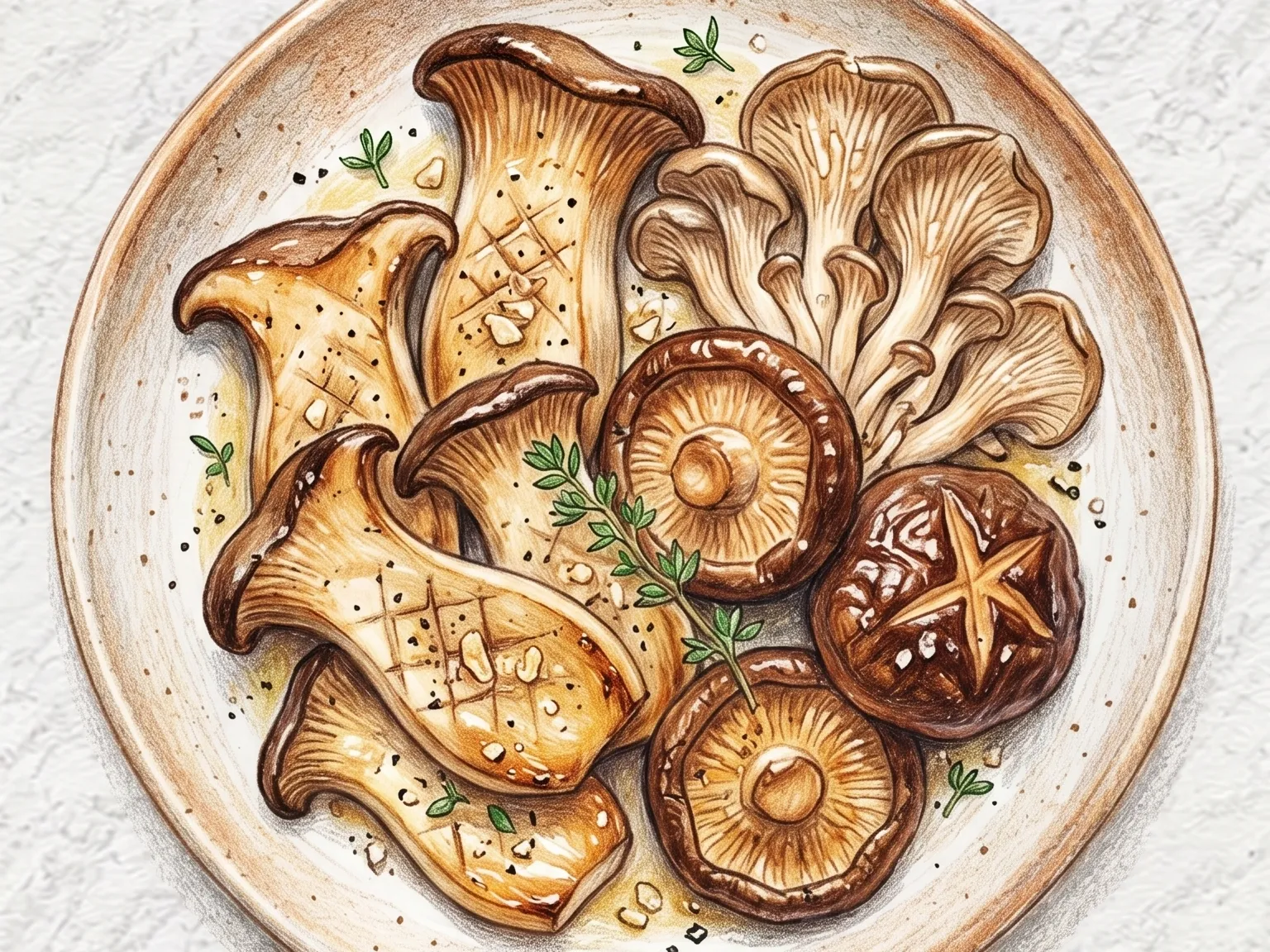
Korean Grilled Mixed Mushrooms
shiitake mushrooms, king oyster mushrooms
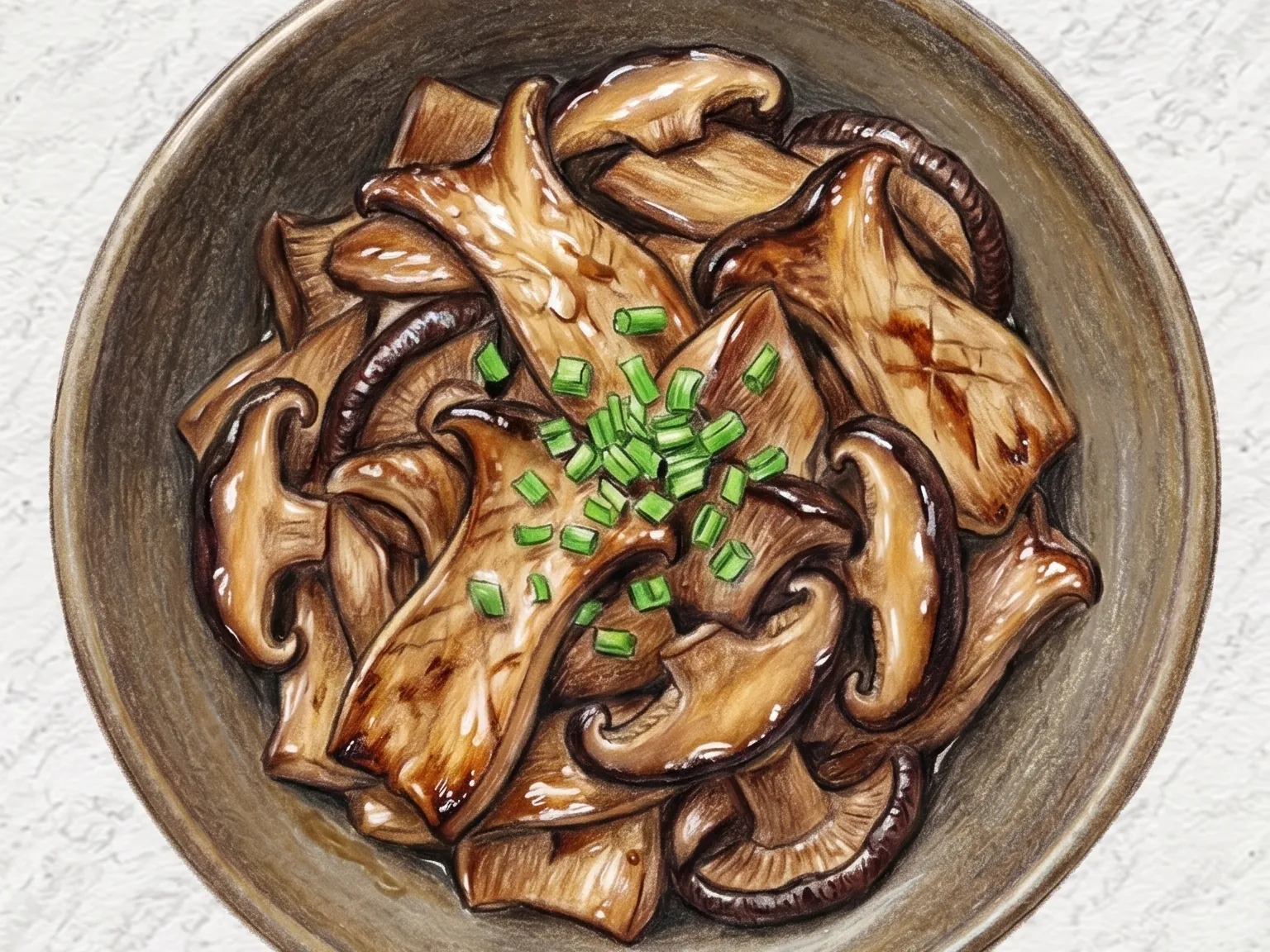
Korean Soy Sauce Stir-Fried Mushrooms
shiitake mushrooms, king oyster mushrooms
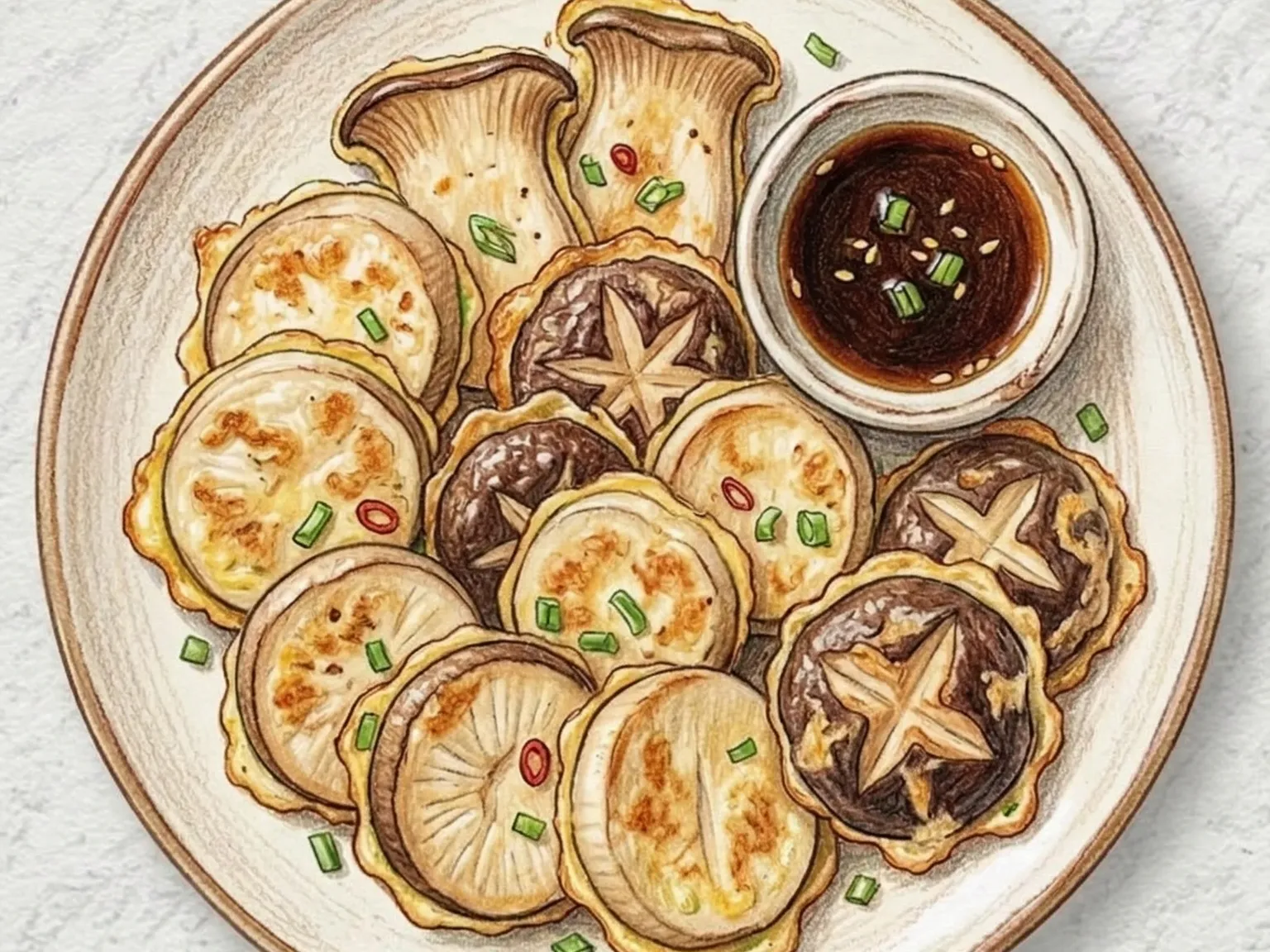
Korean Mushroom Pancake (Crispy Shiitake and King Oyster Jeon)
shiitake mushrooms, king oyster mushrooms