Kimchi Recipes
107 recipes
Kimchi is Korea's iconic fermented food, and there are dozens of varieties beyond the familiar napa cabbage version — cubed radish (kkakdugi), ponytail radish (chonggak), green onion (pa-kimchi), and young radish (yeolmu), to name a few. Jangajji (Korean pickles) are made by preserving vegetables in soy sauce, vinegar, or gochujang.
The fermentation process creates beneficial probiotics and a depth of umami unique to kimchi. Seasonal produce transformed into kimchi and pickles keeps for weeks, making them a constant presence in Korean refrigerators.

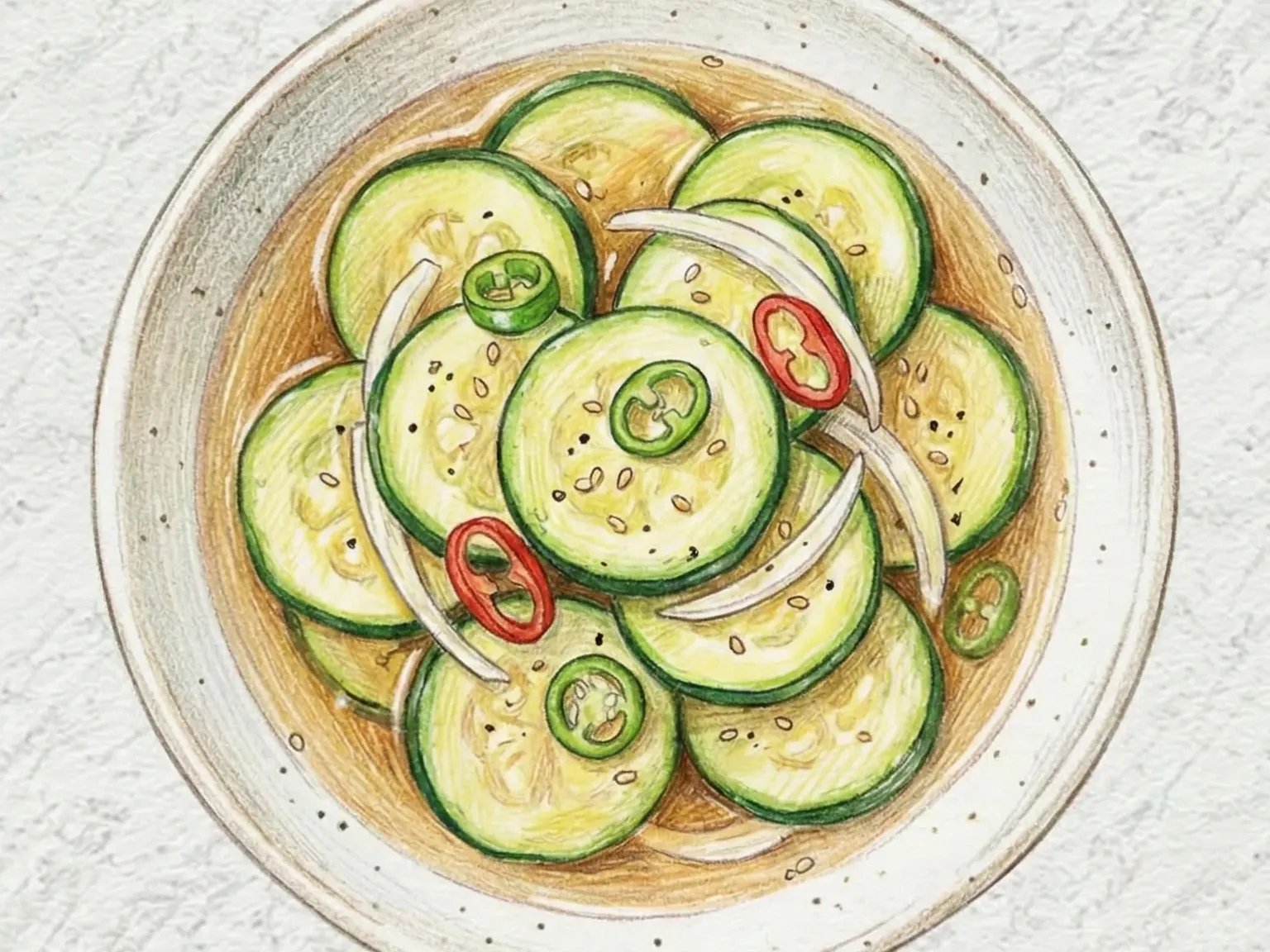
Korean Zucchini Pickles (Soy Vinegar Brine Jangajji)
Jangajji - Korean soy-pickled preserves - date back to a time before refrigeration, when vegetables were preserved in soy brine to last through lean months. This version uses young zucchini, sliced into thick half-moons and layered with onion, cheongyang chili, and whole garlic cloves in a sterilized jar. A boiling-hot brine of soy sauce, vinegar, sugar, and water is poured directly over the vegetables, partially cooking the outer edges while the centers stay crisp. The pickle is ready in 24 hours but deepens in flavor over three days as the sweet-sour-salty brine penetrates fully. Unlike fresh banchan that must be eaten the same day, jangajji keeps for two weeks in the refrigerator, making it a reliable side dish to pull out whenever the meal needs a bright, tangy counterpoint.

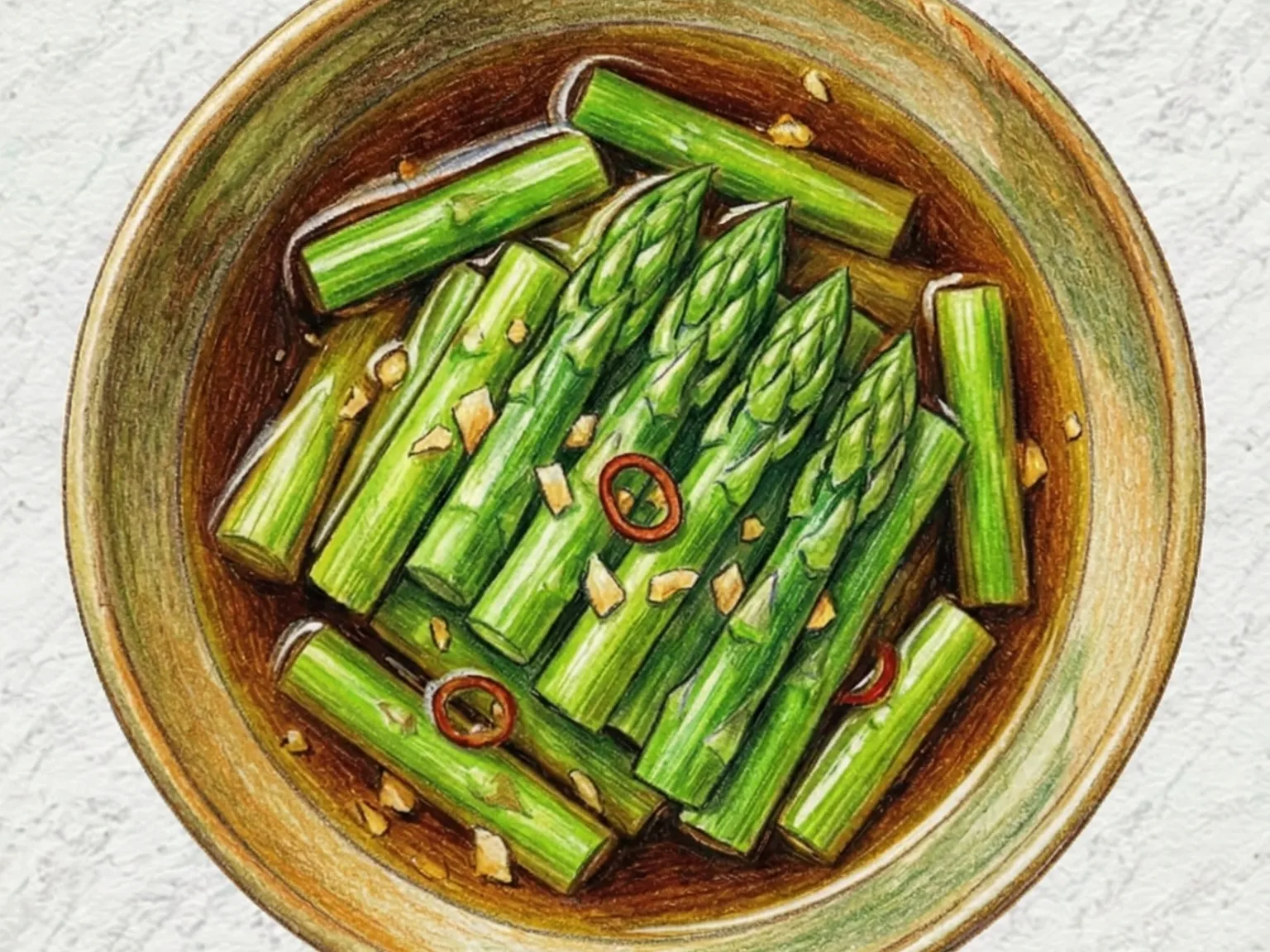
Korean Soy Pickled Asparagus
This pickle applies the Korean jangajji tradition - soy-brine preservation - to asparagus, a vegetable that Koreans adopted relatively recently but now use freely across banchan. The asparagus is blanched for just 20 seconds to set its color and soften the fibrous outer layer, then immediately shocked in ice water to lock in a vivid green and a firm, snapping texture. Packed upright in a sterilized jar, the spears are covered with a boiling brine of soy sauce, rice vinegar, sugar, and water that partially cooks the surface while the core stays crisp. Within 24 hours the brine penetrates enough for the pickle to be edible, but the flavor peaks at three days when the sweet-sour-salty balance has fully developed. Unlike most jangajji that use root vegetables or dense greens, asparagus brings a distinctive grassy, almost herbal note to the preserved format. Keeps refrigerated for two weeks.

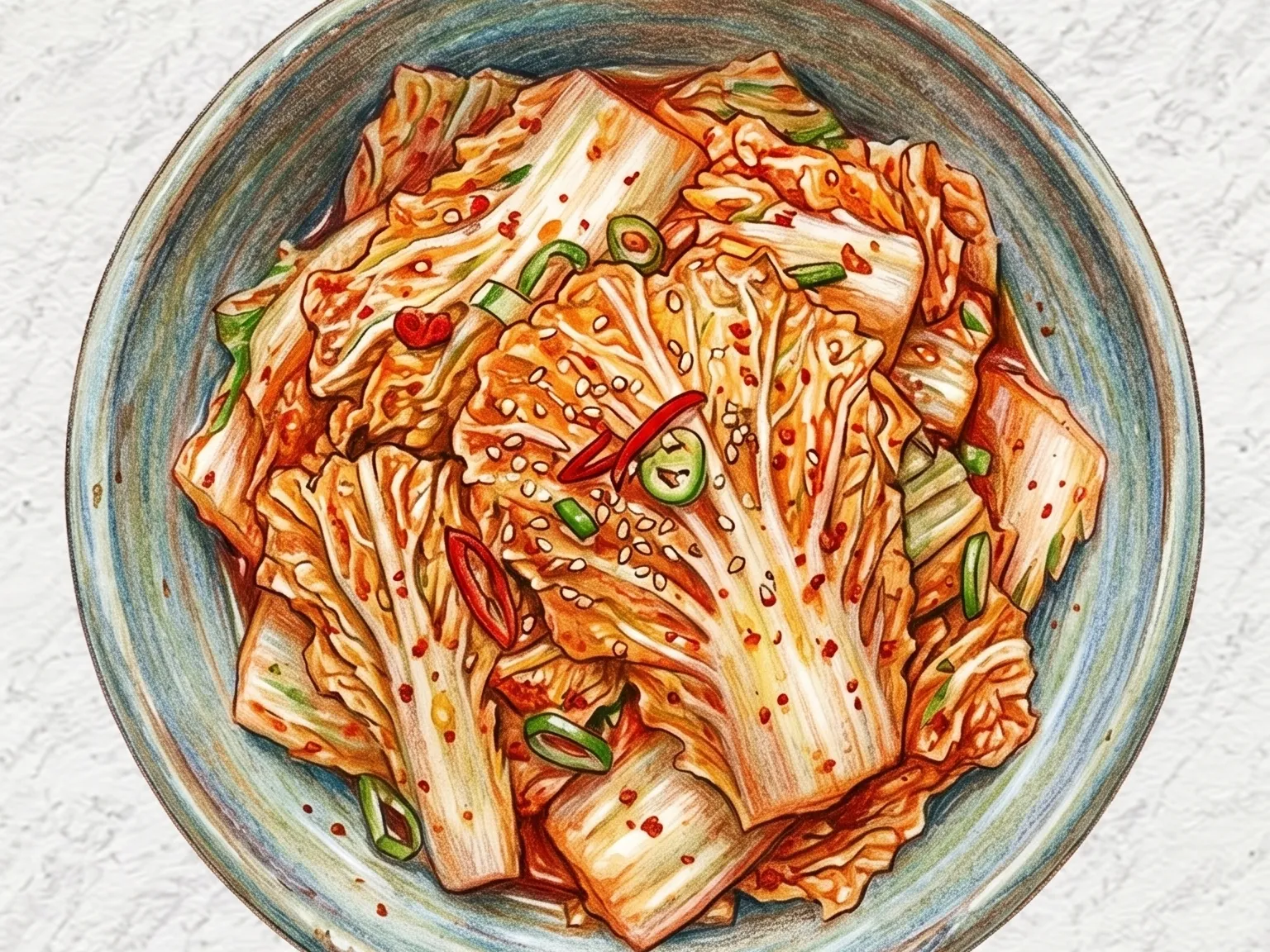
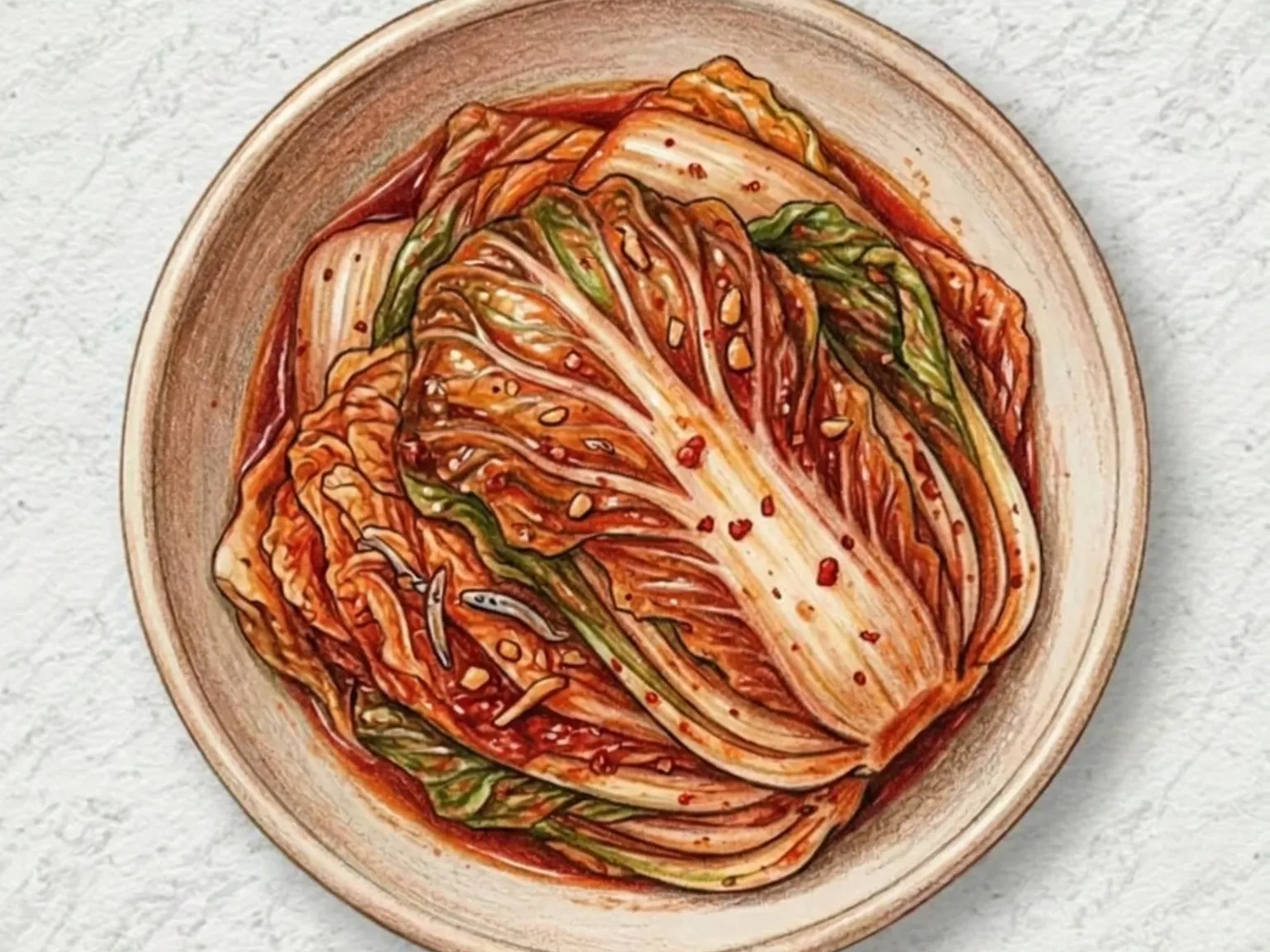
Korean Napa Cabbage Kimchi
Baechu kimchi is Korea's defining fermented food, made by salting napa cabbage and layering it with a paste of gochugaru, anchovy fish sauce, garlic, ginger, and glutinous rice paste. The cabbage is salted with coarse sea salt for six to eight hours until the stems become flexible but retain their crunch; under-salting leads to mushy kimchi, while over-salting masks the seasoning flavors. The glutinous rice paste serves a dual purpose: it acts as a glue that helps the seasoning adhere to each leaf, and it provides sugars that feed lactobacillus during fermentation. Julienned radish mixed into the filling adds textural contrast, and scallions contribute another layer of savory depth. After one day at room temperature to kick-start fermentation, the kimchi moves to the refrigerator where acidity develops slowly. At two to three weeks, the heat from gochugaru, the umami from fish sauce, and the tang from lactic acid reach their optimal balance.

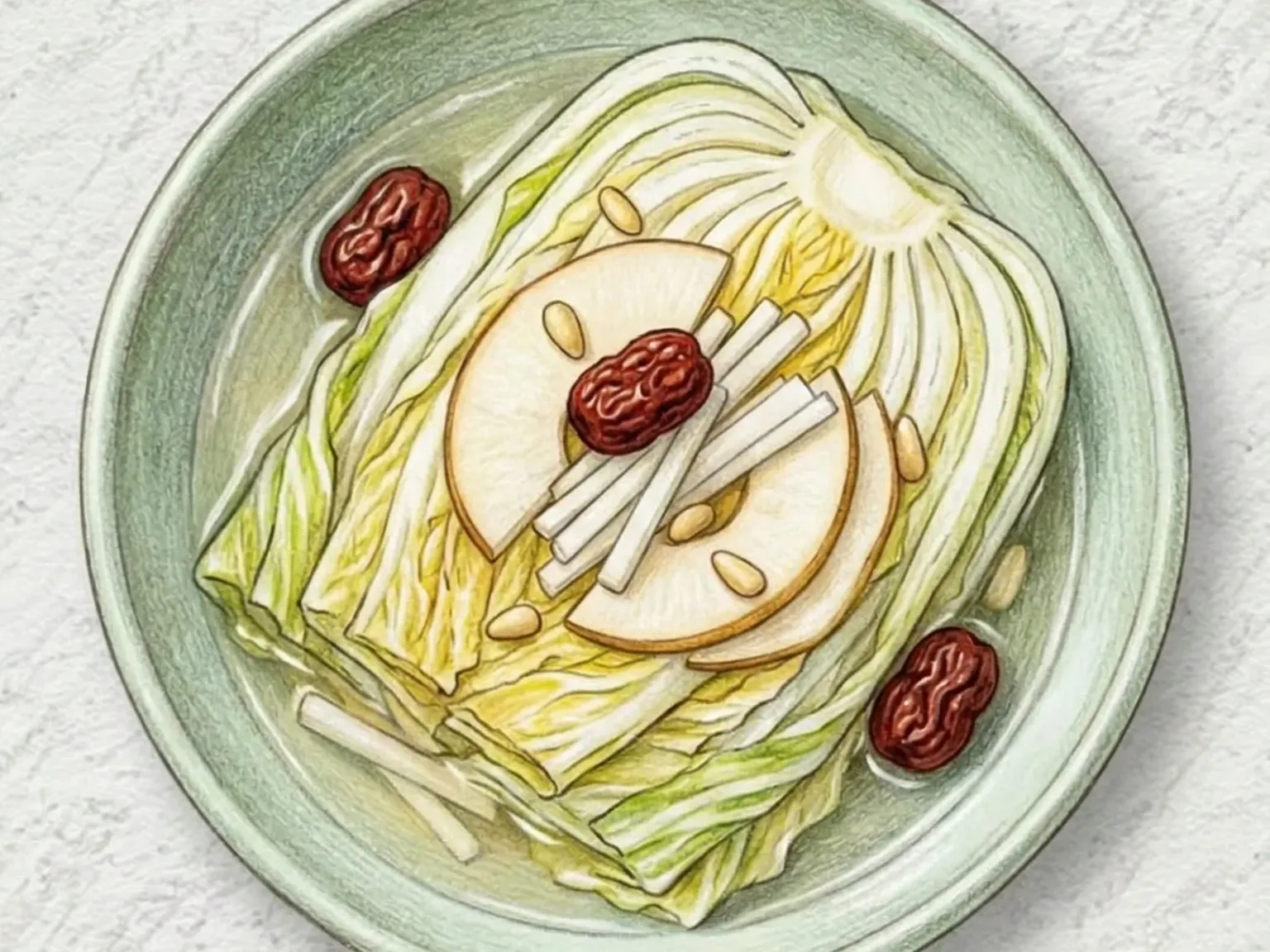
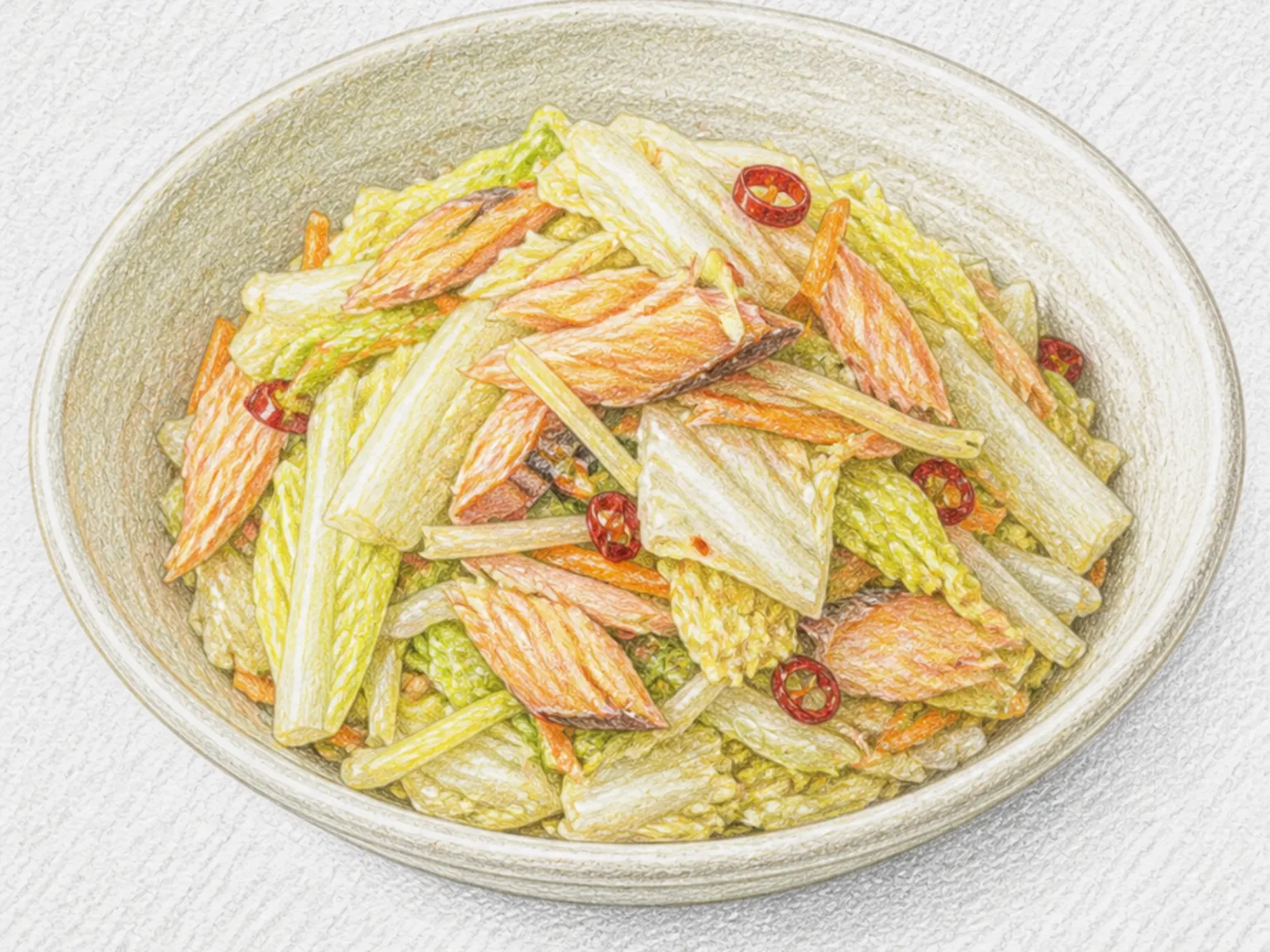
Korean White Kimchi (Non-Spicy Napa Pear Fermented)
Baek kimchi is a Korean white kimchi made without gochugaru, producing a completely non-spicy, clear-broth fermented vegetable. Napa cabbage is salted and wilted, rinsed, then layered with julienned radish, sliced garlic, and ginger tucked between the leaves. Pureed pear serves as a natural sugar source that feeds the fermentation, while dried jujubes add a subtle background sweetness to the brine. Salted water is poured over the assembled cabbage, the container is sealed, and after one day at room temperature the kimchi moves to the refrigerator for a slow ferment. Without chili heat, the flavor profile centers on the clean lactic acidity that develops over time, balanced by the fruit sweetness and the warm bite of garlic and ginger. The fermentation is slower than standard kimchi, reaching its optimal taste at two to three weeks. It is eaten with its brine, either on its own or as a palate cleanser alongside rich meat dishes.

Korean Coastal Herb Pickle
Bangpungnamul jangajji is a Korean soy-pickled side dish made from coastal hog fennel, a spring herb with a distinctive fragrance and mild bitterness. The pickling liquid is prepared by boiling soy sauce, water, vinegar, and sugar together, then pouring it hot over the cleaned herb in a jar. Garlic cloves and ginger slices added to the brine contribute additional aromatic depth. After about two days of marination, the herb absorbs enough of the soy-vinegar liquid to become flavorful, and the taste continues to develop over subsequent weeks. The pickle keeps for over a month under refrigeration and is served in small portions alongside rice. Its pungent, slightly bitter character acts as a palate stimulant between bites of milder dishes.

Korean Coastal Hogfennel Kimchi
Bangpungnamul kimchi is a seasonal Korean kimchi made by dressing coastal hogfennel herb in a chili-based seasoning paste. The herb is first lightly salted to soften its fibers, then mixed with Korean chili flakes, anchovy fish sauce, soup soy sauce, minced garlic, and ginger. Sweet rice paste acts as a binder, helping the seasoning adhere evenly to each leaf. Sliced scallions are folded in for a crisp textural element. The herb's natural bitterness mellows noticeably during fermentation, producing a flavor profile distinct from standard napa cabbage kimchi. One day at room temperature followed by refrigerated storage achieves a balanced level of fermentation that preserves the herb's character while developing lactic acidity.

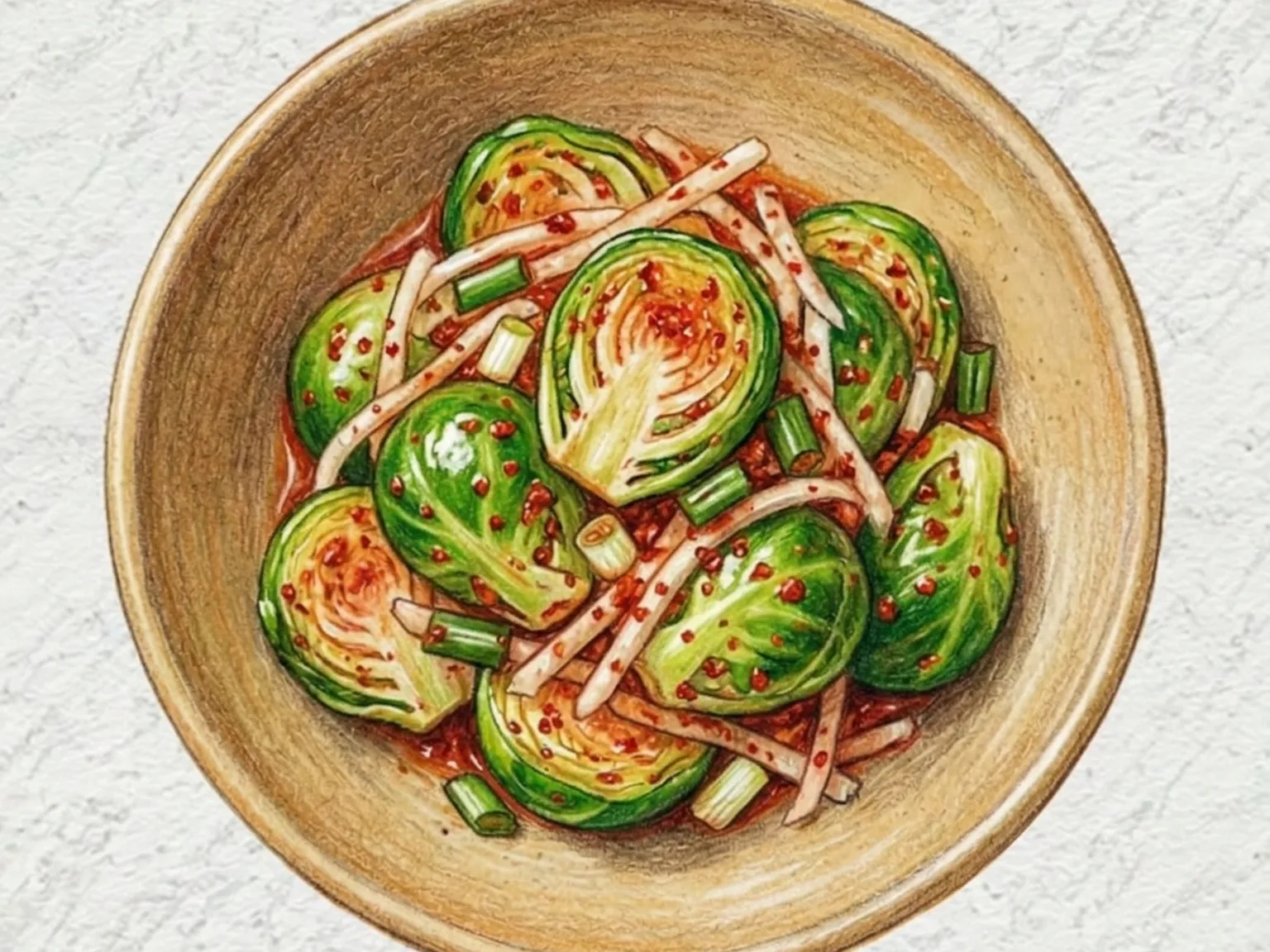
Korean Bangwool Yangbaechu Kimchi (Brussels Sprout Kimchi)
Bangwool yangbaechu kimchi is a creative Korean kimchi made from halved Brussels sprouts brined in salt, then dressed with gochugaru, fish sauce, garlic, and apple. The sprouts retain their firm, dense crunch even after salting, releasing a natural sweetness as you chew that balances the spicy-salty seasoning. Apple adds a fruit sweetness that softens the chili heat, and scallions contribute a fresh note. This seasonal kimchi combines the fermented depth of traditional kimchi with the compact, sweet character of Brussels sprouts.

Korean Soy Pickled Beet (Vinegar Soy Brine Jangajji)
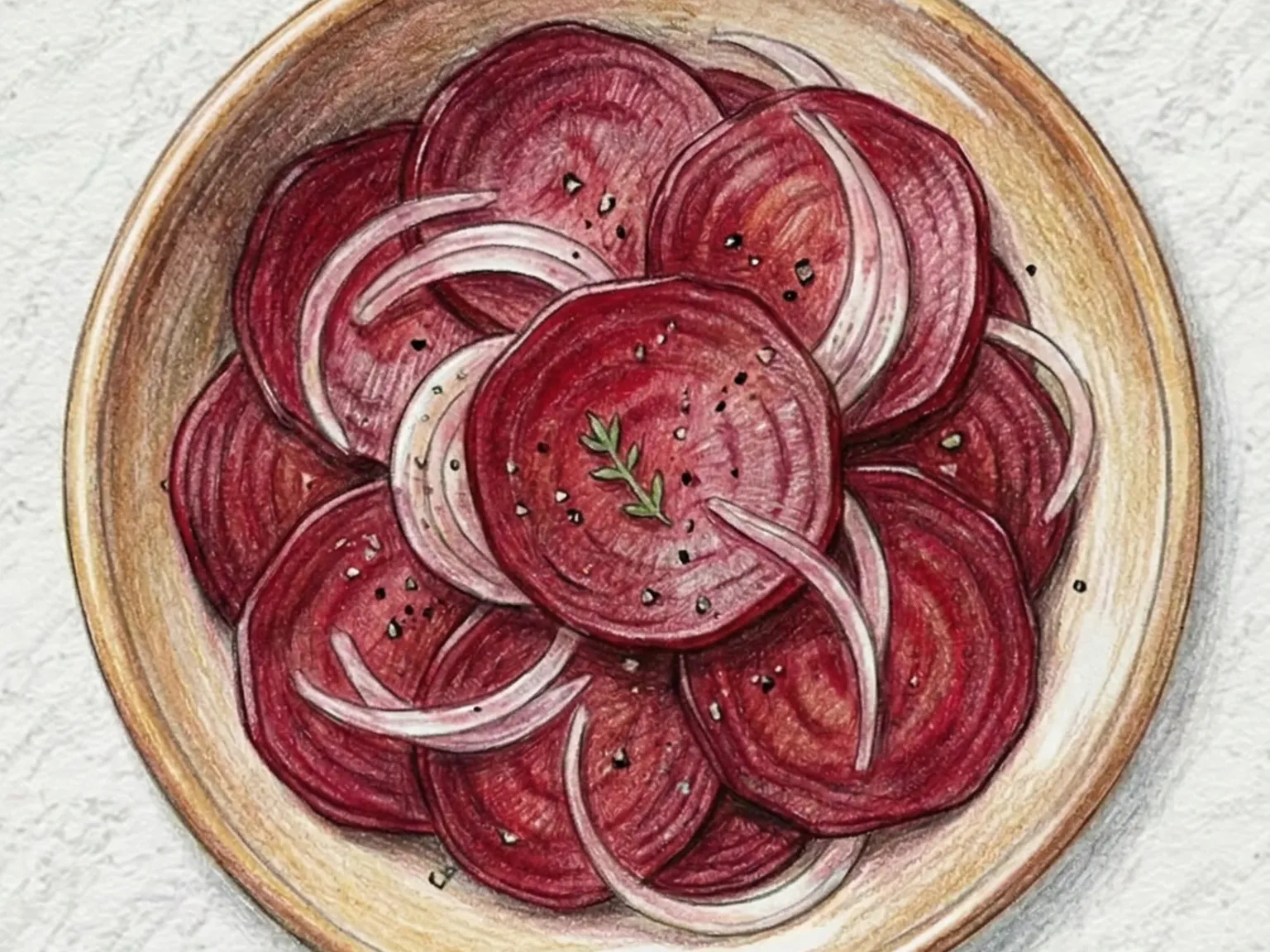
Beet jangajji is a Korean soy-pickled beet prepared by slicing beets thin and submerging them in a cooled brine of soy sauce, vinegar, and sugar. The vinegar cuts through the beet's earthy undertone, leaving a clean sweetness sharpened by acidity, while onion adds a mellow depth to the pickling liquid. As the brine cools, the beet's vivid red pigment bleeds into the liquid, creating a striking appearance. After at least a day of pickling, the flavor penetrates fully, making this a crisp, refreshing side dish alongside rice or grilled meats.

Korean Beet Radish Pickle
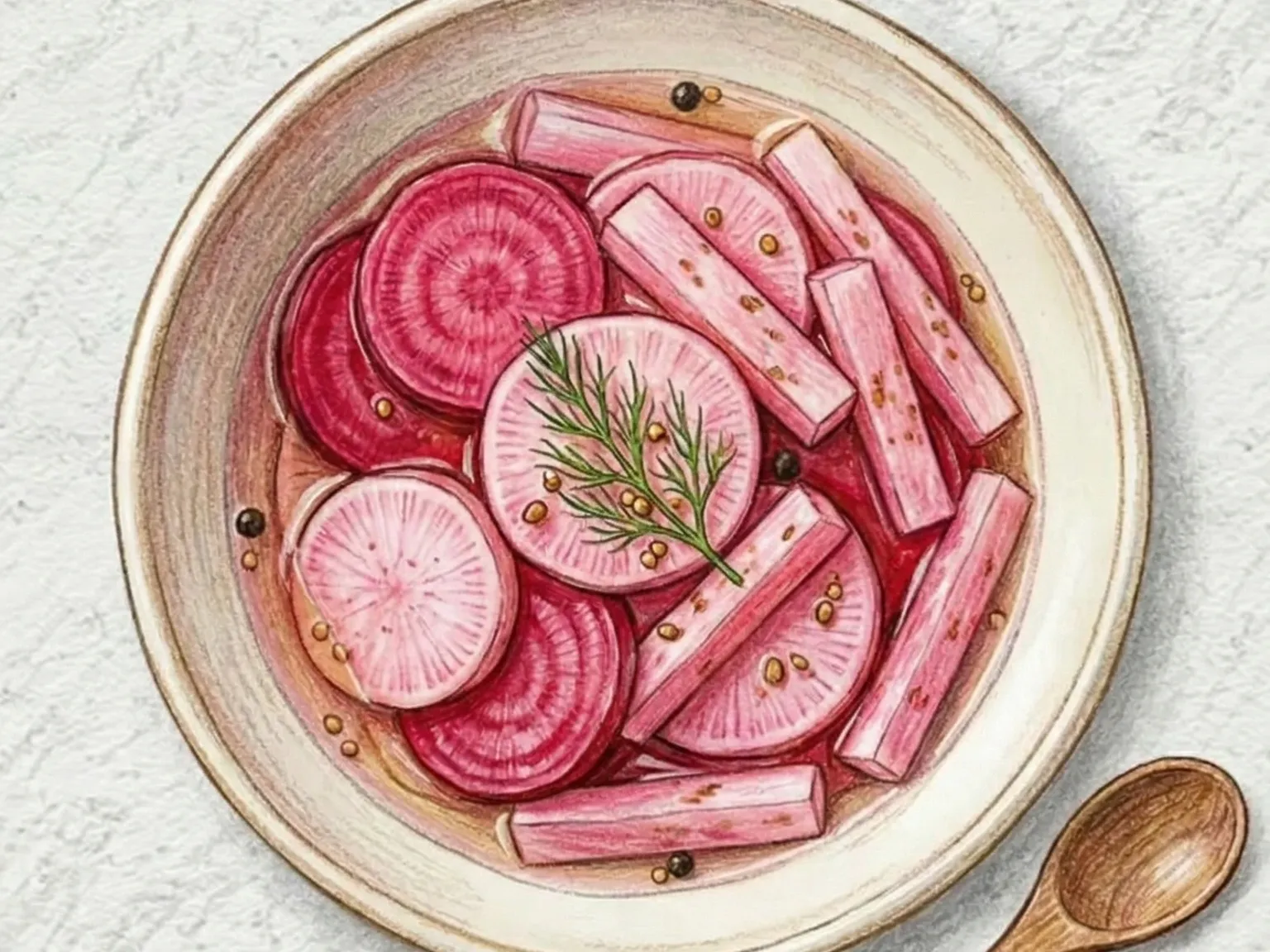
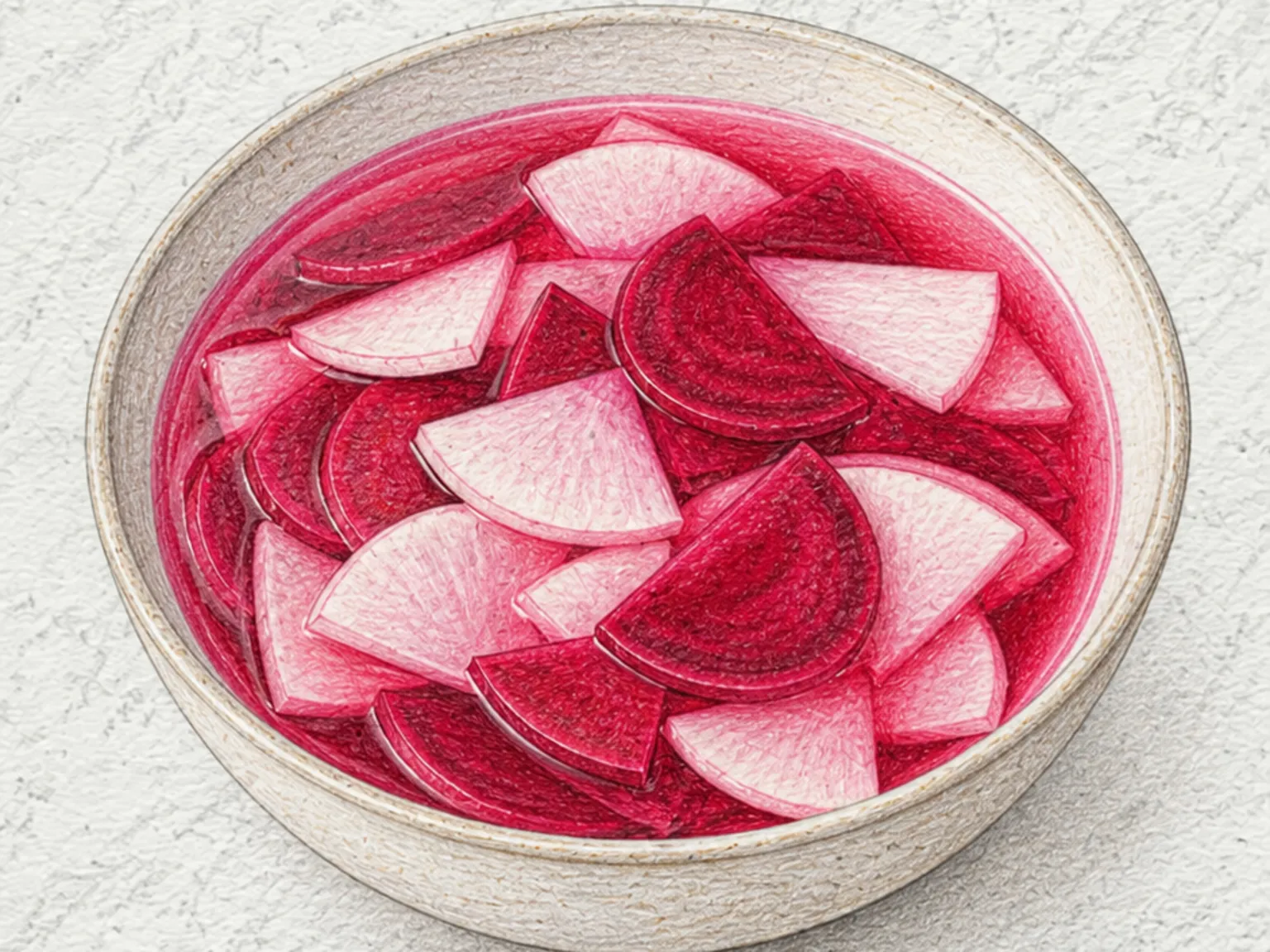
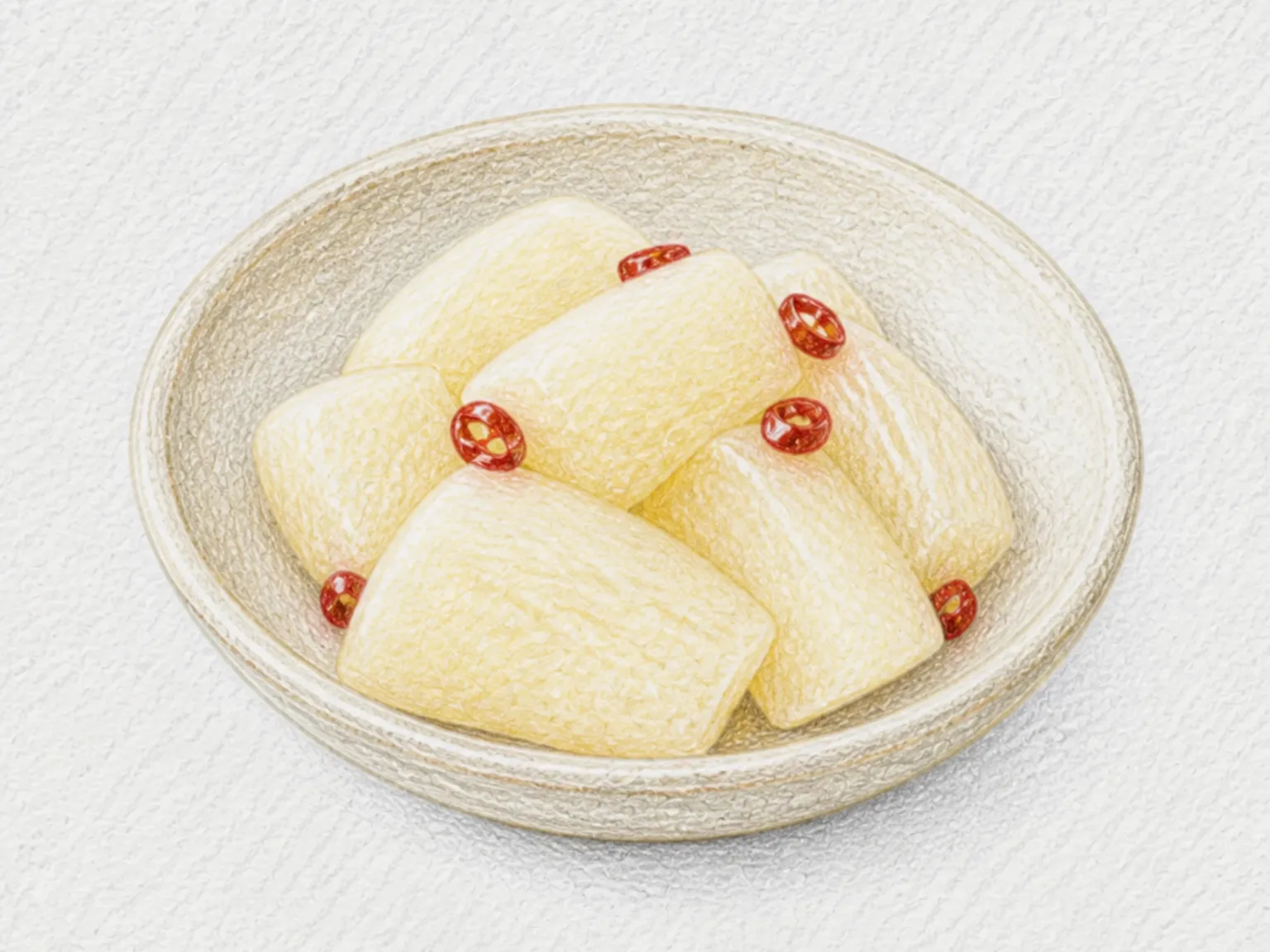
Beet mu pickle is a Korean pickle of beet and Korean radish cured together in a vinegar, sugar, and salt brine. The beet's intense red pigment dyes the radish pieces a vivid pink, while the radish contributes its crisp, snapping texture alongside the beet's mellow sweetness. Vinegar keeps the overall flavor bright and refreshing, and sugar smooths out any sharp acidity. This colorful pickle works as a palate cleanser alongside rich meats or as a crunchy side with Korean street food.

Korean Mushroom Jangajji (Shiitake Oyster Soy Pickle)
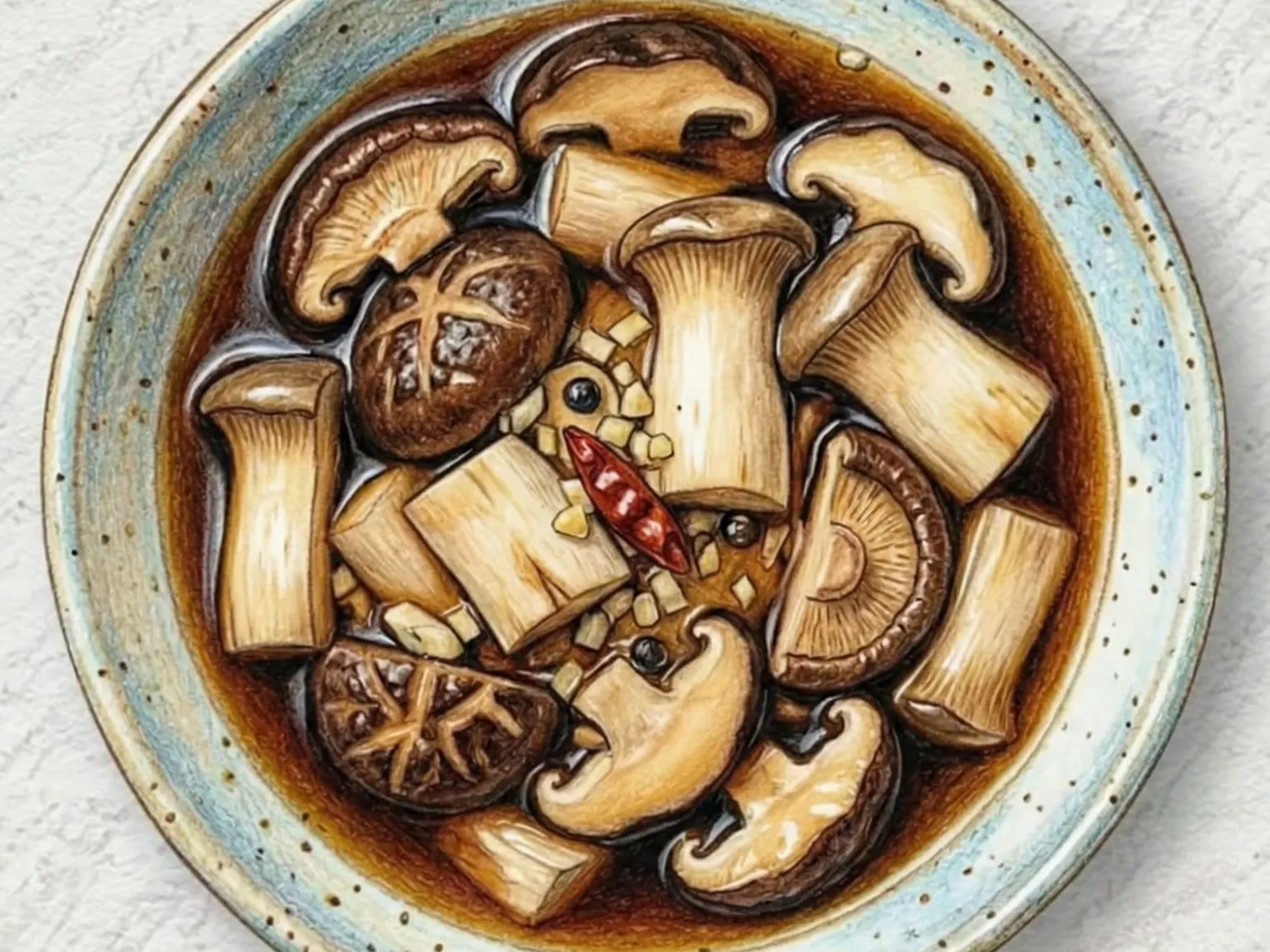
Beoseot jangajji is a Korean pickled mushroom side dish made by blanching shiitake and king oyster mushrooms, then submerging them in a soy sauce, vinegar, and sugar brine. The shiitake keeps its thick, meaty chew while the king oyster stays firm and springy, each absorbing the pickling liquid at its own rate. Soy sauce provides a deep umami foundation that vinegar lifts with its acidity, creating a flavor profile that feels substantial even without meat. Refrigerated, this jangajji keeps for over a week, making it a practical pantry banchan.

Korean Beoseot Kimchi (Mushroom Kimchi)
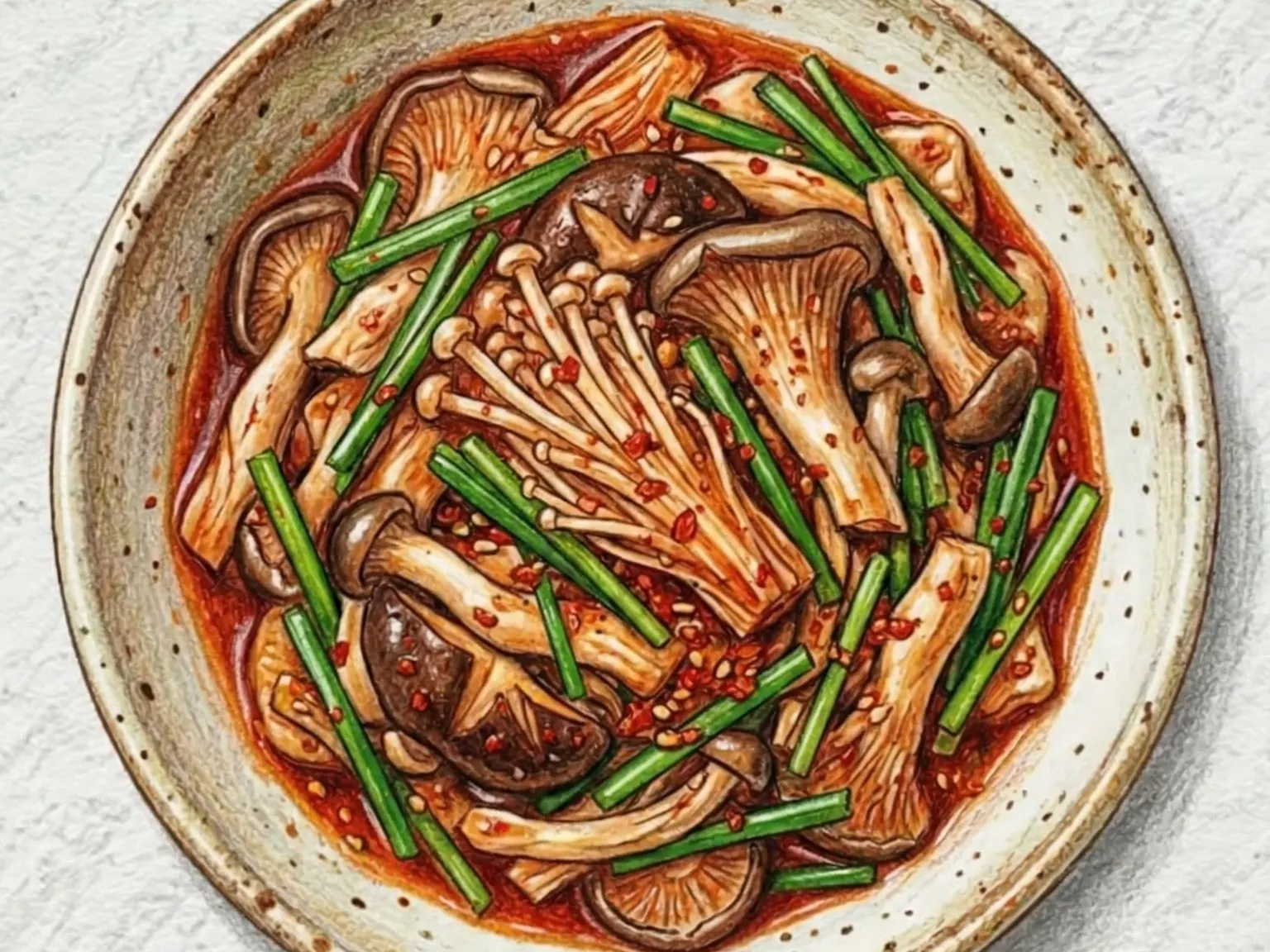
Beoseot kimchi is a Korean mushroom kimchi made by blanching oyster and shiitake mushrooms, then tossing them with gochugaru, fish sauce, garlic, and garlic chives. The blanched mushrooms stay moist and springy while the seasoning coats them evenly with a spicy, briny depth. Fish sauce brings the concentrated saltiness characteristic of fermented Korean condiments, and the chives add a fresh, grassy lift. Unlike cabbage kimchi, this version requires no extended fermentation and can be eaten immediately after preparation.

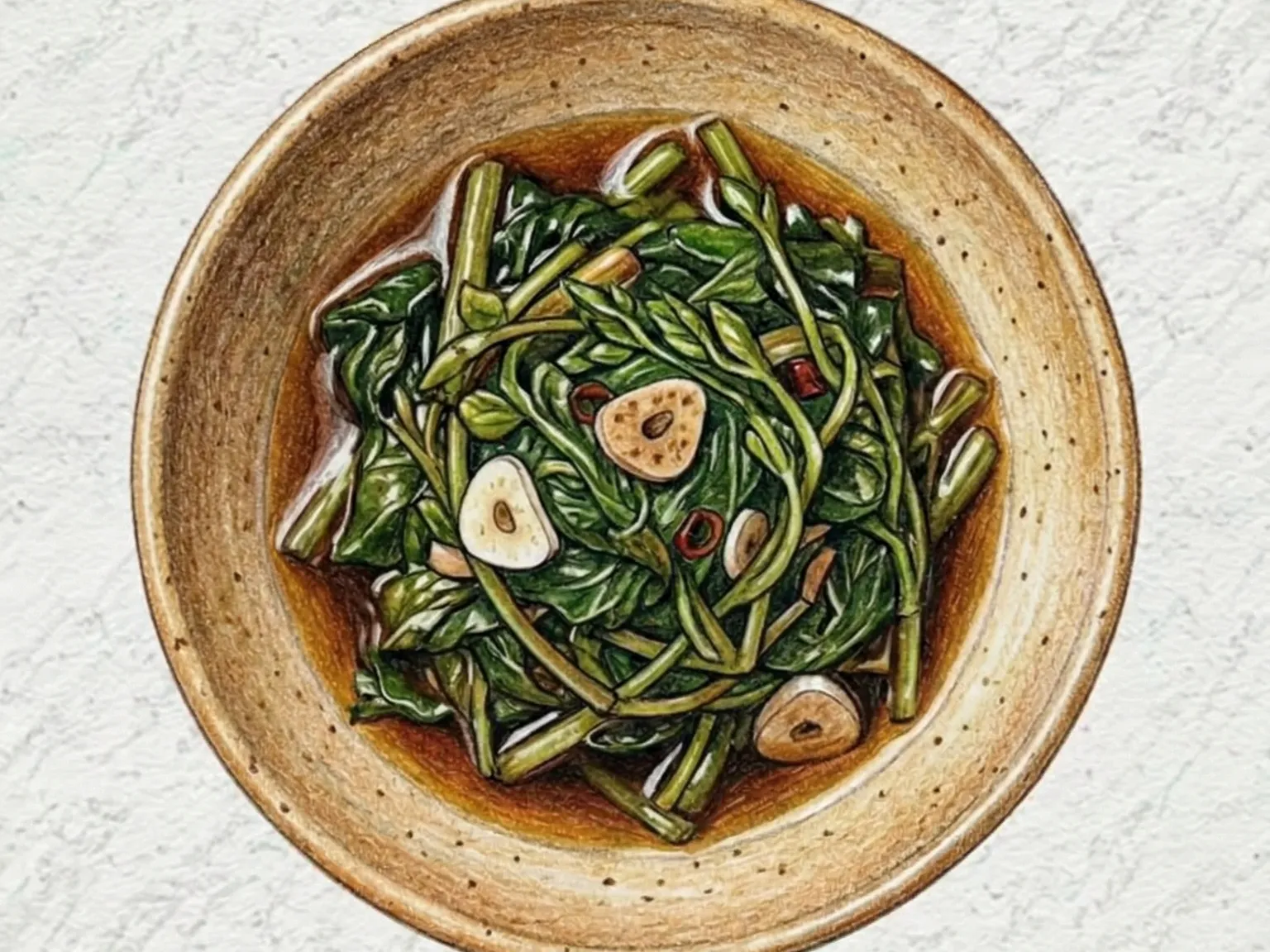
Korean Amaranth Greens Pickles
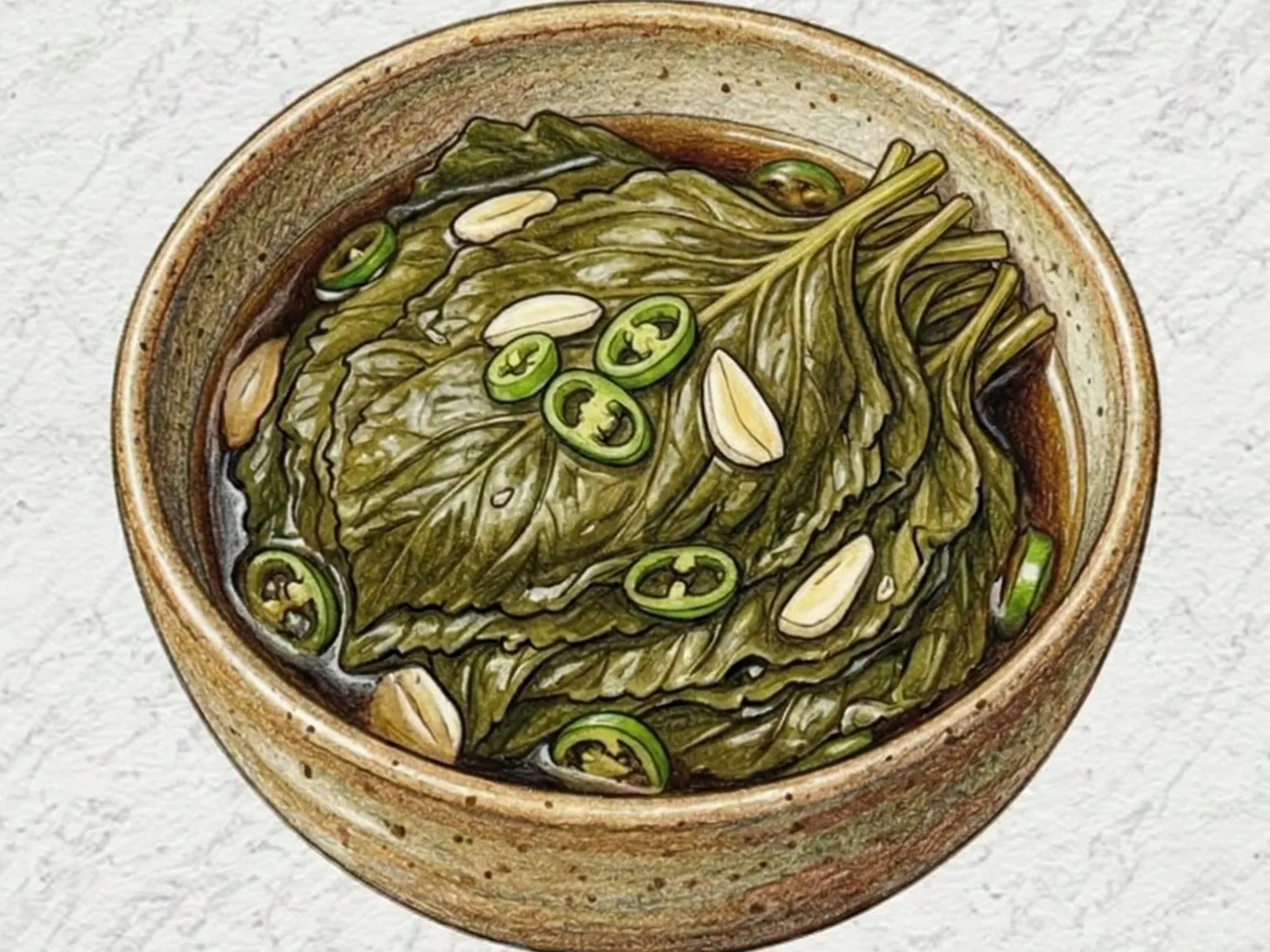
Bireumnamul jangajji is a Korean soy-vinegar pickle of amaranth greens, prepared by submerging the tender leaves in a boiled brine of soy sauce, vinegar, and sugar with cheongyang chili and garlic. The soft leaves absorb the pickling liquid quickly, taking on a balanced sweet-salty flavor within a day. Vinegar cleans up any grassy taste from the raw greens, and the chili and garlic add a sharp kick at the finish. This is a practical way to preserve seasonal amaranth greens, turning them into a banchan that keeps well refrigerated for extended use.

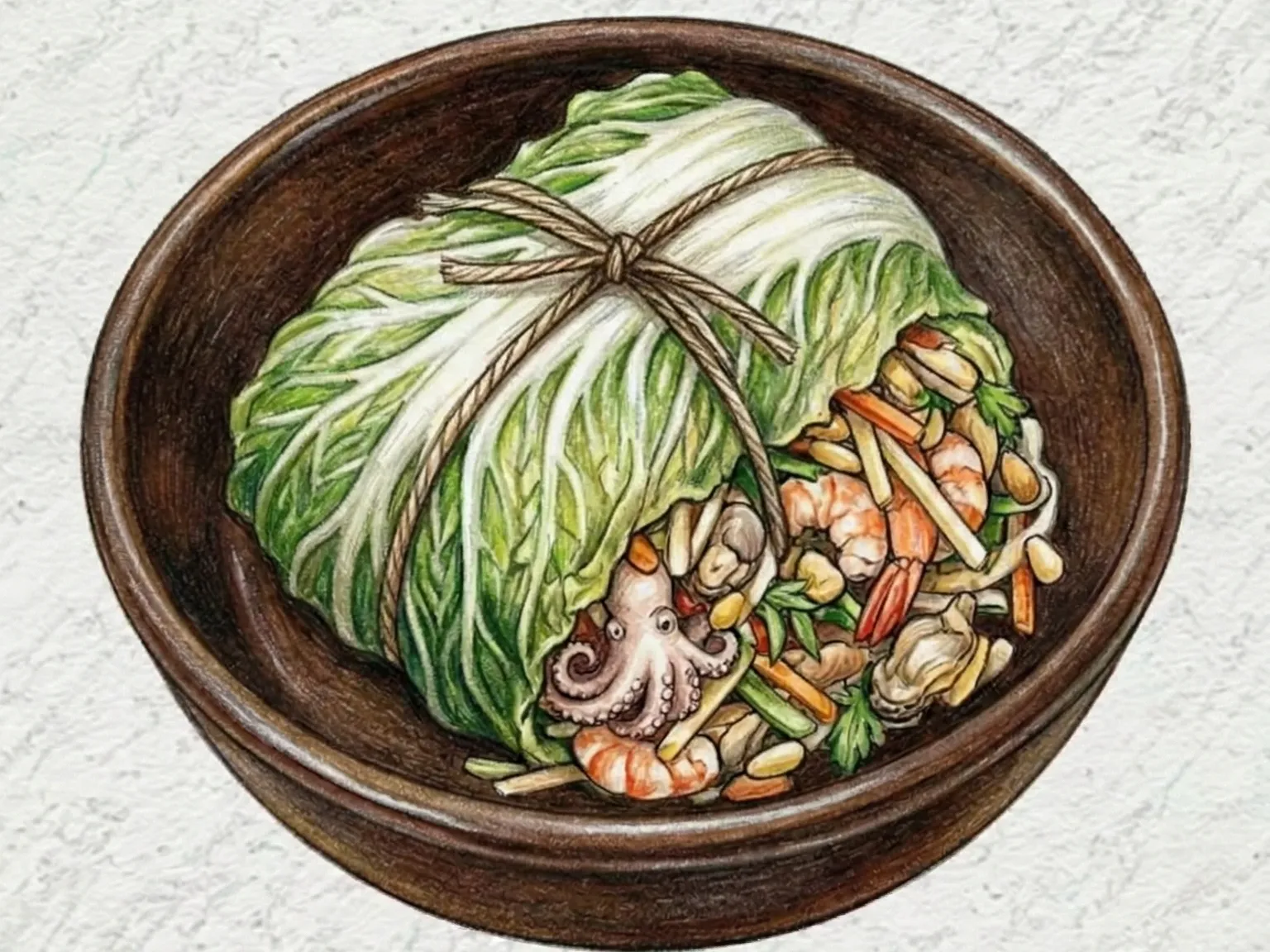
Korean Stuffed Bossam Kimchi
Bo-kimchi is a premium Korean stuffed kimchi where brined napa cabbage leaves are wrapped around a filling of julienned radish, water dropwort, chestnuts, jujubes, shrimp, and pine nuts, then tied and left to ferment. Each ingredient in the stuffing contributes its own flavor during fermentation, building a complex layered taste enclosed in a single cabbage bundle. Shrimp and pine nuts add richness, while chestnuts and jujubes lend a subtle sweetness that sets this apart from everyday kimchi. This is a celebratory preparation traditionally made for holidays and formal occasions in Korean court cuisine.

Korean Pickled Broccoli (Blanched Soy Vinegar Brine)
Broccoli jangajji is a Korean pickled broccoli dish prepared by briefly blanching florets and stems, then submerging them in a cooled brine of soy sauce, vinegar, and sugar. The short blanch preserves two distinct textures: crunchy stems and tender floret heads. The tangy vinegar and savory soy in the brine add depth to the broccoli's mild, clean flavor, while bell pepper and onion contribute natural sweetness and visual contrast. Simple to prepare and easy to store refrigerated, this is a practical everyday banchan.

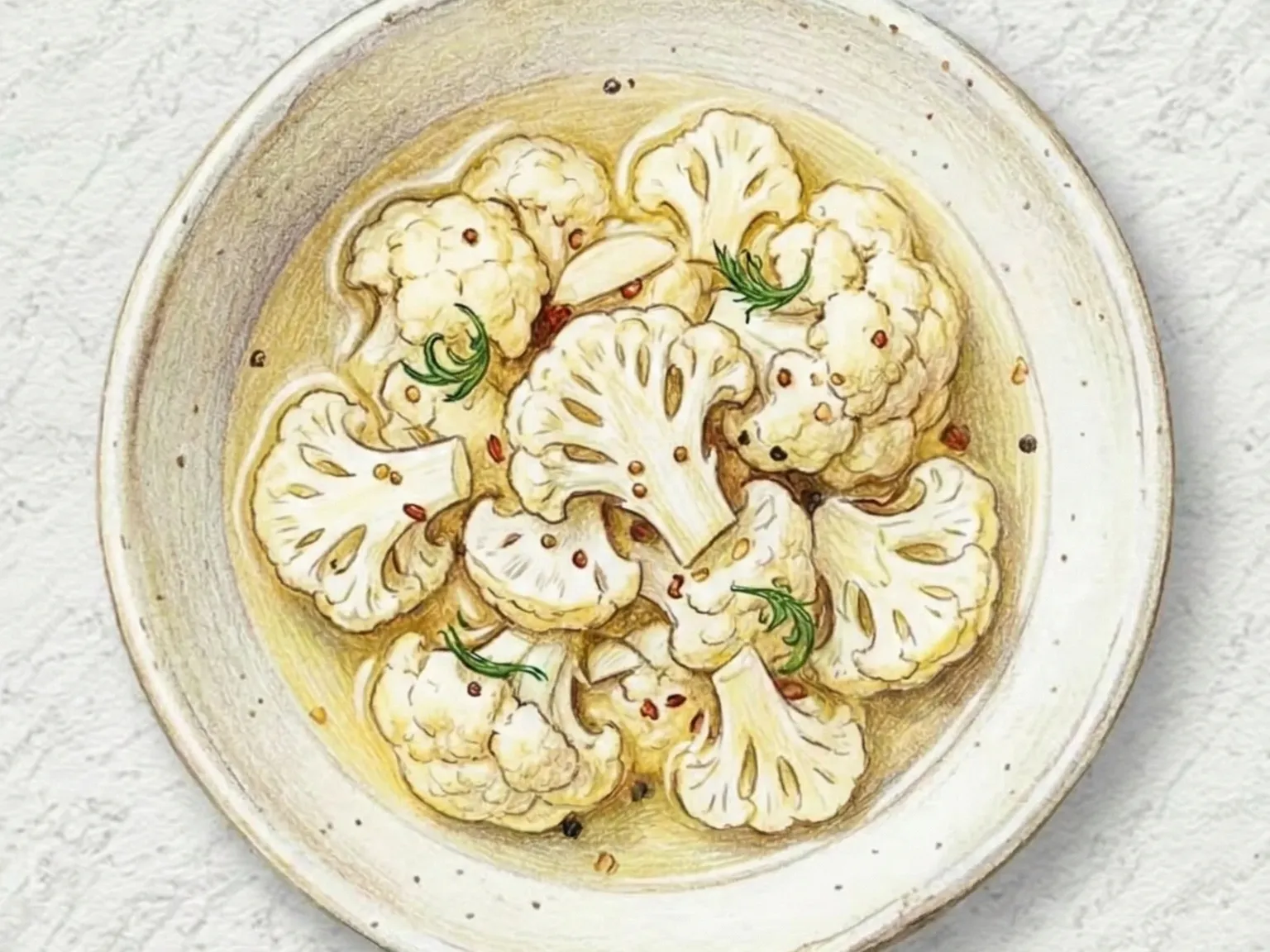
Korean Cauliflower Jangajji (Pickled Cauliflower)
Crunchy, tangy, and addictively snackable - Korean pickled cauliflower in a sweet-sour soy brine that stays crisp for days. Florets are broken into bite-sized pieces and soaked in a boiled-and-cooled brine of soy sauce, vinegar, and sugar. The dense structure absorbs the pickling liquid gradually while keeping its firm crunch intact. A perfect palate cleanser alongside fried chicken, BBQ, or any rich dish on the Korean table.

Korean Celery Jangajji (Blanched Soy Lemon Pickle)
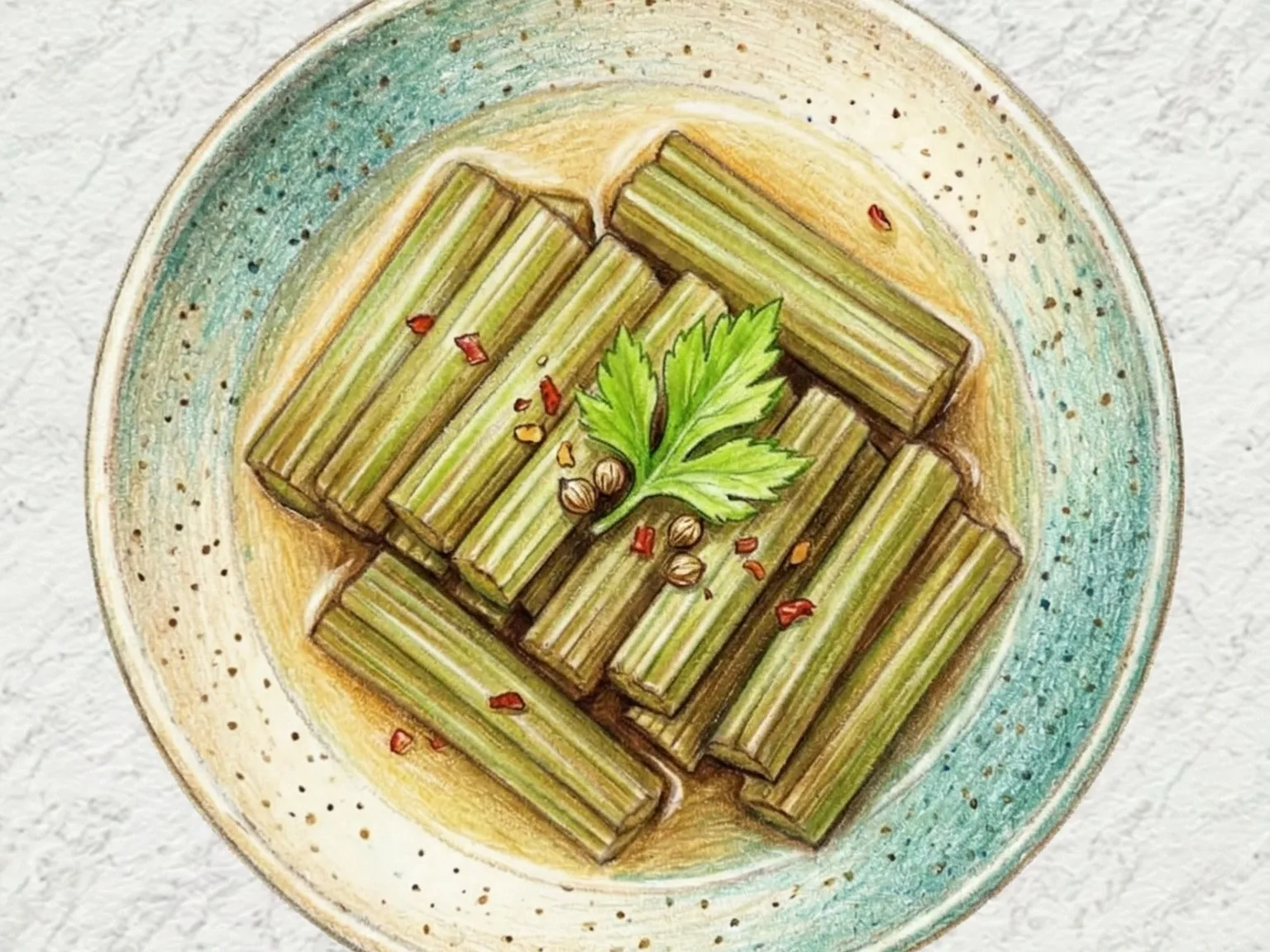
Celery jangajji is a Korean soy pickle made by briefly blanching celery stalks to soften their fibrous exterior, then submerging them in a boiled brine of soy sauce, vinegar, and sugar. Peeling the tough outer strings and cutting into five-centimeter pieces before a thirty-second blanch removes the raw grassy edge while preserving the celery's distinctive cool, herbal fragrance. Lemon slices and whole garlic cloves added to the jar contribute a gentle citrus brightness and mild pungency that develop as the pickle rests. After two days in the refrigerator, the brine penetrates fully, producing a crisp, tangy side dish that pairs especially well with rich or oily main courses.

Korean Chamnamul Jangajji (Pimpinella Pickles)
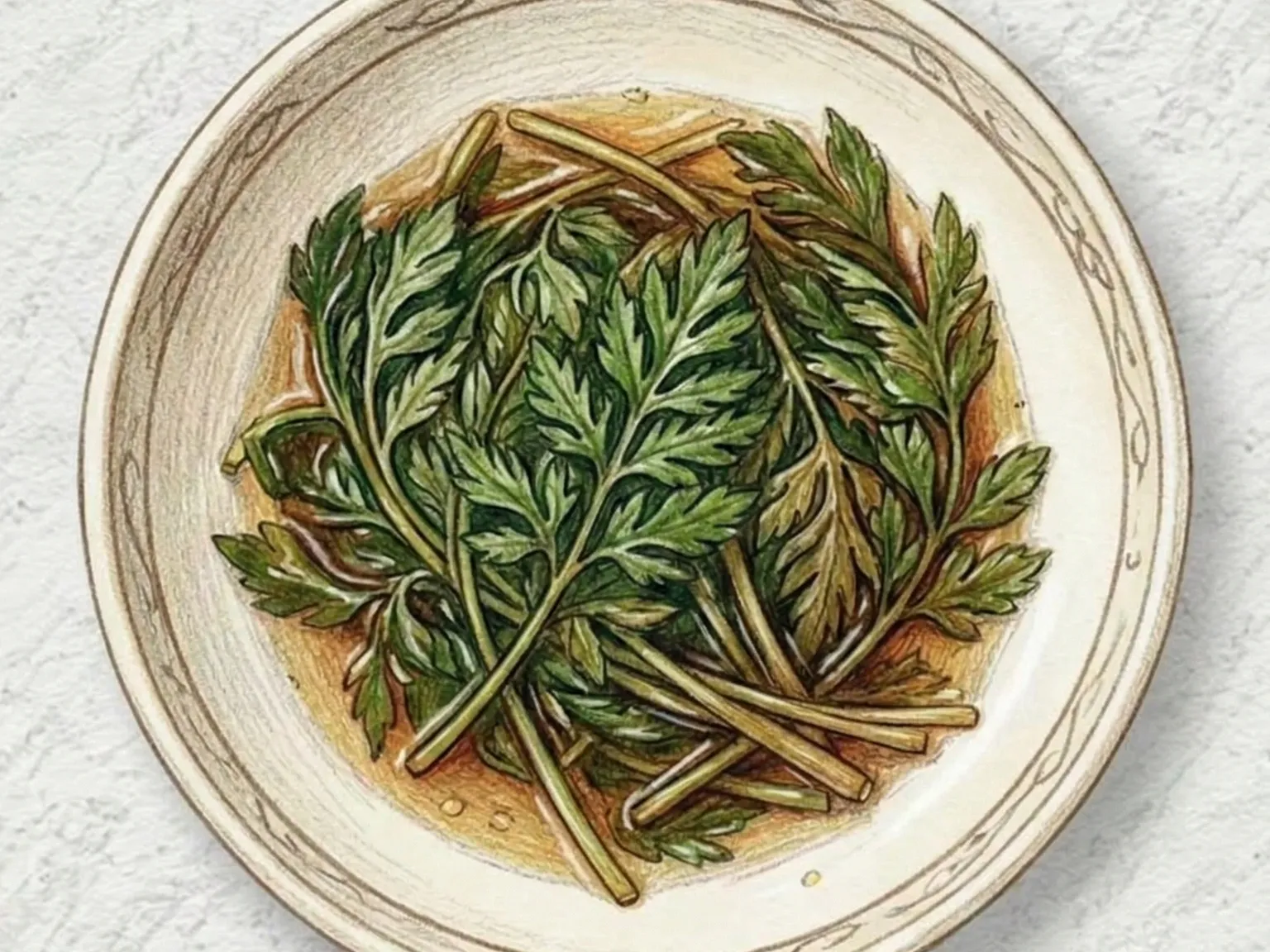
A fragrant Korean spring pickle that captures chamnamul's unique herbal aroma in a gentle soy-and-apple-vinegar brine - ready to eat in just one day. The greens are loosely packed in a jar and covered with warm (not boiling) brine to preserve the volatile aromatics. Apple vinegar produces a rounder, softer acidity than standard rice vinegar, complementing the grassy sweetness of chamnamul. A squeeze of lemon juice brightens the finish. Best consumed within five days for peak fragrance.

Korean Chamnamul Kimchi (Pimpinella Kimchi)
Chamnamul kimchi is a spring kimchi made by salting chamnamul greens for just ten minutes to wilt them slightly, then dressing them in gochugaru, anchovy fish sauce, and salted shrimp without rinsing. Skipping the rinse allows the residual salt to convert into umami during fermentation, deepening the overall flavor. Pureed Korean pear and onion blended with sweet rice paste form the seasoning base, contributing natural sweetness that softens the chili heat. After three hours of initial fermentation at room temperature followed by refrigeration, the kimchi reaches its best balance within one to two days, when the grassy herbal aroma of chamnamul meets the fermented depth of the fish sauce.

Korean Melon Pickle (Korean Melon Soy Vinegar Brine)
Chamoe jangajji is a Korean summer pickle made from firm Korean melon, seeded and sliced into thin half-moons, then cured in a brine of soy sauce, vinegar, and sugar. Salting the melon slices for fifteen minutes draws out excess moisture and prevents the brine from becoming diluted, helping the fruit hold its crunch over time. Sliced ginger added to the jar layers a warm, spicy note beneath the melon's naturally cool, sweet fragrance. After two days of refrigeration the sweet-sour-salty balance settles in, making this a refreshing seasonal banchan that works well on its own with rice or as a tangy topping for summer salads.

Korean Spicy Pollock Tripe Jeotgal
Changnan jeotgal is a traditional Korean fermented condiment made from pollock tripe that is cleaned thoroughly, salted with coarse salt for thirty minutes to firm the texture and draw out moisture, then seasoned with gochugaru, garlic, ginger, and fish sauce. Meticulous washing and complete drying of the tripe are essential for a clean-tasting result. The chili flakes and fish sauce develop a complex, salty umami during fermentation, while a small amount of sesame oil rounds out the aroma. Sealed and refrigerated for at least three days, the jeotgal deepens in flavor over time. Even a small portion placed on hot steamed rice delivers an intense savory punch.

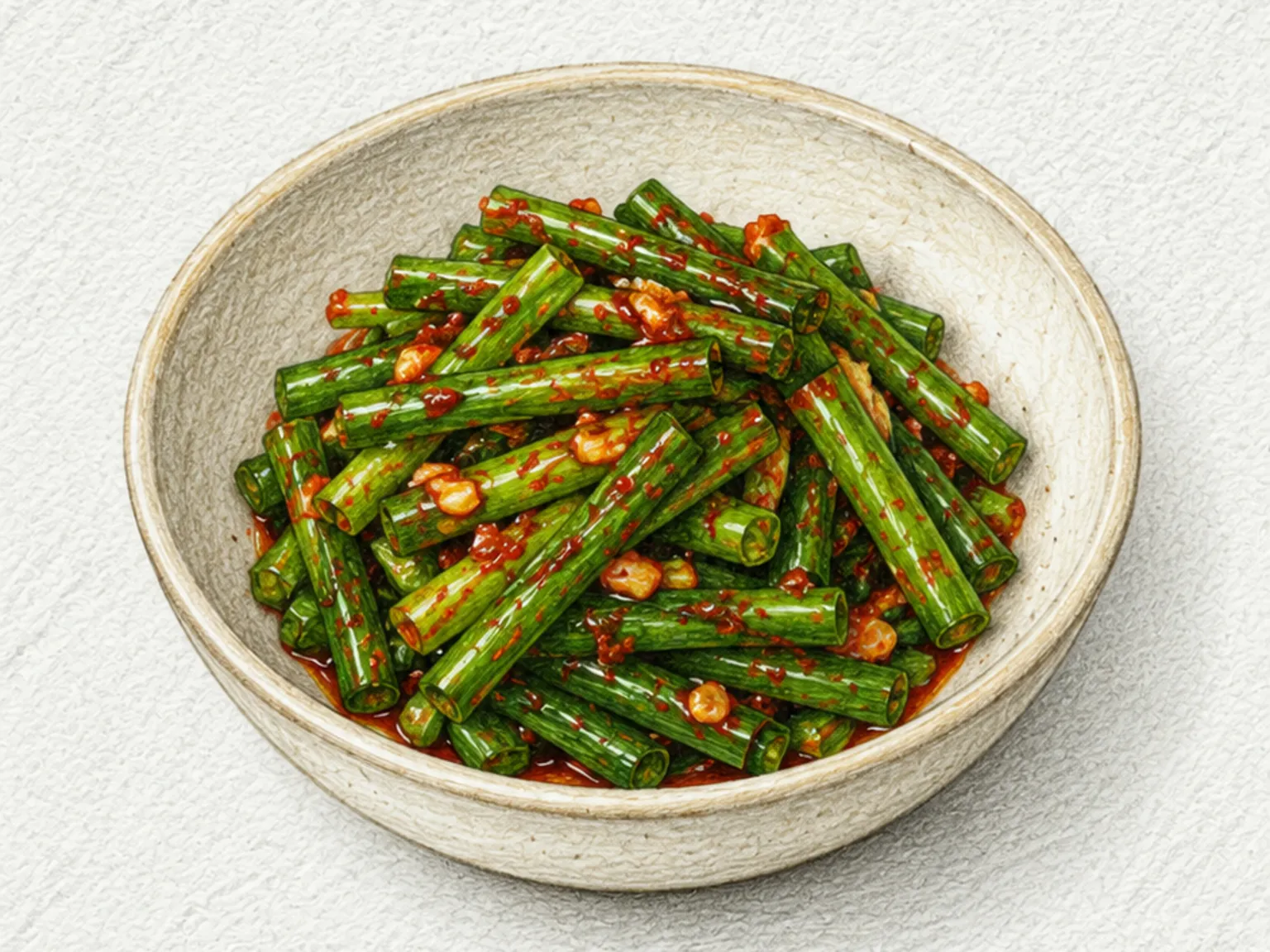
Korean Cheonggak Kimchi (Seaweed Kimchi)
Cheonggak kimchi is made with cheonggak, a type of green seaweed, mixed with julienned radish and scallions in a seasoning of gochugaru, anchovy fish sauce, and sweet rice paste. The seaweed contributes a distinctive chewy, almost crunchy texture and a concentrated ocean aroma that sets this kimchi apart from plant-based varieties. Seasoning the radish first and then tossing the seaweed in quickly is important because overworking toughens the seaweed's delicate structure. After one day of refrigeration the brine from the seaweed mingles with the fermented seasoning, producing a kimchi with pronounced marine depth that pairs naturally with seafood dishes and mild rice soups.

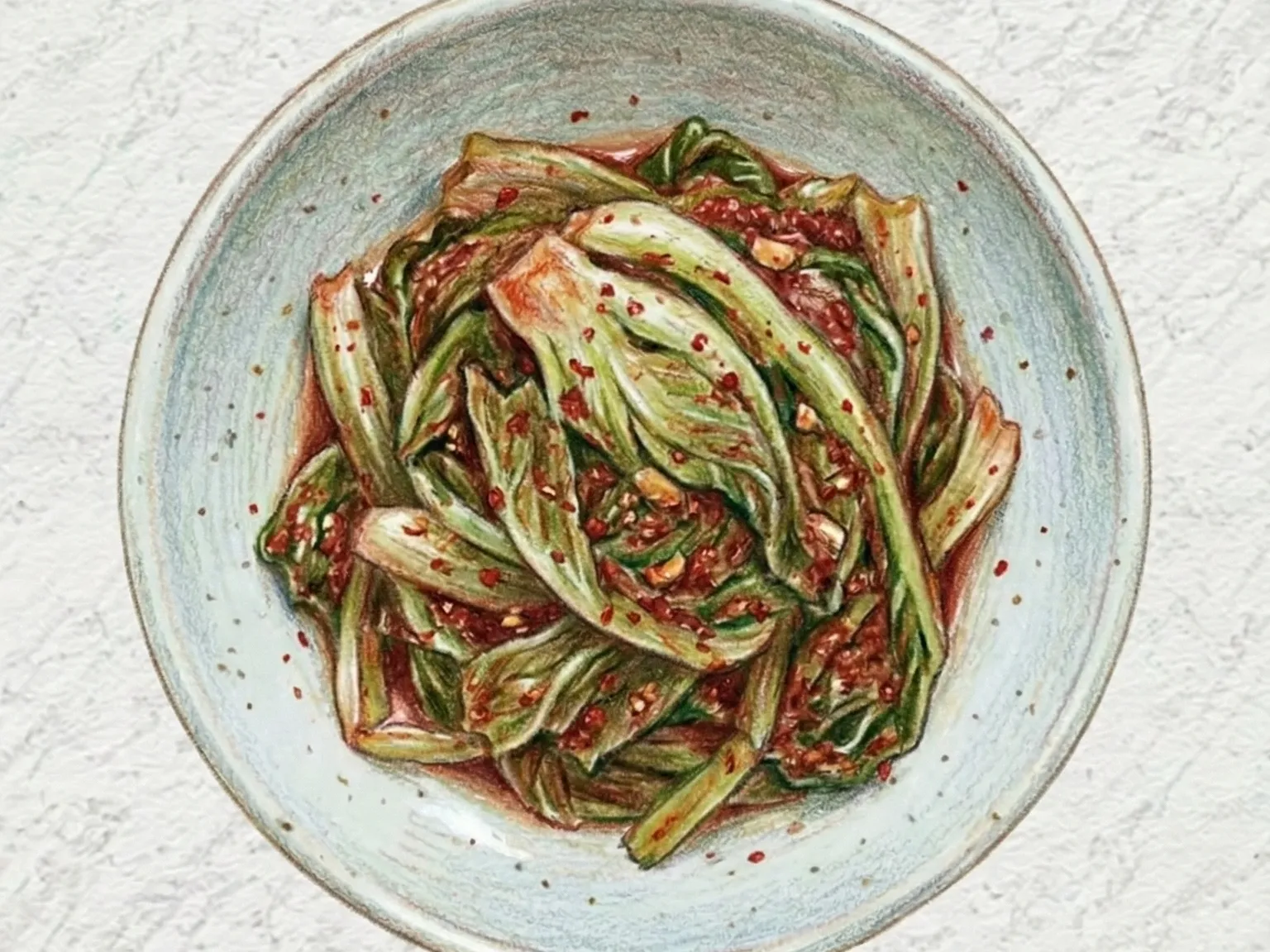
Korean Pickled Bok Choy (Soy Vinegar Chili Brine)
Cheonggyeongchae jangajji is a Korean pickled bok choy dish made by halving the heads and submerging them in a boiled brine of soy sauce, vinegar, and sugar with Cheongyang chili, garlic, and ginger. The thick white stems retain their crunch after pickling while the tender green leaves absorb the brine softly, creating two contrasting textures in a single piece. Cheongyang chili leaves a clean, lingering heat at the finish, and ginger contributes a warm undertone to the pickling liquid. Draining the bok choy thoroughly before pickling keeps the brine clear, and after two days of refrigeration the seasoning penetrates evenly for a balanced banchan.

Korean Bok Choy Kimchi (Gochugaru Fermented Quick)
Cheonggyeongchae kimchi is a bok choy kimchi prepared by halving the heads lengthwise, salting them for twenty minutes, and coating each leaf layer with a paste of gochugaru, salted shrimp, anchovy fish sauce, and sweet rice paste. Keeping the salting time short preserves the stems' crisp snap, while the leaves soften just enough to hold the seasoning. Julienned scallions and carrot add color and textural variety, and adjusting the fish sauce quantity based on the salted shrimp's salinity keeps the overall salt level balanced. After four hours of room-temperature fermentation followed by refrigeration, this kimchi is ready within a day and offers a lighter, crunchier character than traditional napa cabbage kimchi.

Korean Cheongyang Gochu Doenjang Jangajji (Doenjang Pickled Cheongyang Peppers)
Cheongyanggochu doenjang jangajji is a Korean pickle where Cheongyang chili peppers are pierced with a fork so a brine of doenjang, soy sauce, rice syrup, and vinegar can penetrate to the core. Soy sauce is boiled with kelp to build an umami-rich base, then the heat is turned off and doenjang is dissolved in, layering the nutty, fermented depth of soybean paste over the salty soy foundation. Rice syrup softens the raw edge of the chili heat, and vinegar sharpens the finish. Edible after one day of refrigeration, the pickle reaches its full expression at around day three when the doenjang flavor has saturated each pepper completely. A single pepper on a spoonful of rice delivers a concentrated burst of savory, funky heat.