Korean Fire Chicken Fried Rice
Quick answer
Buldak bokkeumbap is a Korean fried rice built around the fiery buldak sauce - a thick chili-based condiment with concentrated heat that became widely known through the i...
What makes this special
- Concentrated buldak sauce delivers an intense capsaicin heat to every grain of this fried rice.
- Three tablespoons of buldak sauce delivers intense capsaicin heat through every grain
- Melted mozzarella stretched over the pan wraps and tempers the fiery sauce
Key ingredients
Core cooking flow
- 1 Cut 200g chicken breast into 2-3cm pieces and finely dice 80g onion.
- 2 Heat 1 tbsp oil in a pan over medium heat and cook chicken for 5 minutes unt...
- 3 Add the onion and stir-fry 1 minute until translucent, then pour in 3 tbsp b...
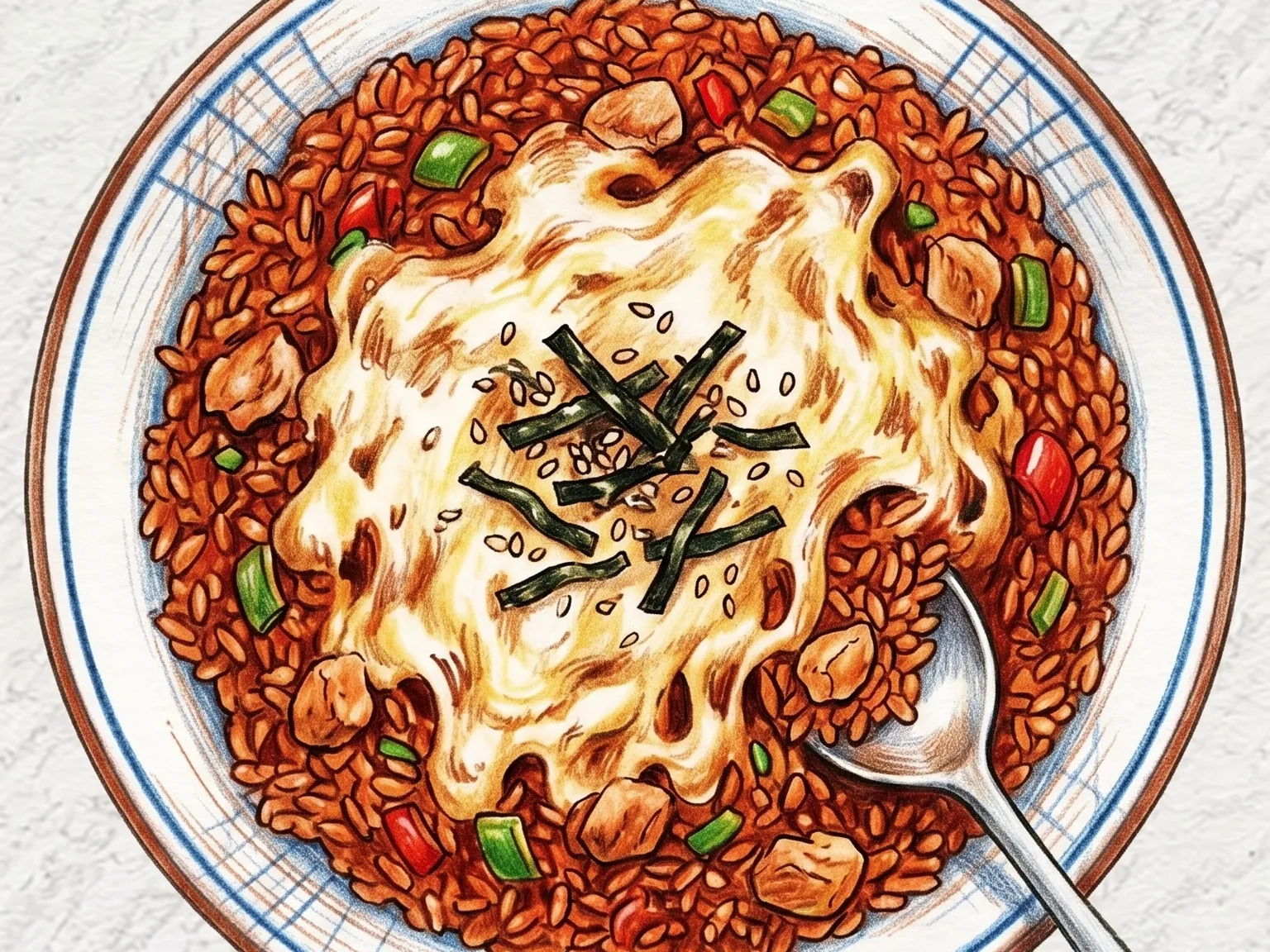
Buldak bokkeumbap is a Korean fried rice built around the fiery buldak sauce - a thick chili-based condiment with concentrated heat that became widely known through the instant noodle brand of the same name. Chicken breast cut into bite-sized pieces is marinated in the sauce, then stir-fried with cooked rice over high heat until the sauce caramelizes slightly and coats every grain. The spice hits immediately on the first bite and accumulates with each spoonful, producing the kind of sustained burn that spicy food enthusiasts seek. Laying mozzarella cheese across the top and covering the pan to melt it creates a layer of stretchy, creamy dairy that wraps around the rice and provides brief relief between bites without neutralizing the heat completely. The contrast between the fire of the sauce and the cooling effect of the cheese makes the dish more compelling than either element alone. Easy to assemble with a short ingredient list, it has become a go-to option for late-night cooking and solo meals.
Instructions
Read the steps as a cooking flow: prep, heat, seasoning, doneness control, and finish.
- 1Season
Cut 200g chicken breast into 2-3cm pieces and finely dice 80g onion.
Uniform pieces cook evenly and let the intense buldak sauce penetrate throughout.
- 2Control
Heat 1 tbsp oil in a pan over medium heat and cook chicken for 5 minutes until the surface turns white and edges show light browning. Fully cooking the chicken here means the Maillard reaction can deepen flavor once sauce is added.
- 3Season
Add the onion and stir-fry 1 minute until translucent, then pour in 3 tbsp buldak sauce and coat everything evenly.
The capsaicin in buldak sauce dissolves into the oil, filling the pan with intense heat.
- 4Control
Add 2 cups of rice and increase to high heat, spreading and stir-frying for 3 minutes.
Keep pressing and spreading until the rice is evenly coated and you smell the characteristic smoky stir-fry aroma from the pan edges. Cold leftover rice separates more easily.
- 5Control
Drizzle 1 tsp sesame oil, spread 80g mozzarella evenly on top, cover, and melt on low heat for 1 minute.
The melting cheese softens the heat, but opening the lid too early may cause the cheese to turn rubbery.
- 6Finish
Scatter 30g diagonally sliced green onion over the cheese and serve immediately.
The fresh onion balances the intense heat and rich cheese in one bowl.
After the steps
Pick a recipe that fits this dish.
Continue with shared ingredients, meal pairings, or a similar method.
Recipes That Go Well With This
More Rice →Based on shared ingredients and meal pairing
Korean Curry Fried Rice (Golden Spiced Chicken Fried Rice)
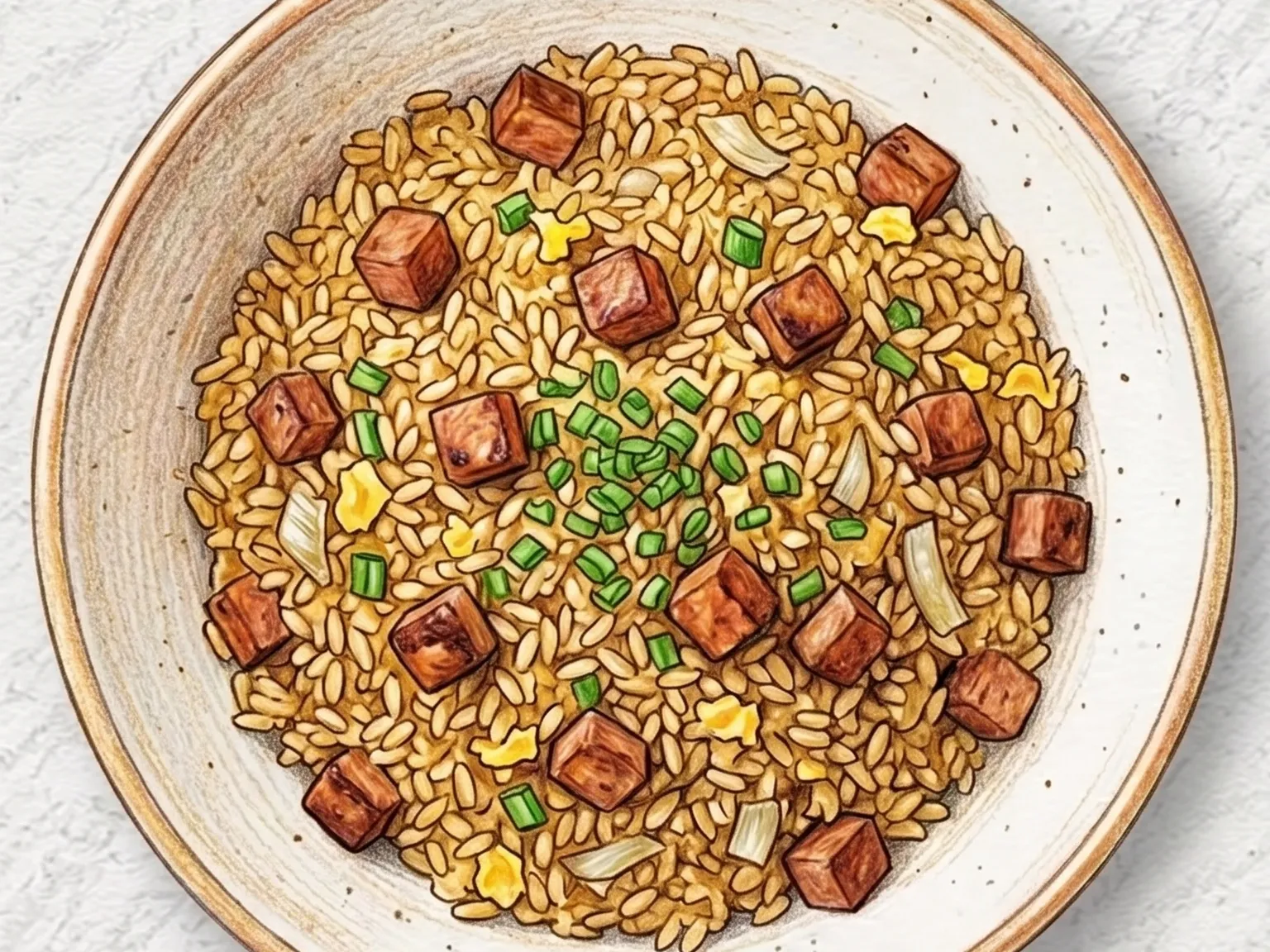
Curry bokkeumbap is a Korean fried rice where curry powder coats each grain with warm spice and gives the rice a vivid golden color. Chicken breast, onion, carrot, and bell pepper are stir-fried together before the rice goes in, distributing protein and vegetables evenly through every serving. The curry fragrance develops gradually with each bite - more present than plain fried rice but lighter than a curry sauce, landing at a satisfying middle point between the two. Bell pepper adds sweetness and a visual contrast of color against the golden rice. Topping with a fried egg raises the dish further: when the yolk breaks and mixes into the rice, a layer of creaminess runs through each bite. The recipe works well with day-old rice and requires few ingredients, making it a practical weeknight meal.
Korean Spicy Dakgalbi Rice Bowl
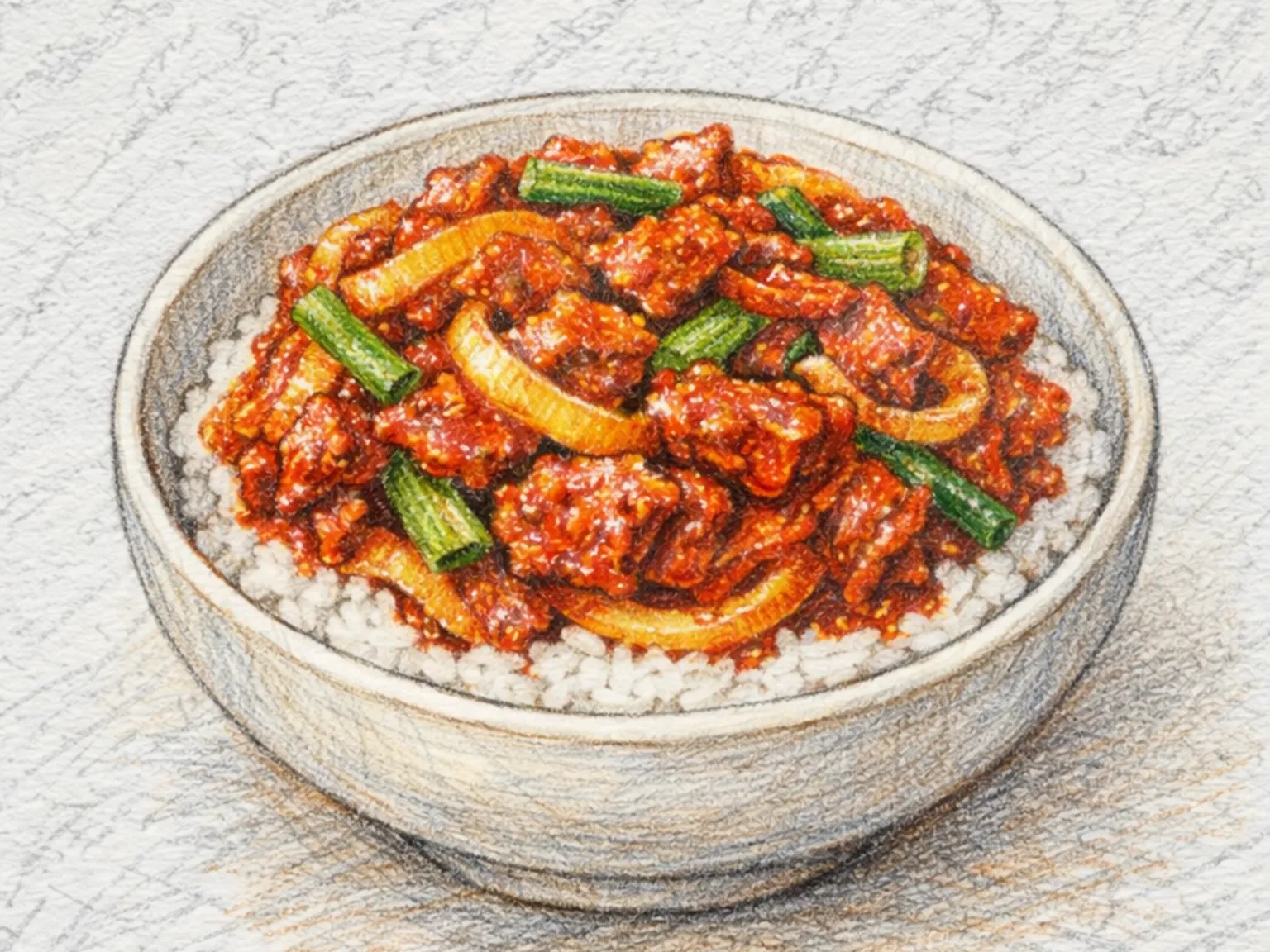
Dakgalbi deopbap serves the core flavors of Chuncheon's famous spicy chicken in a single rice bowl. Boneless chicken thigh is stir-fried alongside cabbage, onion, and green onion in a gochujang-based marinade balanced with sugar and a splash of soy sauce. The chicken is cooked over high heat throughout -- this creates a caramelized crust on the meat's surface and keeps the vegetables at a slight crunch rather than softening them completely. Sesame oil is added off the heat as a final step, contributing a toasty fragrance that rounds out the bold seasoning without overpowering it. At traditional dakgalbi restaurants in Chuncheon, the meal ends with fried rice made by mixing cooked rice directly into the residual sauce left on the hot iron plate -- this bowl captures that same moment in a format that can be made at home without a cast-iron griddle. The dish requires no banchan; the seasoned protein and vegetables together with the rice form a self-contained meal.
Korean Kimchi Mandu Jjigae (Kimchi Dumpling Stew)
Kimchi mandu jjigae drops whole frozen kimchi dumplings straight into a simmering pot of aged kimchi, tofu, and anchovy stock. The dumpling wrappers absorb the broth as they cook, swelling plump and moist, while the kimchi filling inside echoes the stew's tangy base and doubles the fermented depth. Gochugaru and soup soy sauce add a clean chili heat, and firm tofu cubes absorb the spiced broth for a softer textural contrast. Because the dumplings themselves carry seasoning, it is better to start with less sauce and adjust after tasting the broth. This is a filling, no-fuss meal that needs nothing more than a bowl of steamed rice alongside it.
Korean Dakgalbi Fried Rice
Dakgalbi bokkeumbap is a fried rice made by stir-frying gochujang-marinated boneless chicken thigh with cabbage and onion over high heat, then adding day-old rice to the pan and frying until every grain absorbs the sweet-spicy marinade. The dish originated from the Chuncheon tradition of finishing a dakgalbi meal by stir-frying the leftover sauce and scraps with rice, effectively turning what remains in the pan into a second course. Day-old rice is essential: fresh rice holds too much moisture and clumps together, while refrigerated rice separates cleanly on the hot surface and makes sufficient contact with the pan to develop slightly charred bits at the bottom. These caramelized patches add a smoky crunch that contrasts with the sauced grains above and elevate the dish beyond a simple fried rice. Cabbage and perilla leaves added at the very end of cooking retain a faint crunch that cuts through the richness of the gochujang marinade. Plating the rice with a few perilla leaves laid on top and a scatter of sesame seeds over the surface finishes the dish without requiring anything further.
Serve with this
Korean Seasoned Green Laver
Parae-muchim dresses winter-season green laver in a vinegared gochujang sauce that balances the seaweed's natural brininess with sweet, sour, and spicy notes. The laver must be washed at least five times with fresh water to remove every grain of sand embedded in its delicate fronds. A brief 10-second blanch in boiling water tames any fishy undertone while keeping the texture soft and slippery. The dressing - gochujang, vinegar, sugar, minced garlic, and sesame oil - clings to the damp strands, coating them in a glossy, reddish glaze. Each bite delivers a wave of ocean flavor followed by the slow warmth of the chili paste.
Korean Wild Chive Kimchi (Spring Quick Gochugaru)
Dallae kimchi is a quick spring kimchi made by salting wild chives for just eight minutes to barely soften them, then dressing them in gochugaru, sand lance fish sauce, plum extract, and Korean pear juice. The bulb-end roots carry the most concentrated aroma, so they should not be trimmed too short, and the seasoning should be applied starting from the roots so the flavor penetrates evenly along the entire stalk. Pear juice adds natural sweetness and a little moisture that softens the heat from the chili, while sand lance fish sauce provides a lighter, more delicate umami than standard anchovy sauce. This kimchi smells fresh and bright immediately after preparation, but one day in the refrigerator allows a mild fermented depth to develop that rounds out the flavors considerably. Wild chives are best purchased between early March and mid-April, when the roots are fat and the aroma is fully developed. Salting beyond eight minutes causes the grassy fragrance to dissipate rapidly, so timing matters. The finished kimchi pairs naturally with namul side dishes and fresh vegetable salads at a spring table.
Gyeran-guk (Egg Drop Anchovy Broth Soup)
Gyeran-guk is Korea's most accessible comfort soup: a clear, golden broth seasoned with soy sauce and garlic into which a beaten egg is drizzled in a thin stream. When the egg hits the rolling boil, it sets almost instantly into delicate, flower-like ribbons that drift through the liquid in pale yellow sheets. Sliced green onion and a drop of sesame oil added at the end bring a gentle fragrance that lifts the otherwise clean, mild broth. The result is soothing and restorative, mild enough for a sick day yet substantial enough to anchor a full meal of rice and side dishes. Its near-universal appeal on Korean dinner tables comes partly from the fact that nearly every household keeps eggs, soy sauce, and garlic on hand, making it the soup most likely to appear with no planning at all. From start to finish the bowl is ready in under ten minutes.
Similar recipes
Korean Spicy Baby Octopus Fried Rice
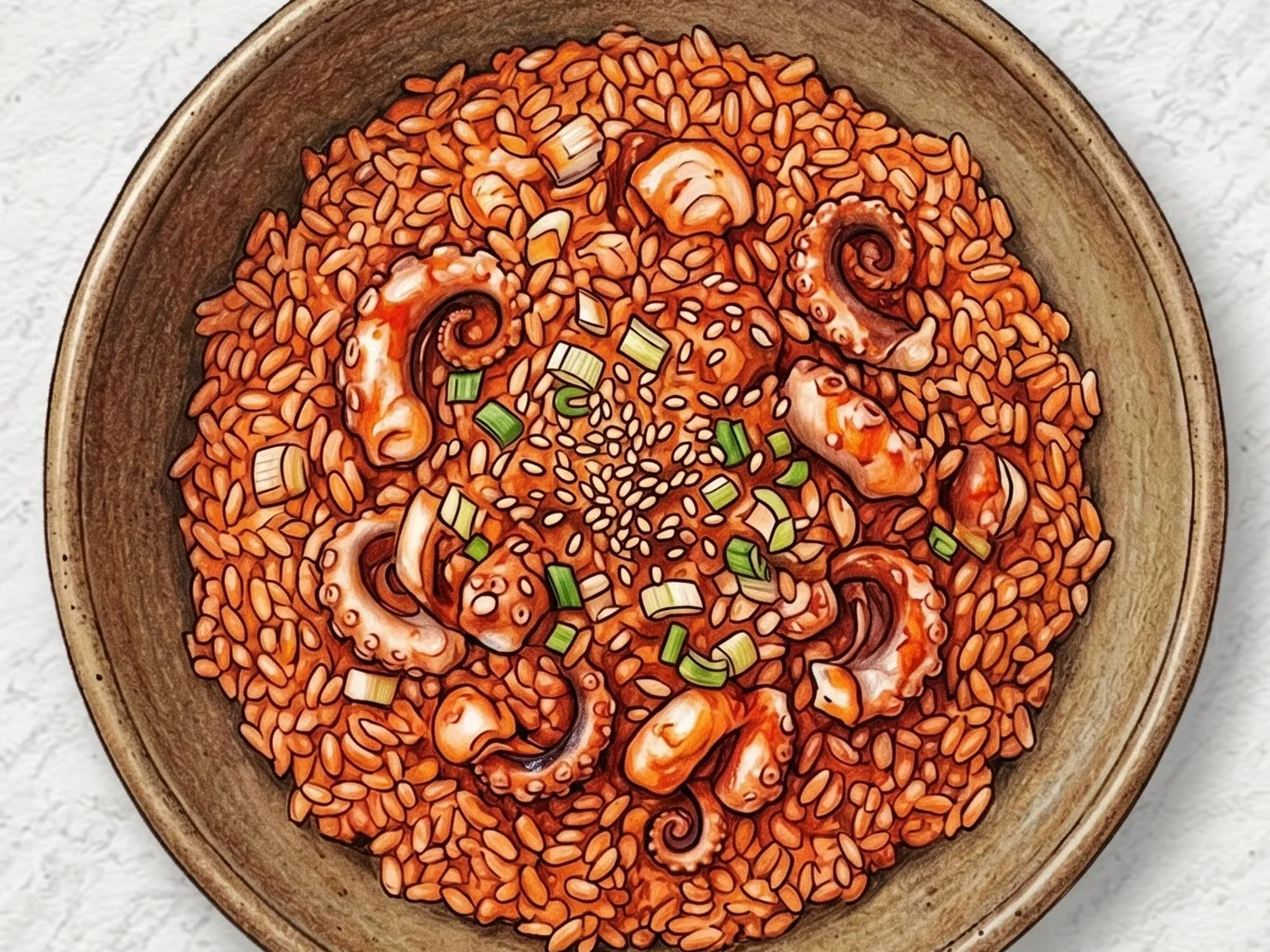
Jjukkumi bokkeumbap is a spicy fried rice built around webfoot octopus, where every element of the technique exists to preserve the squid's signature springy chew. The octopus is first rubbed with salt to strip off the surface slime, then cut to bite-size and seared over high heat for no more than three minutes. The gochujang-based sauce, bolstered with chili flakes, soy sauce, sugar, and garlic, concentrates spice and umami before the rice enters the pan and soaks up the red seasoning grain by grain. A drizzle of sesame oil at the end adds a nutty fragrance that lifts the dish slightly, and melted cheese is a popular addition for softening the heat without dulling the flavor. The oceanic character of the octopus - its brininess and elasticity - gives this fried rice a depth that ground pork or vegetables simply do not replicate. Not overcooking the octopus is the single most important decision in the recipe.
Korean Popcorn Chicken
Popcorn chicken is a Korean fried snack made by cutting chicken breast into 2cm cubes, coating them in egg wash and cornstarch, then double-frying at 170 degrees Celsius. The first fry sets the crust; the second fry drives out residual moisture, producing an exceptionally crunchy shell. Because the pieces are small, the crust-to-meat ratio is high, so every bite delivers maximum crunch. A glaze reduced from soy sauce, sugar, and oligosaccharide syrup coats each piece in a sweet-salty finish. Garlic powder mixed into the initial seasoning carries a mild garlic note through the oil.
Korean Stir-Fried Chicken
Dak-bokkeum is a Korean stir-fried chicken dish seasoned with a soy sauce-based marinade. Soy sauce, sugar, and minced garlic coat the chicken evenly before it hits the pan, producing a salty, umami-forward crust as it sears. Onion and carrot are added partway through, and the moisture they release as they soften blends into the seasoning to form a natural pan sauce without any added liquid. Sesame oil goes in at the end, its nutty aroma lifting through the dish as it finishes. Breast meat produces a leaner, cleaner-tasting result, while thigh meat stays more moist and springy throughout cooking. The dish pairs well with steamed rice and comes together quickly enough for weeknight cooking.