Korean Beef Doenjang Bibimbap
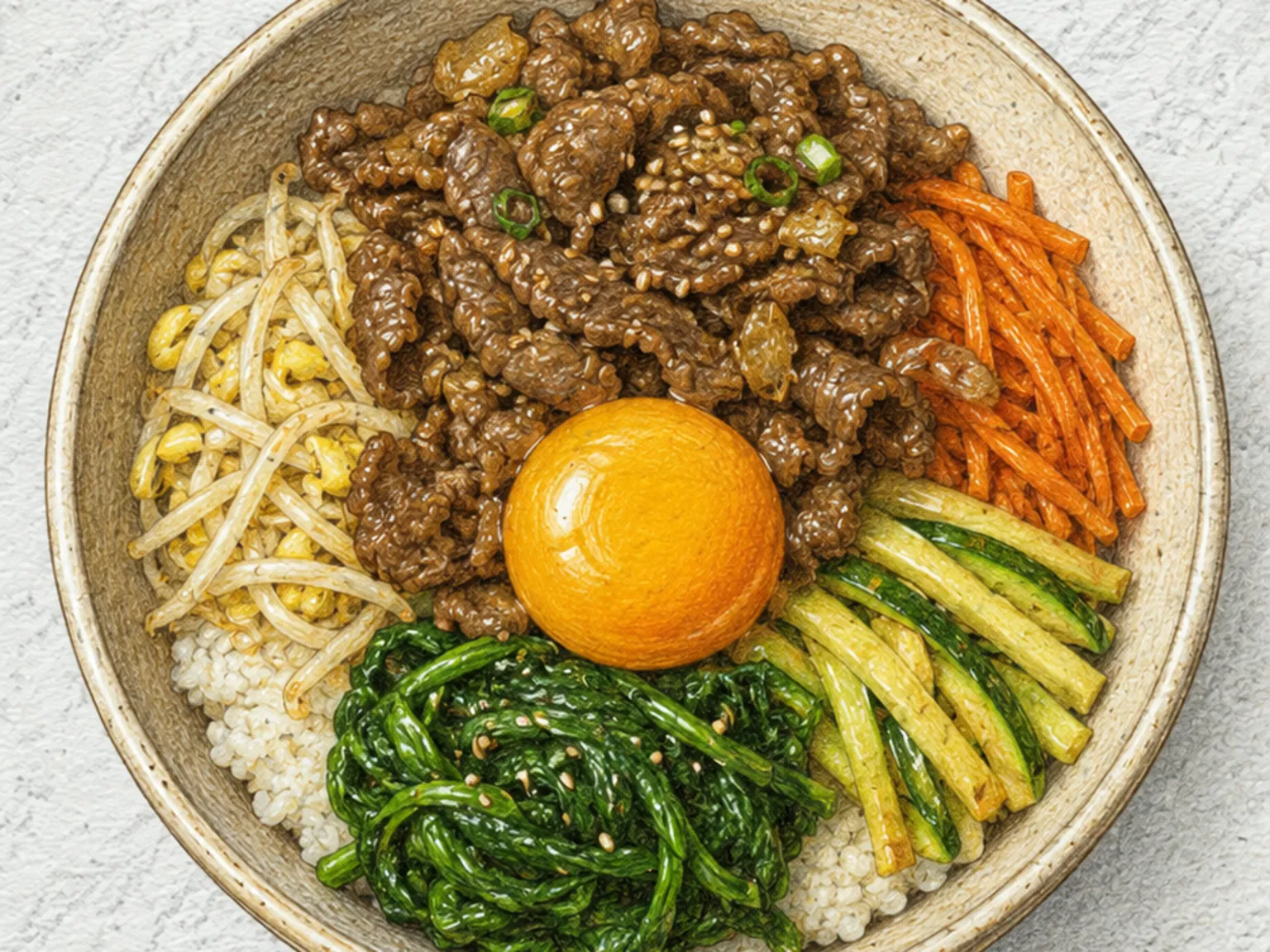
Chadol doenjang bibimbap brings together thinly sliced beef brisket stir-fried in doenjang sauce with assorted seasoned vegetables and egg over rice. The fatty richness of the brisket meets the deep, earthy funk of fermented soybean paste, producing a flavor profile distinctly different from the more common gochujang-based bibimbap. Crisp namul vegetables cut through the richness, and as you mix everything together, the doenjang dressing coats each grain of rice with an umami intensity that carries through to the last bite. The egg, whether fried sunny-side up or simply stirred in raw, adds a silky element that binds the bold flavors into a cohesive, deeply savory bowl that feels both rustic and refined.
Adjust Servings
Instructions
- 1
Stir-fry the brisket with doenjang until cooked.
- 2
Prepare the seasoned vegetable toppings.
- 3
Arrange brisket, namul, and fried egg over rice.
- 4
Add gochujang and mix together.
As an Amazon Associate, we may earn from qualifying purchases.
Tips
Nutrition (per serving)
More Recipes

Korean Beef Brisket Rice Bowl
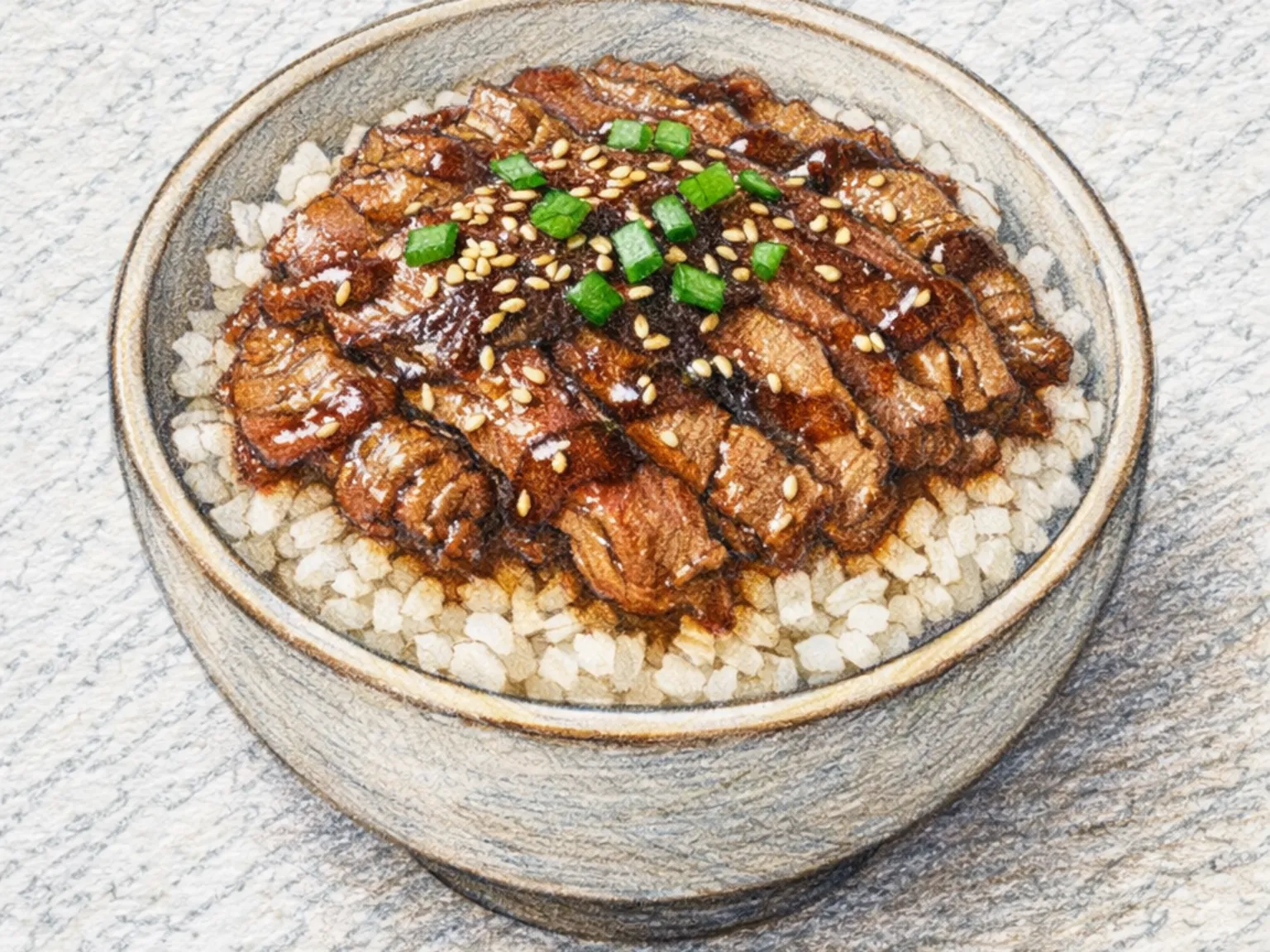
Chadol deopbap is a Korean rice bowl featuring paper-thin beef brisket slices seared in a hot pan until the edges turn crisp, then drizzled with a soy-based sauce and served over steamed rice. The marbled fat in the brisket renders out during cooking, creating a rich, buttery flavor that pairs naturally with the salty-sweet soy glaze. Garlic and sesame oil add aromatic depth without overcomplicating the dish. A raw or soft-cooked egg yolk on top is a common addition, breaking into a golden sauce that coats the rice when mixed. Despite its simplicity - just a handful of pantry staples and a few minutes at the stove - it delivers a deeply satisfying meal that works well for both lunch and dinner.

Korean Seafood Bibimbap (Mixed Rice with Shrimp and Squid)
Shrimp and squid are seared quickly on high heat to retain their springy bite, then placed over rice alongside seasoned spinach and other namul vegetables. The key is brief, intense stir-frying so the seafood releases its juices without turning chewy, and those juices seep into the rice to deepen the overall flavor. A fried egg broken and mixed through the bowl wraps each grain in rich yolk, softening the gochujang heat. Because the seafood already carries natural salinity, less gochujang is needed than in a standard bibimbap to keep the seasoning balanced.

Korean Seafood Rice Bowl (Shrimp Squid Clam Starchy Sauce Bowl)
Shrimp, squid, and clams are stir-fried with garlic, then seasoned with oyster sauce and soy sauce before being thickened with a cornstarch slurry. The slurry gives the sauce a glossy sheen and helps it cling to each piece of seafood, so when ladled over rice the sauce gradually seeps downward rather than pooling. Adding the seafood last and cooking briefly keeps each piece plump, while the natural liquor from the clams forms the umami backbone of the sauce. The entire dish comes together in about 25 minutes from start to finish.

Korean Salmon Rice Bowl (Marinated Raw Salmon over Warm Rice)
Fresh salmon is sliced thin and briefly marinated in a dressing of soy sauce, sesame oil, and wasabi so the seasoning just barely coats each piece. Laid over warm rice, the heat gently firms the salmon's surface while the center remains raw and buttery. Perilla leaves or shredded nori on top bring a herbal, aromatic note that cuts through the richness of the fish. The sweet-salty balance of the dressing meets the salmon's natural fat in a way that makes the bowl disappear quickly.

Korean Mallow Soup (Joseon-Era Doenjang Mallow Soup)
Auk-guk - mallow doenjang soup - has been part of Korean home cooking since the Joseon era, when auk (mallow) was one of the most commonly grown leafy greens in household gardens. The soup starts with an anchovy-kelp stock that provides a clean umami foundation. Doenjang is pushed through a sieve into the simmering broth to dissolve evenly without lumps, and garlic adds a quiet pungency beneath the fermented paste. Mallow leaves, torn by hand into rough pieces, wilt into the broth in under a minute. What sets auk-guk apart from other doenjang-guks is the mallow's distinctive texture - the leaves have a natural mucilage that gives the soup a slightly thickened, slippery quality on the tongue, unlike the clean broth of a spinach or radish version. Traditionally associated with nursing mothers in Korean folk wisdom, who ate it to promote milk production. The soup is at its best in early summer when fresh mallow is at peak tenderness.

Korean Clam Doenjang Soup
Bajirak doenjang guk is a Korean home-style soup where manila clams and doenjang combine to layer oceanic umami with fermented soybean depth. Starting the clams in cold water and bringing it to a boil draws their flavor out gradually, building a rich stock base as the temperature rises. The doenjang is dissolved through a strainer to keep the broth smooth and free of grainy particles, and its amount should be reduced from the usual quantity because the clams themselves contribute significant saltiness. Tofu and Korean zucchini add soft textures; the zucchini releases a gentle sweetness into the broth as it cooks through. Minced garlic harmonizes with the fermented aroma of the doenjang, and scallion added in the final minute preserves its fresh sharpness. No separate anchovy or kelp stock is needed because the clams provide enough umami on their own, making the soup's approach deliberately simple: just water, clams, and doenjang produce a broth with surprising depth.