Korean Tuna Fried Rice (Quick Canned Tuna Stir-Fried Rice)
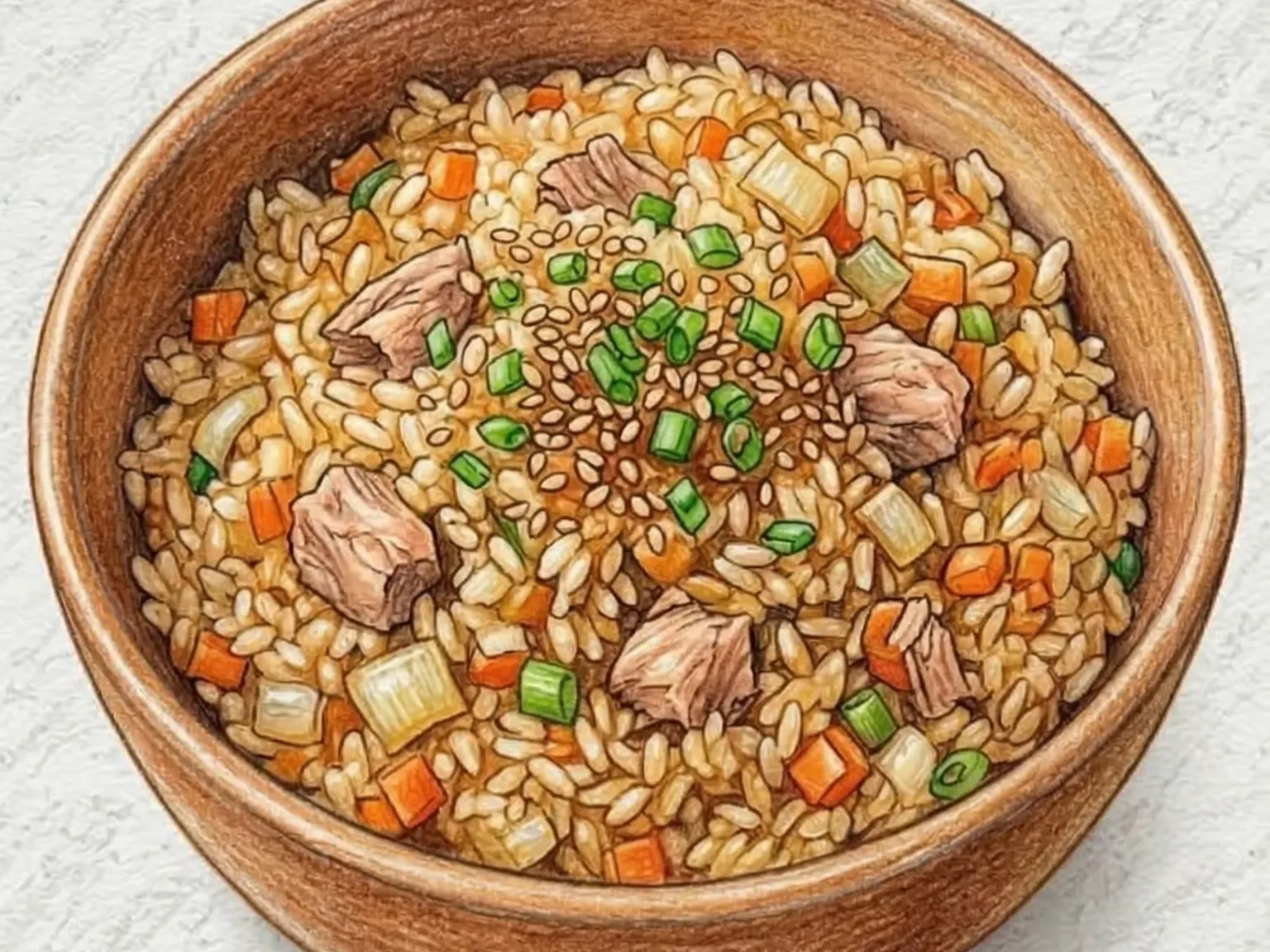
Chamchi bokkeumbap is a staple Korean home-style fried rice made by stir-frying canned tuna - oil and all - with diced onion, carrot, and green onion, then tossing in rice and seasoning with soy sauce and sesame oil. The tuna oil coats each grain, delivering a savory richness that needs little else to taste complete. It is the kind of dish that comes together from whatever is already in the pantry and fridge, requiring no special shopping trip. When you need a quick, filling meal with minimal effort, this is often the first recipe that comes to mind in Korean households.
Adjust Servings
Instructions
- 1
Finely dice onion and carrot, and slice green onion.
- 2
Heat tuna oil in a pan and stir-fry onion and carrot for 2 minutes over medium heat.
- 3
Add tuna and break it apart, cooking for 1 more minute.
- 4
Add rice and soy sauce, tossing well for 3 minutes.
- 5
Finish with sesame oil and green onion, and top with a fried egg.
As an Amazon Associate, we may earn from qualifying purchases.
Tips
Nutrition (per serving)
More Recipes

Korean Spam Fried Rice (Crispy Spam Cubes with Egg and Rice)
Spam bokkeumbap is a Korean fried rice built around crispy cubes of pan-seared Spam, whose salty, caramelized edges give the dish an addictive quality. The Spam is diced small and dry-fried without added oil - its own rendered fat crisps the outside while keeping the inside moist and savory. Onion and scallion go in next for aromatic depth, followed by cold leftover rice that is tossed over high heat until every grain picks up the salty pork flavor left in the pan. Beaten egg is scrambled into the rice, coating the grains in a thin, soft layer. A splash of soy sauce and a drizzle of sesame oil finish the dish with umami and nuttiness. The whole thing comes together in under ten minutes, making it one of the fastest comfort meals in the Korean home-cooking repertoire.

Korean Bacon Kimchi Fried Rice
Bacon kimchi fried rice takes the most common Korean leftover combination - cold rice and aging kimchi - and adds rendered bacon fat as a Western-inflected upgrade to the traditional sesame oil base. The bacon goes into a cold pan, cooking slowly so the fat renders out completely before the meat crisps, creating a pool of smoky drippings that replace cooking oil entirely. Well-fermented kimchi, squeezed of excess juice and chopped coarsely, hits the hot fat and sizzles until its edges caramelize and the sharp lactic tang mellows into a deeper, roasted sourness. Day-old rice is pressed flat against the pan to develop a crust - the nurungji-like layer that fried rice fanatics chase. Soy sauce and a pinch of sugar season without overwhelming the interplay between the bacon's smokiness and the kimchi's fermented bite. A fried egg on top, its yolk still runny, becomes the sauce when broken and mixed through. This dish became a staple of Korean home cooking in the 2000s as bacon became a standard Korean grocery item.

Korean Scallion Shrimp Fried Rice
This scallion shrimp fried rice stir-fries plump shrimp and generous amounts of green onion over high heat for a clean, aromatic bowl. The shrimp go into the wok first, searing until the edges turn golden and leave behind a savory fond. Chopped scallions follow, releasing a sharp, oniony fragrance that cuts through the richness. Day-old rice is added and tossed rapidly with soy sauce and oyster sauce, breaking up clumps until every grain is individually coated. Beaten egg stirred in at the end wraps the rice in a soft, silky layer. Despite the short ingredient list, the combination of briny shrimp and pungent scallion delivers a depth of flavor that keeps this dish in regular weeknight rotation.

Korean Fish Roe Rice Bowl
Albap - fish roe rice bowl - is a casual Korean dish that likely evolved from sushi-bar culture, where tobiko (flying fish roe) was always on hand and cooks needed a quick staff meal. Warm rice is first tossed with sesame oil and a knob of butter, which gives each grain a glossy, slightly nutty coating. The toppings are arranged in sections on top: bright orange flying fish roe that pops between the teeth, stir-fried kimchi with its fermented tang, diced pickled radish for crunch and sweetness, and a shower of shredded seaweed. Everything gets mixed together at the table, and the warmth of the rice slightly softens the roe, releasing its briny juice into the buttered grains. Scallion scattered on top adds a fresh bite. It is a ten-minute lunch that delivers a surprising range of textures and flavors from simple ingredients.

Tuna Mayo Rice Bowl (Chamchi Mayo Cupbap) — Easy Korean Bunsik Recipe
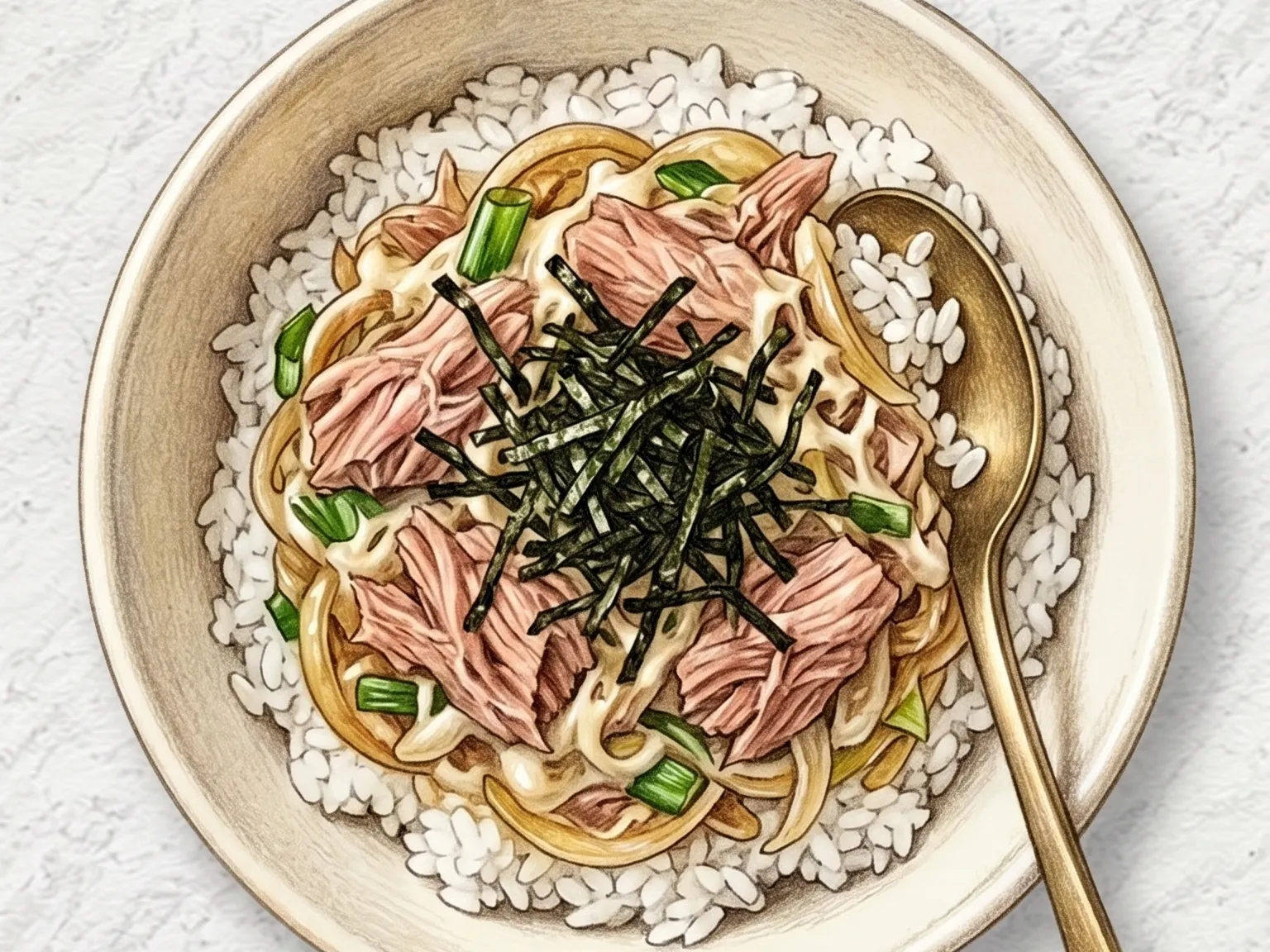
Creamy tuna and mayo over hot rice in just 18 minutes - Korea's favorite grab-and-go bunsik cup meal. Drain the canned tuna well to keep the rice from going soggy, stir-fry onion and scallion until sweet, then fold in mayo off the heat for a silky finish. A shower of crushed seaweed on top adds oceanic crunch. Mix everything together so the savory tuna-mayo sauce coats every grain.

Korean Tuna Stew
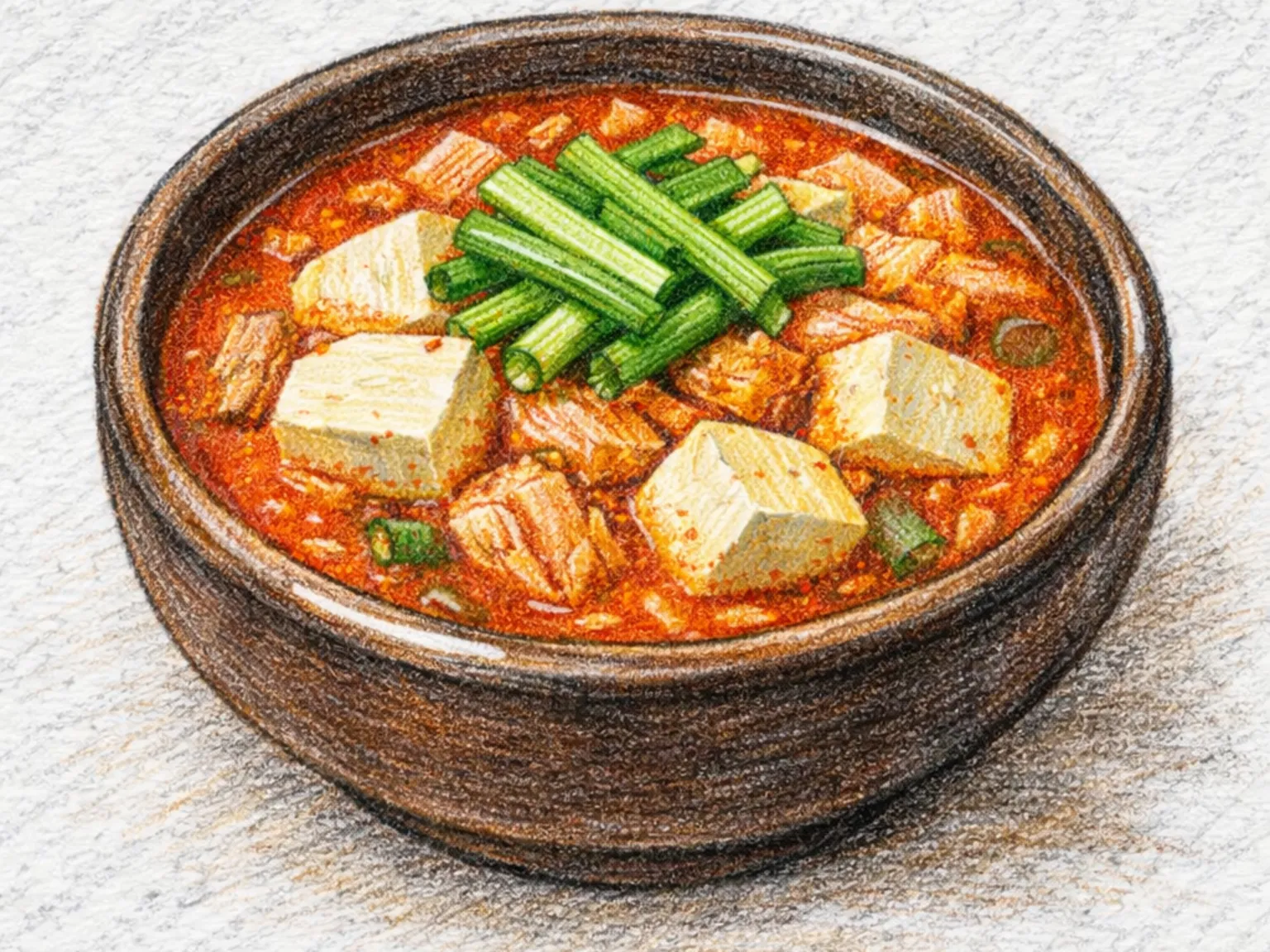
A quick weeknight stew built around a single can of tuna. The tuna's oil and flaked meat dissolve into the broth along with gochugaru and soup soy sauce, creating a brothy base that is both spicy and full of umami. Zucchini and onion contribute natural sweetness, tofu softens into the stock, and a cheongyang chili brings an extra kick of heat.