Korean Herb Mushroom Pot Rice
Rice Medium

Korean Herb Mushroom Pot Rice

Quick answer

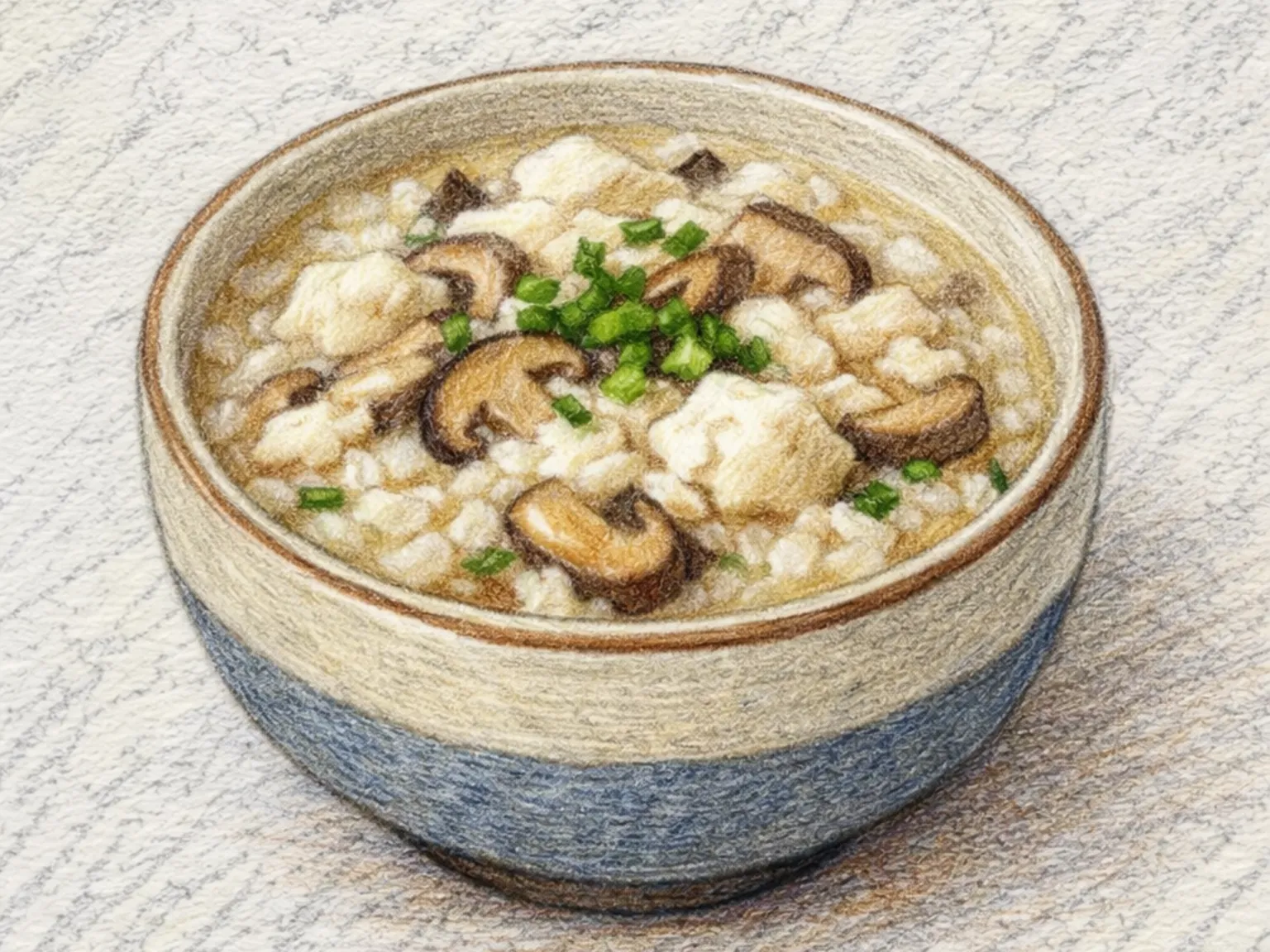
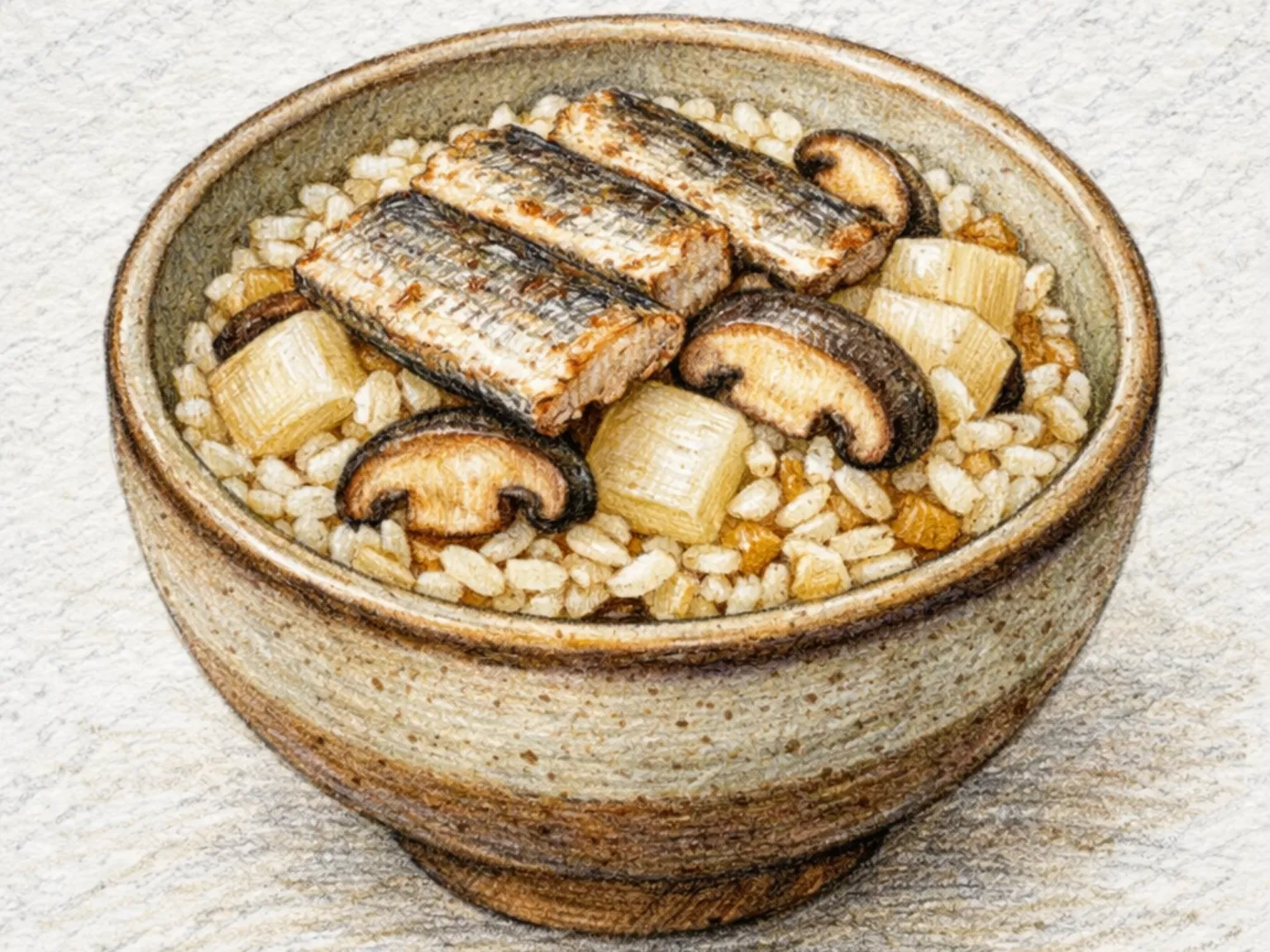
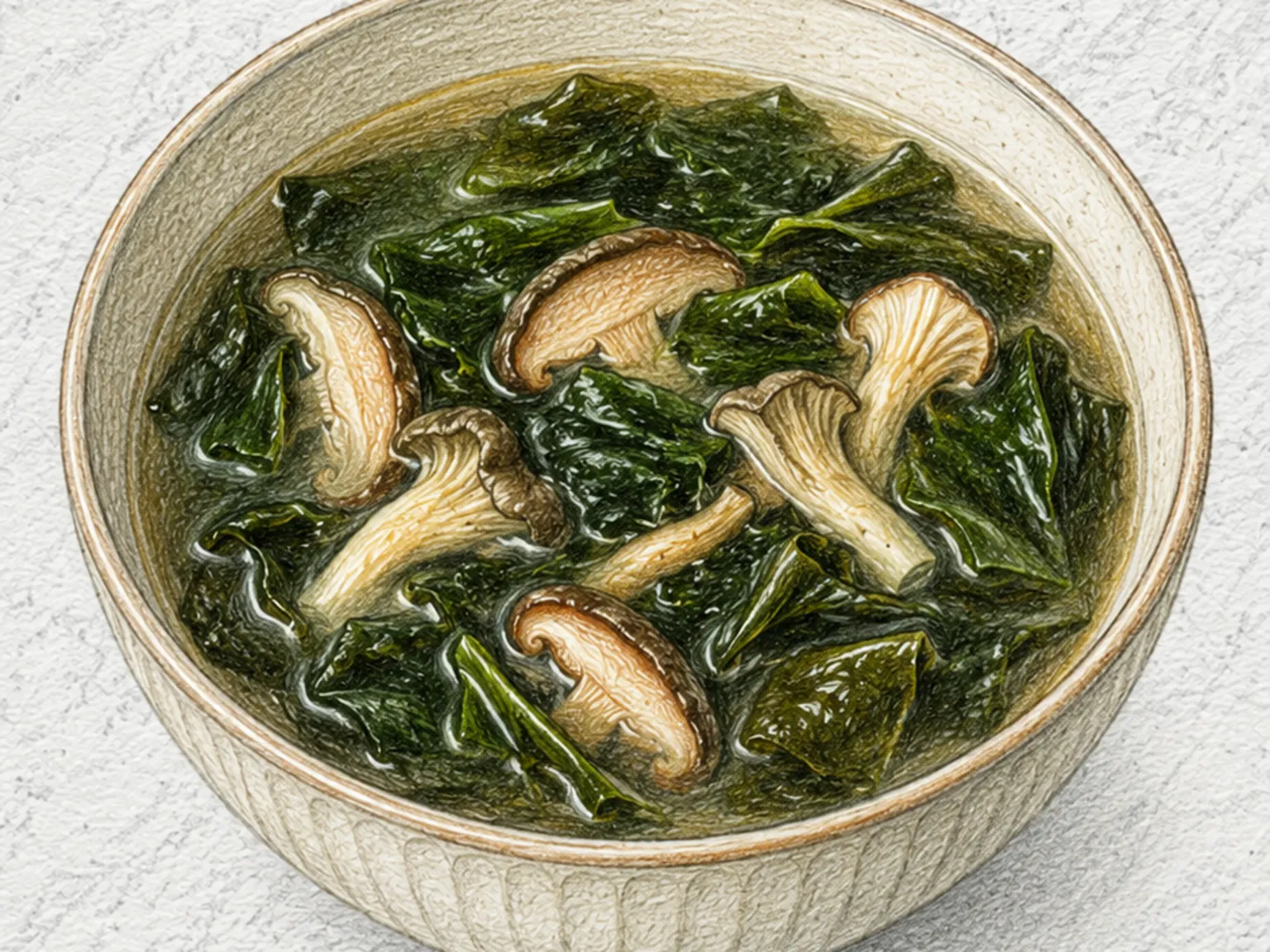
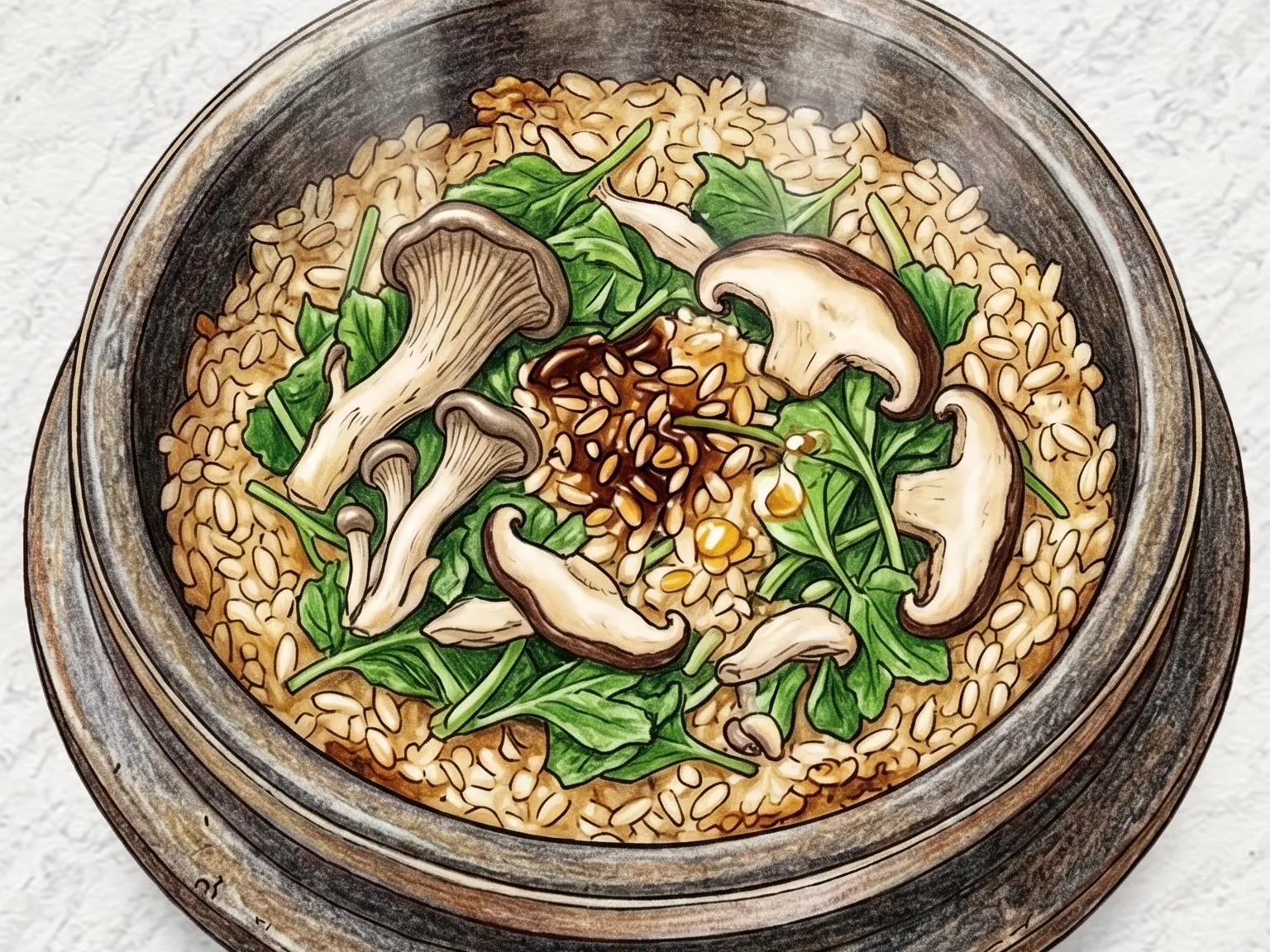
Chamnamul beoseot sotbap is a Korean pot rice cooked with fragrant chamnamul herbs, oyster mushrooms, and shiitake mushrooms in kelp stock.

What makes this special

  • Fragrant chamnamul herbs infuse the rice with a fresh, woodsy scent during the final steam.
  • Chamisul herb's fresh aroma infuses the rice only during the final steaming phase
  • Oyster mushroom's moist softness and shiitake's firm chew coexist in a single pot
Total time
50 min
Level
Medium
Servings
4 servings
Ingredients
9
Calories
410 kcal
Protein
10 g

Key ingredients

short-grain ricechamnamul (Korean herb)oyster mushroomsshiitake mushroomskelp stock

Core cooking flow

  1. 1 Rinse 2 cups rice 3-4 times, soak for 30 minutes, then drain in a strainer for 10 minutes.
  2. 2 Remove tough stems from 120g chamnamul and cut into 4cm pieces.
  3. 3 Heat 1 tbsp sesame oil in the pot over medium heat, bloom 1 tsp minced garli...

Chamnamul beoseot sotbap is a Korean pot rice cooked with fragrant chamnamul herbs, oyster mushrooms, and shiitake mushrooms in kelp stock. The chamnamul infuses the rice with a fresh, slightly herbaceous scent, while the two types of mushroom contribute contrasting textures and layers of umami. Oyster mushrooms are soft and springy, while shiitake mushrooms are firmer with a deeper, woodsy character. Served with a soy-sesame dipping sauce drizzled over the top and mixed in, every spoonful carries a balanced salty, nutty finish. Even without any meat, the mushroom depth and herbal brightness make each bowl feel substantial. The nurungji crust that forms at the bottom of the pot adds a toasty crunch that is one of the small rewards of cooking rice this way, and scraping it into hot water makes a simple, satisfying nurungji tea to close the meal.

Prep 20min Cook 30min 4 servings

Instructions

Read the steps as a cooking flow: prep, heat, seasoning, doneness control, and finish.

6 steps
  1. 1
    Step

    Rinse 2 cups rice 3-4 times, soak for 30 minutes, then drain in a strainer for 10 minutes.

    Excess water on the rice changes the stock ratio and makes the rice mushy, so thorough draining matters.

  2. 2
    Prep

    Remove tough stems from 120g chamnamul and cut into 4cm pieces.

    Tear 150g oyster mushrooms into thin strips with the grain and slice 80g shiitake 0.5cm thick. Using both mushrooms gives crisp texture from oyster and deep umami from shiitake.

  3. 3
    Control

    Heat 1 tbsp sesame oil in the pot over medium heat, bloom 1 tsp minced garlic for 20 seconds, then add mushrooms with a pinch of salt and saute 2 minutes to drive off excess moisture. Pre-cooking the mushrooms prevents them from releasing too much water during steaming.

  4. 4
    Season

    Add the drained rice to the mushrooms and stir-fry 1 more minute so the grains absorb the oil and mushroom aroma.

    Add 2.3 cups kelp stock and 1 tbsp soup soy sauce and mix evenly. Kelp stock in place of water adds a gentle umami foundation to the whole dish.

  5. 5
    Control

    Bring to a boil over high heat, then reduce to low and cook for 13 minutes.

    Two minutes before turning off the heat, spread chamnamul evenly on top, cover, and let the residual steam wilt it gently. Adding greens too early causes discoloration and loss of aroma.

  6. 6
    Control

    Turn off heat and rest covered for 5 minutes, then drizzle 1 tbsp sesame oil and gently fold from the bottom up before serving.

    The resting period distributes moisture evenly and lets the chamnamul aroma permeate every grain.

After the steps

Pick a recipe that fits this dish.

Continue with shared ingredients, meal pairings, or a similar method.

Recipes That Go Well With This

More Rice →

Based on shared ingredients and meal pairing

Korean Dureup Pot Rice (Spring Angelica Shoot Pot Rice)
Shared ingredient: short grain rice Rice

Korean Dureup Pot Rice (Spring Angelica Shoot Pot Rice)

Durup sotbap is a Korean spring pot rice centered on dureup, the young shoots of the Aralia elata tree that appear for only a few weeks between late March and late April. During this narrow season, the shoots carry a pleasantly bitter, faintly woodsy flavor that is unlike any other vegetable used in Korean cooking, and sotbap is one of the most direct ways to taste that character. The rice cooks in kelp stock rather than plain water, giving every grain a subtle umami base, with soup soy sauce and garlic seasoning from within the pot. Blanching the dureup requires restraint: twenty to thirty seconds in boiling water is enough to soften the fibrous ends and mellow the sharpness slightly, while keeping the bright green color intact and the slender stems with just enough resistance. Blanching longer dulls both the color and the flavor. The shoots are placed over the nearly finished rice just before the pot rests with its lid sealed for ten minutes. During that resting period the steam carries the herbal fragrance of the dureup into every grain of rice. The lid must not be opened during this time, as releasing the steam interrupts even cooking. Served with a soy-sesame dipping sauce mixed through the rice, the nuttiness of the oil wraps around the bitterness of the shoots, and the combination captures something specifically tied to early spring in the Korean mountains.

Korean Truffle Mushroom Pot Rice
Shared ingredient: short grain rice Rice

Korean Truffle Mushroom Pot Rice

Shiitake and king oyster mushrooms are generously added to a pot of rice and cooked so their released moisture and earthy fragrance infuse every grain. The shiitake stays chewy while thick-sliced king oyster offers a meaty, substantial bite. Once the rice is done, a few drops of truffle oil are drizzled over the top, layering the mushrooms' natural earthiness with the truffle's deep, aromatic intensity. Mixing in a soy-seasoned sauce adds a salty edge that brings the whole bowl into balance.

Maeuntang (Spicy White Fish Radish Stew)
Serve together Soups

Maeuntang (Spicy White Fish Radish Stew)

Maeuntang is a traditional Korean spicy fish stew centered on white-fleshed fish such as cod or frozen pollock. The fish is salted for ten minutes before cooking, which draws out excess moisture and the compounds responsible for fishiness, resulting in a cleaner-tasting broth. Radish goes into the pot first and simmers until its clean, mild sweetness dissolves into the water, forming the base. Gochujang, gochugaru, soup soy sauce, and minced garlic are then stirred in to build the spiced, savory broth. The fish and tofu are added together and cooked for ten minutes without being turned over. Instead, hot broth is repeatedly ladled over the top surface so the fish cooks evenly without the flesh breaking apart. Zucchini, green onion, and cheongyang chili are added in the final three minutes to preserve their color and slight crunch. A half tablespoon of doenjang stirred in at the end adds a secondary layer of umami that deepens and rounds out the broth considerably.

Korean Abalone Pot Rice (Ocean-Scented Sesame Base Grain Pot)
Similar recipe Rice

Korean Abalone Pot Rice (Ocean-Scented Sesame Base Grain Pot)

Jeonbok sotbap is an abalone and rice dish cooked in a heavy-bottomed pot, where the process of building flavor begins before the rice itself goes in. Abalone innards are sauteed directly in the cooking vessel with sesame oil, and their distinctive green pigment dissolves into the fat and spreads a deep, marine-tinged aroma throughout the pot. Soaked rice and water are added to this scented base and the rice is cooked in the usual way, absorbing the briny fragrance into each grain. Sliced abalone meat is placed on top of the rice only when it is nearly done, then the lid is replaced for a five-minute steam that gently cooks the abalone without toughening it. Extending this resting time by two or three minutes generates a layer of nurungji, scorched rice at the bottom of the pot, that adds a crisp textural counterpoint. A sauce of soy sauce, sliced chives, minced garlic, and sesame seeds is mixed into each bowl at the table, bringing a savory, nutty accent that complements the abalone's subtle flavor.

Serve with this

Korean Soft Tofu Stew (Silken Tofu in Spicy Clam Broth)
Stews Easy

Korean Soft Tofu Stew (Silken Tofu in Spicy Clam Broth)

Sundubu-jjigae is one of Korea's most recognizable stews, built around silken soft tofu simmered in a fiery broth with clams, ground pork, and gochugaru. The process starts by frying sesame oil, chili flakes, and garlic together until the fat turns red and fragrant, which becomes the flavor foundation of the entire pot. Stock is poured in and brought to a hard boil, then two eggs are cracked directly onto the surface of the stew and left to set into a soft, barely-cooked yolk. Clams bring a clean oceanic salinity to the broth while the pork provides a meatier, rounder depth, and the two work together to create a layered complexity that neither delivers alone. The stew is served still boiling in an earthenware pot because the clay retains heat far longer than metal, keeping every spoonful scalding from first to last. A scoop of rice stirred into the leftover broth absorbs the spicy, savory liquid completely.

🏠 Everyday ⚡ Quick
Prep 10min Cook 20min 2 servings
Korean Stir-fried Julienne Potatoes
Side dishes Easy

Korean Stir-fried Julienne Potatoes

Gamja-chae-bokkeum is a stir-fried julienned potato banchan where the cutting technique determines the outcome more than any seasoning. Potatoes are julienned into matchstick-thin strips, then soaked in cold water for at least ten minutes to rinse away surface starch - a step that is not optional. Skipping it means the strips clump together in the pan, glueing themselves into a starchy mass that cannot be salvaged. After draining and drying thoroughly, the strips hit a hot, lightly oiled pan and cook for just three to four minutes, stirred and tossed frequently to prevent browning. The target is a strip that is fully cooked through but retains an audible crunch when bitten, a narrow window between underdone rawness and mushy softness that takes practice to hit consistently. The seasoning is deliberately minimal - salt and a small splash of vinegar, occasionally a little sesame oil - to let the potato's clean, starchy sweetness remain the central flavor. Sliced cheongyang chili stirred in at the end adds a sharp heat without muddying the clean taste profile. This banchan has been a fixture of Korean school lunches and company cafeterias for decades precisely because it is vegetarian, inexpensive, and universally acceptable to even the most selective eaters.

🏠 Everyday 🍱 Lunchbox
Prep 12min Cook 8min 4 servings
Korean Wild Chive Pickle (Spring Chive Soy Brine)
Kimchi Easy

Korean Wild Chive Pickle (Spring Chive Soy Brine)

Dallae jangajji is a seasonal Korean pickle made by submerging spring wild chives in a brine of soy sauce, vinegar, and sugar alongside sliced Cheongyang chili and sesame seeds. Cleaning the soil from the bulb-like roots and cutting the chives to five-centimeter lengths prepares the main ingredient; the brine must then be cooled fully before pouring, because residual heat drives off the chives' volatile, peppery aroma rapidly. Pouring while still hot can strip much of the sharp fragrance in seconds. After one day of refrigeration the pickle is ready to eat, but by day three the brine penetrates the stalks fully and the flavor deepens. Served alongside grilled meat, the sharp garlicky bite of the chives and the tangy acidity of the brine cut through the fat cleanly -- a pairing that makes this a prized springtime side dish.

🍱 Lunchbox 🏠 Everyday
Prep 15min Cook 8min 2 servings

Similar recipes

Korean Chwinamul Pot Rice
Rice Easy

Korean Chwinamul Pot Rice

Chwinamul sotbap is a Korean pot rice made by layering lightly seasoned wild chwinamul greens over soaked rice and cooking everything together in kelp stock until done. The greens release their distinctively herbal, faintly bitter fragrance directly into the rice as it steams, filling the room with an earthy mountain scent when the lid is lifted. Mixed at the table with a soy-sesame sauce, the initial bitterness softens into a pleasant background that makes each spoonful layered and grounding. It is best prepared in spring when chwinamul is freshly picked, offering the sharpest aroma and the most tender stems. Dried chwinamul, soaked and squeezed before use, extends the recipe across all four seasons, though the fresh version carries a vitality and brightness that dried leaves cannot fully replicate.

🏠 Everyday
Prep 15min Cook 25min 2 servings
Korean Wild Mushroom Hot Pot
Stews Medium

Korean Wild Mushroom Hot Pot

This mushroom hot pot showcases neungi mushrooms alongside shiitake and oyster mushrooms, simmered with napa cabbage and tofu in a simple broth seasoned with soup soy sauce and black pepper. Neungi mushrooms are prized for their intense, almost meaty aroma that permeates the entire pot. The trio of mushroom varieties creates layered earthy flavors, making this a satisfying meat-free dish with remarkable depth.

🎉 Special Occasion 🥗 Light & Healthy
Prep 25min Cook 25min 4 servings
Korean Mushroom Bulgogi Jeongol
Stews Medium

Korean Mushroom Bulgogi Jeongol

Soy sauce-marinated beef and a mix of shiitake and enoki mushrooms simmer together in a generous broth, with the beef's umami and the shiitake's deep, earthy scent building into the stock as the jeongol cooks. Sweet potato noodles absorb that concentrated broth, picking up its full flavor in every chewy strand. Onion's natural sweetness moderates the saltiness of the soy-based stock, and the garlic-infused liquid makes the dish work equally well as a rice accompaniment or a drinking table side. The jeongol is typically left on a portable burner at the table and eaten continuously as it cooks.

🎉 Special Occasion 🍺 Bar Snacks
Prep 20min Cook 20min 4 servings

Tips

Cook out mushroom moisture first to keep the rice from turning soggy.
Add chamnamul near the end to preserve its aroma and color.

Nutrition (per serving)

Calories
410
kcal
Protein
10
g
Carbs
74
g
Fat
7
g