Charim

2686 Korean & World Recipes

2686+ Korean recipes, clean and organized. Ingredients to instructions, all at a glance.

Korean Chamnamul Jangajji (Pimpinella Pickles)
KimchiEasy

Korean Chamnamul Jangajji (Pimpinella Pickles)

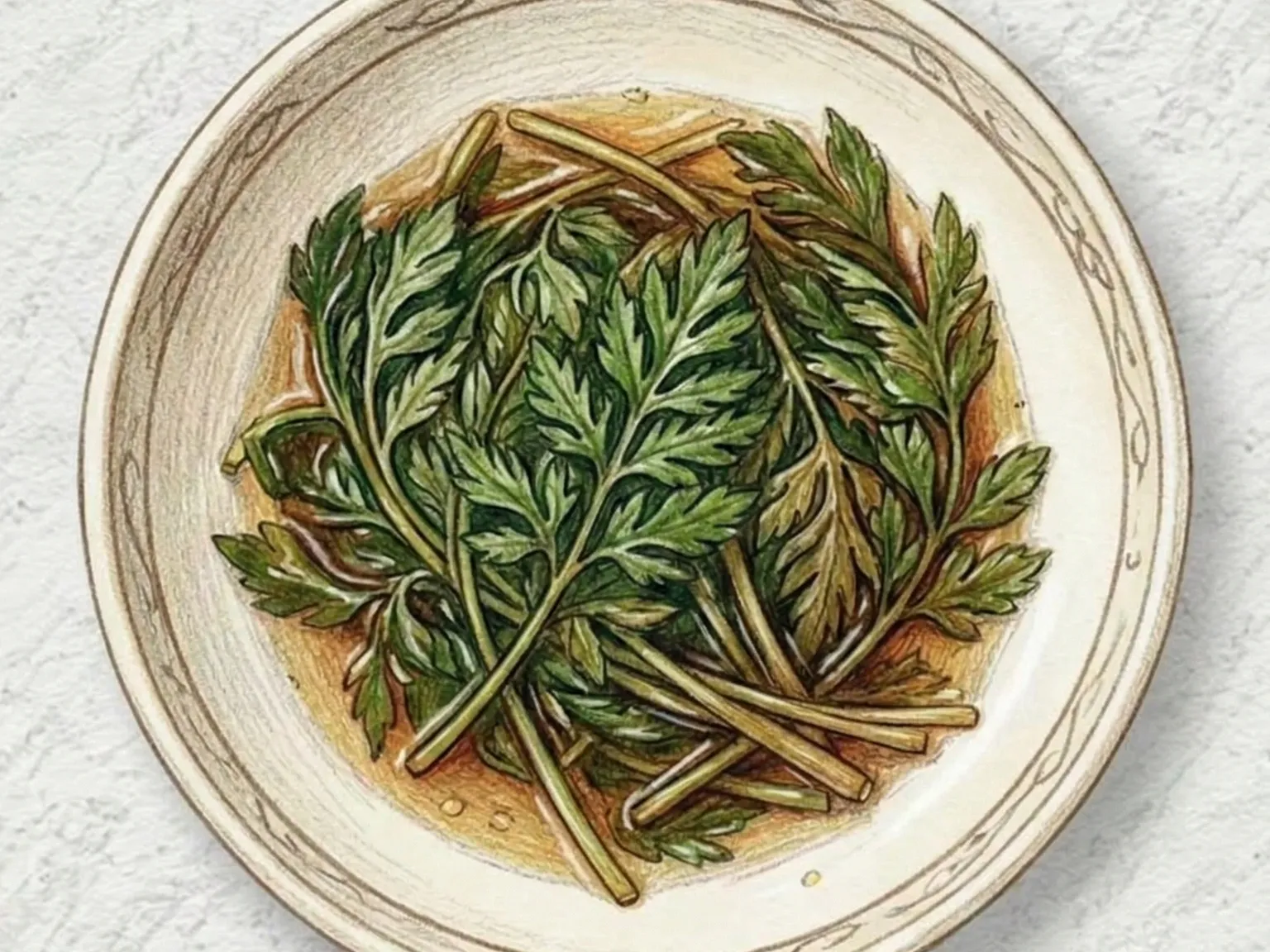
A fragrant Korean spring pickle that captures chamnamul's unique herbal aroma in a gentle soy-and-apple-vinegar brine - ready to eat in just one day. The greens are loosely packed in a jar and covered with warm (not boiling) brine to preserve the volatile aromatics. Apple vinegar produces a rounder, softer acidity than standard rice vinegar, complementing the grassy sweetness of chamnamul. A squeeze of lemon juice brightens the finish. Best consumed within five days for peak fragrance.

Prep 15minCook 8min2 servings

Adjust Servings

2servings
servings

Instructions

  1. 1

    Remove wilted leaves, rinse in cold water, and dry thoroughly.

  2. 2

    Cut greens into bite-size lengths and loosely pack into a jar.

  3. 3

    Boil soy sauce, water, vinegar, sugar, and peppercorns in a pot.

  4. 4

    Turn off heat after boiling, then add lemon juice for freshness.

  5. 5

    Cool brine to warm temperature, then pour over greens.

  6. 6

    Refrigerate and serve after 24 hours; consume within 5 days.

🛒Shop Ingredients on Amazon

As an Amazon Associate, we may earn from qualifying purchases.

Tips

Pour brine while warm, not fully cold, to keep chamnamul aroma.
If too salty, rinse briefly in cold water before serving.

Nutrition (per serving)

Calories
56
kcal
Protein
2
g
Carbs
9
g
Fat
1
g

More Recipes

Korean Chamnamul Kimchi (Pimpinella Kimchi)
KimchiMedium

Korean Chamnamul Kimchi (Pimpinella Kimchi)

Chamnamul kimchi is a spring kimchi made by salting chamnamul greens for just ten minutes to wilt them slightly, then dressing them in gochugaru, anchovy fish sauce, and salted shrimp without rinsing. Skipping the rinse allows the residual salt to convert into umami during fermentation, deepening the overall flavor. Pureed Korean pear and onion blended with sweet rice paste form the seasoning base, contributing natural sweetness that softens the chili heat. After three hours of initial fermentation at room temperature followed by refrigeration, the kimchi reaches its best balance within one to two days, when the grassy herbal aroma of chamnamul meets the fermented depth of the fish sauce.

🍱 Lunchbox
Prep 30minCook 5min4 servings
Korean Bell Pepper Pickles
KimchiEasy

Korean Bell Pepper Pickles

Papeurika jangajji is a Korean soy-vinegar pickle where red and yellow bell peppers are cut into two-centimeter strips alongside half-moon cucumber slices, layered in a sterilized glass jar, and covered with a boiling brine of soy sauce, vinegar, water, sugar, and whole peppercorns. The peppers' thick flesh absorbs the brine while keeping a firm crunch, and their natural vegetable sweetness creates a three-way balance with the soy's saltiness and the vinegar's tang. Whole peppercorns leave a subtle spice note at the finish, and the bright red-and-yellow colors make these pickles a visual accent on any table. Edible after one day, the flavor peaks around day two or three once the brine fully penetrates. Omitting the cucumber reduces moisture release and extends storage life.

🏠 Everyday🍱 Lunchbox
Prep 15minCook 10min2 servings
Korean Seasoned Chamnamul Greens
Side dishesEasy

Korean Seasoned Chamnamul Greens

Chamnamul - Korean pimpinella - grows wild in central Korea's mountain valleys and has been foraged since the Goryeo period. Its leaves carry a celery-like fragrance with a faint peppery finish. Blanched under a minute to preserve crispness, the greens are cut to 5 cm lengths and tossed with soy sauce, sesame oil, and garlic. Stems stay slightly firm while thinner leaves wilt just enough to absorb the dressing. A spring-only banchan, sometimes served raw when leaves are very young.

🏠 Everyday🍱 Lunchbox
Prep 10minCook 3min4 servings
Korean Kohlrabi Soy Pickle
KimchiEasy

Korean Kohlrabi Soy Pickle

Kohlrabi jangajji is a Korean soy pickle made by thickly peeling kohlrabi, cutting it into 2 cm cubes, and submerging the pieces with garlic and dried chili in a brine of boiled soy sauce, vinegar, and sugar. Kohlrabi's dense cellular structure absorbs the brine slowly, holding a firmer crunch and a more pronounced sweetness than radish over several days of pickling. The soy sauce's savory depth and the vinegar's acidity draw out the kohlrabi's natural sugars, and dried chili lays a subtle warm note in the background. This pickle works especially well as a palate cleanser alongside grilled meats or samgyeopsal, cutting through richness with its tart, sweet bite.

🍱 Lunchbox
Prep 20minCook 12min4 servings
Korean Aster Leaf Soy Pickle
KimchiEasy

Korean Aster Leaf Soy Pickle

Chwinamul jangajji is a Korean soy pickle of aster leaves that are blanched for just ten seconds to preserve their mountain-herb fragrance while softening any tough fibers, then squeezed dry and packed into a jar with garlic and dried chili. A brine of soy sauce, vinegar, and sugar is boiled, cooled, and poured over the greens. During the pickling process the garlic's sharpness and the chili's mild warmth gradually infuse the leaves, while the aster's distinctive fresh, slightly bitter aroma meets the soy's umami for a clean, layered finish. After two to three days in the refrigerator the seasoning distributes evenly, and the jangajji can be eaten over rice or chopped fine as a filling for rice balls.

🍱 Lunchbox
Prep 16minCook 10min4 servings
Korean Seasoned Bitter Lettuce
Side dishesMedium

Korean Seasoned Bitter Lettuce

Wild sseumbagui, a bitter green foraged in Korean spring fields, is dressed in a gochujang vinaigrette that transforms its sharp bitterness into a layered, complex side dish. The intrinsic bitterness of the leaves works as a palate cleanser, and the gochujang's heat and vinegar's acidity wrap around it to build depth rather than mask it. Sugar smooths the rough edges of the combined flavors, while a drizzle of sesame oil closes each bite with a warm, nutty finish. Soaking the greens in salt water draws out enough bitterness to make them approachable without erasing the vegetal character that defines this namul. Over-soaking strips the personality entirely, leaving a flat, unremarkable green. Garlic folded into the dressing adds a pungent undercurrent, and a gentle tossing motion keeps the fragile leaves intact. The flavor progresses from bitter opening to spicy-sour middle to a sesame-scented close, a sequence that captures the taste of Korean spring.

🏠 Everyday
Prep 30min4 servings
More Kimchi