Charim

2686 Korean & World Recipes

2686+ Korean recipes, clean and organized. Ingredients to instructions, all at a glance.

Korean Cheonggak Kimchi (Seaweed Kimchi)
KimchiMedium

Korean Cheonggak Kimchi (Seaweed Kimchi)

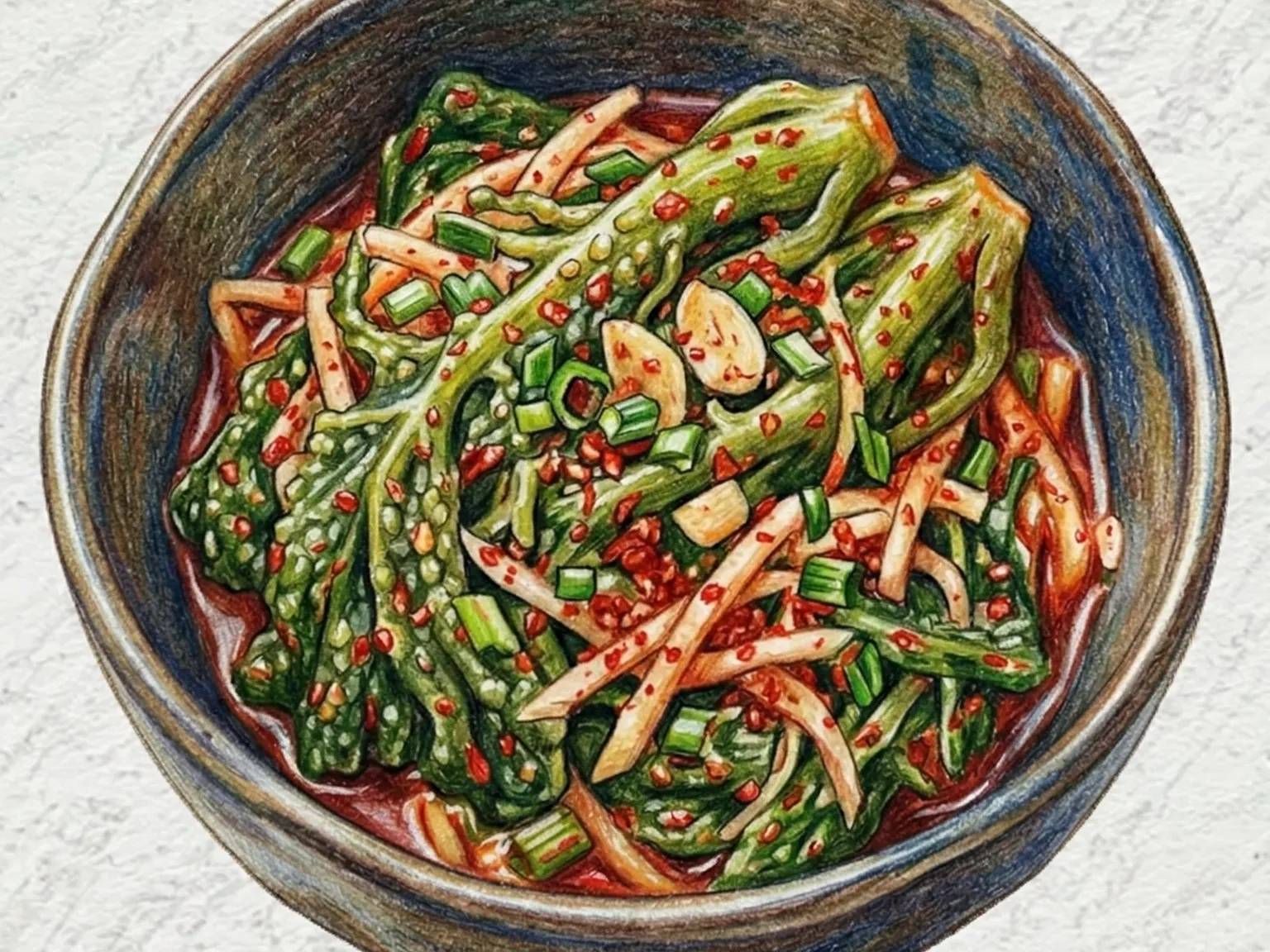
Cheonggak kimchi is made with cheonggak, a type of green seaweed, mixed with julienned radish and scallions in a seasoning of gochugaru, anchovy fish sauce, and sweet rice paste. The seaweed contributes a distinctive chewy, almost crunchy texture and a concentrated ocean aroma that sets this kimchi apart from plant-based varieties. Seasoning the radish first and then tossing the seaweed in quickly is important because overworking toughens the seaweed's delicate structure. After one day of refrigeration the brine from the seaweed mingles with the fermented seasoning, producing a kimchi with pronounced marine depth that pairs naturally with seafood dishes and mild rice soups.

Prep 35min04 servings

Adjust Servings

2servings
servings

Instructions

  1. 1

    Rinse seaweed to remove excess salt, soak 10 minutes, then drain well.

  2. 2

    Julienne radish and cut scallions into 3 cm lengths.

  3. 3

    Mix chili flakes, fish sauce, garlic, ginger, rice paste, and sugar.

  4. 4

    Season radish first with half the paste to build flavor.

  5. 5

    Add seaweed and scallions, then toss quickly with the remaining paste.

  6. 6

    Store airtight and ferment in the fridge for 1 day before eating.

🛒Shop Ingredients on Amazon

As an Amazon Associate, we may earn from qualifying purchases.

Tips

Work quickly; over-mixing can toughen the seaweed.
Pre-seasoned radish helps distribute flavor evenly.

Nutrition (per serving)

Calories
55
kcal
Protein
3
g
Carbs
8
g
Fat
1
g

More Recipes

Korean Pepper Leaf Kimchi
KimchiMedium

Korean Pepper Leaf Kimchi

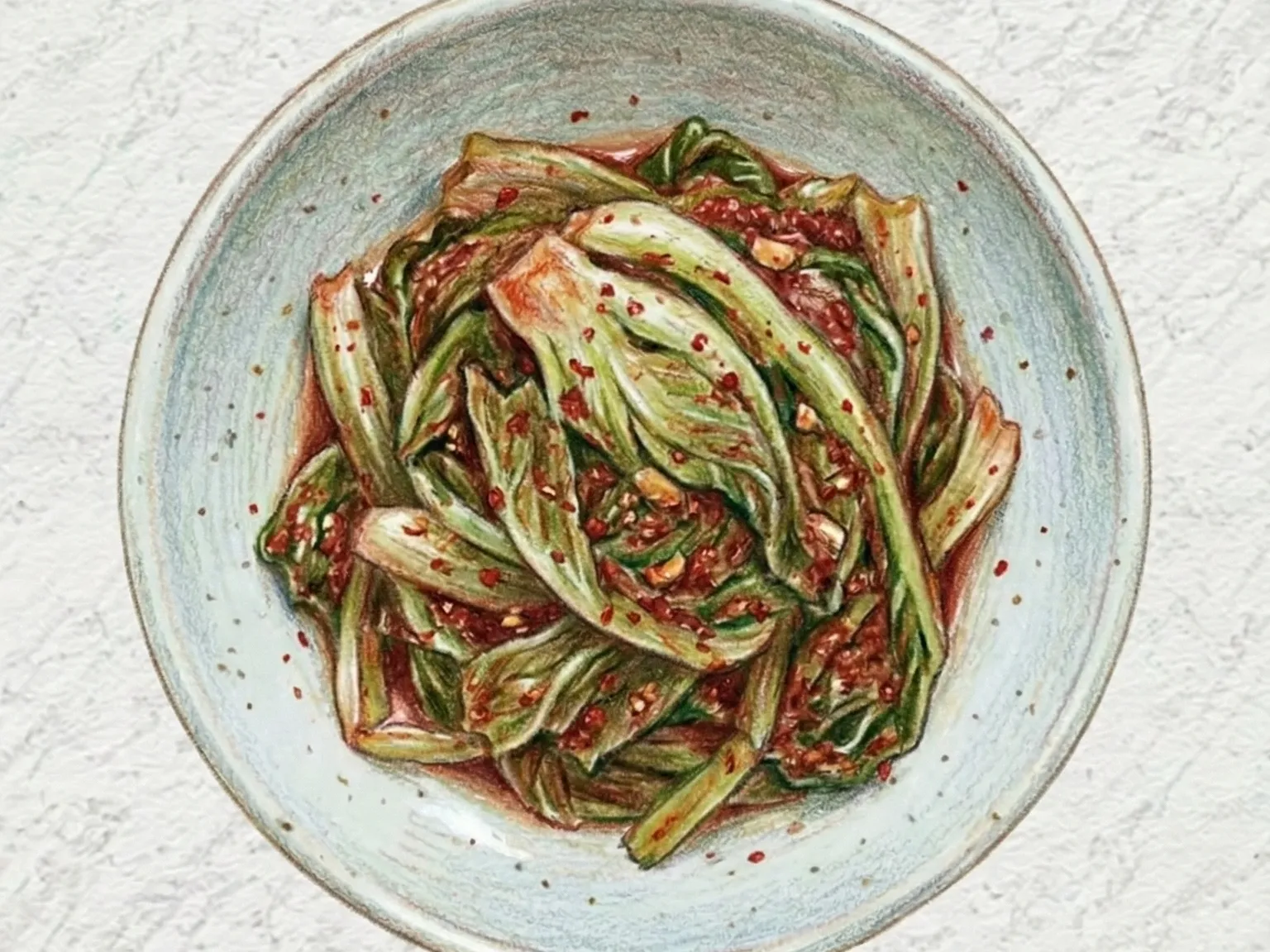
Gochuip kimchi is a Korean pepper leaf kimchi where the leaves are briefly blanched to reduce volume and remove bitterness, then tossed with gochugaru, anchovy fish sauce, garlic, and glutinous rice paste for about a day of room-temperature fermentation. Blanching softens the leaves and allows the seasoning to cling evenly to their surfaces. The rice paste acts as both a binding agent and a fermentation accelerator, promoting lactic acid activity even in the short curing window. Beneath the spicy coating, the pepper leaves contribute a subtle green, herbaceous note that distinguishes this from standard napa kimchi, making it a distinctive summer preparation.

🍱 Lunchbox
Prep 25minCook 8min4 servings
Korean Sigeumchi Kimchi (Spinach Kimchi)
KimchiEasy

Korean Sigeumchi Kimchi (Spinach Kimchi)

Sigeumchi kimchi is a Korean spinach kimchi made by salting the greens for exactly twelve minutes to wilt the leaves while keeping the stems crisp, rinsing in cold water, squeezing dry, then tossing with gochugaru, sand lance fish sauce, minced garlic, plum extract, and scallion pieces. Strict timing on the salt is what creates the dual texture - tender leaves and crunchy stems - that defines this kimchi; over-salting collapses everything into softness. The fish sauce's fermented depth layers onto the spinach's mild, grassy base, and plum extract rounds out the seasoning's sharp edges with a gentle sweetness. Six hours of refrigeration settles the flavors into a cohesive whole. The vivid green color makes this a visually appealing banchan on any Korean table.

🏠 Everyday🍱 Lunchbox
Prep 20minCook 5min4 servings
Korean Chamnamul Kimchi (Pimpinella Kimchi)
KimchiMedium

Korean Chamnamul Kimchi (Pimpinella Kimchi)

Chamnamul kimchi is a spring kimchi made by salting chamnamul greens for just ten minutes to wilt them slightly, then dressing them in gochugaru, anchovy fish sauce, and salted shrimp without rinsing. Skipping the rinse allows the residual salt to convert into umami during fermentation, deepening the overall flavor. Pureed Korean pear and onion blended with sweet rice paste form the seasoning base, contributing natural sweetness that softens the chili heat. After three hours of initial fermentation at room temperature followed by refrigeration, the kimchi reaches its best balance within one to two days, when the grassy herbal aroma of chamnamul meets the fermented depth of the fish sauce.

🍱 Lunchbox
Prep 30minCook 5min4 servings
Korean Green Onion Kimchi
KimchiMedium

Korean Green Onion Kimchi

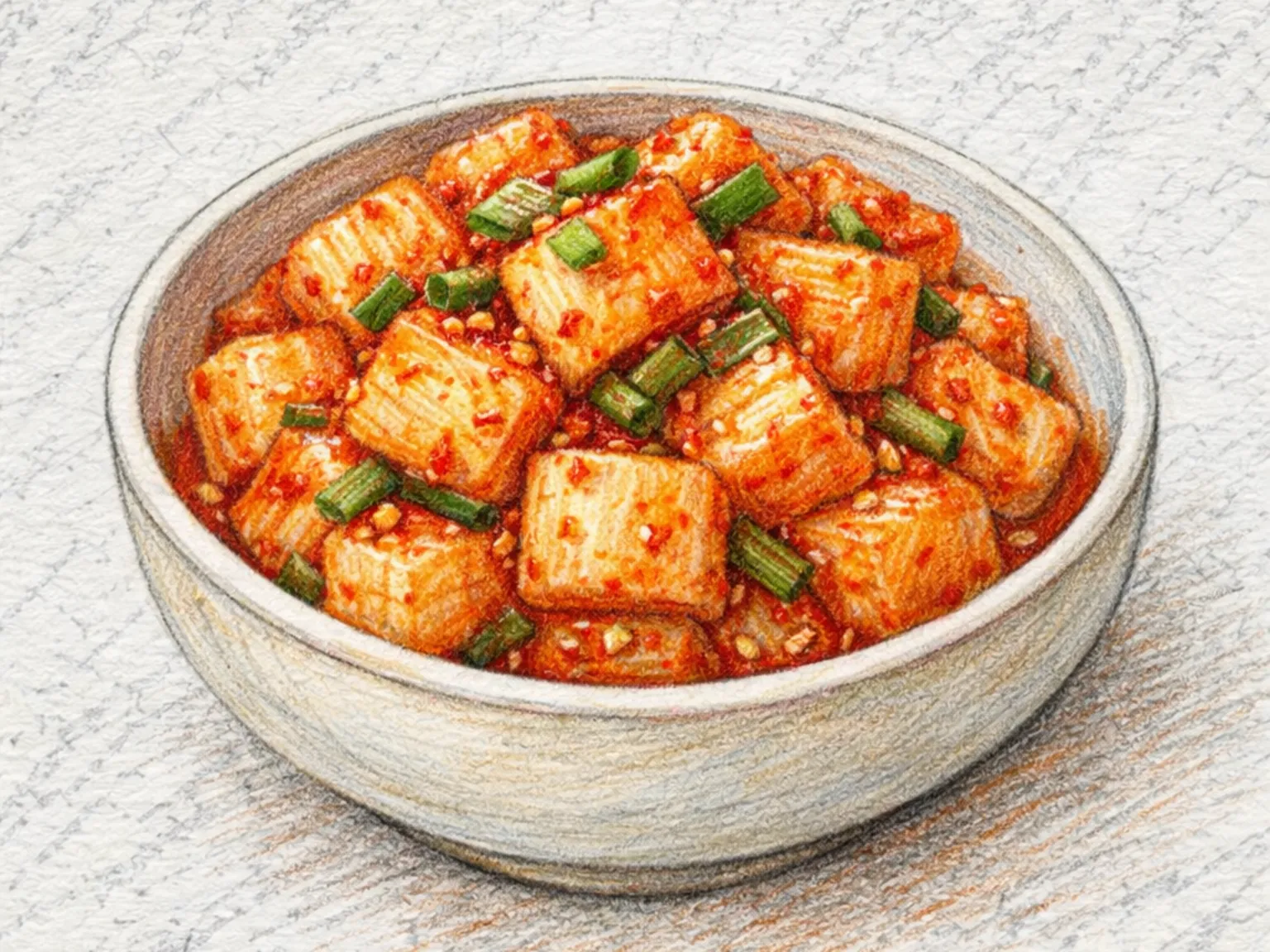
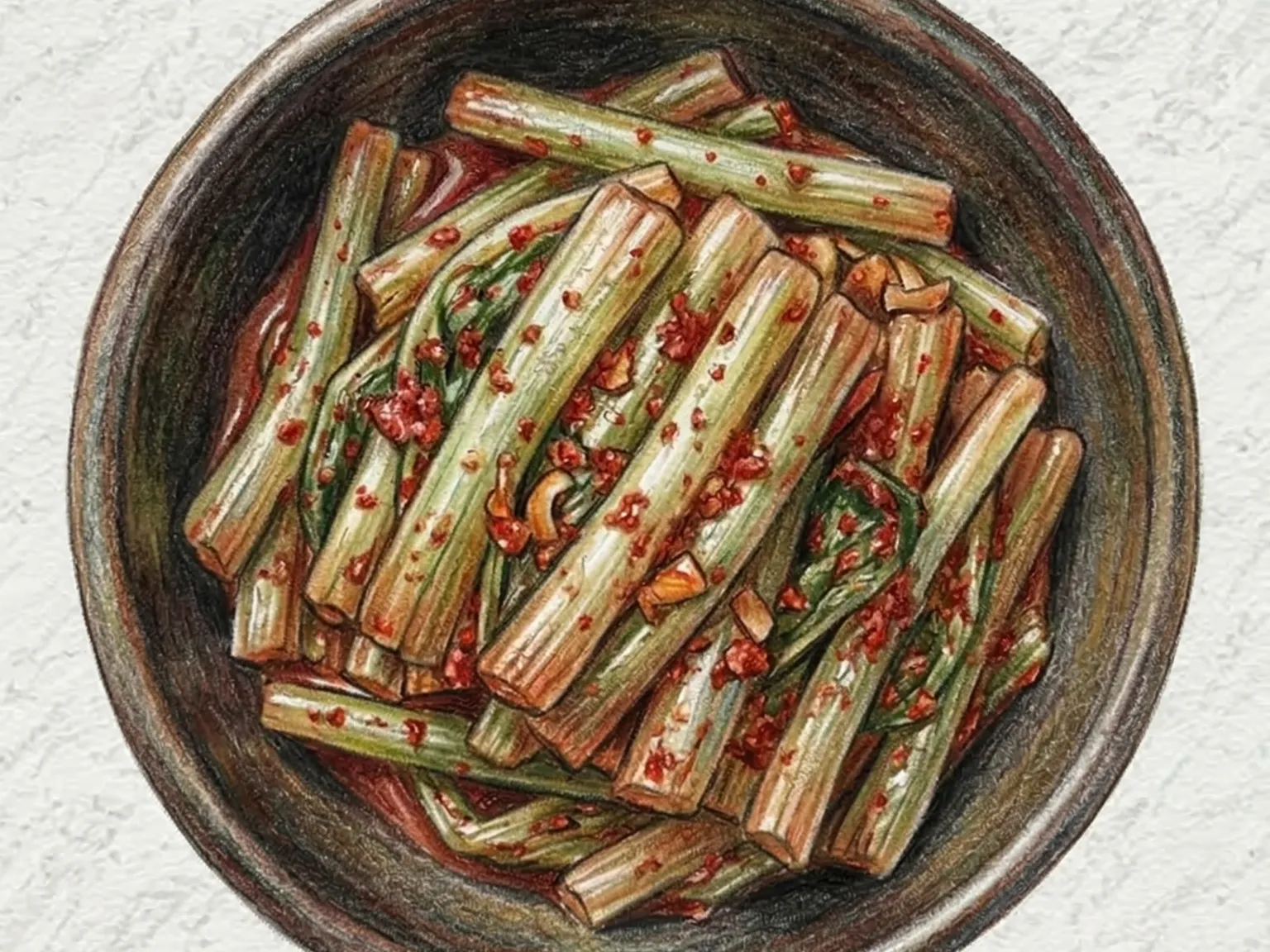
Daepa kimchi is made by cutting large green onions into six- to seven-centimeter lengths and gently coating them in a paste of gochugaru, anchovy fish sauce, soy sauce, plum extract, and glutinous rice paste. The rice paste acts as a binder that keeps the seasoning clinging to the onion surfaces throughout fermentation instead of sliding off. Handling the stalks carefully so they stay intact is important for presentation, and splitting thicker white portions lengthwise gives the paste more surface area to penetrate. Eight hours of room-temperature fermentation followed by two days of refrigeration brings the kimchi to its peak, where the sharp allium bite of the green onion meets the deep fermented umami of the fish sauce.

🍱 Lunchbox
Prep 25minCook 5min4 servings
Korean Seasoned Kelp Strips
Side dishesEasy

Korean Seasoned Kelp Strips

Kelp strips are soaked to soften their salt, then blanched 20 seconds - enough to turn them pliable without losing their snap. Dressed in gochugaru, vinegar, soy sauce, sugar, and garlic, with julienned cucumber adding freshness, the dish balances mineral-dense ocean taste against a bright, acidic dressing. The strips have a satisfying resistance between the teeth, distinct from softer Korean seaweed dishes. Best served cold; holds up well in packed lunches.

🥗 Light & Healthy🏠 Everyday
Prep 12minCook 3min2 servings
Korean Stir-fried Seaweed Stems
Side dishesEasy

Korean Stir-fried Seaweed Stems

Miyeok-julgi-bokkeum is stir-fried seaweed stems - specifically the thick midrib portions of salted miyeok (wakame) - offering a textural experience entirely different from miyeok-muchim (seaweed salad) or miyeok-guk (seaweed soup). While seaweed leaves are soft and slippery, the stems are thick and resilient, producing a distinctive crunchy pop with each bite. Salt levels vary by brand, so soaking in cold water for ten minutes is the baseline desalting step, but tasting before cooking and rinsing again if needed is essential. Julienned onion and carrot stir-fried alongside break the monotony of seaweed alone, adding sweetness and color. Garlic sauteed in oil first establishes an aromatic foundation. A finishing drizzle of sesame oil and sesame seeds bridges the oceanic seaweed flavor with a toasty nuttiness. The extremely low calorie count makes this banchan a staple in diet-conscious Korean meal plans.

🥗 Light & Healthy🏠 Everyday
Prep 15minCook 8min4 servings
More Kimchi