Korean Chwinamul Pot Rice
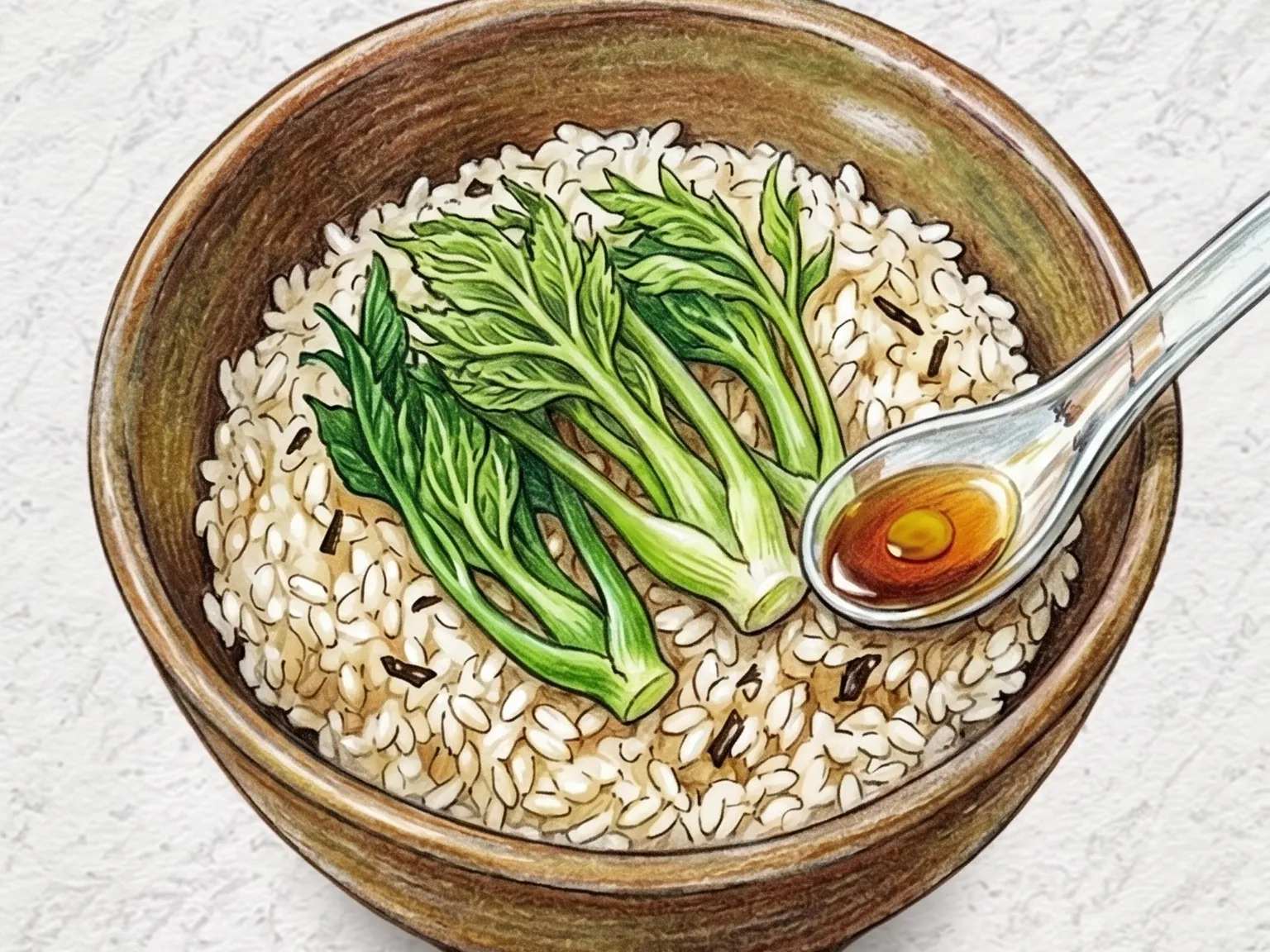
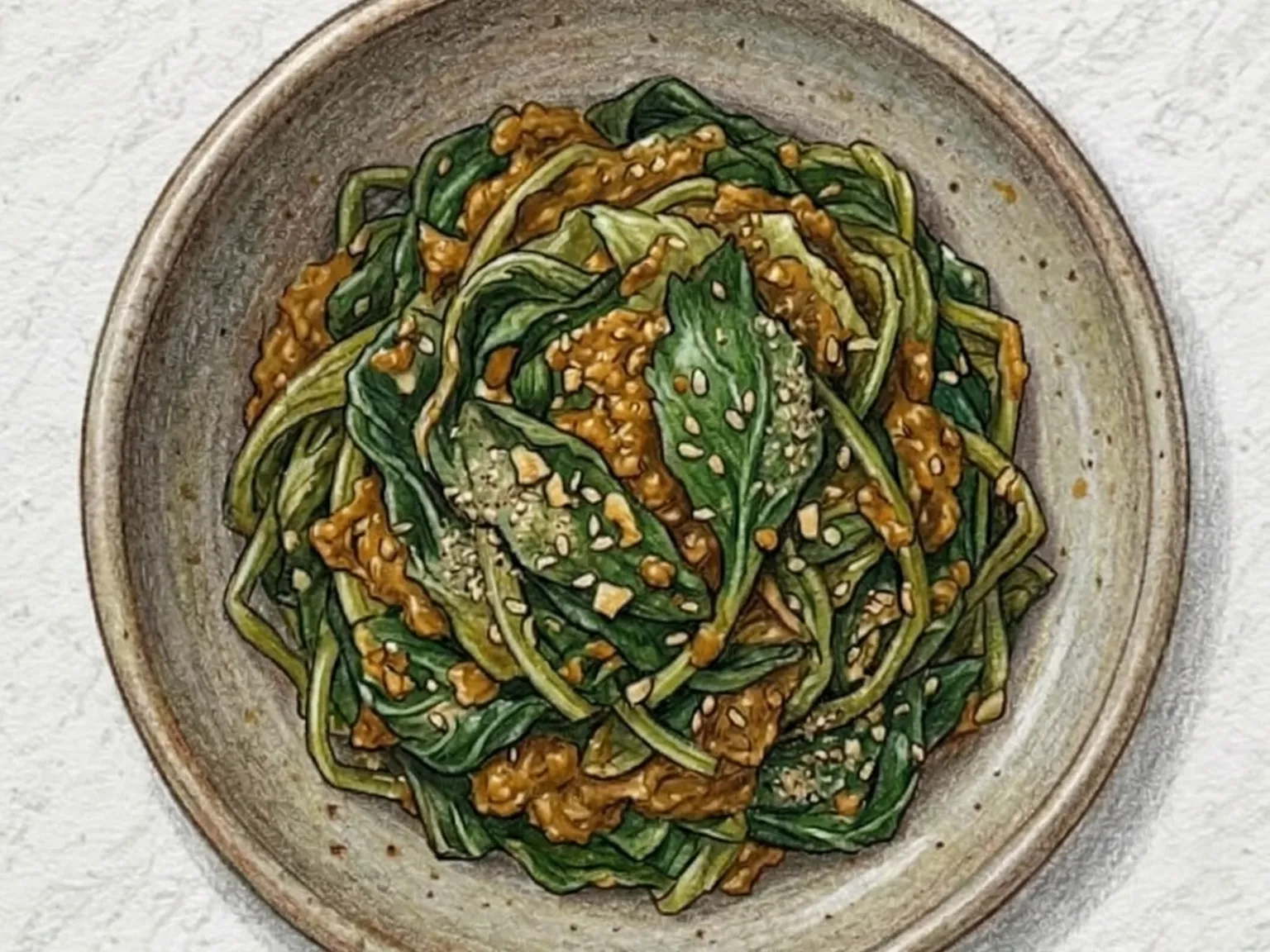
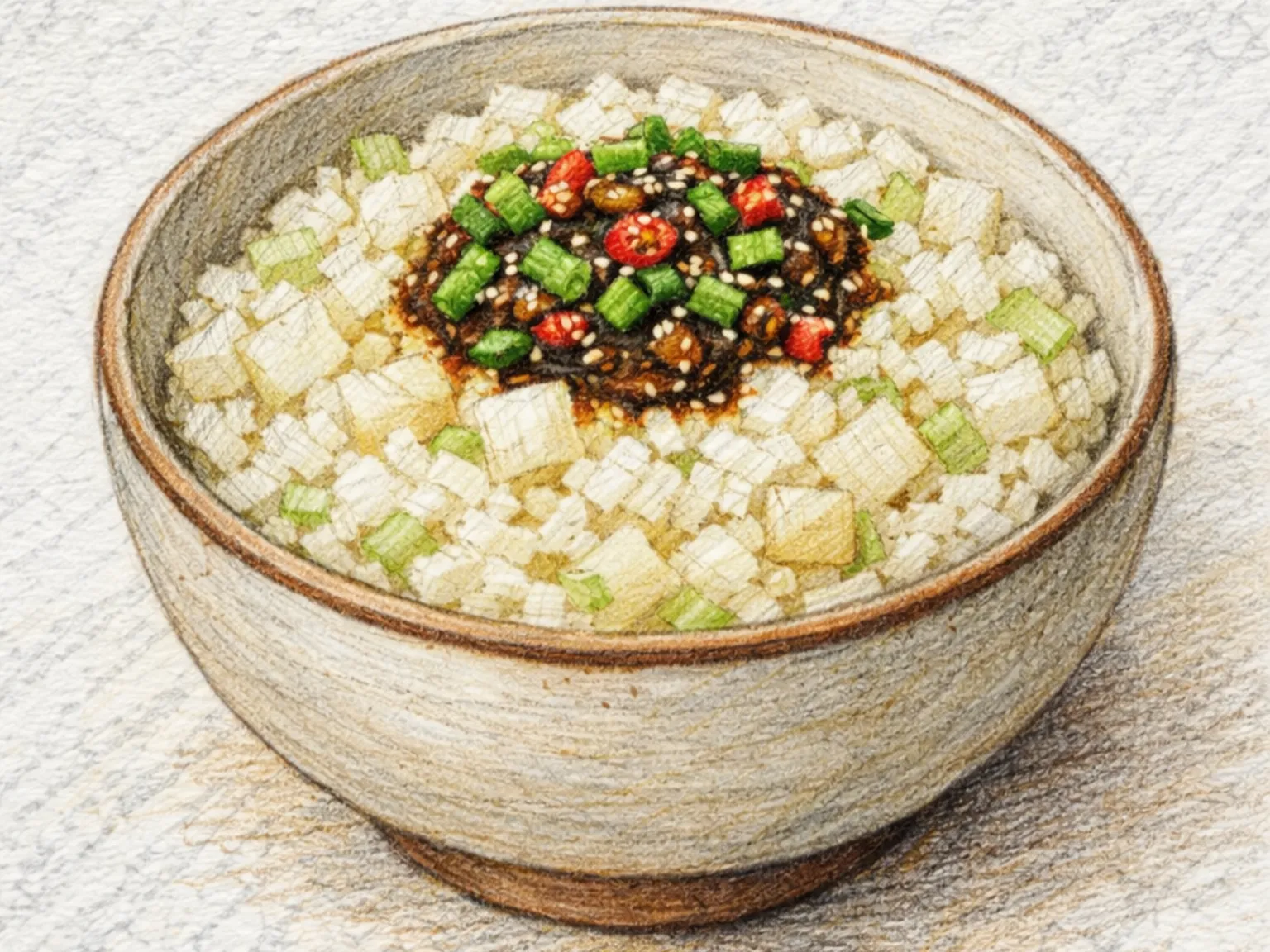
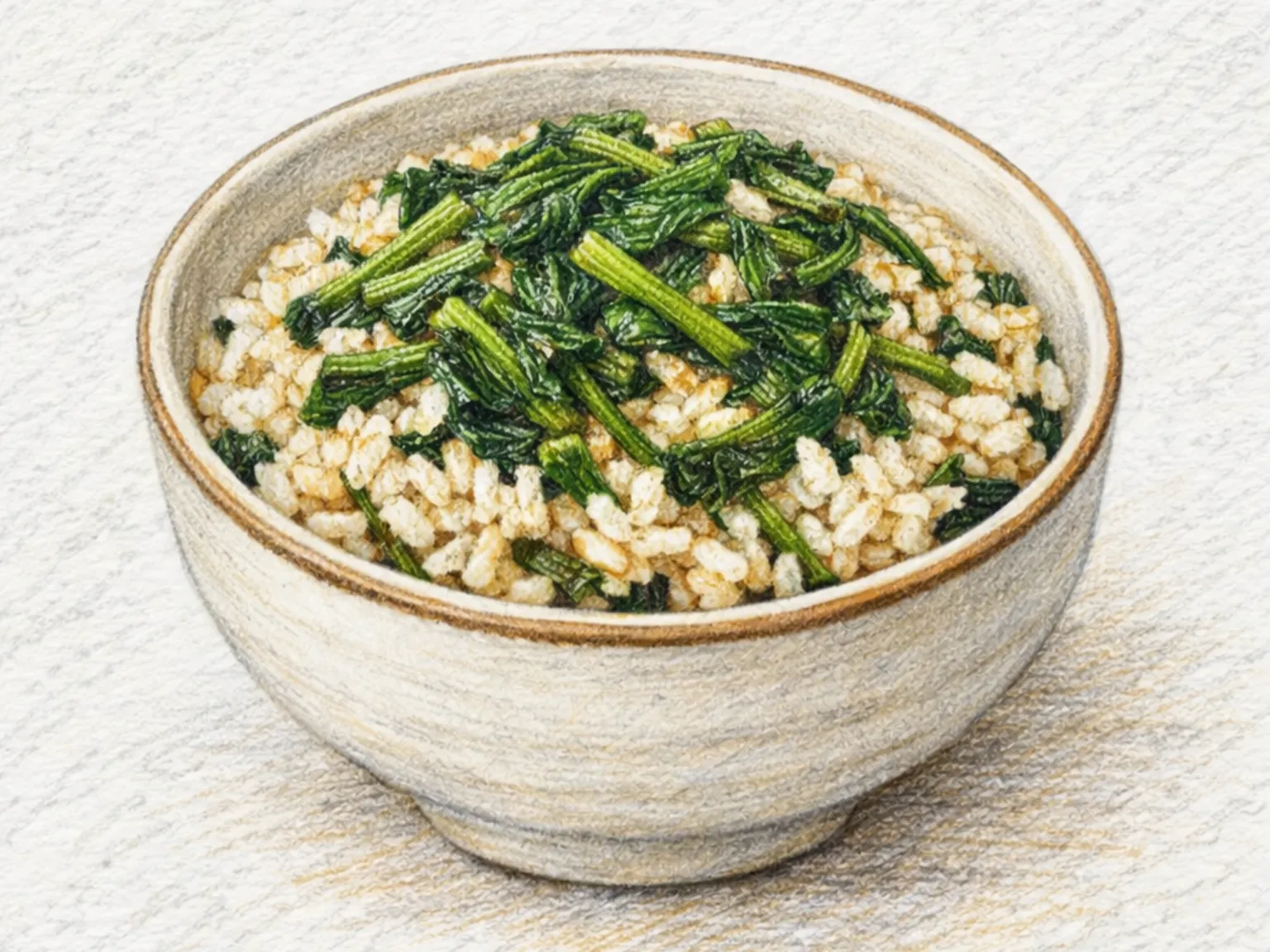
Chwinamul sotbap is a Korean pot rice made by layering lightly seasoned wild chwinamul greens over soaked rice and cooking everything in kelp stock. The greens release their distinctively herbal, faintly bitter fragrance directly into the rice as it steams, filling the kitchen with an earthy mountain scent when the lid comes off. Mixed with a soy-sesame dipping sauce, the bitterness softens into a pleasant backdrop that makes each spoonful complex and grounding. It is best prepared in spring when chwinamul is in season, offering peak aroma and the most tender stems. Dried chwinamul can be rehydrated for year-round cooking, though the fresh version carries a brightness that the dried form cannot fully replicate.
Adjust Servings
Instructions
- 1
Soak the rice for 30 minutes, then drain well.
- 2
Trim tough stems from chwinamul and cut into 4 cm pieces.
- 3
Toss chwinamul with soup soy sauce, half the sesame oil, and minced garlic.
- 4
Add rice, kelp stock, and salt to a pot, then spread the greens on top.
- 5
Cook on high for 5 minutes, then low for 15 minutes; rest covered for 10 minutes.
- 6
Finish with remaining sesame oil and sesame seeds, then mix and serve.
As an Amazon Associate, we may earn from qualifying purchases.
Tips
Nutrition (per serving)
More Recipes

Korean Dureup Pot Rice (Spring Angelica Shoot Pot Rice)
Durup sotbap is a Korean spring pot rice that showcases dureup - young angelica tree shoots available for only a brief window each year. The rice cooks in kelp stock, which provides a subtle umami base, then blanched dureup is placed on top just before the pot rests with its lid sealed. During the ten-minute resting period, the shoots release their distinctive herbal fragrance directly into the steam, infusing every grain. Soup soy sauce and garlic season the rice from within, while a soy-sesame dipping sauce served alongside adds depth when mixed in. The dureup itself carries a pleasantly bitter, almost woodsy character that mellows against the warm rice and sesame. Blanching must be kept under thirty seconds to preserve both the shoots' bright green color and their delicate crunch. The dish embodies the Korean tradition of eating seasonally, celebrating a mountain vegetable whose fleeting availability makes each bowl feel like an occasion.

Chwinamul Apple Doenjang Salad
Chwinamul (aster scaber) is blanched briefly to preserve its herbal, slightly bitter character, then combined with thin-sliced apple and cucumber for crisp sweetness. The dressing is built on doenjang - Korean fermented soybean paste - which adds a deep umami layer uncommon in typical salad dressings. Perilla oil rounds out the nuttiness, while red onion contributes a sharp edge that keeps the bowl from feeling heavy. The salad is best in spring when chwinamul is freshly harvested and most aromatic.

Korean Seaweed and Shrimp Pot Rice
Rehydrated hijiki seaweed and whole shrimp are layered over rice in a heavy pot and cooked together so the briny ocean flavor permeates every grain. Sliced shiitake mushrooms and carrot sit beneath the seafood, lending umami depth and a mild sweetness to the base. When the lid comes off, the concentrated aroma of seaweed and shrimp fills the room. Stirring in a soy-based sauce ties the flavors together, and scraping the crispy rice crust from the bottom adds a toasty finish.

Korean Herb Mushroom Pot Rice
Chamnamul beoseot sotbap is a Korean pot rice cooked with fragrant chamnamul herbs, oyster mushrooms, and shiitake mushrooms in kelp stock. The chamnamul infuses the rice with a fresh, slightly herbaceous scent, while the two types of mushroom contribute contrasting textures - the oyster mushrooms soft and springy, the shiitake firm and woodsy - along with layers of umami. Served with a soy-sesame dipping sauce drizzled over the top and mixed in, it becomes a complete, aromatic meal. Even without any meat, the combination of mushroom depth and herbal brightness makes every bowl feel substantial. The nurungji crust that forms at the bottom of the pot adds a toasty crunch that is one of the small joys of eating pot-cooked rice.

Korean Dried Radish Greens Beef Pot Rice
This pot rice layers soy-garlic marinated beef and softened siraegi over soaked rice, then cooks everything together in a heavy pot so the meat juices and earthy green flavors permeate every grain. Perilla oil is added to the pot, giving the finished rice a glossy sheen and a distinctly nutty aroma. As the rice cooks, the beef releases its savory juices downward while the siraegi steams on top, creating a gradient of flavor from meaty bottom to herbaceous top. A doenjang-based sauce mixed in at the table adds a salty, fermented punch that amplifies both the beef and the greens. The crispy scorched rice - nurungji - that forms at the bottom of the pot provides a crunchy finish to an otherwise soft, deeply flavored meal.

Korean Chwinamul with Doenjang
This variation pairs blanched chwinamul with doenjang - Korea's fermented soybean paste - creating a banchan where two strong flavors meet. Greens are boiled two minutes, squeezed, and cut before dressing with doenjang, soup soy sauce, garlic, sesame oil, and perilla powder. The paste's funky, salty depth clings to porous leaves, amplifying natural bitterness into something complex. Five minutes of resting lets seasoning penetrate fully. Often made with dried chwinamul reconstituted in winter.