Charim

2686 Korean & World Recipes

2686+ Korean recipes, clean and organized. Ingredients to instructions, all at a glance.

Korean Chicken Rice Porridge
RiceEasy

Korean Chicken Rice Porridge

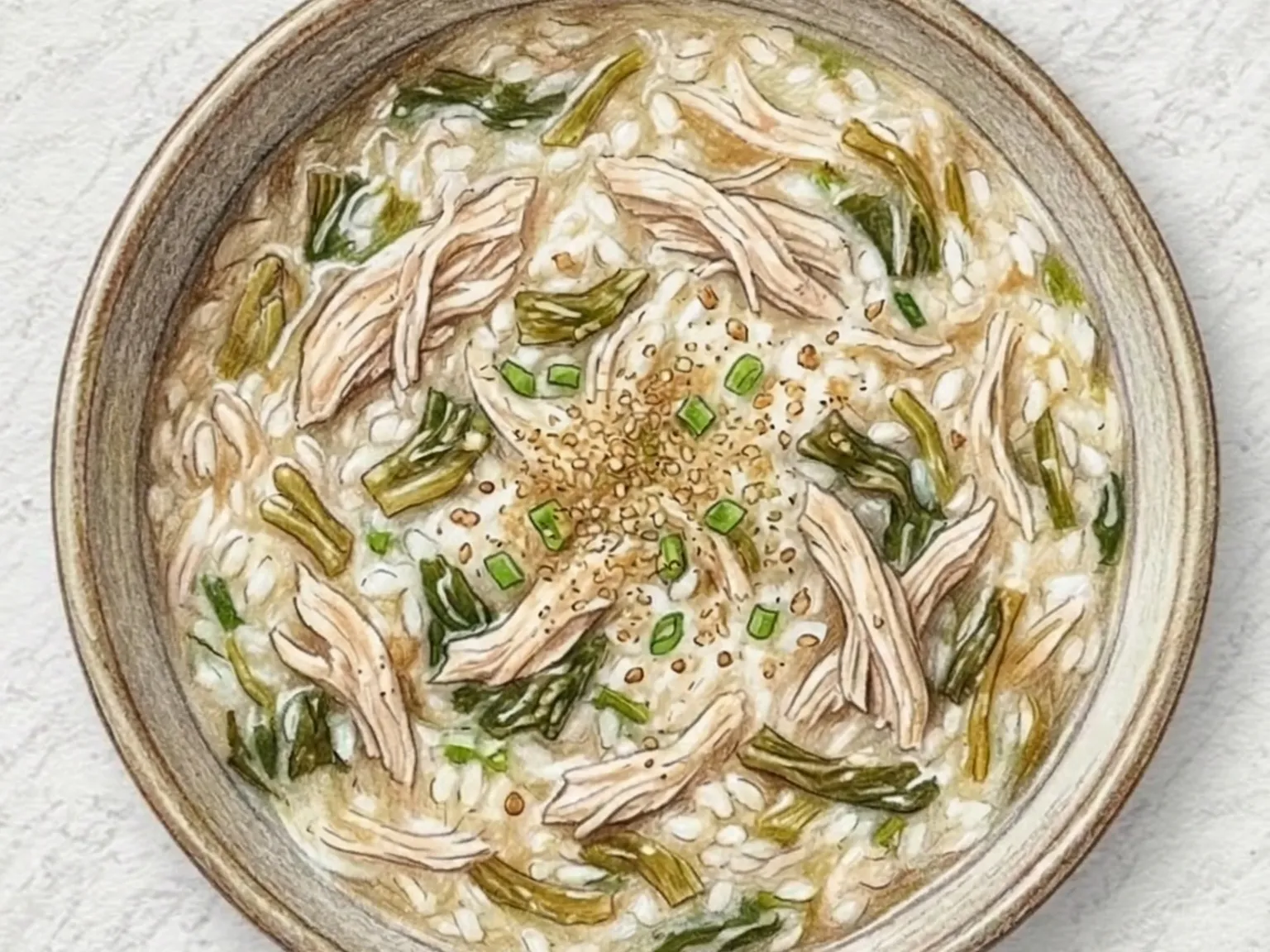
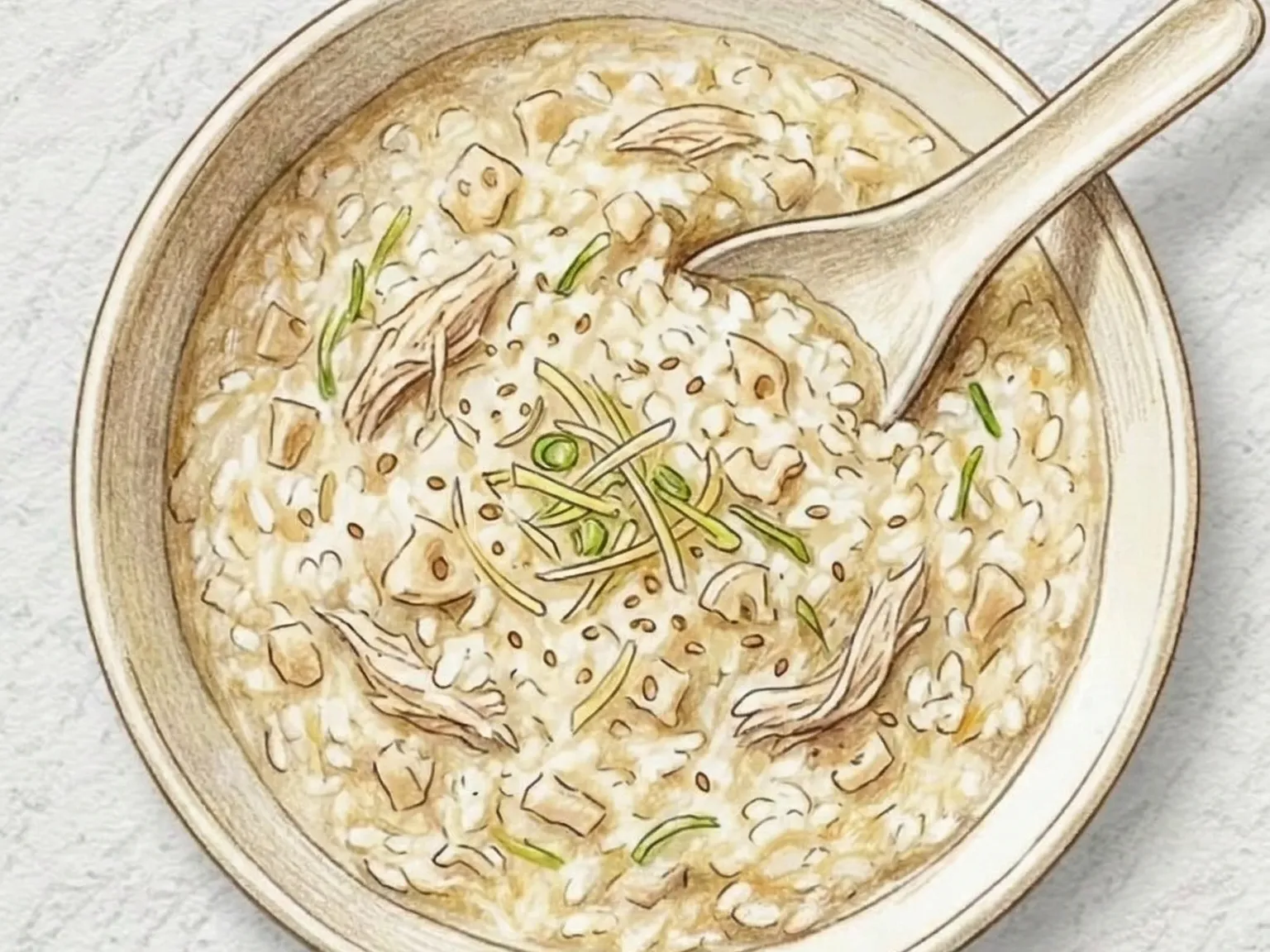
Dakjuk is a Korean chicken rice porridge built from a simple foundation: a whole chicken breast poached in water until tender, then shredded along the grain and returned to the broth with soaked rice. The rice is first sauteed briefly in sesame oil with minced garlic to coat each grain before the stock goes in, which adds a subtle nuttiness to the finished porridge. As the rice simmers and breaks down over twenty-five minutes of patient stirring, it releases starch that thickens the liquid into a smooth, flowing consistency. The chicken contributes lean protein without heaviness, and the garlic mellows into a gentle warmth rather than a sharp bite. Sliced green onion scattered on top provides a fresh contrast. Dakjuk has been a go-to restorative meal in Korean households for generations - eaten when the body is recovering, when the stomach needs rest, or simply when a warm, undemanding breakfast is what the morning calls for.

Prep 20minCook 45min2 servings

Adjust Servings

2servings
servings

Instructions

  1. 1

    Soak the rice for 30 minutes, then drain well.

  2. 2

    Boil chicken breast in water for 15 minutes, then remove and shred it.

  3. 3

    In the same pot, sauté rice and garlic in sesame oil for 2 minutes.

  4. 4

    Add chicken stock and shredded chicken, then simmer for 25 minutes, stirring often.

  5. 5

    Season with salt and turn off the heat when thick and creamy.

  6. 6

    Finish with sliced green onion.

🛒Shop Ingredients on Amazon

As an Amazon Associate, we may earn from qualifying purchases.

Tips

Stir regularly to prevent sticking at the bottom.
Blend 2 extra tablespoons of rice for a thicker texture.

Nutrition (per serving)

Calories
410
kcal
Protein
30
g
Carbs
45
g
Fat
11
g

More Recipes

Korean Kimchi Fried Rice (Kimchi Bokkeumbap)
RiceEasy

Korean Kimchi Fried Rice (Kimchi Bokkeumbap)

Finely chopped aged kimchi is stir-fried with ground pork, and the fermentation tang meets rendered pork fat to build a deep, layered umami. Kimchi juice goes into the pan along with gochujang and a touch of sugar, coating the rice in a spicy-sweet glaze. High heat is critical - quick tossing keeps each grain separate and slightly crisp rather than mushy. A soft-fried egg on top lets the runny yolk temper the heat, and using well-fermented kimchi dramatically deepens the flavor profile. Variations with spam or canned tuna are equally popular across Korean home kitchens.

🏠 Everyday🍱 Lunchbox
Prep 10minCook 10min2 servings
Korean Abalone Porridge (Jeonbok Juk)
RiceMedium

Korean Abalone Porridge (Jeonbok Juk)

Abalone innards are sauteed in sesame oil until they release a green tint and briny aroma, then simmered with soaked rice on low heat for over 30 minutes into a nourishing porridge. The freshness of the innards dictates both the porridge's color and depth of flavor, with vivid green being the sign of quality. Thinly sliced abalone meat goes in near the end so it stays chewy rather than turning rubbery, and frequent stirring throughout prevents the bottom from scorching. An egg yolk placed on top creates a visual contrast against the greenish porridge and, once broken and mixed in, adds a layer of richness.

🎉 Special Occasion
Prep 20minCook 40min2 servings
Korean Spicy Dakgalbi Rice Bowl
RiceEasy

Korean Spicy Dakgalbi Rice Bowl

Dakgalbi deopbap brings the flavors of Chuncheon's famous spicy chicken to a single rice bowl. Boneless chicken thigh is stir-fried with cabbage, onion, and green onion in a gochujang-based marinade that balances heat with a touch of sweetness. High heat ensures the sauce caramelizes onto the chicken while the vegetables keep a slight crunch. A finishing drizzle of sesame oil adds a toasty fragrance that rounds out the bold seasoning. The dish captures the essence of a dakgalbi restaurant meal - the moment just before the leftover sauce gets turned into fried rice - and serves it as a complete, self-contained bowl that needs no side dishes.

🏠 Everyday🍱 Lunchbox
Prep 15minCook 14min2 servings
Korean Beef Porridge (Sesame Oil-Toasted Rice with Minced Beef)
RiceMedium

Korean Beef Porridge (Sesame Oil-Toasted Rice with Minced Beef)

Sogogi-juk is a Korean beef porridge that begins by stir-frying minced beef and soaked rice together in sesame oil, building a savory, nutty foundation before water is added. As the beef renders in the oil, its umami dissolves into the fat, and the rice grains pick up that flavor as they toast alongside the meat. Slow simmering over low heat allows the rice to break down gradually into a thick, silky porridge while the beef broth permeates every spoonful. Finely diced carrot and onion can be added for a touch of natural sweetness that softens the overall flavor profile. Widely relied on as a recovery food after illness and as a warming breakfast, this porridge is gentle on the stomach yet deeply satisfying in its quiet, meaty richness.

🏠 Everyday
Prep 15minCook 35min2 servings
Korean Chicken Radish Soup
SoupsMedium

Korean Chicken Radish Soup

Dak mu-guk is a Korean chicken and radish soup where blanched chicken thigh meat and thinly sliced radish simmer together into a clear, deeply flavored broth. Blanching the chicken for one minute before the main simmer removes impurities and is the key to keeping the broth transparent. Onion and ginger build the aromatic foundation over twenty minutes of gentle cooking, and the radish - cut into thin, flat squares rather than thick chunks - turns translucent quickly, releasing its natural sweetness into the liquid in just ten minutes. Soup soy sauce and diagonally sliced green onion finish the bowl, balancing the chicken's richness with a clean, vegetal note.

🏠 Everyday
Prep 20minCook 35min4 servings
Korean Pork Gochujang Jjigae
StewsEasy

Korean Pork Gochujang Jjigae

This pork-focused gochujang stew blends chili paste with a half-tablespoon of doenjang, balancing the heat with fermented soybean depth. A full tablespoon of gochugaru intensifies the color and spice level. The 180 grams of pork shoulder render their juices into 700ml of broth, while potato, zucchini, onion, and tofu ensure variety in every bite. The combination of two fermented pastes gives this version a more complex flavor than a pure gochujang stew.

🏠 Everyday
Prep 15minCook 20min2 servings
More Rice