Korean Wild Chive Soy Butter Rice
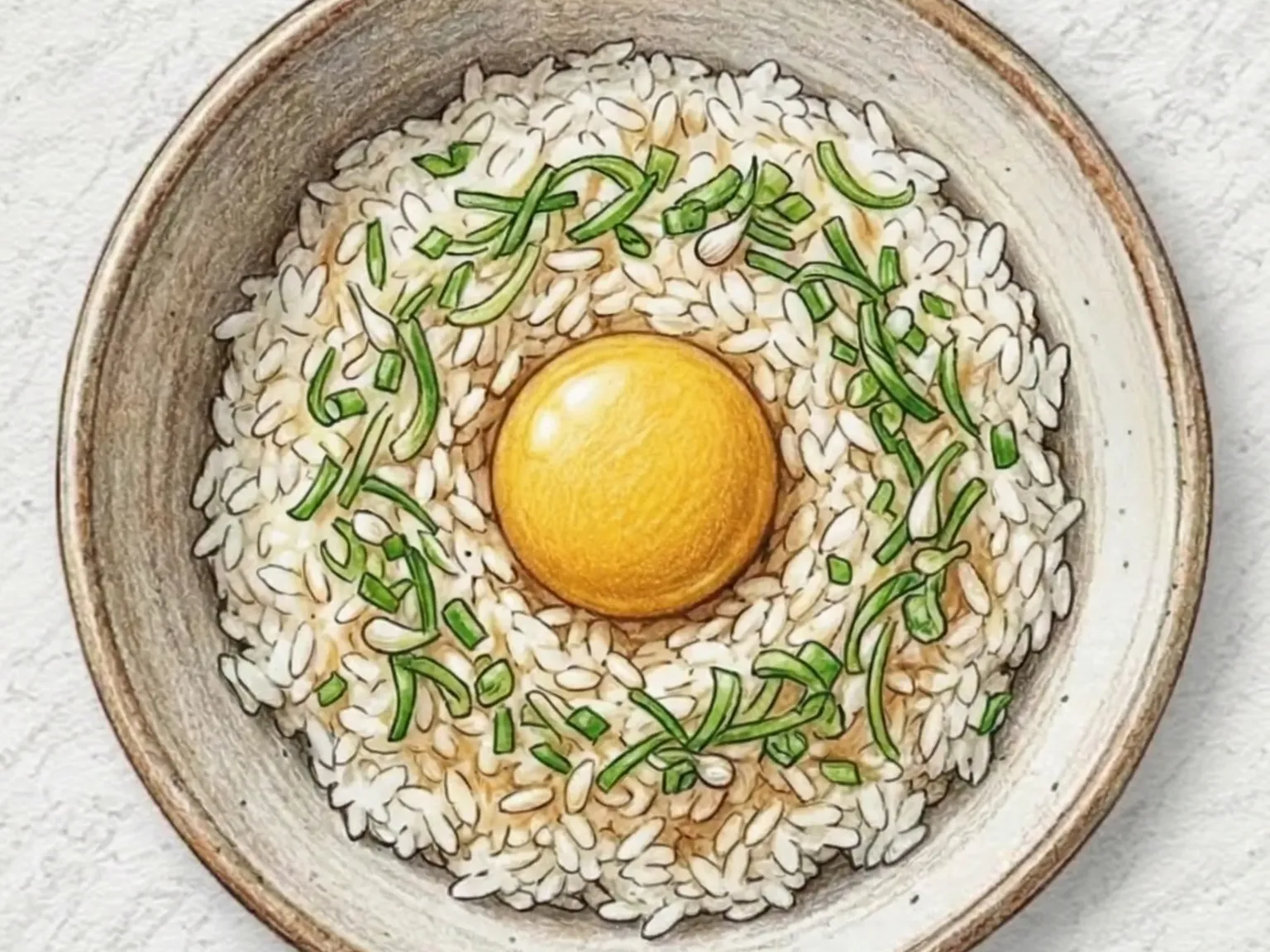
Dallae ganjang butter bap is a Korean one-bowl meal that comes together in under ten minutes by folding melted butter, soy sauce, and wild chives into warm rice. The butter coats each grain with richness, soy sauce provides a salty backbone, and the wild chives - called dallae - introduce a sharp, garlicky bite that lifts the dish out of plainness. A raw egg yolk placed on top breaks into a golden sauce when stirred in, binding the ingredients into a cohesive, velvety mixture. The chives are best in spring when their pungency peaks, and they need only twenty seconds in the buttered pan to release their aroma without losing it to overcooking. With just a handful of pantry staples, this dish fills the gap on evenings when the refrigerator offers little else.
Adjust Servings
Instructions
- 1
Wash wild chives well and cut into 2 cm pieces.
- 2
Mix soy sauce and minced garlic to make a quick sauce.
- 3
Melt butter in a pan and toss chives for about 20 seconds.
- 4
Add warm rice and fold gently until evenly coated.
- 5
Turn off heat, add the soy sauce mix, and combine quickly.
- 6
Serve topped with egg yolk and sesame seeds, then mix before eating.
As an Amazon Associate, we may earn from qualifying purchases.
Tips
Nutrition (per serving)
More Recipes

Korean Soy Glazed Beef Rice Bowl
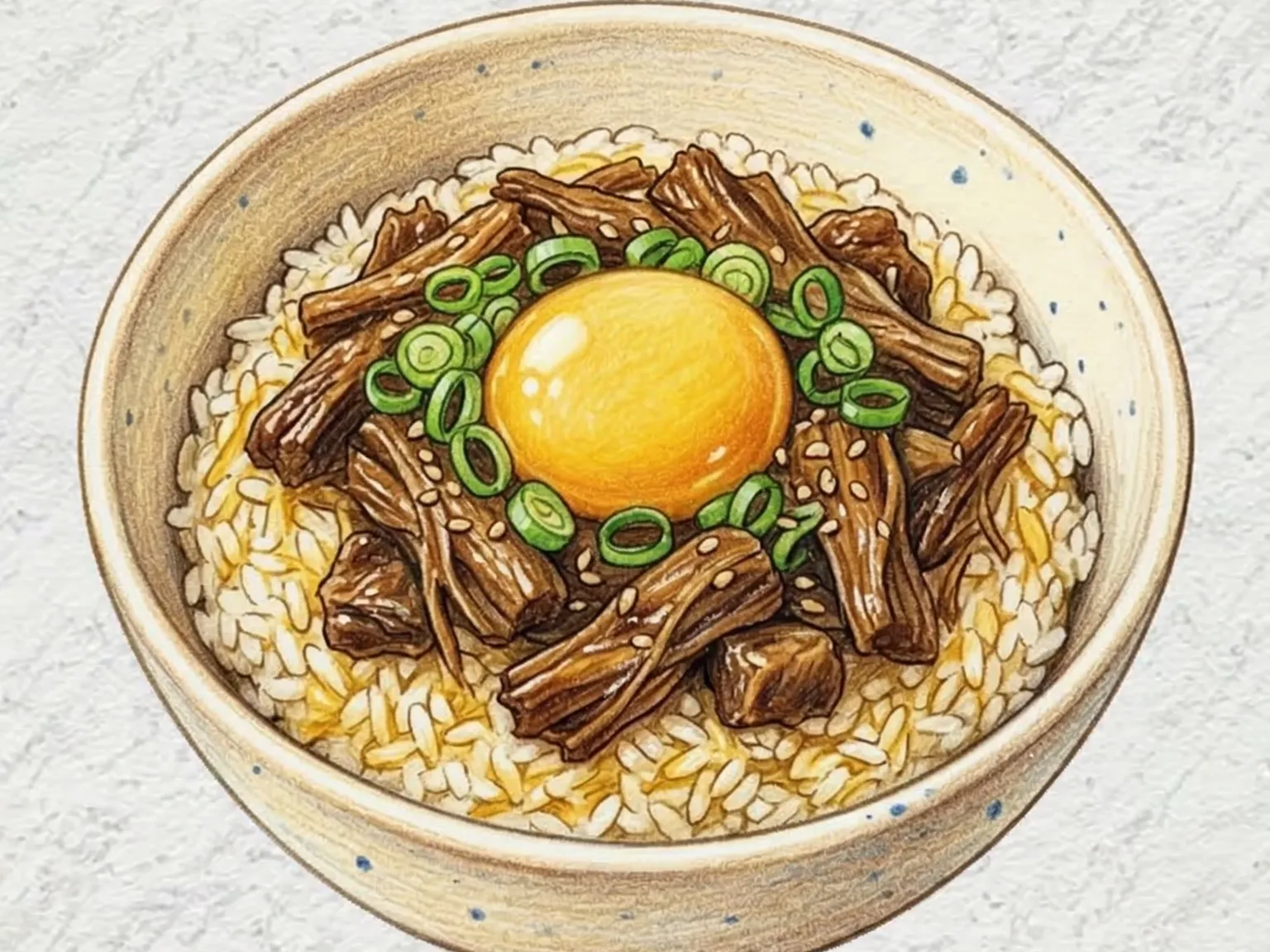
Sogogi deopbap tops steamed rice with thin-sliced beef and onions cooked in a sweet-soy glaze, served with just enough sauce to soak into the grains. The beef is marinated briefly in a mixture of dark soy sauce, sugar, and minced garlic, which caramelizes quickly in a hot pan. Onion slices cook alongside the beef, their natural sweetness balancing the salty-sweet sauce as they soften. Sesame oil added toward the end leaves a nutty aftertaste that lingers. The key is keeping a small pool of sauce in the pan rather than reducing it completely - that glossy liquid seeps into the rice and makes each spoonful flavorful without needing additional seasoning. A generous crack of black pepper at the end adds a sharp finish.

Korean Jangjorim Butter Rice
Unsalted butter is melted into hot rice so each grain is coated in a slick of fat, then topped with shredded soy-braised beef and its concentrated braising liquid. The beef's soy-based marinade carries enough salt and sweetness that no additional seasoning is needed, and breaking a raw egg yolk into the center and stirring transforms the texture into something creamy. Roasted seaweed flakes add a brittle crunch and oceanic note, while scallion and sesame seeds round out the finish. If the jangjorim is already prepared, the entire assembly takes less than fifteen minutes.

Deodeok Butter Rice Bowl (Korean Mountain Root)
Buttery, soy-glazed deodeok (Korean mountain root) served over warm rice - earthy, aromatic, and ready in 35 minutes. The deodeok is peeled, lightly pounded to tenderize its fibers, then pan-seared in butter until golden. A mixture of soy sauce, oligosaccharide syrup, and garlic is poured over and reduced into a glossy coating that clings to each strip. The root's natural bittersweet aroma, which can be sharp when raw, softens against the butter's richness while remaining distinctly present. A final knob of butter stirred into the sauce just before plating adds a layer of velvety depth. The glazed deodeok sits on warm rice with the pan sauce spooned over, finished with chopped scallion and sesame seeds. The dish is at its best in spring when fresh deodeok is in season and the root's fragrance is most pronounced.

Korean Pollock Roe Butter Rice Bowl
Lightly seared pollock roe and a knob of butter are placed on steaming rice and mixed together just before eating. The salty intensity of the roe meets the creamy richness of melted butter, creating a concentrated umami flavor that coats every grain. Cooking the roe for only about a minute in butter keeps its texture from turning dry and crumbly. A garnish of seaweed flakes, chopped chives, and sesame seeds rounds out the bowl with nutty fragrance and a touch of crunch.

Korean Wild Chive Kimchi (Spring Quick Gochugaru)
Dallae kimchi is a quick spring kimchi where wild chives are salted for just eight minutes to barely wilt them, then dressed in gochugaru, sand lance fish sauce, plum extract, and Korean pear juice. The bulb-end roots carry the strongest aroma, so they should not be trimmed too short, and seasoning from the root upward ensures even flavor distribution. Pear juice adds moisture and a gentle fruit sweetness that buffers the chili heat, while sand lance fish sauce provides a lighter umami than standard anchovy versions. This kimchi tastes fresh and fragrant immediately after preparation, but one day of refrigeration allows a mild fermented depth to develop, making it a seasonal side dish worth the brief wait.

Korean Wild Chive Pickle (Spring Chive Soy Brine)
Dallae jangajji is a seasonal Korean pickle made by submerging spring wild chives in a brine of soy sauce, vinegar, and sugar with sliced Cheongyang chili and sesame seeds. Cleaning the dirt from the bulb-like roots and cutting the chives to five-centimeter lengths is the first step, after which the brine must be cooled past boiling point before pouring to preserve the wild chive's volatile, peppery aroma. Sesame seeds scattered on top add a mild toasted note. Ready after one day of refrigeration, this pickle is at its best as a springtime accompaniment to grilled meat, where the sharp, garlicky bite of the chives cuts cleanly through richness.