Deodeok Butter Rice Bowl (Korean Mountain Root)
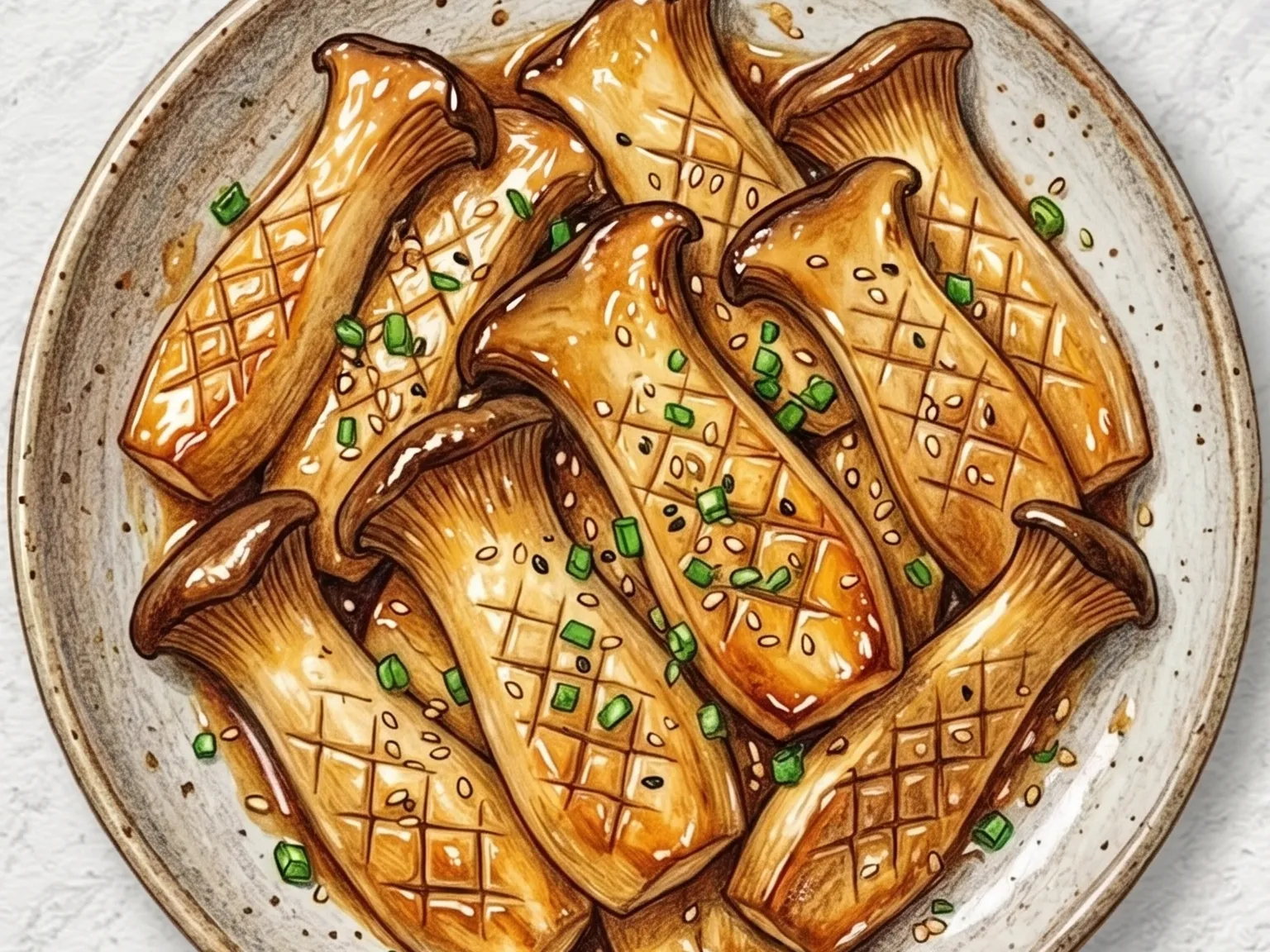
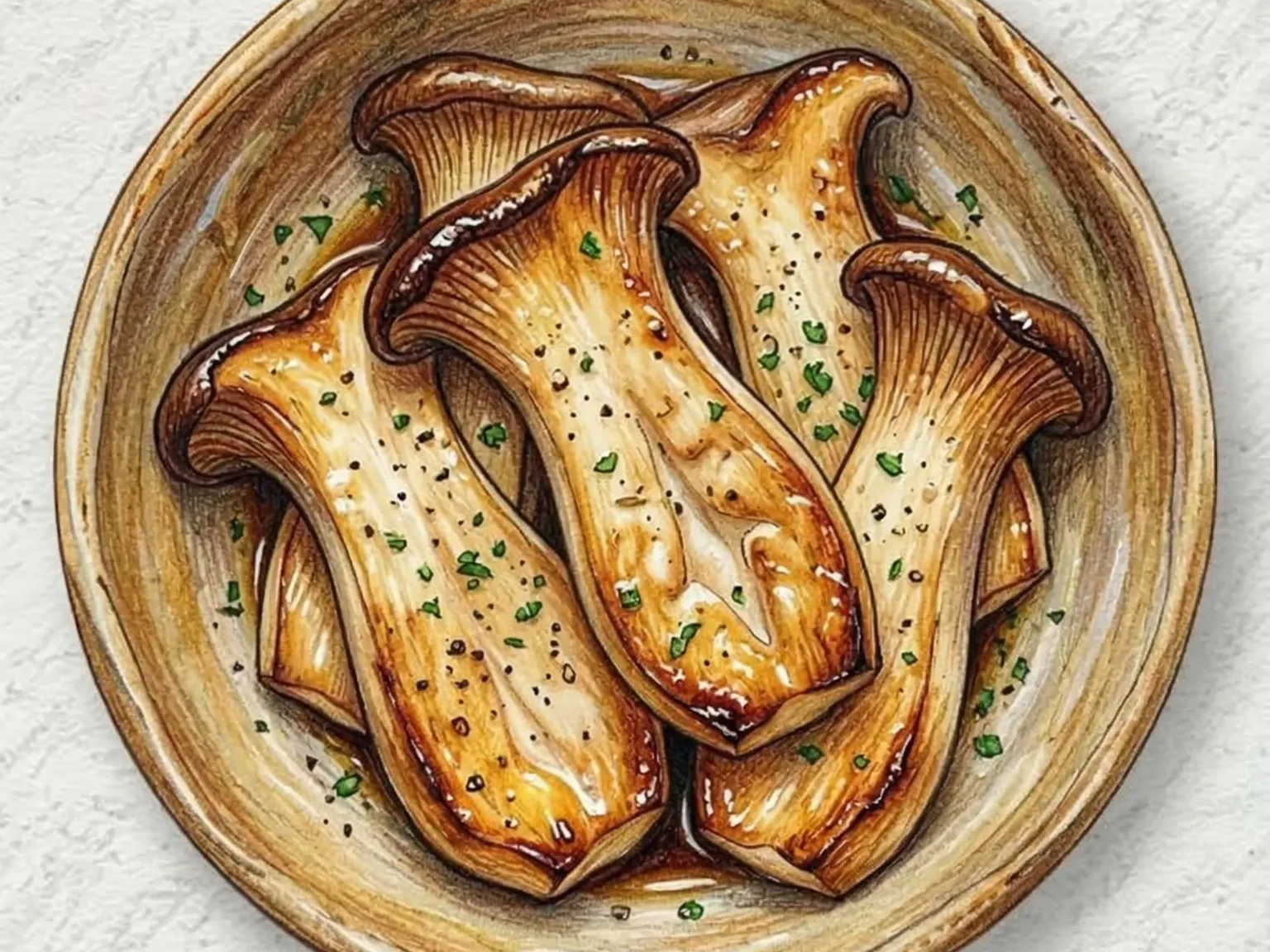
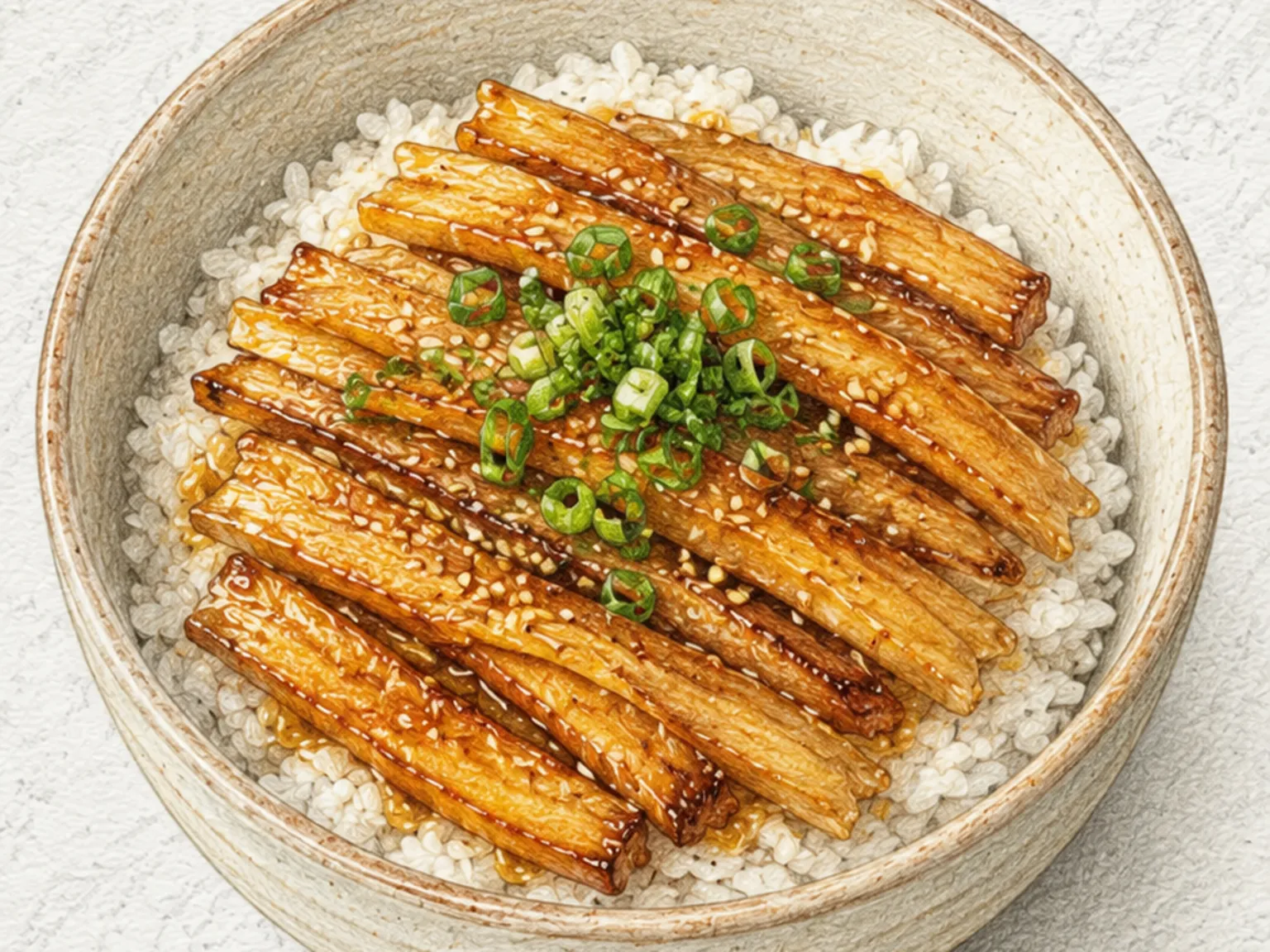
Buttery, soy-glazed deodeok (Korean mountain root) served over warm rice - earthy, aromatic, and ready in 35 minutes. The deodeok is peeled, lightly pounded to tenderize its fibers, then pan-seared in butter until golden. A mixture of soy sauce, oligosaccharide syrup, and garlic is poured over and reduced into a glossy coating that clings to each strip. The root's natural bittersweet aroma, which can be sharp when raw, softens against the butter's richness while remaining distinctly present. A final knob of butter stirred into the sauce just before plating adds a layer of velvety depth. The glazed deodeok sits on warm rice with the pan sauce spooned over, finished with chopped scallion and sesame seeds. The dish is at its best in spring when fresh deodeok is in season and the root's fragrance is most pronounced.
Adjust Servings
Instructions
- 1
Peel deodeok, lightly pound it, and tear into 5 cm strips.
- 2
Melt half the butter in a pan and cook deodeok over medium heat for 3 minutes until lightly browned.
- 3
Add soy sauce, syrup, and garlic mixture, then reduce for 2 minutes until glossy.
- 4
Add the remaining butter right before turning off heat for extra richness.
- 5
Top warm rice with glazed deodeok and spoon over the pan sauce.
- 6
Finish with chopped scallion and sesame seeds.
As an Amazon Associate, we may earn from qualifying purchases.
Tips
Nutrition (per serving)
More Recipes

Korean Wild Chive Soy Butter Rice
Dallae ganjang butter bap is a Korean one-bowl meal that comes together in under ten minutes by folding melted butter, soy sauce, and wild chives into warm rice. The butter coats each grain with richness, soy sauce provides a salty backbone, and the wild chives - called dallae - introduce a sharp, garlicky bite that lifts the dish out of plainness. A raw egg yolk placed on top breaks into a golden sauce when stirred in, binding the ingredients into a cohesive, velvety mixture. The chives are best in spring when their pungency peaks, and they need only twenty seconds in the buttered pan to release their aroma without losing it to overcooking. With just a handful of pantry staples, this dish fills the gap on evenings when the refrigerator offers little else.

Korean Radish Rice (Julienned Radish Steamed with Short-Grain Rice)
Mu-bap is Korean radish rice where finely julienned radish steams on top of rice, releasing its natural moisture and sweetness into every grain. The cooked radish-rice is then tossed with a seasoning sauce of soy sauce, sesame oil, chives, red pepper flakes, and sesame seeds right before eating to keep the texture fluffy. Cutting the radish into thin, even strips ensures it cooks at the same rate as the rice. Winter radish, which is at its peak sweetness, makes this simple dish especially flavorful.

Korean Jangjorim Butter Rice
Unsalted butter is melted into hot rice so each grain is coated in a slick of fat, then topped with shredded soy-braised beef and its concentrated braising liquid. The beef's soy-based marinade carries enough salt and sweetness that no additional seasoning is needed, and breaking a raw egg yolk into the center and stirring transforms the texture into something creamy. Roasted seaweed flakes add a brittle crunch and oceanic note, while scallion and sesame seeds round out the finish. If the jangjorim is already prepared, the entire assembly takes less than fifteen minutes.

Korean Pollock Roe Butter Rice Bowl
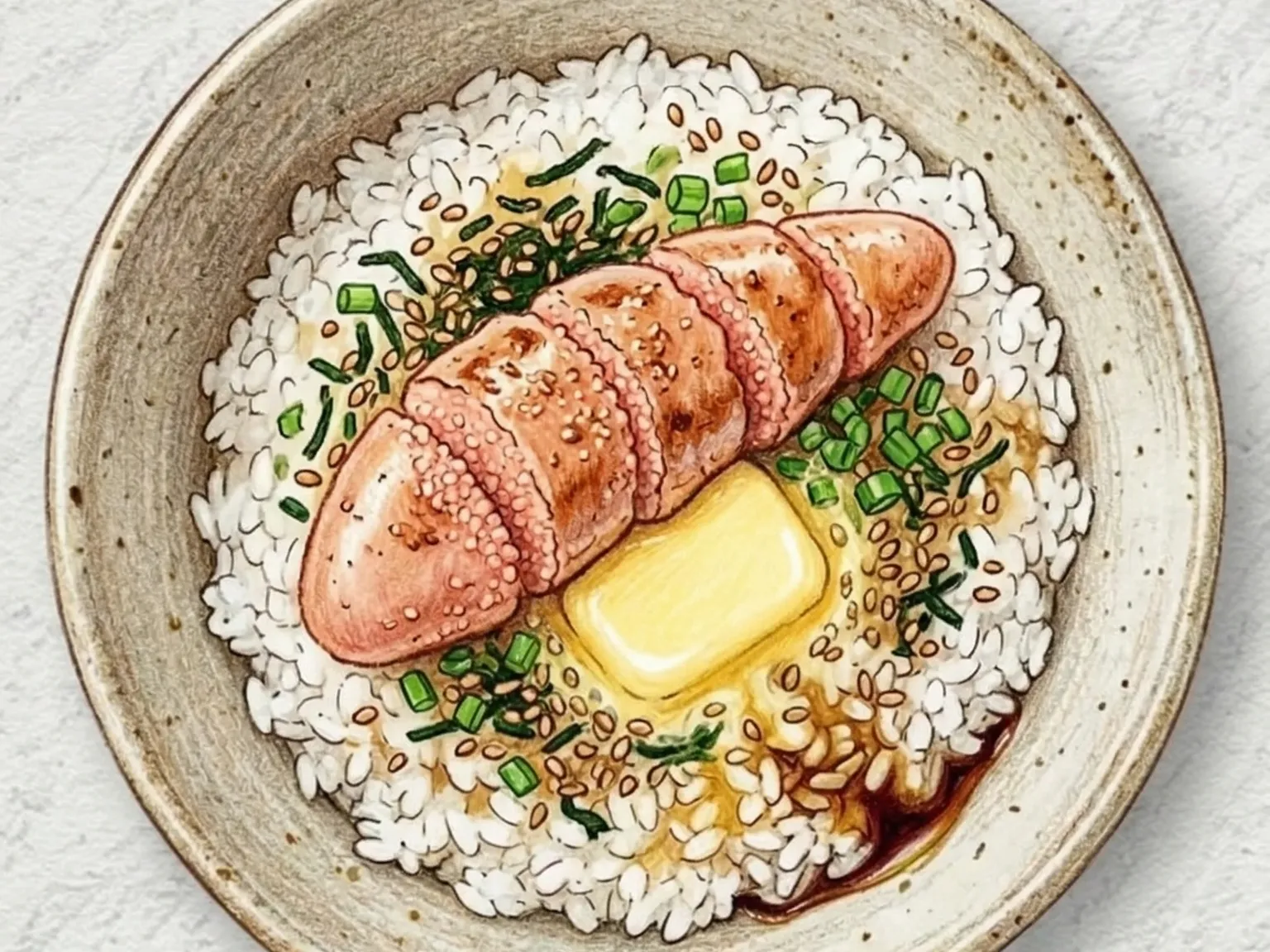
Lightly seared pollock roe and a knob of butter are placed on steaming rice and mixed together just before eating. The salty intensity of the roe meets the creamy richness of melted butter, creating a concentrated umami flavor that coats every grain. Cooking the roe for only about a minute in butter keeps its texture from turning dry and crumbly. A garnish of seaweed flakes, chopped chives, and sesame seeds rounds out the bowl with nutty fragrance and a touch of crunch.

Korean Soy-Braised Deodeok Root
Deodeok-jorim is mountain root braised in soy sauce, rice syrup, garlic, and sesame oil. The root's distinctive bitter-herbal aroma softens as the sweet-salty glaze coats it during simmering, while the interior stays dense and slightly chewy. A single green chili adds a quiet heat at the finish, and sesame seeds scattered on top bring a toasted nuttiness. It is a banchan that preserves the wild, earthy character of foraged deodeok and pairs naturally with other vegetable side dishes on a Korean table.

Korean Pickled Deodeok Root
Deodeok jangajji is a traditional Korean pickle where peeled bellflower roots are briefly soaked in salted water to remove their sharp edge, split lengthwise, and submerged in a hot brine of soy sauce, vinegar, water, sugar, garlic, and ginger. Pouring the brine while still hot quickly firms the root's outer surface while keeping the interior chewy. Garlic and ginger develop layered aromatic depth alongside the root's intense earthy fragrance during the pickling period, and soy sauce anchors the umami. After at least three days of refrigeration the brine has penetrated fully, producing a mountain-vegetable preserve with a bold, concentrated flavor that pairs well with plain steamed rice.