Korean Deodeok Gochujang Bibimbap
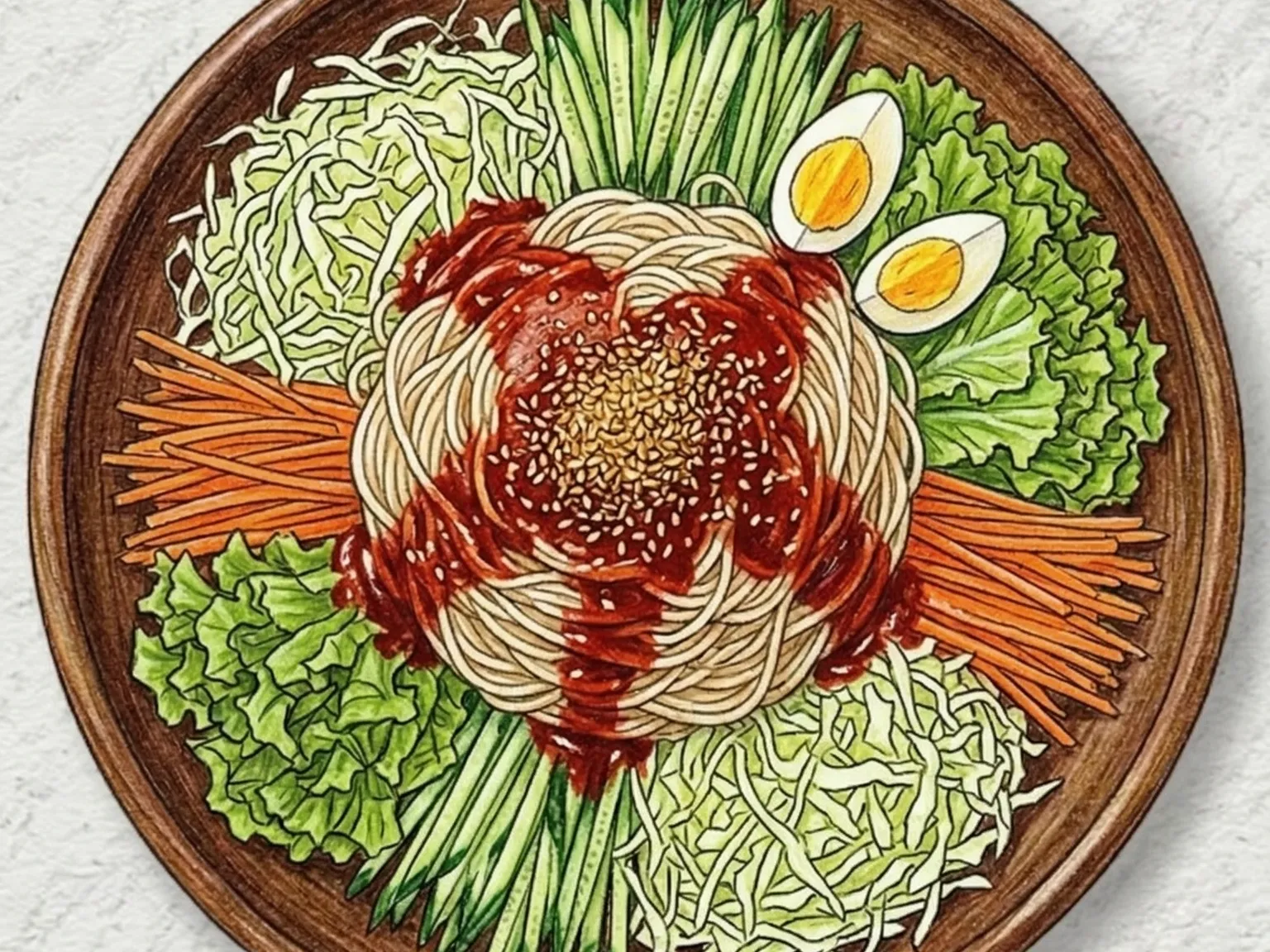
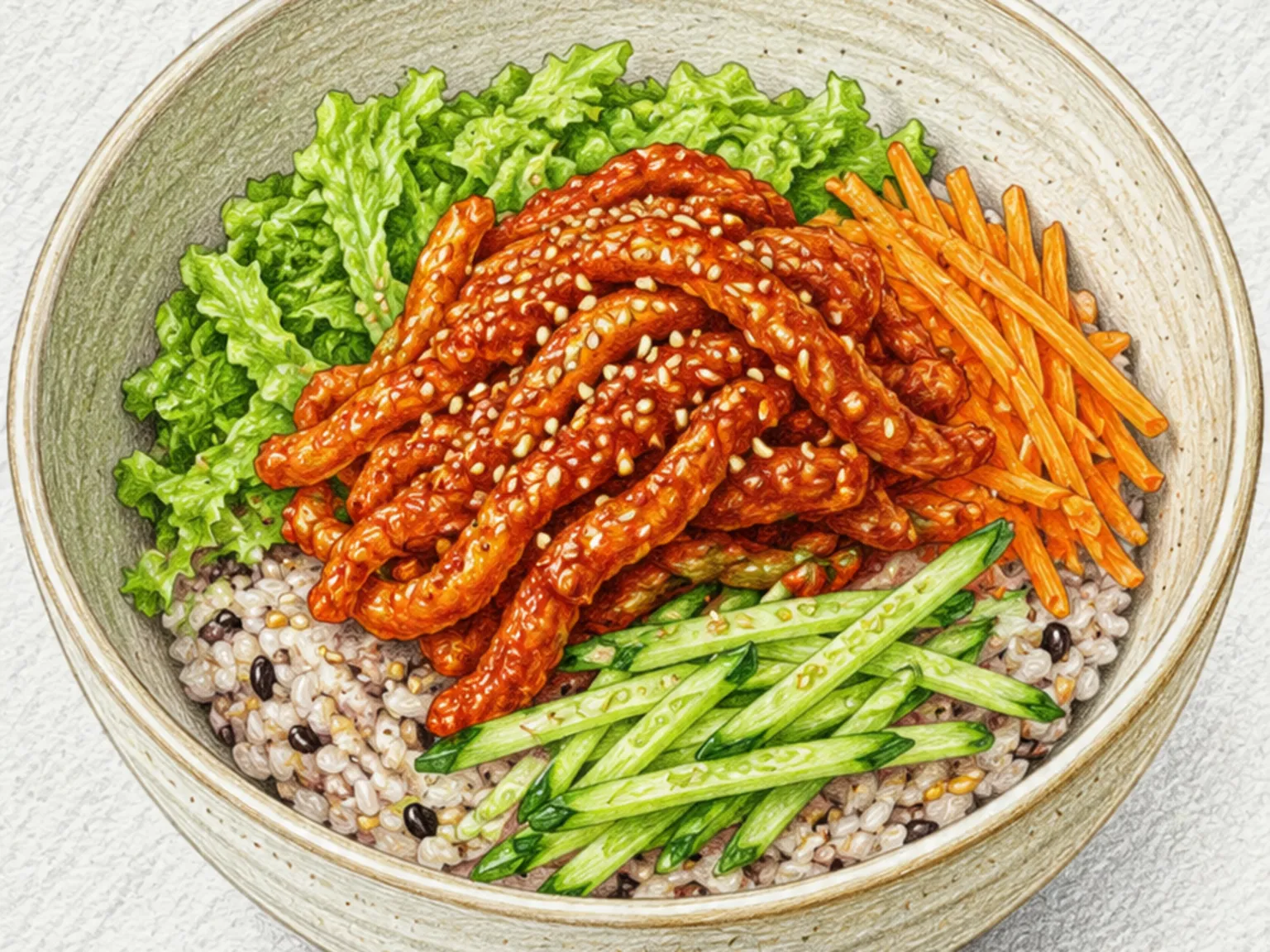
Deodeok gochujang bibimbap is a Korean mixed rice bowl that highlights mountain root dressed in a spicy-sweet gochujang sauce. The deodeok is peeled, lightly pounded, and torn into strips along the grain, then briefly stir-fried with the sauce to mellow its bitter edge while keeping its fibrous crunch intact. Julienned cucumber, carrot, and torn lettuce are arranged over rice alongside the glazed root, providing crisp, fresh counterpoints. Plum syrup and vinegar in the sauce add a tangy brightness that prevents the gochujang from feeling heavy. When everything is mixed together with a generous pour of sesame oil, the dressing coats each grain of rice and vegetable strand evenly. The dish showcases deodeok's distinctive herbal aroma against the backdrop of Korea's most iconic condiment, and it works best in spring when the roots are at their most fragrant and tender.
Adjust Servings
Instructions
- 1
Peel deodeok, lightly pound it, and tear into strips.
- 2
Mix gochujang, gochugaru, vinegar, plum syrup, and half the sesame oil for sauce.
- 3
Coat deodeok with two-thirds of the sauce and stir-fry for 2 minutes.
- 4
Julienne cucumber and carrot; tear lettuce into bite-size pieces.
- 5
Place rice in bowls and top with vegetables and stir-fried deodeok.
- 6
Drizzle remaining sauce and sesame oil, sprinkle sesame seeds, and mix before eating.
As an Amazon Associate, we may earn from qualifying purchases.
Tips
Nutrition (per serving)
More Recipes

Korean Mixed Rice Bowl (Colorful Vegetables & Gochujang)
Bibimbap is one of Korea's most iconic one-bowl meals, built by arranging individually seasoned vegetables - spinach, bean sprouts, zucchini, and carrots - alongside marinated beef and a fried egg over steamed rice, then mixing everything together with gochujang. Each component keeps its own texture and flavor until the moment you stir, creating a lively medley of crisp, soft, and spicy in every spoonful. It works well as a weeknight dinner using whatever leftover namul you have on hand, and when prepared in a hot stone pot, the rice forms a golden, crunchy crust at the bottom that adds another layer of enjoyment.

Korean Mountain Herb Bibimbap
Sanchae bibimbap arranges individually seasoned mountain vegetables - fernbrake, bellflower root, and chwi-namul - over rice, then brings everything together with a spoonful of gochujang. Each wild green carries a distinct character: fernbrake is stir-fried in sesame oil until tender, bellflower root is salted and squeezed to remove bitterness before being left crunchy, and chwi-namul is blanched briefly to preserve its herbal fragrance. Julienned carrot adds a bright visual contrast. When mixed at the table, the spicy-sweet chili paste ties together the earthy, grassy, and slightly bitter notes into a cohesive, satisfying bite. This is a dish rooted in Korean mountain temple cuisine, where foraged greens and simple grains form the foundation of a nourishing, plant-based meal.

Korean Fish Roe Rice Bowl
Albap - fish roe rice bowl - is a casual Korean dish that likely evolved from sushi-bar culture, where tobiko (flying fish roe) was always on hand and cooks needed a quick staff meal. Warm rice is first tossed with sesame oil and a knob of butter, which gives each grain a glossy, slightly nutty coating. The toppings are arranged in sections on top: bright orange flying fish roe that pops between the teeth, stir-fried kimchi with its fermented tang, diced pickled radish for crunch and sweetness, and a shower of shredded seaweed. Everything gets mixed together at the table, and the warmth of the rice slightly softens the roe, releasing its briny juice into the buttered grains. Scallion scattered on top adds a fresh bite. It is a ten-minute lunch that delivers a surprising range of textures and flavors from simple ingredients.

Korean Spicy Dakgalbi Rice Bowl
Dakgalbi deopbap brings the flavors of Chuncheon's famous spicy chicken to a single rice bowl. Boneless chicken thigh is stir-fried with cabbage, onion, and green onion in a gochujang-based marinade that balances heat with a touch of sweetness. High heat ensures the sauce caramelizes onto the chicken while the vegetables keep a slight crunch. A finishing drizzle of sesame oil adds a toasty fragrance that rounds out the bold seasoning. The dish captures the essence of a dakgalbi restaurant meal - the moment just before the leftover sauce gets turned into fried rice - and serves it as a complete, self-contained bowl that needs no side dishes.

Tofu Salad (Pan-Seared Tofu on Fresh Greens)
Firm tofu is pressed to remove excess moisture, then pan-seared until the outside turns golden and crisp while the inside stays soft. The seared tofu sits on a bed of baby greens, sliced cucumber, and cherry tomatoes. A dressing of soy sauce, sesame oil, lemon juice, and olive oil straddles Korean and Western flavor profiles. The salad is high in plant protein and low in fat, making it a practical option for a light, clean-tasting meal.

Korean Spicy Pork Rice Cup
Jeyuk cupbap is a Korean street-style rice cup topped with pork shoulder stir-fried in a sauce of gochujang, soy sauce, sugar, and garlic, along with onion and cabbage. The gochujang-sugar combination creates a spicy-sweet glaze on the pork, which picks up smoky notes from high-heat cooking. Cabbage is added late to keep its crunch, and the onion's natural sweetness offsets the chili heat. Slightly cooled rice is used in the cup to prevent the dish from turning soggy.