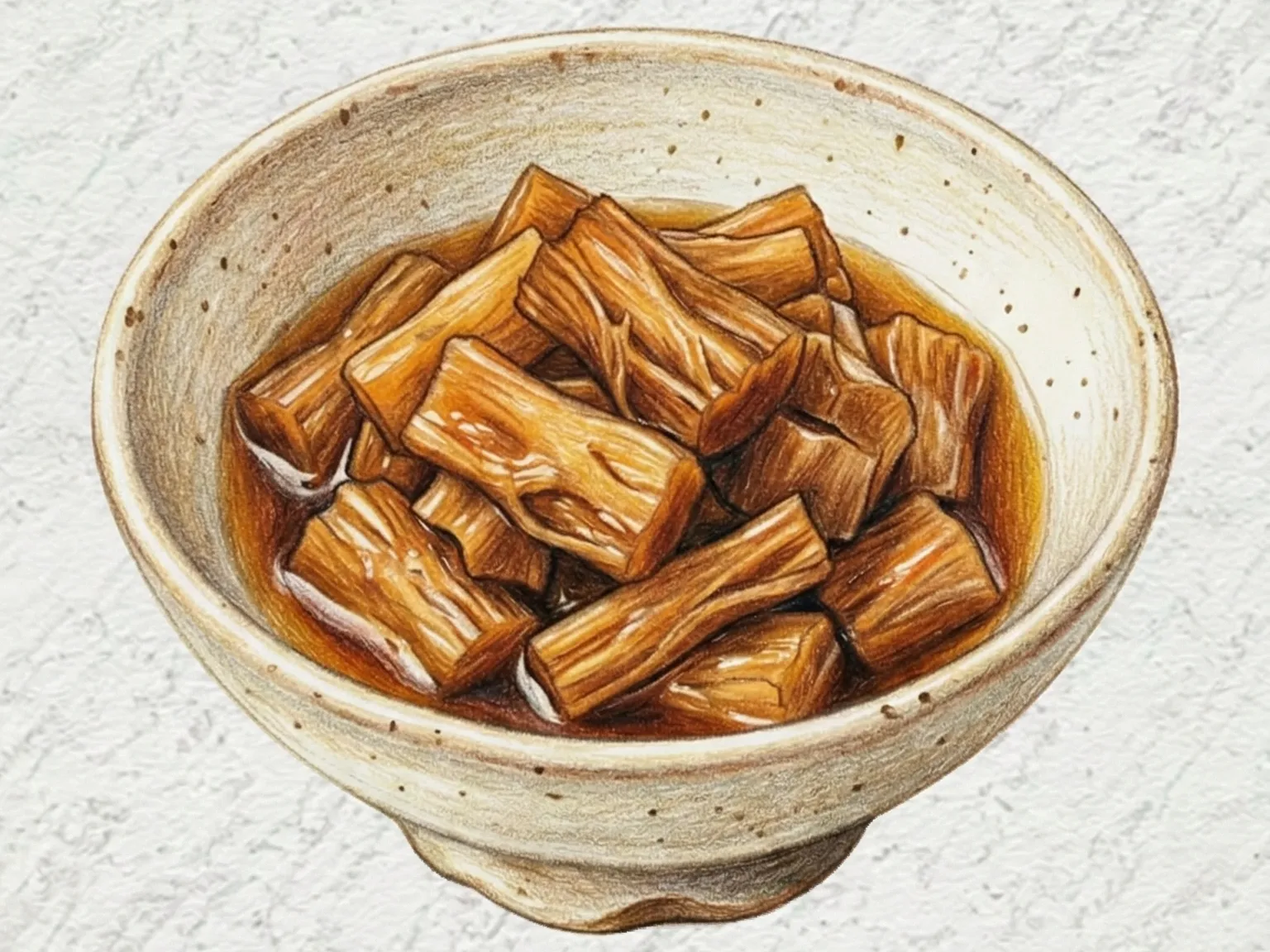
Korean Pickled Deodeok Root
Quick answer
- Total time
- At least 3 days
- Level
- Medium
- Servings
- 4 servings
- Ingredients
- 8
About this dish
Pouring the soy brine over deodeok while it is still hot sets the outside of the root quickly and leaves the center firm and chewy.
Read more
A short soak in lightly salted water first draws out the root's raw, astringent edge, and splitting each root only in half keeps enough thickness to stand up to the heat. Garlic and ginger simmer in the brine, layering a sharp warmth over the strong root fragrance. Give it at least 3 days in the fridge before serving with rice.
Ingredients
Instructions
- 1
Brush soil from 400 g deodeok roots, peel them cleanly, and soak them in lightly salted water for 10 minutes.
Drain in a sieve until the surfaces are no longer dripping, so excess water does not dilute the brine.
- 2
Split the drained deodeok lengthwise into halves, keeping each piece fairly thick.
Avoid thin slices, because the root needs enough body to stay chewy after the hot soy vinegar brine penetrates it.
- 3
Place the deodeok upright in a clean heatproof container suitable for hot brine.
Leave small gaps so the brine can surround the pieces without packing them tightly.
- 4
Combine 150 ml soy sauce, 130 ml vinegar, 130 ml water, and 3 tablespoons sugar in a pot.
Add 20 g sliced garlic and 8 g ginger so their aroma infuses the brine as it heats.
- 5
Heat the brine over medium heat, stirring until the sugar dissolves completely.
Once it reaches a strong boil, cook for about 1 minute, then turn off the heat when bubbles rise across the edges.
- 6
Pour the hot brine over the deodeok to submerge it.
Do not leave it at room temperature for a prolonged period; remove the initial heat and refrigerate promptly. Keep refrigerated for at least 3 days before serving. These 3 days exclude preparation and cooling.
References checked
These references were consulted when this page was prepared or corrected. A source check does not mean the recipe was independently kitchen-tested.
- 家庭での食中毒予防
厚生労働省 · Checked: 2026-09-28
- 농촌진흥청, 더덕 표준유전체 해독, 사포닌 합성경로 밝혀
농촌진흥청 · Checked: 2026-09-28
Use-up ingredient planner
Turn these ingredients into two more meals
The overlap excludes basic seasonings. Open the next recipe and your selected dishes will stay with you.
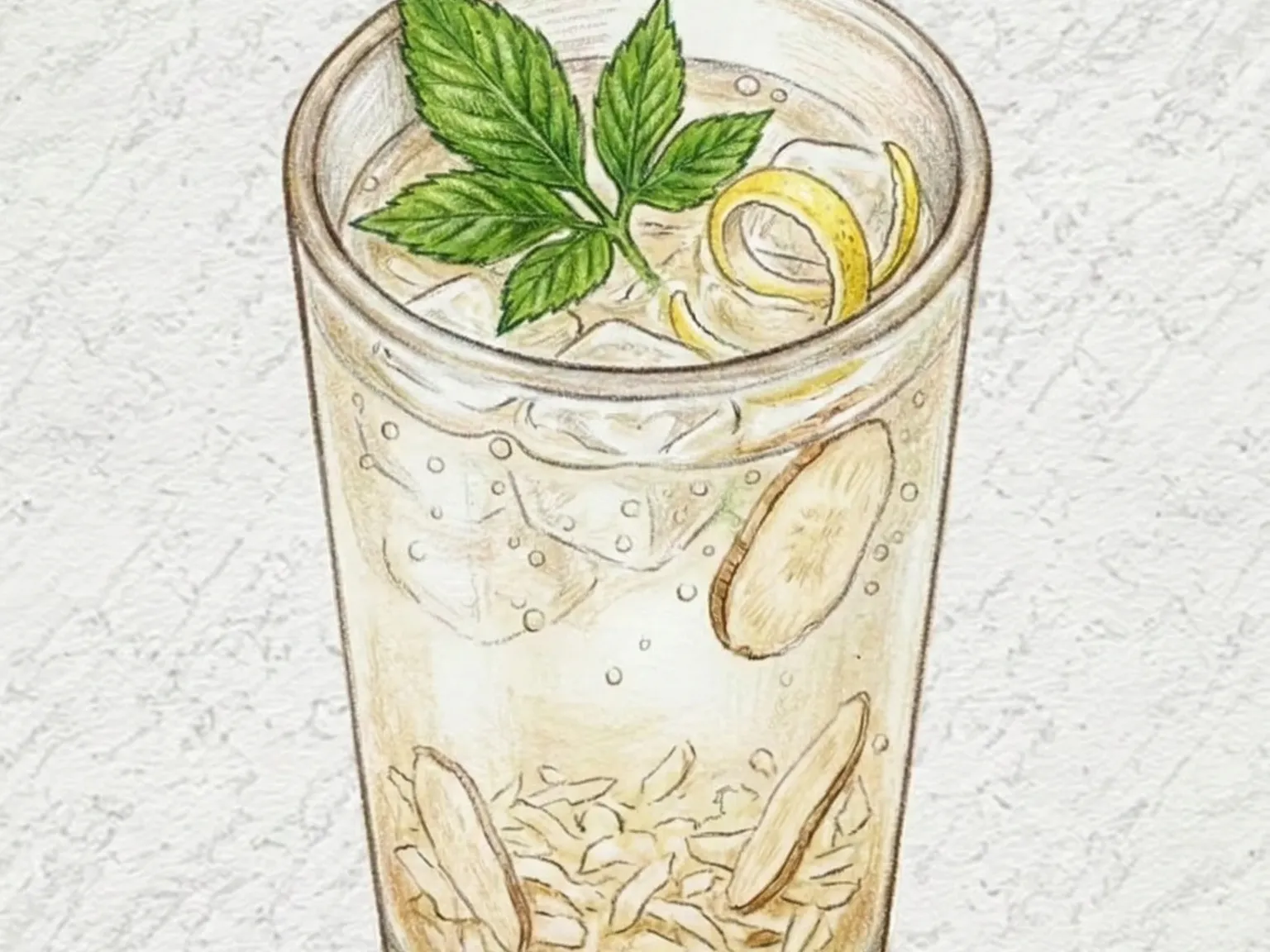
Korean Bellflower Root Pear Cooler
deodeok root, ginger
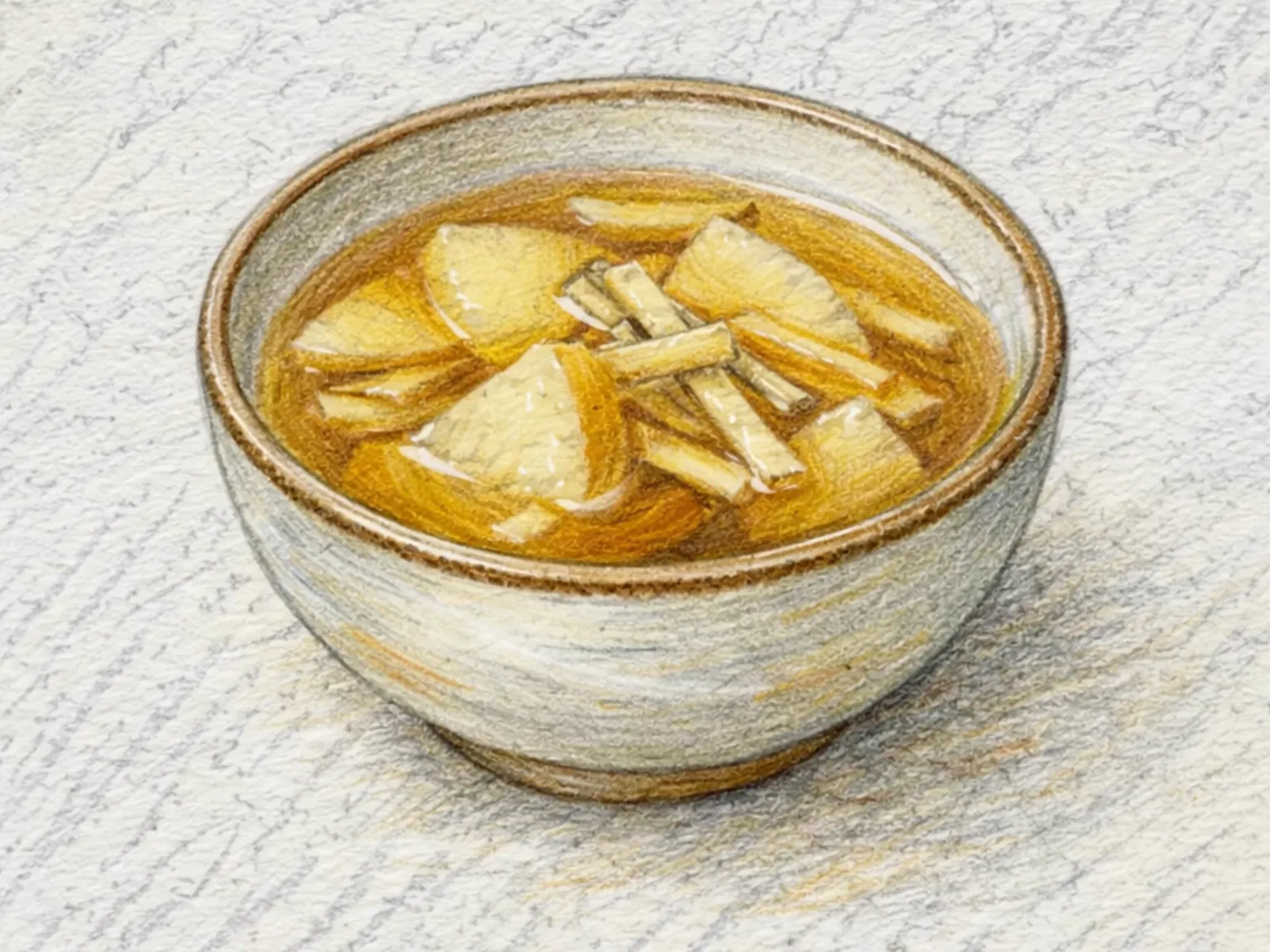
Korean Pear Bellflower Root Tea
ginger, Lightly salted water for soaking
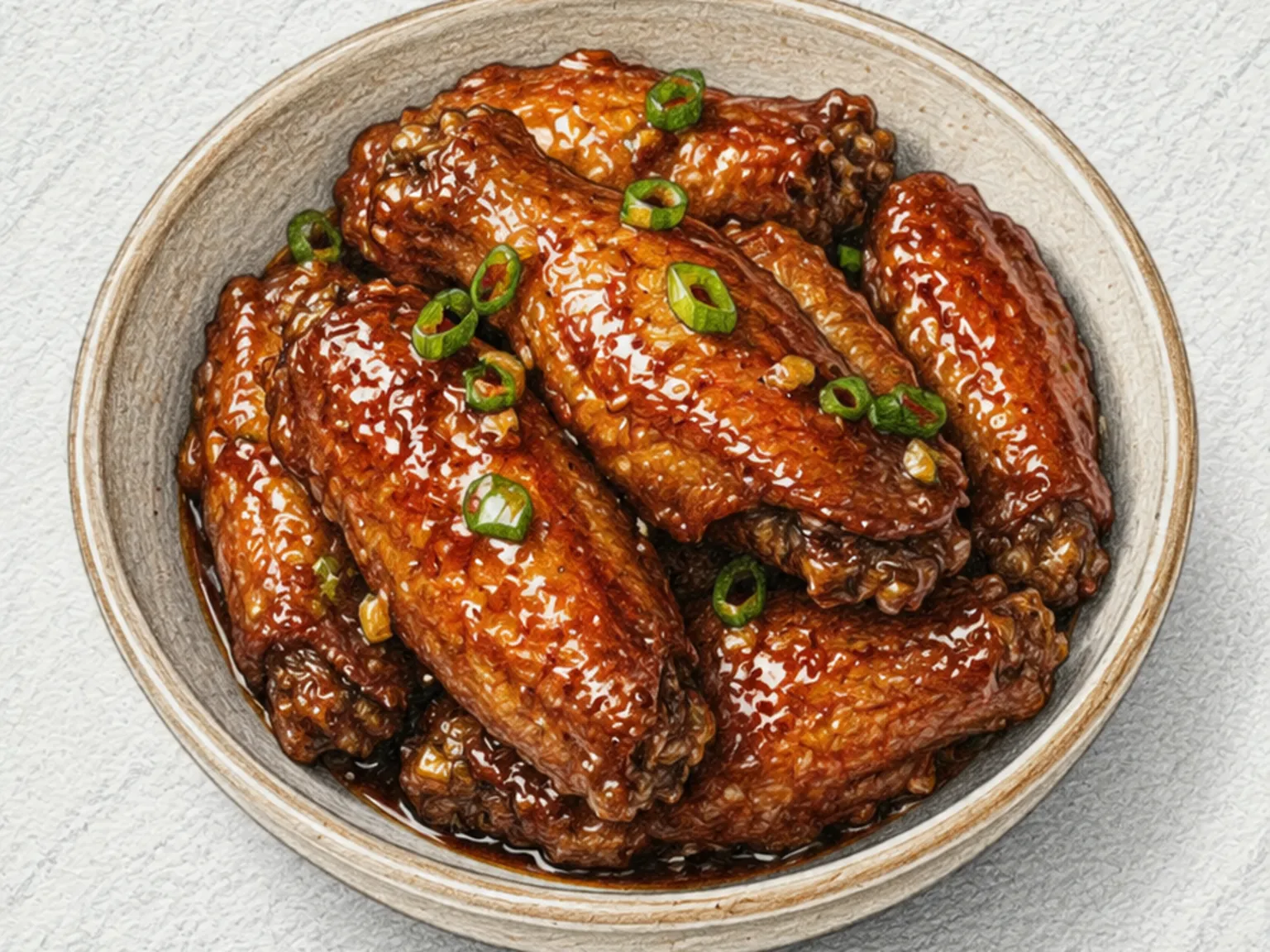
Korean Soy-Braised Chicken Wings
ginger