Korean Hot Stone Pot Rice
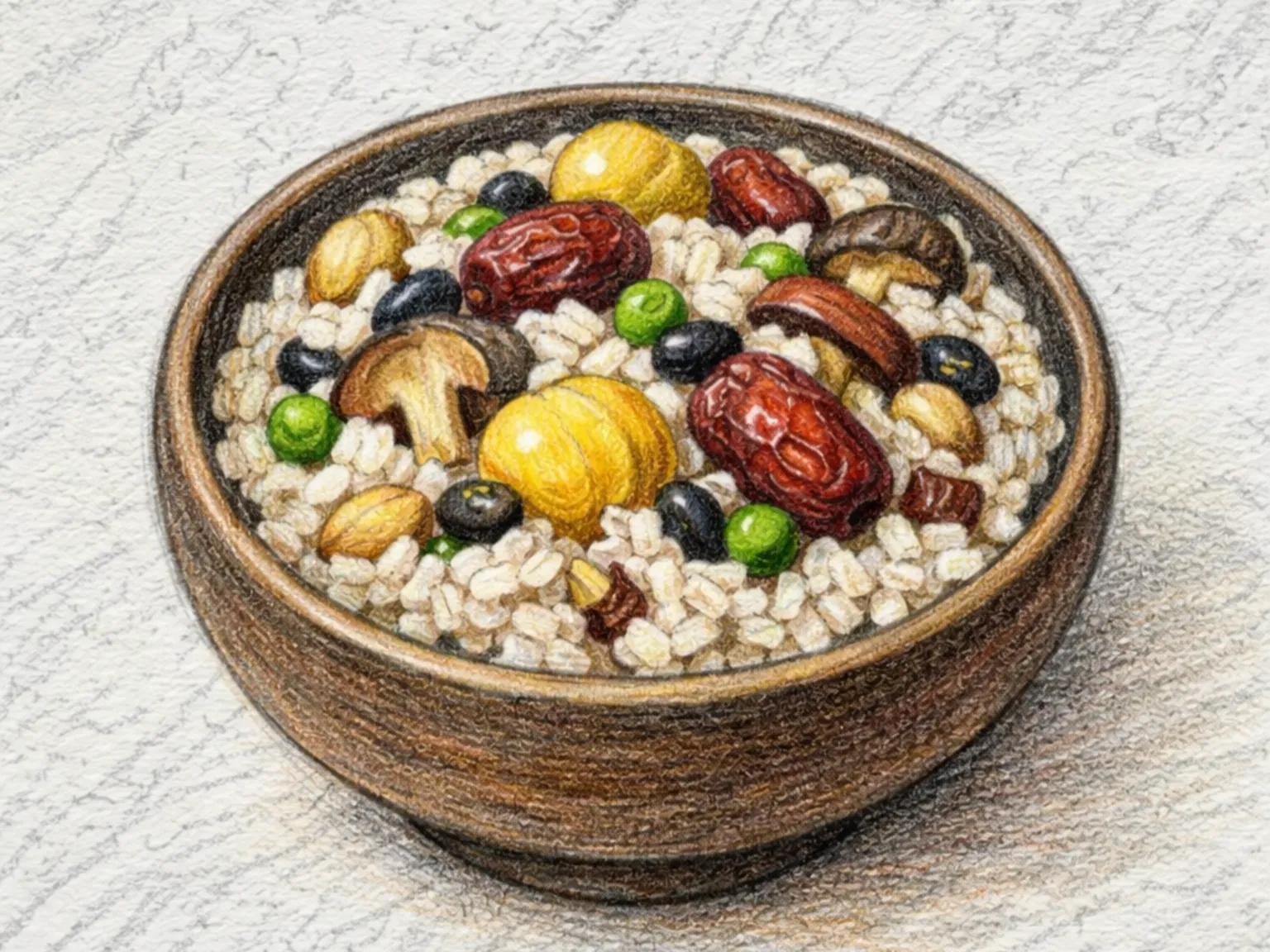
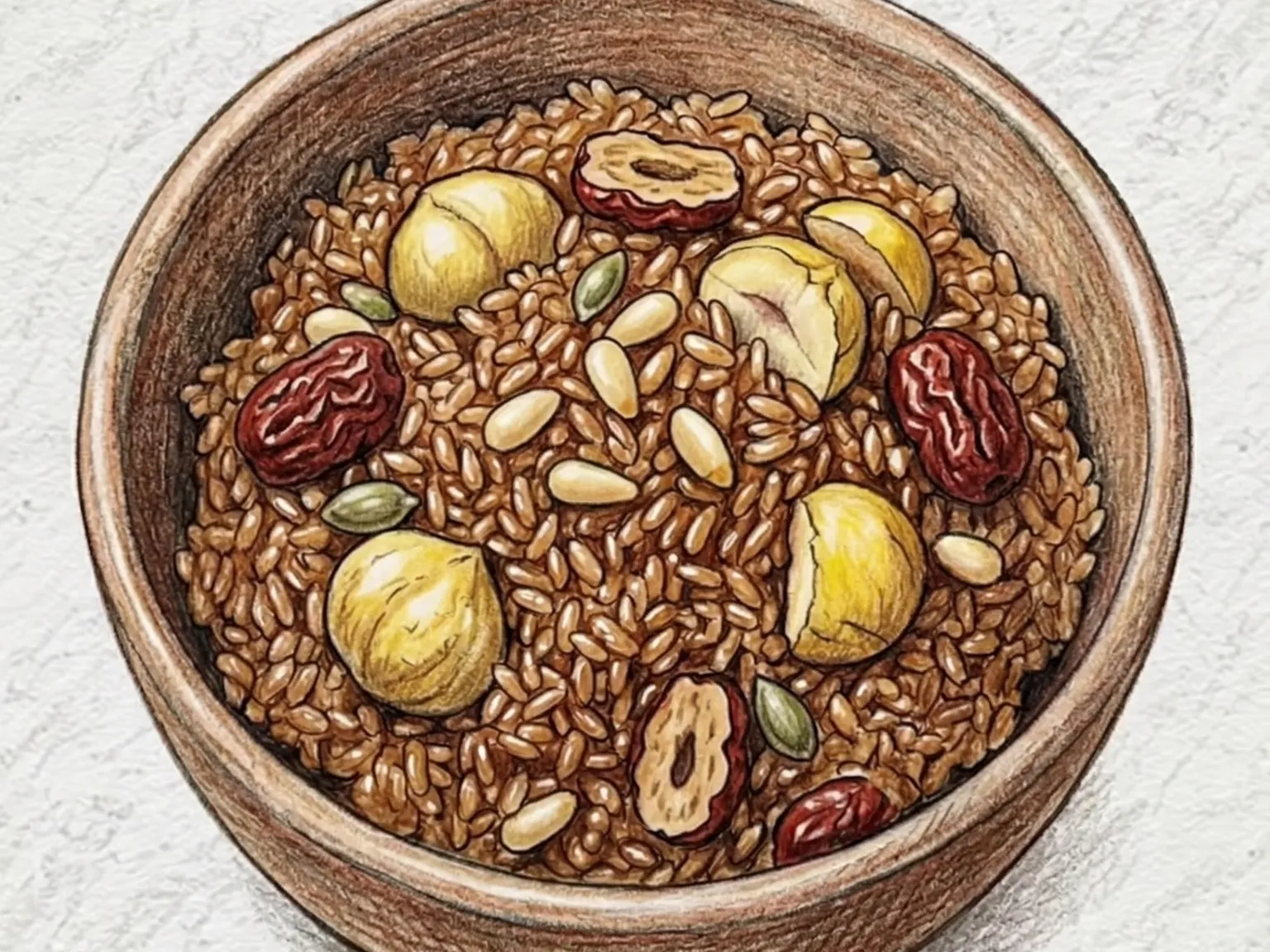
Dolsot bap is a Korean pot rice cooked slowly in a heated stone bowl with soaked rice, jujubes, chestnuts, and ginkgo nuts. The thick walls of the stone pot distribute heat evenly, producing grains that are glossy, plump, and slightly sticky. Jujubes lend a subtle sweetness, chestnuts contribute a starchy, nutty richness, and ginkgo nuts add a faintly bitter note that keeps the flavor interesting. Brushing the inside of the pot with sesame oil before cooking creates a golden, crackling crust of scorched rice at the bottom - the nurungji - which is the most prized part of the dish. The rice rests for ten minutes after cooking so the steam redistributes moisture through every layer. Served with a soy-sesame dipping sauce, dolsot bap is a complete meal on its own, with each spoonful offering the contrast between the soft, fragrant grains and the crunchy crust beneath.
Adjust Servings
Instructions
- 1
Rinse rice, soak for 30 minutes, then drain well.
- 2
Brush stone pot with sesame oil and add drained rice.
- 3
Add water and salt, then distribute chestnuts, jujubes, and ginkgo.
- 4
Bring to a boil on high heat, then cook 12 minutes on low.
- 5
Turn off heat and rest covered for 10 minutes.
- 6
Serve, scraping and mixing the crispy scorched rice at the bottom.
As an Amazon Associate, we may earn from qualifying purchases.
Tips
Nutrition (per serving)
More Recipes

Korean Dolsot Bulgogi Bibimbap
Dolsot bulgogi bibimbap is served in a scorching stone bowl where the residual heat continues to toast the rice against the pot's surface, building a layer of crispy nurungji that grows crunchier as you eat. Thin-sliced beef marinated in soy sauce, sugar, and sesame oil is seared quickly to keep it moist, then arranged alongside separately sauteed zucchini, shiitake mushroom, and carrot over the rice. A raw egg yolk sits at the center, waiting to be broken and stirred through with a generous spoonful of gochujang. As the bibimbap is mixed, the yolk becomes a silky binder that coats every grain and vegetable strand, while the gochujang distributes its heat evenly throughout. The sizzling sound of the stone bowl and the aroma of charring rice at the bottom are as much a part of the experience as the taste itself. Scraping up the nurungji at the end delivers a final, satisfying crunch that contrasts the soft toppings above.

Korean Mussel Rice (Winter Pot Rice in Mussel Broth)
Rice is cooked directly in mussel broth so the ocean flavor permeates every grain, making this a prized winter pot-rice dish. Julienned Korean radish lines the bottom of the pot, preventing sticking while adding its own mild sweetness to the broth, and mussel meat is placed on top only after the rice finishes cooking to keep it from toughening. A dipping sauce of soy sauce, sesame oil, and red pepper flakes is mixed into each serving, layering salty heat over the shellfish umami. Water parsley garnish brings an herbal freshness that lifts the heavy marine aroma.

Korean Red Bean Rice (Steamed Rice with Adzuki Beans)
Pat-bap is Korean red bean rice, traditionally eaten on the winter solstice to ward off misfortune. Dried red beans are boiled until just before their skins split, then removed so the tinted cooking liquid can be used to soak and cook the rice, dyeing every grain a soft reddish hue. The beans themselves are folded back in, contributing a starchy, mildly sweet flavor that deepens with each bite. A light sprinkle of salt draws out the beans' natural sweetness without masking their earthy character. The dish is intentionally simple - a bowl of pat-bap with kimchi on the side makes a complete, comforting meal rooted in centuries of Korean seasonal food culture.

Korean Oyster Rice (Winter Pot Rice with Plump Oysters)
Plump winter oysters are steamed on top of rice during the final resting stage so they cook gently without shrinking or turning rubbery. Julienned Korean radish laid at the bottom of the pot prevents sticking and releases moisture and sweetness that subtly enrich the grains. The finished rice is served with a dipping sauce of soy sauce, sesame oil, red pepper flakes, and green onion, and mixing everything together lets the briny oyster juices merge with the sharp, nutty dressing. Timing the oysters to the very end of cooking is what keeps them tender and full-sized.

Korean Seafood Hot Pot (Shrimp, Squid & Crab Spicy Pot)
Haemul jeongol is a seafood hot pot loaded with shrimp, Manila clams, squid, and a whole blue crab, all simmered together in a kelp stock seasoned with gochujang and gochugaru. Each type of seafood contributes its own character - the clams release their liquor, the crab sweetens the broth, the squid adds chew, and the shrimp bring a clean bite. Tofu and zucchini round out the pot. Served bubbling in a wide vessel at the table, it is a communal dish built for sharing.

Royal Korean Hot Pot (Court-Style Beef & Tofu Banquet)
Sinseollo is a traditional Korean royal court hot pot featuring ground beef, tofu, shiitake mushrooms, carrot, and napa cabbage arranged in a rich beef broth. Seasoned with soup soy sauce and finished with beaten egg, the broth develops a velvety body. Historically served in a brass charcoal-heated vessel at the royal table, each ingredient is placed with care to showcase its color and shape. The layered umami from the diverse ingredients creates a remarkably complex flavor.