Korean Pollock Jeon (Egg-Battered Pan-Fried Pollock)
Grilled Medium

Korean Pollock Jeon (Egg-Battered Pan-Fried Pollock)

Quick answer

Dongtae-jeon is a Korean pan-fried pollock dish where thin slices of frozen-then-thawed pollock are seasoned with salt, pepper, and cheongju (rice wine), lightly dredged...

What makes this special

  • Pressed pollock fillets are dredged in flour and egg wash for this classic Korean Pollock Jeon.
  • Heavy moisture after thawing requires thorough pressing before the flour coat sticks
  • Thin flour dusting ensures the fish flavor is not buried under the egg coating
Total time
35 min
Level
Medium
Servings
4 servings
Ingredients
8
Calories
250 kcal
Protein
25 g

Key ingredients

sliced pollock filletsaltblack peppercooking rice wineflour

Core cooking flow

  1. 1 Press paper towels firmly over 480g thawed pollock fillets to remove excess...
  2. 2 Beat 2 eggs in a bowl and stir in 1 tsp chopped green onion until evenly combined to make the egg wash.
  3. 3 Dust the marinated pollock lightly with flour on both sides and shake off the excess gently by hand.

Dongtae-jeon is a Korean pan-fried pollock dish where thin slices of frozen-then-thawed pollock are seasoned with salt, pepper, and cheongju (rice wine), lightly dredged in flour, dipped in beaten egg, and fried in a thin layer of oil. Because frozen pollock releases significant moisture when thawed, pressing it thoroughly with paper towels is a critical step without it, the flour coating will not adhere and the oil will splatter. The flour layer should be thin enough that it barely coats the surface, preserving the fish's mild flavor, and cooking over medium-low heat gives the egg batter time to turn golden while keeping the fish inside soft and flaky. Mixing finely chopped green onion into the egg batter before dipping adds a subtle allium fragrance to the otherwise clean-tasting fish. A staple at Korean ancestral rites and holiday spreads, it is served with soy dipping sauce that draws out the savory, delicate flavor of the pollock.

Prep 20min Cook 15min 4 servings
Recipes by ingredient → flour egg

Instructions

Read the steps as a cooking flow: prep, heat, seasoning, doneness control, and finish.

6 steps
  1. 1
    Season

    Press paper towels firmly over 480g thawed pollock fillets to remove excess moisture, then sprinkle 0.75 tsp salt, a dash of pepper, and 1 tbsp rice wine evenly and marinate for 10 minutes.

  2. 2
    Prep

    Beat 2 eggs in a bowl and stir in 1 tsp chopped green onion until evenly combined to make the egg wash.

  3. 3
    Finish

    Dust the marinated pollock lightly with flour on both sides and shake off the excess gently by hand.

    A thin flour layer preserves the fish flavor and allows the egg coat to adhere evenly.

  4. 4
    Prep

    Dip the floured fish in the egg wash to coat both sides evenly, letting any excess drip off at the edge.

  5. 5
    Control

    Heat 2.5 tbsp oil in a pan over medium heat, add the egg-coated fish, and pan-fry slowly for 2 minutes per side so the egg sets evenly without scorching.

  6. 6
    Finish

    When the outside is evenly golden and the fish flesh appears white and opaque throughout, transfer to a paper towel to drain excess oil, let the steam settle, then plate and serve.

After the steps

Pick a recipe that fits this dish.

Continue with shared ingredients, meal pairings, or a similar method.

Recipes That Go Well With This

More Grilled →

Based on shared ingredients and meal pairing

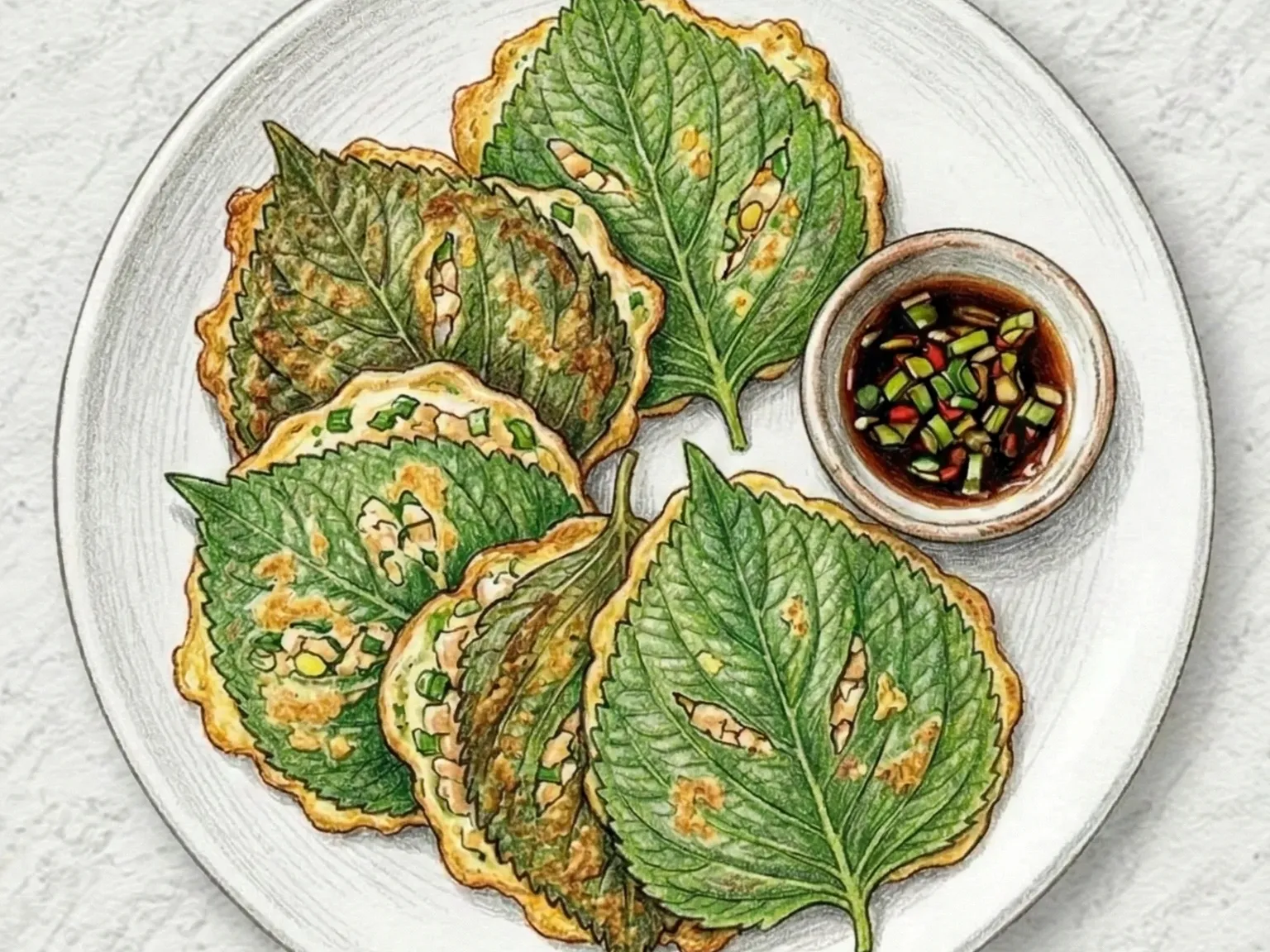
Korean Perilla Leaf Chicken Jeon
Shared ingredient: flour Pancakes

Korean Perilla Leaf Chicken Jeon

Perilla leaves are paired back-to-back with a filling of ground chicken and firm tofu, then dusted in flour, coated in beaten egg, and pan-fried. Ground chicken keeps the filling lean, and the tofu adds a soft, creamy texture without adding heaviness. Perilla's assertive herbal scent pairs naturally with the mild chicken, and minced green onion and garlic season the filling throughout. Each piece is bite-sized and holds up well after cooling, making it a good option for packed lunches as well as a table side dish.

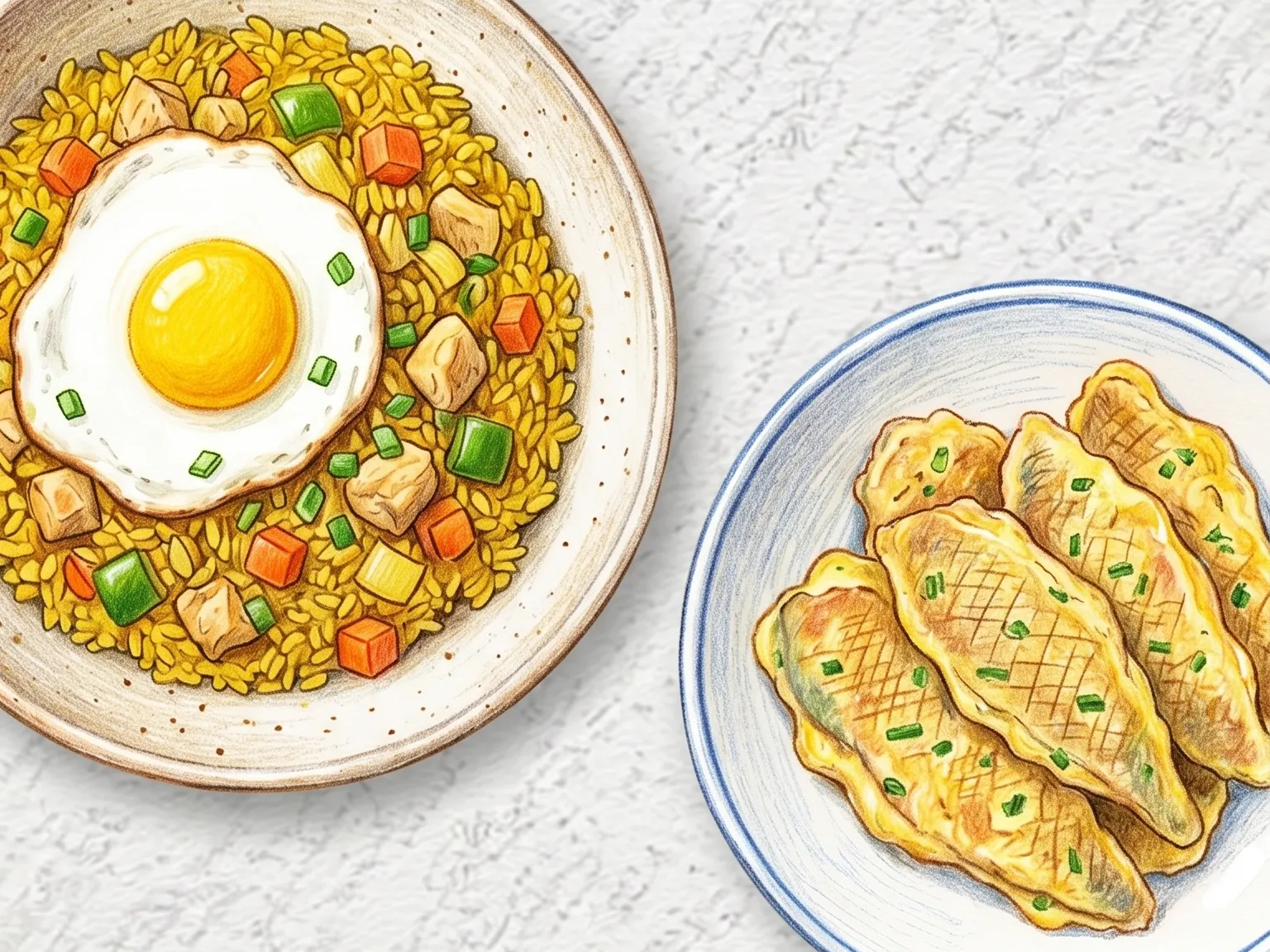
Korean Beef Jeon (Egg-Coated Pan-Fried Thin Beef Slice)
Shared ingredient: flour Grilled

Korean Beef Jeon (Egg-Coated Pan-Fried Thin Beef Slice)

Thinly sliced beef round is seasoned with salt, pepper, and garlic, dusted in flour, then dipped in beaten egg and pan-fried over medium heat. The flour layer bonds the egg batter to the meat, keeping the coating intact through cooking, while a short fry time preserves the beef's soft grain. Yukjeon is a staple of Korean holiday spreads and gathering tables, often served alongside other assorted jeon.

Korean Seafood Hot Pot Soup
Serve together Soups

Korean Seafood Hot Pot Soup

Haemul-tang is a Korean seafood hot pot that throws together crab, shrimp, clams, and squid in a fiery, brick-red broth. The liquid starts with gochugaru and plenty of garlic, building a spicy base that the seafood then amplifies with its own briny juices. Radish chunks soften as the pot bubbles, thickening the broth slightly and adding a cool sweetness behind the heat. Green onions and cheongyang peppers go in toward the end for a sharp, vegetal bite. The magic of haemul-tang lies in the convergence of flavors: crab shells release a sweet, crustacean stock; clams open to spill their liquor; shrimp and squid contribute distinct textures from snappy to chewy. The pot is brought to the table still at a rolling boil, and diners pick through the shells and tentacles while the broth continues to concentrate.

Korean Gangwon-style Potato Pancake
Similar recipe Grilled

Korean Gangwon-style Potato Pancake

Gangwon-gamja-jeon is a traditional potato pancake from the mountainous Gangwon province, made by finely grating potatoes and incorporating the settled starch sediment back into the batter to achieve a uniquely chewy, mochi-like center with crisp edges. After grating, the potato liquid is left to sit until white starch settles at the bottom. The water on top is poured off and the dense starch is folded back in. Skipping this step produces a flat, crumbly pancake instead of the trademark sticky pull. Finely chopped Cheongyang chili peppers add a clean, sharp heat that cuts through the potato's natural sweetness, while minced onion reinforces that sweetness without adding excess moisture. The batter must be spread thin in a generously oiled pan and cooked patiently until the edges darken to deep golden brown. Rushing the process leaves the interior gummy and causes the pancake to fall apart when flipped. Even when the batter still looks soft and undercooked on top, waiting until the underside is fully set is what makes the flip clean. Makgeolli is the traditional pairing.

Serve with this

Korean Paengi Beoseot Jeon (Enoki Pancake)
Side dishes Easy

Korean Paengi Beoseot Jeon (Enoki Pancake)

Paengibeoseot-jeon is a thin Korean pancake built around 200 grams of enoki mushrooms separated into loose strands and coated in a light batter of pancake mix, egg, and water. Cooked over medium-low heat, the batter spreads thin enough that the edges turn golden and crisp while the mushroom clusters in the center stay moist and chewy. Chopped scallions add color and a mild onion fragrance throughout. The pancake is served with a dipping sauce of soy sauce, vinegar, and a pinch of chili flakes, whose acidity and salt lift the subtle earthiness of the mushrooms. Keeping the heat moderate is essential - too high and the outside burns before the interior sets.

🍺 Bar Snacks 🏠 Everyday
Prep 15min Cook 12min 2 servings
Korean Grilled Short Rib Patty Rice Bowl
Rice Medium

Korean Grilled Short Rib Patty Rice Bowl

Minced short-rib meat is seasoned with soy sauce, pear juice, and sesame oil, shaped into flat patties, and pan-seared until a caramelized crust forms on both sides. The exterior turns sweet and slightly charred while the interior stays moist and full of juice. Sauteed onion and green onion are added to sharpen the meat's savory depth and bring a fragrant note. Placed over hot rice with a spoonful of the pan sauce, the patty's sweetness melds with the warm grains for a quickly disappearing bowl.

🏠 Everyday 🍺 Bar Snacks
Prep 20min Cook 18min 2 servings
Korean Pickled Taro Stems
Kimchi Medium

Korean Pickled Taro Stems

Torandae jangajji is a Korean pickled side dish made from taro stems. The outer fibrous skin is peeled away first, and the stems are salted and then blanched. Raw taro stems contain calcium oxalate crystals that cause an unpleasant prickling sensation in the throat, and blanching effectively neutralizes this before the stems are packed into the pickling liquid. The brine is made by bringing soy sauce, vinegar, and sugar to a boil, and it is poured over the stems while still hot so the seasoning penetrates quickly and evenly. Sliced garlic and ginger are simmered in the brine before it is poured, which infuses the liquid with deep aromatic warmth without any of the sharp pungency those ingredients carry raw. After two to three days of refrigerating, each piece develops a layered depth of salty, savory flavor with a clean vinegar brightness underneath. The defining characteristic of this pickle is its distinctive fibrous crunch, which stays satisfying even after the stems have fully absorbed the brine. It works as a rice accompaniment throughout the week and doubles as a drinking snack alongside soju.

🍱 Lunchbox 🏠 Everyday
Prep 30min Cook 15min 4 servings

Similar recipes

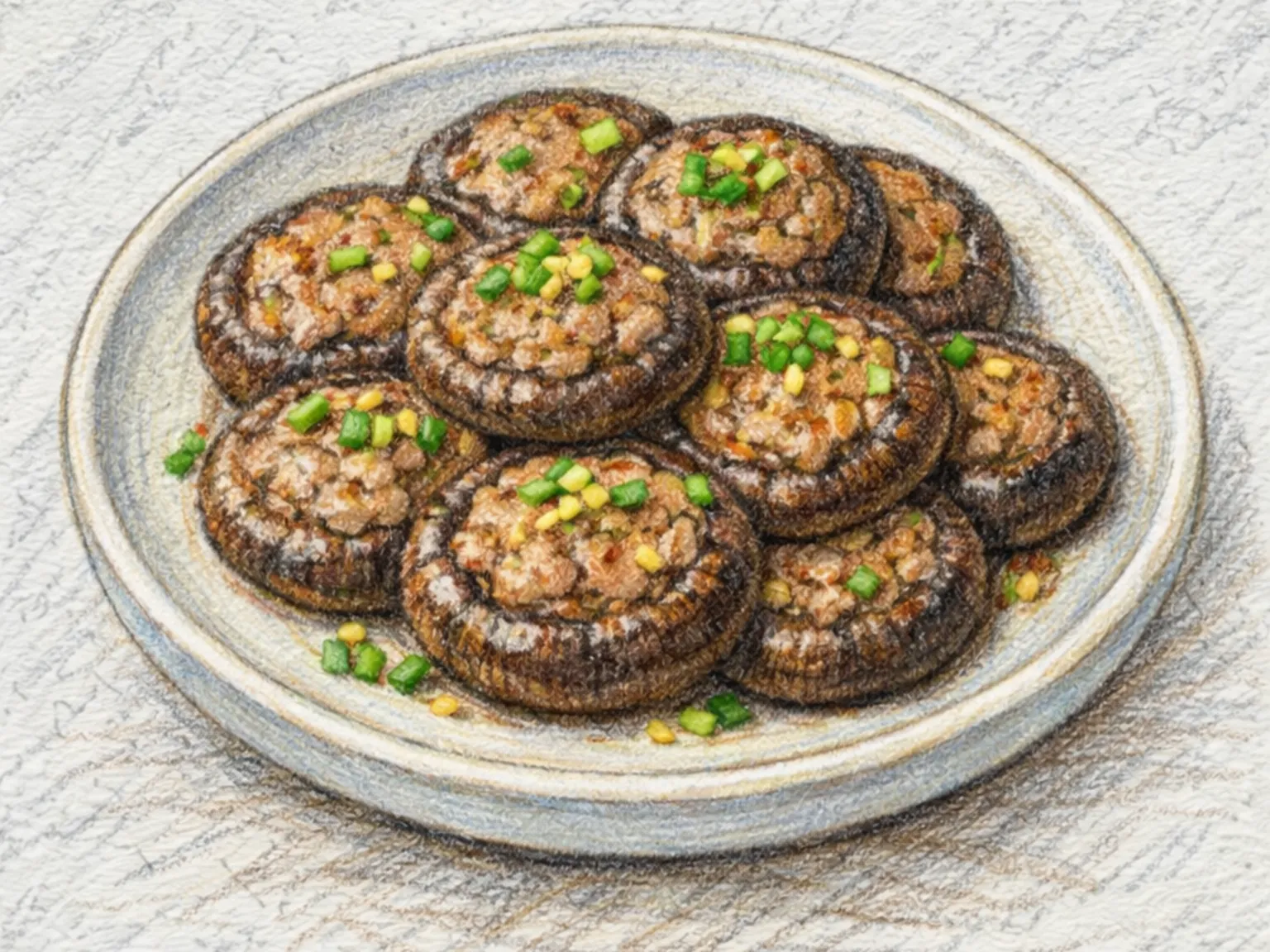
Korean Mushroom Pancake (Crispy Shiitake and King Oyster Jeon)
Grilled Easy

Korean Mushroom Pancake (Crispy Shiitake and King Oyster Jeon)

Beoseot-jeon is a Korean mushroom pancake made by slicing king oyster and shiitake mushrooms thin, coating them lightly in a batter of Korean pancake mix, egg, and water, then pan-frying until golden on both sides. King oyster mushrooms deliver a firm, chewy bite from their thick cross-sections, while the natural ridges in shiitake caps catch and hold batter, forming extra-crispy edges as they fry. The coating must be kept thin so the earthy mushroom flavors read clearly through the batter, and sliced mushrooms should be blotted dry before coating since excess surface moisture steams the underside and prevents crisping. Frying on medium-low heat without a lid allows even cooking through the mushroom's density while keeping the surface from steaming. Dipping in cho-ganjang -- soy sauce and vinegar -- brings out the mushrooms' natural umami against the crisp exterior. A small amount of salted fermented shrimp (saeujeot) folded into the batter seasons it thoroughly without needing extra salt.

🍺 Bar Snacks 🏠 Everyday
Prep 15min Cook 10min 2 servings
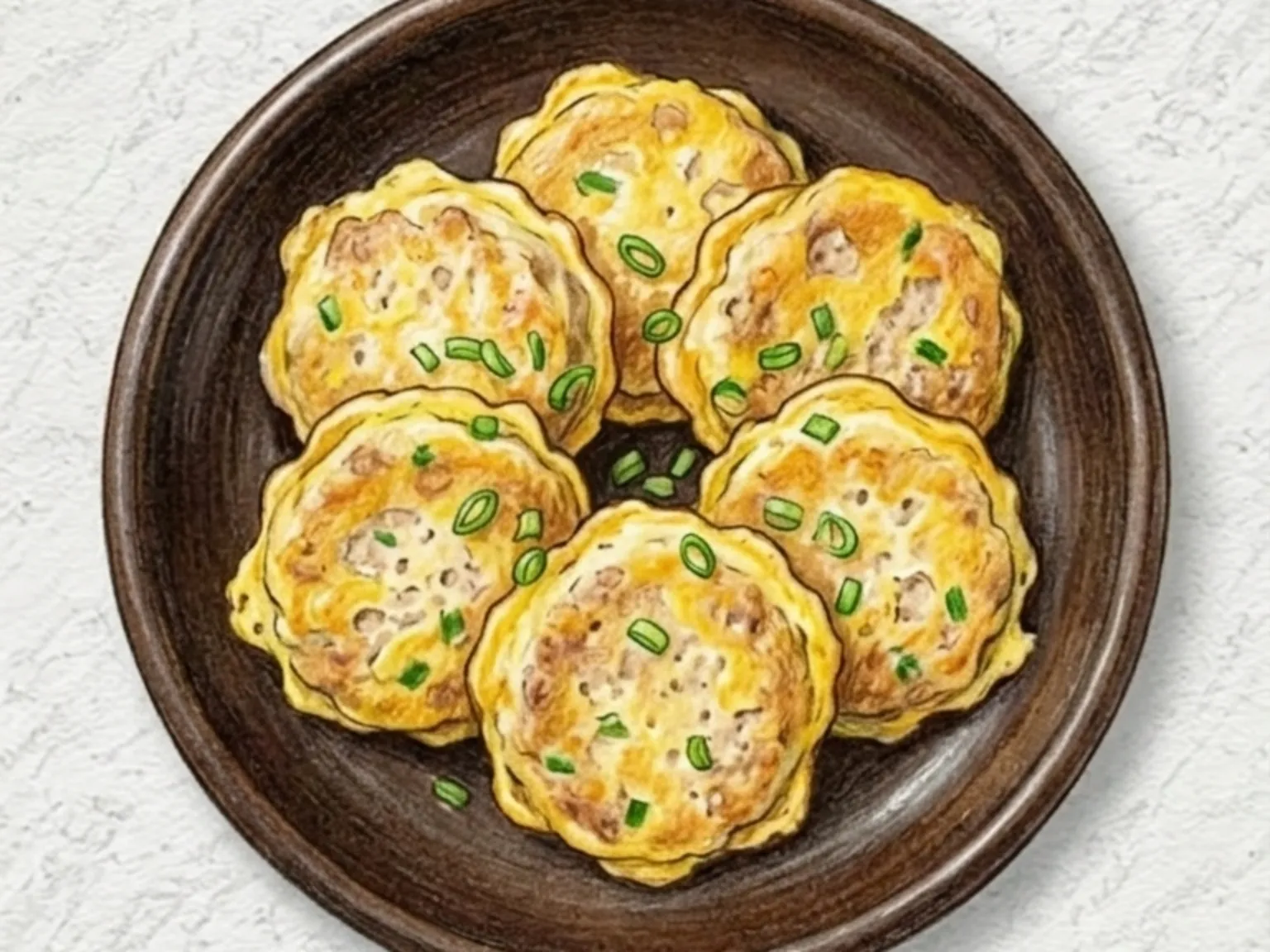
Korean Chive and Beef Jeon
Grilled Medium

Korean Chive and Beef Jeon

Buchu-soegogi-jeon are Korean chive and beef patties made from ground beef, pressed firm tofu, finely chopped garlic chives, and onion seasoned with soy sauce, garlic, and sesame oil, shaped into small ovals, dipped in beaten egg, and pan-fried for three minutes per side. Squeezing every drop of moisture from the tofu before mixing is the critical step - it prevents the patties from falling apart on the pan while contributing a soft texture that tempers the density of the beef. The egg coating sets into a thin golden crust on the outside, while the interior stays moist and fragrant with seared chive and beef. These are a standard on Korean holiday tables and guest spreads: one-bite sized, easy to pick up, and the soy-garlic-sesame seasoning holds its flavor without degrading as the patties cool.

🍺 Bar Snacks 🎉 Special Occasion
Prep 20min Cook 12min 4 servings
Korean Braised Pollock (Frozen Pollock with Radish in Spicy Sauce)
Steamed Medium

Korean Braised Pollock (Frozen Pollock with Radish in Spicy Sauce)

Dongtae-jjim is frozen pollock braised with Korean radish and bean sprouts in a sauce built from gochugaru, soy sauce, garlic, and ginger. Using frozen rather than fresh pollock is intentional - the freeze-and-thaw cycle gives the flesh a firm, lightly spongy texture that holds together well through braising in the spicy broth. Radish absorbs the chili-laced liquid and turns sweet against the heat, while bean sprouts retain crunch and add a clean, refreshing aftertaste. The sauce reduces to a shallow pool at the bottom of the pot, and spooning it over steamed rice is the standard way to eat this cold-weather staple. The flavor deepens the longer the ingredients sit in the braising liquid.

🎉 Special Occasion
Prep 20min Cook 30min 4 servings

Tips

Dry fish thoroughly so the coating sticks well.
Use medium heat to avoid burning the outside before the inside cooks.

Nutrition (per serving)

Calories
250
kcal
Protein
25
g
Carbs
10
g
Fat
12
g