Grilled Recipes
170 recipes
Grilling is central to Korean cuisine. From marinated bulgogi to sizzling samgyeopsal (pork belly) and crispy grilled mackerel, these dishes deliver bold, smoky flavors that are hard to resist. Whether cooked over charcoal or on a stovetop grill pan, the caramelized crust is what makes Korean grilled dishes special.
Marinated versions use soy sauce or gochujang-based glazes, while salt-grilled preparations highlight the natural flavor of the ingredients. Wrap a piece in fresh lettuce with a dab of ssamjang for the full experience.

Korean Napa Cabbage Pancake
Baechu jeon is a Korean pancake made by coating napa cabbage leaves in a thin flour batter and pan-frying until golden. Outer leaves of medium size work best; if the stem end is too thick, it is flattened with the back of a knife so the batter adheres evenly and the leaf does not buckle during cooking. The batter is mixed thin, roughly equal parts buchim flour and water, so it forms a light coating rather than a heavy shell that would mask the cabbage flavor. Generous oil in the pan and steady medium heat produce a crisp exterior while the cabbage inside softens and releases its gentle sweetness. Each side must brown fully before flipping to prevent the pancake from breaking apart. A dipping sauce of soy sauce with vinegar and sliced cheongyang chili adds acidity and heat that offset the mild character of the pancake.

Korean Grilled Cabbage Leaf Wraps
Baechu kimchi gui ssam takes napa cabbage to the grill, charring the leaves before using them as wraps for grilled pork belly and doenjang-based ssam sauce. A whole cabbage head is halved lengthwise, brushed with sesame oil and sprinkled with salt, then grilled over high heat for two to three minutes per side until the outer edges char while the inner layers remain slightly crisp. Pork belly is grilled separately until golden and sliced into bite-sized pieces. The ssam sauce, a blend of doenjang, gochujang, minced garlic, and sesame oil, is spread on a grilled leaf, topped with pork, and rolled into a wrap. Each bite combines the smoky sweetness of the charred cabbage, the fatty richness of pork, and the salty fermented punch of the sauce. Grilled cheongyang chili on the side adds extra heat. The cabbage must not stay on the grill too long, or it loses all structure and cannot function as a wrap.

Korean Grilled Yellowtail
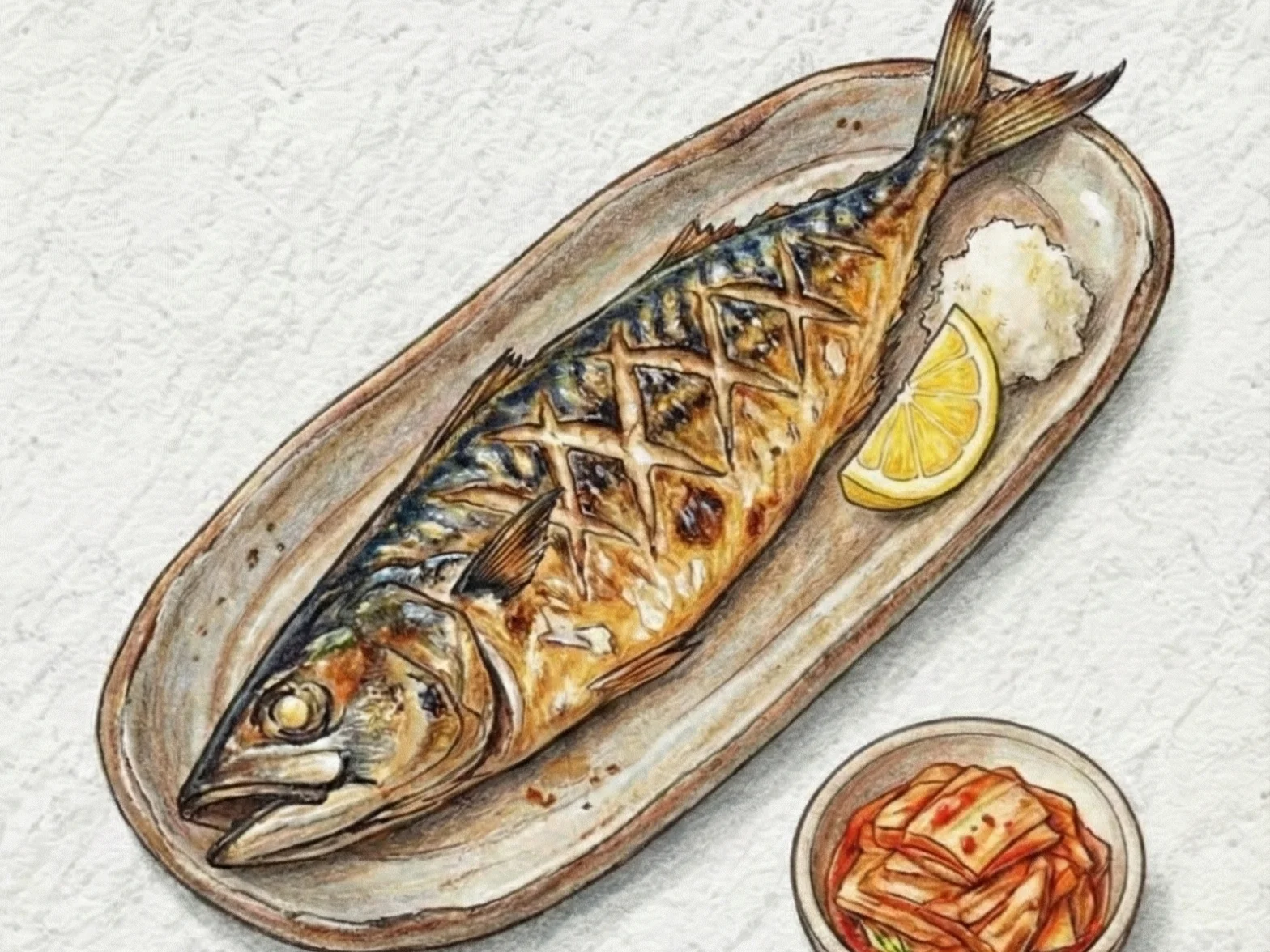
Bangeo-gui is a Korean salt-grilled yellowtail dish that relies on the fish's own winter fat for flavor rather than elaborate seasoning. Yellowtail caught in the cold months develops a thick fat layer under its skin, so coarse salt alone is enough to bring out its natural richness. Patting the surface bone-dry before grilling is essential: moisture interferes with the crisping of the skin, which should be pressed against a medium-heat pan for six to seven minutes until it turns brittle and golden. Grated fresh daikon and a squeeze of lemon are served alongside to cut through the oiliness with sharp, clean acidity.

Korean Mushroom Pancake (Crispy Shiitake and King Oyster Jeon)
Beoseot-jeon is a Korean mushroom pancake made by slicing king oyster and shiitake mushrooms thin, coating them in a light batter of Korean pancake mix, egg, and water, then pan-frying until golden. King oyster mushrooms contribute a firm, chewy bite from their thick stems, while shiitake caps trap batter in their natural ridges, creating extra-crispy edges. The key is to keep the batter coating thin so the earthy mushroom flavor comes through clearly, and to blot the sliced mushrooms dry before mixing-excess moisture makes the pancake soggy instead of crisp. Dipping in cho-ganjang, a mix of soy sauce and vinegar, brings out the mushrooms' natural umami.

Korean Bollak Ganjang Gui (Soy-Glazed Rockfish Grill)
Bolak-ganjang-gui is a Korean soy-glazed rockfish dish where fillets are brushed with a sauce of soy sauce, cooking wine, minced garlic, ginger juice, and honey, then grilled over medium-high heat. Half the glaze is applied first and left for just ten minutes-long enough for the salt and sweetness to penetrate the surface without overwhelming the fish's own mild flavor. Starting skin-side down for four minutes builds a crisp base, and brushing on the remaining glaze during the final minutes of cooking lets the honey caramelize into a glossy, dark-brown coating. A finish of sesame oil and sliced green onion adds a nutty, aromatic layer on top of the savory-sweet glaze.

Korean Grilled Broccoli with Soybean Paste
Broccoli doenjang-gui is a Korean roasted broccoli dish where bite-sized florets are blanched for just one minute, tossed in olive oil, coated with a thick paste of doenjang, gochujang, garlic, and oligosaccharide syrup, then baked at 200 degrees Celsius for twelve minutes. The brief blanching softens the stems just enough while preserving crunch, and coating with oil first ensures the paste clings evenly rather than sliding off. High oven heat chars the edges of the florets, concentrating the fermented soybean paste into a deeply savory, slightly smoky crust. Sesame seeds scattered on at the end add a toasted nuttiness that rounds out the salty-spicy profile.

Korean Chive Seafood Pancake
Buchu-haemul-jeon is a Korean chive and seafood pancake that folds garlic chives, sliced squid, and peeled shrimp into a thin batter of Korean pancake mix, water, and salt. The chives release a pungent, garlicky fragrance during cooking that infuses the entire pancake, while the squid provides a chewy contrast to the snappy bite of shrimp. Because seafood releases moisture as it cooks, the batter should start slightly thicker than a plain vegetable jeon-otherwise the center stays soggy. Spreading the mixture thin and frying over steady medium heat crisps the edges while keeping the seafood-packed center moist, and a dipping sauce of soy, vinegar, and chili flakes highlights the natural sweetness of the shellfish.

Korean Chive Kimchi Jeon (Spicy Fermented Kimchi Pancake)
Buchu-kimchi-jeon is a Korean pancake combining well-fermented aged kimchi and garlic chives in a batter made with cold water and a splash of kimchi brine. The brine does double duty: it tints the batter red and infuses it with the deep, tangy umami that only long-fermented kimchi produces. Cold water is essential here because it limits gluten development, resulting in a shatteringly crisp exterior rather than a chewy one. Thinly sliced hot green chili adds a sharper heat on top of the kimchi's sour spiciness, and the pancake must be cooked on a well-preheated pan over medium-high heat until the edges darken to a deep golden brown.

Korean Chive and Beef Jeon
Buchu-soegogi-jeon are Korean chive and beef patties shaped into small ovals from a mixture of ground beef, pressed firm tofu, finely chopped garlic chives, and onion seasoned with soy sauce, garlic, and sesame oil. Squeezing all moisture from the tofu before mixing is critical-it keeps the patties from falling apart on the pan while adding a soft, creamy texture that tempers the density of the beef. Each patty is dipped in beaten egg and pan-fried for about three minutes per side, forming a thin golden egg crust around a moist, aromatic interior. These are a staple on Korean holiday tables and guest spreads because they hold their flavor well even at room temperature.

Korean BBQ Beef
Bulgogi is Korea's signature marinated beef dish, made by soaking thinly sliced sirloin or chuck in a mixture of soy sauce, grated pear, sugar, minced garlic, and sesame oil, then searing it quickly over high heat. The pear serves as a natural tenderizer-its enzymes break down the meat's proteins so each slice pulls apart easily-while its fructose merges with the soy sauce into a balanced sweet-salty glaze. Cooking in small batches is essential: overcrowding the pan drops the temperature and steams the meat instead of searing it, producing a gray, chewy result rather than caramelized brown edges. A final drizzle of sesame oil and a scatter of sesame seeds before plating adds a roasted, nutty finish.

Korean Gochujang-Grilled Butterfish
Byeongeo gochujang-gui is a Korean spicy grilled butterfish where fillets are brushed with a paste of gochujang, soy sauce, plum syrup, minced garlic, and red pepper flakes, then pan-fried over medium heat. Butterfish has an exceptionally fine, soft flesh that absorbs the glaze readily, and the plum syrup's fruity acidity tempers the fermented heat of gochujang so the finish stays clean rather than heavy. The glaze must be applied in thin, repeated layers during cooking-a single thick coat causes the sugars to burn before the fish cooks through. A light squeeze of lemon at the end adds a bright citrus note that lifts the dish and prevents any lingering oiliness.

Korean Tuna and Kimchi Pancake
Chamchi-kimchi-jeon is a Korean pancake made from drained canned tuna and finely chopped aged kimchi mixed into a simple batter of Korean pancake flour, water, and egg. The tuna provides mild protein bulk while the fermented kimchi delivers tangy acidity and deep umami, and the minimal batter lets both flavors come through without being muted. Using well-aged kimchi intensifies the sour depth that offsets the tuna's mildness, and the egg in the batter helps the pancake hold together during flipping. The whole dish comes together in under ten minutes from pantry staples, making it one of the quickest jeon varieties for a casual meal or drinking snack.

Korean Chili Soy Grilled Tofu
Chili-tofu-gui is a Korean pan-grilled tofu dish where firm tofu slices are browned on both sides, then glazed with a sauce of soy sauce, minced hot green chili, garlic, sesame oil, and sugar. Pressing moisture out of the tofu before cooking is essential for achieving a clean, golden-brown sear without oil spattering. Once the sauce is added, a brief simmer on low heat coats each slice in a glossy layer where the soy's saltiness, the sugar's sweetness, and the chili's sharp heat all converge against the tofu's neutral, creamy base. The dish works equally well as a weeknight side dish or as a quick drinking snack.

Korean Daegu Doenjang Gui (Doenjang-Grilled Cod)
Daegu-doenjang-gui is a Korean grilled cod dish where fillets are coated with a mixture of doenjang, minced garlic, and sesame oil, then cooked until the paste forms a thin, savory crust over the fish. Cod's mild, white flesh is an ideal canvas for doenjang's deep, fermented soybean flavor-the seasoning does not compete with the fish but rather defines it. As the paste dries slightly on the surface under heat, it creates a concentrated savory shell while the flesh underneath stays moist and flaky. Adjusting the amount of doenjang is key since it can easily oversalt the delicate fish, and serving with sliced green onion or perilla leaves provides an herbal counterpoint to the earthy paste.

Korean Salt-Grilled King Prawns
Daeha-sogeum-gui is a Korean salt-grilled king prawn dish where whole shell-on prawns cook on a bed of coarse sea salt. The salt absorbs moisture while radiating even heat, effectively steaming the prawns inside their shells so the flesh stays springy instead of shrinking. Scoring the backs with kitchen scissors and removing the intestinal vein before cooking eliminates any off-flavors, letting the natural sweetness of the prawn come through cleanly. The prawns are done the moment the shells turn bright orange-overcooking dries them out quickly. A squeeze of fresh lemon adds acidity that sharpens the prawn's inherent umami.

Korean Salt-Grilled Green Onion
Daepa-sogeum-gui is a minimalist Korean dish of green onion whites cut into 7-8 cm lengths, brushed with olive oil, sprinkled with coarse salt, and grilled over high heat. The outer layers char slightly, developing a light smokiness, while the inner core softens and turns remarkably sweet as starch converts to sugar under intense heat. Only the white parts are used because the green tops burn too quickly, and pressing each piece flat against the grill for two to three minutes per side ensures the center cooks through. A drizzle of sesame oil, a scattering of toasted sesame seeds, and a pinch of lemon zest layer nuttiness and citrus brightness over the onion's caramelized sweetness.

Korean Grilled Chicken Skewers
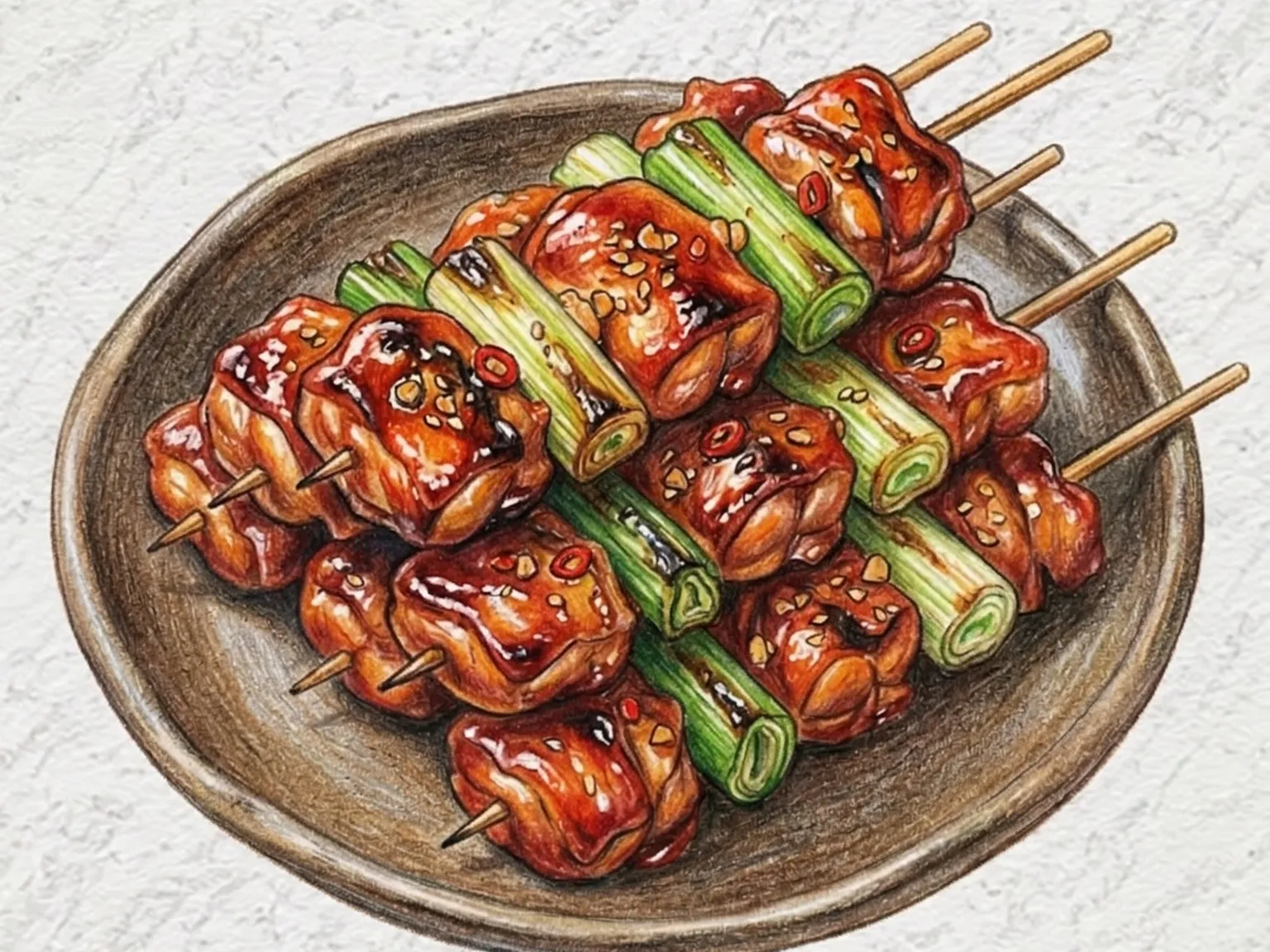
Dak-kkochi-gui is a Korean grilled chicken skewer inspired by street-stall cooking, made by threading bite-sized pieces of chicken breast or thigh onto bamboo sticks and brushing them with a sauce of gochujang, soy sauce, honey, and minced garlic. Thigh meat works best because its higher fat content resists drying out over direct heat, and applying the glaze in two or three separate coats builds up a thick, sticky, caramelized layer. Cutting the chicken into uniform cubes ensures every piece finishes cooking at the same time, and alternating with slices of green onion or bell pepper between the meat adds moisture and color. The interplay of gochujang's fermented heat and honey's sweetness against charcoal smoke captures the unmistakable flavor of Korean street food.

Korean Grilled Chicken Neck Meat
Dak-moksal-gui is a Korean grilled chicken neck meat dish seasoned with soy sauce, cooking wine, minced garlic, and sesame oil, then seared quickly over high heat. Chicken neck meat contains streaks of intramuscular fat that give it a distinctly chewy texture and a concentrated poultry flavor that sets it apart from leaner breast cuts. Spreading the pieces thin on the grill surface promotes rapid browning through the Maillard reaction, and flipping within two minutes per side keeps the meat from toughening. A finish of sliced green onion and cracked black pepper adds a sharp, aromatic bite on top of the sweet-salty soy base.

Korean Grilled Spicy Chicken Ribs
Dakgalbi-gui is the original Chuncheon-style grilled chicken dish where bone-in thigh and leg pieces marinate in a crimson paste of gochujang, soy sauce, sugar, garlic, sesame oil, and ginger, then cook directly over an open flame or on a hot pan. Unlike the more common iron-plate dakgalbi stir-fried with vegetables, this grilled version focuses solely on the meat, maximizing char and smoky flavor on the surface. Deboned thigh meat spread flat exposes more surface area to the marinade and heat, intensifying the flavor, and a minimum two-hour marination ensures the spice penetrates deep into the flesh. The gochujang caramelizes at high temperatures, creating edges that are simultaneously spicy, sweet, and slightly bitter from the char.

Korean Garlic-Grilled Chicken Gizzards
Dakttongjip-maneul-gui is a Korean garlic-grilled chicken gizzard dish where the gizzards are scored, briefly marinated in cooking wine, then stir-fried over high heat with whole garlic cloves and cheongyang chili peppers. Gizzards are pure muscle with a uniquely bouncy, chewy texture, and scoring them before cooking opens up the dense tissue so the seasoning reaches the interior and heat cooks them evenly. The whole garlic cloves transform alongside the gizzards-their exterior browns while the inside turns soft and mellow, converting raw pungency into gentle sweetness. Seasoning stays minimal with just salt and black pepper to let the ingredients speak, while the cheongyang chilies contribute a bright, sharp heat that punctuates each bite.

Korean Domi Sogeum Gui (Salt-Grilled Sea Bream)
Domi-sogeum-gui is a Korean salt-grilled sea bream dish where fillets are seasoned with just coarse salt and black pepper, then pan-fried until the skin turns crisp. Sea bream carries enough natural fat among white fish varieties that simple salt seasoning draws out a full, clean umami without additional sauces. Patting the surface completely dry before cooking is essential for crisp skin, and spending seventy percent of the cooking time skin-side down ensures it crisps properly while the flesh stays moist from residual heat. A brief flip to finish the flesh side is all that is needed-overcooking dries out the delicate meat quickly. Minced garlic and chopped chives scattered on top, with a lemon wedge on the side, let the citrus acidity lift the bream's mild sweetness.

Korean Soy-Glazed Pork Back Ribs
Dwaeji-deunggalbi ganjang-gui is a Korean soy-glazed pork back rib dish where thick cuts attached to the spine bone are coated in a glaze of dark soy sauce, honey, garlic, and ginger juice, then slow-roasted in an oven or grill. The thick meat requires at least two hours of refrigerated marination so the salty-sweet flavors penetrate near the bone, and during cooking the sugar in the glaze caramelizes into a glossy, dark-brown crust. A two-stage cooking process defines the texture: forty minutes covered at 180 degrees Celsius to cook the meat through, then ten minutes uncovered at higher heat to crisp the surface. Ginger juice is not optional-it neutralizes the pork's gamey notes, and omitting it throws off the flavor balance.

Korean Pork Ribs (Sweet Pear-Marinated BBQ Ribs)
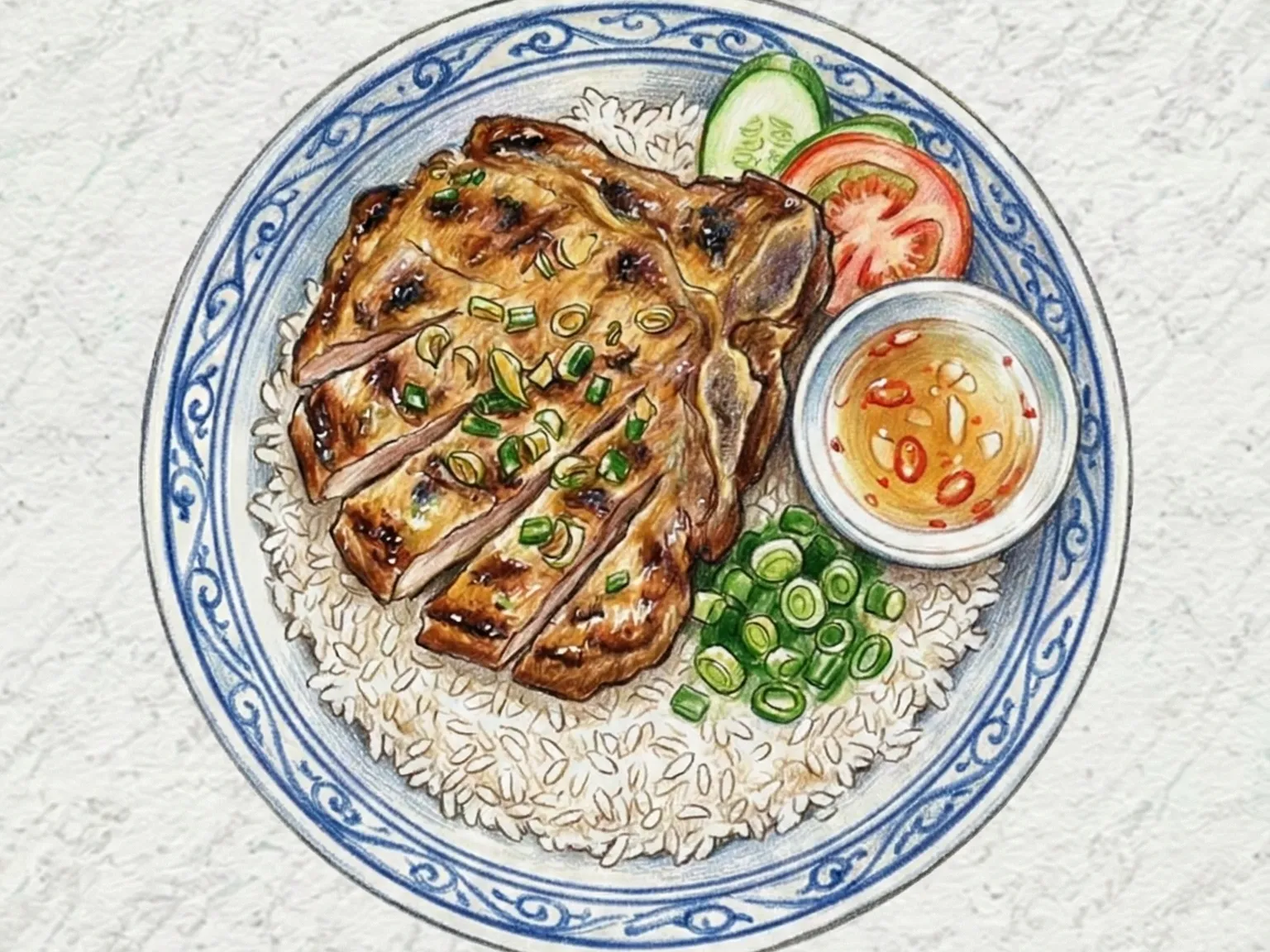
Dwaeji-galbi is one of the most recognized Korean barbecue dishes, made with LA-cut pork ribs marinated in a thick sauce of pureed pear, soy sauce, sugar, corn syrup, garlic, and onion. The pear puree serves a dual purpose: it sweetens the marinade naturally while its enzymes tenderize the pork fibers so the meat pulls off the bone with minimal resistance. Marinating for four to six hours lets the flavors soak deep into the thick cuts, but going beyond a full day causes the pear enzymes to break down the surface too much, making it mushy. Searing over high charcoal heat until the glaze chars and caramelizes is essential-the blackened edges where sugar meets open flame produce the signature sweet-smoky crust.

Korean Grilled Fish Cake Skewers
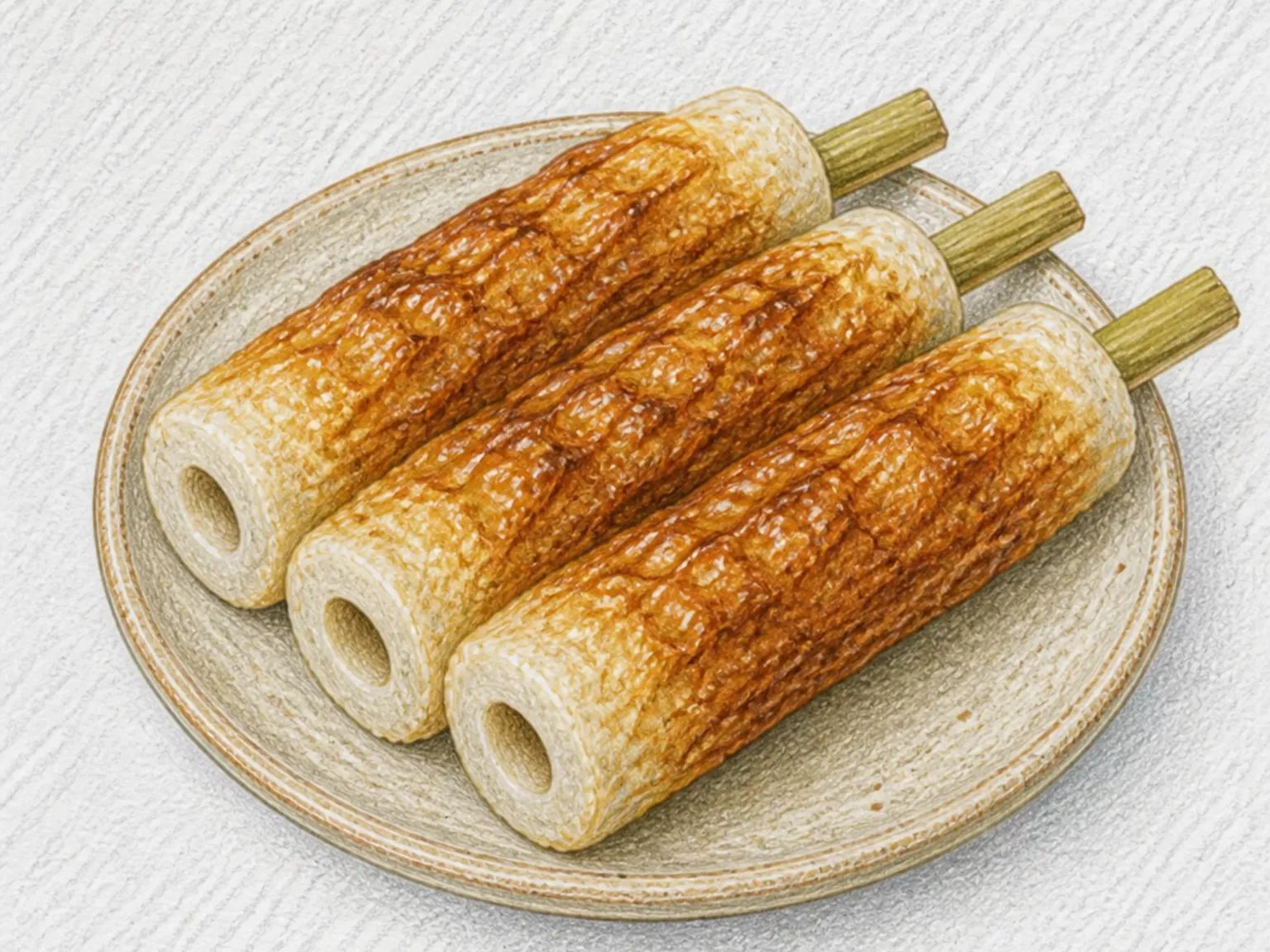
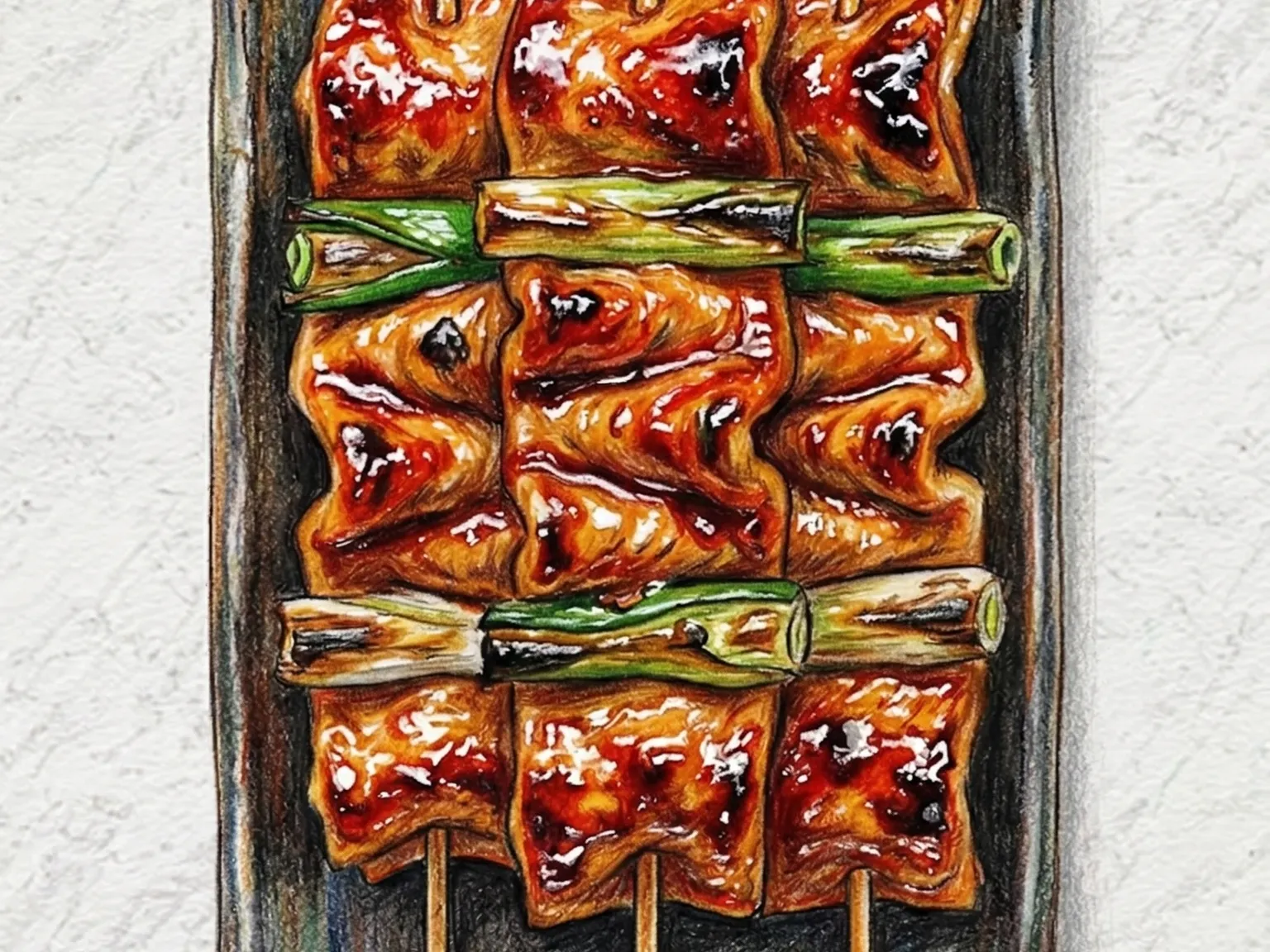
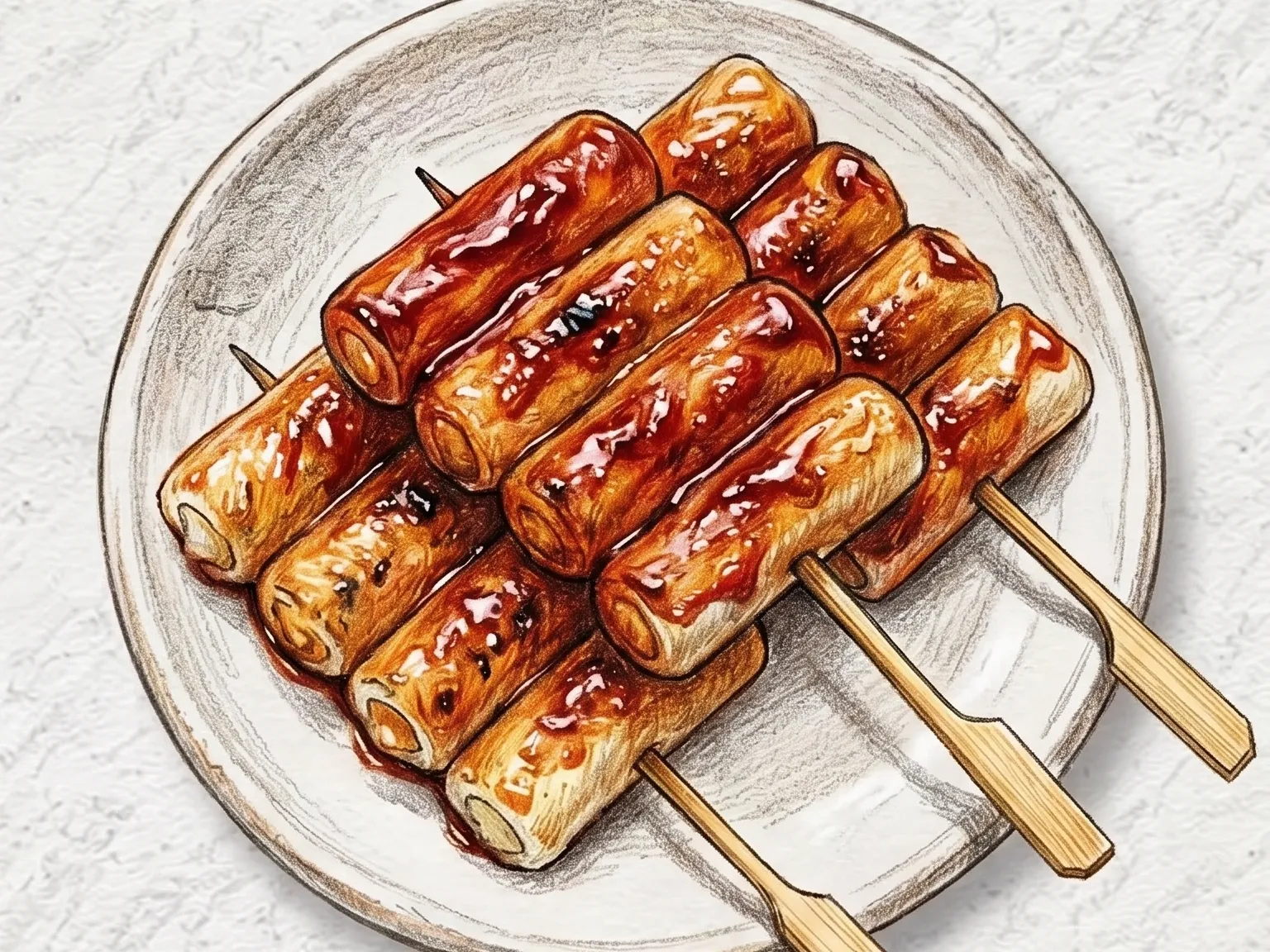
Sticky, sweet-spicy, and irresistibly snackable - these Korean grilled fish cake skewers are the street food you will not stop eating. Flat fish cake sheets are folded in zigzag layers onto wooden sticks, grilled, then brushed with a glossy soy-gochujang glaze. Folding the sheets before skewering increases the surface area for glaze and creates layered thickness that gives each bite a bouncy, concentrated chew. Dry-grilling the skewers first without oil drives off surface moisture so the sauce clings tightly when brushed on, and a final brief sear after glazing caramelizes the sugars into a glossy sheen. Threading pieces of green onion between the folds lets their moisture steam away during grilling, infusing the fish cake with a sweet, mellow onion fragrance.