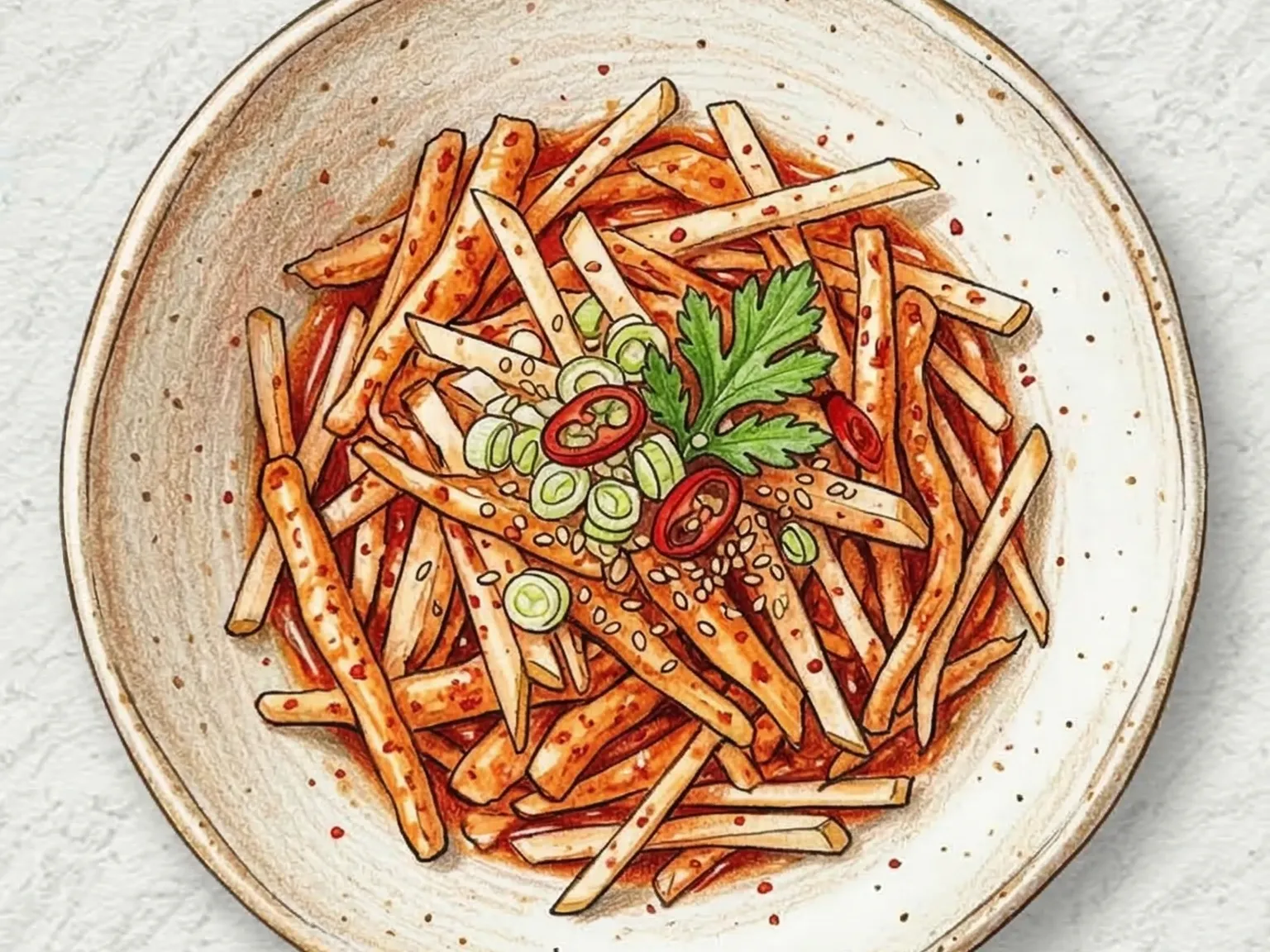
Bellflower Root and Pear Salad
Rub 180 g shredded bellflower root with 1 tsp salt for about 2 minutes, let it stand for 5 minutes, and rinse it several times in cold water to remove the bitterness. Blanch it for only 3 minutes, cool it in cold water, and squeeze it firmly, because leftover water thins the dressing. Coat the root and red onion with 1 tbsp gochugaru, 1 1/2 tbsp vinegar, 1 tsp sugar, 1 tsp fish sauce, 1/2 tsp minced garlic, and 1 tsp sesame oil, and add the julienned pear just before serving so it stays crisp.
Quick answer
- Total time
- 23 min
- Level
- Medium
- Servings
- 2 servings
- Ingredients
- 10
About this dish
Rubbing bellflower root with salt, rinsing it, then blanching it for just 3 minutes takes away bitterness while keeping a firm crunch.
Read more
Julienned Korean pear brings cool sweetness to a sharp, spicy dressing of gochugaru (Korean chili flakes) and vinegar. A teaspoon of fish sauce gives the seasoning depth, and sesame oil goes in last so its aroma stays on top. The pear loses juice and softens the earlier it goes in, so the root is seasoned first and the pear folded in at the very end. It is best eaten while both are still crisp, when bitter root, sweet pear and sharp dressing shift from one to the next in each bite.
Ingredients
Instructions
- 1
Shred 180 g bellflower root into 5 cm strips.
Rub with 1 tsp salt for about 2 minutes, then let it stand for 5 minutes and rinse several times in cold water to remove bitterness.
- 2
Bring a pot of water to a full boil over high heat, then add the bellflower root and blanch for only 3 minutes.
Remove it as soon as the edges look slightly translucent so it does not turn limp.
- 3
Cool the blanched bellflower root in cold water, then squeeze it firmly by hand.
If it still feels wet, squeeze once more because excess water will thin the seasoning and weaken the flavor.
- 4
Peel 140 g Korean pear and cut it into 0.3 cm julienne strips.
Slice 40 g red onion thinly, soak it in cold water for 5 minutes to soften its bite, then drain very well.
- 5
In a bowl, first dissolve 1 tbsp gochugaru, 1.5 tbsp vinegar, 1 tsp sugar, 1 tsp fish sauce, and 0.5 tsp minced garlic.
Stir until the sugar disappears, then mix in 1 tsp sesame oil last.
- 6
Just before serving, coat the bellflower root and onion with the dressing, then add the pear and toss lightly.
Let it sit for only 5 minutes, loosen the strands, and serve while the pear is still crisp.
Use-up ingredient planner
Turn these ingredients into two more meals
The overlap excludes basic seasonings. Open the next recipe and your selected dishes will stay with you.
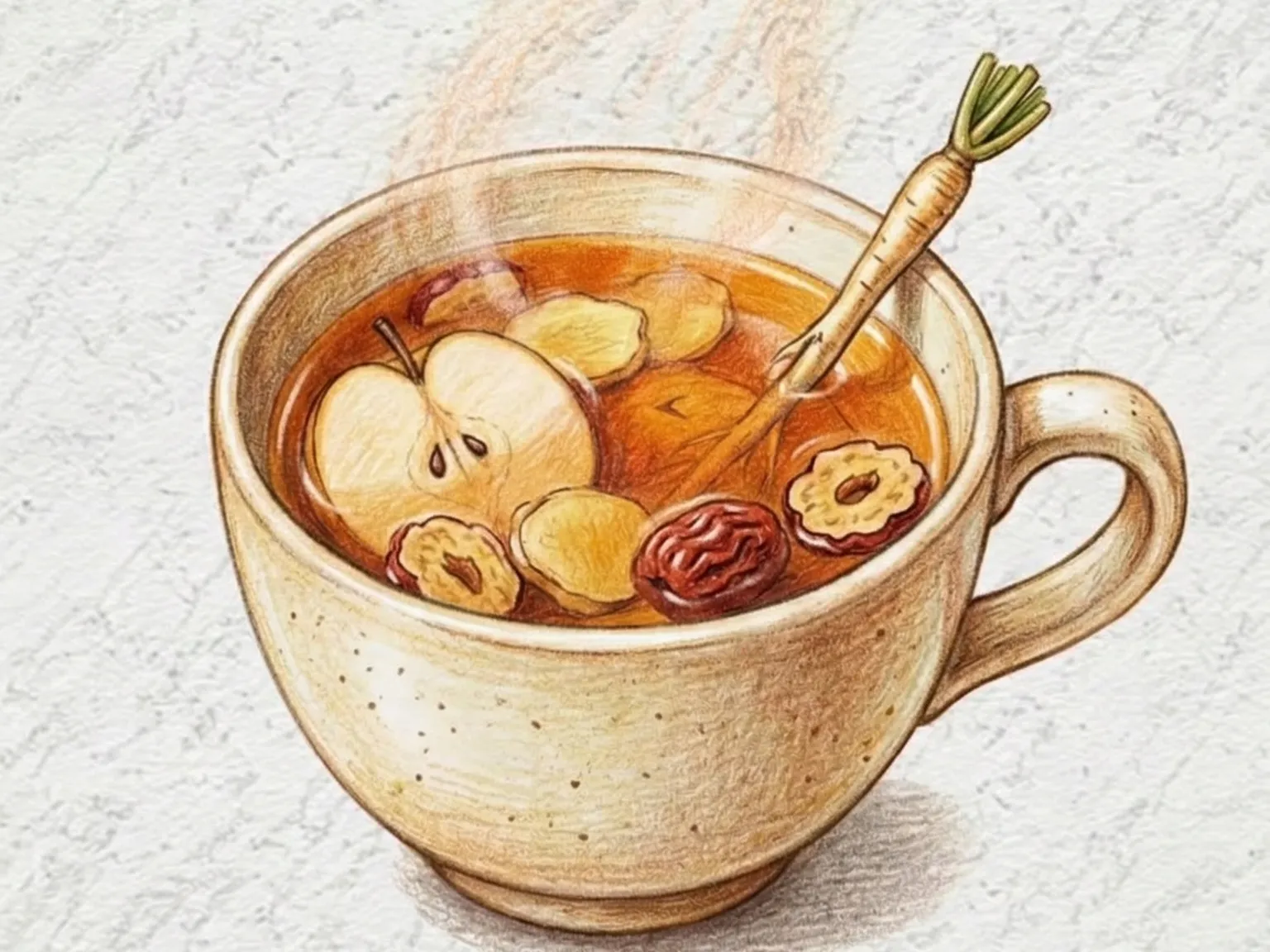
Korean Balloon Flower Ginger Tea
bellflower root, Korean pear
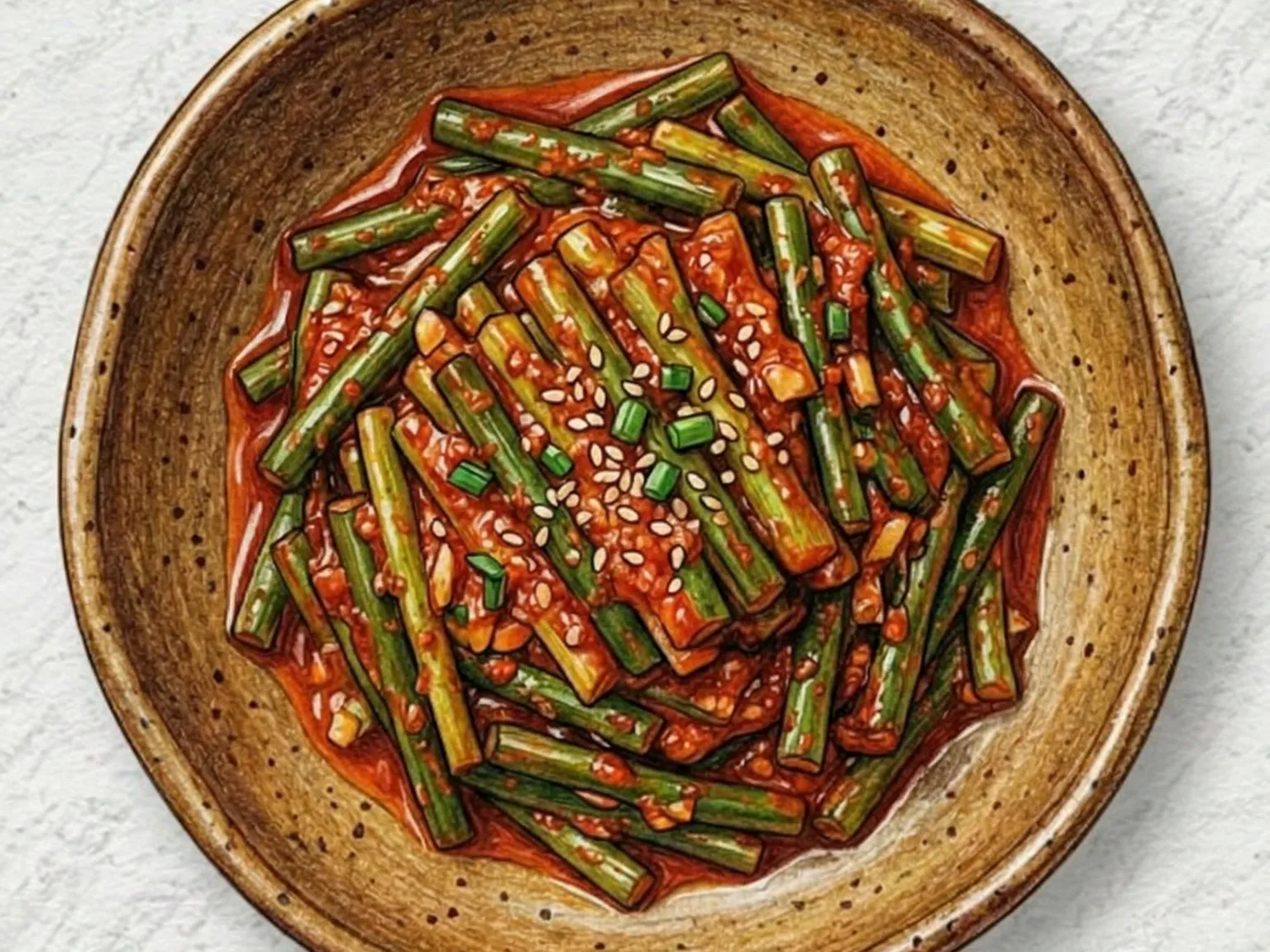
Korean Garlic Scape Kimchi
Korean pear, fish sauce
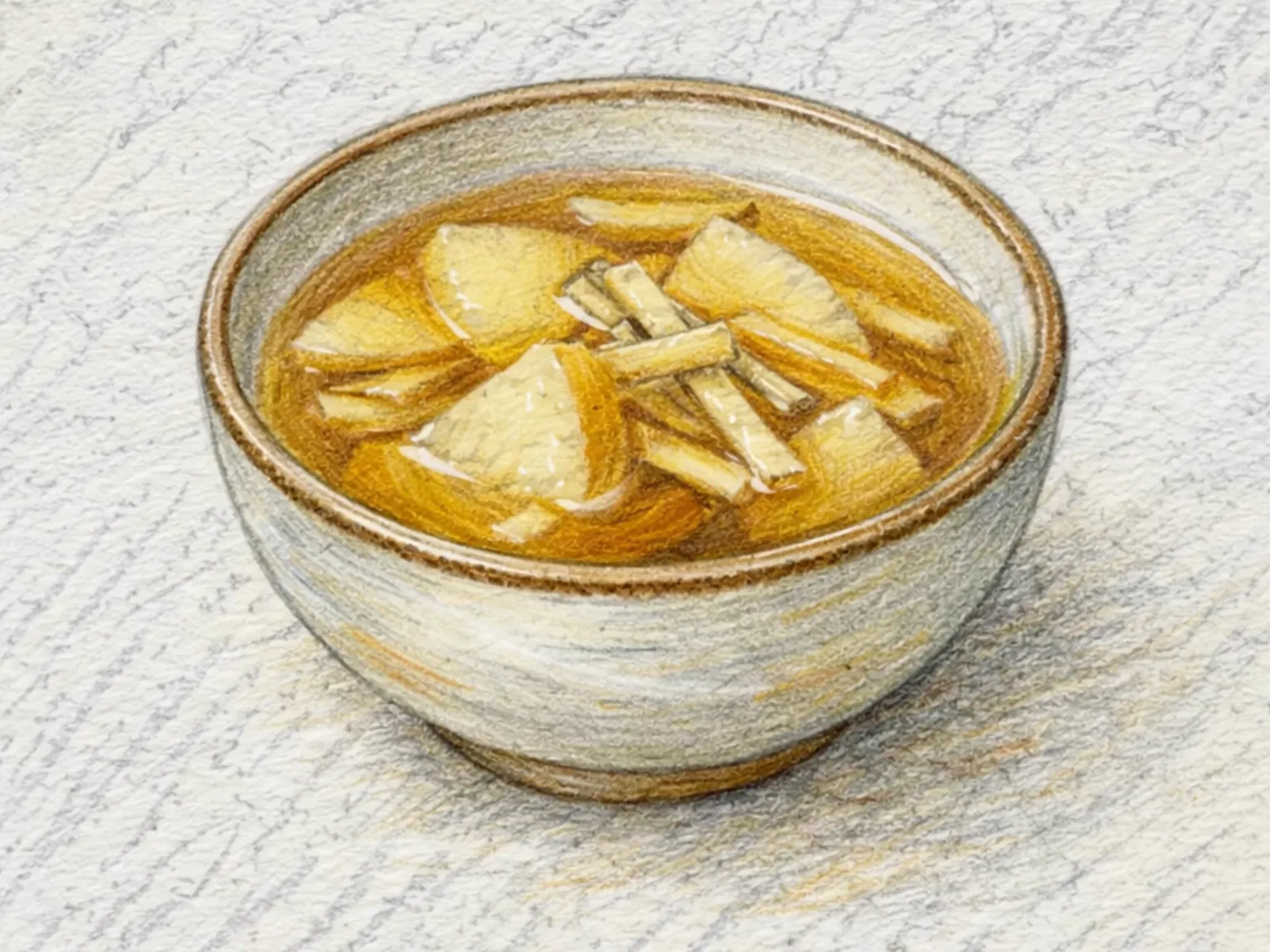
Korean Pear Bellflower Root Tea
bellflower root, Korean pear