Korean Dureup Pot Rice (Spring Angelica Shoot Pot Rice)
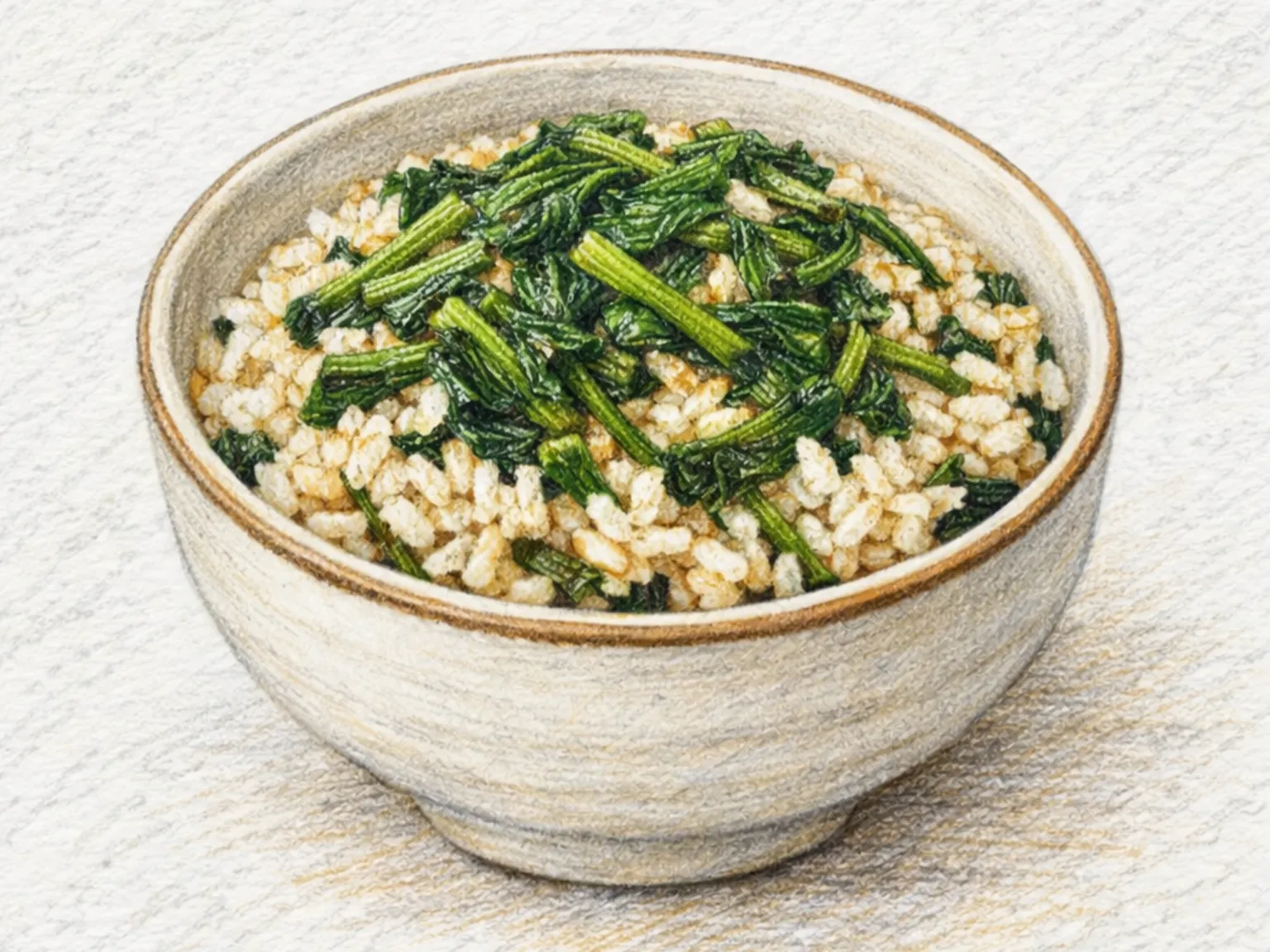
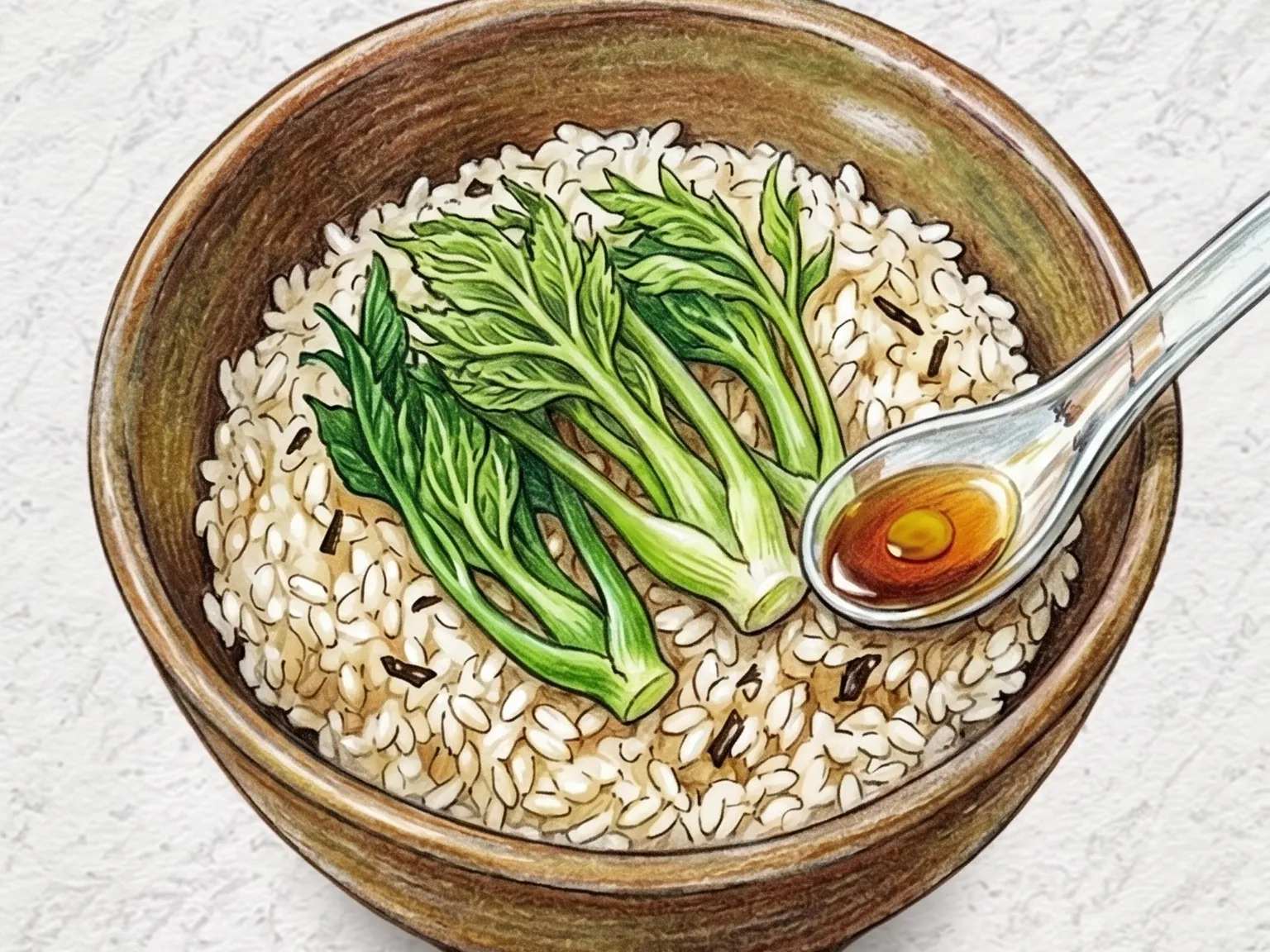
Durup sotbap is a Korean spring pot rice that showcases dureup - young angelica tree shoots available for only a brief window each year. The rice cooks in kelp stock, which provides a subtle umami base, then blanched dureup is placed on top just before the pot rests with its lid sealed. During the ten-minute resting period, the shoots release their distinctive herbal fragrance directly into the steam, infusing every grain. Soup soy sauce and garlic season the rice from within, while a soy-sesame dipping sauce served alongside adds depth when mixed in. The dureup itself carries a pleasantly bitter, almost woodsy character that mellows against the warm rice and sesame. Blanching must be kept under thirty seconds to preserve both the shoots' bright green color and their delicate crunch. The dish embodies the Korean tradition of eating seasonally, celebrating a mountain vegetable whose fleeting availability makes each bowl feel like an occasion.
Adjust Servings
Instructions
- 1
Soak the rice for 30 minutes, then drain well.
- 2
Trim dureup, split thick shoots, blanch briefly, then rinse in cold water.
- 3
Add rice and kelp stock to a pot; bring to a simmer over medium heat, then reduce to low.
- 4
Season with soup soy sauce, garlic, and salt, then place dureup on top.
- 5
Cover and cook on low for 12 minutes, then rest off heat for 10 minutes.
- 6
Finish with sesame oil, scallion, and sesame seeds, then gently mix and serve.
As an Amazon Associate, we may earn from qualifying purchases.
Tips
Nutrition (per serving)
More Recipes

Korean Herb Mushroom Pot Rice
Chamnamul beoseot sotbap is a Korean pot rice cooked with fragrant chamnamul herbs, oyster mushrooms, and shiitake mushrooms in kelp stock. The chamnamul infuses the rice with a fresh, slightly herbaceous scent, while the two types of mushroom contribute contrasting textures - the oyster mushrooms soft and springy, the shiitake firm and woodsy - along with layers of umami. Served with a soy-sesame dipping sauce drizzled over the top and mixed in, it becomes a complete, aromatic meal. Even without any meat, the combination of mushroom depth and herbal brightness makes every bowl feel substantial. The nurungji crust that forms at the bottom of the pot adds a toasty crunch that is one of the small joys of eating pot-cooked rice.

Korean Thistle and Mackerel Pot Rice
Sesame oil-sauteed radish lines the bottom of a pot, followed by soaked rice and squeezed gondre greens, with a mackerel fillet marinated in cooking wine and ginger juice placed on top. As the rice cooks over low heat for fourteen minutes and rests covered for five more, the earthy thistle aroma and the deep fish umami meld into every grain. Keeping the mackerel skin-side up prevents the flesh from breaking apart, and the radish layer at the bottom guards against sticking while adding its own mild sweetness. A drizzle of soy sauce and a gentle toss before serving bring all the flavors together.

Korean Blue Crab Doenjang Pot Rice
Cleaned blue crab sits atop soaked rice in a heavy pot, cooked in anchovy-kelp stock infused with dissolved doenjang. Garlic and vegetables are first sautéed in perilla oil for an aromatic base, then the stock-doenjang mixture and crab go in for a five-minute boil, fifteen minutes on low, and a ten-minute covered rest. The crab's briny sweetness and doenjang's fermented depth soak into every grain, while zucchini and shiitake mushrooms contribute a subtle sweetness that tempers the salt. An extra minute on low heat after resting creates a crispy nurungji crust at the bottom - a prized bonus in Korean pot rice.

Korean Chwinamul Pot Rice
Chwinamul sotbap is a Korean pot rice made by layering lightly seasoned wild chwinamul greens over soaked rice and cooking everything in kelp stock. The greens release their distinctively herbal, faintly bitter fragrance directly into the rice as it steams, filling the kitchen with an earthy mountain scent when the lid comes off. Mixed with a soy-sesame dipping sauce, the bitterness softens into a pleasant backdrop that makes each spoonful complex and grounding. It is best prepared in spring when chwinamul is in season, offering peak aroma and the most tender stems. Dried chwinamul can be rehydrated for year-round cooking, though the fresh version carries a brightness that the dried form cannot fully replicate.

Korean Shepherd's Purse Doenjang Jjigae
This seasonal doenjang jjigae highlights shepherd's purse (naengi), a foraged spring herb prized in Korean cooking. Potato, zucchini, onion, and tofu simmer in anchovy stock with soybean paste, creating a hearty base. The naengi contributes a distinctive earthy, slightly bitter aroma that complements the fermented depth of doenjang. Using the whole plant including the roots intensifies its characteristic fragrance.

Korean Aralia Shoot Jeon (Spring Herb Shoot Pancake)
Durup-jeon is a seasonal Korean pancake made during the brief spring window when aralia shoots are available, coated in a thin layer of flour and egg wash to showcase the vegetable's distinctive bitter-herbal fragrance. The shoots are blanched for just thirty seconds in vinegared boiling water to remove harshness while keeping the stems crisp, then thoroughly dried and lightly floured so the egg coating adheres evenly. Cooking over medium-low heat ensures the egg browns gently without scorching, allowing the interior stems to soften properly-high heat leaves them tough. Dipping in cho-ganjang, soy sauce mixed with vinegar, sharpens the wild mountain herb character of the aralia.