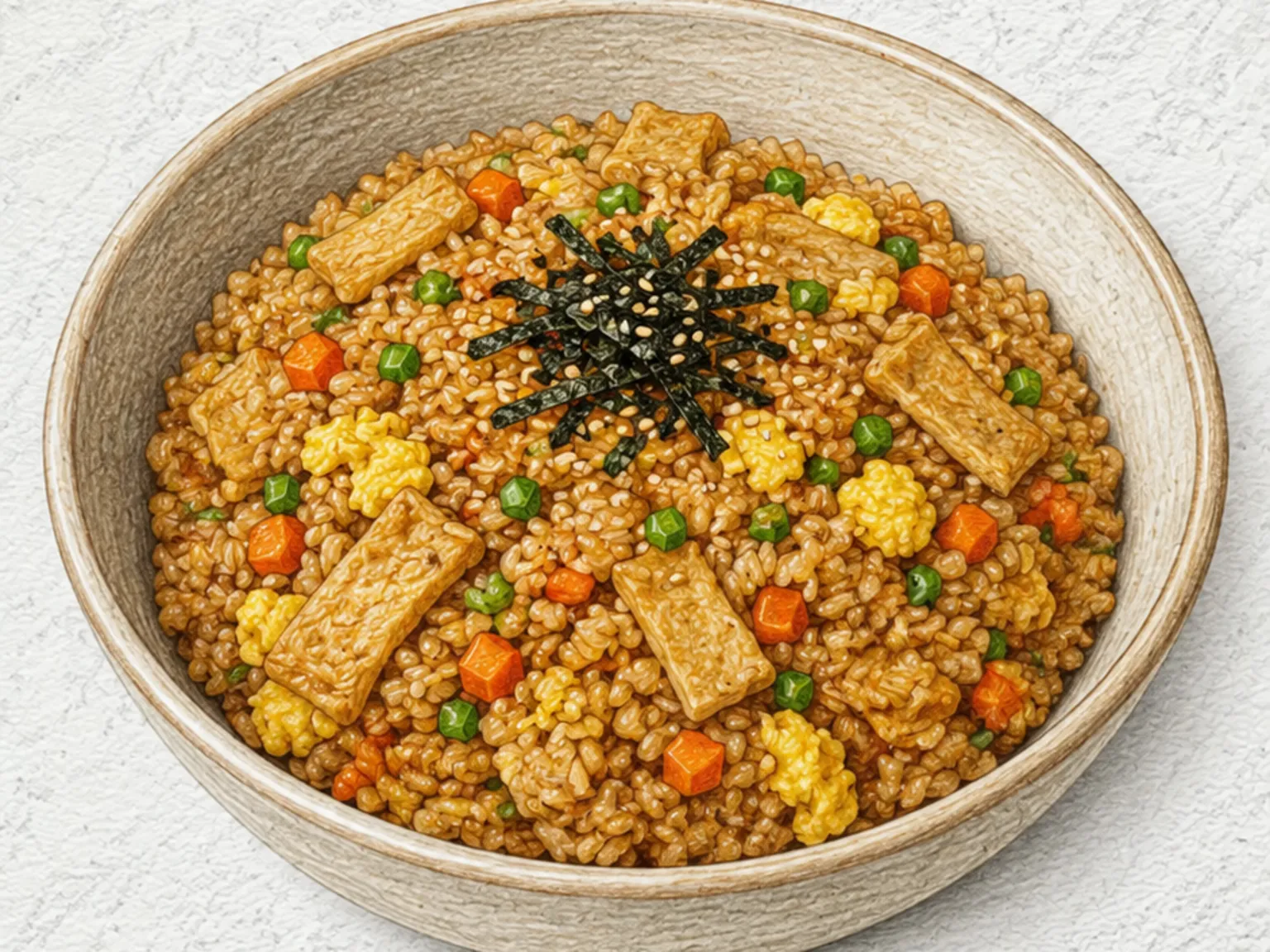
Korean Fish Cake Fried Rice
Break up 2 bowls of cold cooked rice by hand until no firm clumps remain. Stir-fry 150 g fish cake, diced to about 0.5 cm, with the finely chopped carrot over medium-high heat for about 2 minutes, scramble 2 beaten eggs in the cleared side of the pan until about 70 percent set, then add the rice and spread it with a spatula for about 1 minute. Drizzle 2 tsp soy sauce around the edge of the pan, turn off the heat, and toss in 1 tsp sesame oil and the sliced green onion.
Quick answer
- Total time
- 20 min
- Level
- Easy
- Servings
- 2 servings
- Ingredients
- 7
About this dish
Chopped fish cake crisps slightly at the edges in hot oil, and its salty, savory flavor spreads through every grain of rice.
Read more
Because the fish cake is already seasoned, the soy sauce stays modest and any extra salt waits until after tasting.
Ingredients
Instructions
- 1
Dice 150 g fish cake into about 0.5 cm pieces, then finely chop the carrot smaller than the fish cake.
Break up 2 bowls of cold cooked rice by hand so no firm clumps remain before it hits the pan.
- 2
Heat a pan over medium-high heat and coat it lightly with oil, then add the fish cake and carrot.
Stir-fry for about 2 minutes until the fish cake edges look lightly golden and the carrot begins to soften.
- 3
Push the ingredients to one side of the pan and pour 2 beaten eggs into the empty space.
Stir with chopsticks or a spatula until about 70 percent set, then fold them into the fish cake while still soft.
- 4
Add the 2 bowls of rice and keep the heat at medium-high.
Press and spread the rice with a spatula for about 1 minute, breaking remaining clumps until the grains separate and excess moisture steams off.
- 5
Drizzle 2 teaspoons soy sauce around the edge of the pan so it sizzles briefly, then mix it evenly through the rice.
If the color looks pale, stir-fry a little longer and taste before adding any extra saltiness.
- 6
Turn off the heat, then add 1 teaspoon sesame oil and 1 sliced green onion.
Toss quickly so the residual heat softens the green onion without dulling its aroma, then serve the fried rice warm.
Use-up ingredient planner
Turn these ingredients into two more meals
The overlap excludes basic seasonings. Open the next recipe and your selected dishes will stay with you.
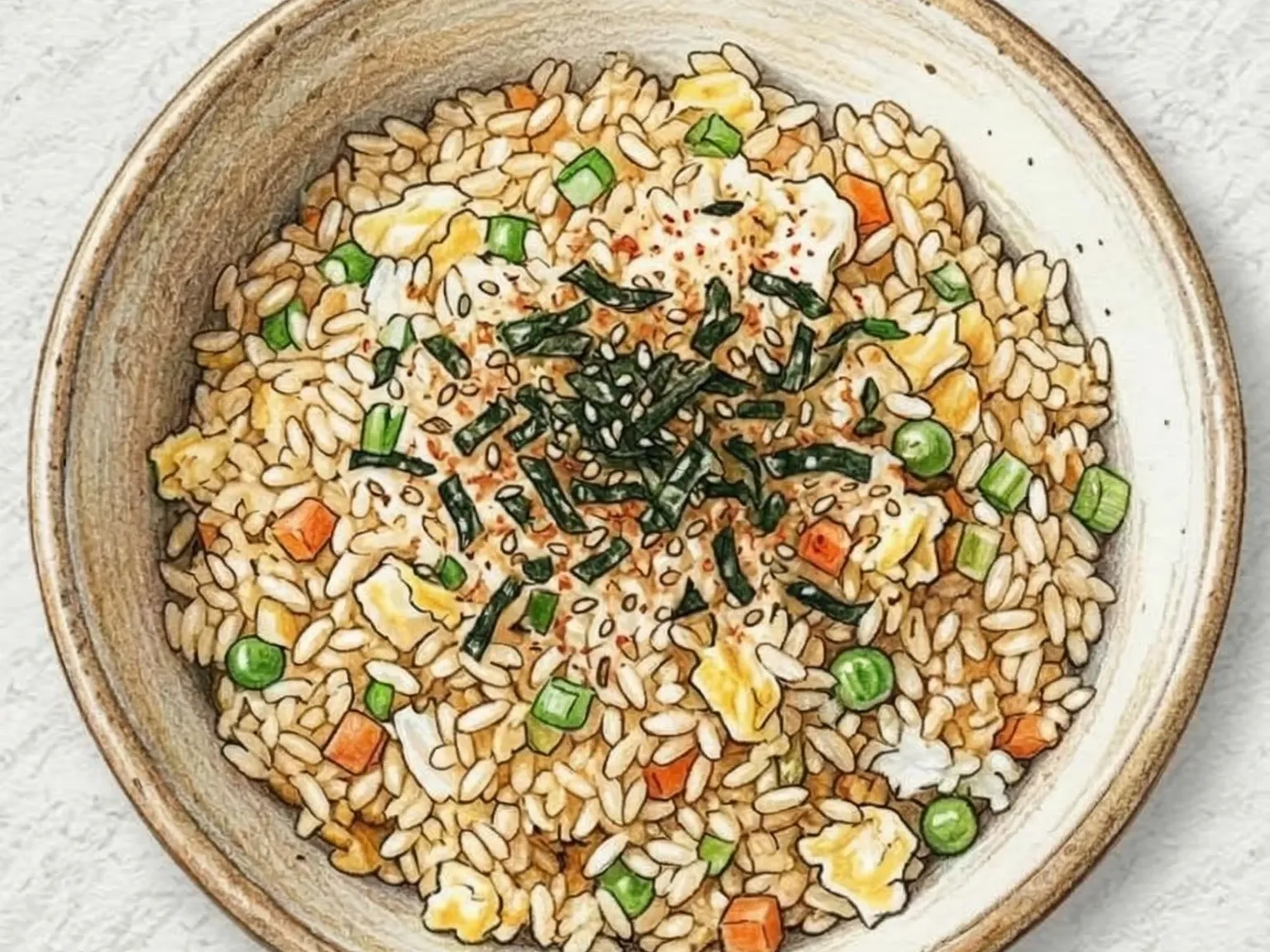
Korean Fried Rice (Simple Leftover Rice Stir-Fry)
cooked rice, egg
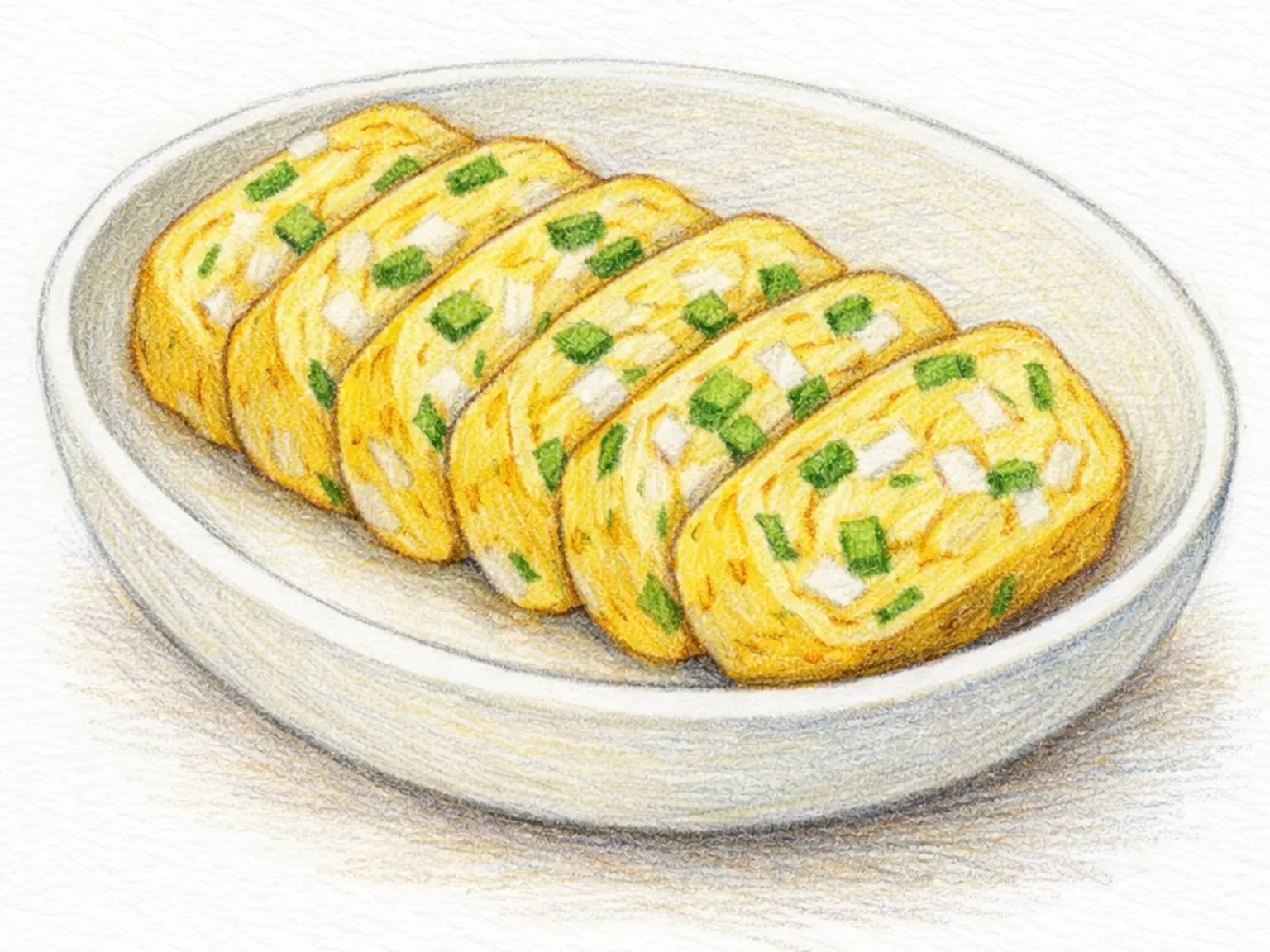
Korean Rolled Omelette (Layered Vegetable Egg Roll)
egg, carrot
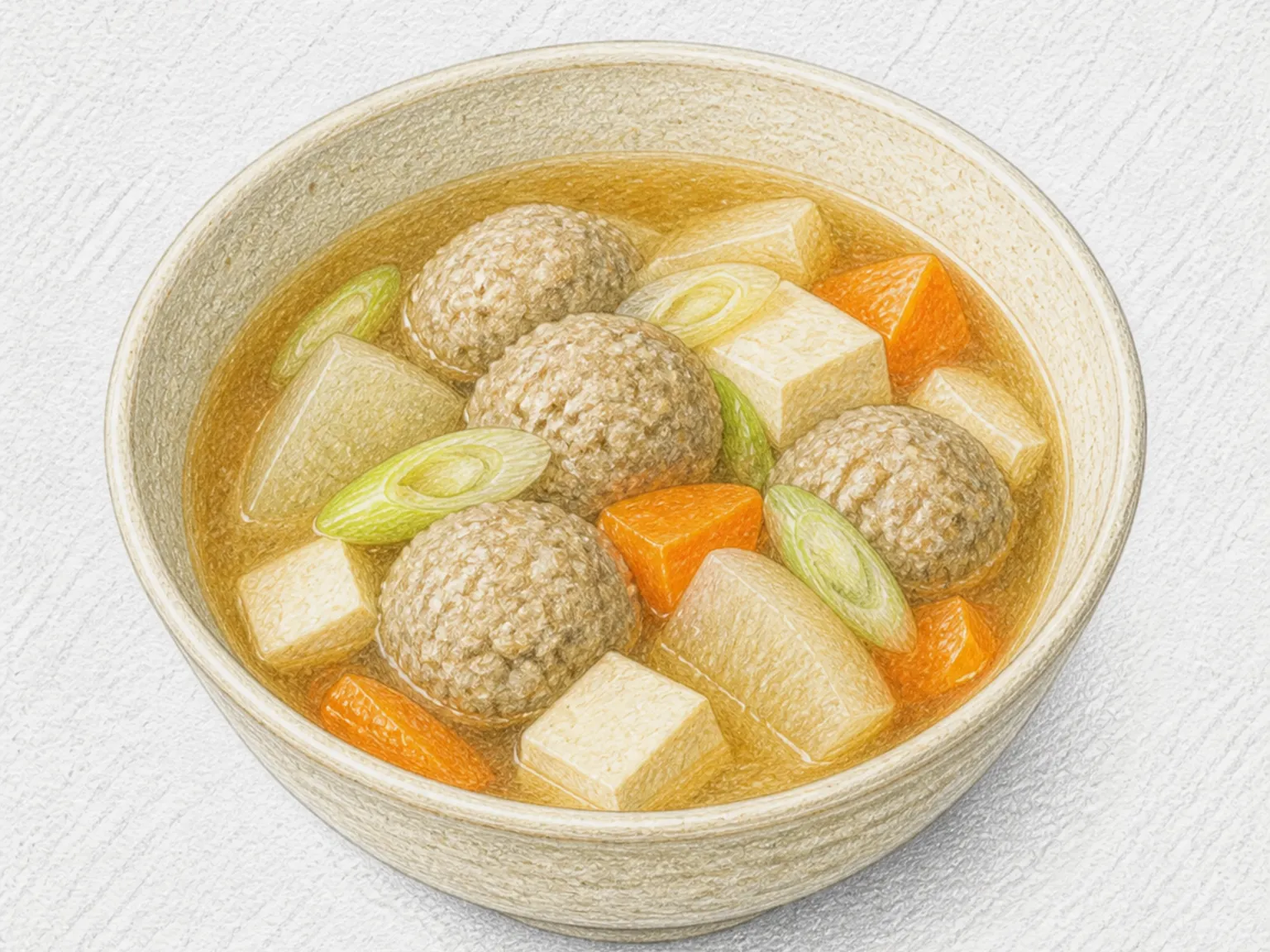
Samma no Surimi Jiru (Pacific Saury Fish Ball Soup)
egg, carrot