Korean Fried Rice (Simple Leftover Rice Stir-Fry)
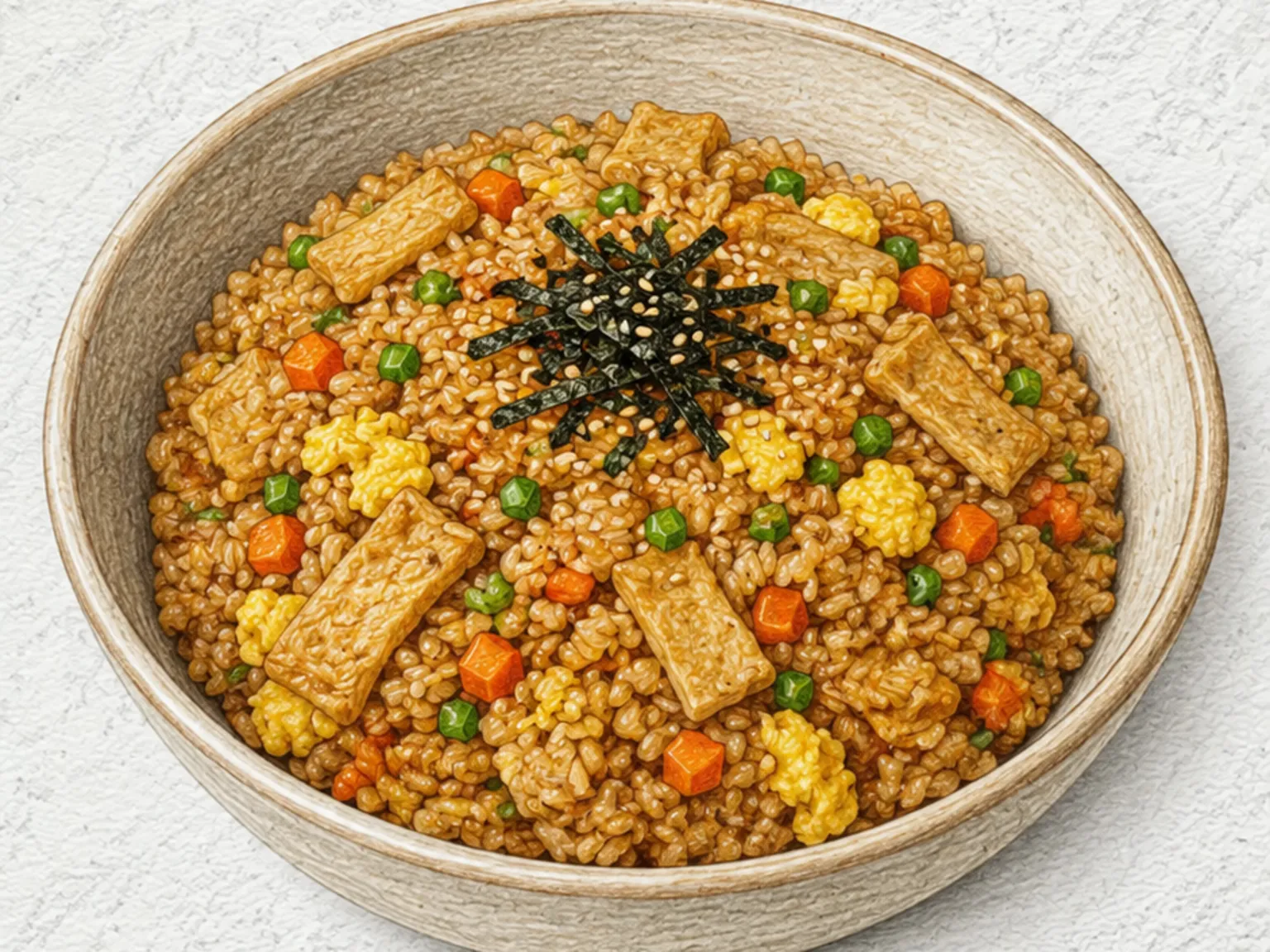
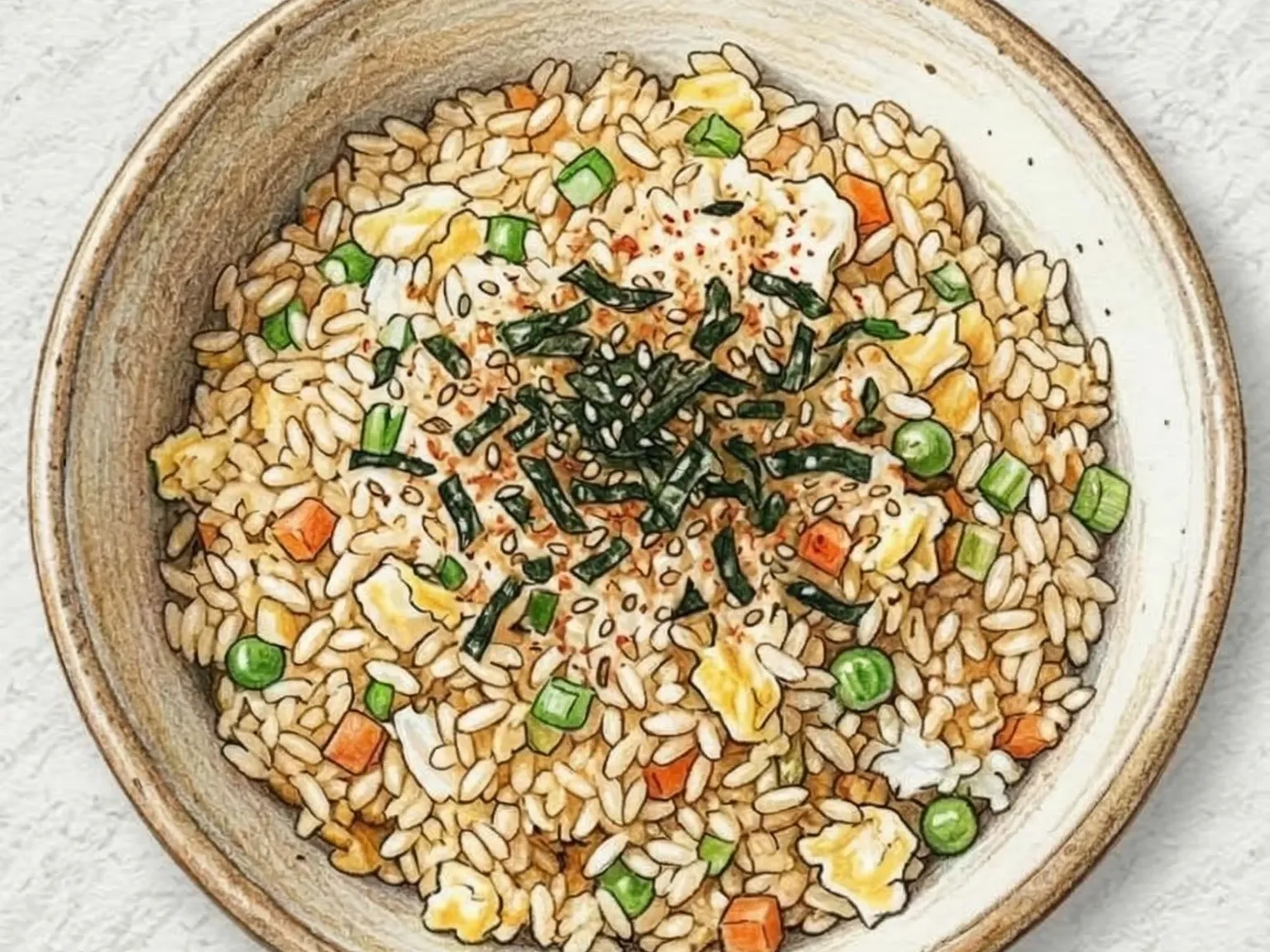
Korean fried rice is the ultimate utility dish, designed to turn leftover rice and whatever vegetables remain in the refrigerator into a satisfying meal in under ten minutes. Green onion hits the hot oil first to create a fragrant scallion-infused base, followed by diced carrot and beaten egg that gets scrambled into rough curds. Cold rice - essential because its lower moisture content prevents clumping - goes in next and is tossed vigorously over high heat until every grain separates and picks up a thin coat of oil. Soy sauce poured along the rim of the pan sizzles on contact with the hot metal, developing a toasted aroma that distinguishes a well-made fried rice from a mediocre one. A crack of black pepper and a final swirl of sesame oil complete the seasoning. The recipe is intentionally open-ended: ham, kimchi, shrimp, or any leftover protein slots in without altering the basic technique, which is why this dish appears on Korean dinner tables more often than almost any other.
Adjust Servings
Instructions
- 1
Loosen 2 bowls of cold cooked rice to remove clumps.
- 2
Finely dice ham, carrot, onion, and green onion; beat 2 eggs.
- 3
Heat oil in a pan and sauté green onion first to make scallion oil.
- 4
Add ham and vegetables and stir-fry on high heat for 2 minutes to drive off moisture.
- 5
Add rice and spread it while stir-frying; season with 1 tbsp soy sauce and a pinch of salt.
- 6
Push rice aside, scramble the eggs in the pan, then mix and fry 1 more minute.
- 7
Finish with pepper and a little sesame oil, then serve immediately.
As an Amazon Associate, we may earn from qualifying purchases.
Tips
Nutrition (per serving)
More Recipes

Korean Egg Fried Rice (Quick Wok-Tossed Grain Bowl)
Two beaten eggs and one bowl of rice are all it takes to make this ten-minute fried rice. The eggs are poured into a smoking-hot oiled pan, and rice is added the moment the eggs are half-set, then tossed rapidly so every grain gets an individual egg coating - producing a texture that is fluffy and slightly glossy rather than clumpy. Cold leftover rice works best because its lower moisture content lets the grains separate cleanly during stir-frying. A finishing drizzle of sesame oil and a scattering of chopped green onion add a toasty fragrance that rounds out this minimal but satisfying solo meal.

Korean Spam Fried Rice (Crispy Spam Cubes with Egg and Rice)
Spam bokkeumbap is a Korean fried rice built around crispy cubes of pan-seared Spam, whose salty, caramelized edges give the dish an addictive quality. The Spam is diced small and dry-fried without added oil - its own rendered fat crisps the outside while keeping the inside moist and savory. Onion and scallion go in next for aromatic depth, followed by cold leftover rice that is tossed over high heat until every grain picks up the salty pork flavor left in the pan. Beaten egg is scrambled into the rice, coating the grains in a thin, soft layer. A splash of soy sauce and a drizzle of sesame oil finish the dish with umami and nuttiness. The whole thing comes together in under ten minutes, making it one of the fastest comfort meals in the Korean home-cooking repertoire.

Korean Tuna Fried Rice (Quick Canned Tuna Stir-Fried Rice)
Chamchi bokkeumbap is a staple Korean home-style fried rice made by stir-frying canned tuna - oil and all - with diced onion, carrot, and green onion, then tossing in rice and seasoning with soy sauce and sesame oil. The tuna oil coats each grain, delivering a savory richness that needs little else to taste complete. It is the kind of dish that comes together from whatever is already in the pantry and fridge, requiring no special shopping trip. When you need a quick, filling meal with minimal effort, this is often the first recipe that comes to mind in Korean households.

Korean Scallion Shrimp Fried Rice
This scallion shrimp fried rice stir-fries plump shrimp and generous amounts of green onion over high heat for a clean, aromatic bowl. The shrimp go into the wok first, searing until the edges turn golden and leave behind a savory fond. Chopped scallions follow, releasing a sharp, oniony fragrance that cuts through the richness. Day-old rice is added and tossed rapidly with soy sauce and oyster sauce, breaking up clumps until every grain is individually coated. Beaten egg stirred in at the end wraps the rice in a soft, silky layer. Despite the short ingredient list, the combination of briny shrimp and pungent scallion delivers a depth of flavor that keeps this dish in regular weeknight rotation.

Korean Snack Bar Omelet Rice
Finely diced onion, carrot, and ham are stir-fried, then tossed with rice seasoned with ketchup and Worcestershire sauce, wrapped in a thin, soft egg omelet in the style of a Korean snack bar. Using cold leftover rice yields separated, non-sticky grains during frying, and cooking the omelet over low heat prevents tearing. The finished plate is shaped into an oval mound of fried rice draped with the omelet, then topped with a zigzag of ketchup.

Korean Pan-fried Zucchini Jeon
Hobak-jeon is a Korean pan-fried zucchini pancake made by slicing Korean zucchini into even half-centimeter rounds, salting them for five minutes to draw out excess moisture, then dusting in flour, dipping in beaten egg, and frying over medium heat for two to three minutes per side. The salting step is essential-it removes water that would otherwise make the jeon soggy, and it simultaneously concentrates the zucchini's mild natural sweetness into a more pronounced flavor. The egg coating acts as a gentle heat buffer, keeping the interior soft and moist while the exterior develops a pale golden crust with a subtle nuttiness from the cooked egg. It is one of the most versatile banchan in Korean cooking, equally at home in a child's lunchbox, on an everyday dinner table alongside soup or stew, or stacked on a holiday platter.