Charim

2686 Korean & World Recipes

2686+ Korean recipes, clean and organized. Ingredients to instructions, all at a glance.

Korean Pepper Leaf Kimchi
KimchiMedium

Korean Pepper Leaf Kimchi

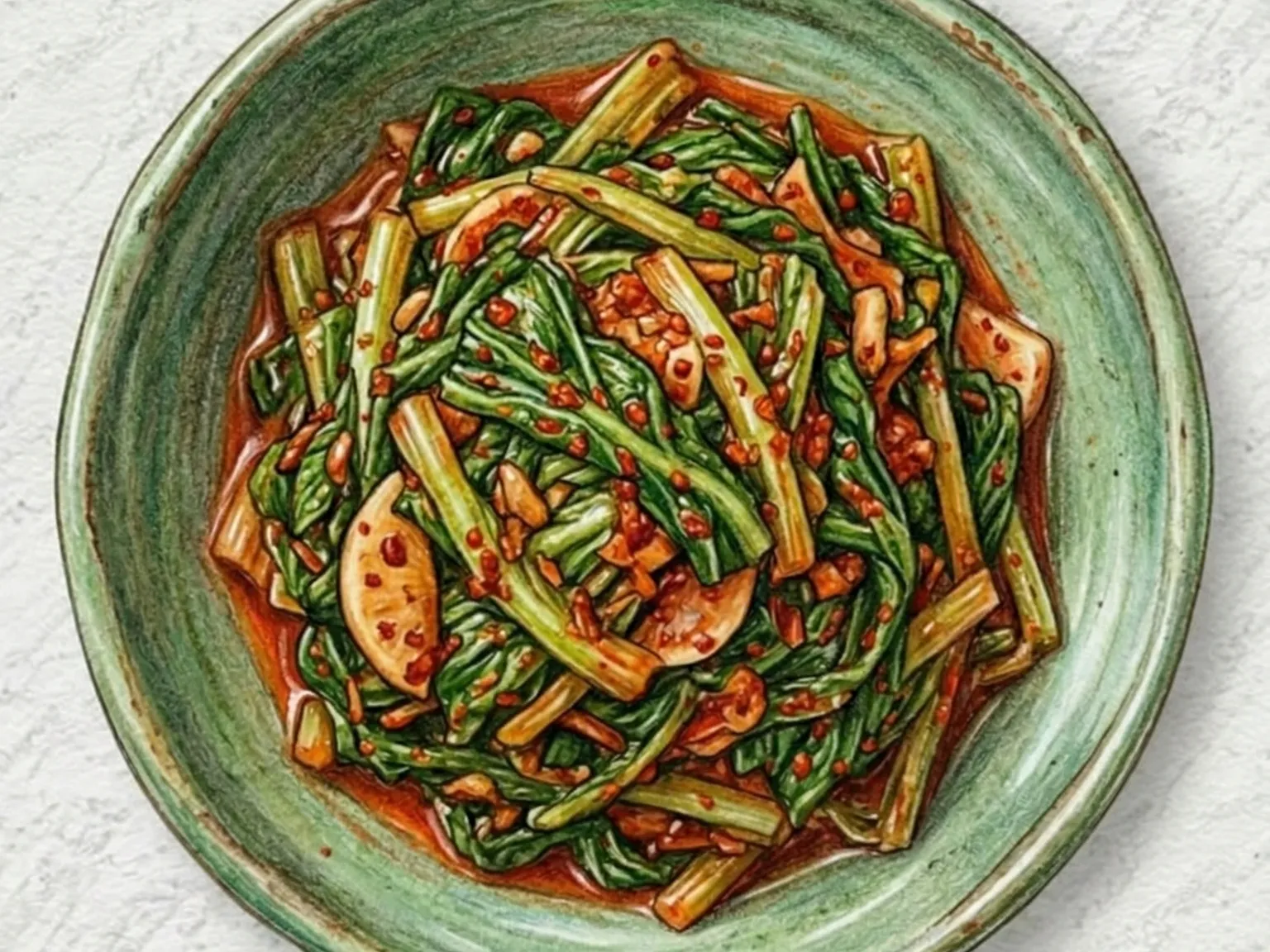
Gochuip kimchi is a Korean pepper leaf kimchi where the leaves are briefly blanched to reduce volume and remove bitterness, then tossed with gochugaru, anchovy fish sauce, garlic, and glutinous rice paste for about a day of room-temperature fermentation. Blanching softens the leaves and allows the seasoning to cling evenly to their surfaces. The rice paste acts as both a binding agent and a fermentation accelerator, promoting lactic acid activity even in the short curing window. Beneath the spicy coating, the pepper leaves contribute a subtle green, herbaceous note that distinguishes this from standard napa kimchi, making it a distinctive summer preparation.

Prep 25minCook 8min4 servings

Adjust Servings

2servings
servings

Instructions

  1. 1

    Trim and wash pepper leaves, then blanch for 30 seconds.

  2. 2

    Rinse in cold water and squeeze out moisture.

  3. 3

    Finely chop onion and mix with chili flakes, garlic, fish sauce, rice paste, and sugar.

  4. 4

    Lightly season blanched leaves with salt.

  5. 5

    Gently toss leaves with the seasoning.

  6. 6

    Store in a container and refrigerate for a day before serving.

🛒Shop Ingredients on Amazon

As an Amazon Associate, we may earn from qualifying purchases.

Tips

Drain thoroughly after blanching to prevent watery seasoning.
Add a bit more sugar if the bitterness is strong.

Nutrition (per serving)

Calories
74
kcal
Protein
4
g
Carbs
11
g
Fat
1
g

More Recipes

Korean Chamnamul Kimchi (Pimpinella Kimchi)
KimchiMedium

Korean Chamnamul Kimchi (Pimpinella Kimchi)

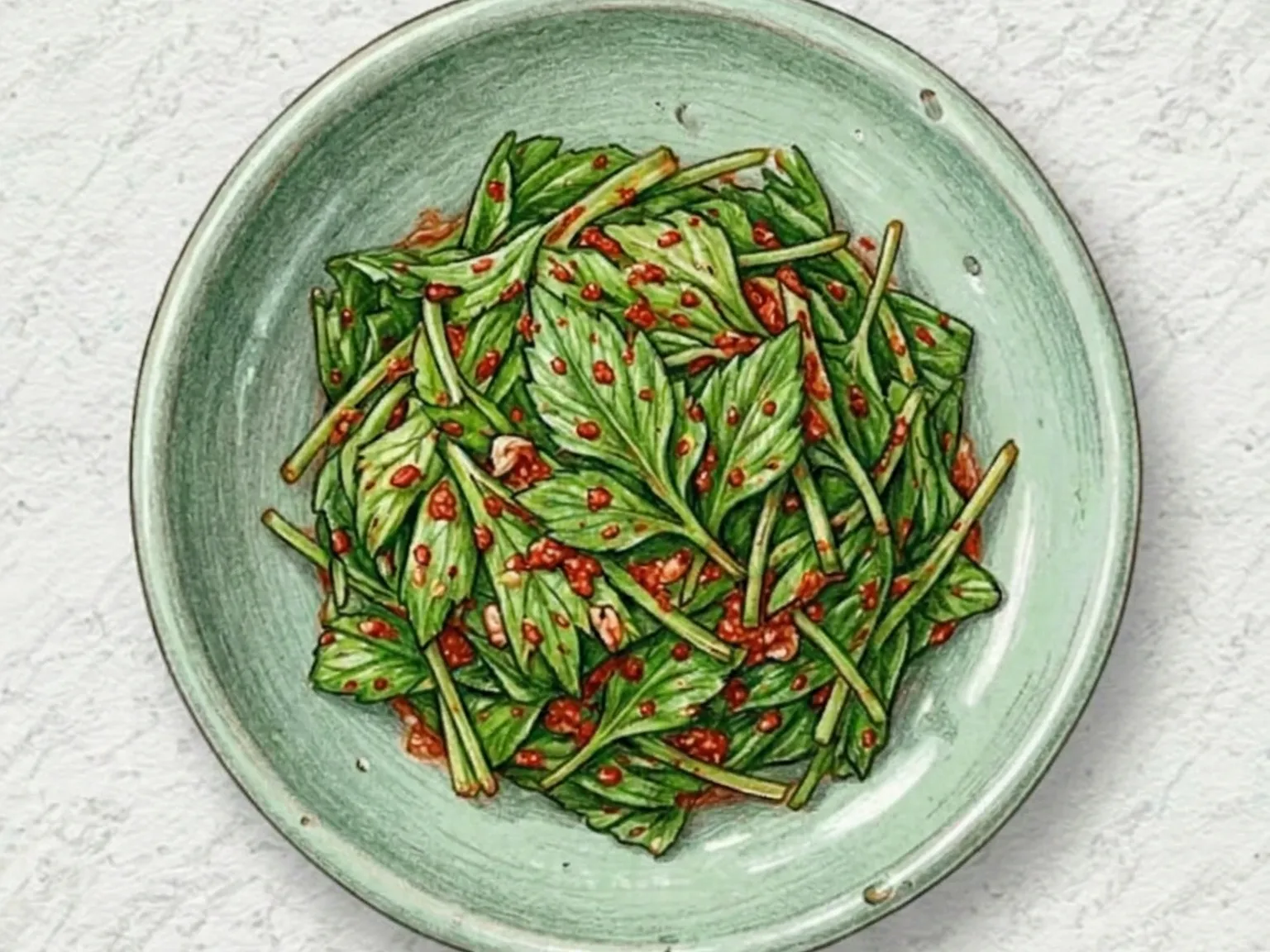
Chamnamul kimchi is a spring kimchi made by salting chamnamul greens for just ten minutes to wilt them slightly, then dressing them in gochugaru, anchovy fish sauce, and salted shrimp without rinsing. Skipping the rinse allows the residual salt to convert into umami during fermentation, deepening the overall flavor. Pureed Korean pear and onion blended with sweet rice paste form the seasoning base, contributing natural sweetness that softens the chili heat. After three hours of initial fermentation at room temperature followed by refrigeration, the kimchi reaches its best balance within one to two days, when the grassy herbal aroma of chamnamul meets the fermented depth of the fish sauce.

🍱 Lunchbox
Prep 30minCook 5min4 servings
Korean Cheonggak Kimchi (Seaweed Kimchi)
KimchiMedium

Korean Cheonggak Kimchi (Seaweed Kimchi)

Cheonggak kimchi is made with cheonggak, a type of green seaweed, mixed with julienned radish and scallions in a seasoning of gochugaru, anchovy fish sauce, and sweet rice paste. The seaweed contributes a distinctive chewy, almost crunchy texture and a concentrated ocean aroma that sets this kimchi apart from plant-based varieties. Seasoning the radish first and then tossing the seaweed in quickly is important because overworking toughens the seaweed's delicate structure. After one day of refrigeration the brine from the seaweed mingles with the fermented seasoning, producing a kimchi with pronounced marine depth that pairs naturally with seafood dishes and mild rice soups.

🍱 Lunchbox
Prep 35min4 servings
Korean Sweet Potato Stem Kimchi
KimchiMedium

Korean Sweet Potato Stem Kimchi

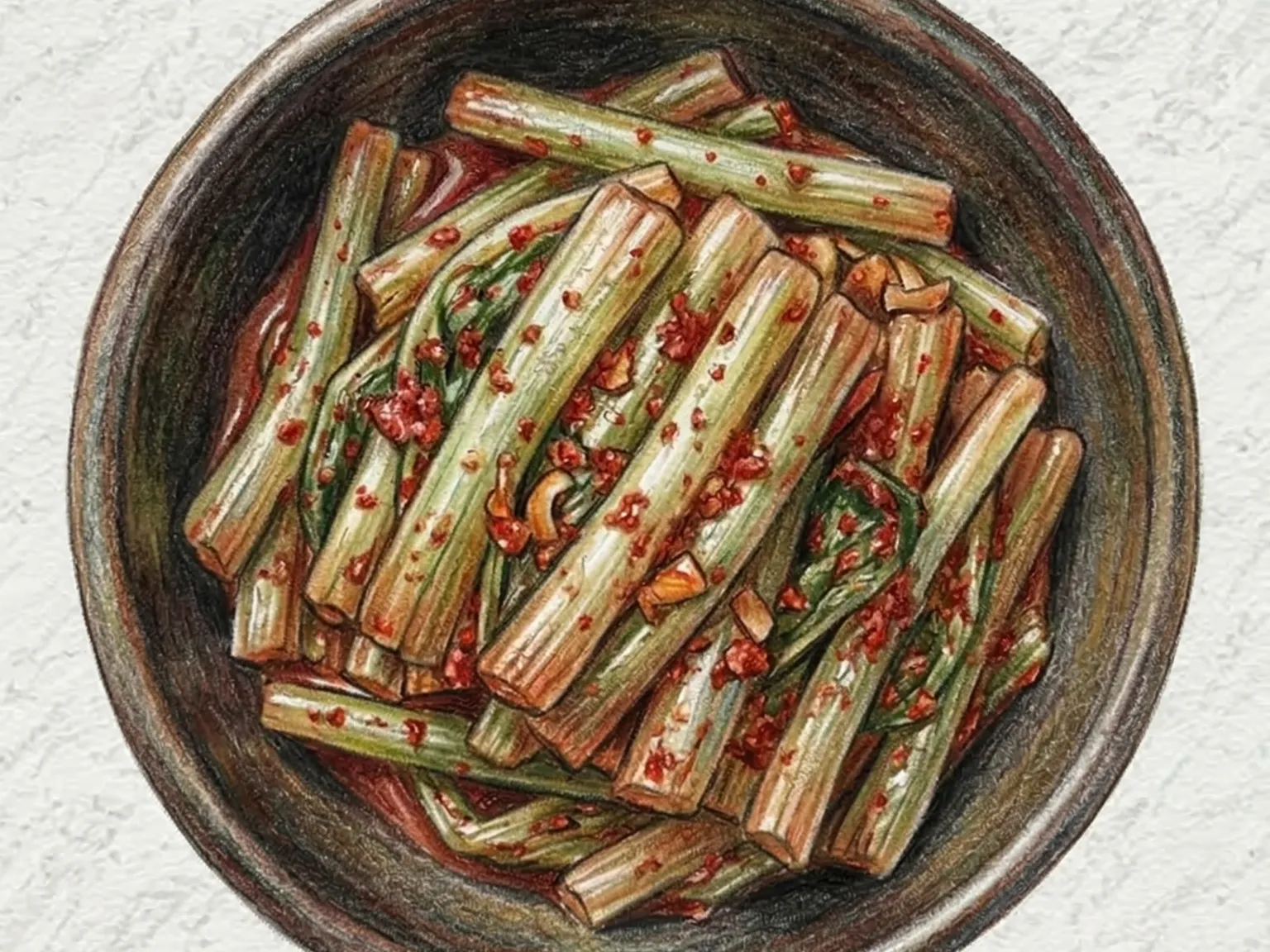
Goguma julgi kimchi is a Korean kimchi of sweet potato stems, prepared by peeling their tough outer skin, blanching the tender inner fiber, then seasoning with gochugaru, anchovy fish sauce, garlic, and glutinous rice paste for fermentation. Once peeled, the stems retain only their springy, chewy core, which provides a distinctive bouncy texture that intensifies with each bite as the seasoning works its way between the fibers. Scallions add freshness and onion contributes natural sweetness to temper the chili heat. The peeling step is labor-intensive but rewards the effort with a texture unlike any other kimchi, making this a prized summer seasonal banchan.

🍱 Lunchbox
Prep 35minCook 10min4 servings
Korean Crown Daisy Kimchi
KimchiEasy

Korean Crown Daisy Kimchi

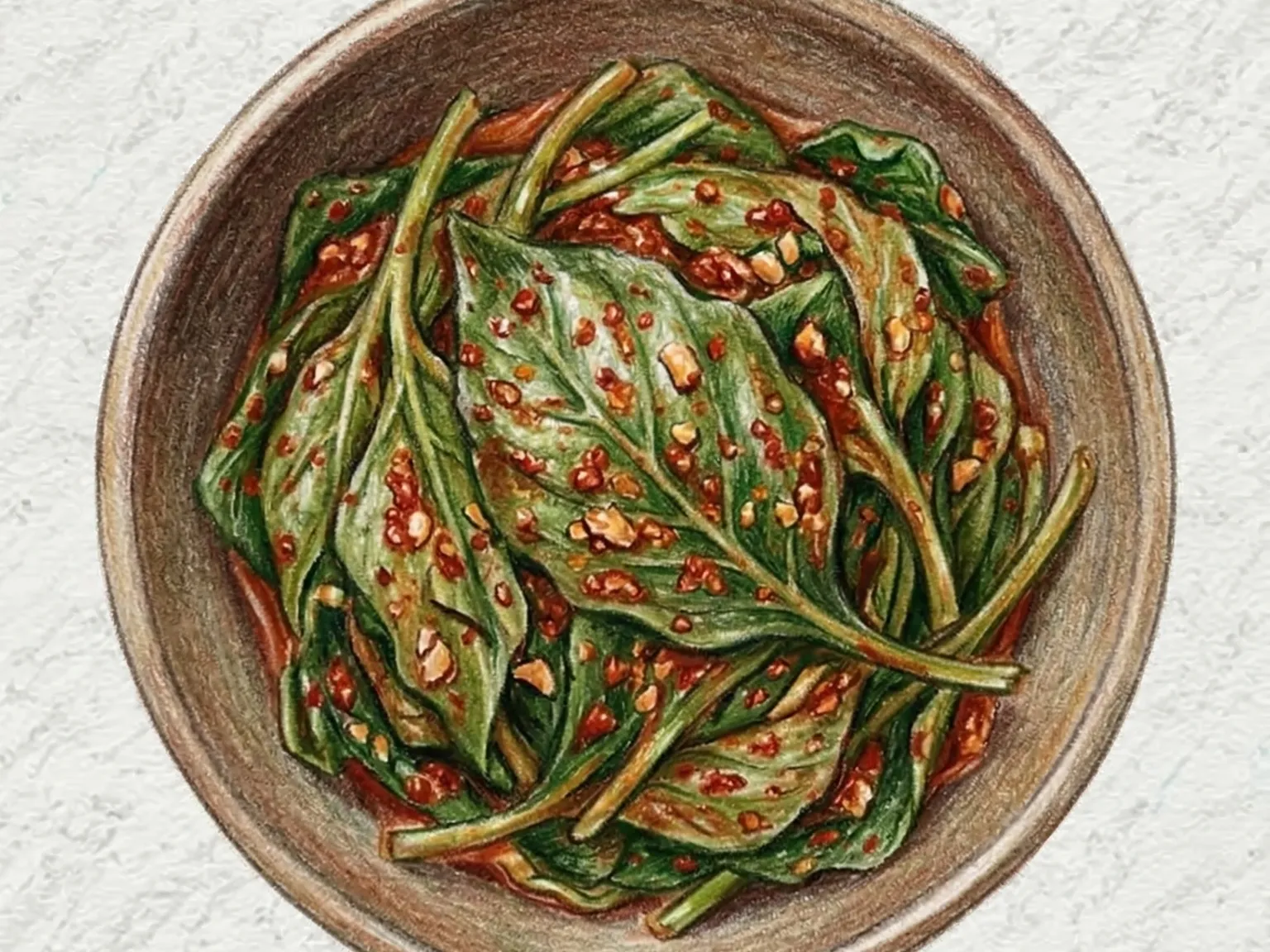
Ssukgat kimchi is a fragrant seasonal kimchi that highlights crown daisy's herbal bitterness alongside chili flakes and sand lance fish sauce. The greens are salted for only seven minutes to preserve their delicate, tender texture, then dressed with a paste enriched by sweet rice flour for better adhesion. Plum extract balances the bitterness with gentle sweetness and acidity during fermentation. After two hours at room temperature followed by overnight refrigeration, the kimchi reaches its aromatic peak within a single day. Because the leaves bruise easily, gentle tossing during seasoning is essential to maintain their shape.

🍱 Lunchbox
Prep 20minCook 5min2 servings
Korean Persimmon Leaf Tea
DrinksEasy

Korean Persimmon Leaf Tea

Gamnip-cha is a Korean caffeine-free tea brewed from dried persimmon leaves and dried tangerine peel, yielding a gentle green-herbal note layered with light citrus. Steeping on low heat for twelve minutes after bringing the water to a boil extracts the soft, grassy flavor of the leaves while minimizing any astringency. Thinly sliced Korean pear with its skin adds natural sweetness and a fresh quality to the infusion, and the tangerine peel is kept to a small amount so it accents rather than overwhelms the leaf aroma. The tea is strained, sweetened with honey, and finished with a trace of cinnamon.

🍺 Bar Snacks
Prep 8minCook 18min4 servings
Korean Potato Salad (Creamy Mashed Potato Ham Cucumber)
Side dishesEasy

Korean Potato Salad (Creamy Mashed Potato Ham Cucumber)

Korean potato salad (gamja salad) arrived via Japan's yoshoku tradition but evolved its own identity in Korean home kitchens. Potatoes are boiled and mashed while hot, leaving some lumps for textural contrast - uniformly smooth is not the goal. Diced ham is pan-seared to render excess fat, then mixed with salt-drained cucumber and boiled carrot. The dressing is simply mayonnaise adjusted with sugar and salt, producing the distinctly sweet-creamy profile that separates Korean potato salad from Western versions. Chilling for at least an hour before serving lets the seasoning equalize throughout the mixture.

🏠 Everyday🍱 Lunchbox
Prep 20minCook 15min4 servings
More Kimchi