Korean Gochujang Grilled Pork Ribs
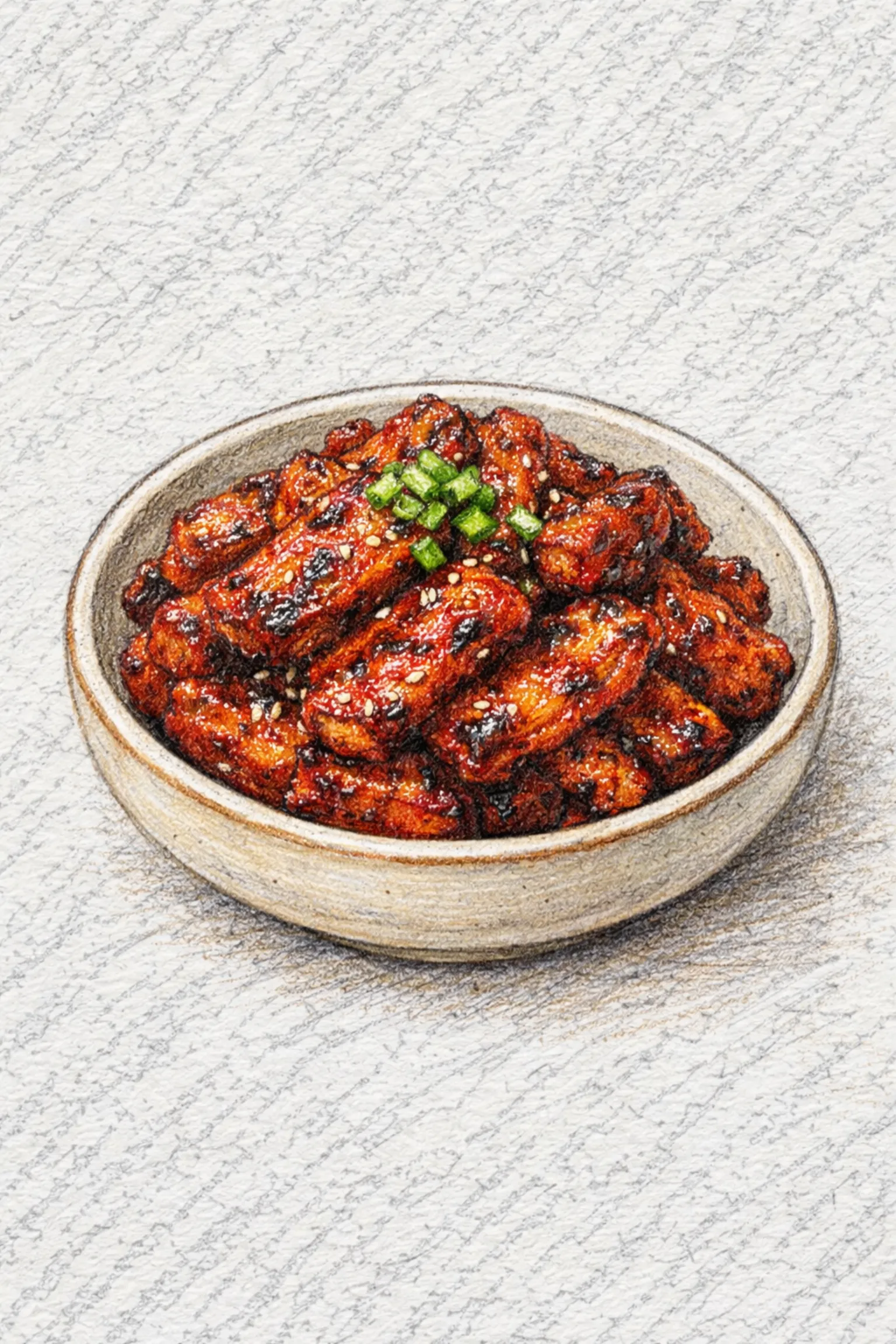
Gochujang dwaeji-galbi-gui is a Korean spicy grilled pork rib dish that begins with soaking the ribs in cold water for thirty minutes to draw out blood, then marinating them for at least an hour in a paste of gochujang, soy sauce, sugar, Asian pear juice, garlic, sesame oil, cooking wine, and black pepper. The pear juice serves a dual purpose: its enzymes break down tough muscle fibers to tenderize the meat, while its natural fructose adds a clean sweetness that balances the fermented heat of gochujang. Because the sugar-heavy marinade burns easily, each side is grilled four to five minutes over medium heat before lowering the flame to finish cooking the interior without charring the glaze. Resting the ribs for three minutes before slicing locks the juices inside, keeping every piece moist under its glossy, caramelized crust.
Adjust Servings
Instructions
- 1
Soak pork ribs in cold water for 30 minutes to remove blood, then pat dry.
- 2
Mix gochujang, soy sauce, sugar, garlic, sesame oil, pear juice, wine, and pepper.
- 3
Coat ribs evenly and marinate for at least 1 hour.
- 4
Preheat pan or grill over medium heat and brush with oil.
- 5
Grill 4-5 minutes per side, brushing lightly with leftover marinade.
- 6
Lower heat to finish cooking through, rest 3 minutes, then slice and serve.
As an Amazon Associate, we may earn from qualifying purchases.
Tips
Nutrition (per serving)
More Recipes

Korean Pork Ribs (Sweet Pear-Marinated BBQ Ribs)
Dwaeji-galbi is one of the most recognized Korean barbecue dishes, made with LA-cut pork ribs marinated in a thick sauce of pureed pear, soy sauce, sugar, corn syrup, garlic, and onion. The pear puree serves a dual purpose: it sweetens the marinade naturally while its enzymes tenderize the pork fibers so the meat pulls off the bone with minimal resistance. Marinating for four to six hours lets the flavors soak deep into the thick cuts, but going beyond a full day causes the pear enzymes to break down the surface too much, making it mushy. Searing over high charcoal heat until the glaze chars and caramelizes is essential-the blackened edges where sugar meets open flame produce the signature sweet-smoky crust.

Korean Marinated Beef Short Ribs
One kilogram of beef short ribs is soaked in cold water for thirty minutes, then marinated for at least an hour in grated Korean pear, onion juice, soy sauce, sugar, honey, minced garlic, sesame oil, cooking wine, and black pepper. The enzymes in pear and onion tenderize the meat, while soy sauce and honey caramelize on the grill into a dark, lacquered glaze. The ribs are seared on a preheated grill, then cooked at medium heat for three to four minutes per side with a final thin brush of marinade. This is a centerpiece dish for Korean holidays and dinner parties, with portions generous enough for a family of four.

Korean Spicy Pork Bulgogi Grill
Pork shoulder is marinated for at least thirty minutes in a mixture of gochujang, soy sauce, sugar, and ginger juice, then grilled over high flame. The sugars in the marinade caramelize at high heat, forming a dark, flavorful crust on the surface. Wrapping the grilled meat in fresh lettuce leaves combines the charred smokiness with the crunch and freshness of raw greens.

Korean Flanken Ribs (Pear-Soy Marinated LA-Cut Beef Short Ribs)
LA-galbi-gui is a Korean grilled short rib dish using flanken-cut beef ribs marinated in a mixture of Asian pear juice, soy sauce, sugar, minced garlic, sesame oil, black pepper, and green onion. The enzymes in the pear juice break down tough connective tissue in the thin-sliced ribs, and the combination of soy sauce and sugar caramelizes over high heat to create a dark, glossy crust. Because the marinade contains significant sugar, cooking over medium heat and flipping frequently prevents charring, with each side needing only three to four minutes to cook through to the bone. Marinating overnight in the refrigerator allows the seasoning to penetrate fully between the bones, deepening the sweet-salty flavor considerably.

Korean Gochujang Pork Bulgogi
Gochujang dwaeji bulgogi marinates pork neck in gochujang, soy sauce, chili flakes, garlic, and plum syrup, then stir-fries it over high heat for an intensely flavored main course. The plum syrup provides a bright, tangy sweetness that counterbalances the fermented heat of gochujang. Perilla leaves are tossed in at the very end, their herbal aroma cutting through the richness of the pork and adding a distinctive Korean fragrance. Onion melts into the sauce for rounded sweetness while green onion contributes a fresh bite. It is excellent served over rice or wrapped in lettuce leaves for contrasting textures.

Korean Braised Pork Ribs
Dwaeji galbi-jjim is a Korean braised pork rib dish simmered in a soy sauce base with Korean radish, carrots, and onion. The ribs cook low and slow until the meat practically falls off the bone, absorbing the ginger- and garlic-infused braising liquid along the way. The radish chunks turn translucent and soak up the seasoning, becoming as flavorful as the meat itself. Served with steamed rice, this dish is a hearty main course suited to cooler weather.