Korean Sweet Potato Rice (Steamed Grain Bowl with Natural Sweetness)
Rice Easy

Korean Sweet Potato Rice (Steamed Grain Bowl with Natural Sweetness)

Quick answer

Cubed sweet potato is placed on top of washed rice and cooked together in a single pot.

What makes this special

  • Sweet sugars from tender cubed sweet potatoes infuse every grain of this aromatic goguma bap.
  • Sweet potato's natural sugars seep between grains as the rice steams
  • A pinch of salt makes the sweetness contrast more clearly
Total time
35 min
Level
Easy
Servings
2 servings
Ingredients
4
Calories
360 kcal
Protein
7 g

Key ingredients

RiceSweet potatoSaltWater

Core cooking flow

  1. 1 Rinse 200 g rice several times, changing the water until it looks only slightly cloudy.
  2. 2 Peel 200 g sweet potato and cut it into 2 cm cubes so the centers cook with the rice.
  3. 3 Place the drained sweet potato in one even layer over the rice.

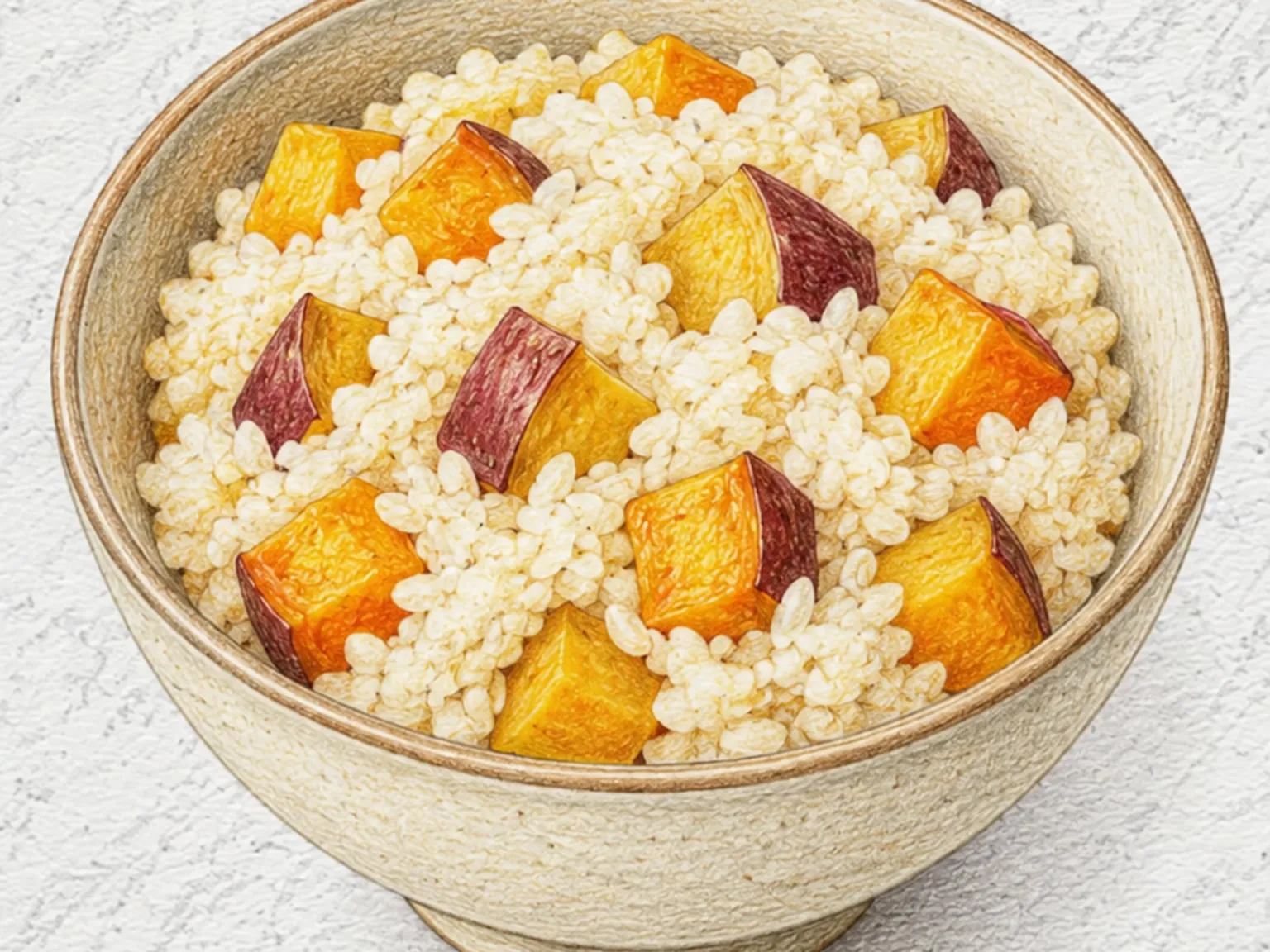
Cubed sweet potato is placed on top of washed rice and cooked together in a single pot. As the rice steams, the sweet potato's natural sugars seep into the grains, lending a gentle sweetness without any added seasoning, and the orange chunks against white rice create an inviting visual contrast. Cutting the sweet potato to roughly 2 cm ensures it cooks through at the same rate as the rice. A small pinch of salt sharpens the sweetness, and pairing the finished bowl with doenjang soup or kimchi provides a satisfying salty counterpoint. The choice of sweet potato variety matters: milbam-goguma, the chestnut-type, gives a denser and more restrained sweetness, while hobak-goguma, the butternut type, produces a softer, moister result with a more pronounced sugary flavor. Either way, goguma-bap requires minimal technique and is a reliable first recipe for anyone learning to cook Korean rice dishes.

Prep 10min Cook 25min 2 servings
Recipes by ingredient → short grain rice

Instructions

Read the steps as a cooking flow: prep, heat, seasoning, doneness control, and finish.

6 steps
  1. 1
    Heat

    Rinse 200 g rice several times, changing the water until it looks only slightly cloudy.

    Drain well, then spread the rice evenly in the pot so the water level stays consistent during cooking.

  2. 2
    Control

    Peel 200 g sweet potato and cut it into 2 cm cubes so the centers cook with the rice.

    Soak the cubes in cold water for 3 minutes, then drain them to reduce extra starch.

  3. 3
    Heat

    Place the drained sweet potato in one even layer over the rice.

    Do not press or stir it into the grains, because crowded pieces can make one area too wet and unevenly cooked.

  4. 4
    Control

    Pour in 260 ml water and 0.25 teaspoon salt around the edge of the pot to avoid disturbing the layer.

    Set over high heat, and as soon as it boils, lower the heat to low.

  5. 5
    Control

    Cover and cook over low heat for 15 minutes.

    Keep the lid closed so steam stays trapped; wait until the bubbling sound fades and the rice smells nutty rather than wet.

  6. 6
    Finish

    Turn off the heat and let the pot rest, covered, for 10 minutes.

    Gently fold with a rice paddle, then serve when the sweet potato yields easily to a chopstick and the grains stay distinct.

After the steps

Pick a recipe that fits this dish.

Continue with shared ingredients, meal pairings, or a similar method.

Recipes That Go Well With This

More Rice →

Based on shared ingredients and meal pairing

Korean Hemp Seed Rice (Nutty Protein-Rich Grain Rice)
Shared ingredient: short grain rice Rice

Korean Hemp Seed Rice (Nutty Protein-Rich Grain Rice)

Cheongsam bap is a Korean nutritional rice cooked with toasted hemp seeds. The hemp seeds contribute a nutty, subtly grassy aroma and a gentle popping texture that transforms plain short-grain rice into something more layered. Hemp seeds are nutritionally notable for their high plant protein content and a well-balanced ratio of omega-3 to omega-6 fatty acids, which is why they have attracted attention as a functional food in Korea. The preparation requires no extra technique beyond standard rice cooking - the seeds and a small amount of salt go in with the rice before the cooker starts. Lightly toasting the seeds in a dry pan for about five minutes before adding them deepens their fragrance noticeably compared to untoasted seeds. The finished rice pairs well with virtually any Korean side dish, and the mild, toasty flavor holds up equally well when the rice is eaten on its own as a simple, wholesome bowl.

Korean Lotus Root Rice (Steamed Rice with Crunchy Lotus Root Slices)
Shared ingredient: short grain rice Rice

Korean Lotus Root Rice (Steamed Rice with Crunchy Lotus Root Slices)

Yeongeun-bap is Korean rice cooked together with sliced lotus root, which keeps a distinctive crunch even after steaming. As the lotus root heats, its starch turns slightly sticky on the surface while the core stays firm, giving each bite a layered texture. A simple seasoning sauce of soy sauce and sesame oil is mixed in at the table. The lotus root's natural mild sweetness permeates the entire pot, making this a satisfying one-bowl meal on its own. The main ingredients are rice, lotus root, and soy sauce, and the recipe depends on careful handling of rice moisture and the order of toppings.

Korean Aster Herb Namul (Blanched Mountain Greens Seasoned)
Serve together Side dishes

Korean Aster Herb Namul (Blanched Mountain Greens Seasoned)

Chwinamul - aster scaber - is among Korea's most prized mountain herbs, foraged from hillsides every spring. Its broad leaves carry a distinctly bitter, herbaceous edge that sets it apart from milder greens. A one-to-two minute blanch in salted boiling water tames rawness while keeping the woodland scent intact. Using perilla oil rather than sesame oil is the key step: sauteing in perilla oil lifts and deepens the herb's wild character in a way sesame cannot replicate. The seasoning is simple - garlic and salt - whether the greens are dressed as a cold namul or briefly stir-fried. A staple of bibimbap and temple cuisine across Korea, dried chwinamul is rehydrated in cold water and cooked the same way through winter, making it a reliable pantry ingredient beyond the spring harvest.

Korean Chestnut Rice (Nutty Sweet Autumn Pot Rice)
Similar recipe Rice

Korean Chestnut Rice (Nutty Sweet Autumn Pot Rice)

Bam bap is a Korean seasonal rice dish cooked with freshly harvested chestnuts, combining the starchy comfort of white rice with the earthy sweetness of autumn chestnuts. Peeled chestnuts are placed on top of soaked rice before cooking, and as the water absorbs into the grains, chestnut starch gradually dissolves into the cooking liquid, infusing each grain with a subtle sweetness and a faintly mealy texture characteristic of the nut. Black sesame seeds sprinkled over the cooked rice add a toasted nuttiness. The dish uses only salt for seasoning, so the flavor of the chestnuts remains the primary element. A small dish of soy-based dipping sauce on the side allows each person to season individual spoonfuls as needed. Cutting the chestnuts into halves or quarters distributes their flavor more evenly throughout the pot than leaving them whole. Soaking the chestnuts in cold water before peeling helps remove astringency from the inner skin, which should be removed completely to avoid bitterness. A pressure cooker shortens the cooking time and helps the chestnut flavor penetrate the rice more thoroughly. The dish is best made with fresh chestnuts in autumn, when their natural sweetness peaks.

Serve with this

Honghap-tang (Korean Mussel Garlic Broth)
Soups Easy

Honghap-tang (Korean Mussel Garlic Broth)

Honghap-tang is a Korean mussel soup that proves how much flavor a single shellfish can deliver with almost no help. Shell-on mussels are placed in water with sliced green onion, garlic, and a light dusting of gochugaru, then brought to a boil. As the shells open, they release a briny, faintly sweet liquor that becomes the broth itself, clear in appearance but surprisingly concentrated in taste. The entire process takes about fifteen minutes. Timing matters here: once the shells have opened and the flesh has puffed, the pot comes off the heat immediately or the meat turns rubbery. In Korea, honghap-tang is a standard drinking companion, sipped between shots of soju while the mussel meat is pulled from the shells and dipped in vinegary chojang sauce. The combination of the bold, oceanic broth and the chilled sauce creates a cycle that is hard to stop. Mussels caught during the colder months, when they are fatter and richer, produce the most intensely flavored broth.

🍺 Bar Snacks 🏠 Everyday
Prep 10min Cook 15min 2 servings
Korean Ox Bone Broth (Milky Collagen-Rich Marrow Soup)
Stews Medium

Korean Ox Bone Broth (Milky Collagen-Rich Marrow Soup)

Sagol-guk is a Korean bone broth soup made by simmering beef marrow bones for six hours or longer until the dissolved collagen and marrow turn the liquid a dense, opaque white that looks closer to milk than water. The seasoning is intentionally minimal, limited to green onion, garlic, and salt, because the entire point of the dish is the bone itself and what slow heat extracts from it over time. Before the long simmer begins, the bones are soaked in cold water to draw out the blood and then briefly blanched to remove any remaining impurities that would cloud or bitter the broth. The same bones can be reboiled three or four times, with each successive batch yielding a progressively lighter and cleaner-tasting liquid. The soup is served piping hot alongside rice, with salt and white pepper passed at the table so each person can season according to preference. Alongside seolleongtang and gomtang, sagol-guk forms one of the three pillars of Korea's long bone broth tradition, and its restorative reputation makes it a natural choice on cold days or when the body needs warmth and something uncomplicated.

🏠 Everyday 🎉 Special Occasion
Prep 60min Cook 480min 4 servings
Korean Lotus Root Jangajji
Kimchi Easy

Korean Lotus Root Jangajji

Yeongeun jangajji is a soy-pickled lotus root made by blanching sliced root in vinegar water to prevent discoloration, then soaking it in a hot brine of soy sauce, sugar, peppercorns, and bay leaf. The brine seeps through the root's characteristic holes, distributing a balanced salty-sweet flavor evenly in every bite. Bay leaf tempers the heaviness of the soy base while whole peppercorns add a mild spice undertone. The result is a pickle with a dual texture - simultaneously chewy and crisp - that keeps well for days and works as a lunchbox side or everyday banchan.

🏠 Everyday 🍱 Lunchbox
Prep 25min Cook 12min 4 servings

Similar recipes

Korean Injeolmi Toast (Buttery Toast Topped with Rice Cake and Soybean Powder)
Street food Easy

Korean Injeolmi Toast (Buttery Toast Topped with Rice Cake and Soybean Powder)

Injeolmi toast starts with bread pan-toasted in butter until golden and crisp, then topped with sliced injeolmi rice cake, a generous dusting of roasted soybean powder, and a drizzle of honey. The textural contrast between the brittle toast and the sticky, elastic rice cake is the defining feature of the dish, while the soybean powder adds a toasty, nutty flavor that unifies both components. Pan-frying the injeolmi briefly before placing it on the toast improves its elasticity and creates a light caramelization on the outer surface, changing the chew in a noticeable way. Jocheong or maple syrup can replace honey without altering the overall balance, and a spread of cream cheese beneath the rice cake adds a creamy tanginess that deepens the flavor profile. Store-bought soybean powder becomes considerably more aromatic after a minute in a dry pan over low heat, so a quick toast before dusting makes a real difference. The dish comes together in under ten minutes and has become a common menu item at Korean cafe-style snack bars.

🌙 Late Night ⚡ Quick
Prep 5min Cook 5min 1 servings
Korean Fried Sweet Potato
Street food Easy

Korean Fried Sweet Potato

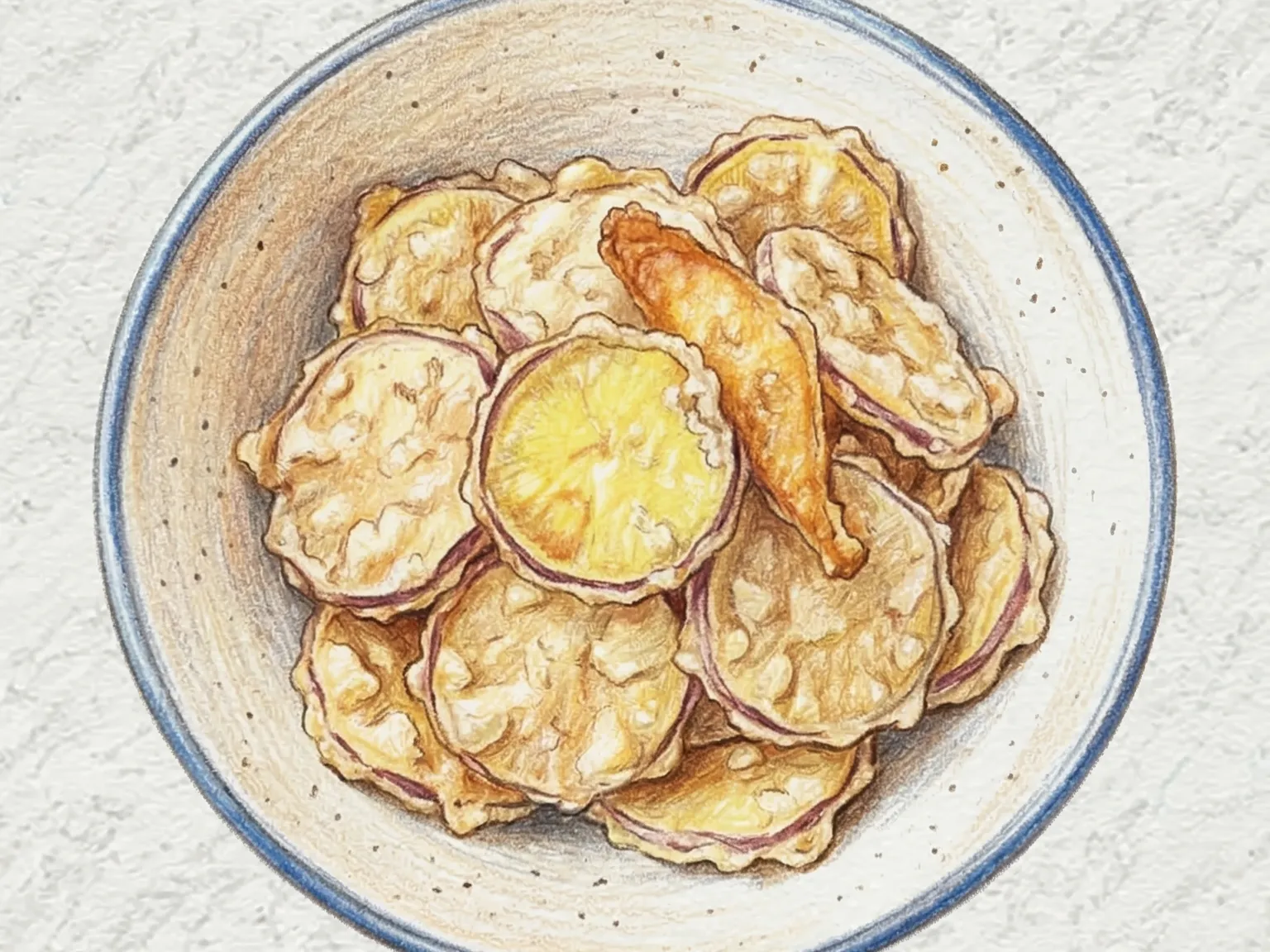
Goguma-twigim is a beloved Korean street snack found at tteokbokki stalls and bunsik shops across the country. Sweet potato rounds sliced to 0.5 cm are coated in a light batter and fried at 170 degrees Celsius until the crust turns crisp and golden. Ice-cold water mixed into the batter is the essential technique here: low temperature slows gluten development, keeping the coating thin and delicate so it does not overpower the natural flavor of the potato beneath. The moment the rounds come out of the oil, the heat has concentrated the sweet potato's inherent sugars just inside the shell, and a light sprinkle of salt at serving sharpens that sweetness into something more vivid. This humble snack has remained a fixture of Korean street food culture for generations, enjoyed equally by children and adults.

🌙 Late Night ⚡ Quick
Prep 10min Cook 10min 2 servings
Korean Gimbap-Style Rice Bowl
Rice Easy

Korean Gimbap-Style Rice Bowl

Gimbap-bap is a rice bowl that takes all the standard gimbap fillings - egg strips, imitation crab, blanched spinach, and stir-fried carrot - and serves them over sesame-oil-seasoned rice without rolling them in seaweed. The familiar flavor combination of gimbap is preserved while the rolling step is eliminated, which cuts preparation time considerably and allows each topping to be adjusted to taste. Adding pickled radish and fish cake on the side brings the result closer to the complete profile of traditional gimbap. The rice seasoned with sesame oil and salt serves as the unifying base that holds the individual flavors of each component together. It is particularly well-suited to quick solo meals.

🏠 Everyday 🍱 Lunchbox
Prep 20min Cook 10min 1 servings

Tips

Cut sweet potato small enough to cook through at the same time as the rice.

Nutrition (per serving)

Calories
360
kcal
Protein
7
g
Carbs
77
g
Fat
1
g