Charim

2686 Korean & World Recipes

2686+ Korean recipes, clean and organized. Ingredients to instructions, all at a glance.

Korean Ginger Pumpkin Porridge
Rice Easy

Korean Ginger Pumpkin Porridge

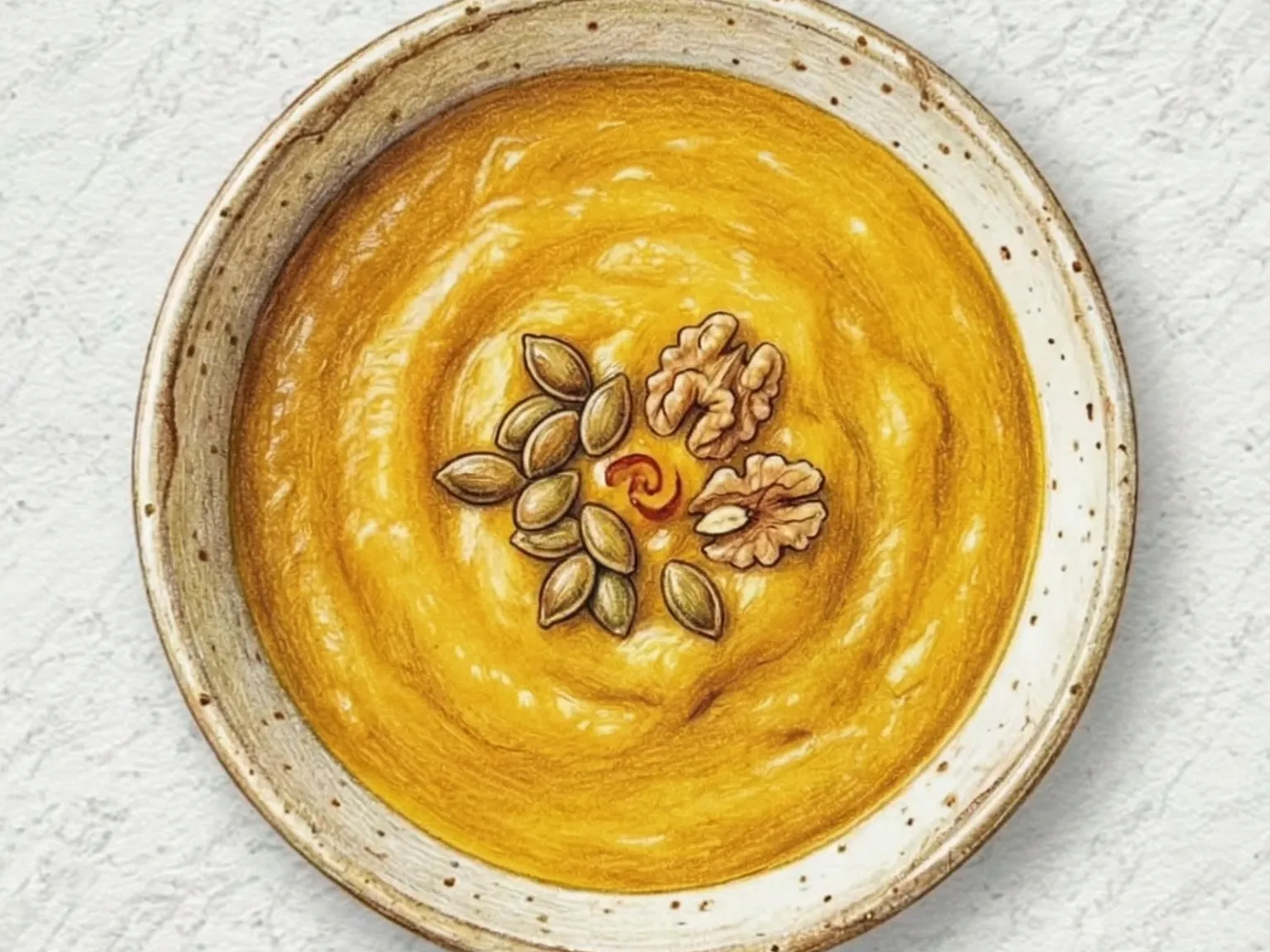
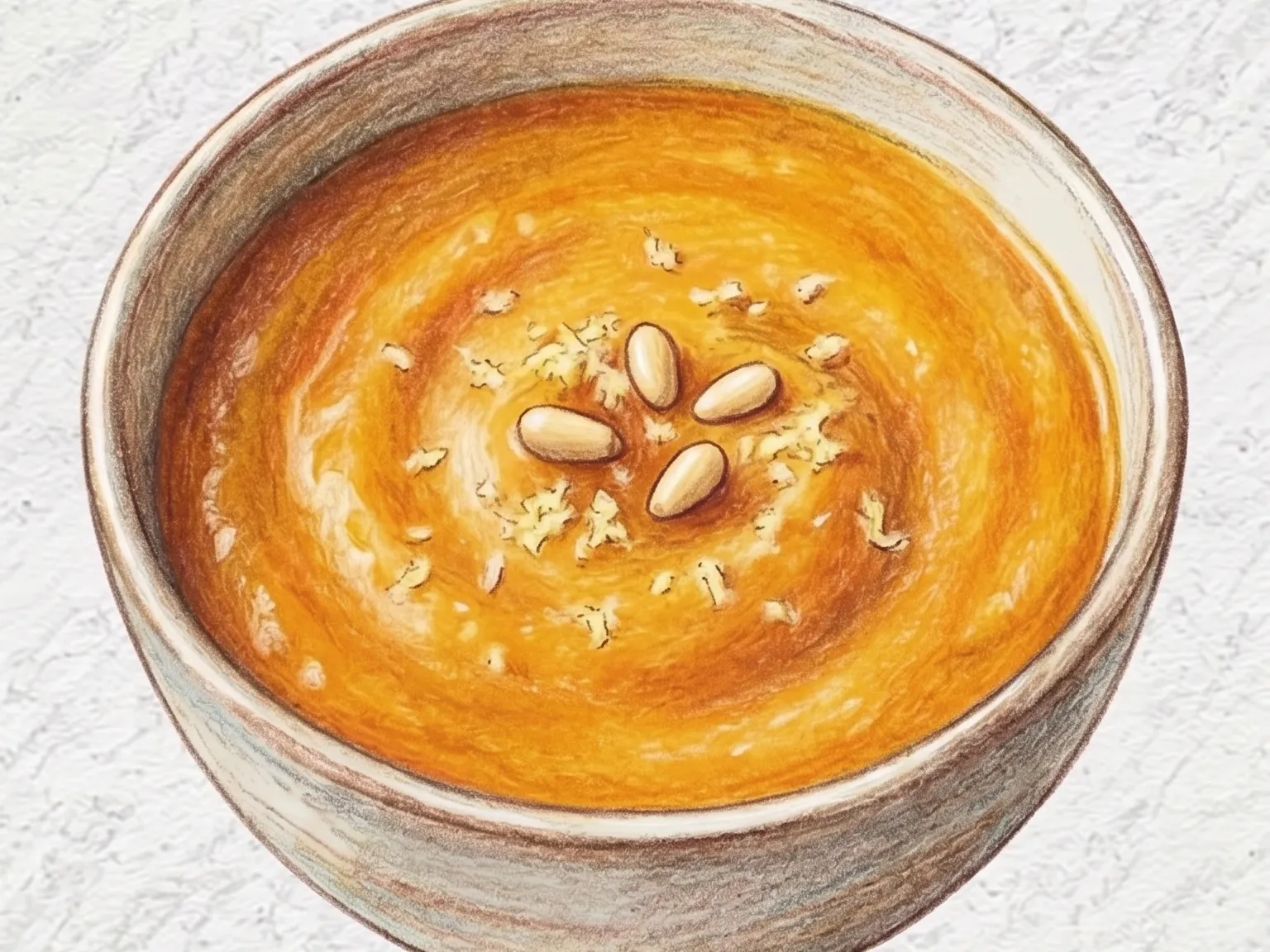
Kabocha pumpkin is steamed for 15 minutes and pureed until velvety, then thickened with sweet rice flour dissolved in cold water to prevent lumps. A teaspoon of fresh ginger juice adds a warm, peppery undercurrent beneath the pumpkin's natural sweetness, sharpening the finish without overpowering the squash. The porridge is stirred continuously over medium-low heat as the rice flour gradually builds body, and pine nuts scattered on top contribute an oily, resinous richness that complements the sweetness. This recipe yields four servings, making it well suited for sharing.

Prep 15min Cook 30min 4 servings

Adjust Servings

2servings
servings

Instructions

  1. 1

    Remove seeds, steam pumpkin for 15 minutes, and peel.

  2. 2

    Mash or blend steamed pumpkin into a smooth puree.

  3. 3

    Heat puree with water, then add dissolved sweet rice flour.

  4. 4

    Stir on medium-low until thickened, then add ginger juice.

  5. 5

    Season with salt and sugar, then garnish with pine nuts.

🛒Shop Ingredients on Amazon

As an Amazon Associate, we may earn from qualifying purchases.

Tips

Dissolve rice flour in cold water to avoid lumps.
Too much ginger can overpower the pumpkin flavor.

Nutrition (per serving)

Calories
260
kcal
Protein
4
g
Carbs
46
g
Fat
7
g

Goes Well With

Korean Buckwheat Jelly Cold Broth Bowl
SoupsEasy

Korean Buckwheat Jelly Cold Broth Bowl

Memil-muksabal is a chilled Korean dish in which firm blocks of buckwheat jelly sit submerged in cold, seasoned broth. The broth is typically made from anchovy or beef stock, cooled to refrigerator temperature, and sharpened with soy sauce, rice vinegar, and a touch of sugar that balances the acidity. Buckwheat jelly has a neutral, slightly earthy flavor and a slippery, springy texture that absorbs the surrounding seasonings with each bite. Julienned cucumber adds crunch, crushed roasted sesame seeds contribute nuttiness, and shredded dried seaweed brings a gentle oceanic accent. The dish is almost calorie-free compared to noodle soups and digests easily, which is why it appears on Korean tables most frequently during the hottest weeks of summer. Making the jelly from scratch involves boiling buckwheat starch until thick and letting it set, but store-bought blocks simplify the process to little more than slicing and assembling. The cold broth hits the palate first, followed by the yielding texture of the jelly - a sequence that feels instantly cooling.

🥗 Light & Healthy🏠 Everyday
Prep 20minCook 10min2 servings
Korean Perilla Mushroom Hot Pot
StewsEasy

Korean Perilla Mushroom Hot Pot

Deulkkae beoseot jeongol is a vegetable hot pot centered on three types of mushrooms - shiitake, oyster, and enoki - along with tofu and bok choy simmered in a light vegetable stock. Ground perilla seeds are stirred directly into the broth, releasing a nutty aroma and building a gentle thickness that coats each mushroom and leaf with every spoonful. The pot is seasoned with soup soy sauce and garlic for a clean, grounded flavor that lets the mushrooms carry the dish without competing additions. Substantial enough to satisfy without any meat.

🏠 Everyday🥗 Light & Healthy
Prep 15minCook 18min2 servings
Korean Seasoned Kelp Strips
Side dishesEasy

Korean Seasoned Kelp Strips

Kelp strips are soaked in cold water for ten minutes to draw out excess salt, then blanched for twenty seconds, just long enough to turn them pliable without losing their snap. The strips are dressed with gochugaru, vinegar, soy sauce, sugar, and garlic while julienned cucumber adds a cool, refreshing contrast. The seasoning sits over the mineral-dense ocean flavor of the kelp, layering a bright, acidic kick onto each bite. Sesame oil and whole sesame seeds finish the dish. The strips keep a satisfying resistance between the teeth that sets them apart from softer Korean seaweed preparations. Best served cold; the texture and flavor hold up well in packed lunches. Blanching beyond twenty seconds causes the kelp to soften and lose the chew that defines this banchan.

🥗 Light & Healthy🏠 Everyday
Prep 12minCook 3min2 servings
Korean Soy Pickled Burdock
KimchiEasy

Korean Soy Pickled Burdock

Ueong jangajji is a soy-pickled burdock root prepared by soaking cut burdock in vinegar water to prevent browning, blanching to remove any earthiness, then submerging in a brine of soy sauce, vinegar, and sugar. Kelp, dried red chili, and whole peppercorns boiled into the brine contribute umami depth and a subtle warmth. The root's natural nuttiness and earthy aroma meld with the sweet-salty-tangy brine into a layered, lingering flavor. Its firm, crunchy texture holds up well over days of storage, and reboiling the brine on the third day extends the pickle's shelf life further. Because burdock oxidizes quickly once cut, transferring it to the vinegar soak immediately after slicing is essential for keeping the finished pickle looking clean and bright rather than muddy.

🏠 Everyday🍱 Lunchbox
Prep 20minCook 12min4 servings

More Recipes

Korean Blue Crab Porridge
RiceMedium

Korean Blue Crab Porridge

Kkotge-juk is a rice porridge built on a deeply flavored blue crab stock that forms the base of everything. The crab is placed in cold water and boiled for twelve minutes, during which the proteins and natural sugars from the shell and body dissolve into the liquid and create a broth that is naturally rich and faintly sweet without any additional seasoning. The cooked crab is lifted out and the meat is carefully picked from the legs and body and set aside. In the same pot, sesame oil is added and the soaked rice is toasted in it for two to three minutes, which coats the grains in a thin layer of oil that prevents them from sticking to the bottom during the long simmer and adds a gentle nutty aroma to the finished porridge. The crab stock is poured back in and the porridge cooks over medium-low heat for fifteen to twenty minutes, stirred regularly, until the grains soften and break down into the smooth, thick consistency that characterizes well-made juk. Once the porridge thickens, diced onion, zucchini, carrot, and minced garlic go in for ten more minutes, and the reserved crab meat is added only at the end so it cooks through the residual heat and stays tender rather than turning rubbery. Seasoned simply with soup soy sauce and salt, the finished bowl delivers clean, gentle ocean flavor with nothing overpowering the natural sweetness of the crab.

🎉 Special Occasion
Prep 20minCook 35min4 servings
Korean Abalone Mung Bean Porridge
RiceMedium

Korean Abalone Mung Bean Porridge

Jeonbok nokdu juk is a Korean restorative porridge that soaks and simmers mung beans alongside rice to build a thickened base, then incorporates abalone for a combination of nutty creaminess and ocean flavor. Mung beans break down considerably during cooking, giving the finished porridge a noticeably denser and more velvety consistency than standard abalone porridge made with rice alone. Abalone innards are sauteed with garlic in sesame oil before joining the porridge, a step that draws out a deep, toasty aroma and forms the flavor backbone of the dish. Replacing plain water with kelp stock adds a layer of clean umami to the liquid base and enriches the overall taste. The abalone flesh is added during the final five minutes only to prevent overcooking, which would tighten the muscle and make it tough rather than springy. Throughout the long cooking, the porridge must be stirred regularly over low heat so the mung beans and rice dissolve completely into a smooth, uniform texture without catching on the bottom of the pot. Chopped scallion scattered over the finished bowl introduces a pop of green color and a fresh, bright fragrance that lightens the rich porridge.

🎉 Special Occasion
Prep 20minCook 35min2 servings
Korean Taro Porridge (Perilla Oil-Toasted Rice with Taro Root)
RiceMedium

Korean Taro Porridge (Perilla Oil-Toasted Rice with Taro Root)

Soaked rice is toasted in perilla oil until fragrant, then simmered with peeled taro in a generous amount of water until the porridge reaches a thick, flowing consistency. Some taro pieces dissolve into the liquid and naturally thicken it, while others hold their shape and offer a starchy, crumbly bite. The gentle nuttiness of perilla oil and the mild earthiness of taro create a soothing combination with no sharp flavors. Seasoning with just salt preserves the delicate taste of the taro without masking it.

🏠 Everyday
Prep 20minCook 35min4 servings
Korean Shrimp Porridge (Creamy Rice Porridge with Shrimp Broth)
RiceEasy

Korean Shrimp Porridge (Creamy Rice Porridge with Shrimp Broth)

Saeu-juk is a Korean shrimp porridge that simmers rice with shell-on shrimp to draw out a gentle oceanic broth. The heads and shells are cooked down to build a flavorful stock, while the shrimp meat is minced and stirred in separately so each spoonful carries bursts of umami. Diced zucchini and carrot add mild sweetness that balances the seafood character. Soaked rice is first toasted in sesame oil before the liquid goes in, which gives the finished porridge a nuttier base and slightly thicker consistency. The result is a light, nourishing bowl with a clean finish - commonly served as a gentle breakfast or a recovery meal, where the warmth and mild flavor are as important as the nutrition.

🏠 Everyday
Prep 15minCook 30min2 servings
Sweet Pumpkin Porridge (Korean Kabocha Glutinous Rice Porridge)
DessertsEasy

Sweet Pumpkin Porridge (Korean Kabocha Glutinous Rice Porridge)

Hobakjuk is a Korean sweet pumpkin porridge made by steaming kabocha squash, blending it smooth with water, and simmering the puree with a glutinous rice flour slurry over medium-low heat until thick and velvety. Steaming the squash with the skin on concentrates its natural sugars, and blending with 300 ml of water creates a uniform, smooth base. The rice flour slurry gelatinizes as it heats, giving the porridge its characteristic viscosity, while a pour of milk rounds out the texture with a creamy richness. Pine nuts scattered on top add a fatty, resinous aroma over the squash, and sweetness is best adjusted at the very end to account for natural variation in pumpkin sugar content.

🧒 Kid-Friendly
Prep 15minCook 25min2 servings
Korean Sweet Pumpkin Latte
DrinksEasy

Korean Sweet Pumpkin Latte

Danhobak latte begins with seeded kabocha pumpkin steamed skin-on, then blended with water into a smooth puree. Milk is whisked in gradually over low heat until the drink reaches a rich, velvety consistency. The pumpkin contributes natural sweetness that anchors the flavor, supported by honey, a half teaspoon of ground cinnamon, and a pinch of salt that defines the sweetness without adding noticeable saltiness. Keeping the milk below a boil -- around 80 degrees Celsius -- preserves its creamy character, and a spoonful of lightly whipped cream on top adds a soft, layered texture to each sip.

🍺 Bar Snacks
Prep 10minCook 15min2 servings
More Rice →