Charim

2686 Korean & World Recipes

2686+ Korean recipes, clean and organized. Ingredients to instructions, all at a glance.

Korean Grilled Eel Rice Bowl
Rice Medium

Korean Grilled Eel Rice Bowl

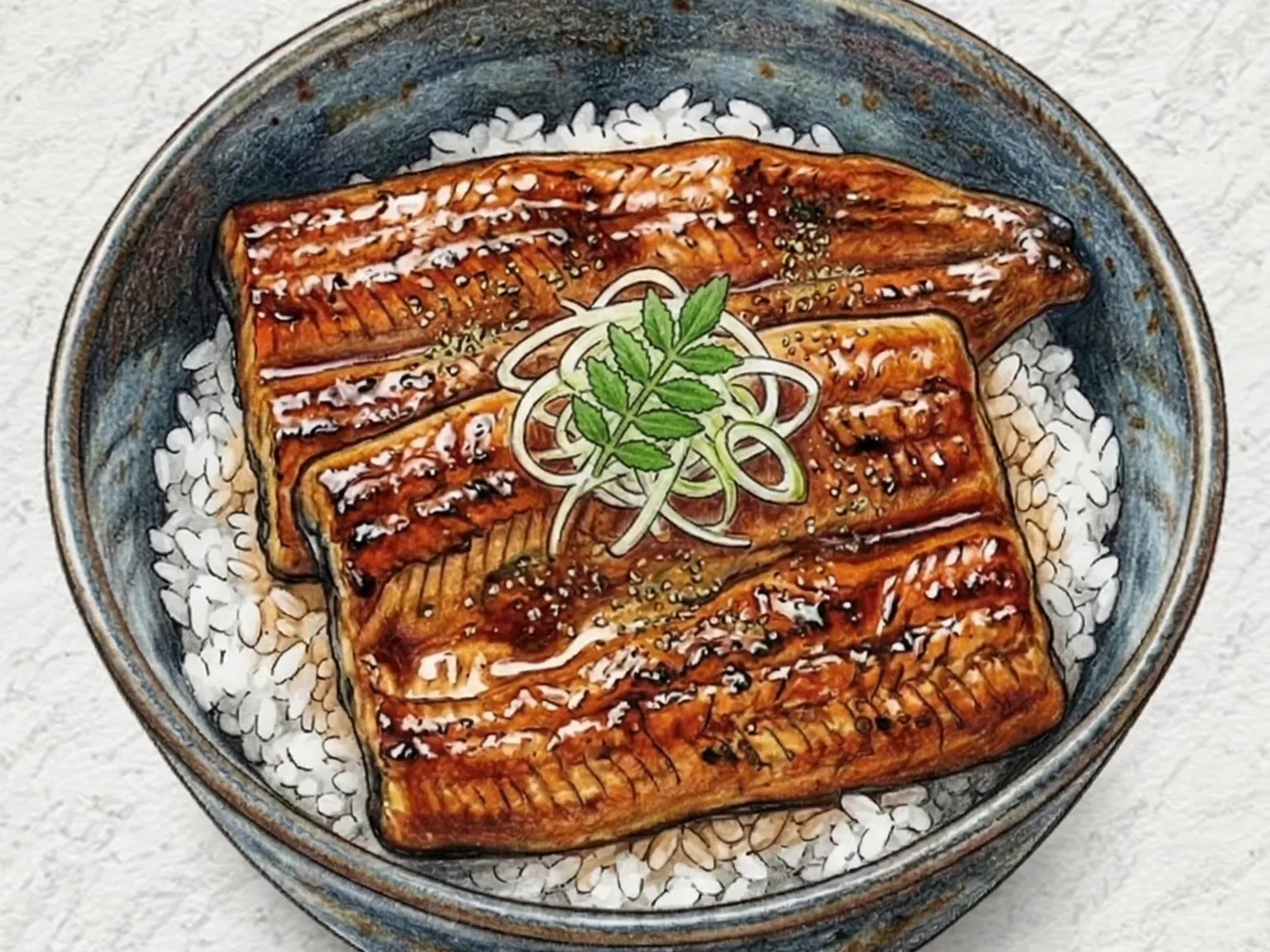
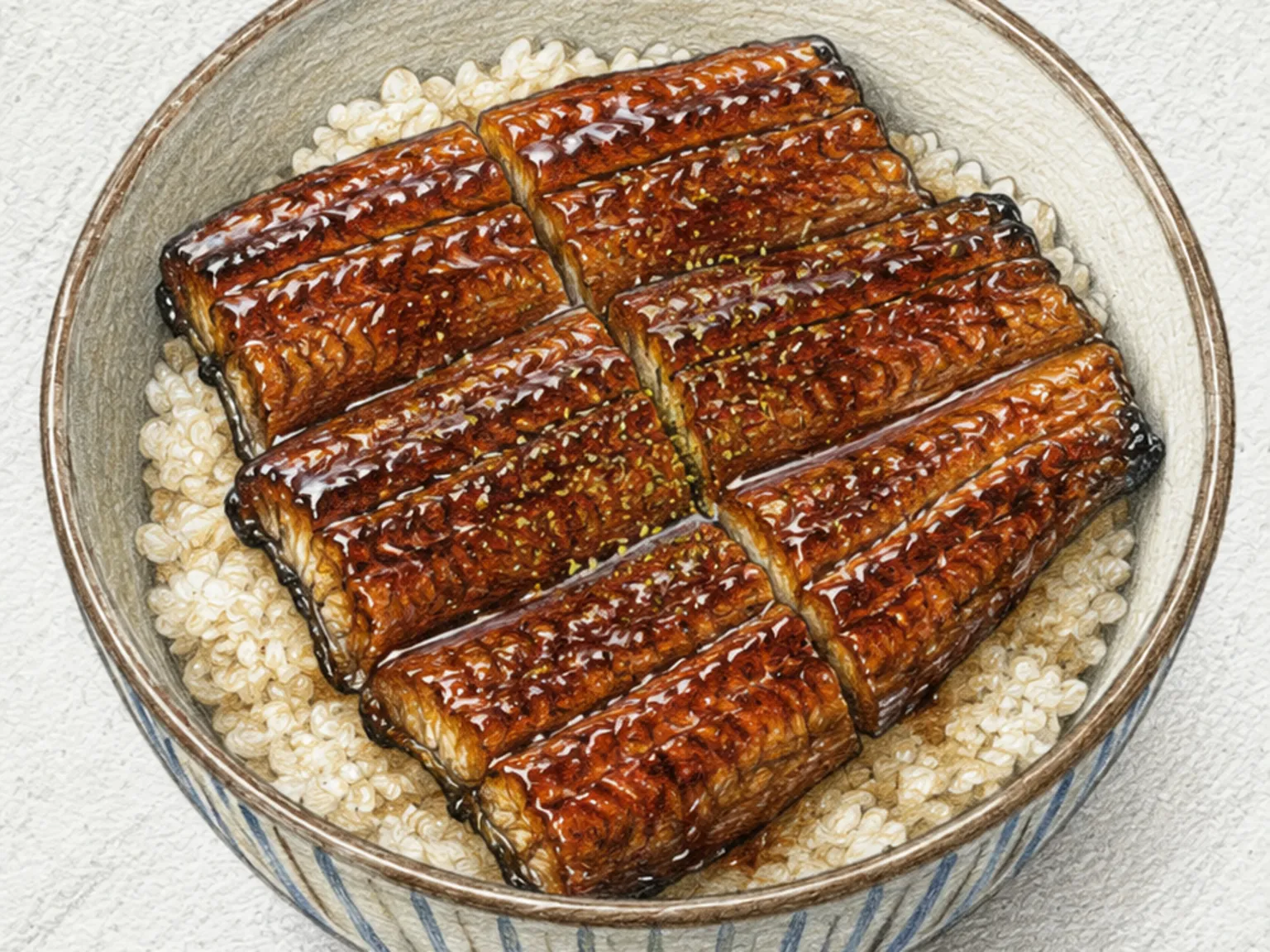
A sweet-salty glaze of soy sauce, mirin, sugar, and ginger juice is reduced by half, then brushed repeatedly onto freshwater eel as it grills. The eel starts skin-side down over medium heat for five minutes to crisp the exterior, then is flipped and basted with the glaze to build a lacquered, caramelized surface while keeping the interior moist. At least two or three rounds of basting are necessary to achieve the characteristic glossy finish. Sansho pepper dusted on top just before serving adds a sharp, tingling note that cuts through the eel's inherent richness.

Prep 10min Cook 15min 1 servings

Adjust Servings

2servings
servings

Instructions

  1. 1

    Simmer soy sauce, mirin, sugar, and ginger juice in a pot until reduced by half.

  2. 2

    Season eel with a pinch of salt and grill skin-side down for 5 minutes over medium heat.

  3. 3

    Flip, brush with sauce, and grill 3 more minutes.

  4. 4

    Brush once more and grill 1 minute for a glossy finish.

  5. 5

    Place eel on rice, sprinkle sansho pepper, and serve with seaweed.

🛒Shop Ingredients on Amazon

As an Amazon Associate, we may earn from qualifying purchases.

Tips

Brush the glaze multiple times while grilling for a lacquered finish.
Sansho pepper cuts the richness of the eel.

Nutrition (per serving)

Calories
580
kcal
Protein
30
g
Carbs
54
g
Fat
26
g

More Recipes

Korean Grilled Mackerel Rice Bowl
RiceMedium

Korean Grilled Mackerel Rice Bowl

Mackerel fillet is pan-seared skin-side down until the skin turns crisp and golden, then served over rice with a quick sauce of soy sauce, cooking wine, oligosaccharide syrup, minced ginger, and softened onion. The oily flesh of the mackerel absorbs the soy-ginger glaze, producing a clean, salty-sweet finish without fishiness. Keeping the pan still for the first minute of searing is critical for achieving crisp skin, and brushing the fillet with a little cooking wine before cooking further neutralizes any unwanted odor. Chopped chives scattered on top complete the bowl with color and a mild onion bite.

🏠 Everyday
Prep 15minCook 20min2 servings
Korean Beef Brisket Rice Bowl
RiceEasy

Korean Beef Brisket Rice Bowl

Chadol deopbap is a Korean rice bowl featuring paper-thin beef brisket slices seared in a hot pan until the edges turn crisp, then drizzled with a soy-based sauce and served over steamed rice. The marbled fat in the brisket renders out during cooking, creating a rich, buttery flavor that pairs naturally with the salty-sweet soy glaze. Garlic and sesame oil add aromatic depth without overcomplicating the dish. A raw or soft-cooked egg yolk on top is a common addition, breaking into a golden sauce that coats the rice when mixed. Despite its simplicity - just a handful of pantry staples and a few minutes at the stove - it delivers a deeply satisfying meal that works well for both lunch and dinner.

🏠 Everyday Quick
Prep 10minCook 10min2 servings
Korean Spicy Dakgalbi Rice Bowl
RiceEasy

Korean Spicy Dakgalbi Rice Bowl

Dakgalbi deopbap brings the flavors of Chuncheon's famous spicy chicken to a single rice bowl. Boneless chicken thigh is stir-fried with cabbage, onion, and green onion in a gochujang-based marinade that balances heat with a touch of sweetness. High heat ensures the sauce caramelizes onto the chicken while the vegetables keep a slight crunch. A finishing drizzle of sesame oil adds a toasty fragrance that rounds out the bold seasoning. The dish captures the essence of a dakgalbi restaurant meal - the moment just before the leftover sauce gets turned into fried rice - and serves it as a complete, self-contained bowl that needs no side dishes.

🏠 Everyday🍱 Lunchbox
Prep 15minCook 14min2 servings
Korean Eggplant Rice Bowl
RiceEasy

Korean Eggplant Rice Bowl

Gaji deopbap is a Korean eggplant rice bowl where sliced eggplant is pan-fried quickly in generous oil and then braised briefly with ground pork in a soy-based sauce. Soaking the eggplant in salted water for five minutes before cooking draws out bitterness. High heat is essential - eggplant absorbs oil rapidly, and fast searing creates a lightly crisp exterior while the inside collapses into a silky, almost creamy texture. The soy, sugar, and garlic sauce reduces in two minutes into a dark glaze that coats each piece, while the ground pork adds a savory depth that makes the dish feel more substantial. The sauce pools around the base of the rice and soaks into the grains, ensuring consistent flavor throughout the bowl. Green onion and sesame oil finish the dish. Summer eggplant, when the flesh is at its softest and most yielding, produces the best results.

🏠 Everyday Quick
Prep 10minCook 10min2 servings
Korean Steamed Eel (Soy Ginger Glazed Two-Stage)
SteamedMedium

Korean Steamed Eel (Soy Ginger Glazed Two-Stage)

Jangeo-jjim is Korean steamed eel prepared in two stages: the eel is first steamed plain with rice wine to cook through and neutralize any fishiness, then brushed with a reduced soy sauce, sugar, and ginger juice glaze and steamed again with green onion. The ginger cuts through the eel's natural oiliness, and the soy glaze caramelizes slightly on the surface, creating a sweet-savory coating. The eel flesh stays moist and rich throughout the gentle cooking process. Traditionally eaten as a stamina food, this dish is protein-dense and pairs well with a bowl of plain rice.

🍺 Bar Snacks🎉 Special Occasion
Prep 20minCook 22min2 servings
Korean Bunsik Kimchi Bokkeumbap (Kimchi Fried Rice)
Street foodEasy

Korean Bunsik Kimchi Bokkeumbap (Kimchi Fried Rice)

Bunsik-style kimchi fried rice starts by making scallion oil from green onions, then stir-frying well-fermented kimchi to drive off moisture before seasoning with gochujang and soy sauce and tossing in day-old rice. The scallion oil lays a nutty base across the rice, and the aged kimchi's sharp acidity layers with the gochujang's heat to build depth. Cold leftover rice fries without turning mushy, keeping individual grains distinct, and the dish is topped with seaweed flakes and a runny fried egg. A small amount of sugar can be added if the kimchi's sourness is overpowering.

🧒 Kid-Friendly🌙 Late Night
Prep 10minCook 15min2 servings
More Rice →