Korean Sesame Oil Abalone Porridge
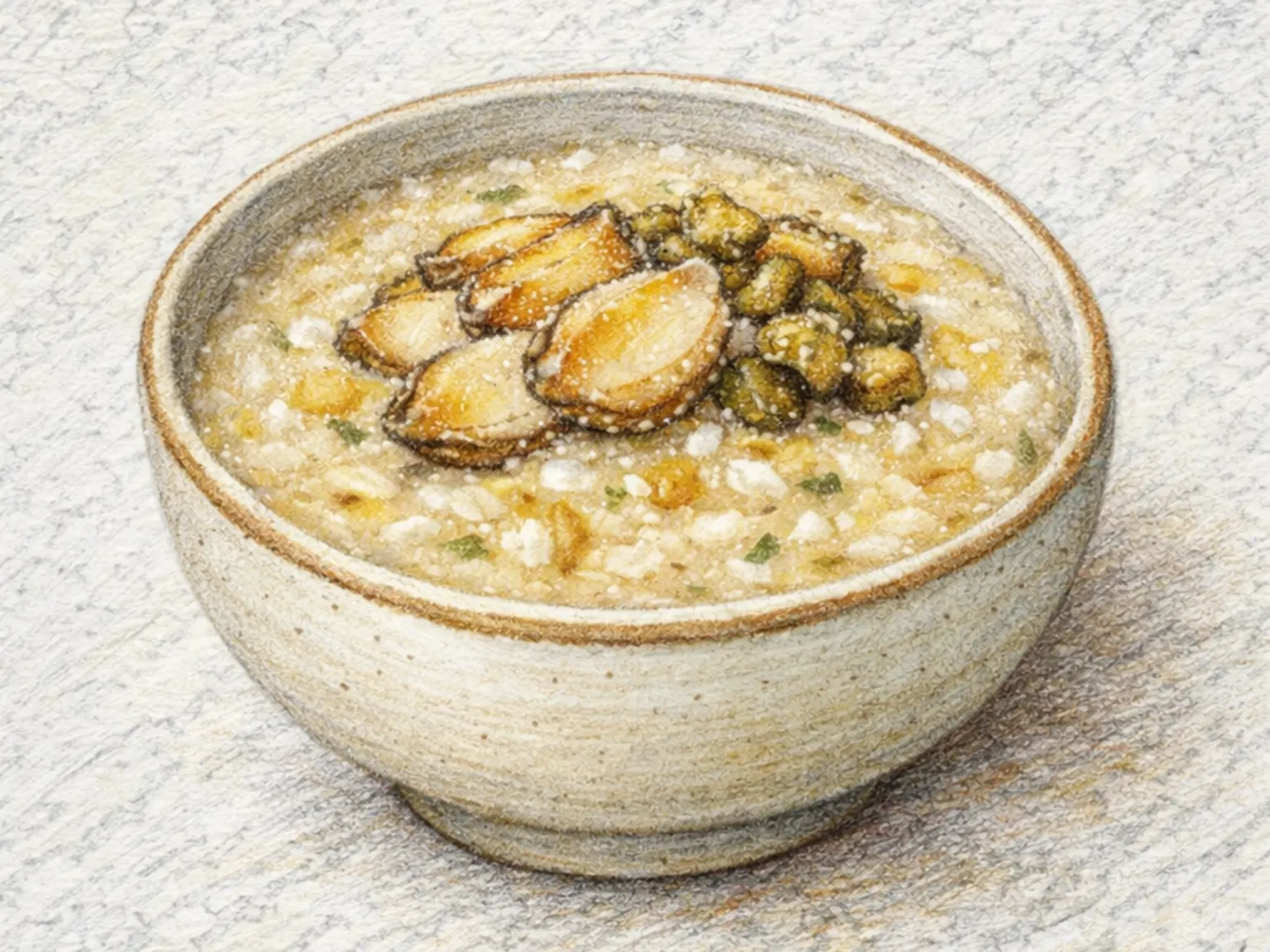
Both abalone flesh and innards are used together with a generous two tablespoons of sesame oil to maximize nuttiness in this porridge. Sauteing the minced innards with garlic in the sesame oil infuses the fat with both marine and roasted flavors, forming the aromatic foundation for the entire pot. Soaked rice is stirred in the same oil until translucent, then water is added and the mixture simmers for 25 minutes as the grains release starch into a naturally thick consistency. Soup soy sauce and salt sharpen the finish, and chopped chives provide both color and a light onion fragrance.
Adjust Servings
Instructions
- 1
Scrub abalone clean, then separate flesh and innards.
- 2
Dice abalone flesh and finely mince the innards.
- 3
Heat sesame oil and gently sauté innards with garlic to develop color.
- 4
Add soaked rice, stir until translucent, then pour in water and bring to a boil.
- 5
Simmer for 25 minutes, stirring often; add abalone flesh and cook 5 more minutes.
- 6
Season with soup soy sauce and salt, then garnish with chives and serve warm.
As an Amazon Associate, we may earn from qualifying purchases.
Tips
Nutrition (per serving)
More Recipes

Korean Abalone Mugwort Porridge
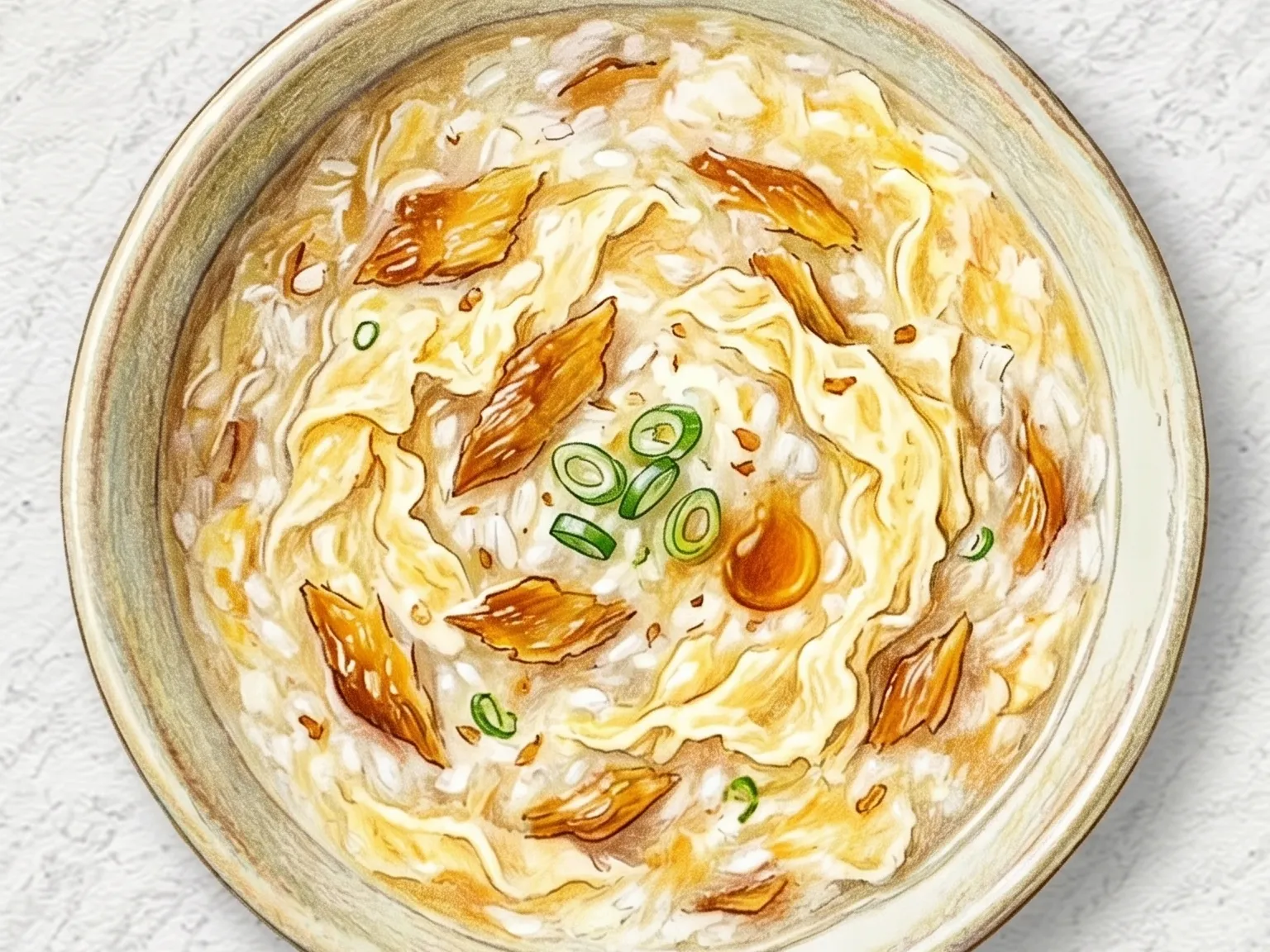
Mugwort is added to abalone porridge for a spring-season variation where herbal and ocean aromas converge. The abalone innards are sauteed in sesame oil to establish an umami base, then soaked rice simmers in kelp stock until soft, and the mugwort goes in only during the final minute to preserve its gentle bitterness without letting it turn harsh. Extended cooking would draw out the herb's more aggressive bitter compounds, so brief contact is essential. Black pepper finishes the bowl with a warm, peppery note that complements the green, vegetal fragrance of the mugwort.

Korean Abalone Mung Bean Porridge
Mung beans are soaked and simmered alongside rice, then combined with abalone for a porridge that blends nutty creaminess with ocean flavor. The mung beans break down during cooking and thicken the porridge noticeably, giving it a denser, more velvety body than standard abalone porridge. Abalone innards are sauteed with garlic in sesame oil first to develop their aroma, and kelp stock replaces plain water to deepen the umami foundation. The abalone flesh goes in during the last five minutes to keep its springy texture, and chopped scallion garnish adds both color and a fresh bite.

Korean Abalone Porridge (Jeonbok Juk)
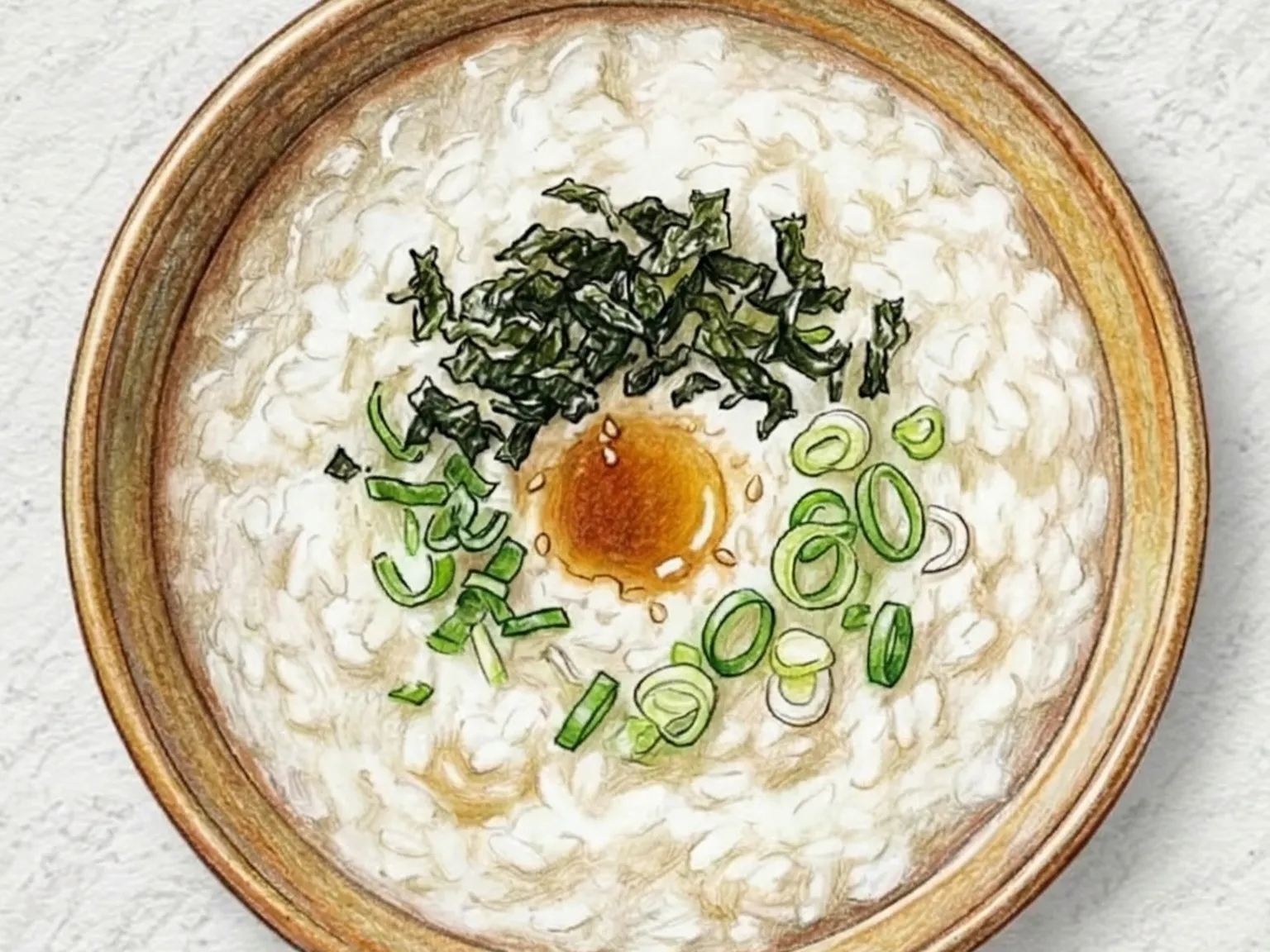
Abalone innards are sauteed in sesame oil until they release a green tint and briny aroma, then simmered with soaked rice on low heat for over 30 minutes into a nourishing porridge. The freshness of the innards dictates both the porridge's color and depth of flavor, with vivid green being the sign of quality. Thinly sliced abalone meat goes in near the end so it stays chewy rather than turning rubbery, and frequent stirring throughout prevents the bottom from scorching. An egg yolk placed on top creates a visual contrast against the greenish porridge and, once broken and mixed in, adds a layer of richness.

Korean Taro Porridge (Perilla Oil-Toasted Rice with Taro Root)
Soaked rice is toasted in perilla oil until fragrant, then simmered with peeled taro in a generous amount of water until the porridge reaches a thick, flowing consistency. Some taro pieces dissolve into the liquid and naturally thicken it, while others hold their shape and offer a starchy, crumbly bite. The gentle nuttiness of perilla oil and the mild earthiness of taro create a soothing combination with no sharp flavors. Seasoning with just salt preserves the delicate taste of the taro without masking it.

Korean Steamed Abalone (Whole Shell Soy Sesame)
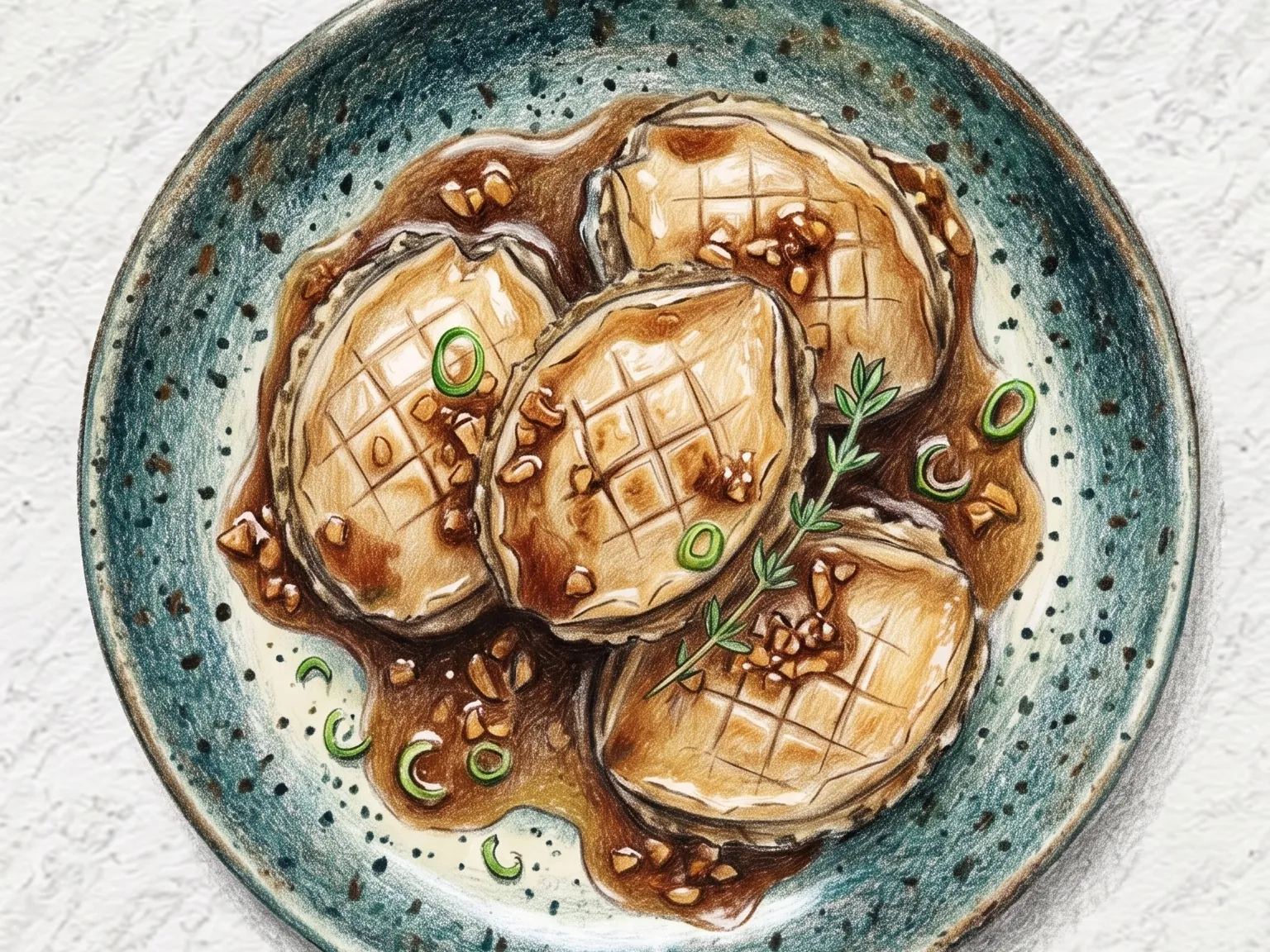
Jeonbok-jjim is Korean steamed abalone prepared by scrubbing the shells clean, scoring the flesh for even cooking, and steaming with green onion and ginger for 10 to 12 minutes. The gentle steam preserves the abalone's signature chewy-tender texture and briny ocean flavor. A light drizzle of soy sauce, rice wine, and sesame oil after steaming adds just enough seasoning without masking the natural taste. The separated innards can be repurposed for porridge or sauce, and the dish is often reserved for special occasions and guest-hosting due to its premium standing among Korean seafood.

Korean Chicken Radish Soup
Dak mu-guk is a Korean chicken and radish soup where blanched chicken thigh meat and thinly sliced radish simmer together into a clear, deeply flavored broth. Blanching the chicken for one minute before the main simmer removes impurities and is the key to keeping the broth transparent. Onion and ginger build the aromatic foundation over twenty minutes of gentle cooking, and the radish - cut into thin, flat squares rather than thick chunks - turns translucent quickly, releasing its natural sweetness into the liquid in just ten minutes. Soup soy sauce and diagonally sliced green onion finish the bowl, balancing the chicken's richness with a clean, vegetal note.