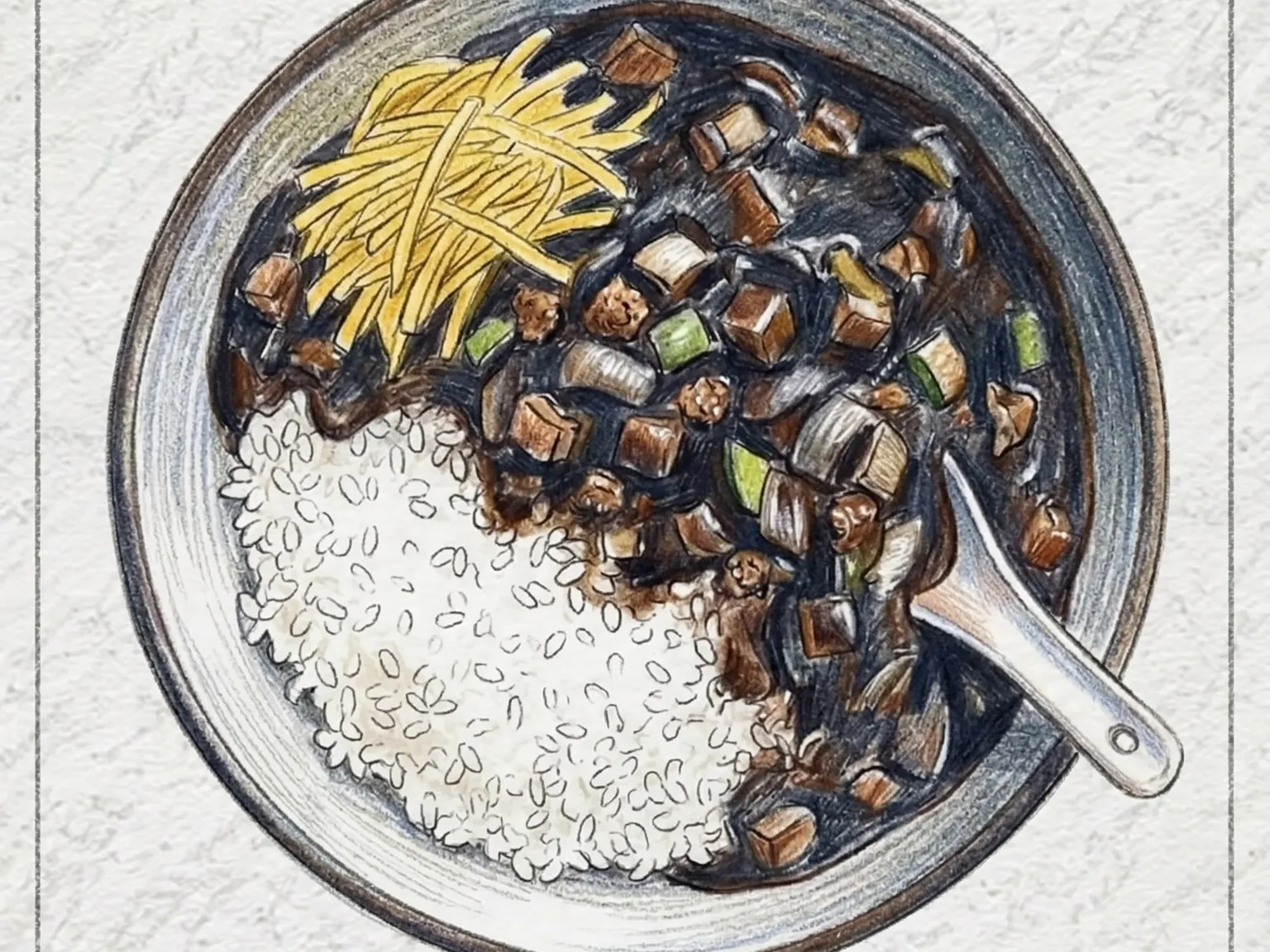
Korean Black Bean Sauce Rice
Rice Easy

Korean Black Bean Sauce Rice

Quick answer

The key to jjajangbap lies in pre-frying chunjang (Korean black bean paste) in oil to strip its raw bitterness and unlock a toasty, earthy aroma.

What makes this special

  • Pre-fried black bean paste prepares a toasty sauce packed with pork for this savory jjajangbap.
  • Black bean paste pre-fried in oil removes astringency and draws out beaniness
  • High onion ratio provides natural sweetness without added sugar
Total time
40 min
Level
Easy
Servings
2 servings
Ingredients
8
Calories
640 kcal
Protein
25 g

Key ingredients

cooked riceground porkonionzucchinicabbage

Core cooking flow

  1. 1 Dice 200 g onion, 120 g zucchini, and 120 g cabbage into 1 cm pieces so they cook evenly.
  2. 2 Add 1 tablespoon oil and 3 tablespoons chunjang to the pan, then fry over low heat for about 1 minute.
  3. 3 Raise the same pan to medium heat and stir-fry the pork for about 2 minutes...

The key to jjajangbap lies in pre-frying chunjang (Korean black bean paste) in oil to strip its raw bitterness and unlock a toasty, earthy aroma. Ground pork, diced onion, zucchini, and cabbage are stir-fried until just softened, then folded into the fried paste so the dark sauce coats every piece. A potato starch slurry thickens the mixture after a brief simmer, giving it enough body to cling to rice without pooling. The finished bowl delivers a mellow sweetness mostly from the caramelized onion, layered with fermented soybean depth - a homestyle take on Chinese-Korean comfort food.

Prep 20min Cook 20min 2 servings

Instructions

Read the steps as a cooking flow: prep, heat, seasoning, doneness control, and finish.

6 steps
  1. 1
    Control

    Dice 200 g onion, 120 g zucchini, and 120 g cabbage into 1 cm pieces so they cook evenly.

    Pat 150 g ground pork dry with paper towel to reduce splattering and help it brown instead of steaming.

  2. 2
    Control

    Add 1 tablespoon oil and 3 tablespoons chunjang to the pan, then fry over low heat for about 1 minute.

    Stir constantly until the paste looks glossy and toasted, then scoop it out, leaving the oil behind.

  3. 3
    Control

    Raise the same pan to medium heat and stir-fry the pork for about 2 minutes, breaking up clumps as it cooks.

    When no pink remains, add the onion and cook until it turns translucent and lightly sweet.

  4. 4
    Control

    Add the zucchini and cabbage, then stir-fry over medium heat for 2 more minutes.

    Stop before the vegetables turn mushy, and mix in the fried chunjang until every piece is evenly coated dark brown.

  5. 5
    Control

    Pour in 250 ml water and scrape the bottom of the pan so the paste dissolves into the sauce.

    Simmer over medium-low heat for 5 minutes, then add the 1 tablespoon potato starch slurry gradually until thick.

  6. 6
    Finish

    Turn off the heat when the sauce coats a spatula heavily and does not run off quickly.

    Divide 2 cups cooked rice into bowls, spoon the hot black bean sauce over the top, and serve immediately.

After the steps

Pick a recipe that fits this dish.

Continue with shared ingredients, meal pairings, or a similar method.

Recipes That Go Well With This

More Rice →

Based on shared ingredients and meal pairing

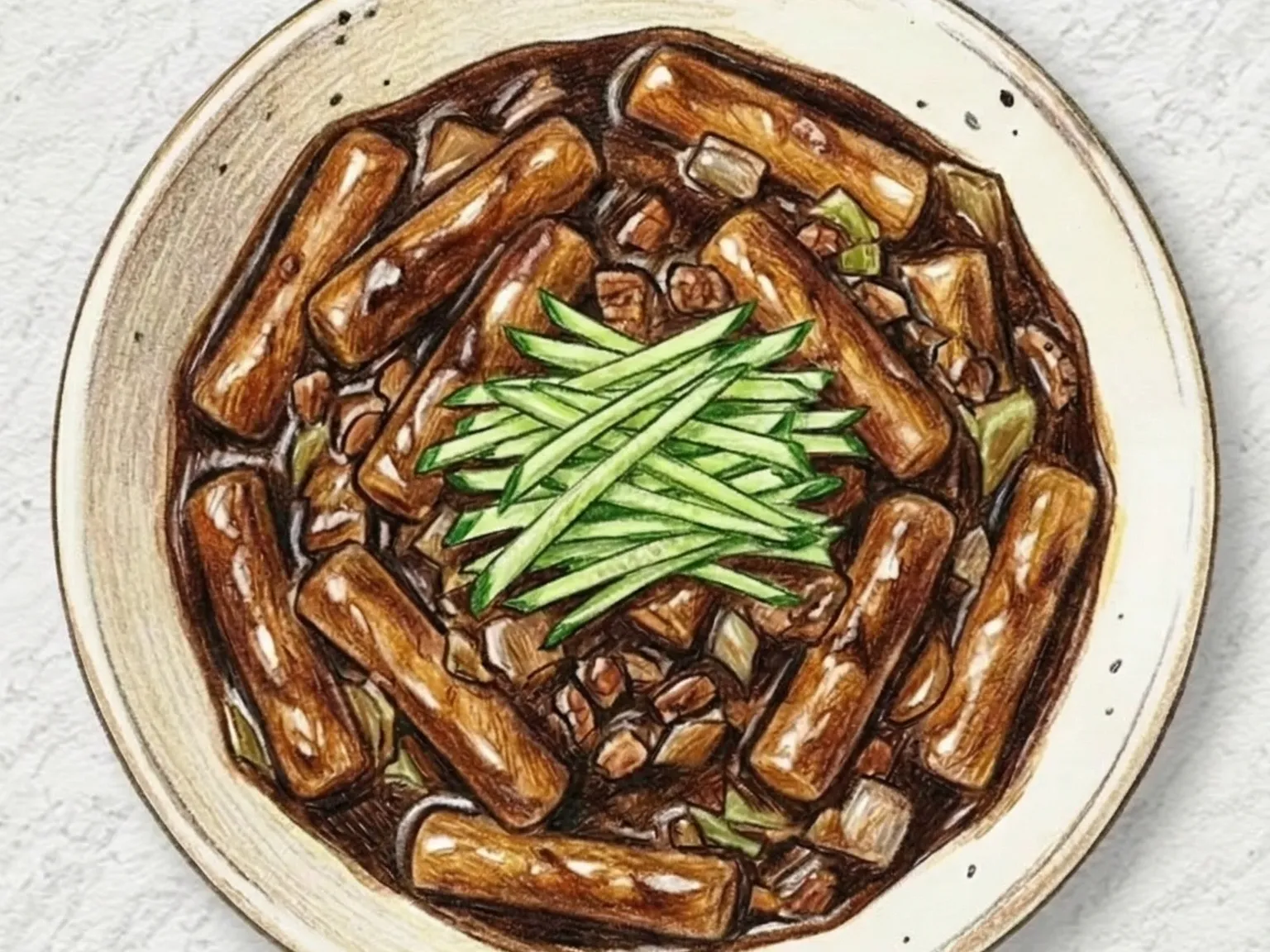
Korean Black Bean Noodles
Shared ingredient: onion Street food

Korean Black Bean Noodles

Bunsik-style jjajangmyeon starts with frying chunjang in oil long enough to mellow its raw bitterness and remove any off notes before adding any other ingredients. Ground pork, onion, zucchini, and potato go in together and are stir-fried until fragrant, then water is added and the mixture simmers until the potato softens. A starch slurry is stirred in gradually to bring the sauce to the right consistency. The chunjang's deep salinity and the slowly cooked onion's natural sweetness form the backbone of the sauce, while the potato partially breaks down during simmering and lends body without any additional thickeners. The starch-finished sauce clings heavily to the chewy wheat noodles so every strand carries a dense, rounded hit of flavor. Rinsing the noodles briefly in cold water right after boiling tightens their texture and keeps them from going soft when mixed.

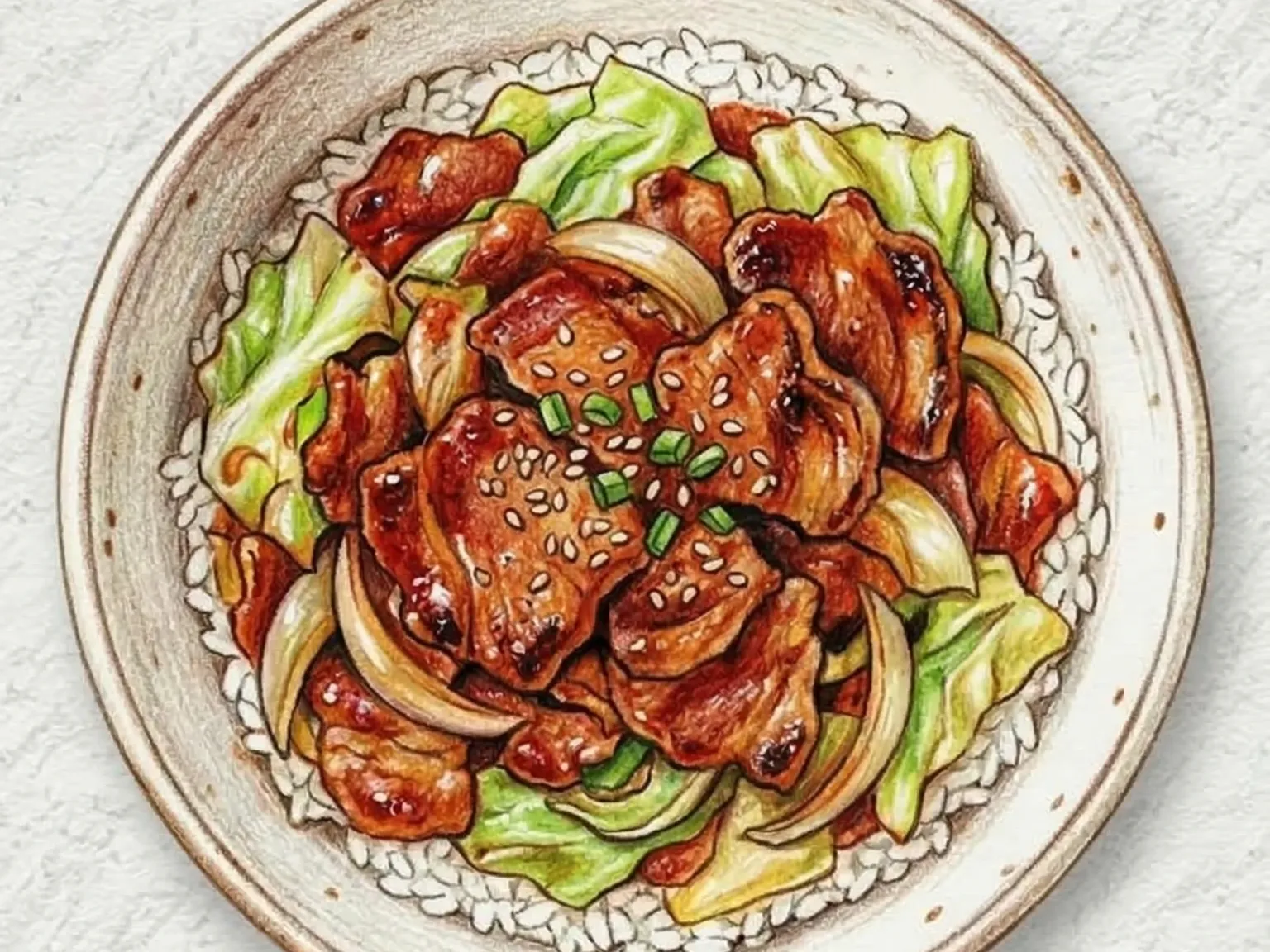
Korean Spicy Pork Rice Cup
Shared ingredient: cooked short-grain rice Street food

Korean Spicy Pork Rice Cup

Jeyuk cupbap is a Korean street-style rice cup topped with pork shoulder stir-fried in gochujang, soy sauce, sugar, and garlic, layered over steamed rice with onion and cabbage. The gochujang-sugar combination forms a spicy-sweet glaze on the pork that caramelizes quickly under high heat, sealing in the meat's juices and creating a lacquered surface. Cabbage goes in last to keep its snap, and the slow-cooked onion contributes a gentle sweetness that tempers the chili heat. Slightly cooled rice keeps the cup from turning soggy, and the tight, portable format makes this a defining item of Korean street-food culture, equally at home in a pojangmacha stall and a school cafeteria. A soft-boiled egg or a slice of processed cheese on top adds a rich, creamy note.

Gul Dubu-guk (Korean Oyster Tofu Soup Recipe)
Serve together Soups

Gul Dubu-guk (Korean Oyster Tofu Soup Recipe)

Gul-dubu-guk is the oyster variation of Korean tofu soup, pairing plump seasonal oysters with soft tofu in a clear kelp-based broth. Unlike plain dubu-jangguk, this version is seafood-forward, with briny oyster aroma leading the bowl. Timing the oysters precisely is the central technique of the dish: they go in just before the broth reaches a full boil, and even a minute too long on the heat turns them tough and grainy. Large-cut tofu blocks absorb the shellfish-infused liquid as they simmer, carrying the briny depth of the oysters into each spoonful. Thinly sliced radish adds natural sweetness, while soup soy sauce and garlic keep the seasoning clean.

Korean Bean Sprout Rice (Pot-Steamed Rice with Soy Sprouts)
Similar recipe Rice

Korean Bean Sprout Rice (Pot-Steamed Rice with Soy Sprouts)

Kongnamul-bap is a simple Korean home dish of soaked rice cooked together with a generous pile of bean sprouts in a covered pot. Timing and the closed lid are the two things that define the result. The pot starts on high heat until the water boils, then drops to low for fifteen minutes of steady cooking followed by five minutes of resting. Opening the lid at any point during this process releases steam and allows a raw, beany smell to develop in the finished rice. Once the resting period is complete, the sprouts have steamed through and their moisture has been absorbed into the rice grains. The seasoning sauce is mixed directly into the bowl at the table: soy sauce, sesame oil, gochugaru, finely sliced green onion, and a scatter of sesame seeds. Each spoonful combines the soft, starchy rice with the firm snap of the sprout stems, and the soy dressing pulls everything into a coherent flavor. The dish asks very little from the cook and costs almost nothing to make, yet it produces the kind of deeply satisfying meal that is difficult to improve upon. Some versions add daikon cut into thick batons, which contribute a cool, clean sweetness to the broth that forms at the bottom of the pot.

Serve with this

Korean Soybean Paste Stew with Clams and Zucchini
Stews Easy

Korean Soybean Paste Stew with Clams and Zucchini

Bajirak aehobak doenjang jjigae is a Korean soybean paste stew that draws its distinctive clean depth from littleneck clams cooked alongside zucchini, potato, and tofu in rice-rinse water. As the clams open during cooking, they release their briny, slightly sweet liquor directly into the doenjang broth, deepening the fermented base with a layer of ocean salinity that soybean paste alone cannot produce. Potato breaks down gradually as the stew simmers, adding a subtle body to the broth without turning it starchy. Tofu and zucchini provide contrasting textures, the tofu soft and custardy while the zucchini retains a gentle resistance. Onion and minced garlic supply the sweet, aromatic foundation of the broth, and a Cheongyang chili introduces a clean, sharp heat that prevents the flavors from becoming too heavy. The pairing of the clams' saline, briny character with the earthy fermented depth of doenjang is what gives this particular version of the stew its reputation as one of the most satisfying everyday versions, served with a bowl of plain steamed rice.

🏠 Everyday
Prep 15min Cook 20min 2 servings
Korean Crumbled Tofu Stir-fry
Side dishes Easy

Korean Crumbled Tofu Stir-fry

Dubu seoboro - crumbled tofu stir-fry - is a Korean banchan that transforms a block of tofu into something resembling a dry, granular scramble. The tofu is crumbled by hand into rough, irregular pieces rather than diced, creating a range of textures from large curds to fine crumbs that hold seasoning differently. Squeezed thoroughly in a cloth to remove as much moisture as possible, it then goes into a hot pan with diced carrot, onion, and zucchini. The key technique is cooking on high heat without stirring too often, allowing the tofu crumbles to develop lightly golden edges before soy sauce and sesame oil go in at the end. The result is a fluffy, granulated side dish that soaks into rice like a savory topping - satisfying without being rich. Popular in Korean daycare and school lunches because it delivers plant protein in a form that children eat willingly, and it travels cleanly in lunchboxes without leaking. The ingredient cost is low and the cooking time short, which makes it one of the first recipes to reach for when the refrigerator is running low on banchan.

🥗 Light & Healthy 🏠 Everyday
Prep 12min Cook 10min 2 servings
Korean Soy Pickled Radish Cubes
Kimchi Easy

Korean Soy Pickled Radish Cubes

Mu jangajji is a fundamental Korean soy-pickled radish made by cutting radish into 1.5 cm cubes, packing them in a sterilized jar with dried chili, and pouring over a boiled brine of soy sauce, vinegar, and sugar. The radish's firm flesh absorbs the sweet-salty brine gradually while maintaining its crisp bite, and the dried chili adds a gentle warmth and aroma to the liquid. Pouring the brine while still hot is important because the heat briefly opens the cell walls of the radish, allowing the seasoning to penetrate more evenly throughout. Vinegar balances the soy's saltiness with a clean tang, and using dense winter radish yields the best texture. This is one of the most versatile Korean pickles, appearing alongside gimbap, bibimbap, and gukbap as a reliable everyday table companion.

🍱 Lunchbox 🏠 Everyday
Prep 20min Cook 10min 4 servings

Similar recipes

Korean Mixed Rice Bowl (Colorful Vegetables & Gochujang)
Rice Medium

Korean Mixed Rice Bowl (Colorful Vegetables & Gochujang)

Bibimbap is one of Korea's defining one-bowl meals, assembled by arranging individually seasoned vegetables - spinach, bean sprouts, zucchini, and carrots - alongside marinated beef and a fried egg over a bowl of steamed rice, then mixed together at the table with gochujang. Each component is cooked and seasoned on its own before plating, which preserves distinct textures and flavors right up until the moment of mixing. The act of stirring brings crisp vegetables, tender beef, and spicy fermented chili paste into a single cohesive bite. Leftover namul from previous meals makes the assembly genuinely fast on a weeknight, and when served in a preheated stone pot, the rice forms a golden, crackling crust at the base that provides a final textural reward. The gochujang ratio is adjustable, making it easy to calibrate heat to individual preference.

🏠 Everyday 🍱 Lunchbox
Prep 20min Cook 15min 2 servings
Korean Wild Chive Soy Butter Rice
Rice Easy

Korean Wild Chive Soy Butter Rice

Dallae ganjang butter bap is a Korean one-bowl meal that comes together in under ten minutes by folding melted butter, soy sauce, and wild chives into warm rice. The butter coats each grain with richness, soy sauce provides a salty backbone, and the wild chives, called dallae, deliver a sharp, garlicky bite that lifts the bowl out of plainness. A raw egg yolk placed on top breaks into a golden sauce when stirred in, binding the ingredients into a velvety mixture. The chives are best in spring when their pungency is at its peak, and they need only twenty seconds in the buttered pan to release their aroma before the heat drives it off. With just a handful of pantry staples, this dish fills the gap on evenings when the refrigerator offers little else. Green onion or garlic chives can substitute for dallae, but the particular sharpness of wild chives is unique and worth seeking out when spring is in season.

🏠 Everyday ⚡ Quick
Prep 10min Cook 8min 2 servings
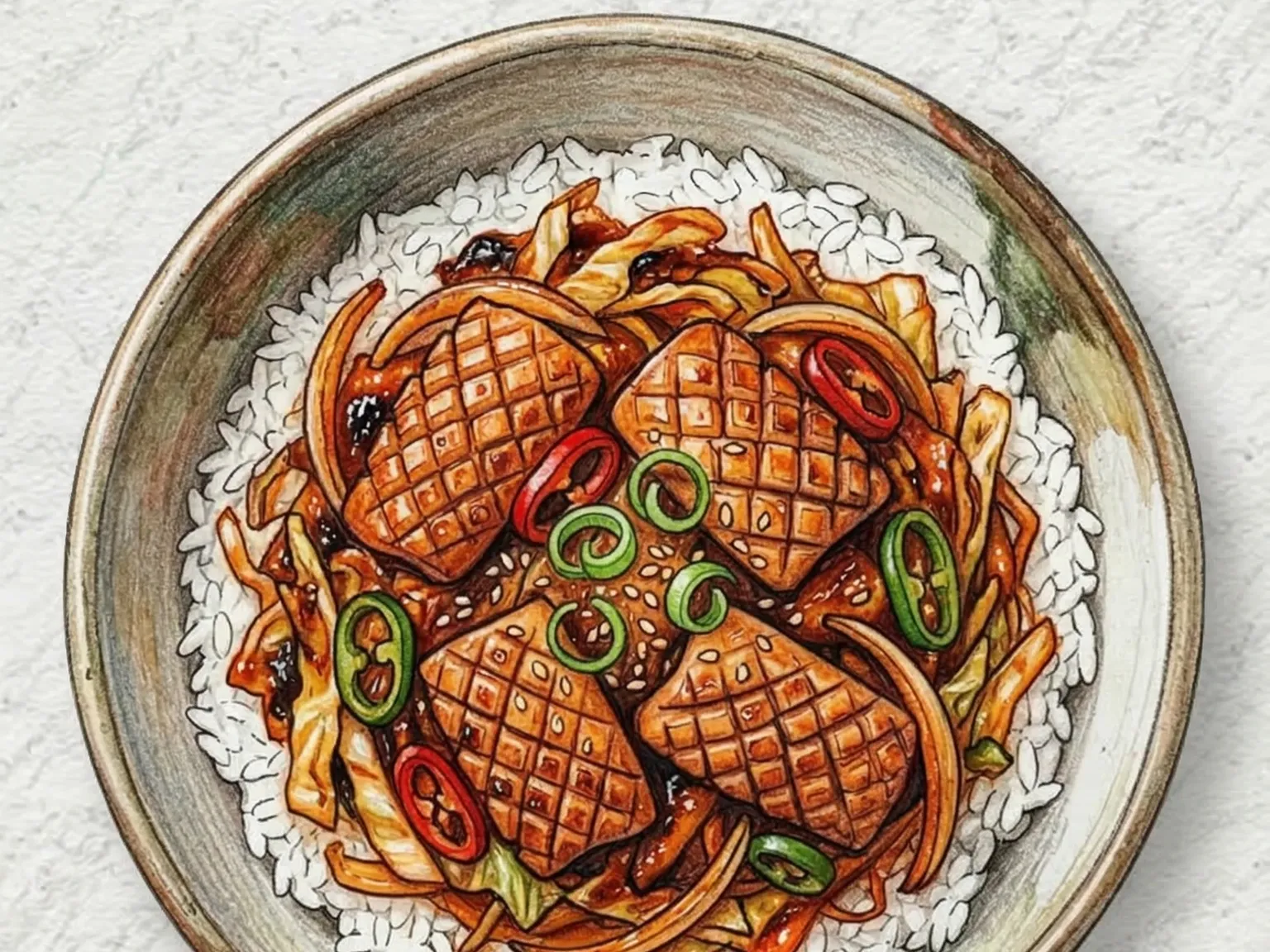
Korean Spicy Pork Rice Bowl
Rice Easy

Korean Spicy Pork Rice Bowl

Pork shoulder is sliced into strips, marinated in gochujang, chili flakes, soy sauce, garlic, and sugar for ten minutes, then stir-fried over high heat until the edges caramelize. Onion goes in first to build sweetness, and green onion added at the end brings a sharp, fresh bite that cuts through the spicy-sweet glaze. A final drizzle of sesame oil rounds out the aroma. Served over steamed rice, the bold sauce coats every grain, making this a satisfying single-bowl meal that comes together in under thirty minutes.

🏠 Everyday 🍱 Lunchbox
Prep 20min Cook 15min 2 servings

Tips

Frying chunjang first removes bitterness and deepens flavor.
Using more onion adds natural sweetness so you can reduce sugar.

Nutrition (per serving)

Calories
640
kcal
Protein
25
g
Carbs
78
g
Fat
24
g