Japanese Kani Salad
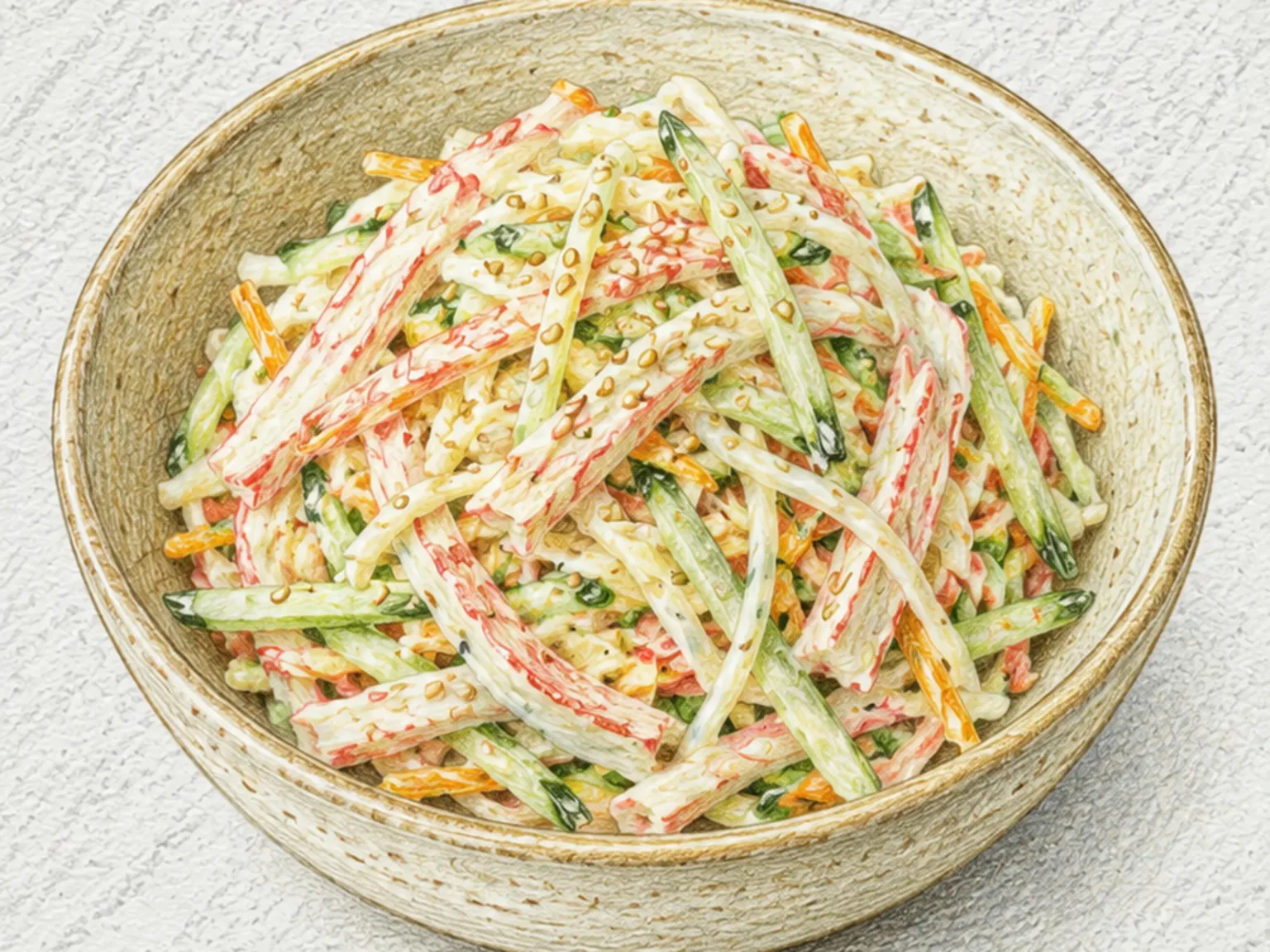
Kani salad shreds imitation crab sticks along the grain for a soft, fibrous texture, then pairs them with julienned cucumber and carrot for crunch. The dressing blends mayonnaise with rice vinegar and lemon juice, producing a coating that is creamy yet finishes clean. Toasted sesame seeds scattered throughout add a nutty warmth that rounds out the mild sweetness of the crab. Patting the vegetables dry before dressing is essential to keep the sauce from thinning. The entire bowl comes together in about ten minutes with no cooking required.
Adjust Servings
Instructions
- 1
Shred the crab sticks into thin strands.
- 2
Julienne cucumber and carrot, then pat dry.
- 3
Whisk mayonnaise, rice vinegar, lemon juice, and sesame seeds for the dressing.
- 4
Add crab and vegetables, then toss lightly with the dressing.
- 5
Chill for 10 minutes before serving.
As an Amazon Associate, we may earn from qualifying purchases.
Tips
Nutrition (per serving)
More Recipes

Soba Sesame Salad (Chilled Buckwheat Noodle Sesame Dressing)
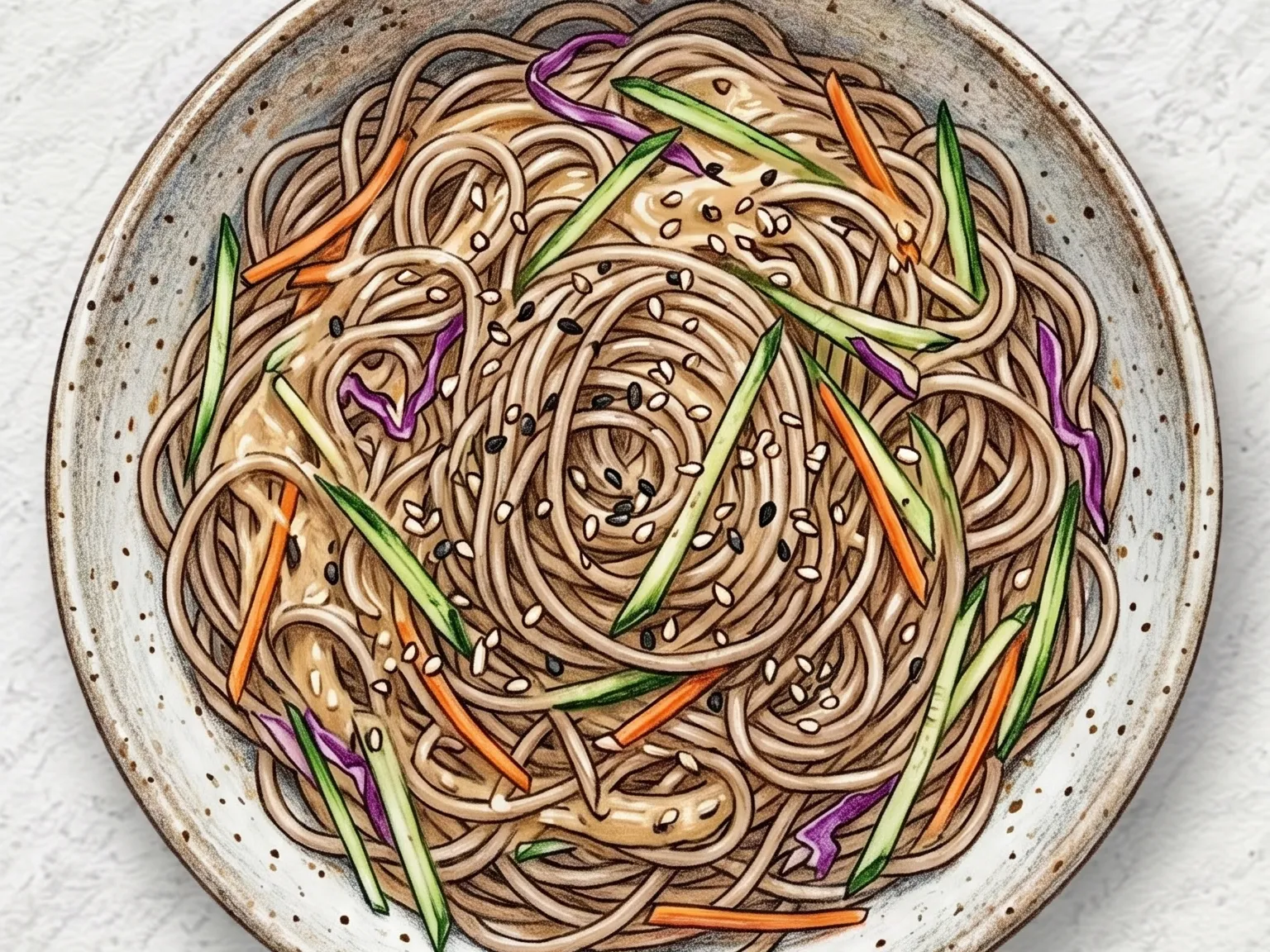
Soba sesame salad cooks buckwheat noodles, rinses them multiple times in cold water to wash away surface starch, and tosses them with julienned cucumber, carrot, and red cabbage in a dressing of soy sauce, rice vinegar, sesame oil, and sesame seeds. The earthy, nutty flavor of buckwheat pairs naturally with toasted sesame, and the vinegar's light acidity prevents the noodles from feeling heavy. Crisp cucumber and red cabbage interrupt the springy noodle texture with a fresh crunch, while julienned carrot threads a gentle sweetness through the bowl. Rinsing the noodles thoroughly in cold water is critical - skipping this step leaves residual starch that dilutes the dressing and causes the strands to clump together.

Chilled Wakame Seaweed Salad
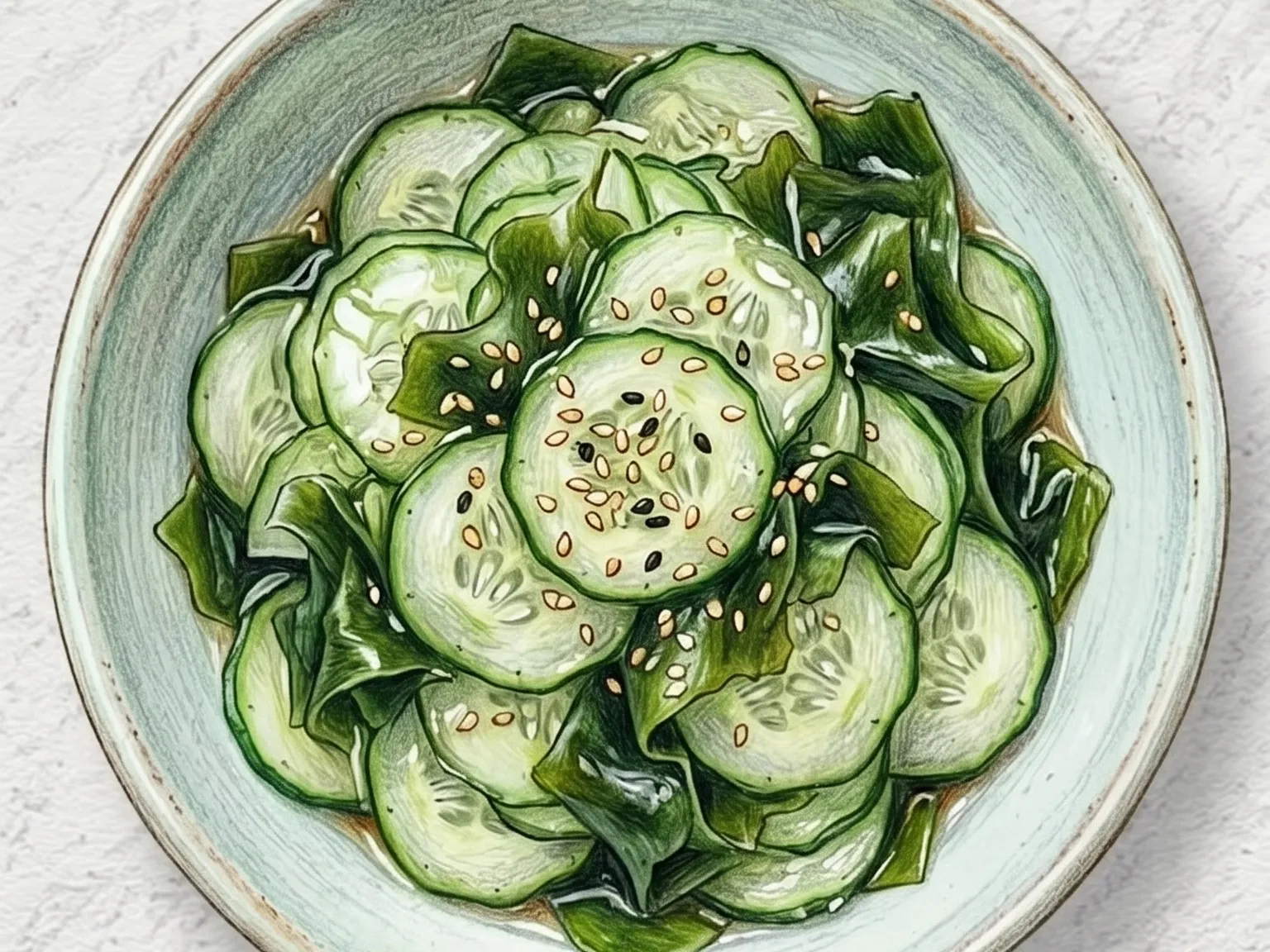
Hiyashi wakame is a chilled Japanese seaweed salad that rehydrates dried wakame in cold water, blanches it for just twenty seconds, then rinses and squeezes it dry before tossing with salt-wilted cucumber slices in a soy-vinegar dressing. The brief blanch is critical - anything longer turns the wakame limp and rubbery, while twenty seconds keeps it smooth and springy. The dressing mixes soy sauce, rice vinegar, sugar, and sesame oil, building a salty umami base sharpened by vinegar's acidity, which highlights the seaweed's natural ocean character. Salting the cucumber for five minutes and pressing out the moisture prevents the dressing from becoming diluted. A final sprinkle of toasted sesame seeds adds a warm, nutty aroma over the cold, clean textures.

Buckwheat Noodle Salad
Buckwheat noodle salad rinses boiled soba noodles several times in cold water to strip away surface starch and firm their texture, then tosses them with leaf lettuce, cucumber, and shredded red cabbage in a tsuyu-based dressing. The cold rinse sharpens the soba's characteristic coarse, chewy bite, and the vegetables weave crisp moisture between the noodle strands. Tsuyu's concentrated savory depth balanced by rice vinegar's acidity creates a dressing that finishes clean on the palate. Shredded roasted seaweed scattered over the top adds a toasted ocean note that carries through each bite. The red cabbage contributes a purple accent that contrasts visually with the muted brown of the buckwheat noodles.

Grapefruit Shiso Shrimp Salad
Grapefruit shiso shrimp salad tosses ice-chilled blanched shrimp, membrane-free grapefruit segments, shredded shiso leaves, and thinly sliced cucumber and radish in a yuja marmalade dressing. Blanching shrimp for just two minutes and shocking them in ice water locks in a firm, springy texture by rapidly contracting the protein. Removing all white pith from the grapefruit eliminates bitterness, leaving only the clean, tart juice of the flesh. The dressing - yuja marmalade, rice vinegar, olive oil, and pepper - doubles down on citrus aroma, while the mint-like herbal note of shiso leaves neutralizes any hint of fishiness. Serving the salad well chilled keeps every texture and fragrance sharp and distinct.

Japanese Shrimp with Mayo
Ebi mayo was invented by Hong Kong-born chef Chou Yuanji while working in Japan, fusing Cantonese prawn cookery with the rich creaminess of Japanese mayonnaise. Shrimp are coated in cornstarch and deep-fried until the shell crackles, then tossed in a sauce of mayonnaise, condensed milk, and lemon juice - the condensed milk tempers the mayo's tang and adds a gentle sweetness. Japanese Kewpie mayonnaise, made with egg yolks only rather than whole eggs, is denser and more umami-rich than Western varieties, and this difference is what gives ebi mayo sauce its distinctive body. The crispy starch coating absorbs the thick sauce on the surface while the shrimp beneath stays springy, creating a two-layered texture - creamy on first contact, then bouncy when the teeth reach the center. Ebi mayo is a staple of izakaya menus and Chinese restaurants in Japan, and has crossed into convenience-store bento boxes and onigiri fillings as one of the country's most ubiquitous fusion flavors.

Miso Sesame Crackers (Savory Thin Crackers with Umami)
White miso and sesame oil are worked into a simple flour dough, rolled thin, and baked until each cracker snaps cleanly with an audible crack. The first flavor to register is the miso's salty umami depth, followed by the lingering nuttiness of toasted sesame seeds and sesame oil. Rolling the dough as thin as possible is essential for even crisping - any thick spots will stay chewy while the rest dries out. A final scatter of flaky salt or cracked pepper before baking sharpens the overall flavor. Because they contain no butter or oil beyond the sesame, the crackers stay remarkably light and keep well in an airtight tin for several days. They work as a standalone snack, a vehicle for cheese and charcuterie, or a crunchy accompaniment to soup.