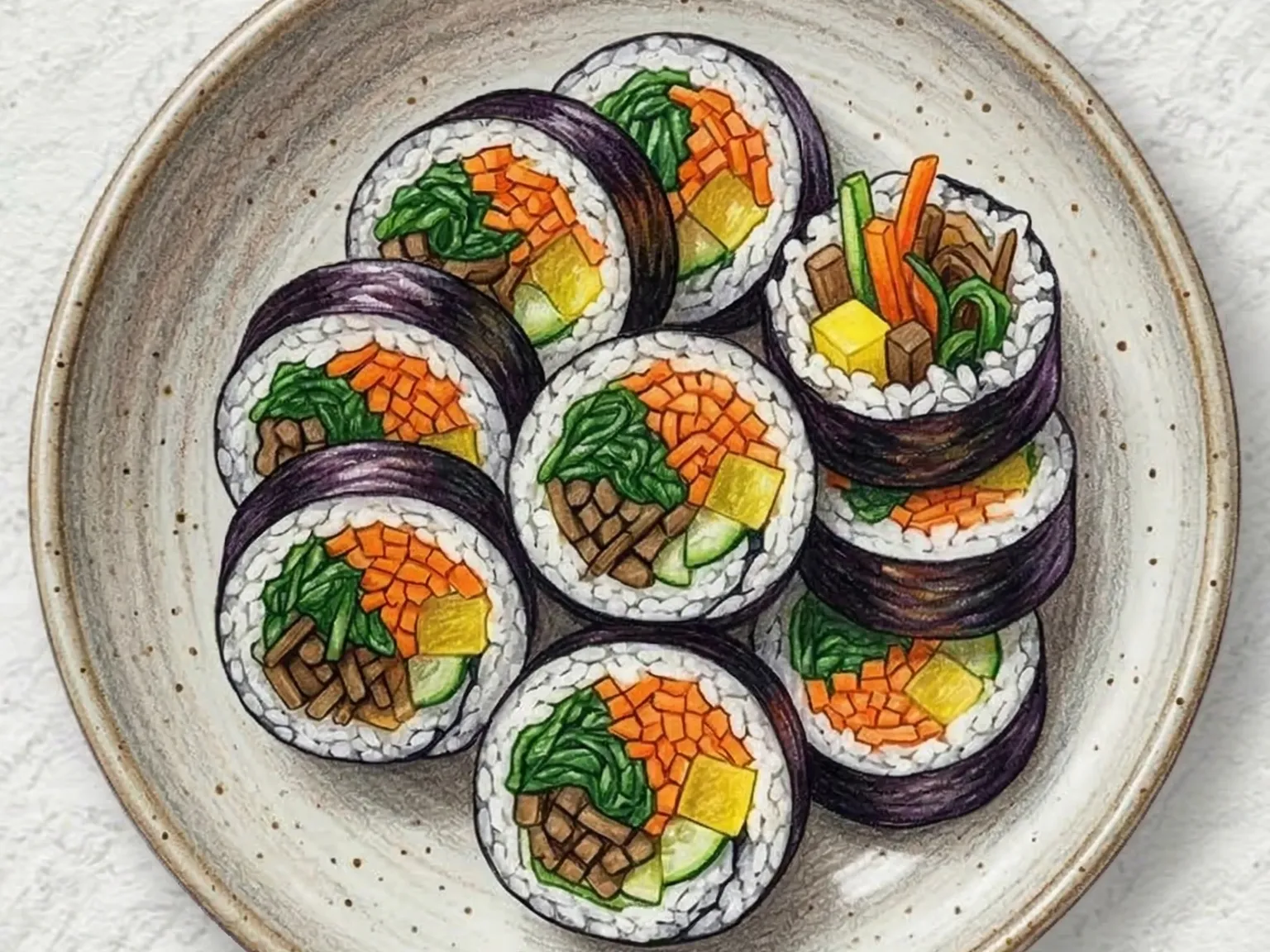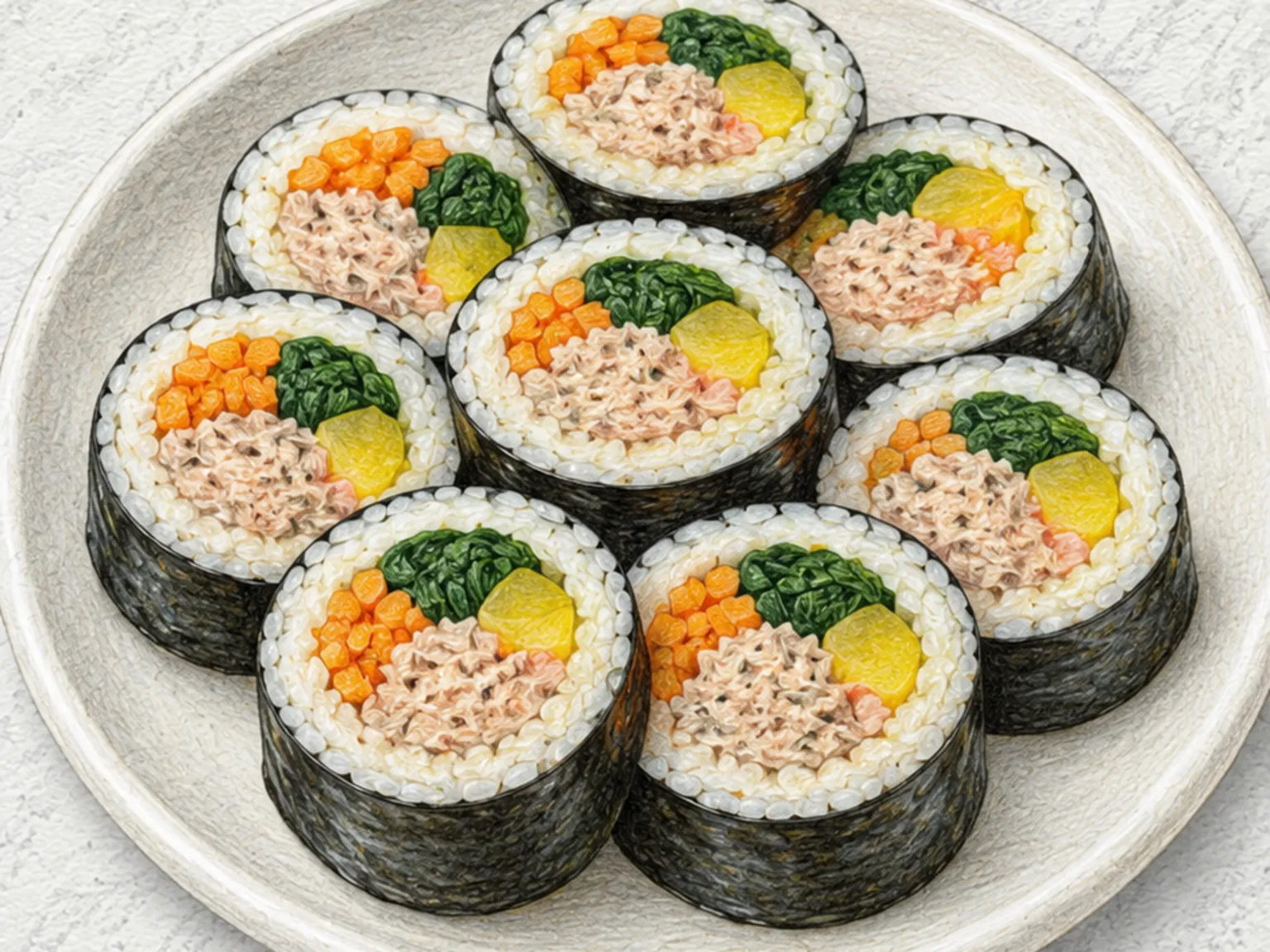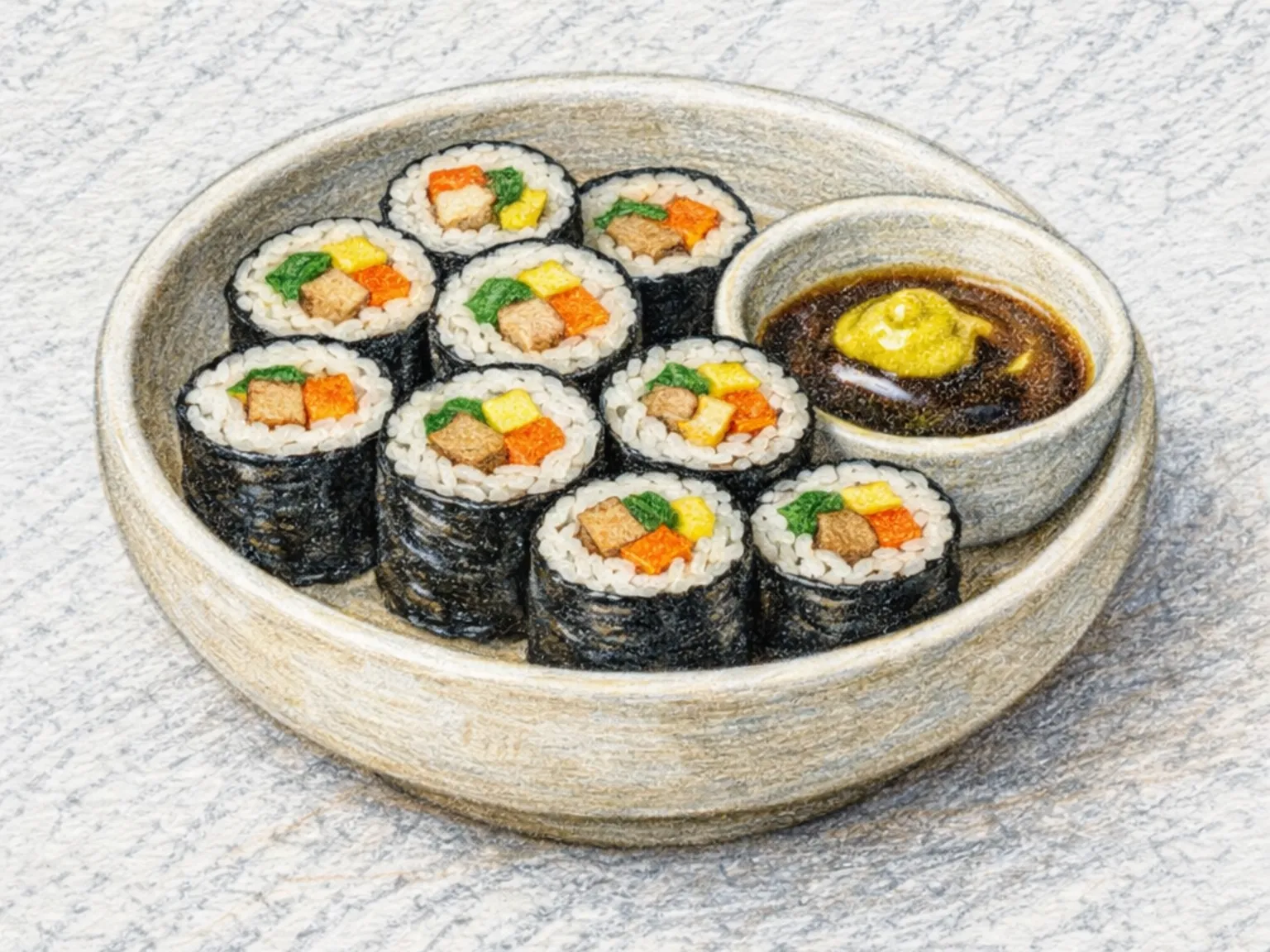
Kimbap Salad Bowl (Without the rice)
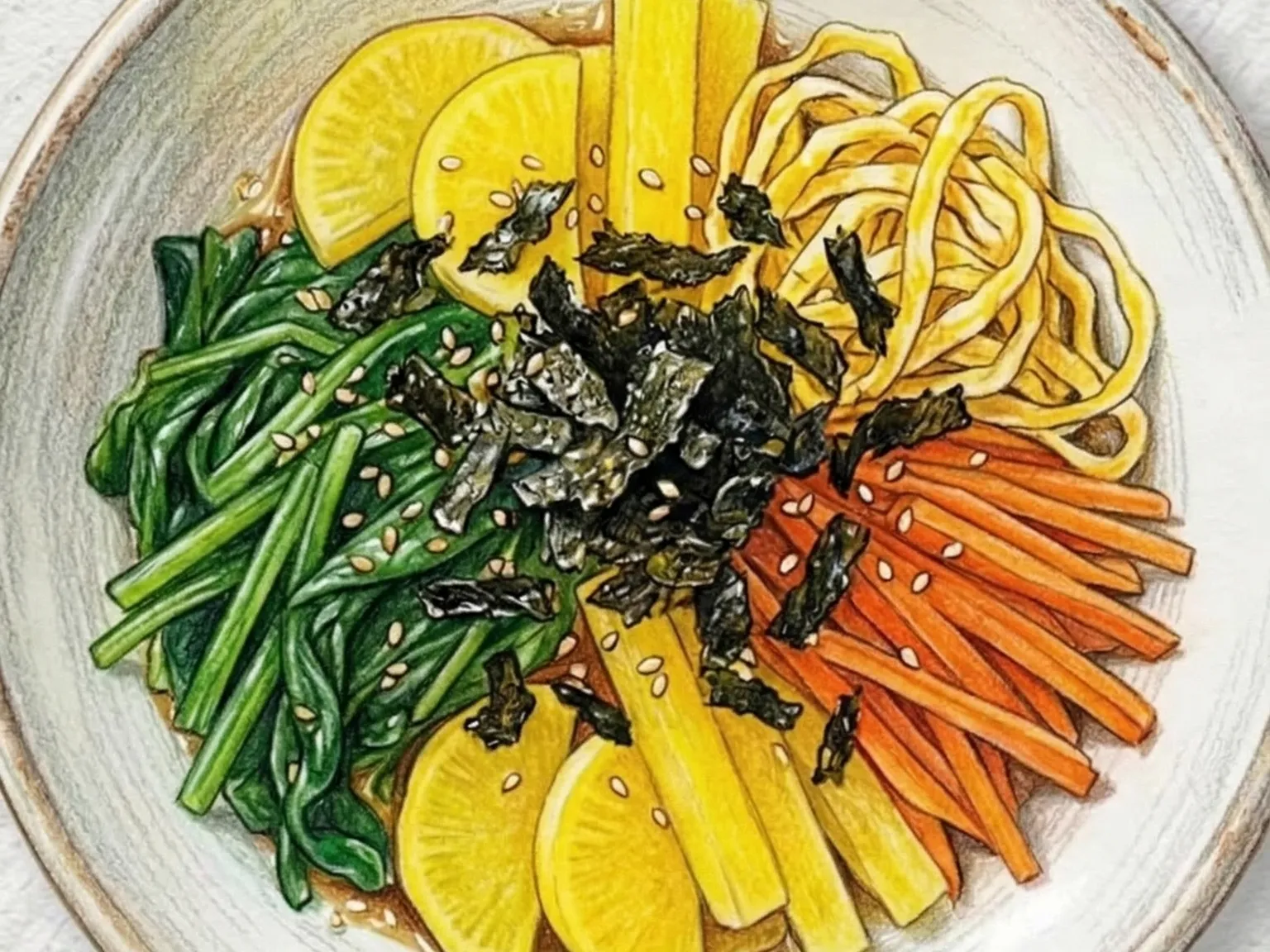
This bowl deconstructs kimbap by arranging its signature fillings - spinach, carrot, pickled radish, and egg strips - without the rice wrapper. A simple sauce of soy sauce and sesame oil ties the components together with the same savory, nutty flavor profile found in traditional kimbap rolls. Seaweed flakes should be added only at the table to preserve their crispness and oceanic aroma. The pickled radish contributes enough salt and acidity to season the entire bowl without extra condiments, making it a satisfying low-carb alternative when a kimbap craving strikes.
Adjust Servings
Instructions
- 1
Make a thin omelet and cut it into strips.
- 2
Blanch spinach for 30 seconds, squeeze, and loosen.
- 3
Julienne cabbage, carrot, and pickled radish.
- 4
Mix soy sauce and sesame oil to make dressing.
- 5
Assemble vegetables and egg strips in bowls, top with seaweed flakes, and serve with dressing.
As an Amazon Associate, we may earn from qualifying purchases.
Tips
Nutrition (per serving)
More Recipes

Ssamjang Tofu Kale Crunch Salad
Ssamjang tofu kale crunch salad sears firm tofu in olive oil for six to seven minutes until golden and crisp on the outside while staying tender within, then combines it with kale massaged with salt, shredded red cabbage, cucumber, and sliced almonds in a ssamjang-based dressing. The dressing blends ssamjang's fermented depth - a mix of doenjang and gochujang - with lemon juice, honey, and olive oil, layering umami, acidity, and gentle sweetness in a way that tempers kale's natural bitterness. Massaging the kale with salt before dressing breaks down its tough cell walls, making the leaves pliable and far more absorbent. Pressing moisture from the tofu thoroughly before pan-frying is what produces the crisp, golden crust rather than a pale, steamed surface.

Salmon Salad (Seared Salmon over Greens with Soy Vinaigrette)
Salmon salad sears a salmon fillet skin-side down until the exterior is crisp and the interior stays moist, then places it over lettuce, shredded red cabbage, sliced avocado, and peppery radish sprouts, dressed with soy sauce, vinegar, minced garlic, and olive oil. Patting the salmon completely dry and seasoning with black pepper five minutes before cooking prevents the skin from sticking to the pan and allows it to crisp evenly - four minutes skin-side down and two minutes flipped produces a center that retains a pale pink translucency for maximum moisture. The avocado's creamy fat harmonizes with the salmon's omega-3 richness, while radish sprouts add a sharp, mustard-like bite that energizes the bowl. The dressing's combination of soy sauce, vinegar, and garlic creates a salty-tangy base that cuts cleanly through the oily fish.

Salmon Avocado Salad
Salmon avocado salad pairs thinly sliced smoked salmon with ripe avocado over a bed of chilled mixed greens, dressed in a lemon-Dijon vinaigrette. The mustard's sharp heat lifts the smoky depth of the salmon, while the lemon's acidity cuts through the avocado's dense, buttery fat. Capers burst with briny tang on each bite, breaking the richness before it becomes heavy, and paper-thin onion slices contribute a raw crunch and mild pungency. Tossing the dressing just before serving keeps the greens crisp and prevents the leaves from wilting under the oil.

Tofu Avocado Salad (Silken Tofu and Avocado Sesame Bowl)
Tofu avocado salad pairs pan-seared firm tofu with ripe avocado over a bed of mixed greens, dressed in soy sauce, sesame oil, and lemon juice. Pressing the tofu thoroughly before searing allows the surface to develop a golden Maillard crust that holds its shape even after tossing with the dressing. The avocado's creamy fat contrasts with the burst of juice from halved cherry tomatoes, creating textural variety in every bite. The dressing layers three dimensions - soy sauce for salinity, sesame oil for nuttiness, and lemon juice for acidity - giving depth to otherwise mild ingredients. Cutting the avocado just before serving prevents oxidation and keeps the color clean.

Korean Avocado Gimbap (Creamy Avocado Crab Seaweed Rice Roll)
Avocado gimbap is a contemporary Korean creation that appeared in the 2010s as avocado became widely available in Korean grocery stores and cafes. Traditional gimbap uses danmuji, ham, and seasoned vegetables rolled in seaweed and rice, but this version places thick slices of ripe avocado at the center, where its buttery, neutral creaminess complements the sesame-oiled rice without competing with the other fillings. The avocado must be firm enough to hold its shape when sliced but soft enough to yield when bitten - the narrow window between underripe and overripe is critical. The rice is seasoned lightly with sesame oil and salt, and the nori provides a toasty, oceanic wrapper that grounds the mild avocado. Often paired with crab stick, cucumber, and a thin strip of egg jidan for color and protein. The cross-section reveals concentric rings of green, white, and yellow that make this gimbap one of the most visually striking versions. Popular as a light lunch or picnic food in Korean cities.

Korean Broccoli Doenjang Salad
Blanched broccoli in doenjang dressing - a modern Korean banchan bridging Western ingredients with traditional seasoning logic. Florets and thinly sliced stems blanch ninety seconds, then are shocked in cold water for vivid green and a firm bite. The dressing combines doenjang with vinegar and oligosaccharide syrup - fermented salt, acidity, and gentle sweetness that lifts mild bitterness. Ready in under ten minutes and keeps refrigerated for days.