Korean Kimchi Fried Rice (Kimchi Bokkeumbap)
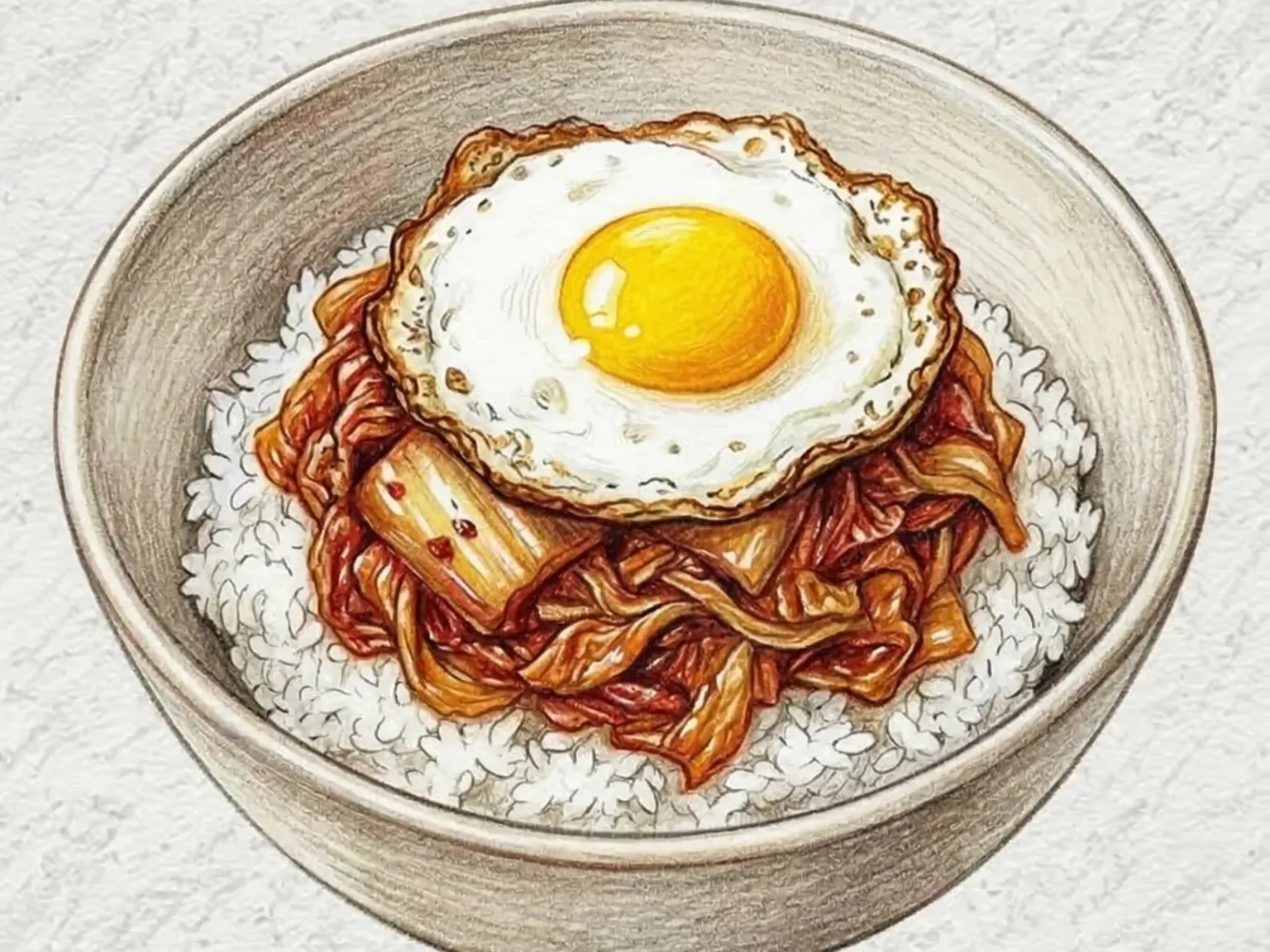
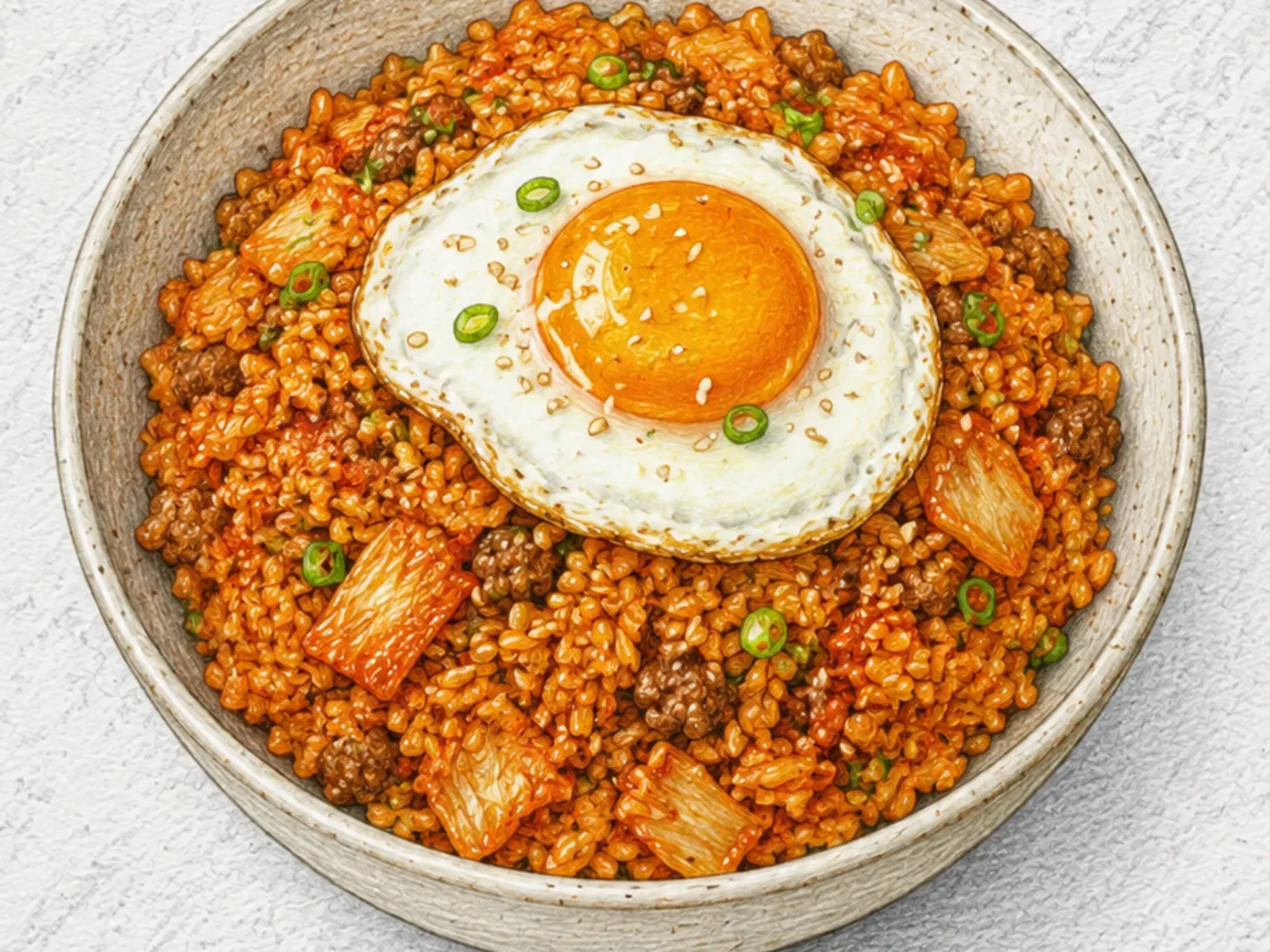
Finely chopped aged kimchi is stir-fried with ground pork, and the fermentation tang meets rendered pork fat to build a deep, layered umami. Kimchi juice goes into the pan along with gochujang and a touch of sugar, coating the rice in a spicy-sweet glaze. High heat is critical - quick tossing keeps each grain separate and slightly crisp rather than mushy. A soft-fried egg on top lets the runny yolk temper the heat, and using well-fermented kimchi dramatically deepens the flavor profile. Variations with spam or canned tuna are equally popular across Korean home kitchens.
Adjust Servings
Instructions
- 1
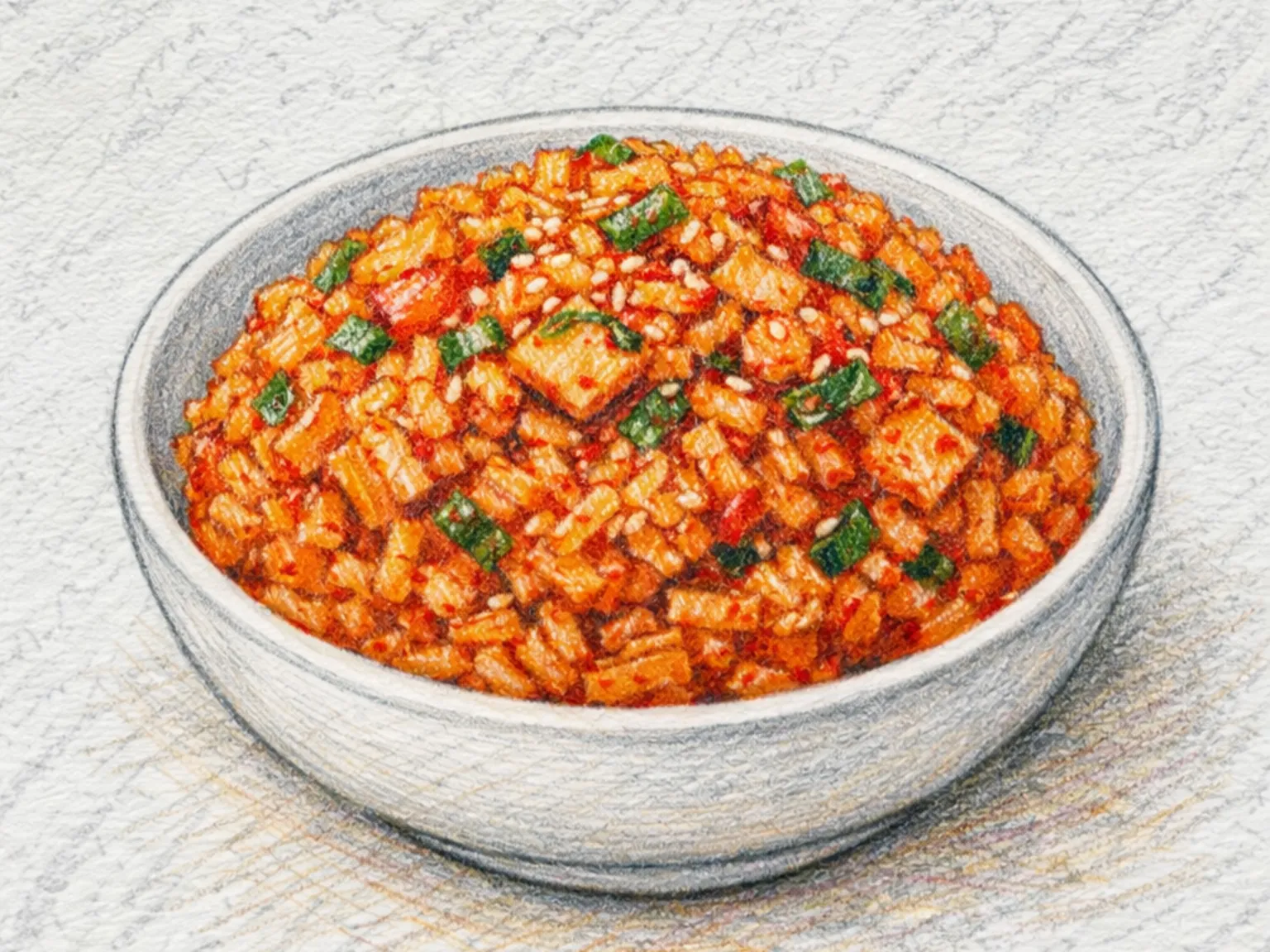
Chop kimchi into small pieces and reserve the juice.
- 2
Heat oil in a pan and stir-fry ground pork until cooked.
- 3
Add kimchi and stir-fry for 2-3 more minutes.
- 4
Add rice, kimchi juice, gochujang, and sugar. Stir-fry on high heat.
- 5
Drizzle sesame oil and turn off the heat.
- 6
Fry eggs sunny-side up in a separate pan and place on top.
- 7
Garnish with sliced green onion and serve.
As an Amazon Associate, we may earn from qualifying purchases.
Tips
Nutrition (per serving)
Variations
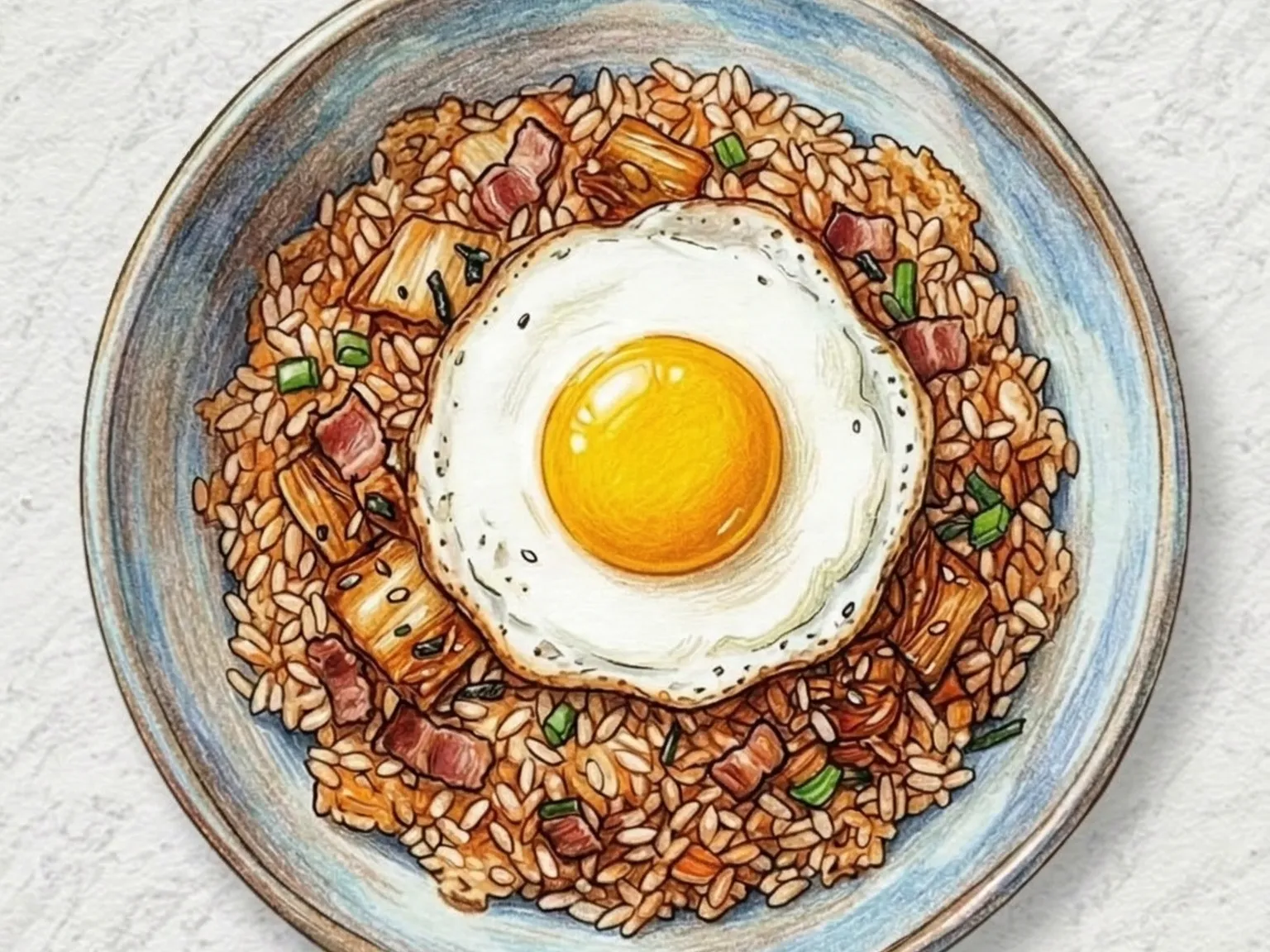
Bacon Kimchi Fried Rice
This fried rice combines the tang of aged kimchi with the smoky richness of bacon. It is savory, bold, and satisfying as a one-bowl meal.
Pork Belly Kimchi Fried Rice
This fried rice uses pork belly fat and kimchi for bold flavor. Richness from the meat balances the kimchi tang nicely.
More Recipes

Korean Bunsik Kimchi Bokkeumbap (Kimchi Fried Rice)
Bunsik-style kimchi fried rice starts by making scallion oil from green onions, then stir-frying well-fermented kimchi to drive off moisture before seasoning with gochujang and soy sauce and tossing in day-old rice. The scallion oil lays a nutty base across the rice, and the aged kimchi's sharp acidity layers with the gochujang's heat to build depth. Cold leftover rice fries without turning mushy, keeping individual grains distinct, and the dish is topped with seaweed flakes and a runny fried egg. A small amount of sugar can be added if the kimchi's sourness is overpowering.

Korean Chicken Rice Porridge
Dakjuk is a Korean chicken rice porridge built from a simple foundation: a whole chicken breast poached in water until tender, then shredded along the grain and returned to the broth with soaked rice. The rice is first sauteed briefly in sesame oil with minced garlic to coat each grain before the stock goes in, which adds a subtle nuttiness to the finished porridge. As the rice simmers and breaks down over twenty-five minutes of patient stirring, it releases starch that thickens the liquid into a smooth, flowing consistency. The chicken contributes lean protein without heaviness, and the garlic mellows into a gentle warmth rather than a sharp bite. Sliced green onion scattered on top provides a fresh contrast. Dakjuk has been a go-to restorative meal in Korean households for generations - eaten when the body is recovering, when the stomach needs rest, or simply when a warm, undemanding breakfast is what the morning calls for.

Korean Seafood Fried Rice
Mixed seafood including shrimp, squid, and mussel meat is stir-fried together on high heat until a smoky wok char develops. Day-old cold rice works best because its lower moisture content lets the grains separate cleanly in the pan, and seasoning with soy sauce and oyster sauce layers additional depth on top of the seafood's own brininess. Cracking the eggs into the pan first and immediately tossing the rice on top coats each grain in a thin shell of egg, yielding a lightly crisp exterior. Sesame oil is drizzled only after the heat is off so its fragrance stays intact.

Korean Fish Cake Fried Rice
Eomuk bokkeumbap is a Korean fried rice made with diced fish cake, carrot, egg, and soy sauce - a dish built for the days when the pantry holds just the basics. The fish cake develops a lightly crisp edge when stir-fried in oil, releasing its mild, briny savoriness into the rice. Egg is scrambled on one side of the pan before being folded into the rice, adding richness without complicating the flavor. Soy sauce seasons the grains while a drizzle of sesame oil at the end gives the whole dish a glossy, nutty finish. Green onion tossed in just before plating contributes a fresh bite. The entire preparation takes about ten minutes from start to finish, making it one of the quickest rice dishes to pull together when no shopping trip is possible. It works well as a simple lunch or an after-school snack for children.

Korean Spam Fried Rice (Crispy Spam Cubes with Egg and Rice)
Spam bokkeumbap is a Korean fried rice built around crispy cubes of pan-seared Spam, whose salty, caramelized edges give the dish an addictive quality. The Spam is diced small and dry-fried without added oil - its own rendered fat crisps the outside while keeping the inside moist and savory. Onion and scallion go in next for aromatic depth, followed by cold leftover rice that is tossed over high heat until every grain picks up the salty pork flavor left in the pan. Beaten egg is scrambled into the rice, coating the grains in a thin, soft layer. A splash of soy sauce and a drizzle of sesame oil finish the dish with umami and nuttiness. The whole thing comes together in under ten minutes, making it one of the fastest comfort meals in the Korean home-cooking repertoire.

Korean Crispy Kimchi Fried Dumplings
Kimchi gun mandu are pan-fried dumplings filled with finely chopped kimchi, squeezed tofu, ground pork, and green onion seasoned with soy sauce and garlic, shaped into half-moons. The bottoms are first crisped in oil, then water is added and the pan is covered for four minutes to steam the tops, achieving a contrast of crunchy base and moist upper wrapper. The kimchi's acidity and heat permeate the pork fat to create a more assertive umami than plain dumplings, and the tofu smooths out the filling's texture. A splash of vinegar in the soy dipping sauce cuts any greasiness.