Kimchi Garlic Butter Shrimp Spaghetti
Pasta Easy

Kimchi Garlic Butter Shrimp Spaghetti

Quick answer

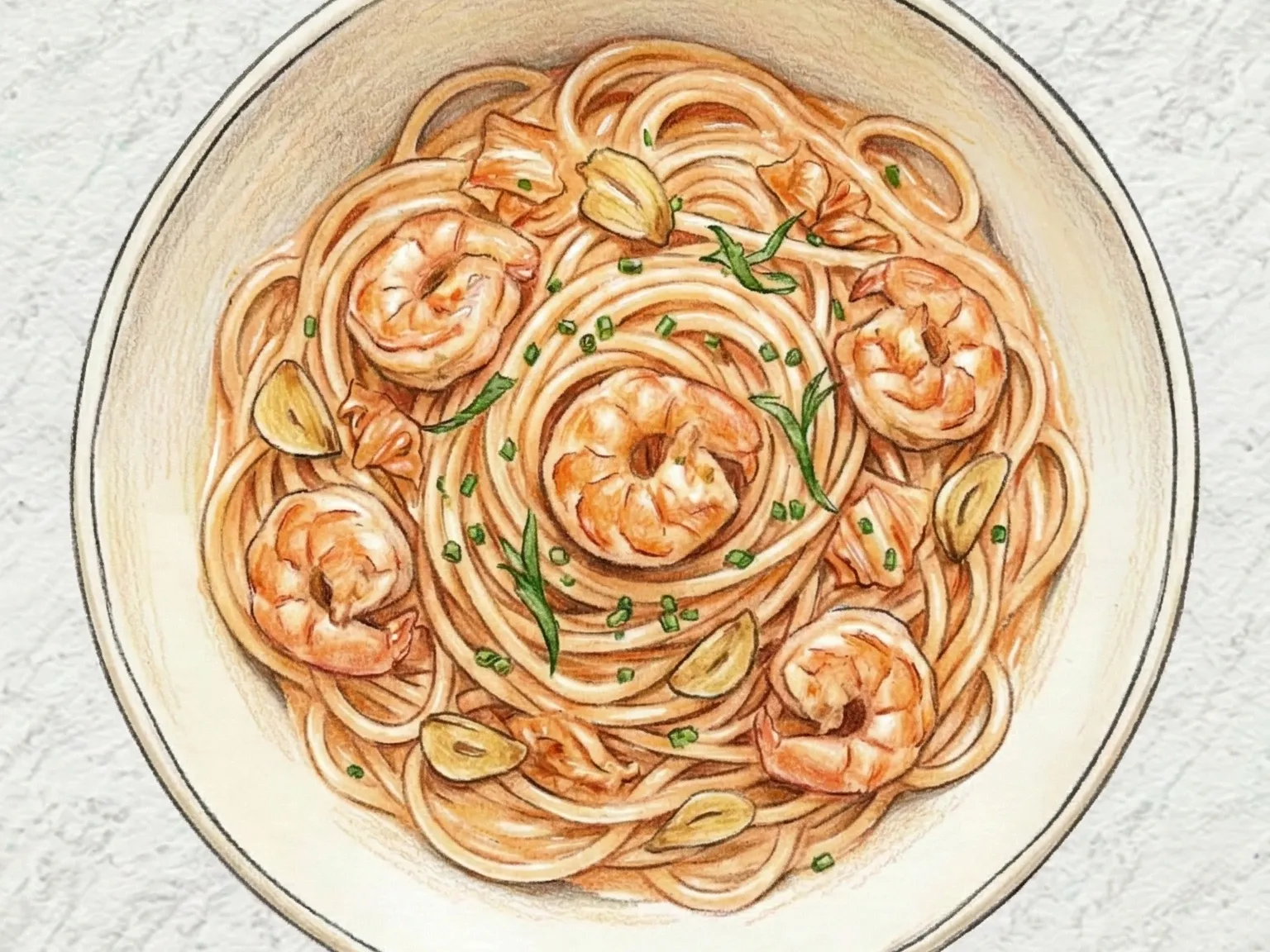
Kimchi garlic butter shrimp spaghetti is an oil-based pasta where garlic browned in butter and fermented kimchi together amplify the natural sweetness of shrimp.

What makes this special

  • Korean kimchi and garlic butter amplify the sweetness of seared shrimp in this oil pasta.
  • Shrimp seared first to leave shell aroma in the pan for the garlic-kimchi base
  • Butter emulsified with pasta water for a glossy sauce without heaviness
Total time
30 min
Level
Easy
Servings
2 servings
Ingredients
9
Calories
690 kcal
Protein
36 g

Key ingredients

spaghettishrimpripe kimchigarlicunsalted butter

Core cooking flow

  1. 1 Cut 120g kimchi into 1cm pieces and thinly slice 5 garlic cloves.
  2. 2 Cook 180g spaghetti in salted boiling water until al dente.
  3. 3 Melt 1 tablespoon olive oil and 15g butter in a pan.

Kimchi garlic butter shrimp spaghetti is an oil-based pasta where garlic browned in butter and fermented kimchi together amplify the natural sweetness of shrimp. The shrimp are seared first in olive oil to build fond on the pan, then garlic and chopped kimchi go into the same pan to absorb those flavors. Butter and starchy pasta water are emulsified into a glossy, light coating rather than a heavy sauce. Gochugaru provides a gentle background heat, and a squeeze of lemon at the end lifts the richness. Sliced scallions finish the dish with color and a mild onion note.

Prep 12min Cook 18min 2 servings

Instructions

Read the steps as a cooking flow: prep, heat, seasoning, doneness control, and finish.

6 steps
  1. 1
    Season

    Cut 120g kimchi into 1cm pieces and thinly slice 5 garlic cloves.

    Pat 200g shrimp dry and season lightly with salt.

  2. 2
    Finish

    Cook 180g spaghetti in salted boiling water until al dente.

    Reserve 100ml pasta water before draining.

  3. 3
    Step

    Melt 1 tablespoon olive oil and 15g butter in a pan.

    Sear the shrimp for 1 minute per side until pink, then remove.

  4. 4
    Control

    In the same pan cook the garlic and kimchi over medium heat for 3 minutes to mellow the acidity.

    Add 0.5 tablespoon gochugaru and stir-fry for 30 more seconds.

  5. 5
    Control

    Add the cooked spaghetti, 60ml pasta water, and remaining 15g butter.

    Toss vigorously over high heat for 1-2 minutes to emulsify the sauce.

  6. 6
    Finish

    Return the shrimp to the pan, add 1 tablespoon lemon juice, turn off the heat, and scatter 2 tablespoons sliced green onion over the top. Serve immediately.

After the steps

Pick a recipe that fits this dish.

Continue with shared ingredients, meal pairings, or a similar method.

Recipes That Go Well With This

More Pasta →

Based on shared ingredients and meal pairing

Soy Butter Steak Garlic Spaghetti
Shared ingredient: spaghetti Pasta

Soy Butter Steak Garlic Spaghetti

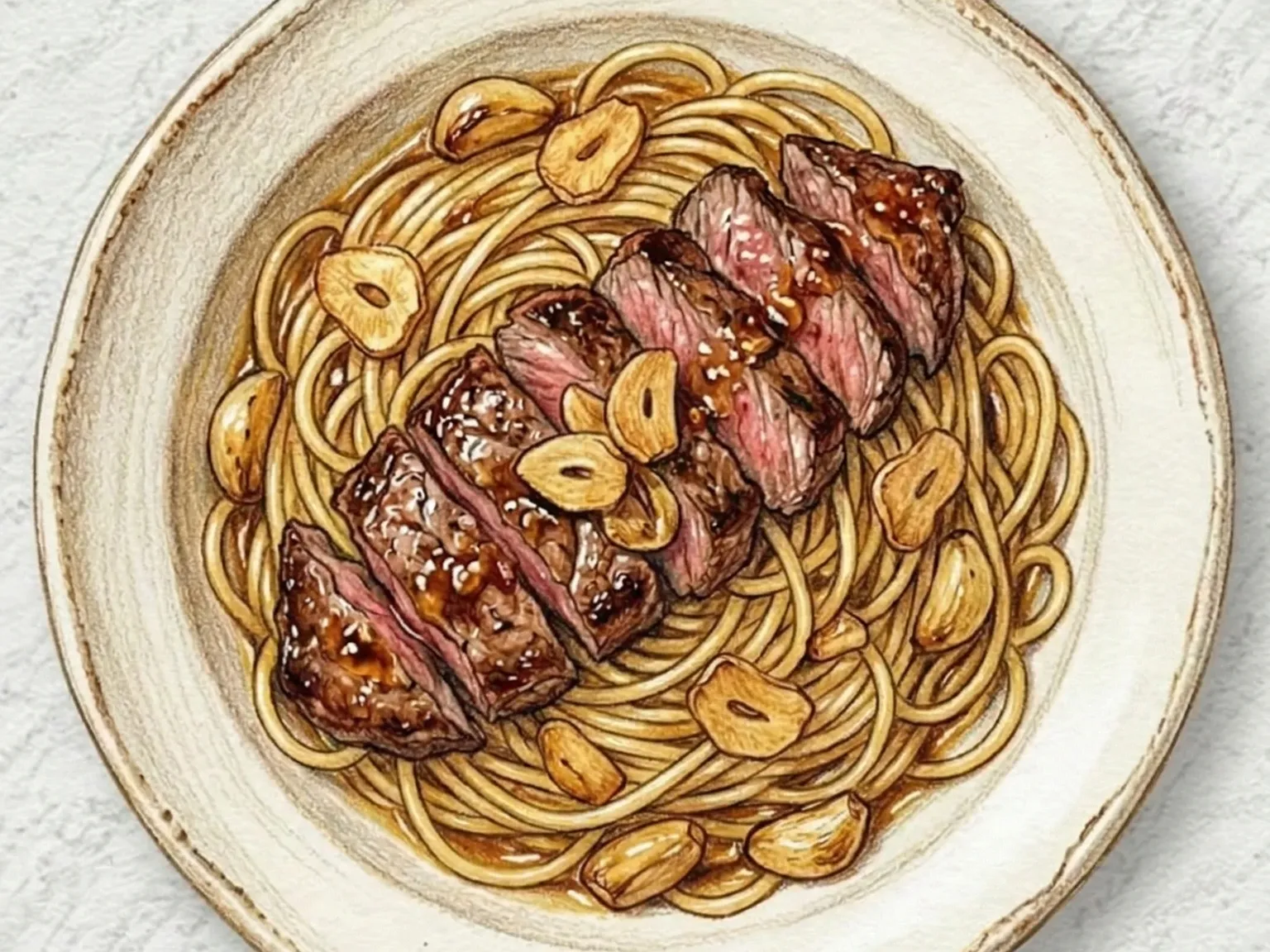
Thick-cut sirloin seared at high heat, then glazed in soy sauce and butter, forms the base of this steak pasta. The fond left in the pan gets deglazed with soy sauce and butter, then emulsified with pasta water into a thin, shiny coating that clings to each strand without turning greasy. Generous garlic browned in olive oil beforehand builds a deep, roasted-garlic base that runs through the entire sauce, and tsuyu -- a Japanese seasoning concentrate made from kombu and bonito -- adds the round umami depth of dashi without any extra steps. The steak is best cooked to medium-rare and sliced against the grain before laying over the pasta; resting the meat first keeps the juices from running out when cut. Black pepper and sliced scallions cut through the richness at the end. The full cook time is about 20 minutes, and pasta water volume controls the final sauce consistency.

Soy-Garlic Chicken Parmesan Spaghetti
Shared ingredient: spaghetti Pasta

Soy-Garlic Chicken Parmesan Spaghetti

Soy garlic chicken Parmesan spaghetti represents a fusion of culinary traditions, integrating a marinade rooted in Korean flavors with the structural framework of a classic Italian pasta dish. For the protein component, chicken thigh pieces undergo a marination process involving a mixture of soy sauce, finely minced garlic, and honey. During the subsequent cooking phase, these ingredients are pan seared at a high temperature. This heat causes the natural sugars found in both the honey and the soy sauce to undergo caramelization, resulting in the formation of a dark and sticky glaze that coats the exterior of the meat. Garlic serves as a recurring element in the preparation, being used first within the initial marinade and then again when it is sauteed directly into the tomato sauce base. This repetition ensures that a consistent aromatic quality is maintained throughout the various layers of the meal from the start of cooking to the final assembly. The acidity inherent in the tomato sauce introduces a bright fruit character to the profile. This sharpness functions to balance the density of the sweet and salty glaze on the chicken, preventing the richness of the marinade from becoming overwhelming. A generous amount of grated Parmesan cheese is applied over the dish to introduce a nutty and salty depth. This cheese layer acts as a bridge between the Korean seasoning applied to the chicken and the Italian pasta that serves as the foundation of the plate. The choice of chicken thigh is intentional because this specific cut retains its internal moisture even during a hard sear. It remains succulent in a way that chicken breast meat often does not when subjected to similar levels of heat. The final preparation is completed with a garnish of thinly sliced scallions, which provides a clean green finish to the presentation.

Salmon Avocado Salad
Serve together Salads

Salmon Avocado Salad

Salmon avocado salad brings smoked salmon and ripe avocado together over chilled mixed greens with a lemon-Dijon vinaigrette that ties everything into focus. The dressing, olive oil whisked with fresh lemon juice and Dijon mustard, turns the smoky depth of the salmon clearer and brighter while the acidity cuts cleanly through the buttery weight of the avocado. Capers scattered throughout burst with briny tang on each bite, introducing a punchy contrast that keeps the richness from becoming monotonous. Paper-thin slices of raw onion contribute sharp fragrance and a clean crunch against the soft textures of salmon and avocado. Adding the dressing just before serving is the one step that matters most for texture, because the greens hold their crispness only if dressed at the last moment.

Gamtae Butter Scallop Spaghetti
Similar recipe Pasta

Gamtae Butter Scallop Spaghetti

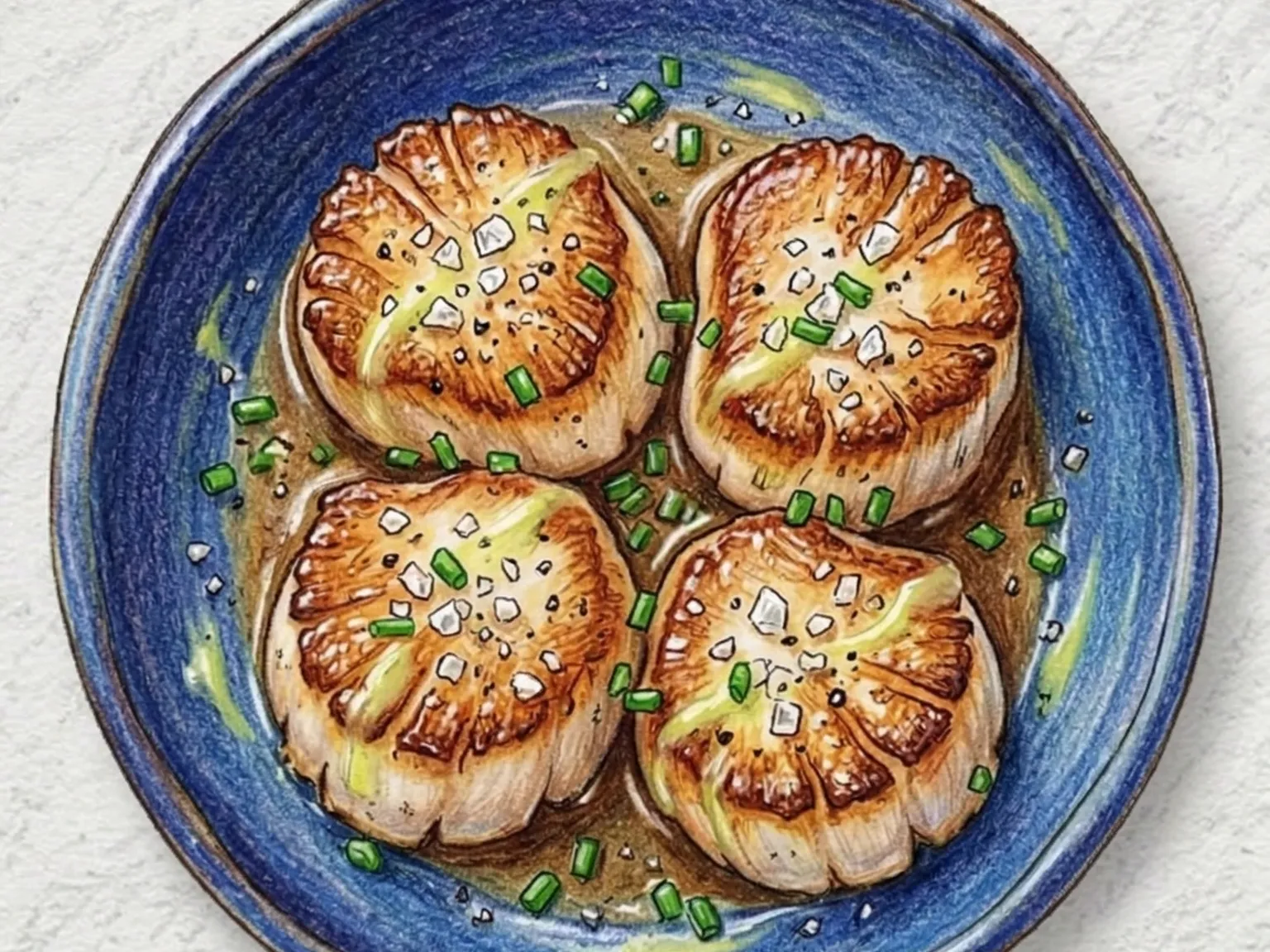
Preparing gamtae butter scallop spaghetti requires high heat to develop a properly caramelized exterior on the scallops. This process involves searing the scallops for ninety seconds on each side to create a deep brown crust. Before the scallops ever touch the pan, it is essential to ensure they are completely dry by patting them down thoroughly with paper towels. Removing all surface moisture prevents the scallops from steaming in the pan. If the scallops remain damp, they will turn out soft and pale instead of achieving the intended texture and color. After the scallops have been removed from the heat, the remaining browned bits, known as the fond, serve as the primary flavor foundation for the sauce. Garlic and butter are added to the same pan, followed by white wine which is used to deglaze the surface. As the liquid simmers, the alcohol evaporates, leaving behind a clean acidity that balances the richness of the other ingredients. The sauce is finished by swirling in cold butter at the final stage, which creates a smooth and stable emulsion that coats each spaghetti strand evenly. The final component is gamtae seaweed, which has a flavor profile that is notably more delicate and milder than standard nori. By crumbling this seaweed over the pasta immediately before it is served, you introduce a subtle oceanic quality that bridges the gap between the richness of the butter and the natural sweetness of the scallop meat. To complete the preparation, a measured amount of fresh lemon juice is squeezed over the dish. This acidity sharpens the various flavor components and reduces the perceived heaviness of the fats, ensuring that the pasta remains balanced throughout the meal.

Serve with this

Sansuyu-cha (Korean Cornelian Cherry Tea)
Drinks Easy

Sansuyu-cha (Korean Cornelian Cherry Tea)

Sansuyu-cha is a traditional Korean tea made by simmering dried cornelian cherry fruits with halved jujubes and sliced ginger in water, first bringing it to a boil over medium heat then reducing to low for fifteen minutes. Cornelian cherry, known in Korean as sansuyu, is a small red fruit with a pronounced tartness that forms the backbone of this tea. The jujubes are split to expose their flesh and soften the brew with mellow sweetness, while ginger threads a warm spiciness through the entire pot. Keeping the total simmer time under twenty minutes matters because the berries contain tannins that leach into the liquid when overcooked, adding an unpleasant bitterness that overshadows the bright fruity notes. Once done, the tea is strained through a fine sieve and honey is stirred in off the heat, rounding out the acidity without flattening it. Pine nuts floated on top slowly release a subtle nuttiness that ties the tart, sweet, and spicy notes into a cohesive cup. In Korean traditional medicine, cornelian cherry has long been used to support kidney health and combat fatigue, and this tea has been consumed as a tonic during seasonal changes and periods of physical exhaustion for generations.

🍺 Bar Snacks ⚡ Quick
Prep 8min Cook 20min 2 servings
Dasik (Korean Honey-Pressed Roasted Grain Confection)
Baking Easy

Dasik (Korean Honey-Pressed Roasted Grain Confection)

Dasik is a traditional Korean pressed confection made by kneading roasted grain or nut powders with honey and pressing the mixture into carved wooden molds. Unlike baked goods, dasik holds its shape entirely through the binding power of honey, with no heat applied during preparation. This technique produces a texture that is slightly resistant at first contact, then dissolves gently at body temperature in a way that releases the full aroma of the main ingredient. Roasted soybean powder yields a nutty version, black sesame produces a deeply aromatic one, and additions of pine nut powder or cinnamon develop the flavor in different directions. The wooden molds carve decorative patterns into the surface of each piece, giving dasik a visual refinement that matches its restrained sweetness. For centuries, dasik has been a standard offering at Korean tea gatherings, and its subtle flavor remains a natural match for the gentle bitterness of green tea.

🧒 Kid-Friendly ⚡ Quick
Prep 20min 4 servings
Gambas al Ajillo (Garlic Shrimp)
Western Easy

Gambas al Ajillo (Garlic Shrimp)

Gambas al ajillo cooks peeled shrimp in a generous pool of olive oil infused with thinly sliced garlic and dried red chili over low heat, a method that turns the oil itself into the flavor foundation of the dish. The garlic must be coaxed slowly to release its sweetness into the oil without crossing into bitterness - the moment it turns golden, the shrimp go in and cook for two to three minutes until pink and just cooked through. A seasoning of salt, black pepper, and a scatter of chopped parsley finishes the pan. The dried chili adds a gentle warmth that sharpens both the garlic-scented oil and the natural sweetness of the shrimp, while the olive oil absorbs and carries all these flavors together. Sliced baguette served alongside is not optional - it exists to soak up the deeply flavored oil, and mopping the pan completely clean is the traditional way to end the dish. Keeping the heat consistently low throughout is the one non-negotiable rule: high heat burns the garlic in seconds and toughens the shrimp.

🍺 Bar Snacks ⚡ Quick
Prep 10min Cook 10min 2 servings

Similar recipes

Korean Aged Kimchi Mackerel Bibim Noodles
Noodles Hard

Korean Aged Kimchi Mackerel Bibim Noodles

Pan-searing mackerel until golden and pairing it with stir-fried aged kimchi creates a multi-layered Korean noodle bowl. Sprinkling salt over the fish for ten minutes draws out excess moisture to minimize any fishy scent. Once the fillet is crispy and flaked, the meat integrates easily into the noodles without the hindrance of bones. Stir-frying the aged kimchi for two minutes mellows its sharp acidity while anchoring the fermented profile of the dish. The dressing uses a base of gochujang and gochugaru, balanced with plum syrup, vinegar, and sesame oil to provide spicy, sweet, and tangy elements in every bite. Adding a touch of doenjang strengthens the connection to the fermented kimchi and builds a solid base of flavor. Draining the wheat noodles completely ensures the sauce stays concentrated and clings to each strand. Sliced cucumber and roasted seaweed flakes add texture and a hint of the sea to cut through the mackerel's natural oils, while julienned perilla leaves contribute a refreshing herbal scent. Mixing hot rice into the sauce remaining at the bottom of the bowl provides a final way to finish the meal.

🎉 Special Occasion 🌙 Late Night
Prep 25min Cook 15min 2 servings
Kimchi Tofu Alfredo Farfalle (Creamy Kimchi Bow-Tie Pasta)
Pasta Easy

Kimchi Tofu Alfredo Farfalle (Creamy Kimchi Bow-Tie Pasta)

Kimchi tofu Alfredo farfalle is a fusion pasta that counters the richness of a cream-and-Parmesan Alfredo sauce with the lactic acidity of well-fermented kimchi. Garlic bloomed in butter forms the aromatic base, then cream, milk, and Parmigiano are combined into the classic Alfredo sauce, after which chopped kimchi is folded in to introduce fermented tang and a layer of umami that a standard Alfredo lacks. Firm tofu cut into cubes and pan-fried until each side is golden provides a mild, neutral protein element with direct textural contrast against the smooth sauce. Farfalle's pinched center holds pockets of sauce against each piece of pasta, delivering a consistent hit of creaminess in every bite, and freshly ground black pepper draws a sharp line through the richness at the finish. The entire dish moves from pan to plate in about 15 minutes.

🏠 Everyday ⚡ Quick
Prep 10min Cook 15min 2 servings
Korean Garlic Scape Kimchi
Kimchi Easy

Korean Garlic Scape Kimchi

Maneul jong kimchi is a garlic scape kimchi made by lightly brining freshly harvested scapes, then dressing them in a seasoning paste of gochugaru, fish sauce, and plum syrup blended with pureed onion and pear. The scapes' sharp, piercing garlic aroma does not diminish through fermentation - it persists alongside the stems' crisp bite, delivering alternating pulses of heat and umami that build with each chew. Pear works into the base to introduce a fruit sweetness that blunts the chili intensity, while fish sauce provides the fermented backbone that grounds the entire kimchi. Trimming the fibrous bottoms before seasoning produces a more uniform snap throughout. Leaving the jar at room temperature for roughly two days allows the flavors to integrate and mellow into balance before refrigerating. This is a seasonal kimchi made only in spring when garlic scapes appear in the market, and its combination of raw green pungency and assertive garlic heat sets it apart from any other variety in the Korean kimchi repertoire.

🍱 Lunchbox 🏠 Everyday
Prep 30min Cook 5min 4 servings

Tips

If kimchi is mild, add 1 tsp vinegar to brighten acidity.
Avoid overcooking shrimp by adding them back at the end.

Nutrition (per serving)

Calories
690
kcal
Protein
36
g
Carbs
78
g
Fat
24
g