Soy Butter Steak Garlic Spaghetti
Pasta Medium

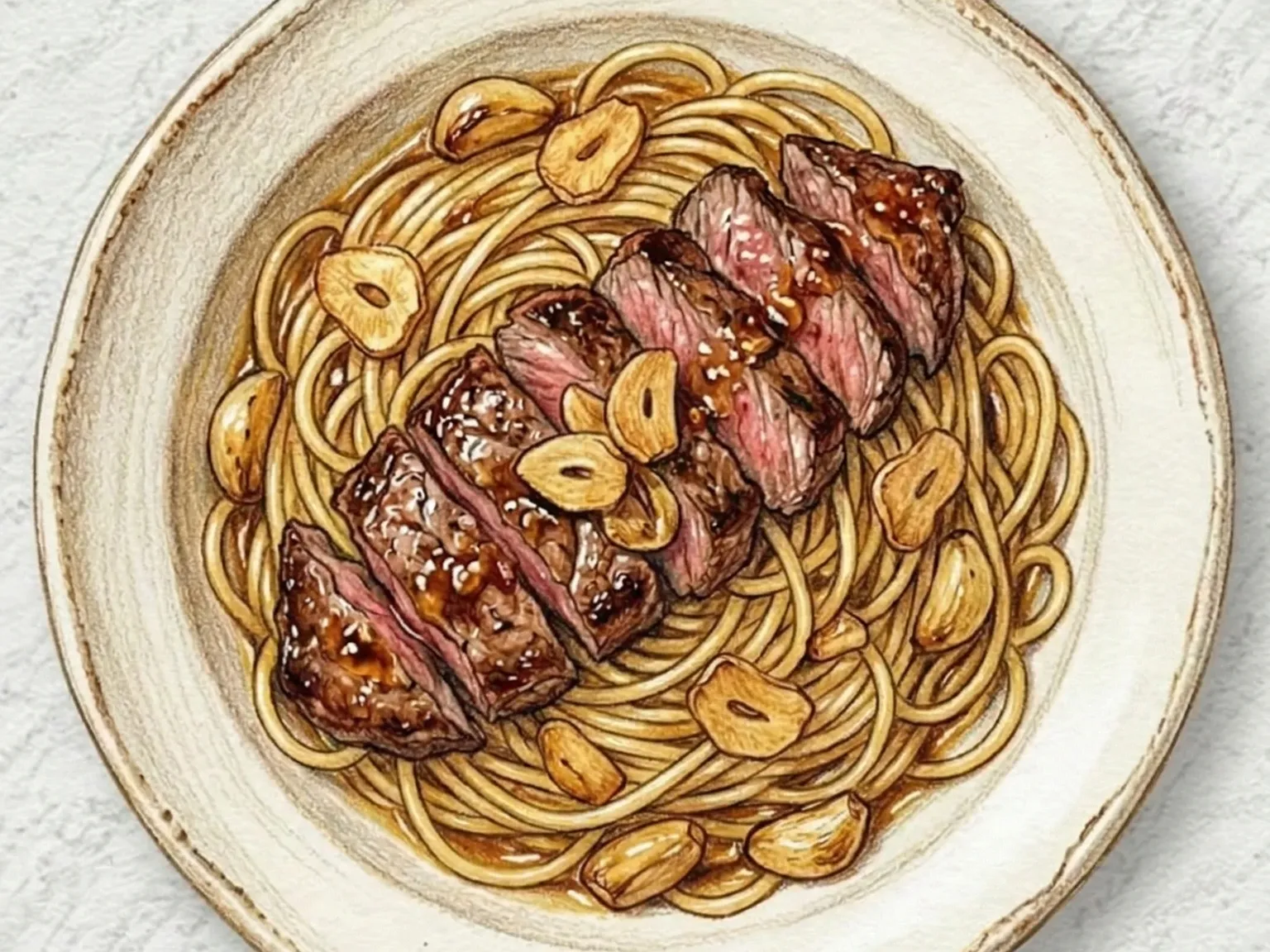
Soy Butter Steak Garlic Spaghetti

Quick answer

Thick-cut sirloin seared at high heat, then glazed in soy sauce and butter, forms the base of this steak pasta.

What makes this special

  • Sirloin glazed in soy sauce and butter tops an oil-based garlic spaghetti base.
  • Sirloin seared hard then glazed with soy-butter for a sticky, savory crust
  • Pasta water merges drippings, soy, and butter into a glossy non-greasy sauce
Total time
35 min
Level
Medium
Servings
2 servings
Ingredients
10
Calories
690 kcal
Protein
36 g

Key ingredients

spaghettibeef sirloinsoy sauceunsalted buttergarlic cloves

Core cooking flow

  1. 1 Season 180g beef sirloin with salt and 0.5 teaspoon pepper.
  2. 2 Cook 180g spaghetti in salted boiling water for 1 minute less than the package time.
  3. 3 Heat 1.5 tablespoons olive oil in a very hot pan over high heat.

Thick-cut sirloin seared at high heat, then glazed in soy sauce and butter, forms the base of this steak pasta. The fond left in the pan gets deglazed with soy sauce and butter, then emulsified with pasta water into a thin, shiny coating that clings to each strand without turning greasy. Generous garlic browned in olive oil beforehand builds a deep, roasted-garlic base that runs through the entire sauce, and tsuyu -- a Japanese seasoning concentrate made from kombu and bonito -- adds the round umami depth of dashi without any extra steps. The steak is best cooked to medium-rare and sliced against the grain before laying over the pasta; resting the meat first keeps the juices from running out when cut. Black pepper and sliced scallions cut through the richness at the end. The full cook time is about 20 minutes, and pasta water volume controls the final sauce consistency.

Prep 15min Cook 20min 2 servings

Instructions

Read the steps as a cooking flow: prep, heat, seasoning, doneness control, and finish.

6 steps
  1. 1
    Season

    Season 180g beef sirloin with salt and 0.5 teaspoon pepper.

    Rest at room temperature for 10 minutes to ensure even cooking.

  2. 2
    Finish

    Cook 180g spaghetti in salted boiling water for 1 minute less than the package time.

    Reserve 1 cup pasta water.

  3. 3
    Control

    Heat 1.5 tablespoons olive oil in a very hot pan over high heat.

    Sear the steak for 2 minutes per side, then remove and rest for 5 minutes.

  4. 4
    Control

    In the same pan melt 25g unsalted butter.

    Add 5 sliced garlic cloves and 70g sliced onion. Saute over medium heat for 3 minutes until sweet and fragrant.

  5. 5
    Control

    Add 1.5 tablespoons soy sauce and 1 tablespoon tsuyu.

    Stir-fry for 30 seconds, then add pasta water and bring to a boil. Add the spaghetti and toss over high heat for 1 minute to coat.

  6. 6
    Finish

    Slice the rested steak to 1cm thickness.

    Arrange on top of the pasta and scatter 2 tablespoons sliced green onion to finish.

After the steps

Pick a recipe that fits this dish.

Continue with shared ingredients, meal pairings, or a similar method.

Recipes That Go Well With This

More Pasta →

Based on shared ingredients and meal pairing

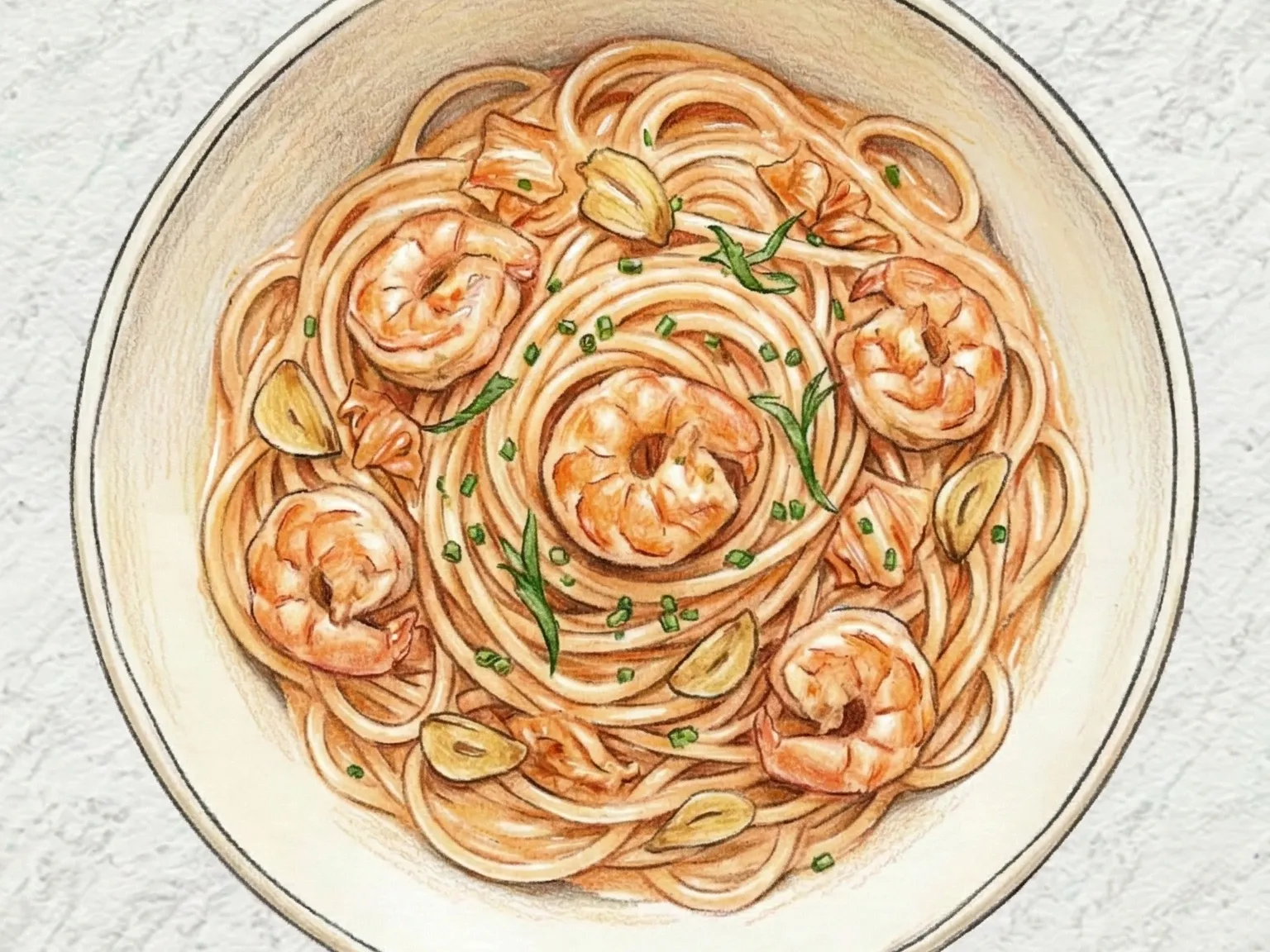
Kimchi Garlic Butter Shrimp Spaghetti
Shared ingredient: spaghetti Pasta

Kimchi Garlic Butter Shrimp Spaghetti

Kimchi garlic butter shrimp spaghetti is an oil-based pasta where garlic browned in butter and fermented kimchi together amplify the natural sweetness of shrimp. The shrimp are seared first in olive oil to build fond on the pan, then garlic and chopped kimchi go into the same pan to absorb those flavors. Butter and starchy pasta water are emulsified into a glossy, light coating rather than a heavy sauce. Gochugaru provides a gentle background heat, and a squeeze of lemon at the end lifts the richness. Sliced scallions finish the dish with color and a mild onion note.

Soy-Garlic Chicken Parmesan Spaghetti
Shared ingredient: spaghetti Pasta

Soy-Garlic Chicken Parmesan Spaghetti

Soy garlic chicken Parmesan spaghetti represents a fusion of culinary traditions, integrating a marinade rooted in Korean flavors with the structural framework of a classic Italian pasta dish. For the protein component, chicken thigh pieces undergo a marination process involving a mixture of soy sauce, finely minced garlic, and honey. During the subsequent cooking phase, these ingredients are pan seared at a high temperature. This heat causes the natural sugars found in both the honey and the soy sauce to undergo caramelization, resulting in the formation of a dark and sticky glaze that coats the exterior of the meat. Garlic serves as a recurring element in the preparation, being used first within the initial marinade and then again when it is sauteed directly into the tomato sauce base. This repetition ensures that a consistent aromatic quality is maintained throughout the various layers of the meal from the start of cooking to the final assembly. The acidity inherent in the tomato sauce introduces a bright fruit character to the profile. This sharpness functions to balance the density of the sweet and salty glaze on the chicken, preventing the richness of the marinade from becoming overwhelming. A generous amount of grated Parmesan cheese is applied over the dish to introduce a nutty and salty depth. This cheese layer acts as a bridge between the Korean seasoning applied to the chicken and the Italian pasta that serves as the foundation of the plate. The choice of chicken thigh is intentional because this specific cut retains its internal moisture even during a hard sear. It remains succulent in a way that chicken breast meat often does not when subjected to similar levels of heat. The final preparation is completed with a garnish of thinly sliced scallions, which provides a clean green finish to the presentation.

Korean Fish Cake Soup (Clear Anchovy Radish Broth)
Serve together Drinks

Korean Fish Cake Soup (Clear Anchovy Radish Broth)

Eomuk-tang is a Korean fish cake soup in which skewered fish cakes and thick radish slices simmer in a clear broth built from dried anchovies and kelp. The kelp must be removed the moment the water begins to boil, otherwise it releases a slimy texture that clouds the broth. Cutting the radish thick allows it to slowly release natural sweetness over the long simmer. Rinsing the fish cakes in hot water before adding them washes away surface oil and keeps the broth clear and clean. Soup soy sauce adjusts the seasoning, and green onion and black pepper finish the pot. Adding the radish before the fish cakes ensures it has enough time to fully soften and sweeten the broth, since it takes longer than the eomuk to cook through.

Gamtae Butter Scallop Spaghetti
Similar recipe Pasta

Gamtae Butter Scallop Spaghetti

Preparing gamtae butter scallop spaghetti requires high heat to develop a properly caramelized exterior on the scallops. This process involves searing the scallops for ninety seconds on each side to create a deep brown crust. Before the scallops ever touch the pan, it is essential to ensure they are completely dry by patting them down thoroughly with paper towels. Removing all surface moisture prevents the scallops from steaming in the pan. If the scallops remain damp, they will turn out soft and pale instead of achieving the intended texture and color. After the scallops have been removed from the heat, the remaining browned bits, known as the fond, serve as the primary flavor foundation for the sauce. Garlic and butter are added to the same pan, followed by white wine which is used to deglaze the surface. As the liquid simmers, the alcohol evaporates, leaving behind a clean acidity that balances the richness of the other ingredients. The sauce is finished by swirling in cold butter at the final stage, which creates a smooth and stable emulsion that coats each spaghetti strand evenly. The final component is gamtae seaweed, which has a flavor profile that is notably more delicate and milder than standard nori. By crumbling this seaweed over the pasta immediately before it is served, you introduce a subtle oceanic quality that bridges the gap between the richness of the butter and the natural sweetness of the scallop meat. To complete the preparation, a measured amount of fresh lemon juice is squeezed over the dish. This acidity sharpens the various flavor components and reduces the perceived heaviness of the fats, ensuring that the pasta remains balanced throughout the meal.

Serve with this

Deodeok Citrus Chicken Salad
Salads Medium

Deodeok Citrus Chicken Salad

Deodeok citrus chicken salad is a Korean-style dish that focuses on the interplay between various textures and flavors. The preparation involves pan-searing chicken tenderloin in a hot skillet until it develops a golden crust on the outside while the meat remains tender on the inside. This protein is paired with deodeok root, which is beaten or pounded before use to loosen its tough fibers and soften its structure. Deodeok provides a unique earthy quality and a subtle bitterness that is difficult to find in other root vegetables. Fresh orange segments are included to provide a bright acidity that balances the savory notes of the seared chicken and the natural earthiness of the deodeok. Arugula is used as the base of the greens, contributing a sharp, peppery layer to the overall composition. A simple dressing made from soy sauce and olive oil is used to integrate the Korean-inspired components with more Western salad elements. Because the dish contains a high amount of protein from the chicken and a significant volume of vegetables, it functions as a light meal that remains nutritionally complete.

🥗 Light & Healthy 🏠 Everyday
Prep 20min Cook 12min 2 servings
Kimchi Bacon Quiche (Fermented Kimchi Egg Custard Pie)
Baking Medium

Kimchi Bacon Quiche (Fermented Kimchi Egg Custard Pie)

This fusion quiche traps the sharp tang of well-fermented kimchi and the smoky depth of bacon inside a silky egg custard. Squeezing the kimchi dry before adding it concentrates its fermented intensity while preventing a soggy filling. Bacon and onion are sauteed until their moisture evaporates, then combined with a custard of eggs, heavy cream, and milk. When sliced, each wedge reveals a mosaic of red kimchi shreds and bacon bits suspended in the golden custard. Melted mozzarella weaves through the filling, binding every layer, while the buttery pie crust provides a crisp, flaky foundation. A two-stage bake, starting at 190 degrees Celsius and dropping to 175, browns the surface while keeping the interior creamy rather than rubbery. Black pepper is the only seasoning needed, since the bacon and kimchi supply all the salt and heat. Served warm from the oven, a single slice makes a complete brunch plate.

🎉 Special Occasion 🧒 Kid-Friendly
Prep 25min Cook 40min 4 servings
Ricotta Spinach Stuffed Shells
Western Medium

Ricotta Spinach Stuffed Shells

Ricotta spinach stuffed shells fill jumbo pasta shells with a mixture of ricotta cheese, blanched spinach, egg, and Parmesan, then bake them in tomato sauce under a layer of melted mozzarella. Squeezing all excess water from the blanched spinach is the critical step - soggy filling makes the shells slide apart and dilutes the sauce underneath. The egg in the filling acts as a binder that firms up during baking, holding the ricotta and spinach together as a cohesive mass inside each shell. Even shells that tear during boiling can be placed on the sauce and baked without issue - the sauce supports them and the cheese covers any imperfections. A generous layer of tomato sauce on the bottom of the baking dish prevents the shells from drying out, while 20 minutes at 190 degrees Celsius melts the mozzarella into a soft, stretchy cap.

🎉 Special Occasion 🍺 Bar Snacks
Prep 20min Cook 30min 4 servings

Similar recipes

Chamnamul Walnut Pesto Trofie
Pasta Easy

Chamnamul Walnut Pesto Trofie

Chamnamul walnut pesto trofie is a fusion pasta that coats twisted trofie in a pesto made from Korean chamnamul (wild parsley), walnuts, Parmigiano, and olive oil. Chamnamul has a lighter, more herbaceous quality than basil, with a faintly bitter finish that gives the pesto a distinctly Korean aromatic character. Walnuts contribute a heavier, more assertive nuttiness than pine nuts, thickening the sauce and anchoring the savory depth together with the aged cheese. The spiral grooves of trofie hold the pesto in every ridge, releasing an even concentration of flavor with each bite. Adding sufficient olive oil during blending slows oxidation and prevents the chamnamul's green color from darkening too quickly. The pasta is best eaten immediately after tossing, when both the color and fragrance are at their peak.

🥗 Light & Healthy 🎉 Special Occasion
Prep 15min Cook 12min 2 servings
Korean Soy-Garlic Grilled Chicken Legs
Grilled Medium

Korean Soy-Garlic Grilled Chicken Legs

Chicken leg meat is scored at the thickest points for even cooking, then marinated in soy sauce, oligosaccharide syrup, minced garlic, cooking wine, sesame oil, and black pepper. Starting skin-side down in a covered pan for ten minutes, then flipping for another eight to ten minutes, the skin renders its fat and crisps up while the interior cooks through. A final brush of the remaining marinade reduces into a dark, glossy glaze that carries concentrated garlic and soy flavor. Finished with a sprinkle of sesame seeds, this dish yields four generous servings as a main course alongside rice.

🍺 Bar Snacks
Prep 20min Cook 30min 4 servings
Korean Stir-Fried Shrimp (Garlic Butter Soy Glazed Shrimp)
Stir-fry Easy

Korean Stir-Fried Shrimp (Garlic Butter Soy Glazed Shrimp)

Saeu-bokkeum is a Korean stir-fried shrimp dish glazed in garlic butter and soy sauce. The process starts by peeling and deveining the shrimp, then patting them dry with paper towels to prevent splashing in the hot oil. Minced garlic is sautéed in melted butter over medium heat until fragrant. The shrimp are placed in a single layer and cooked over medium-high heat, flipping them as they turn pink. Precise timing is essential, as overcooking makes the shrimp tough and rubbery. A premixed blend of soy sauce and sugar is poured around the edges of the pan, cooking down into a glossy, sweet-and-savory glaze that coats each piece. Black pepper is added at the end to provide a sharp contrast to the rich butter. Sliced green onions are tossed in for ten seconds before turning off the heat, and the dish is served warm.

🏠 Everyday 🌙 Late Night
Prep 10min Cook 8min 2 servings

Tips

Always rest steak before slicing to keep juices inside.
Do not reduce soy sauce too long; emulsify quickly with pasta water.

Nutrition (per serving)

Calories
690
kcal
Protein
36
g
Carbs
64
g
Fat
31
g