Korean Kimchi Pancake

Korean Kimchi Pancake

Quick answer

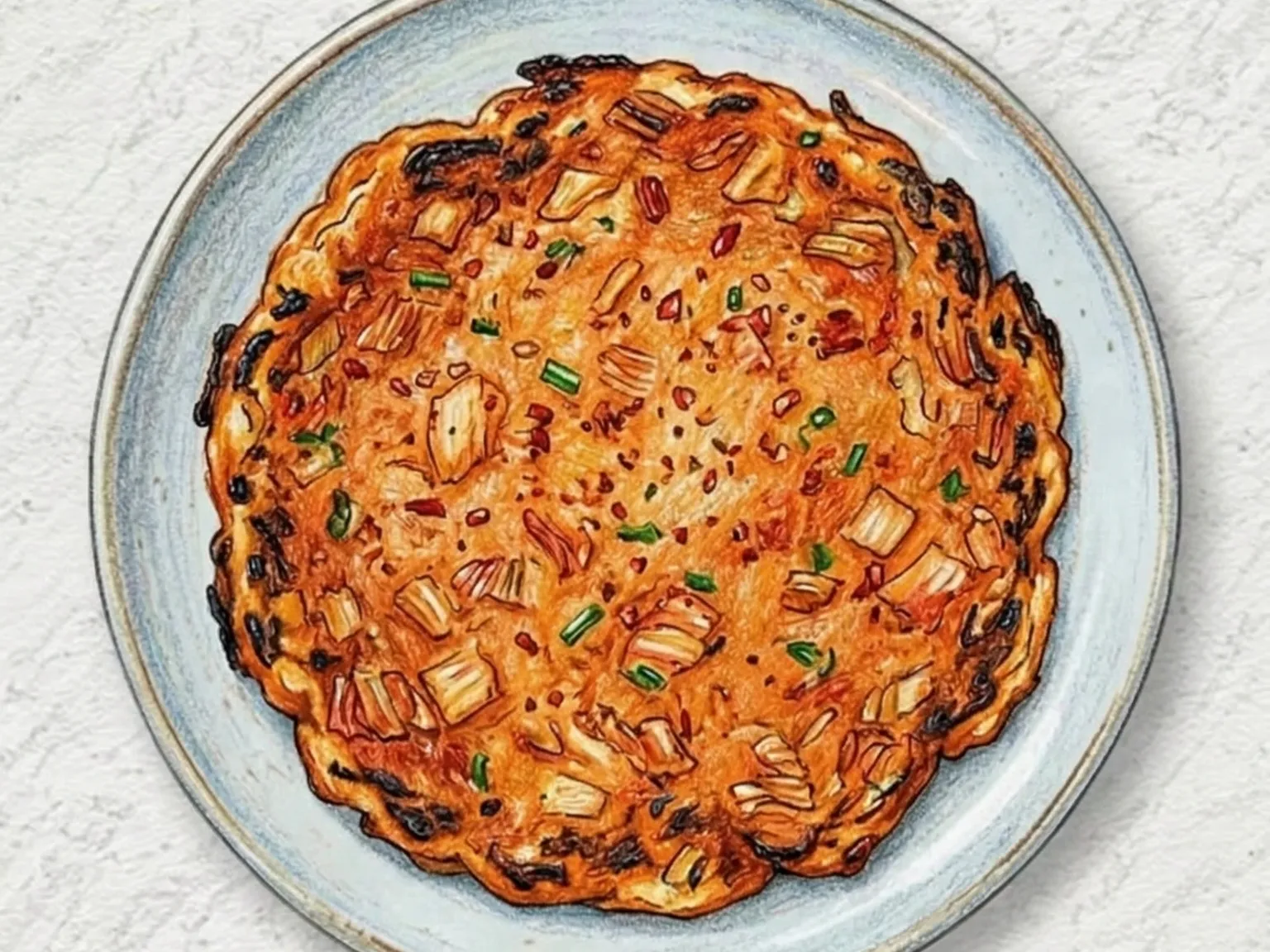
Kimchi-jeon is a Korean savory pancake made by chopping well-fermented kimchi into small pieces, mixing it into a batter of pancake flour, kimchi brine, and chili flakes...

What makes this special

  • Kimchi-jeon utilizes fermented brine within the batter to mix tangy depth into every bite.
  • Kimchi brine replaces water, weaving fermented tang into the batter
  • 4 minutes then flip for 3 gives crisp exterior with moist center
Total time
22 min
Level
Easy
Servings
2 servings
Ingredients
7
Calories
350 kcal
Protein
8 g

Key ingredients

well-fermented kimchikimchi brineKorean pancake mixwatergochugaru

Core cooking flow

  1. 1 Shake off excess brine from 180 g well-fermented kimchi, then chop it into even 1 cm pieces.
  2. 2 In a bowl, loosen 120 g Korean pancake mix with 60 ml kimchi brine and 80 ml water.
  3. 3 Fold the chopped kimchi into the batter with chopsticks or a spoon, mixing only until evenly distributed.

Kimchi-jeon is a Korean savory pancake made by chopping well-fermented kimchi into small pieces, mixing it into a batter of pancake flour, kimchi brine, and chili flakes, then frying the batter in oil until both sides turn golden and crisp. Using kimchi brine instead of plain water is the central technique: the lactic acid from fermentation adds a tangy depth to the flour base that water simply cannot provide. The batter consistency varies with how wet the kimchi is, so the target is a texture that runs slowly rather than puddles, which usually requires less liquid than might seem necessary. Neutral cooking oil or perilla oil suits the flavor profile better than olive oil, preserving the characteristic savory aroma of Korean pan-fried foods. Four minutes on the first side over medium-high heat followed by three minutes after flipping produces a crust that is genuinely crisp at the surface while the inside stays moist from the kimchi's own liquid. Pressing lightly with a spatula before flipping helps confirm that the underside has set firmly enough to hold its shape. A pancake that is too thin burns before it develops flavor, and one that is too thick leaves the interior underdone. Kimchi-jeon is at its best immediately off the pan, but a brief return to a dry skillet restores most of the crispness when reheating leftovers.

Prep 10min Cook 12min 2 servings
Recipes by ingredient → korean chili flakes

Instructions

Read the steps as a cooking flow: prep, heat, seasoning, doneness control, and finish.

6 steps
  1. 1
    Prep

    Shake off excess brine from 180 g well-fermented kimchi, then chop it into even 1 cm pieces.

    Keep the pieces fairly small so they mix through the batter without tearing the pancake as it spreads.

  2. 2
    Season

    In a bowl, loosen 120 g Korean pancake mix with 60 ml kimchi brine and 80 ml water.

    Stir in 0.5 tablespoon gochugaru and 0.5 teaspoon sugar until no dry flour pockets remain.

  3. 3
    Prep

    Fold the chopped kimchi into the batter with chopsticks or a spoon, mixing only until evenly distributed.

    The batter should run slowly from the spoon but not spread like water when it lands.

  4. 4
    Control

    Heat the pan over medium-high heat for about 1 minute, then add 2.5 tablespoons cooking oil and spread it across the surface.

    Pour in the batter thinly and evenly, tidying the edges before they set.

  5. 5
    Heat

    Keep the heat at medium-high and cook the first side for 4 minutes.

    Flip only when the edges look browned and dry and the top feels set enough to support with a spatula.

  6. 6
    Finish

    After flipping, cook for 3 more minutes and press the center lightly to check that it feels crisp rather than soft.

    Rest briefly on paper towel, then slice and serve immediately while the crust is still crisp.

After the steps

Pick a recipe that fits this dish.

Continue with shared ingredients, meal pairings, or a similar method.

Recipes That Go Well With This

More Grilled →

Based on shared ingredients and meal pairing

Korean Chive Kimchi Jeon (Spicy Fermented Kimchi Pancake)
Shared ingredient: kimchi brine Grilled

Korean Chive Kimchi Jeon (Spicy Fermented Kimchi Pancake)

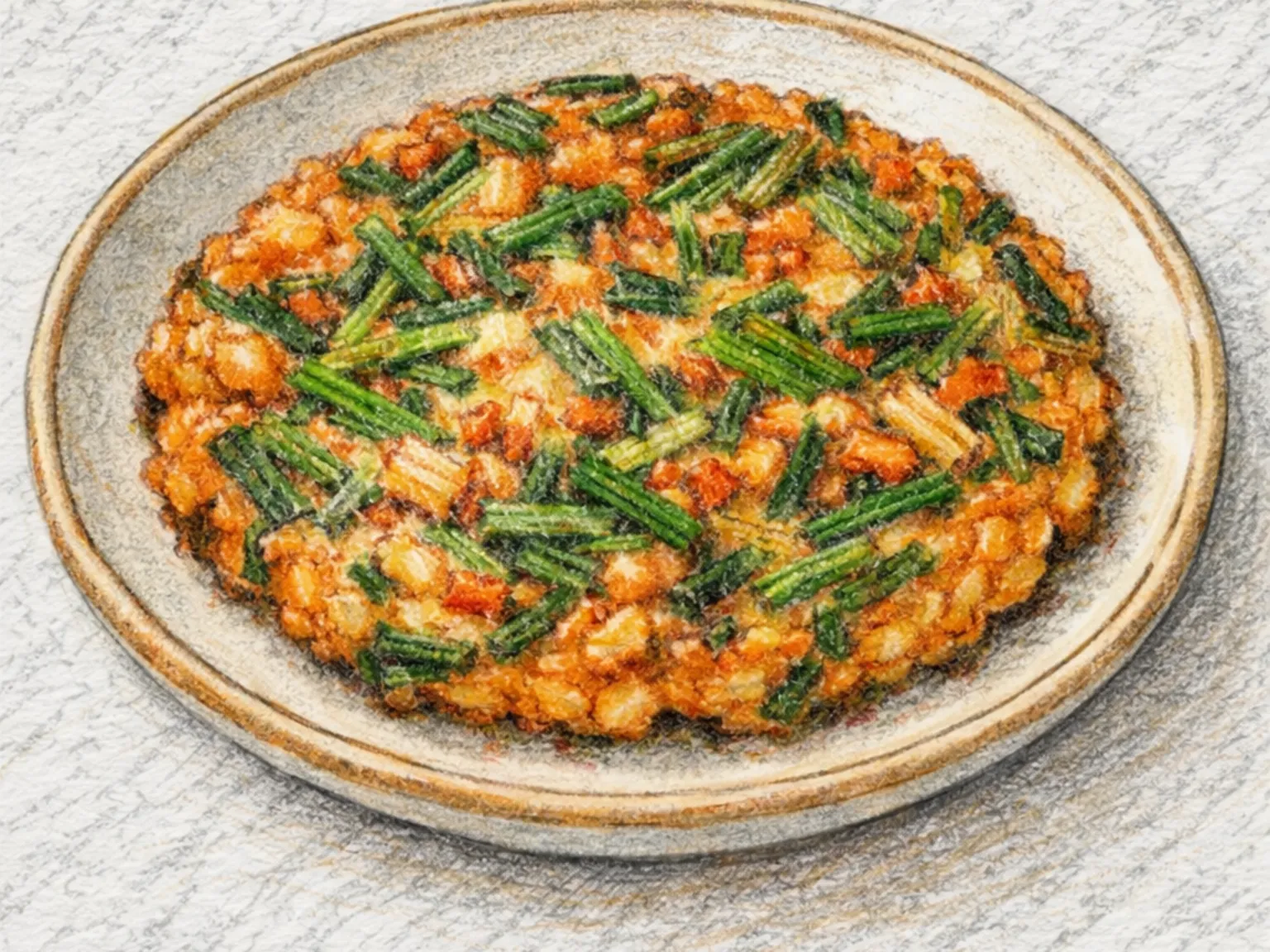
Buchu-kimchi-jeon is a Korean pancake built around well-fermented aged kimchi and garlic chives, mixed into a cold-water batter that also includes a pour of kimchi brine. The brine is not optional: it tints the batter a deep red and introduces the concentrated, tangy umami that only long-fermented kimchi produces, which a fresh batch or water substitute cannot provide. Cold water is used because it limits gluten development, giving the finished pancake a shatteringly crisp exterior instead of the chewy, doughy texture that warm water encourages. Thinly sliced fresh hot green chili adds a sharper, more immediate heat on top of the kimchi's fermented sour spiciness, creating a more complex profile than either ingredient achieves alone. The pancake must be spread thinly on a pan preheated over medium-high heat and left alone until the edges turn a deep golden brown; attempting to flip before the perimeter has fully set will cause the center to collapse and lose its structure. The garlic chives soften into the batter but release a persistent fragrance that carries through each bite and lingers after the meal.

Korean Kimchi Potato Jeon
Shared ingredient: korean pancake mix Grilled

Korean Kimchi Potato Jeon

Kimchi-gamja-jeon is a pan-fried Korean pancake made from grated potatoes combined with chopped napa kimchi, Korean pancake mix, green onion, and Cheongyang chili. The grating releases starch along with water, and the key step is letting the mixture settle so the starch sinks, then pouring off the liquid and recombining only the starch with the rest of the batter. This starch concentration creates the contrast between a shattering crust and a moist, soft interior that marks a well-made potato pancake. The batter is spread thin in a preheated oiled pan and fried on both sides over medium-high heat. Keeping the temperature high enough that the exterior sets quickly before oil soaks in is essential, as a pan that is too cool produces a greasy, soft result. Kimchi juice that hits the hot pan caramelizes at the edges, creating pockets of deep savory crust alongside the sharp fermentation flavor. The tangy acidity of the kimchi and the mild sweetness of the potato create a defined contrast in each bite. Dipped in vinegared soy sauce spiked with sliced Cheongyang chili, the pancake is a classic makgeolli pairing.

Korean Spicy Stir-Fried Anchovies
Serve together Side dishes

Korean Spicy Stir-Fried Anchovies

Spicy stir-fried anchovies (maeun myeolchi-bokkeum) toss medium-sized dried anchovies in a gochujang-gochugaru glaze, occupying the opposite end of the flavor spectrum from the sweet jiri-myeolchi version and targeting adult palates. Medium anchovies are larger and thicker than the tiny variety, requiring individual head-and-gut removal to eliminate bitterness - a tedious prep step that nonetheless determines the dish's clean finish. After dry-toasting to drive off moisture, the anchovies simmer in a sauce of gochujang, gochugaru, soy sauce, oligosaccharide, and minced garlic until each piece is coated in a rust-colored glaze. The gochujang's fermented heat combines with gochugaru's vivid red to create both flavor depth and visual appeal. The larger anchovy size delivers a satisfying crunch that lingers alongside a lasting savory umami. Heat intensity is adjustable via gochugaru quantity - adding chopped cheongyang chili ratchets it up another notch. This banchan doubles as a soju drinking snack, appearing as frequently on bar tables as on dinner tables.

Korean Tuna and Kimchi Pancake
Similar recipe Grilled

Korean Tuna and Kimchi Pancake

Chamchi-kimchi-jeon is a Korean pancake made from drained canned tuna and finely chopped aged kimchi mixed into a batter of Korean pancake flour, water, and egg. The tuna provides mild protein bulk while the fermented kimchi delivers tangy acidity and deep savory depth, and the minimal batter lets both flavors come through without being muted. Pressing the tuna firmly through a strainer right after opening the can removes most of its tinned odor, and a small splash of kimchi brine stirred into the batter deepens both the color and the overall savoriness. Using well-aged kimchi intensifies the sour depth that offsets the tuna's mildness, and the egg in the batter helps the pancake hold together during flipping. The whole pancake comes together in under ten minutes from pantry staples, making it one of the quickest jeon varieties for a casual meal or drinking snack.

Serve with this

Diet Konjac Fried Rice
Rice Easy

Diet Konjac Fried Rice

Diet Konjac Fried Rice is a low-calorie alternative to traditional fried rice, featuring chicken breast, eggs, and vegetables. The key step involves rinsing the konjac rice and dry-frying it in a pan without oil. This technique evaporates excess moisture and transforms the wet grains into a firm, chewy texture. To overcome the bland flavor of konjac, the dish uses a small combination of soy sauce and oyster sauce seasoned along the edges of the pan. Chopped green onions and carrots are sautéed in oil before adding chicken breast. Pushing these ingredients to one side to scramble the eggs separately keeps the eggs tender instead of rubbery. Finishing with a pinch of black pepper completes the savory profile. For longer satiety, cooking the konjac grains mixed with regular rice in a one-to-one ratio is recommended.

🔥 Trending Now ⚡ Quick
Prep 10min Cook 15min 2 servings
Chicken Mu (Korean Fried Chicken Radish Pickle)
Kimchi Easy

Chicken Mu (Korean Fried Chicken Radish Pickle)

The crunchy, sweet-sour radish pickle served with every order of Korean fried chicken - now easy to make at home in under 15 minutes. Cubed radish is submerged in a cooled brine of vinegar, sugar, salt, and whole black peppercorns. Using fully cooled brine rather than hot is critical for maintaining the radish's firm, snapping crunch. Ready to eat after one day of refrigeration, its bright acidity cleanses the palate between bites of crispy chicken. Stored in a glass jar, this pickle keeps for over a week.

⚡ Quick 🏠 Everyday
Prep 10min Cook 5min 4 servings
Korean Soft Tofu Soup (Mild Clear Broth with Silken Tofu)
Soups Easy

Korean Soft Tofu Soup (Mild Clear Broth with Silken Tofu)

Sundubu-guk is the gentler sibling of the more widely known sundubu-jjigae, trading the latter's fiery red broth for a clear, mild soup that puts silken tofu front and center. The base is a simple anchovy and kelp stock, seasoned with soup soy sauce and nothing more assertive, so the broth stays transparent and clean on the palate. Blocks of unpressed soft tofu are slipped into the simmering liquid and heated just until they are warmed through - overcooked sundubu loses the trembling, custard-like texture that defines the dish. Each spoonful collapses gently on the tongue, releasing a faint, sweet soybean flavor that pairs effortlessly with the umami-rich stock. A small addition of salted shrimp paste can be stirred in at the table to introduce a subtle marine depth without disrupting the soup's calm character. This is the soup Koreans turn to when appetite is low, digestion needs rest, or the body simply craves something warm and uncomplicated. It is equally suitable for young children and elderly diners, and its quiet simplicity is precisely its strength.

🏠 Everyday ⚡ Quick
Prep 5min Cook 15min 4 servings

Similar recipes

Korean Scallion Pancake
Grilled Easy

Korean Scallion Pancake

Pa-jeon is a Korean scallion pancake made by cutting scallions into six-to-seven-centimeter lengths, laying them across an oiled pan, and pouring a batter of Korean pancake mix, water, egg, and salt directly over them before frying on medium heat. The method of placing the scallions first and covering them with batter means one side of each scallion presses against the hot pan surface, which caramelizes them and coaxes out a sweet, aromatic fragrance that would not develop if the scallions were simply mixed into the batter. Batter consistency is a meaningful variable: the mixture should flow off a spoon in a continuous stream rather than plopping, because anything thicker makes the pancake bready and reduces the proportion of scallion in each bite, while anything too thin prevents the distinctive crispy rim from forming around the edges. Adding an extra drizzle of oil around the perimeter before flipping fries the outer edge like a fritter, creating a sharp contrast between the crunchy border and the soft, scallion-loaded interior when dipped into a soy-based dipping sauce. Pa-jeon is also known in Korean culture as a dish that people instinctively crave on rainy days, a reputation closely tied to the sound of batter hitting a hot oiled pan.

🍺 Bar Snacks ⚡ Quick
Prep 15min Cook 10min 2 servings
Korean Kimchi Ramen Pancake
Street food Easy

Korean Kimchi Ramen Pancake

Kimchi ramyeon jeon is a Korean pan-fried pancake made with slightly undercooked ramen noodles mixed into a batter of pancake mix, chopped fermented kimchi, green onion, and red chili flakes. The noodles are boiled for only two minutes, leaving them firm enough to hold their structure in the pan; fully cooked noodles turn soft and collapse into the batter, losing all chew. The residual heat from pan-frying finishes the cooking while the noodles stay springy. Kimchi brings its fermented sourness and the chili flakes add heat, both layering over the mild, savory flavor of the batter. Spreading the mixture thin before frying allows the edges to crisp all the way through. The wavy, coiled shape of ramen strands creates an uneven surface on the pancake, producing irregular pockets and ridges that fry up especially crunchy. It is a popular late-night snack or a practical way to use leftover ramen blocks.

🌙 Late Night ⚡ Quick
Prep 10min Cook 12min 2 servings
Korean Sweet Pumpkin Pancake
Pancakes Easy

Korean Sweet Pumpkin Pancake

Danhobak jeon is made by steaming kabocha squash, mashing it, then mixing the puree with glutinous rice flour and a small amount of all-purpose flour before shaping the mixture into rounds and pan-frying them in oil. The glutinous rice flour gives each piece a chewy, mochi-like texture, and the squash provides enough natural sweetness to keep added sugar minimal. The exterior crisps up in oil while the center stays soft and moist, like a compressed squash puree. The squash's natural sugars caramelize lightly against the hot pan, producing a golden color on the surface. Best eaten warm, when the squash's sweet, earthy aroma is most pronounced. Well suited as a snack or dessert.

🍺 Bar Snacks 🧒 Kid-Friendly
Prep 18min Cook 10min 2 servings

Tips

A thick batter layer can make the pancake soggy.
Add a bit more sugar if the kimchi is very sour.

Nutrition (per serving)

Calories
350
kcal
Protein
8
g
Carbs
44
g
Fat
15
g