Charim

2686 Korean & World Recipes

2686+ Korean recipes, clean and organized. Ingredients to instructions, all at a glance.

Korean Pork Belly Kimchi Fried Rice
RiceEasy

Korean Pork Belly Kimchi Fried Rice

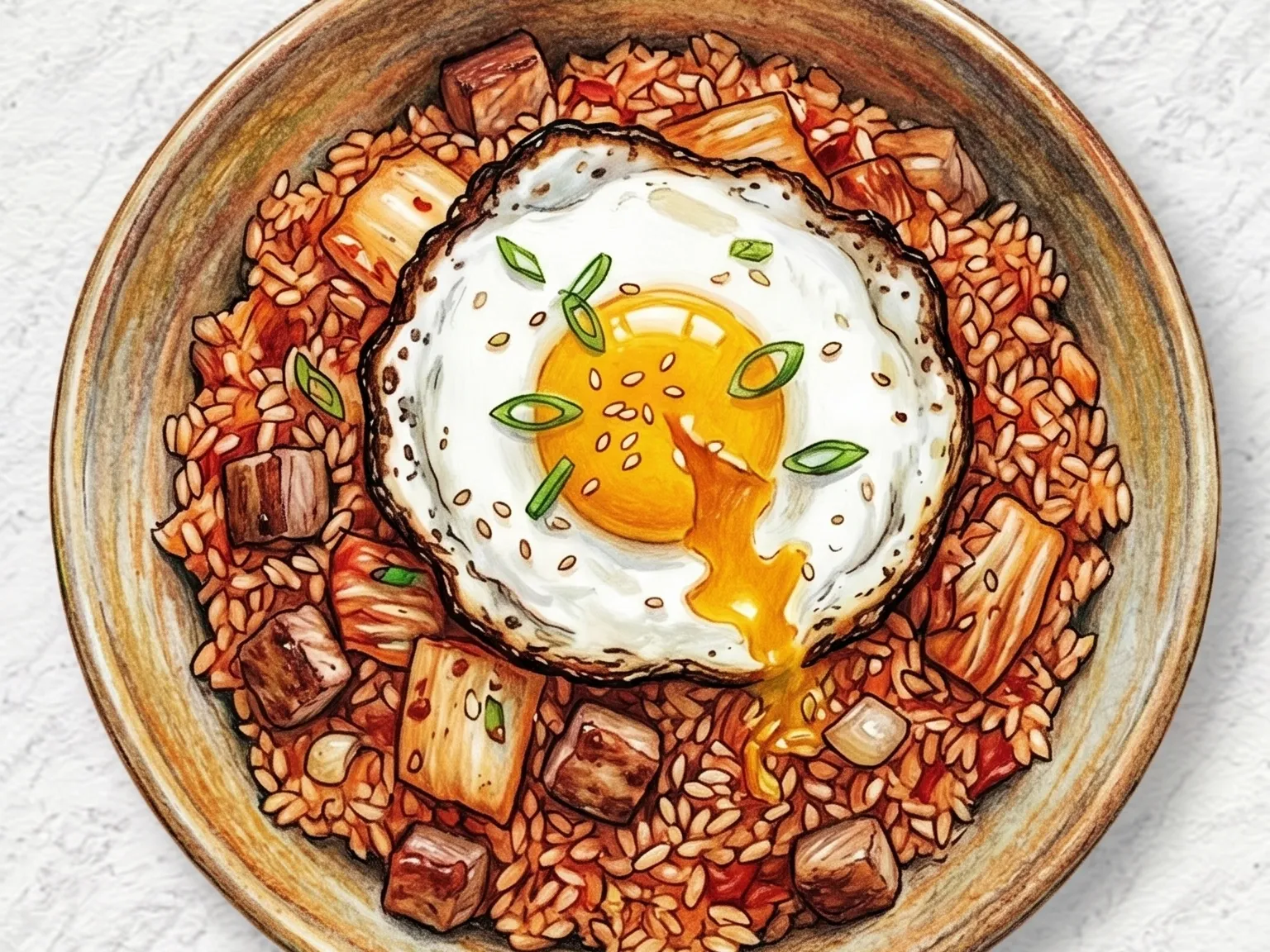
Pork belly is diced small and rendered in a hot pan until golden, producing enough fat to cook the entire dish without additional oil. Aged kimchi and onion go into that rendered fat, where the kimchi's sharp tang softens into the pork's richness. Gochujang and soy sauce season the rice as it joins the pan, and aggressive high-heat stir-frying keeps each grain distinct rather than clumpy. Day-old cold rice works best because its lower moisture content yields a drier, crispier result, and a fried egg on top provides a creamy counterpoint when the yolk breaks.

Prep 15minCook 12min2 servings

Adjust Servings

2servings
servings

Instructions

  1. 1

    Finely chop kimchi and onion, and cut pork belly into 1 cm pieces.

  2. 2

    Cook pork belly in a hot pan until lightly browned and rendered.

  3. 3

    Add onion and green onion, then stir-fry kimchi for 2 minutes to reduce moisture.

  4. 4

    Mix in gochujang and soy sauce, add rice, and stir-fry over high heat.

  5. 5

    Drizzle sesame oil at the end and toss briefly.

  6. 6

    Fry eggs separately and place on top before serving.

🛒Shop Ingredients on Amazon

As an Amazon Associate, we may earn from qualifying purchases.

Tips

Use cold rice for a drier, fluffier fried rice texture.
Squeeze excess kimchi juice to prevent soggy rice.

Nutrition (per serving)

Calories
680
kcal
Protein
23
g
Carbs
66
g
Fat
35
g

More Recipes

Korean Bulgogi Deopbap (Pork Rice Bowl)
RiceEasy

Korean Bulgogi Deopbap (Pork Rice Bowl)

Spicy-sweet pork bulgogi piled over rice with aromatic crown daisy greens - a one-bowl Korean dinner ready in 30 minutes. Gochujang-marinated pork shoulder is stir-fried with onion over high heat and finished with a handful of crown daisy greens. The marinade layers gochujang, chili flakes, soy sauce, sugar, and garlic into a sauce that is simultaneously spicy, sweet, and deeply savory. Pork shoulder renders enough fat during cooking to carry the sauce into the rice below, creating a rich base. Crown daisy goes in during the final thirty seconds - just long enough to wilt slightly and release its herbal, almost chrysanthemum-like fragrance, which cuts through the heaviness of the pork and sauce with a green, aromatic brightness. The timing of the ssukgat addition is critical: too early and it turns limp and bitter, too late and the aroma stays locked inside the leaves. The finished bowl needs no accompaniment to feel complete.

🏠 Everyday
Prep 18minCook 14min2 servings
Korean Spam Fried Rice (Crispy Spam Cubes with Egg and Rice)
RiceEasy

Korean Spam Fried Rice (Crispy Spam Cubes with Egg and Rice)

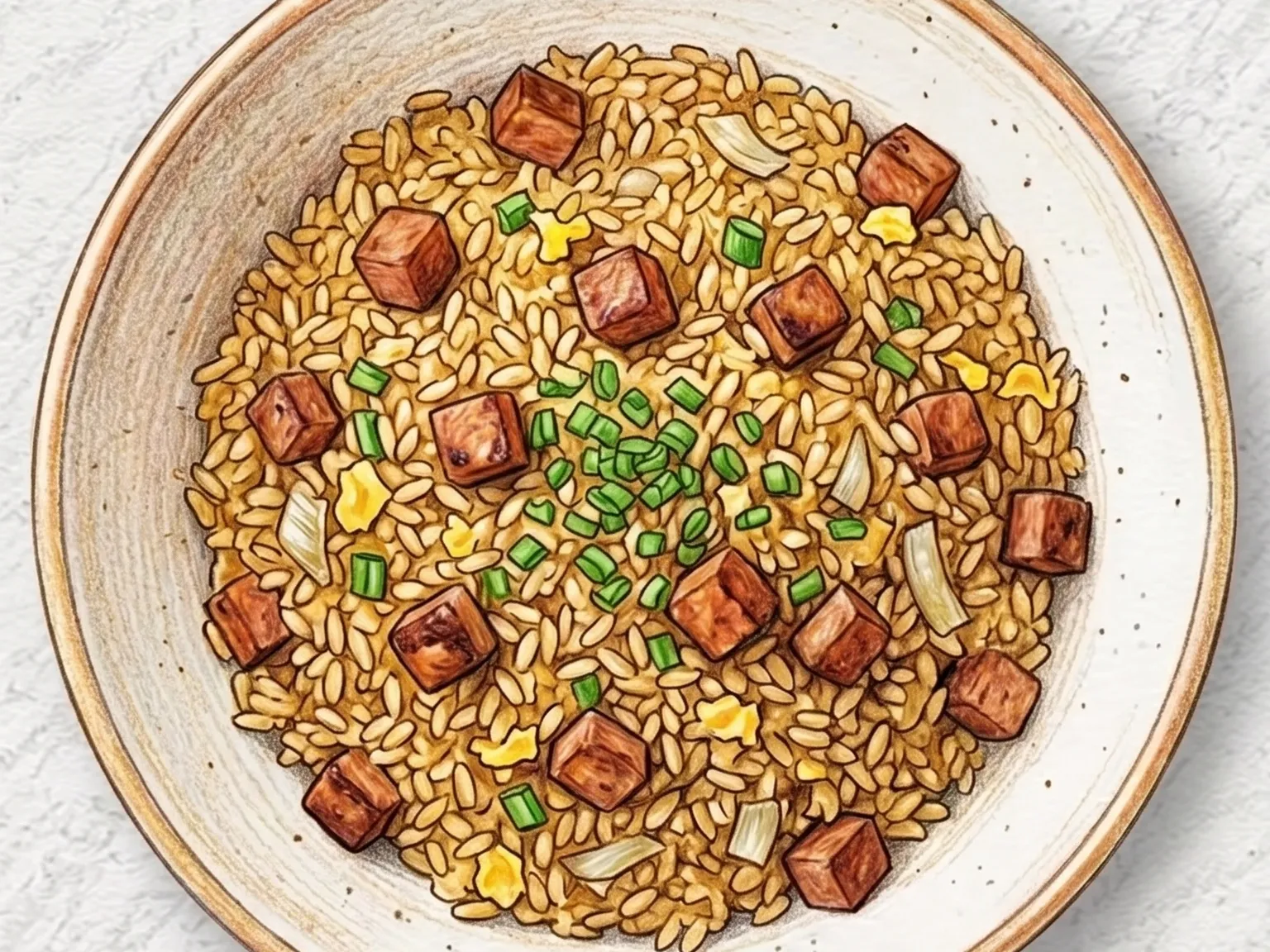
Spam bokkeumbap is a Korean fried rice built around crispy cubes of pan-seared Spam, whose salty, caramelized edges give the dish an addictive quality. The Spam is diced small and dry-fried without added oil - its own rendered fat crisps the outside while keeping the inside moist and savory. Onion and scallion go in next for aromatic depth, followed by cold leftover rice that is tossed over high heat until every grain picks up the salty pork flavor left in the pan. Beaten egg is scrambled into the rice, coating the grains in a thin, soft layer. A splash of soy sauce and a drizzle of sesame oil finish the dish with umami and nuttiness. The whole thing comes together in under ten minutes, making it one of the fastest comfort meals in the Korean home-cooking repertoire.

Quick
Prep 5minCook 10min2 servings
Korean Bossam Kimchi Rice Bowl
RiceMedium

Korean Bossam Kimchi Rice Bowl

Bossam kimchi deopbap is a Korean rice bowl that repurposes leftover bossam - tender boiled pork and well-fermented bossam kimchi - by stir-frying them with onion in a sweet-spicy gochujang sauce and serving it all over hot rice. The tangy crunch of the kimchi plays off the moist, savory pork, while the sauce ties every element together with warmth and depth. It is a practical and satisfying meal that needs no side dishes, making it an efficient way to transform bossam leftovers into an entirely new dish. The contrast between the soft, slow-cooked pork and the sharp acidity of fermented kimchi keeps each bite lively, and the gochujang glaze adds just enough heat to make you want more.

🏠 Everyday
Prep 15minCook 20min2 servings
Korean Spicy Pork Rice Bowl
RiceEasy

Korean Spicy Pork Rice Bowl

Pork shoulder is sliced into strips, marinated in gochujang, chili flakes, soy sauce, garlic, and sugar for ten minutes, then stir-fried over high heat until the edges caramelize. Onion goes in first to build sweetness, and green onion added at the end brings a sharp, fresh bite that cuts through the spicy-sweet glaze. A final drizzle of sesame oil rounds out the aroma. Served over steamed rice, the bold sauce coats every grain, making this a satisfying single-bowl meal that comes together in under thirty minutes.

🏠 Everyday
Prep 20minCook 15min2 servings
Korean Bunsik Kimchi Bokkeumbap (Kimchi Fried Rice)
Street foodEasy

Korean Bunsik Kimchi Bokkeumbap (Kimchi Fried Rice)

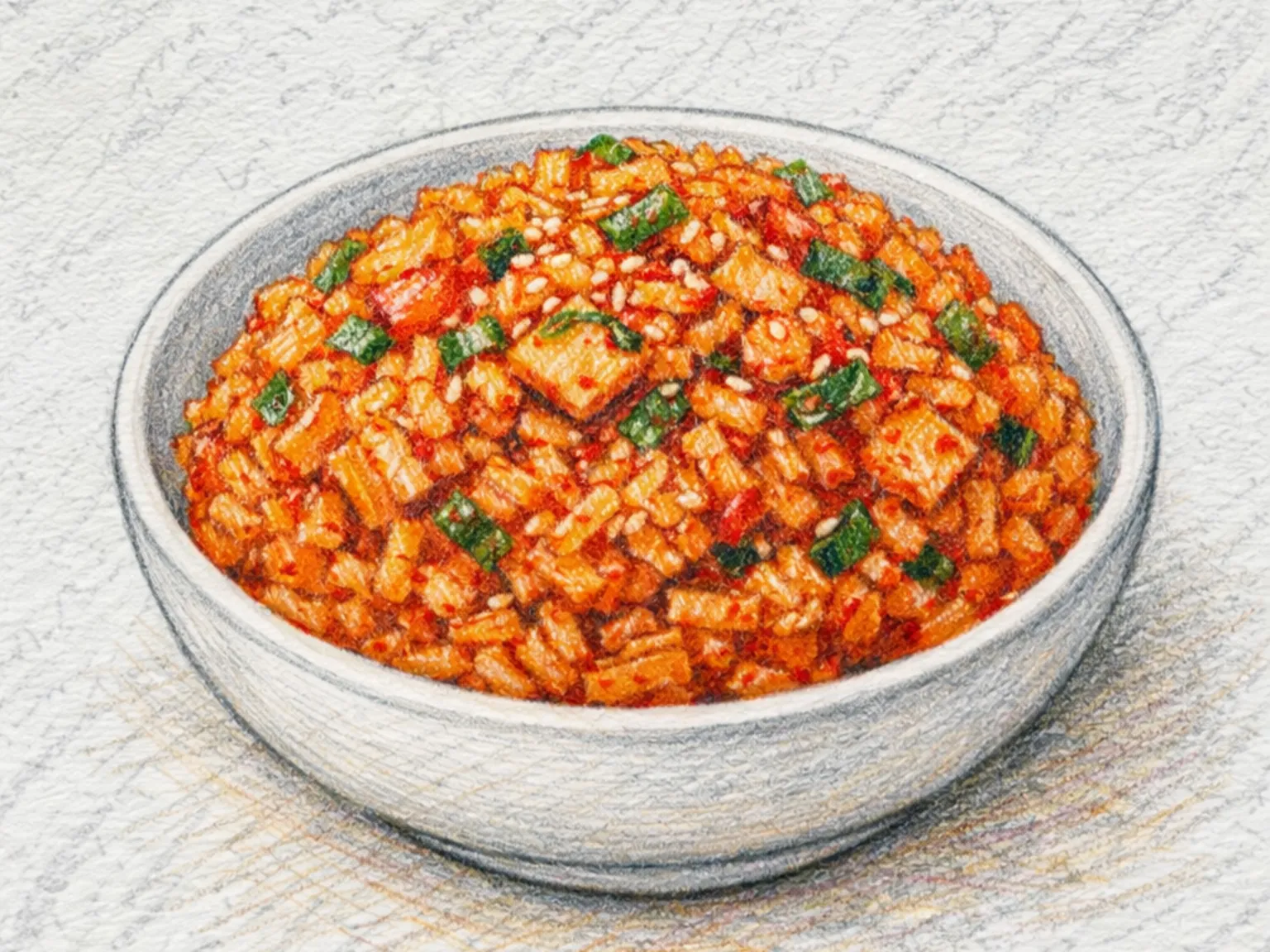
Bunsik-style kimchi fried rice starts by making scallion oil from green onions, then stir-frying well-fermented kimchi to drive off moisture before seasoning with gochujang and soy sauce and tossing in day-old rice. The scallion oil lays a nutty base across the rice, and the aged kimchi's sharp acidity layers with the gochujang's heat to build depth. Cold leftover rice fries without turning mushy, keeping individual grains distinct, and the dish is topped with seaweed flakes and a runny fried egg. A small amount of sugar can be added if the kimchi's sourness is overpowering.

🧒 Kid-Friendly🌙 Late Night
Prep 10minCook 15min2 servings
Korean Pork Kimchi Stew (Fermented Kimchi & Pork Shoulder)
StewsEasy

Korean Pork Kimchi Stew (Fermented Kimchi & Pork Shoulder)

Pork kimchi jjigae is one of the most beloved home-cooked Korean stews, built on aged kimchi and pork shoulder. The marbled fat from the pork shoulder melts into the broth, balancing the kimchi's sharp acidity with richness. Tofu and onion bulk up the pot, while soup soy sauce and chili flakes season the liquid. The riper and more sour the kimchi, the better this stew tastes - it is the ideal use for old kimchi.

🏠 Everyday
Prep 12minCook 25min2 servings
More Rice